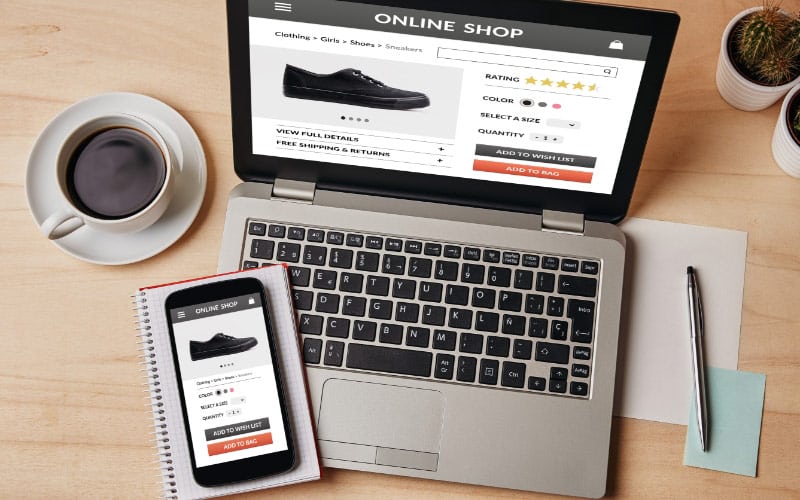
Creating Great Content That Drives Product Sales

2020 was the year when the online shopping market went berserk.

And if you imagine that this trend has gone into decline because physical shopping has returned, think again.

Salesforce’s Q3 2021 Shopping Index showed that global online sales increased by 11% year-on-year, with the UK experiencing a massive 20% increase.

Deloitte, meanwhile, predicts that global 2021 Q4 online sales will increase another 11-15%, with the eCommerce market potentially reaching as much as $218 billion during the Christmas shopping and New Year sales season.

In short, if you have a product and you’re not selling it online – either through your own eCommerce platform or a 3rd party marketplace like Amazon, Etsy, or eBay – then you’re denying yourself the opportunity to make huge sales and outperform your competitors.

Read this blog to find out the impact that a great content strategy will have on your online sales strategy.

Why is Great Content Essential to eCommerce Sales Success?

First off, what actually is a content strategy?
A content strategy is a framework and high-level process brands use for creating digital content that drives key business objectives, such as online sales.

Content marketing, on the other hand, is the actual delivery of content i.e. creating, publishing, and promoting your brand in relevant channels, whether that be via your own website, social media, digital advertising, or, as we focus on here, eCommerce platforms.

great content helps to ecommerce success and sales

And why is content so important? Because it gives users and potential customers the information and inspiration they not only need to buy your product (or, indeed, service, if you’re a service provider) but also recommend it to their friends, family, colleagues, peers, and the wider world via reviews, ratings and social media.

Don’t think recommendations are important? Well, we’re about to blow you away here because a whopping 90% of consumers will visit a company’s website based on a review or recommendation from a stranger on the internet.

The Challenge Facing Online Brands

What’s the Number 1 barrier brands face when they’re attempting to convince customers to buy from them online?  

It’s trying to compete with or, where possible, replicate the experience of buying a product in a physical store. 

For all the obvious benefits of shopping online – whether that be convenience, the ability to shop anywhere at any time from the comfort of your sofa, or the ability to easily shop around for better deals – physical shopping does have some clear advantages. In a physical shop, we can: 

  1. Clearly see a product on the shelf, touch it and smell it
  2. Pick the up product and read the ingredients on the label 
  3. Understand why we should buy it

So, how can brands selling their products online overcome that barrier? 

By creating clear and impactful digital product content that gives online shoppers all the information and inspiration they need to make a purchasing decision.

That digital product content includes detailed product pages, fantastic product descriptions, powerful user videos, engaging imagery and those all-important customer reviews.

Your eCommerce product content and pages should ultimately enhance the online shopping experience and give shoppers everything they need to make the decision to buy your product.
great content helps in sales

Why Do You Need a Content Strategy?

But you can’t just leap into creating content.
You need a content strategy based on a clear understanding of how your target audiences behave and what they’re looking for when they’re shopping for products like yours online.
A content strategy will give you:

1. The foundation for an efficient content creation process
2. The ability to map out an ongoing plan of action
3. Constantly engage with your customers and give them what they need.

It’s the game plan that you and your brand need to succeed in what is a very competitive landscape.

Do You Have the in-House Capabilities to Deliver Great Content?

You’ll also need a content strategy to work out your internal capabilities and whether your team has the necessary skills to create valuable digital assets which positively influence buyers.
For instance, is your eCommerce website up to scratch? Is it easy to use? Does it provide potential customers with a UX (user experience) that inspires trust and confidence in your brand and products? Is it packed with engaging content?

Do you have in-house video scripting and production skills?
Would you know how to put together a keyword strategy that helps your product and brand stand out on a platform like Amazon?

Do you have a team of keyword-savvy copywriters that can provide not only clear information about the product but also create a compelling story that inspires shoppers to buy from you?

If the answer to any of these questions is ‘no’, then you need to consider partnering with a proven digital agency that can deliver powerful content strategies and cost-effective solutions.
That’s right, a digital marketing agency like Chetaru!

How We Will Deliver Great Content That Produces Online Sales

Develop a clear understanding of your target audiences

Do you really know who you’re targeting? How do those potential customers behave online? What are their shopping habits? What engages and positively influences them? And what puts them off?

If you want to successfully sell products or services online, it’s critical that you get a clear understanding of your target audiences and their behaviors.

And it just so happens that we have great methods for gaining those vital insights.

Create clear and compelling messaging

Your brand messages – whether delivered via your website, social media, online advertising or other forms of digital brand engagement – must resonate with your target customers in ways that make them feel connected to your products and your brand. 

We will help you create clear and compelling messages that not only attract new customers but keep them coming back time and again. 

Digital asset audit

Do you have gaps in your content?

The likelihood is that you do. Whether it’s keywords, videos, product descriptions or optimized images you’re missing, we’ll use our tried-and-trusted processes to find the content gaps that are holding you back.

Content Strategy and Planning 

We’ll identify the content your brand and product need to succeed in the eCommerce space and create an action-driven content calendar that will guarantee that your winning content is delivered in a timely manner e.g. hitting the sweet spots like seasonal shopping opportunities,

Content delivery

Let’s get to it!

Our team of 25+ digital experts – which includes a team of copywriters, video specialists and designers – will give your products:

  • SEO – focused titles that stand out on Google and (owned or 3rd party) eCommerce platforms 
  • Compelling product descriptions which focus on key features and benefits but also tell stories that entice and excite shoppers 
  • Clear how-to videos that show shoppers how to use your product
  • Images optimized for mobile that shows essential product information like quantity or flavors 

Constantly Evaluate and Improve 

It’s essential to continually measure the impact your content is having on online sales and how it can be improved. 

Like all great digital marketing teams, we’re dedicated to continually improving the content we deliver on your behalf. 

Why not put your eCommerce content into expert hands? Email us at info@chetaru.com 
How Important is Web Design to Your Digital Marketing Strategy?

Have you started working on your digital marketing strategy?

If so, you’ll be thinking about:

  • Social channels
  • Email marketing 
  • Paid digital ads
  • An app 
  • The latest or upcoming digital trends, such as 3rd party platform product content (e.g. promoting and selling your products on Amazon), livestreaming, augmented reality (AR) and virtual reality (VR).

Great stuff. 

But it’s easy to forget, amidst all these assorted digital marketing channels and tactics, that a website is still the ‘mothership’ of any digital marketing strategy.

And, as such, it’s vital that your web design is nothing short of awesome.   

Finding the Right Balance

There was a time, not so long ago, when website aesthetics and user experience (UX) were deprioritized in favour of functionality.

That was in response to a period of ‘Design for design’s sake’ website design during which too many brands adhered to the flawed idea that an aesthetically pleasing website was the be-all-and-end-all; often to the detriment of good user journeys, functionality, and, ultimately, lead conversion.  

But web design trends have shifted to a good place now, where great aesthetics and functionality go hand-in-hand to deliver practical and enjoyable website user experiences.

Web Design Critical to Brand Engagement

A great-looking website that functions really well and makes the user journey as smooth as possible is integral to any effective digital marketing strategy. It’s a mark of your brand’s high standards and the importance you place on giving users great experiences. 

web design for brand engagement

Layout, colour schemes and more subtle details like an enticing call to action (CTA) buttons must seamlessly combine with one another to help build a powerful platform central to your digital marketing strategy and campaigns.

Regardless of your industry, a website that 1. makes it easy for users to easily find what they’re looking for 2. is aesthetically pleasing 3. is regularly updated with great content will:

  • Get you great visibility on Google 
  • Build trust with potential clients and significantly increase customer acquisition and conversion rates.

The One Digital Asset Your Business Can’t Do Without 

A well-crafted website is transactional and gives businesses the best opportunity to increase leads and sales.

It’s also the one digital asset that a brand and marketing strategy can’t do without. 

Social media analytics are still in their infancy. And it’s not always easy to get clear pictures with paid or digital ad data. 

But websites are easily measurable, giving you and your business the analytics it needs to:

  • Truly understand your customer, their behaviours and needs
  • Gain clear insight into what is and isn’t working

And therefore make effective data-led digital marketing decisions! 

Best Practices for Maximum Website Impact

Stand Out from the Crowd

Differentiation is a crucial factor in all digital and brand marketing strategies.

An outdated and clunky website will give a poor impression that creates a barrier between you and your potential customer. And that’s a problem that needs fixing immediately.

website development tips

But don’t go making a silly decision like simply replicating a competitor’s website and putting a new skin on it. Why? Because: 

1. It’s sticking plaster 

2. It could cheapen your brand because customers who shop around will easily spot that you’ve just gone and copied the competition

No, you definitely need to present your brand, story, products or services in your own way with a compelling website structure, visuals and content that truly reflect your brand and give potential customers memorable, enjoyable experiences.

The Importance Of a Great User Experience 

Don Norman, the celebrated cognitive scientist and doyen of user-friendly design, described User Experience as follows when he was User Experience Architect at Apple in the 1990s: 

‘User experience encompasses all aspects of the end-user’s interaction with the company, its services, and its products’

That’s it in a perfect nutshell.

And it demonstrates why user experience (or UX, as it’s commonly abbreviated now) is something brands need to constantly focus on and invest in. 

Take your website, for instance. 

A high-quality website will give users a great journey that enables them to easily engage, explore and interact with the brand. Building meaningful first impressions and then backing them up with enjoyable interactions will play a huge part in converting leads into conversions – and long-term customers who keep coming back for more.

SEO and Design Must Align 

For those who may not know, SEO (Search Engine Optimization) is the methodology that goes into improving the quality and quantity of website traffic to your website or web page from search engines like Google and Bing. 

Keyword research is a practice that we – as search engine optimization and digital marketing experts with years of website-building experience – use to find and apply search terms that users enter into search engines when looking for products, services or general information. 

SEO – and the keyword research that goes into building a great SEO and content strategy – must be your focus before you write a single word on your new website. 

What are your key markets searching for? Which keywords are the most strategically important? If you constantly don’t pay close attention to and regularly revisit these questions, your website is bound to underperform. 

And it’s very important that your SEO strategy is reflected in your website design and how potential customers interact with it. 

Chances are that, unless your brand is world-famous or they’ve typed your exact brand name into a search engine or browser, users will be confused if they land on your website and not immediately see references or allusions to the keywords they used to find it.  

Web Design Conversion Directly Impacts Conversions

One of the most important website metrics is how good – or bad – it is at converting leads.

Conversion rates directly correlate with how users interact with the website, so are a hugely important factor in all your digital marketing decisions. 

website design impacts towards conversions

Which actions do you want people to ultimately perform on your website? Which off-page channels (e.g. email marketing, social media, digital advertising) will you leverage to get them to perform those actions? And how do these align with your SEO and overall brand strategy?

If a user can’t immediately find what they’re looking for on your website because of a poorly placed call to action button or unclear navigation, the likelihood is that they will quickly leave your website in a state of frustration – and never return.

Even worse, they’ll probably go looking on your competitor’s website and become their long-term customer instead! 

Building and Maintaining Customer Loyalty through Great UX

Think of a brand that you really like and feel loyal towards. 

Is it just because of their products and services? 

Of course those are important factors. But, no, it’s also because you’ve enjoyed how their marketing looks, sounds and feels; the way the brand interacts with you; and how the brand continually nurtures its relationship with you and others like you.

Lots of variables go into building this influence. Not least – in a day and age where digital interactions are almost constant and people want to associate themselves with brands that make them feel good – UX-driven digital marketing.

Website Design at the Heart of a Great Digital Strategy

It’s vital that you realize just how important digital marketing interactions are to the way 21st-century B2B and B2C customers engage with brands and make purchasing decisions. 

And, therefore – seeing as it’s the central piece in your digital marketing strategy – how influential your company’s website is to lead generation, conversion, and the building of brand loyalty.

Contact us today if you want an expert partner to build you a powerful website and digital marketing strategy that fuels growth

How to Generate Leads on Your Landing Page

When you’re trying to promote a specific product or service online, do you just give prospects a link to your website’s homepage?

Big mistake.

Your prospects don’t have the time nor patience to trawl through your website looking for information or sales messages relevant to them. 

That customer journey is a non-starter. It’s like a high school teacher telling pupils they can attend a voluntary double maths lesson tomorrow morning… or stay in bed, if they’d prefer.

But direct your prospects to an expertly conceived landing page? A user experience-driven page with a great design that quickly tells them:

?!?

Well, what you’ve got yourself there is a great tactic for attracting and converting leads!

Read on to learn how to generate and convert leads with your landing pages…

What is a Landing Page?

A landing page is a web page on your site that you direct leads to for a specific purpose.
That purpose could be to collect their details with a contact form. Or:

1. Prompting them into performing a specific action, like subscribing to a service
2. Persuading them to ask for a quote – or even make a purchase right there and then (ker-ching!)

The purpose of a landing page is to convert leads into customers or ask permission to collect their data so that you can use it for marketing or sales purposes in the future.

Why Do You Need Landing Pages?

Imagine you run a business selling luxury soap products online via an eCommerce site. Lovely. 

But think about this as a scenario.

Autumn is approaching. So you – very sensibly – decide to start promoting more seasonal soap. Fragrances and warming colours that put your potential customers in mind of the crunch of russet leaves beneath their feet, pumpkin spice, pyjama socks, roaring log fires, and all those cosy things.

landing page to generate leads

And you want to offer 20% off those autumn products to attract customers and make some sales. Great idea!

So you create a Facebook Ad to promote your autumn wares. Again, that sounds like a good thing to do.

But… you didn’t have the capacity or foresight to build a web page dedicated to your autumnal soaps, so you send them to your homepage in the hope that they’ll do a search for the specific offer when they reach your website. 

Except they won’t, because that’s just not how the modern consumer does things. 

Instead, they’ll get frustrated and immediately bounce off your site. And then get intercepted by a rival brand’s ad, which takes them directly to a beautifully crafted landing page with a very similar offer on a very similar product. 

And your loss is your rival brand’s gain – potentially very many times over because the lost prospect enjoyed a great user experience with your competitor, and will keep going back to them for more.  

If only you’d created a landing page specifically designed to showcase your great autumn soap offer and given perspective clear calls to action leading to an easy checkout…

What Are the Ingredients for a Great Landing Page?

An ace landing page which converts leads is made up of a number of great digital ingredients, like the below:

What’s In It For The Person Landing On Your Page?
What’s your value proposition?

landing page leads


In short, what will the user benefit from if they read your landing page and perform the actions you want them to perform?
For instance, will they get exclusive access to a groundbreaking whitepaper? The contents of this will allow them to steal a march on their competition and dominate their market.
Or perhaps your product or service offers a very clean solution to a problem they have at work that’s been keeping them awake at night?

Make that offering clear, compelling and impossible to resist!

Get to the Point!

This page you’re reading right now is a blog post, not a landing page. Of course we want to interest you in becoming a Chetaru client. But, relax, it’s cool. 

We just want to let you know about our expertise and how we might help you – it’s a longer kind of ‘sell’, if we’re completely upfront about it. And that’s why it might take a few minutes for you to read this piece of content.

Ah, but when it comes to landing pages, we’d have already lost you. 

Because you need to strike fast with a landing page. You need to get your key message across as quickly as possible, in such a compelling way that it prompts the visitor into rapidly making the decision you want them to make. 

And to do that requires great clarity of purpose and a great marriage of UX copywriting and design.

A Well-Placed Call to Action

Lots of landing pages fail simply because the call-to-action (CTA) – like a ‘Buy Now’ or ‘Sign Up!’ button etc – is in the wrong place. D’oh!

By giving your button or form the visibility it deserves, you will significantly increase your chances of getting your prospects to perform the action you want. 

Lead Generation Services

So, where’s a good position?

Well, think about where you’d look for a ‘sign up’ or similar button if you were visiting a product or service landing page. 

For instance, right at the beginning, so that it’s the first thing you see. Or right at the end, because that’s the classic position.

Or perhaps right after a particularly persuasive point you’ve made in your copy or a video or image.  

Or maybe you could take the gamble of a constantly visible floating button.

There actually isn’t a 100% correct answer. It really does take an excellent blend of copywriting and visual design to achieve your intended goal.

Why Should We Take Your Word for It?

Of course you’re going to say that your product or service is great. But why should the person landing on your web page believe you?

Back it up with proof in the form of customer testimonials, links to case studies and easily accessible awesome reviews.
Make these clearly visible and attractive.

And don’t try to pull the wool over people’s eyes, because people are too wary of false information or marketing – and if they get a whiff of untrustworthiness, that could be curtains for your relationship with them.

Keep Those Forms Simple

There’s nothing worse than those signup forms that aren’t intuitive and take ages to fill out. 

OK, so it’s one thing if you’re filling out card payment details – but it’s quite another to expect people to fill in lots of details if you’re just trying to get them to sign up to a newsletter.

Lead Generation Agency

So, keep it as quick, simple and pain-free as possible.

And, of course, give your forms a professional look and make them clearly visible!

In Conclusion

Great landing page conversion. Sub-optimal ones don’t, and are a waste of your time and money.

That’s why it’s important to heed these lessons we’ve shared here and to partner with marketing agencies in Chicago that can come together as a team to create great landing pages that really work. Because it really does take a team, as opposed to one jack of all trades (sorry, but it’s true).

Some key takeaways: 

  • Be clear and consistent
  • Make your offering compelling
  • Keep it snappy!
  • Invest in great design and copywriting
  • Make it the user experience easy and enjoyable 

If you can do all that, you’ll convert leads. It really is as simple as that.

Looking for a digital partner that can consistently deliver great landing pages quickly and hassle-free? 

Then get in touch via our contact form, or email info@chetaru.com 

Why is Your Google Lighthouse Score So Important?

Your Google Lighthouse score includes some of your website’s most important performance metrics.

So, what is a Google Lighthouse Score? And how can you improve it?

What is Google Lighthouse?

We’d love to tell you that Google executives sit around scoring websites from a weather-beaten lighthouse on the precarious shores of Cape Cod, overlooking the wild, tumultuous Atlantic Ocean.

But we’d be fibbing.

We’re afraid it’s a little less romantic than that.
But no less exciting, if the idea of a high-performing website capable of converting glutes of leads gets your pulse racing (as it does ours!).

In truth, Google Lighthouse is an open-source, automated tool providing powerful insights that help you improve the quality of your web pages.

A Google Lighthouse report lets you assess and score how positive an experience users are enjoying on your web pages, and give you extremely valuable tips on how to improve those experiences.

Google Demands Great User Experiences

No doubt you’ve heard how difficult it is to predict Google’s algorithms and when they might shift the goalposts.

But what is clear now – and for the foreseeable future – is that Google’s really hot on user experience (UX).

Google Website Speed Test

A good user experience benefits both the website users and the website owner. 

But a poor user experience will annoy the former while considerably damaging the latter in the short- and long-term.

And Google Lighthouse will tell you all you need to know about whether your web pages are offering users a good experience – and, if not, how to fix your problems.

What Does a Good User Experience Mean?

Just read Google’s mission statement – ‘to organize the world’s information and make it universally accessible and useful’ – and you’ll get a good idea about what they look for in a user experience.

A good user experience will generally mean website visitors enjoy seamless interaction with your website.
In simple terms, it should be easy for the user to browse, interact and perform actions on your website without irritating disruptions.

On the flip side, a sub-optimal or poor user experience full of glitches or unwanted pop-up invasions will prompt a user to leave your website immediately – and probably never come back.

Which, in short, is a disaster, because it means they will no longer be a lead or customer.

And the more this happens, the fewer sales there will be and the less revenue coming in.

Furthermore, if Google sees that your website is providing a poor user experience, it will penalize your SEO efforts and make your brand less visible online. And what’s a digital presence if it’s not visible, eh? A pretty weedy apparition.

google lighthouse seo score


Let’s also not forget that Google is the world’s most popular search engine BY MILES, with a 70% share of the market share, including 85% of ALL mobile traffic. So never mind running off to Ask Jeeves (is that still a thing?) or another search engine, because you won’t be able to generate anywhere near enough business without Google’s help.

So, How Can a Google Lighthouse Score Help?

Google has recently increased the emphasis on on-page experience, including adding a new set of Core Web Vitals that you can read about in this handy blog.

These signals will be broken down bit by bit in Lighthouse to show you exactly how much – or how little – users are enjoying your page.

Lighthouse gives you a ‘customer-eye view’, telling you which elements of the user experience are working well, and which aren’t.

Even better, it gives you tips on how to make improvements to your web page that help convert leads or retain customers.

Which Metrics Does Google Lighthouse Use?

There are five overall scoring categories:

  1. Performance
  2. Accessibility
  3. Best practices
  4. SEO
  5. Progressive web ap

Lighthouse uses a simple 1-100 grading system for auditing your pages and learning where improvements need to be made.
And, of course, you can expand each section to get more in-depth insights.

For instance, it’s long been known that Google factors load speed and mobile experience into its algorithm – and Lighthouse will tell you how well your page is performing in these crucial areas.

Why Are These User experience aspects so important? These statistics will demonstrate:

  • More than 45% of people say that the worst thing about mobile browsing experience is waiting for pages to load
  • The longer your web page takes to load, the further your conversion rates will plummet (7% per every 100 milliseconds!)
  • People spend 70% longer on pages that take five seconds or less to load

If you’re not using Lighthouse, the chances are that you won’t know about your load speed and mobile experience and will therefore continue to lose customers at an alarming rate.

A List of Other Key Metrics

Visual stability: Jump Around might be a heck of a tune, but that’s the last thing you and your users want your content to be doing while it’s loading 

google lighthouse performance score

Security: If a page isn’t running on HTTPS, then it ain’t secure. And if clued-up users can see it’s not secure, they won’t trust your site – or your brand

Intrusive annoying stuff: OK, that’s not a technical term but we basically mean pop-ups that get in the way, slow down load times and make you want to throw your desktop or mobile out of the window (not recommended)

Lighthouse will tell you whether these problems are occurring, and to what extent (except the HTTPS bit, which you and your developers should already know about!).

And once you’ve implemented the changes Lighthouse recommended, you can go back and check to see if your scores have improved.

Can Anyone Use Google Lighthouse?

One of the great beauties of Lighthouse being an open-source and freely accessible tool is that anyone can use it, anywhere, anytime.

But, as with any application like this, you’ve really got to know what you’re looking for. And this takes an expert eye.

Even more pertinently, you’ve got to know what to do with the insights Lighthouse provides once you’ve got them. And this is where you’ll need access to a highly skilled web development team that can implement vital changes.

Do you or your team have the expertise, skill and experience to understand and really put your Google Lighthouse scores to good effect?

If not, don’t hesitate to get in touch with Chetaru at info@chetaru.com 

Social Media Strategies to Boost Your SEO

If you’re a regular reader of the Chetaru blog, you’ll know that we’re very keen to stress how important SEO is to boosting any business’s online visibility and lead-generation activities.

In short, if you’re not investing in organic SEO, the chances are that you’re falling way behind your competition.

But SEO isn’t all about landing pages, blog posts, refreshing copy and all that on-page stuff, as vital as those tactics might be to your overall digital strategy.

It’s also about the off-page things you do away from – or linking back to – your website. Not least social media!

Read on to learn about social media insights and strategies you can use to boost your SEO…

Does Social Media Directly Impact SEO?

Strictly speaking, no, social media doesn’t directly contribute to your SEO ranking .

But because the links to website content that you share across your preferred social platforms increase brand exposure, they do influence SEO in the following ways:

  1. Wide-reaching content distribution
  2. Longer shelf life for your blog posts (especially when you refresh and reshare older but still relevant content)
  3. Enhanced online visibility and organic traffic
  4. Boosts your brand profile
  5. Increases your brand reputation
  6. Improves local SEO (be sure to check out this blog on local search engine optimization)

When more people like, retweet or share links to your website content, it signals to Google and other search engines that your posts are relevant and useful to your target market.

And because Google is now so geared towards giving users the best possible experience, it rewards content that gives those users relevant, specific and useful answers or solutions to their queries.

Key takeaways:

  1. Be sure to continually include links to your website content in social posts
  2. Don’t be afraid to refresh blog posts and reshare them through your social channels
  3. Google is a friend to brands that share useful content that answers its users’ specific questions or helps them to solve challenges

Engaging Content = Better SEO Results 

What’s the greatest value social media content gives your SEO results? It drives quality traffic (i.e. potential leads) to your website!

If your target readers see your social post, click on the embedded link and are taken through to quality content that they find useful, the likelihood is that they will become brand advocates and regular visitors. 

Engaging Content for Better SEO Results

That’s because you’ve given them something of real value that they’re happy to share with their friends and followers. Their followers will do the same, thereby creating a virtuous circle. 

The long and the short of it is that investing in great content will attract more visits to your website because Google ensures that the cream rises to the top.

A Working Example

We’re absolutely delighted that several of our much-cherished – but by no means ‘big’ – clients are currently at the very top of global, UK, US and Australian Google rankings for search terms highly relevant to their products and services.

This has naturally resulted in huge increases in visits, inquiries and sales.

How has this happened? 

Because we and they have invested an awful lot of effort and passion into:

  1. Creating great organic content specifically aimed at target audiences
  2. Sharing links to that content through engaging social media activities 
  3. Excellent technical SEO practices that blend with and support the above

Remember that content can take any form, so long as it engages your audience. Yes, writing blogs, landing pages and refreshing website content are very effective ways to improve your SEO results, but think about using these content types too:

  • Video (remember that YouTube is owned by Google)
  • Infographics, because they’re quick and easy to absorb
  • Podcasts that people can listen to on the move or at their desks

Key takeaways: 

  • Focus on creating content that your target audience will actually find useful and keep them coming back for more
  • Always share your content through social media to keep that website traffic (and those leads) coming through 
  • Amplifying your website content (e.g. blogs, videos or podcasts) through social media increases visibility, traffic and backlinking opportunities

Which Social Platforms Create the Best SEO Results?

As we say to every client, potential client or reader of our content: focus your energy and content marketing activities on the channels that your target audiences are most likely to hang out in.

  1. Do your persona research to work out:
  2. What your ideal buyer is interested in
  3. The kinds of content they like
  4. Which social media channels they are likely to use

For instance, LinkedIn is the best social channel to laser in on if your target audience is primarily B2B-focused because they’ll be looking for content that helps them improve their products, services or processes.

On the flipside, if you’re trying to target teenagers with B2C products, create tailored content for TikTok, Facebook, Instagram and Pinterest.

Social Media Strategies


You’ll find, in many cases, that most consumers will look at and engage with a brand’s social media content before they look at their websites.

That’s because social media – given its curatorial nature – provides users with a more personalized experience, and the customer service response time is often quicker.

Also, users are likely to perform searches on social platforms because they get immediate, relevant and actionable results without having to leave the respective app.

For instance, do a quick search for a service or product you’re interested in on LinkedIn, Twitter, Facebook or your preferred social media channel, and you’ll be presented with lots of intriguing and useful information, suggestions and recommendations.

Key takeaways:

  1. More than 54% of people use social media to research products and services
  2. An increasing number of B2B and B2C buyers join social media networks to find reviews and recommendations
  3. Build a prominent presence on social platforms that your key audiences actually use

A Quick Catch-All

Bear the following points in mind when thinking about how social media activity impacts your SEO:

  1. Posting content your target audiences find valuable on social media will help you gain traction, increase your content reach and generate backlinks
  2. Google will reward quality content recommended by social media users by pushing it up the rankings, thereby increasing visibility and leads
  3. Links from social will help Google indexing
  4. Indexing will lead to increased search traffic, better rankings and more leads

Conclusion

It’s mind-boggling that companies persist with pursuing separate organic SEO and social media activities.

For heaven’s sake, make sure that your social media marketing and SEO team share a joined-up strategy at all times! 
If you don’t have the capacity to create and execute joined-up social media and SEO content strategies, well, please get in touch with our expert team using our contact form.

How to Beat Your Competition in Blogging

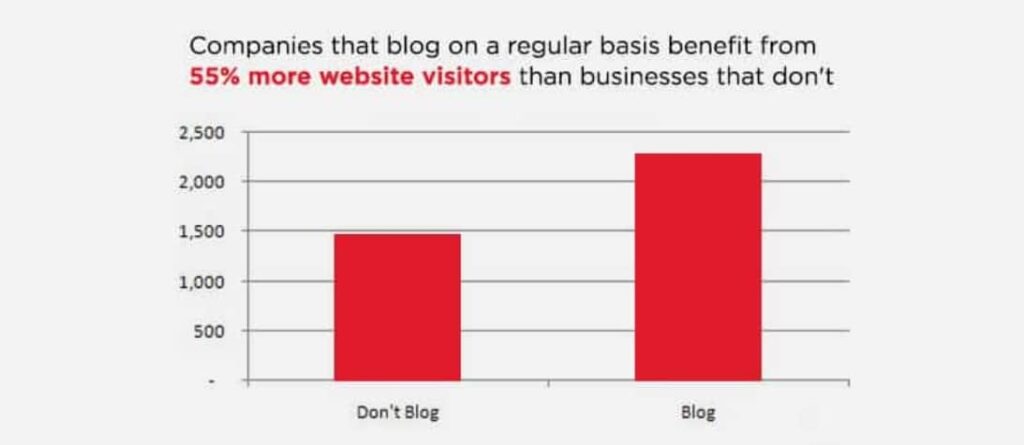
Every business needs a blog. There are countless reasons why, and we’ve comprehensively covered them in this blog. Read it – it’s a corker!

But, as with many things in the digital world, there’s a lot of blog competition out there. Which is hardly surprising when you think that a blog is one of the best ways to attract and convert leads online.

As far as we’re concerned, that just means that you must consistently produce the best possible blogs to outperform your competitors.

Read on to find out how…

Know Your Audience

Cyril Connolly, the great literary critic but (sorry, Cyril) failed novelist, famously wrote: ‘Better to write for yourself and have no public, than to write for the public and have no self’. 

OK, so the internet wasn’t even conceived as an idea until 22 years after Connolly’s death. But his argument was – knowingly, no doubt – deeply flawed even in a world before digital, keyword research, SEO and audience data analytics. 

Why? Because every piece of writing or content has to matter or mean something to people, or else it becomes irrelevant. Especially in a digital world where people have short attention spans and no patience for anything they think is wasting their time. Sad but true, as Metallica put it.

So, before you even consider writing or planning out a blog, ask yourself the question: “Who am I writing this for?”. 

Try to really laser in on exactly the type of people that you want to read your blog; because, that way, you can build a picture about their interests and the challenges that you want to help them overcome.

For instance, this blog post is aimed at marketing managers, directors or companies that want to do more digital marketing but don’t have the capacity or skillsets to do it themselves. We – Chetaru – want to provide those digital services for them, which is why we’re addressing their challenges and presenting solutions.

In the case of a components supplier (as a broad example), that supplier will want to aim their content at people responsible for making purchasing and supply decisions within large manufacturing firms. Why are their components superior? How will they improve the manufacturing firm’s products, service levels or processes? 

In short, whichever industry you’re in (or whether you’re B2B or B2C), your blog is a way of regularly showing your potential customers that you understand their challenges and goals – and that you have the solution!

Which takes us nicely onto keyword research… 

Do Your Keyword Research

Which specific terms are your target audiences looking for online?

Which questions are they typing into Google searches when trying to solve work challenges or find expertise? 

Use (but don’t overuse) these keywords and search terms in your blogs!

Don’t know what those terms are? Then you need to invest in keyword research. 

Blog Writing

Your keyword and SEO research team (and if you don’t have one, you know where you can find us!) will find and analyse search terms that people enter into search engines with a particular goal in mind, such as answering a query or finding a product or service. 

Keyword research provides essential insight into the exact things your target audience is actually searching for on Google or other search engines. 

This insight will help inform blog calendars and strategy, as well as your wider content marketing strategy. 

Google’s current algorithms are also very much influenced by the idea of great user experience, including blogs that provide highly relevant answers to a Google user’s searches or questions.

Provide Social Proof

It’s all very well saying that your company supplies great parts or works with big brands, but users need to see the actual proof for themselves these days rather than take you at your word.

That’s why it’s so important to provide highly visible social proof in the form of case studies, testimonials and reviews that you can link or refer to in your blogs. Check out our Case Studies Page for examples!

Find Your Purpose

Don’t be tempted into playing it safe and taking a generic approach to your blog content. 

Readers and potential customers want to know that you have something to say which differentiates you from the competition. 

They won’t stick around for beige; and if Google picks up on the fact that people are clicking away from your content within a couple of paragraphs, they’ll push your content further down the rankings, thereby making it less visible to potential leads. 

Professionals

On the other hand, if Google sees that people are sticking around to read your content because it’s colourful and genuinely useful, it will reward you by pushing you to the top of its rankings for keyword search terms relating to your overall content strategy.

There’s a lot of talk around thought leadership and building personal brands these days, and that’s because these are the tactics that will help separate you from the crowd. 

What do you or your brand have to say about industry hot topics? What excites you? 

Or, where do you stand on world issues like sustainability, ethical supply chains or the environment? 

While brands might once have just dedicated a single static page to these issues, consumers and B2B audiences alike are now voting with their feet by walking away from brands that don’t constantly address these world problems in their content and try to solve them by improving their business approaches.

Create Great Blog Content!

Believe us, too many people think it’s OK to take a half-hearted approach to creating blogs and other content. It’s not. They’re just wasting their own time and resources.

Content is not only still king – it also has to live up to that billing.

And just as online shoppers expect amazing product content and shopping experiences on Amazon, Alibaba, Etsy and elsewhere, so too do B2B or B2C audiences expect to read great blogs that keep them engaged and even entertained. 

Spelling, good grammar, short sentences, readability (yes, it’s a thing with a very important metric attached to it), sparkiness and the ability to keep audiences hooked are essential to any blog.

And it’s not just about words, either. You need great design in the form of relevant and accompanying imagery, video and signposts to other content. 

Great content takes dedication, skill and time. Do you or your team have the capacity and capabilities to plan and write great blogs? If not, we’d strongly recommend that you hire a professional copywriter or outsource your blogs to an expert digital agency (like, ahem, Chetaru!).

Promote It to High Heaven

Remember Wayne’s World 2, and the ghost of Jim Morrison inspiring Wayne to stage a Woodstock-style event with the famous words “Build it, and they will come”?

Yeah, well, the digital world doesn’t actually work that way, sorry. You could have hired Cormac McCarthy or Margaret Atwood to write your blog, but nobody’s going to see it unless you promote it.

Targeted promotion

How you promote it is up to you. Social media channels are the most obvious channel. SEO and paid ads, too. 

But email newsletters are making a comeback in a big way. Why is that? 

Chiefly because your GDPR-compliant email list subscribers are dedicated followers who have actively signed up to read your content, and expect it at a set time each week or month. 

Build that list and encourage those subscribers to share the content through their own channels, and you’re onto an absolute winner.

Chetaru Are Blogging Experts 

This blog post is only a snapshot of what it takes to develop a great blogging strategy. 

We barely touched on building content plans, responsive websites, algorithms, technical SEO and so forth. Because, frankly, if we did, you’d be here all day. And what was it we said about people’s attention spans and keeping them hooked? 

Blogging is not a quick-win strategy. It takes great content, excellent SEO practices, time and patience to establish trust with Google and other search engines. 

Blogging is a long-term investment and strategy that increases your website rankings for specific keywords related to your products or services – and creating the blog content that users want or need will generate traffic and quality leads for years to come.

Get in touch with us if that’s something you like the sound of!

Latest Digital Marketing Trends

There will be 5.3 billion internet users worldwide in 2024, and this number is expected to reach 6.54 billion by 2025. This digital expansion is not just a number; it reflects a profound shift in consumer behavior and expectations. The rise of social media continues unabated, with average users spending 2.5 hours per day on social platforms (Statista, 2024).

Moreover, e-commerce has seen a meteoric rise, with global online sales projected to hit $6.5 trillion by 2023 (eMarketer, 2023) compared to $3.5 trillion in 2019. This growth is underpinned by evolving technologies like AI, AR, and VR, reshaping how consumers interact with brands online.

Join us as we navigate through the exciting digital marketing trends in 2024, offering practical and expert advice to help you stay ahead in this digital race.

Artificial Intelligence (AI) and machine learning

AI is a term used to describe the creation of intelligent machines that can simulate human intelligence. On the other hand, machine learning is a subset of AI that concentrates on allowing systems to learn and enhance themselves through data without being explicitly programmed. In digital marketing, AI and machine learning technologies have found numerous applications, including personalized recommendations, chatbots for customer support, and data analysis.

One of the key benefits of AI in digital marketing is the ability to provide personalized recommendations to consumers. By learning algorithms, businesses can analyze vast customer data, including browsing history, purchase behavior, and demographic information. This analysis enables marketers to understand individual preferences and tailor product recommendations or content suggestions to each customer’s interests. This personalization boosts the customer experience and improves conversion rates and customer satisfaction.

Why AI is the latest Digital marketing trends

  • Data analysis and personalization: AI can efficiently analyze vast amounts of data, enabling marketers to gain a valuable understanding of customer behavior, preferences, and patterns. By leveraging AI-powered algorithms, marketers can personalize their marketing efforts and deliver targeted content, advertisements, and recommendations to individual customers. This level of personalization enhances customer experience and increases the likelihood of engagement and conversions.
  • Chatbots and customer support: AI-powered chatbots have become increasingly popular in digital marketing. These virtual assistants can reply instantly to customer queries, offer personalized recommendations, and even process transactions. Chatbots significantly improve customer support by providing round-the-clock assistance, reducing response times, and freeing up human resources for more complex tasks.
  • Marketing automation: AI can automate various repetitive and time-consuming tasks included in digital marketing, such as email marketing, social media scheduling, and ad optimization. By automating these processes, marketers can streamline their workflows, improve efficiency, and focus on more strategic initiatives. AI-powered marketing automation tools can also track and analyze campaign performance, providing real-time insights and optimizing marketing efforts accordingly.
  • Enhanced targeting and advertising: AI algorithms can analyze user data, online behavior, and demographic information to optimize targeting and advertising campaigns. By understanding customer preferences and intent, AI can help marketers deliver more relevant ads and increase the chances of conversions. AI-powered advertising platforms can also automate the process of ad placement, bidding, and budget allocation, resulting in improved campaign performance and cost efficiency.

Voice search optimization

Voice search optimization is becoming vital in digital marketing as more people use voice assistants like Siri, Alexa, and Google Assistant for online searches. This trend is changing how we think about SEO (Search Engine Optimization). Here’s a simple breakdown of what it means and how to do it right:

  • Conversational Keywords: People speak differently than they type. When using voice search, they tend to use full sentences and natural language. So, instead of focusing on short, choppy keywords like “best coffee shop,” think about longer, conversational phrases like “Where is the best coffee shop near me?”
  • Local SEO: Voice searches are often location-based, like looking for a nearby service or store. Ensure your business is listed correctly on online maps and business directories. Keep your NAP (Name, Address, Phone number) information consistent across the web.
  • Mobile-Friendly Website: Creating your website for mobile devices is vital for voice search. This means having a fast-loading website that’s easy to navigate on a small screen and has readable content without zooming in.
  • FAQ Pages: Many voice searches are question-based. Create a FAQ section on your website with common questions related to your business and answer them in a natural, conversational tone. This can increase your chances of appearing in voice search results.

Incorporating these strategies into your SEO plan can make your website more accessible for voice search users. 

Influencer marketing evolution

The evolution of influencer marketing plays a crucial role in the ever-changing landscape of digital marketing trends. As consumers’ behavior and preferences shift, brands must adapt their strategies to reach and engage their target audience effectively. Influencer marketing, with its focus on collaboration with micro-influencers, nano-influencers, and virtual influencers, addresses these emerging trends in digital marketing. By leveraging these influencers, brands can tap into niche audiences, foster authenticity and trust, optimize their marketing budgets, and create diverse and captivating content. This evolution allows brands to stay ahead in the digital marketing sphere. It enables them to align their efforts with evolving consumer expectations and preferences, ultimately leading to more successful and impactful marketing campaigns.

  • Niche Audience Reach: Collaborating with micro-influencers, nano-influencers, and virtual influencers allows brands to tap into highly specific and targeted audiences. These influencers often have a deep understanding of their niche communities. They can connect with their followers on a more personal level. This targeted approach helps brands reach the right audience with their messaging, resulting in increased engagement and conversion rates.
  • Authenticity and Trust: Consumers have become more discerning as social media platforms become saturated with sponsored content and paid advertisements. They seek authenticity and trust from the influencers they follow. Micro-influencers and nano-influencers are often perceived as more relatable, authentic, and trustworthy due to their smaller follower counts. Their recommendations and endorsements carry more weight with their audience, leading to higher engagement and brand loyalty.
  • Diverse Content Creation: Working with various influencers opens up diverse and creative content opportunities. Each influencer brings their unique style, perspective, and expertise, resulting in a wider range of content formats, such as photos, videos, blog posts, or even immersive experiences. This variety helps brands create engaging and captivating content that resonates with different segments of their target audience.

Personalization and hyper-targeting

Personalization and hyper-targeting have emerged as significant digital marketing trends, transforming how brands connect with their audience. With the advent of data analytics and artificial intelligence (AI), marketers now can collect and analyze vast user data to deliver highly tailored marketing experiences. By leveraging this data and AI technologies, marketers can create personalized content, recommendations, and offers that resonate with individual users on a deeper level.

The importance of personalization in digital marketing lies in its ability to enhance relevancy and engagement. Users are more likely to pay attention, engage, and convert When they receive content and offers tailored to their preferences, needs, and behaviors. Personalization allows brands to cut through the noise of generic messaging and deliver targeted communications that address each individual’s unique interests and pain points. By doing so, brands can build stronger connections, foster loyalty, and drive higher conversion rates.

By leveraging data and AI-driven insights, brands can understand where users are in their buying journey, their preferences, and the channels they engage with the most. This knowledge empowers marketers to deliver the right message at the right time through the right channel, increasing the chances of conversion and customer satisfaction.

Video Marketing:

As consumers increasingly prefer visual and interactive content, videos provide a dynamic and compelling way for brands to convey their messages, showcase products or services, and tell captivating stories. Video marketing leverages platforms like YouTube, social media, and websites to reach a wide audience, and it offers various formats such as explainer videos, product demos, testimonials, and live streaming. By harnessing the power of video, brands can enhance brand awareness, connect emotionally with viewers, deliver information effectively, and drive engagement, ultimately leading to increased conversions and brand loyalty.

Benefits of Video Marketing In Digital Marketing:

  • Increased Engagement: Videos can grab attention and keep viewers engaged for longer than other forms of content. Combining visuals, audio, and storytelling elements can create a compelling narrative that resonates with viewers, resulting in higher engagement rates.
  • Enhanced Brand Awareness: Video content has the potential to reach a vast audience through platforms like YouTube, social media, and websites. By creating informative, entertaining, or inspirational videos, brands can increase their visibility, expand their reach, and raise awareness about their products or services.
  • Improved Conversion Rates: Videos have been shown to impact conversion rates positively. They can communicate product features, benefits, and value propositions effectively, helping viewers make informed purchasing decisions. Additionally, including videos on landing pages or email marketing campaigns can lead to higher click-through and conversion rates.
  • Emotional Connection: Videos allow brands to evoke emotions and create a personal connection with their audience. By leveraging storytelling, visuals, music, and voice-overs, brands can elicit emotional responses that resonate deeply with viewers, strengthening brand affinity and customer loyalty.

Mobile Shopping

With the widespread adoption of smartphones, mobile shopping provides convenience, accessibility, and a seamless user experience. Brands prioritizing mobile optimization, mobile-friendly websites, and mobile apps can effectively reach and connect with their target audience. Moreover, mobile shopping enables personalized marketing opportunities, location-based targeting, and integration with mobile payment solutions, enhancing the relevance and convenience for users. By leveraging the power of mobile shopping, brands can expand their reach, increase conversions, and deliver a tailored and frictionless shopping experience that aligns with the preferences and behaviors of their mobile-centric customers.

Search Engine Optimization 

The importance of SEO and search visibility must be balanced when reaching potential customers and staying ahead of the competition. It’s crucial to assess how discoverable and visible your business is to your target audience in search engine rankings, particularly about relevant search terms for your products, services, or offerings. Understanding where your brand stands in Google rankings is essential for evaluating your online presence and identifying areas for improvement.

A notable trend is that Google now rewards brands with higher search rankings for websites and content that meet specific criteria. These include providing users with relevant and valuable information directly addressing their search queries. Google values websites with great user experiences, easy navigation, intuitive design, and fresh SEO-focused content, such as regular blog posts and landing pages.

Interactive Content: 

Interactive content has emerged as a powerful tool in the digital marketing arsenal, especially for e-commerce businesses. Let’s explore what this means and how it can be utilized effectively.

  • Quizzes and Polls: These are fun, engaging tools that can be used to gather customer preferences and insights while keeping the audience entertained. For instance, an e-commerce site selling skincare products could use a quiz to help customers determine their skin type, guiding them to products tailored to their needs.
  • Augmented Reality (AR) Ads: AR ads take user engagement to a new level. Imagine an online furniture store where customers can use AR to visualize how a sofa looks in their living room before purchasing. This immersive experience not only aids in decision-making but also adds a wow factor to the shopping experience.
  • 360-Degree Videos: These videos allow customers to view a product from every angle, replicating an in-store experience. For example, a car dealership could use 360-degree videos to give a virtual tour of a car’s interior and exterior, providing a comprehensive view that traditional images cannot.

Interactive content is more than just a trend; it’s a shift towards a more engaging and customer-centric approach in digital marketing. By incorporating these elements, e-commerce businesses can create a more dynamic and memorable shopping experience, increasing customer satisfaction and loyalty.

Social Commerce: 

Social commerce is transforming how we shop online, blending the interactive nature of social media with the convenience of e-commerce. Here’s what this means for businesses and consumers:

  • Shoppable Posts: Social media platforms are now more than just spaces for sharing and interaction. With shoppable posts, customers can buy products directly from a post or an ad they see on their feed. For instance, a fashion brand can post a picture of a model wearing their latest collection, and users can click on the image to see prices and make a purchase right then and there.
  • Direct Checkouts on Social Platforms: This feature simplifies shopping by allowing users to buy products without leaving the social media app. It’s all about convenience. Imagine scrolling through Instagram, finding the perfect pair of shoes, and buying them with just a few taps, without ever having to switch apps or fill in lengthy payment details.
  • Live Shopping Events: These are more interactive and personalized, like modern-day TV shopping channels. Brands can host live sessions on platforms like Instagram or Facebook, showcasing their products, answering real-time questions, and even offering exclusive deals for viewers. It’s a fun way for customers to shop and interact with their favorite brands.

Social commerce makes online shopping a more social, interactive, and seamless experience. It’s not just about buying a product; it’s about the experience and convenience that comes with it. For businesses, it opens up a new realm of opportunities to connect with customers, showcase products, and sell in a space where their audience already spends much of their time.

Mobile Optimization: 

Mobile optimization is no longer just an option for e-commerce businesses; it’s necessary. As more people use their smartphones and tablets to shop online, ensuring your mobile-friendly e-commerce site is crucial. Here’s what this entails:

  • Fast-Loading Pages: Nobody likes to wait, especially when browsing on a mobile device. Ensuring your website loads quickly is vital. This means optimizing images, streamlining code, and leveraging technologies like AMP (Accelerated Mobile Pages) to speed up the loading time.
  • Easy Navigation: Mobile screens are smaller, so designing your site with a mobile-first approach is important. Simplify your menus, make buttons large enough to be easily tapped, and ensure text is readable without zooming. A well-structured, easy-to-navigate mobile site can significantly enhance the user experience.
  • Seamless Checkout Process: A complicated checkout can lead to cart abandonment. On mobile, this process needs to be even more streamlined. Offer options like saving payment information for future purchases, using digital wallets, and minimizing the steps required to complete a purchase.

Remember, a mobile-optimized site is not just about making it work on a smaller screen. It’s about creating an enjoyable, efficient, and hassle-free shopping experience for users who prefer to shop on the go. As more consumers shift to mobile shopping, businesses prioritizing mobile optimization will stand out and likely see better engagement and conversion rates.

Video Marketing: 

Video marketing has become an indispensable tool for e-commerce businesses, offering a dynamic way to showcase products and engage customers. Let’s break down the key aspects:

  • Product Videos: These are straightforward yet powerful. A product video gives customers a clear, 360-degree view of what you’re selling. It’s more engaging than photos and can better convey the quality and features of the product. For instance, a short video showing the different features of a smartphone can be more effective than just listing its specifications.
  • How-To Guides: These videos are incredibly useful in adding value to your customer’s experience. They’re not just about selling a product; they’re about educating the customer on how to use it. A kitchenware store, for example, could create how-to videos on using different kitchen gadgets. This helps sell the product and builds a relationship with the customer.
  • Behind-The-Scenes Content: This content adds a personal touch and builds trust with your audience. It could be a tour of your workspace, an introduction to team members, or a glimpse into how products are made. This transparency creates a bond with customers, showing them the human side of your business.

Incorporating video content into your marketing strategy can significantly enhance your brand’s storytelling, making it more engaging and relatable to your audience. 

Chatbots and AI Customer Service: 

Chatbots and AI in customer service are transforming how businesses interact with their customers. Here’s a closer look at how this technology is enhancing the customer experience:

  • Instant Responses: In today’s fast-paced world, waiting for a response can be frustrating. AI-powered chatbots are capable of providing immediate answers to customer inquiries. This quick interaction is not just convenient for customers; it also helps in keeping them engaged with your brand.
  • 24/7 Support: Chatbots don’t need to sleep, unlike human customer service representatives. They can offer assistance at any time of the day or night, which is especially beneficial for businesses with a global customer base in different time zones.
  • Handling Routine Inquiries: A lot of customer queries are repetitive and simple. Chatbots can handle these routine questions efficiently, freeing up human agents to deal with more complex issues. This not only improves the efficiency of your customer service team but also ensures that customers get quick solutions to their common problems.
  • Personalized Assistance: Modern AI chatbots can learn from past interactions and offer personalized suggestions and solutions to customers. For example, suppose a customer frequently orders a particular type of product. In that case, the chatbot can recommend similar items or notify them about relevant sales.

Integrating AI chatbots into your customer service strategy can significantly enhance customer satisfaction by providing quick, consistent, personalized support. As technology advances, these chatbots are becoming more adept at understanding and responding to a wider range of customer needs, making them an invaluable tool for any e-commerce business.

In conclusion, the digital marketing landscape of 2024 is rich with opportunities driven by advanced technologies and evolving consumer behaviors. Embracing these trends, from AI and personalized marketing to voice search optimization and interactive content, can propel businesses to new heights. As we navigate this dynamic digital world, we must partner with experts who can guide and support your journey. Chetaru is more than just a digital marketing agency; it’s your ally in adapting to and implementing these latest trends. With Chetaru, you can ensure that your digital marketing strategies are current and ahead of the curve. Let’s embark on this digital journey together and unlock new possibilities for your business. Connect with Chetaru today to transform your digital marketing aspirations into reality.

The world is increasingly digital – and if you want your business to stay ahead of the curve and continue to generate success, you’re going to need an expert digital partner.

Drop us an inquiry through our contact form to find out why we’re the digital marketing and web design agency you need

7 Reasons Why B2B Companies Need Digital Marketing

Do you ever look at those massive billboards in the middle of cities or along main roads and wonder why they’re blank or carrying messages like ‘Call 07xxx xxx xx to advertise your business here!’?

When was the last time you flicked through a magazine or newspaper and made a buying decision based on one of the adverts in there? 

And how do the companies that pay for that expensive space measure the success of that piece of marketing? Good question. They can’t, really.

Not to ‘do down’ traditional forms of marketing, but here are 7 very good reasons why all B2B and B2C companies should be focusing their attention and budgets on digital marketing

We Live Our Lives Online

How often have you heard a relative of a certain vintage bemoan the fact that very few people buy newspapers and sit down to read them cover-to-cover anymore? 

The reason that we don’t sit down to read newspapers or even watch the news on TV at appointed times anymore is that we have a 24-hour news culture driven by digital. 

In fact, digital feeds us everything. Nearly all the information we receive. 

We’re constantly being fed marketing messages via laser-targeted advertising based on our behaviours and buying habits; and being given product or service recommendations by social media connections that we’ll probably never meet in real life.

B2B Digital Marketing

According to a recent study conducted with 2,000 UK adults (don’t even get us started on teenagers and their phones!), people are averaging 59 hours A WEEK(!!) online, which ‘amounts to 128 days a year, or 22 years over an adult lifetime’.

Compare that to how long you spent reading a newspaper or printed corporate literature last week.

Are you still wondering why businesses with a 21st century mindset are doing pretty much all their marketing online and investing so much in digital marketing?!

A Smartphone Culture

Are you reading this on your phone? Wouldn’t surprise us one bit if you were.

Before a couple of years ago, the majority of online browsing was done on desktop computers and tablets. 

But, according to Statista, a survey conducted in the USA in February 2021 found that around 50% of respondents admitted to spending five to six hours on their phone on a day. A further 22% said they spend between three and four hours on their phones a day. 

A great deal of that time will be spent scouring the internet, shopping online and engaging with people and brands on social media.

Hey, we’re not saying it’s healthy. And yet if you think that the world is going to revert to ‘the old ways’ and that people are going to be throwing away their phones, you’ve got another coming. 

If anything, usage is going to keep rising until it hits a peak and then plateaus at a more sensible level. 

People know that they’re living a good proportion of their lives online – and they’re ok with it. 

They can get information when they want it, how they want it, whenever they want it. Looking for (or being presented with) products or B2B services online is incredibly convenient and increasingly enjoyable.

So, if you’re not investing in ways to create digital interactions with your potential customers, you’re going to be missing out BIG TIME. 

Look at All That Lovely Data

With the level of data and analytics readily available (and willingly given out when people tick boxes to receive marketing information or accept all cookies), you can zero in on exactly the kind of customers you want.

And hit them with messaging or offers that they actually want and find useful.

Digital Marketing Report

Wondering why that Facebook ad is recommending a certain type of business software to you? 

It’s because you’ve been searching for similar products or services and have indicated – whether you realise it or not – that you’re interested in seeing recommendations from relevant suppliers. 

Find it uncanny that highly relevant and seemingly personalized digital banner ads pop up on websites you’ve been browning on your phone? 

That’s because you’ve been targeted based on your online behaviours.

Some people may think it’s a bit 1984ish. 

But others find it incredibly useful and convenient to be presented with targeted activations rather than having to go to the trouble of finding products or services themselves. 

And the more convenient and attractive these activities are, the more likely prospects are to make a purchasing decision.

Get your data and buyer personas right, and you’ll be on the road to hitting exactly the right people with exactly the right messages at exactly the right times. 

Traditional Marketing is Like Whistling in the Wind

Say you were to conduct a leafleting campaign.

That would mean investing in a designer, a copywriter and a printer. And then a means of distribution – either a professional company or people to put them through letterboxes or hand them out in town. 

All sounds quite expensive already. 

OK, some people might say that you occasionally need to ‘speculate to accumulate.

Ah, but do you really

You certainly do with printed materials, because you don’t know how many people are just going to throw your leaflets in the bin without having read them. 

And who are you giving them to? A distribution company might be able to give you a vague idea based on outdated and often inaccurate demographics, but nothing more. So, your expensive materials could be going into the hands of people that will never give a moment’s thought to your products or services, let alone buy or recommend them. 

Even if you hand your leaflets or other printed marketing materials out at a very specific trade conference, the likelihood is that your hard work will go in the trash along with all the other bumph from competitors.

What’s your Return On Investment (ROI) looking like? 

How can you possibly know, unless everyone that makes enquiries tells you that they found out about your company because of your leafleting company?

Again, this isn’t to knock traditional marketing. We all love a bit of print. But is it really worth it when there are much more effective, far-reaching, flexible and measurable options out there?

Digital Marketing is Laser-Targeted 

Digital marketing allows companies to laser-target prospects for minimal cost. 

You can be incredibly precise with your lead generation by spending a little money on:

  • great and highly sustainable content marketing
  • sustainable and affordable SEO campaigns
  • building a loyal and engaged social media following
  • social media ads
  • digital pop-up or banner ads
  • building a great and completely engaged email marketing audience

Prospects can be specifically targeted according to:

  • their location
  • their interests
  • the things they search for on Google, Bing or elsewhere
  • their online behaviours
  • income or spending budgets
  • how old they are
  • what they like and don’t like
  • and so many other rich data insights. 

These activations will appear to exactly the right prospects at the right times, and prompt them into taking an action, like clicking through to a transactional page or a bespoke landing page on your website. 

In short, targeted digital activities give great returns on investment and increase the likelihood of conversions

Content Marketing is Measurable

If you’ve worked in traditional PR, you’ll know that the value of each piece of coverage acquired is based upon a risible and much-maligned calculation that the PR industry can’t quite rid itself of. 

We’ve touched on the haphazard and difficult-to-quantify nature of newspaper and magazine advertising.

And we’ve seen that billboard advertising – one of the very most aspirational marketing channels of the 20th century – has well-and-truly lost its lustre.

B2B Marketing

You even see TV commercials pleading with companies to advertise on TV. Why? Because no brand that’s ever been burnt by it (or which doesn’t have enormous budgets to throw around) wants to commit to a very expensive means of promotion that can’t be properly measured or evaluated. 

And how many radio stations that rely on advertising money are falling by the wayside? Again, radio advertising represents a considerable risk that can barely be measured – and which, more often than not, doesn’t offer good enough returns.

It’s not just that people are absorbing less and less traditional media. 

It’s that digital marketing activities (and we include targeted advertising through streaming services like Netflix here) are completely measurable and quantifiable.

That means that you can always see how well your campaigns are doing – and can tweak them accordingly in real-time to generate better results.

Did a certain activity work out well last time? No? Well, let’s see why not, and make an informed choice about what to do next time. 

In brief, the completely measurable nature of digital marketing allows you to:

  • plan campaigns based on exact audience or prospect data  
  • measure the success of those campaigns with complete clarity
  • delve deep into exact, granular results
  • make improvements or change tactics based on what you learn during evaluation

Cost-Effective and Sustainable Digital Marketing

At Chetaru, we’re completely committed to sustainable and cost-effective digital marketing strategies that return great long-term results.

Some digital agencies are about flash in the pan activities like viral videos, attracting clickbait or stirring up controversy through social media. Good for them. 

But, to paraphrase Brian Wilson and The Beach Boys, ‘that’s not us’.

That’s not to say that we’re totally straitlaced squares. Far from it. We love to bring out the fun and passion in our clients’ campaigns. But we also want to be certain that everything we do for our clients works and returns great value in business terms.

We will:

  • quietly go about our business and put you at or very near the top of the Google rankings for terms through sensible and well-planned SEO and content campaigns 
  • promote your business to the right people on the right channels at the right times
  • craft incredible digital assets that will blow your prospects away
  • support you with all your digital marketing needs 
  • Give you the tools to build your business and personal brand

Ultimately, we will be your long-term expert digital marketing partner. An extension of you. Your committed and constantly evolving digital marketing department. And we will do all this at a margin of the cost of an in-house team. 

Just set us a budget, and we’ll not only stick to it, but deliver a service and results that will knock your socks off!
Drop us your requirements today.

Why It’s So Important To Market Your Business On LinkedIn

Previously regarded as a recruitment marketplace where people went to find new job opportunities, LinkedIn is now considered to be one of the most important content marketing platforms in the world.

Find out why LinkedIn is critical to your digital strategy – and how to harness its undoubted power to build influence and create leads.

What Is LinkedIn?

You’re kidding, right?

Well, in brief, LinkedIn has 750+ million global users and is one of the world’s key social media platforms.

The LinkedIn user experience is fairly similar to Facebook’s, except that your feed is going to be focused on business rather than stuff from your mates or relatives.

Facebook, Twitter, Instagram and newcomer TikTok all have their respective niches, and LinkedIn’s is that it’s the only major social media platform that’s 100% dedicated to business.

It’s a place where you can:

1. Make connections with 1000s of fellow professionals
2. Alongside your broader digital strategy, attract the potential B2B (and even B2C) customers your business needs to thrive
3. Share your company’s success stories
4. Promote your company’s brand and values through great content
5. Recruit new talent
6. Keep a close eye on what your competitors are up to and benchmark yourselves against them
7. Learn from thought leaders – and build your own influence as an extension of your company’s brand

Why LinkedIn?

Of the 750+ million global users on LinkedIn, most are service-oriented professionals.

Of course, you can’t reach all of them.

But – and this is the exciting bit – you can create tonnes of convertible leads by:

1. Identifying your target audience
2. Connecting with them
3. Understanding what kind of content they will find useful and valuable
4. Appearing in their feeds by consistently posting great content at times when they are most likely to be on LinkedIn
Consistently engaging with targeted individuals and communities

linkeding helps to reach target audience

Why Is Social Media Important for Business in General?

Social media gives us the ability to quickly and creatively tell the world about ourselves, our customers and industry.

It’s therefore one of the most potent digital communication and sharing tools at any company’s disposal. It has a big part to play in increasing brand awareness, positive sentiment and even sales. 

Just think about how incredibly important social media has been for companies during the uncertainty of the pandemic. 
Companies have had great success in continuing to tell their story through their colleagues and customers – chiefly via social media and its powerful platforms.

And here are some staggering audience behaviour insights and stats to ponder:

2 hours and 22 minutes 

That’s how much the average person spends on social media each day! 

That’s 2 hours and 22 minutes’ worth of opportunity to engage your B2B and B2C audiences.

Social media influences purchasing decisions 

The increased usage of mobile and social media has had a significant impact on purchasing decisions.
The widespread availability of smartphones and increased connectivity options have made it extremely easy for customers to shop online or make quick B2B or B2C purchasing decisions.

Social media is playing helping online shopping skyrocket

Mobile shopping is projected to reach a staggering$2.5 trillion in 2021.

Social platforms provide efficient targeting tools that allow you to laser in on and engage with those leads and potential customers.

34% of consumers say they purchase products directly through social media

There has been a huge increase in ‘social commerce’, resulting in a mind-boggling amount of spending: nearly$29 billion in sales in 2021 already (about 35% more than in 2020!).

What is social commerce? Well, in short, it’s where people can buy products or services directly on social media platforms without having to click out of the app. It’s hugely convenient, significantly shortens purchase journeys and massively increases shopping.

Chinese social platforms have been offering social commerce functionality for quite a while now and Facebook Shops is a good example of Western platforms trying to catch-up with the powerful social commerce trend. 

People want product and service recommendations from social media connections

83% of consumers rely on their Linkedin, Facebook, Instagram or Twitter connections for product and service recommendations.
Yes, they will trust actual virtual strangers and make purchasing decisions based on this kind of brand advocacy!

Did you know…?

That social media helps: 

  • Increase the potential for repeat business?
  • Improves customer relationship management?
linkedin helps to increase the repeat business potential

Why Promote My Business on LinkedIn Rather Than Twitter or Facebook?

Hang on a minute! We’re not saying that you shouldn’t be looking to promote your business on Twitter, Facebook, TikTok and so forth, so long as they’re relevant to your audiences.
What we are saying is that LinkedIn is effectively the last bastion of FREE and level playing field social media content.

You want your business’ Twitter content to be visible to your target audiences? You’re going to have to pay for the privilege!
Once a place where small businesses could easily reach the right people at the right times without having to spend any money, Facebook’s algorithm is now entirely geared towards paid content.

TikTok? Well, that ‘for teenagers, by teenagers’ ideal disappeared pretty quickly, didn’t it? And this controversial platform is now awash with big brands spending big bucks to make their B2C products more visible than their competitors’.

We daresay that LinkedIn is trying to make the shift to becoming a ‘pay to play platform’ but, for now, businesses can reach their intended audiences at the right time without having to pay out any cash. And this is what currently (and for the foreseeable future) marks LinkedIn out as the place where businesses of all shapes and sizes really can compete with much bigger competitors on a level playing field.


What Should Our LinkedIn Strategy Be?

Just as no two businesses are the same, nor are any two LinkedIn strategies. 

Your LinkedIn strategy must align with the rest of your content marketing strategy and you’ve got to find your own way (or, ahem, work with a digital agency like Chetaru!) to develop a great LinkedIn content strategy that will help you stand out from the competition and attract customers.

Here are some top tips for you, though:

  • Truly understand who are your audiences are before you start posting content
  • Always add value. Give your connections actionable insights or advice they can take away with them and use ASAP
  • Get your timings right. What times of the day are your target audiences most likely to be on LinkedIn? Think about differing geographies and timezones
  • Create a monthly, quarterly or annual content calendar!
  • Mix up your content. People will soon grow bored of the standard ‘Text + Static Image’ approach – so consider video, carousels and other content types to keep engagement high
  • Don’t follow the crowd. Find a tone of voice and approach that actually makes you stand out
  • Develop a great sharing strategy, whereby colleagues feel inspired (or, ahem, incentivised) to share company content via their personal LinkedIn accounts
  • A great LinkedIn strategy will – alongside your broader digital marketing strategy – help your business to develop all the leads it needs to really thrive

Looking for expert help to build and maintain your influence on the world’s most business-focused platform? 

Then drop us an enquiry today!

Core Web Vitals – and How to Improve Them

If you’ve been a website owner for a while, you may already be familiar with Core Web Vitals and their purpose.

Or maybe you’re about to learn about them for the first time! 

Either way, you could be unaware of just how important Core Web Vitals are to increasing your website’s search engine visibility and delivering a positive experience to every site user. 

Here, we’ll break down the various Core Web Vitals, explore their importance and go over some ways that business owners can boost their Google ranking by improving their

What is Core Web Vitals?

Core Web Vitals are a set of metrics that measure the speed, responsiveness and visual stability of a website. And, as the name suggests, they are an incredibly important set of site aspects to get right!

Why Are Core Web Vitals Important?

Google considers Core Web Vitals – along with mobile optimisation, safe browsing, HTTPS security and whether the site breaches intrusive interstitial guidelines – to be ranking signals.

With that being so, improving your own site’s Core Web Vitals is crucial for anyone looking to achieve the highest possible search engine ranking for their business.

However, Core Web Vitals are important even if you don’t take Google into account, as they are designed to ensure that a site:

1. Is user-friendly
2. Prevents any negative user experience

The Three Core Web Vitals

The Core Web Vitals metric can be broken down into three separate categories: LCP, FID and CLS (don’t worry, we’ll spell out and explain these acronyms in a minute). 

Knowing the ‘ins-and-outs’ of these categories and what they entail will give website owners a better idea of which aspects of their website they should focus on improving.

Types of core web vitals

All three Core Web Vital categories are rated by Google on a scale ranging from ‘Good’ to ‘Needs Improvement’ to ‘Poor’. 

Let’s take a further look at what this means. 

LCP

LCP stands for Largest Contentful Paint, and measures a website’s total loading time in seconds. 

According to Google, the LCP of a site that loads fully in under 2.5 seconds is rated as ‘Good’, while sites that load in between 2.5 seconds and 4.0 seconds fall into the ‘Needs Improvement’. 

Any site which takes over 4.0 seconds to load is rated as ‘Poor’, and therefore needs addressing ASAP! 

FID

FID stands for First Input Delay, and measures the site’s level and speed of user interactivity. 

It measures the time that it takes for a user to be able to interact with the site content. 

This is measured on a scale from 100ms (‘Good’) to 300ms (‘Poor’). 

Once again, anything in between 100ms and 300ms ‘Needs Improvement’. 

CLS 

CLS stands for Cumulative Layout Shift and measures the visual stability of the site. 

The level of visual stability is determined by whether:

– a site layout changes or moves unexpectedly

– this is intentional (in the case of local website pop-ups or advertisements) 

or 

– unintentional (sporadic late-loading content) 

Anything below 0.1 is a ‘Good’ CLS score. Anything over 0.25 is ‘Poor’.

Three Tools for Measuring Core Web Vitals

To improve your Core Web Vitals, you must first be able to measure them!

Luckily, there are plenty of developer tools out there – many produced by Google themselves – that can help users to do this.

Here are a few Google tools that we recommend…

PageSpeed Insights

PageSpeed Insights gives website owners a quick, clear and straightforward look at their scores for the three Core Web Vitals. Core Web Vitals are now considered as described above. 

All you need to do is enter your website’s URL into the PageSpeed Insights toolbar. 

PageSpeed Insight tool

Google will then provide an overview of which ranking the site falls into within each main category of the three Core Web Vitals, as well as the FCP (First Contentful Paint), which looks at the site’s initial load time. 

PageSpeed Insights will then make brief – yet incredibly useful suggestions – on small changes that you can make to your site to improve your ranking. 

They’ll even let you know how much your Google rankings could change if you put these improvements into place.

Chrome UX (User Experience) Report

This Google report asks site owners to look at their Web Core Vitals’ effect on the overall user experience. 

Which – when it comes down to it – is exactly what Core Web Vitals are there to improve!

After all, Google will give your website a much higher ranking if it genuinely corresponds to user searches i.e. Google rewards websites that provide searchers with exactly (or nearly exactly) what they’re looking for e.g. products and services or specific and ultra-relevant answers to specific questions.

The better the user experience, the higher your website will appear in Google rankings for competitive industry keywords and terms. 

Core Web Vitals Report

Perhaps Google’s most insightful tool is the Core Web Vitals report, which uses the FID, LCP and CLS metrics alongside field data (real-world usage data) to measure a website’s Core Web Vitals and identify areas for improvement. 

The report goes fairly in-depth, allowing site owners to look at the inner workings of each page and how these affect the site’s FID, LCP and CLS overall metrics. 

As it’s so detailed, the report could prove difficult to navigate for those with minimal understanding of Core Web Vitals. Fortunately, the tool opens onto an explainer page that will help give you a better understanding of your report. 

In Conclusion

If you’re looking to boost your website’s SEO results and reduce visitor bounce rate (the percentage of site users who do not click through to another page on your site after their initial visit), Core Web Vitals are just that – vital

While online tools can be helpful in identifying areas for change, the best way to put improvement into action and measure the impact on your Core Web Vitals overall is to call in the experts.

At Chetaru, we have the expertise to help you maximise the effectiveness of your Core Web Vitals. 

If you want to find out more about how we can help you get your website performing to its full potential, please don’t hesitate to get in touch today at info@chetaru.com.

Why Google My Business is So Important to Local SEO

With all the talk about how doing business online opens up new international markets, it’s easy to forget how much easier the internet makes it for local customers to find products and services in their area.

Using Google My Business, for instance, will give your company the ability to list your location on Google Maps and significantly boost local search results, thereby massively boosting the chances of nearby customers buying from you.

Read on to learn more about Google My Business and why it’s so important to local SEO.

What is Google My Business?

Google My Business is a Google tool that gives business owners more control over the way that their company appears in Google search results. 
It’s free and easy to use – and a tool that every business owner should be using if they want to boost their local SEO!

Increasing the Visibility of Your Business

Using Google My Business allows businesses to manage their presence across a range of Google services, such as Maps, Search and Reviews.

It’s therefore a great (some might even say ‘essential’) way to give your company, products and services vital extra visibility and maximise the benefits of added discoverability. 

local seo helps to increase visibilty of business

Upping Interaction With Your Customers

Google My Business will also allow you to interact with your existing and potential customers much more easily.

You will be able to respond to reviews, questions and update opening times or contact details that might otherwise have gone out of date and thereby led to customer frustration.

This facility enables you to become far more responsive to changes and therefore more accessible to your target audiences.

Brick-and-Mortar Businesses Only for Now

As things stand, Google My Business is only accessible to brick-and-mortar businesses, such as bars, pubs, physical shops, restaurants and so forth that interact with clients and customers in person. 

As such, online-only businesses (in other words, businesses with no physical presence whatsoever) are not yet eligible for Google My Business listings. 

And, of course, physical businesses like the above are the ones that have suffered the most during the coronavirus pandemic, so it’s doubly (triply!) important that they make themselves as visible to local customers as possible post-lockdown.

How Does Google My Business Work?

To get started with Google My Business, you’ll need to verify your business through Google themselves. 
The likelihood is that your business already appears on Google, even if the results are fairly limited, so you’ll need to sign up and claim the business listing in order to begin managing the way that the listing appears to Google users. 

google my business helps by making local listing of the business

If your business doesn’t appear on Google, then the first thing to do is add your business to Google. 

There’s a chance that the location of your business may be registered to a business that has since closed down. If this is the case, you’ll need to suggest an edit in order to have the business marked as ‘permanently closed’ before you can claim the location as the address for your own business. 

You’ll also need a Google account registered to your business email, as this will be where all interactions, changes and reviews will be forwarded to once your Google My Business listing is set and ready to go. 

You will then need to confirm the actual physical address of your business and may need to adjust the marker on your business’ Google Maps location in order to maximise accuracy. 

Google will also ask you to answer some questions about your business’s general info – business category, phone number, website and so forth – before verifying that you are who you say you are. 

Optimise Your Google My Business Listing

To make the most out of your Google My Business listing, you’ll need to make sure that you’re optimising your listing to its full potential. 

This means filling out as much info as possible, as well as being strategic with key SEO terms and phrases that will play a big role in your business appearing high up for results relevant to searches made by potential customers. 

When entering your business details, be sure that you don’t leave your would-be customers guessing. Where is your business exactly? What services do you offer? How can customers get in touch?

Below are some examples of details that are particularly important for you to include in your Google My Business listing and which will help you boost your local SEO.

Be Clear on Opening Times

Opening hours are incredibly important details to share on your Google My Business listing.

Say that you’re a small accountancy firm based in Wetherby, Bishop Auckland, Exeter or wherever. 

An accountancy firm of your nature will probably be representing other small local businesses rather than massive international corporations, so it’s unlikely that you’ll have – or need – a 24-hour phone answering service. 

And your existing and potential clients will probably have questions or challenges that they would be more comfortable asking you about via phone than email – so they’ll need to know your exact hours of business to get a better idea of when to ring you.

And what if you own a nail salon in Darlington or another location in the UK (or anywhere in the world, for that matter!).

If your business operates at different hours depending on the day, season or public holidays, then make sure that all these different hours are filled out. 

You’ll lose potential customers quickly if they can’t get all the answers they need before using your services. Even worse, they’ll probably go to a competing business that offers more certainty instead! 

A Picture Can Speak a Thousand Words 

If you can add photos, do it! On average, businesses whose listings include photos receive 42% more requests for directions through the Google Maps service than those that don’t. 

You could therefore be missing out on huge sales potential if you neglect to include enticing visuals in your  Google My Business listing.

google my business helps increase in potential customers

If you’re a restaurant, cafe, bar or pub, give your potential customers the help they need to decide whether it’s the place for them by showing them pictures of your food, the drinks on offer (a well-pulled pint of bitter or barista-style coffee, for instance), welcoming staff and interiors.

By way of an example, put yourself in the shoes of a family that wants to find a local pub in the North East where they can enjoy a delicious traditional Sunday lunch in cosy surroundings. 

Are they going to pick a place they find on Google that has no pictures on its listing? 

Or one that shows them – even without having to click on the website link – images of great big Yorkshire puddings filled with luscious gravy, meat (or veggie alternative!) cooked just how they like it, generous portions of roast potatoes and fresh veg? 

We think you can probably answer that one for yourselves…

“Just look at that irresistible-looking sticky toffee pudding! And, ooh, is that a log fire?!”

Google My Business for Local SEO

Search Engine Optimisation (SEO) is crucial when it comes to boosting your Google results ranking – and that includes your local search ranking, too. 

The best way to go about boosting your local SEO is to include relevant search terms within your listing.

The most effective way to choose these terms is to think about them strategically. Basically, think about the Google (or other search engine) searches you’d most like your restaurant to appear in. 

For example, an Italian restaurant in Yarm will want to include keywords and phrases like ‘Italian restaurant in Yarm’ or ‘Yarm best place Italian food’ or ‘authentic Italian Yarm’ within the listing, as these are likely to be the searches that people (or people visiting the area) will be entering into Google when trying to find a great place to eat Italian food in Yarm or nearby. 

How to Improve Ranking in Local Search

One of the most effective ways to boost your local ranking is to take maximum advantage of the ‘local posts’ feature offered by Google My Business, which allows you to create posts visible to your local audience. 

This includes posting about special offers, events, seasonal messages, answering FAQs and so forth – with the added benefit that making use of these posting opportunities helps keep your listing fresh and up-to-date.

After all, a business that regularly posts using this functionality looks a lot more consistent and relevant to the search engine algorithm, and will – as such – be rewarded with a higher search ranking for terms that your customers will be using. 

Regularly posting will also make your business look more attractive to potential customers because it show that:

  • You’re still operating (sadly not true of so many businesses that have fallen foul of lockdown and social distancing measures)

and

  • You really care about the customer and their needs 

Again, this is another area where SEO comes in incredibly useful.

It must be clear from your listing where exactly in your local area you are and what services your potential clients and customers can expect to receive from your business. 

Ensure that you include these details in your listing, using keywords and phrases to boost your search ranking and online visibility. 

Giving Your Business the Local SEO Boost It Needs

At Chetaru, we provide digital marketing services that help businesses grow their online presence and outperform their local or international competition.

SEO plays a big part in the success we generate for our clients. So, if your business needs help attracting local or international customers, we’re here to help you with our Google My Business Listing and professional SEO services

If you want to boost the visibility of your business, products or services locally or internationally, please drop us an email at info@chetaru.com

Why is Blogging So Important to Your SEO Results?

We can’t stress enough how important blogging is to SEO

Blogging is one of the simplest and most cost-effective ways to increase the visibility of your business online. 

Regular high-quality blogging has a key role to play in helping you outperform your competitors. 

SEO-led blogging is also instrumental in moving you up search engines rankings for strategically vital keywords that your potential customers will be searching for.

Blogging Must Form Part of Your Digital Marketing Strategy

Blogs give you the opportunity to drive traffic to your website, showcase your products or services, and offer thought leadership or expertise on hot industry topics.

It’s also a fairly fuss-free content marketing activity that’s easy to scale and keep under control.

Let’s look at some stats that we think you’ll find pretty compelling:

  • Companies that blog on a regular basis benefit from 55% more website visitors than businesses that don’t
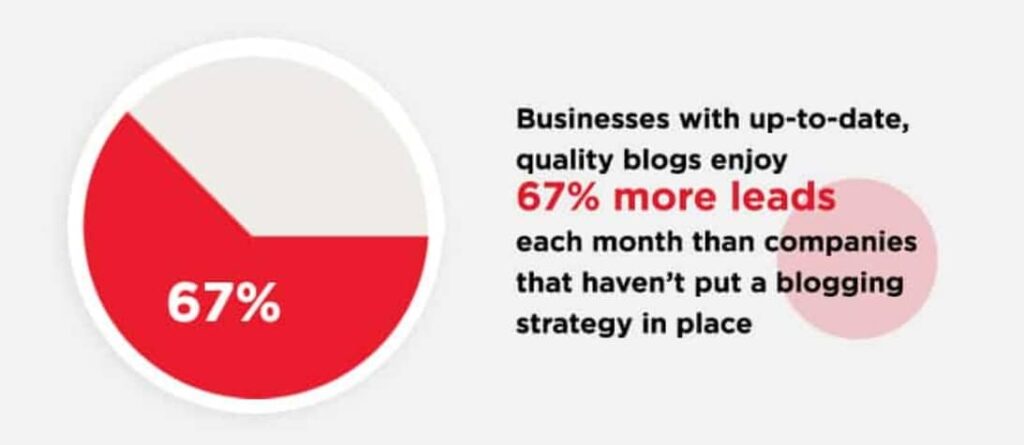
Blogging to increase Website visitors Traffic
  • Businesses with up-to-date, quality blogs enjoy 67% more leads each month than companies that haven’t put a blogging strategy in place
Blogging to increase Lead Generation
  • 86% of companies now have blogs
86% of companies now have blogs on their websites

Chetaru are blogging and SEO experts!

Chetaru will drive your business up the search rankings through tried-and-trusted high quality blogging and SEO strategies

Speak To An Expert Today

What’s the Purpose of SEO?

In a nutshell, SEO enables people to find your business online.
SEO is a constant and strategic digital marketing activity that will drive you up the search engine rankings for keywords and phrases that your customers or potential leads will use when trying to find a product or service that they’re interested in.

How Can SEO Help Your Business Stand Out?

Say you own, manage or are responsible for marketing a mid-size hotel near Durham that’s proud of its heritage and independent status.
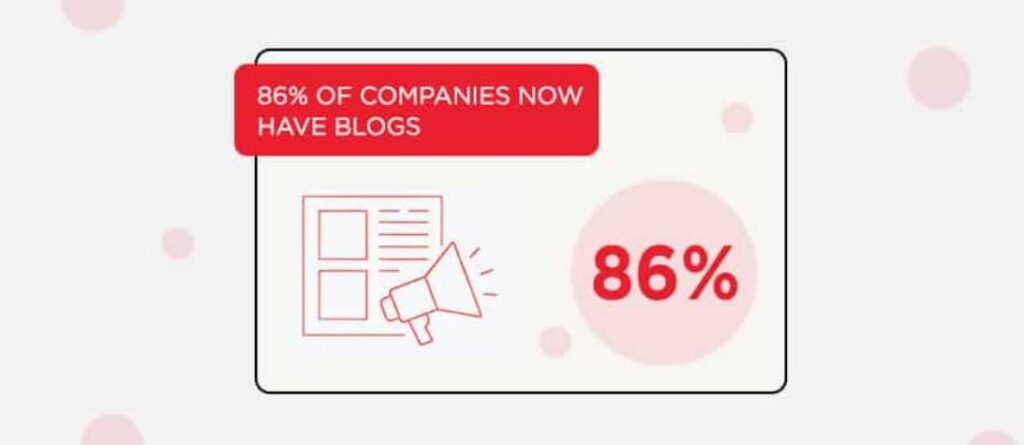
How are you going to attract potential guests? Especially when you’re up against big global brands and their marketing machines?

You’re never going to outspend them in terms of advertising. And word-of-mouth is unlikely to reach those valuable international markets. Traditional marketing methods like PR and leafleting are hit-and-miss at best – and eye-wateringly expensive.

Blogging with help your business to stand out

So, what cost-effective and powerful marketing activity will enable your hotel to compete with your bigger competitors on a level playing field?

SEO-led blogging is the answer.

Professional SEO services involve a number of different tactics that will help you stand out to people looking to visit Durham or the North East, such as:

Expertly weaving keywords or phrases into your website copy that highlight stand-out offerings that your target customers will be searching for when choosing the ideal hotel for their visit e.g.

  • ‘Historic Durham hotel’
  • ‘Cosy hotel North East of England’
  • ‘Heated swimming pool’
  • ‘Family friendly hotel Durham’
  • ‘Independent Durham hotel’

Creating SEO-rich blog content that anticipates your target audiences’ questions or interests, such as:

  • ‘Things to do in Durham’
  • ‘Places to eat in Durham’

Optimising website elements like page speed that are so critical to user experience (UX)

Backlinking. In short, gaining links from other high ranking trusted websites (a very technical but very worthwhile activity) that acts as virtual rocket fuel for your SEO

SEO and Blogging Go Hand-in-Hand

Blog posts are so important to SEO success because they: 

  • Are the perfect vehicle for the fresh website content that Google loves 
  • Offer great opportunities to weave in keywords or keyphrases that make you stand out from the crowd or outperform competitors in search engine rankings
  • Attract powerful backlinking opportunities 

Fresh Content Pays Dividends on Search Engines

Blogs are the best vehicle for updating your website on a regular basis. 

And Google rewards websites for publishing original new content on a regular basis. 

Why?

Because Google likes websites that are active and appear to be run by real people that can provide answers or solutions to user questions or challenges. 

So, to return to the Durham hotel example. 

If a user types ‘Things to do in Durham’ into Google, sure, the local tourism website or ‘what’s on?’ magazine is going to rank at the top. 

But your hotel website might not be far behind in the rankings because you’ve run a well-written and thorough (but not too long!) blog on that very topic. 

And here’s the beauty: somebody in the USA that’s beginning their research into a potential vacation to historic Durham will probably use ‘Things to do in Durham’ as a Google search term. 

And if ‘cosy independent hotel with heritage’ is the kind of accommodation they’re looking for, you could be on to a winner because they’ll already be on your website! 

That one blog could therefore have already paid for itself many times over with just that one conversion. Talk about a great return on investment! 

Blogging is an Effective Way to Use Keywords

Keywords are the main ingredient of an SEO campaign.

As we’ve established, keywords are the words or phrases that people are most likely to type into Google when trying to find a product or service type.

For instance, if you are a joinery firm in Middlesbrough, your keywords would obviously need to include ‘joiner Middlesbrough’ or ‘Teesside joiner’. 

White Label SEO Blogging

But don’t stop there. There will be plenty of joinery firms in the area, and those keywords alone won’t enable you to stand out from the crowd. 

So, try to be more specific by including the type of services that someone in Middlesbrough or nearby will want from a joiner, such as

  • ‘Building bookcase’
  • ‘Install decking’ 
  • ‘Fix staircase’
  • ‘Bespoke furniture maker’

The very strong likelihood is that you will start to appear ahead of your competition on Google if it sees that you’re regularly creating quality blog content that contains keywords relevant to people searching for joinery services.

So, think about the opportunity to schedule in and write specific blogs based on these keywords. 

Blog Posts Attract Links from Other Websites

One of the key goals of SEO campaigns is to increase the number of links you receive from other high ranking and authoritative websites

The greater number of authoritative reciprocal links your website receives, the more likely Google is to reward your website with a high search ranking

Excellent blogs that contain material and stats that other people in your industry (or those researching or writing about your industry) will attract links. And, in turn, becoming a thought leader or authority in your industry is inevitably going to help drive more traffic and leads to your website.

Blogging Is Essential to Increasing the Visibility of Your Business

Blogging unquestionably helps businesses improve their SEO and overall online visibility.

There are also a number of other substantial benefits to blogging aside from SEO, like:

  • Making potential leads more likely to convert on the basis of the quality, relevance and authority of your content  

Put Your Blogging and SEO in the Hands of Experts

Just throwing some words up into a blog post without any care won’t do any good. 

As a matter of fact, Google will take a dim view if it thinks that you’re clumsily stuffing keywords into blogs to increase visibility. 

Blogging is a time-consuming, highly skilled and technical discipline. It takes a team of people – from keyword strategists, experienced copywriters, SEO executives and web designers – to get blogs up to the standard needed to boost SEO results. 

Quality is the watchword we always keep in mind when creating blogs for our clients. 

By consistently crafting high quality blog posts that offer our client’s respective potential customers actionable information relevant to their needs, we know that we will be improving their visibility, reputation and ability to convert leads. 

If you’re looking for expert SEO and blogging that can do that for your business, please email us at info@chetaru.com.