Remarketing is like having a friendly reminder in the digital world. It’s a way for businesses to show ads to people who have visited their website or used their app before. When someone visits your site, a small digital tag, like a cookie, notes their visit. Later, as they surf the web, this tag helps your ads reappear, reminding them about your brand and encouraging them to return.
How Does Remarketing Work?
Here’s how the magic happens: Someone visits your website or interacts with your app. During their visit, a tiny tracker (cookie or pixel) is placed on their device. This tracker is like a digital memory, remembering the user’s actions. Later, when creating ads, you can target these visitors based on what they looked at or did on your site. This is done through platforms like Google Ads or Facebook Ads, which help your ads show up where these past visitors go online. It’s a smart way to re-engage people who already have an interest in what you offer.
Benefits of Remarketing
Remarketing is a powerful tool for boosting your PPC campaigns. Here are its main benefits:
Increased Brand Awareness: Remarketing keeps your brand in the viewer’s mind. By showing your ads repeatedly to potential customers, you’re building familiarity and trust.
Higher Conversion Rates: Since you’re targeting people who already showed interest, they’re more likely to take action like making a purchase.
Improved Ad Relevance: With remarketing, your ads are more personalized. They’re based on the visitor’s past behavior, making them more relevant and appealing.
Cost-Effective Advertising: Generally, remarketing can be more budget-friendly. You’re reaching out to an audience already aware of your brand, which can lower the cost per click and improve ROI.
Implementing Remarketing Campaigns
Embarking on a remarketing campaign is a strategic move to re-engage those who’ve shown interest in your brand. Here’s how to make it work:
Setting Up Your Remarketing Campaign
Begin by integrating tracking codes, like tiny digital breadcrumbs, on your website or app. These codes are vital in following the trail of your visitors and understanding their interactions. Platforms like Google Ads and Facebook Ads offer intuitive tools for this. After setting up, you can create custom lists based on user behaviors, like visiting certain pages or leaving a full shopping cart. These lists are your roadmap to understanding different audience segments and engaging them effectively.
Choosing the Right Platforms for Remarketing
If your audience loves social media campaign, then Facebook ads or Instagram ads might be your best bet. For a more professional audience, LinkedIn ads could be the key. Don’t overlook display networks; they cast a wide net across various websites, increasing your ad’s reach.
Creating Effective Remarketing Ads
The heart of your campaign lies in the ads themselves. They should have visuals that catch the eye and messages that speak directly to the viewer. The goal is to make them visually appealing and to-the-point, with a clear call to action. Remember to customize your ads for different segments of your audience, making each ad feel like a personal conversation with that particular group.
By carefully setting up your campaign, choosing the right platforms, and crafting impactful ads, your remarketing efforts can become a powerful tool in your advertising Pay Per Click . Keep an eye on how your ads perform and be ready to tweak them for optimum engagement and conversion.
Key Strategies for Effective Remarketing
Remarketing can significantly boost your PPC campaigns when done right. Here are some essential strategies to help you harness its full potential:
Refining Audience Segmentation
Think of your audience as a spectrum of varied interests and behaviors. Segmenting means categorizing them into distinct groups based on their interaction with your website or app, like visitors who browsed specific products or those who abandoned their cart. Tailoring your approach to each group can dramatically increase the relevance and effectiveness of your ads.
Customizing Ads for Each Segment
Once you’ve segmented your audience, it’s time to speak their language. Create ads that resonate with each group’s specific interests and behaviors. If a segment showed interest in a particular product range, focus your ads on those products. It’s about making each ad feel like it was crafted just for them.
Implementing Frequency Caps
Balance is key in remarketing. You want to remind your audience of your brand without overwhelming them. Set a cap on how often individuals see your ads to maintain a healthy balance between visibility and saturation. This approach helps in keeping your brand’s presence positive and engaging.
Adopting these strategies can make your remarketing campaigns more focused, personalized, and effective. It’s all about understanding your audience, communicating with them in a way that resonates, and maintaining a noticeable but not overpowering presence
Optimizing Your Remarketing Campaigns
Analyzing Campaign Metrics Diligently: Continuously monitor the key metrics of your campaigns. Focus on understanding the nuances of your ad performance through metrics such as conversion rates and click-through rates. This analysis is critical for identifying improvement areas and optimizing your approach.
Executing Controlled A/B Tests: Implement A/B testing to discern the most effective elements of your remarketing ads. This methodical testing helps in determining the ad variations that best resonate with your target audience, leading to higher engagement levels.
Adopting Dynamic Remarketing Techniques: Use dynamic remarketing to customize your ads based on users’ previous site interactions. This strategy enhances ad relevance, thereby increasing the chances of re-engaging past visitors and boosting conversions.
In the bustling digital world, Pay-Per-Click (PPC) advertising stands out as a beacon, guiding potential customers directly to your doorstep. Imagine PPC as a smart assistant, one who knows exactly who is looking for what you offer and gently nudges them your way.
But what really makes PPC so powerful? It’s all about relevance and timing. Think of it like this: You have a store selling beautiful, hand-crafted Zen lifestyle products. Someone, somewhere, is searching for exactly that. PPC is the bridge connecting their search to your store. It’s about being there at the right moment, with the right message.
The beauty of PPC lies in its flexibility. Whether you’re a small local shop or a growing online brand, PPC adapts to your needs. You control the budget, target specific audiences, and can even decide when your ads appear. It’s like having a billboard that only shows up to the people who are most likely to walk into your store, and only when they’re nearby and interested.
But here’s the catch – PPC isn’t just about setting up ads and waiting for clicks. It’s a craft. The art lies in understanding your audience, crafting messages that resonate with them, and constantly tweaking your approach based on real data. It’s a dynamic, ongoing conversation between you and your potential customers.
Why PPC Management is Important
PPC advertising holds great promise, but its success hinges on smart management. Here’s why managing your PPC campaigns well matters:
Cost Control: Managing your PPC effectively means you’re in the driver’s seat with your budget. You decide how much to spend and when. This careful budgeting ensures you get the most out of every penny spent on ads.
Optimal Ad Performance: Good PPC management is about fine-tuning your ads. It involves choosing the right keywords and crafting messages that speak to your audience. This increases the likelihood of clicks and, ultimately, conversions.
Campaign Optimization: It’s not just about setting up campaigns; it’s about constantly improving them. This involves structuring your campaigns smartly, tweaking your bids, and using ad extensions for greater visibility. Regular analysis of key metrics guides these adjustments, ensuring your ads always perform their best.
Staying Ahead: The world of PPC is always changing. Effective management keeps you up-to-date with the latest trends and tools. Adapting to new formats and technologies, like video or display ads, can set you apart and keep you ahead of the curve.
In short, effective PPC management is the key to unlocking the full potential of your advertising efforts. It’s about spending wisely, constantly refining, and staying adaptable in the ever-evolving digital landscape.
Key Components for Successful PPC Management
Solid Campaign Strategy: The foundation of PPC success is a well-thought-out strategy. Define your goals clearly, know your target audience, and pick the platforms that align best with your objectives. It’s about charting a clear path to reach your advertising milestones.
In-depth Keyword Selection: Keywords are the anchors of PPC. It’s crucial to select keywords that not only attract your target audience but also align with their search intent. Balance is key – targeting both popular and niche keywords effectively.
Engaging Ad Development: The power of an ad lies in its ability to engage and persuade. Crafting ads that stand out involves creating compelling content and eye-catching designs. Continually test and refine your ads to ensure they resonate with your audience.
Budget Allocation and Bid Management: Smart budgeting is at the core of PPC management. This means wisely allocating your funds and adjusting your bids to get the best return on investment, ensuring you don’t overspend while maximizing ad exposure.
Ongoing Performance Review: Success in PPC requires keeping a constant eye on your campaign’s performance. Regularly review analytics to understand what’s working and what isn’t. Use these insights to fine-tune your approach.
Adaptability to Industry Trends: The digital marketing world is ever-changing. Stay ahead by keeping up with the latest PPC trends and adapting your strategies to new technologies and changing market dynamics.
Optimizing PPC Campaigns
Optimizing your PPC campaigns is a vital step in ensuring they work effectively for you. Here’s how to do it:
Refine Your Targeting: Start by ensuring your ads reach the right audience. This means choosing demographics, interests, and behaviors that align with your ideal customer. It’s like inviting the right people to your party – the ones who are most likely to enjoy it.
Craft Compelling Ads: Your ads should grab attention and encourage clicks. This involves using clear, engaging language and attractive visuals. Think of your ad as a storefront window; it should be inviting and relevant to those walking by.
Use Keywords Wisely: Keywords are the foundation of PPC. Select ones that are highly relevant to your business and what your customers are searching for. It’s not just about volume; it’s about relevance.
Monitor and Adjust: Keep an eye on how your ads are performing. Are they getting clicks? Are they leading to sales or leads? Adjust your strategy based on this data. Think of it as steering a ship – you need to constantly adjust your course based on the wind and waves.
Test and Learn: Experiment with different elements of your ads, like headlines or images, to see what works best. It’s a process of trial and error that helps refine your approach.
In short, optimizing PPC campaigns is about targeting the right people with the right message, using keywords effectively, and continually adjusting based on performance. It’s a dynamic process that requires attention and agility.
Tracking and Analyzing Performance
In the world of PPC, keeping an eye on how your campaigns are doing is like checking the health of your garden. You need to know what’s growing well and what needs more care. Here’s a straightforward way to track and analyze your PPC campaign performance:
Set Clear Metrics: Decide what success looks like for your campaigns. Is it more website visits, sales, or leads? These metrics are your guideposts, helping you understand if you’re on the right path.
Use Tracking Tools: Tools like Google Analytics are like your garden tools. They help you dig into data and understand how users interact with your ads. Are they clicking through? What do they do once they land on your site? This information is key to understanding your campaign’s effectiveness.
Regular Reviews: Schedule regular check-ins with your campaign data. This is like watering your plants – it needs to be done consistently. Look for trends. Are certain ads or keywords performing better than others?
Learn and Adjust: Use what you learn from the data to make changes. Maybe some ads need a refresh, or certain keywords aren’t delivering results. It’s all about tweaking and improving, like pruning a plant to help it grow better.
Keep an Eye on ROI: Ultimately, it’s about how much value you’re getting for your spend. Are your ads cost-effective? Adjusting strategies based on ROI ensures that your campaigns are not only effective but also efficient.
In essence, tracking and analyzing your PPC campaign performance is about setting goals, using the right tools to gather insights, regularly reviewing results, learning from them, and always keeping an eye on your return on investment. It’s a cycle of continuous improvement.
Staying Ahead with PPC Trends
Keeping up with PPC trends is like staying tuned to the pulse of the digital world. It’s about knowing what’s new and how it can benefit your campaigns. Here’s a simple guide to staying ahead:
Embrace New Technologies: PPC is always evolving with technology. From AI-driven automation to advanced targeting options, embracing these new tools can give your campaigns a competitive edge. It’s like having the latest gadgets in your toolkit.
Watch for Platform Updates: Major platforms like Google Ads and Facebook Ads regularly update their features. Keep an eye on these changes as they can offer new ways to reach your audience or improve efficiency.
Understand Consumer Behavior: As people’s online habits change, so should your PPC strategies. This means staying aware of how and where your audience spends their time online. Adapting your approach to these behaviors keeps your campaigns relevant.
Learn from Industry Leaders: Follow PPC experts and industry blogs. They often share insights and tips that can inspire new strategies or improve existing ones. Think of it as having mentors guiding you through the ever-changing landscape of PPC.
Test and Innovate: Don’t be afraid to try new things in your campaigns. Testing different approaches helps you understand what works best and keeps your strategies fresh and effective.
In conclusion, mastering PPC management is a dynamic and continuous journey. It involves crafting strategic campaigns, fine-tuning targeting, creating engaging ads, and carefully managing budgets. The key is to stay vigilant with performance tracking, making data-driven decisions to optimize your campaigns. Staying updated with the latest trends and adapting to new technologies is also crucial. Remember, the essence of successful PPC management lies in understanding and connecting with your audience effectively. By doing so, you ensure that every click has the potential to transform into a meaningful customer interaction, driving your business towards its goals.
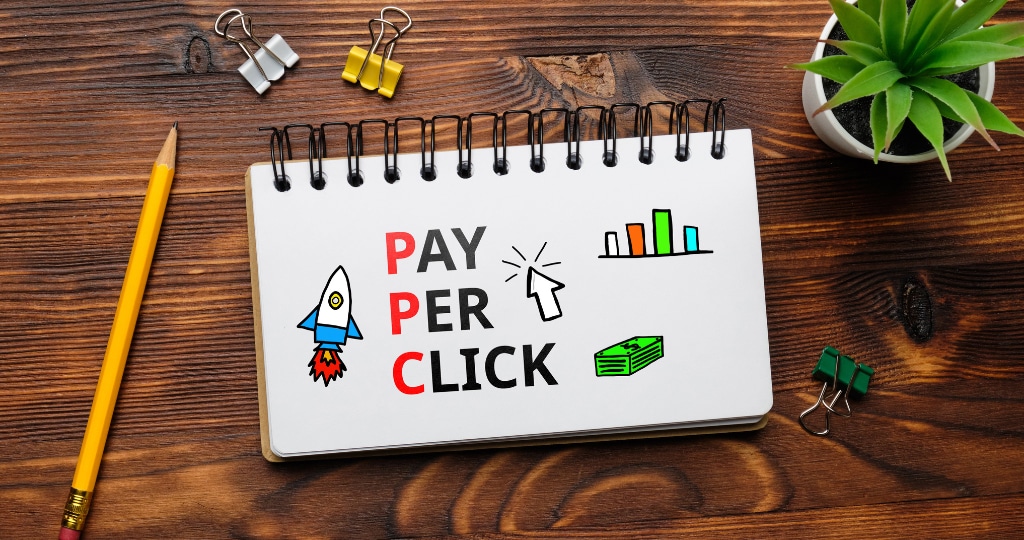
PPC advertising, short for Pay-Per-Click, is a model in digital marketing where advertisers pay a specific fee each time their ad is clicked. It’s a strategy for directing traffic to your website, supplementing the organic audience you gain. These ads can be found in search engine results, such as Google or Bing, or across various social media platforms. The standout feature of PPC is its precise targeting capability. Ads can be tailored based on keywords, user interests, geographical locations, and other demographic details. This focused method ensures your advertising is seen by individuals more likely to have an interest in your offerings, enhancing the efficiency of your marketing efforts.
Importance of PPC Advertising for Businesses
PPC advertising holds immense importance for businesses in today’s digital landscape. It offers rapid visibility and leads generation, something that can take much longer through organic methods like SEO. Its ability to target specific audiences ensures that marketing budgets are used more effectively, reaching potential customers who are already searching for related products or services. Additionally, the flexibility and scalability of PPC campaigns allow businesses of all sizes to control costs while optimizing for better returns. With real-time tracking and analytics, businesses can continually refine their strategies for maximum impact, making PPC a crucial component of any comprehensive digital marketing plan.
Exploring Bing Ads
Exploring Bing Ads offers a unique opportunity for advertisers to reach a different audience than those typically found on Google. Bing, Microsoft’s search engine, has a dedicated user base, often including demographics that are older and perhaps more affluent, which can be ideal for certain types of businesses.
What are Bing Ads?
Think of Bing Ads as setting up a cozy café in a neighborhood not overrun by coffee shops. Here, your sign stands out. When people search on Bing, which might not be as crowded as Google, your ad has the chance to catch their attention more easily. Bing Ads work on a pay-per-click model – inviting people to visit your café, but you only pay for the ad when someone steps through the door. It’s a more focused way of reaching potential customers looking for exactly what you offer in a place where your message doesn’t have to be heard.
Key Features and Advantages of Bing Ads
Microsoft Advertising, previously known as Bing Ads, presents several notable features and benefits for digital advertisers:
Expansive Network Reach: It extends beyond Bing, covering Yahoo and MSN, thus reaching a broader and varied audience.
Reduced Competition Levels: Generally, Microsoft Advertising faces less competition compared to Google, potentially leading to more affordable click costs and better positioning for ads.
Unique Audience Demographics: The user base of Bing, including Yahoo and MSN, often includes demographics not as heavily targeted on other platforms, like older or more affluent groups.
Microsoft Product Integration: This platform offers smooth integration with other Microsoft services, providing opportunities for extended advertising reach.
Budget Flexibility: Microsoft Advertising allows for adaptable budgeting, giving advertisers control over their expenditure.
Targeting Capabilities: It enables targeting based on various factors, including geographic location, device type, and specific times.
Comprehensive Analytics: The platform comes with robust tools for analytics and reporting, aiding advertisers in tracking and optimizing their campaigns.
Extended Partner Network: There’s an option to broaden ad reach through Microsoft’s search partner network, enhancing overall visibility.
Setting Up Your Bing Ads Campaign
Establishing a Bing Ads Account: The first step is to create your account on Microsoft Advertising. Visit their site and follow the straightforward sign-up process. Basic business information and billing details are needed to get your account up and running.
Determining Campaign Goals and Objectives: Before diving into advertising, it’s essential to pinpoint your campaign’s aims. This could be driving more traffic to your site, generating leads, or increasing sales. Having clear objectives will guide the direction and tactics of your campaign.
Exploring Bing Ads Targeting Options: Bing Ads provides various options to refine your audience targeting. You can target specific geographic locations, making your ads visible in selected areas. Demographic targeting allows you to reach specific age groups or genders. There’s also device targeting, which is useful for reaching users on particular devices like mobile phones or desktops. These options help in precisely reaching the audience most likely to respond to your ads, enhancing the effectiveness of your campaign.
Optimizing Your Bing Ads Campaign
Keyword Research and Selection: The foundation of a good campaign is selecting the right keywords. Use Bing’s Keyword Planner or similar tools to discover terms that are relevant to your business and frequently searched by your audience. Aim for a balance between relevance and competitiveness – you want keywords that attract the right audience but aren’t too costly due to high competition.
Writing Effective Ad Copy: The words in your ad need to grab attention and prompt action. Include the primary keyword, clearly state the benefits of your product or service, and have a direct call to action. Make sure your ad resonates with what your target audience is seeking.
Managing Bids and Budgets Efficiently: Keep a close eye on your bids. Start conservatively and increase them based on the ad’s performance. Monitor your spending to ensure you’re getting a good return on investment. Adjust your bids according to the days and times when your audience is most likely to engage.
Tracking and Analyzing Performance
To ensure your Bing Ads campaign is performing at its best, it’s crucial to focus on tracking and analyzing its performance:
Conversion Tracking: This involves setting up a system to track when someone clicks on your ad and then takes a desired action, like making a purchase or signing up for a newsletter. Conversion tracking is essential to understand how effectively your ads are driving your business goals.
Analytics and Reporting Tools: Utilize Bing Ads’ analytics and reporting tools to get detailed insights into your campaign’s performance. These tools provide data on various aspects, such as click-through rates, impressions, and conversion rates, helping you understand what’s working and what’s not.
Making Data-Driven Decisions: The key to a successful campaign is using the data you gather to make informed decisions. Analyze the performance data regularly to identify trends, and use these insights to refine your targeting, ad copywriting, and bidding strategies. This data-driven approach helps in continuously improving the efficiency and effectiveness of your campaign.
Maximizing Success with Bing Ads
Each ad campaign requires attention – target audience, the right amount of budget and placement, and adjustments and refinements. You will learn which aspects of your ads resonate best with your audience. It’s a process where attention to detail and responsiveness to the environment leads to a flourishing garden.
Testing and Experimentation
Testing and experimentation in Bing Ads are similar to a scientist working in a lab. Each ad campaign is an experiment. You have a campaign strategy and test it under different audiences, keywords, and ad formats. You analyze the performance of each variation. This systematic testing allows you to continually discover what works best, refining your approach for the most effective formula.
Continuous Campaign Optimization
This could mean modifying your keyword strategy, adjusting bids, or rewriting ad copy. The goal is to ensure that the campaign fits your marketing objectives as snugly and effectively as a well-tailored suit, adapting to trends and changes in consumer behavior over time.
Staying Up-to-Date with PPC Trends
You should watch industry news, participate in marketing forums, and follow thought leaders. This constant vigilance allows you to adapt your strategies to the latest trends in advertising Pay Per Click, ensuring that your campaigns remain stylish, relevant, and appealing to your audience.
PPC advertising, short for Pay-Per-Click, is a straightforward yet effective online marketing approach. Here’s how it works: advertisers pay a small fee each time their ad is clicked. This method is a fast track to draw more visitors to your site, in contrast to gaining these visits organically. What makes PPC so appealing is its precision targeting. You can reach potential customers based on their interests, location, and online behavior. It’s a cost-effective solution, especially for those who want to connect with a specific audience. With PPC, businesses big or small can boost their online presence and attract more website traffic.
Benefits of PPC Advertising
PPC advertising offers several key benefits that make it a go-to choice for many businesses.
Quick Results:PPC campaigns can drive immediate traffic to your website, offering faster results compared to organic methods.
Targeted Advertising: Tailor your ads to reach specific audiences based on demographics, interests, and behaviors.
Cost Control: Set your own budget and only pay when someone clicks on your ad, making PPC cost-effective.
Measurable Impact: Easily track and measure the performance of your ads, helping refine your strategies for better results.
Flexible Campaigns: Adjust your PPC strategies in real-time based on performance data and market trends.
Improved Visibility: Boost your online presence quickly, increasing the chances of reaching potential customers.
Understanding the PPC Advertising Process
Diving into PPC advertising is like starting a new adventure. It’s a journey through a land where your message meets the right audience. This process involves understanding how to navigate the PPC landscape, knowing the shortcuts, and avoiding the pitfalls. It’s a mix of planning, execution, and continuous learning.
Grasping the PPC Advertising Process involves several key phases, all of which contribute to the effectiveness of your campaign.
Initiating a PPC Campaign: Begin by identifying what you aim to achieve, like attracting more visitors or increasing sales. Opt for an advertising platform that best suits your target audience and objectives, whether it’s Google Ads, Facebook, or another option.
Keyword Research and Selection: This step is critical. Investigate and choose keywords that your prospective customers are likely to use in their online searches. These keywords are central to ensuring your ads reach the appropriate audience.
Crafting Effective Ad Copywriting: Make sure your ads are engaging and pertinent. Develop ad content that addresses the interests and needs of your audience, motivating them to click and discover more.
Managing Bids and Budgeting: Handle your budget smartly. Decide on your spending limits for the campaign and distribute your budget effectively across your ads and chosen keywords. Consistently review and modify your bids to keep your campaign both competitive and economical.
Each stage needs careful consideration and adjustment to make sure your PPC campaign is effective and achieves your desired outcomes.
Choosing the Right PPC Platform
Selecting an appropriate PPC platform is crucial for your advertising strategy, with each offering distinct benefits:
Google Ads: As the dominant search engine, Google Ads offers extensive exposure. It’s well-suited for those looking to reach a broad audience. Its advanced analytics are also a big plus, allowing for detailed campaign adjustments.
Bing Ads: This is a great alternative with a unique audience, often attracting different demographics than Google, including older users. It’s typically less competitive, potentially offering more budget-friendly click rates.
Social Media Advertising Platforms: Platforms like Facebook, Instagram, and LinkedIn allow for highly specific targeting. They are ideal if you’re aiming to connect with audiences based on detailed criteria like interests, behaviors, and lifestyle. These platforms are particularly effective for engagement-driven campaigns.
The choice depends on where your target audience is most active and the specific objectives of your campaign. Each platform has its own set of advantages, so aligning them with your marketing goals is key.
Optimizing Your PPC Campaigns
Enhancing your PPC campaigns for optimal performance involves several strategic actions:
Regular Performance Review and Analysis: It’s important to consistently monitor vital metrics like click rates, conversions, and the cost for each click. This analysis helps identify which parts of your campaign are effective and which need adjustments.
Executing A/B Tests for Refinement: Experiment with various aspects of your ads, such as the text, design, and call-to-action phrases. Through A/B testing, you can determine which ad variations yield better results, leading to more effective campaigns.
Utilizing Additional Ad Features: Leverage the extra features offered by platforms, like Google Ads’ extensions. These features can include more details in your ads, like extra website links, contact info, or specific offerings. They serve to enhance your ad’s appeal and information value, potentially boosting engagement rates.
Remember, optimizing PPC campaigns is an ongoing process. Continually adapting your strategy based on the insights from your campaign’s performance is crucial for maintaining effective and cost-efficient advertising.
Tips for Successful PPC Advertising
Know Your Audience: It’s crucial to have a deep understanding of your target market. What are their interests, online habits, and needs? This knowledge helps in crafting ads that truly speak to your audience, increasing engagement and effectiveness.
Regularly Review and Tweak Your Campaigns: PPC advertising requires ongoing attention. Keep an eye on key performance indicators and be prepared to adjust elements like your keywords, ad copy, and budget based on what the data shows.
Consider Getting Expert Help: If you’re new to PPC or your campaigns aren’t performing as expected, getting advice from a professional can be a game-changer. PPC Experts can offer specialized knowledge and tactics to improve your campaign’s performance.
This guide has not only detailed the steps to create, launch, and optimize PPC campaigns but also emphasized why PPC is a vital tool in the digital marketing arsenal. PPC advertising stands out for its ability to target specific audiences quickly, offer measurable results, and provide flexibility in budgeting and strategy. Whether you’re a small business owner, a marketing professional, or just starting out in the digital world, understanding and utilizing the power of PPC can be a game-changer in achieving your online marketing goals.
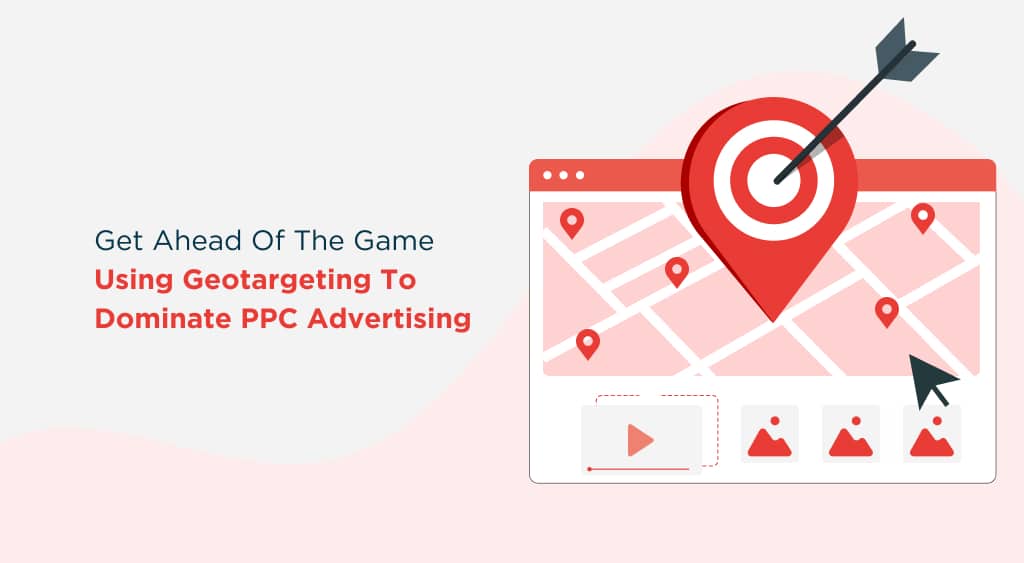
Imagine walking into a local shop where the owner knows your name preferences and suggests products that suit your taste. This level of personal attention is what geotargeting brings to PPC advertising. It’s a way for businesses to say, “Hey, we’re right here with you!” to potential customers in specific areas. Advertisers can create more relevant and personal ad experiences by honing in on the user’s location.
What is Geotargeting?
Picture this: You’re at a farmers’ market, and each stall calls out to shoppers. Geotargeting calls out to the shoppers who are most likely to buy from you. It’s a digital shout-out to potential customers based on where they are or where they’ve shown interest in going within the online world. It ensures that your message is popping up in the right aisles — the ones where your ideal customers are browsing.
The Importance of Geotargeting in PPC Advertising
Why does this matter in your PPC strategy? Because accuracy matters. When pinpointing your audience’s location, you can tailor your message, offers, and call-to-actions to resonate with local tastes, trends, and needs. This isn’t just about getting more eyes on your ads; it’s about getting the right eyes. It’s the difference between handing out flyers to every passerby on the street and handing them only to those who’ve already shown an interest in what you’re offering. That’s the kind of focused approach that turns clicks into customers.
Benefits of Geotargeting in PPC Advertising
Geotargeting, a powerful feature in PPC advertising, offers several benefits that can help businesses maximize the effectiveness of their campaigns. Advertisers can achieve enhanced relevance and targeting by focusing on specific geographic areas, leading to increased return on investment (ROI) and improved ad performance.
Enhanced Relevance and Targeting
You know that feeling when you’re scrolling through your feed and you come across an ad that feels like it was made just for you? It’s no coincidence. That’s geotargeting at work. It’s about being at the right place at the right time. Let’s say you own a boutique coffee shop in Bangalore. Using geotargeting in your PPC campaigns ensures that the ad for your newest espresso blend is seen by the coffee specialists in your area, not someone living miles away with no intention of visiting. It’s intelligent, cost-effective, and excellent.
Increased Return on Investment (ROI)
Every rupee counts, especially in advertising. You want the maximum return for your buck, and geotargeting is like having an ace up your sleeve. It’s about focusing your ad budget on audiences with the highest potential to act on your ad. When I first leveraged geotargeting for my Zen lifestyle brand’s campaign, the ROI was a revelation. It was the difference between shouting into the void and having an intimate chat with interested customers.
Improved Ad Performance
Remember the billboard you see on the highway that never changes? Now imagine if that billboard changed depending on who was driving by. That’s the kind of responsiveness we get with geotargeting in our advertising pay-per-click . It’s about ensuring your ad isn’t just another face in the digital crowd. It’s tailored, it’s dynamic, and it’s effective. It’s like being a local in every neighborhood, striking up conversations that matter in a language that resonates. That’s the secret for better clicks, more engagement, and a thriving business.
Implementing Geotargeting in PPC Campaigns
Geotargeting isn’t just about finding your audience; it’s about speaking to your neighbors, the folks who walk past your storefront, or the community that could benefit most from your services. When you decide to weave geotargeting into your PPC campaigns, you spend your advertising budget on a more receptive audience.
Geotargeting Options and Settings
Imagine conversing only with people interested in what you have to say. That’s what geotargeting in PPC feels like. It’s a conversation with just the right people. The settings are your dialogue tools – you can talk to everyone in a city or whisper to those within a stone’s throw of your shop. You can even engage with people looking for what you offer but have yet to step into your locality. It’s about being present in the right place and time.
Choosing the Right Geotargeting Strategy
Choosing the right geotargeting strategy is like selecting the right words in a heart-to-heart chat. If your business is the cozy coffee shop on the corner, your words (or ads) might be best shared with the morning crowd looking for a quick cup of a coffee. The strategy is about context – understanding where your words fit best and who they should reach.
Remember, geotargeting is more than just a feature in your PPC campaign; it’s a strategic decision that can shape how potential customers perceive and interact with your brand. Keep it local, or spread the word far and wide – the choice is yours, but make it thoughtful.
Best Practices for Geotargeting in PPC Advertising
Place your ads where the crowd is, but make sure it’s the right crowd. That means understanding where your audience is and when they are most active. Use local landmarks in your ads, or mention local events to show that your brand belongs to the community.
Researching and Analyzing Target Locations
For geotargeting, this means diving into the local culture of your target locations. What’s the local sports team? Is there a festival coming up? Use this information to inform where and how you target your ads. Think about the best route to reach your destination, or in this case, your customer.
Adapting Ad Copy and Landing Pages
Now, let’s talk about making your guests feel welcome. If someone from Texas clicks your ad, they might expect a hearty “Howdy” rather than a formal “Welcome.” It’s about ensuring your ad copywriting and landing pages optimization echo the local vernacular and customs. This local flavor makes your digital space feel like a cozy nook in their neighborhood, not a cold, one-size-fits-all billboard.
Monitoring and Optimizing Geotargeted Campaigns
Finally, keep a watchful eye. Some ads might rank in one region but not in another. Regular check-ins on your ad performance can tell you much about what adjustments to make. Certain times of the day bring more traffic, or perhaps a particular message resonates better in one city than another. Stay vigilant and ready to optimize.
By following these human-centric practices, your geotargeting will not just reach people; it will touch them, engage them, and bring them closer to your brand.
Geotargeting Tools and Technologies
To effectively implement geotargeting in PPC advertising, marketers can access various tools and technologies that streamline the process and help optimize their campaigns. This section explores some of the critical geotargeting tools and technologies available.
PPC Platforms with Geotargeting Capabilities
When you’re ready to get the word out about your business, it’s like deciding where to plant your flag. The good news? PPC platforms are prepared with a toolbox that lets you put your business exactly where your future customers hang out. They have settings that are as easy to tweak as your car’s GPS – whether you’re trying to catch the eye of early birds in city centers or night owls in the suburbs.
Third-Party Geotargeting Tools and Services
Sometimes, you have to bring in the big guns. That’s where third-party geotargeting tools strut onto the scene. They’re the savvy locals who know every nook and cranny of your target area. These services can tell who’s walking by your virtual shop and what they’re likely chatting about. It’s about getting the low-down on the local scene to chime in like you’ve been part of the conversation.
Emerging Trends in Geotargeting
The geotargeting game is constantly upping with new trends. We’re talking about tech that doesn’t just know where your customers are but can almost predict where they might go next – like having a crystal ball for your ads. It’s about staying ahead of the curve and being where the customer will be, almost before they know it themselves.
In the end, think of geotargeting as the art of throwing a dart on a map – you aim, you throw, and where it lands, it makes an impact. That’s what you want your ads to do. It’s about creating that local buzz that gets people talking at the corner store or sharing with their neighbors across the fence. You’re not just broadcasting messages into the void; you’re starting honest conversations, sparking connections, and building a community around your brand. By getting personal with your approach, you resonate with your audience in their language, on their turf, and in terms. So go ahead, make your mark with geotargeting, and watch as your brand goes from just visiting to feeling at home.
Imagine walking through a bustling market street, your eyes darting from stall to stall. That’s like surfing the web, with display advertising being the colorful, vibrant website looking for your attention. These ads are the visuals that leap out at you, whispering (or sometimes shouting) about an exciting offer or a must-have product.
What is Display Advertising?
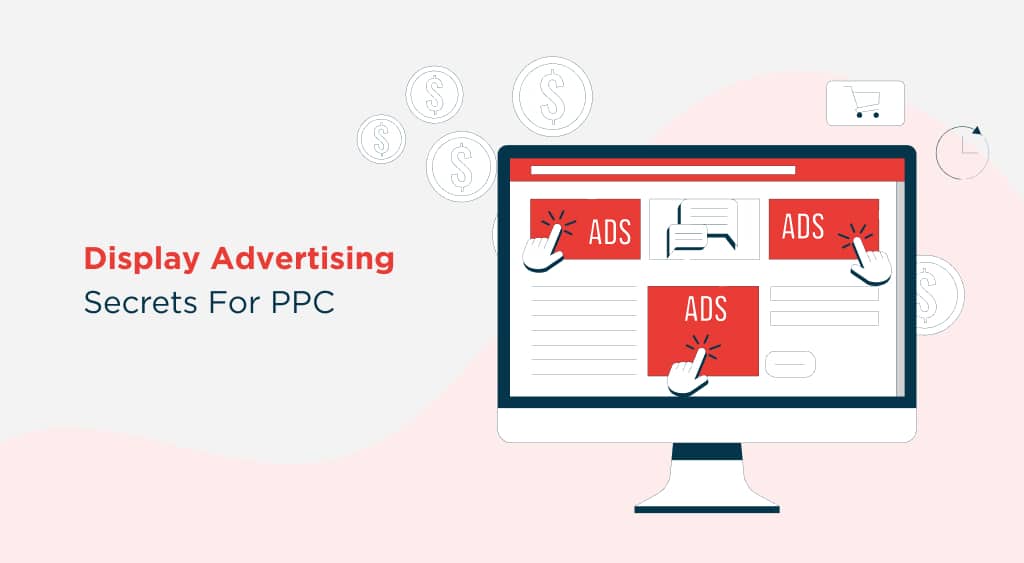
Online display ads are the digital banners that line the virtual walls of websites, attempting to catch your eye. They’re not just words on a page; they’re full-color, dynamic spectacles often tailored just for you based on what the advertisers think you might like.
The Role of Display Advertising in PPC
And how do these market banners fit into the bigger picture of pay-per-click advertising? Well, think of PPC as the entire ecosystem of the marketplace. While many vendors shout out their deals to passersby (similar to search ads that pop up when you’re explicitly looking for something), those vibrant banners are for the people just strolling through, not looking for anything in particular. These display ads enhance the ecosystem, ensuring that even those not actively searching still leave with something, perhaps an idea or an interest sparked by a well-placed, well-timed ad.
Benefits of Display Advertising
Display advertising is a powerful PPC tool, offering numerous benefits for businesses looking to maximize their online presence. Let’s explore some key advantages of display advertising: increased brand visibility, targeted audience reach, and diverse ad formats.
Increased Brand Visibility
Display advertising ensures your brand is seen far and wide, illuminating your presence. It’s about something other than shouting the loudest but being seen in the right places where your audience is already looking.
Targeted Audience Reach
With display advertising, you can become the host of a virtual gathering, inviting only the people who share your interests. This precise targeting feels less like a broadcast and more like a conversation in a room full of potential customers inclined to listen to what you have to say.
Diverse Ad Formats
The internet is your gallery, and your ads are the artwork. Display advertising offers you a variety of formats to choose from like an artist selecting their medium. Whether you prefer the classic appeal of a still image or the dynamic engagement of a video, these formats are your tools to express your brand’s story in a way that resonates with your audience.
Creating Effective Display Ads
To make the most out of your display advertising campaign, it’s essential to create compelling visual designs, include a clear call-to-action, and ensure relevance and context in your ads.
Compelling Visual Design
Utilize a color palette that mirrors the values of your brand—calming blues, energizing reds, or optimistic yellows—and imagery that tells your story at a glance. Remember, the visual design of your ad should whisper into the viewer’s eye, “Here’s something you’ll want to see.”
Clear Call-to-Action
Use actionable language that’s concise, using verbs like ‘Start,’ ‘Discover,’ or ‘Join.’ The CTA button is like the door handle to your shop; it should be inviting enough that people can’t resist turning it.
Remember, your display ad bridges the customer’s needs and your solutions. Dress it smartly and guide them confidently across.
Relevance and Context
Have you ever been to a themed party where one person didn’t get the memo and showed up in a costume that was entirely out of place? That’s a faux pas you want to avoid with your display ads. They need to match the environment they’re placed in, targeting users based on their interests or the content they’re consuming. If your ad relates to the website it’s on and the interests of its audience, it won’t stick out like a sore thumb. Instead, it will blend seamlessly into the user’s browsing experience, like the perfect outfit at a themed event.
Each element of an effective display ad—visual design, CTA, relevance, and context—must work harmoniously. It’s like a choir where each voice complements the others, resulting in a beautiful melody that resonates with the listener. When these elements are combined skillfully, your display ads won’t just be seen—they’ll perform.
Targeting Strategies for Display Advertising
To maximize the effectiveness of display advertising in your PPC campaigns, employing targeted strategies is crucial. By focusing on specific audience segments, you can increase the relevance and impact of your display ads. Three common targeting strategies in display advertising are demographic targeting, behavioral targeting, and contextual targeting.
Demographic Targeting
Imagine you’re throwing a party, and you want the right mix of people. Demographic targeting lets you send invites based on specific criteria: age, gender, occupation, income, etc. For instance, if you’re selling luxury watches, you might target professionals over 30 with a higher income. It’s about placing your ads in front of people who fit the profile of your ideal customer, much like curating your guest list to ensure a successful soiree.
Behavioral Targeting
Now, think of a detective meticulously piecing together a profile of someone’s habits and preferences. Behavioral targeting does precisely this for your ads. It tracks and analyzes online behavior – what sites users visit, what content they read, and what they search for – to predict what they might want next. If someone has been looking at many cooking websites, they might start seeing ads for a gourmet spice collection. It’s about anticipating needs based on actions, like a chess player thinking several moves ahead.
Contextual Targeting
Finally, picture a street vendor who sets up shop in different neighborhoods based on what they sell. Contextual targeting places your ads on websites that are relevant to your product. If you’re selling yoga mats, your ads would appear on fitness or wellness sites. This way, you’re talking to an audience already interested in related topics, much like a vendor who knows what street corner they’ll find the most fruit lovers on.
In essence, each strategy is about making sure your ads aren’t just casting a wide net but are strategically placed where they’ll find the right audience at the right time. Like a skilled matchmaker, good targeting introduces your brand to those most likely to take interest, leading to relationships where both parties benefit.
Targeting Strategy
Description
Demographic Targeting
Tailor ads based on age, gender, income, education, and location.
Behavioral Targeting
Reach users based on their online behavior, interests, and past interactions.
Contextual Targeting
Display ads on websites and platforms that are contextually relevant to your offering.
Optimizing Display Advertising Campaigns
To maximize the results of your display advertising campaign, it’s essential to optimize and refine your strategies continuously. In this section, we will explore three essential optimization techniques: A/B testing ad variations, tracking and analyzing performance metrics, and refining targeting and placement.
A/B Testing Ad Variations
By creating two versions of your ad (A and B), you can experiment to see which design, headline, or call-to-action gets the best response. This isn’t about wild guesses; it’s about making informed decisions based on real feedback, much like a chef refining a recipe until it’s right.
Tracking and Analyzing Performance Metrics
This is the equivalent of keeping a gardening journal. You need to know what’s thriving and what’s not. By closely monitoring metrics such as click-through rates, conversion tracking, and bounce rates, you gain insights into how well your ads are performing. Think of it as the scoreboard of your advertising game, telling you which plays are scoring points and which ones need to be changed.
Refining Targeting and Placement
Imagine you’re planting seeds in your garden. You wouldn’t just scatter them randomly; you’d place them where the conditions are best for growth. The same goes for your ads. Use the data from your tracking to refine who sees your ads (targeting) and where they see them (ad placement). Your ads do better on certain sites, times of day, or with particular demographics. By honing these aspects, you ensure the soil is just right for your ads to take root and flourish.
In the grand scheme, optimizing your display ad campaigns is about fine-tuning. It’s a continuous process of testing, measuring, learning, and adjusting – all to ensure that your advertising efforts are not just seen but are also impactful and effective.
Best Practices for Display Advertising Success
To achieve optimal results with display advertising in PPC, it’s essential to follow best practices to enhance your campaign’s effectiveness. By implementing these practices, you can maximize the impact of your ads and increase your chances of success. Here are three essential best practices to consider:
Consistent Branding
Your brand is the story you tell the world. Just as a good story stays with you, weaving through your thoughts, your branding should linger in the minds of your audience. Ensure your logo, color scheme, and messaging harmonize across all ads.
Ad Placement Considerations
Placing your ad is like finding the perfect spot—location matters. You don’t want to be too close to the overwhelming content or too far from the irrelevant spaces. Your ads need to find their sweet spot where your audience naturally. Whether it’s a popular blog, a niche forum, or a high-traffic website, ensure your ad placement aligns with your audience’s interests and behaviors.
Monitoring and Adjusting Campaigns
Use analytics as your monitoring tool. Dig into the data to see what’s growing and what’s not. Monitor your ads’ performance meticulously. Look at the click-through rates, the conversion rates, and the overall engagement. Adjust your strategies based on what the numbers tell you. Sometimes, a slight change in the ad copywriting or design can turn a wilting campaign into a flourishing one.
In digital marketing, Pay-Per-Click (PPC) advertising has emerged as a powerful tool for businesses to reach their target audience and drive valuable traffic to their websites. Understanding the fundamentals of PPC advertising and its benefits is essential for any marketer looking to maximize their online presence.
Understanding Pay-Per-Click (PPC) Advertising
Have you ever wondered how those ads seem to read your mind, popping up right when thinking about a product or service? That’s PPC advertising in action. It’s all about location or, in the digital world, timing.
PPC stands for Pay-Per-Click, and it’s just what it sounds like advertisers pay a fee each time one of their ads is clicked. That click is a connection, a moment of “Yes, tell me more,” and each of these moments costs you a small fee.
It’s a way of buying visits to your site, as opposed to earning those visits organically. Think of it as the fast lane on the highway of digital marketing. While everyone else is waiting in the slow-moving traffic of organic search, you’re zipping past with your paid ad, heading straight for your destination: conversion city.
Benefits of PPC Advertising
PPC is like the sharp tool of digital marketing — versatile and practical. Here are a few reasons why it could be the tool you need:
Speedy Results: While SEO is a slow-cook recipe, PPC is your microwave meal. It gets you in front of eyeballs quickly, perfect for that sudden promotion or event you’re pushing.
Targeting: With PPC, you can become a targeting expert, slicing through the clutter to reach the right people. Demographics, interests, geography — you can adjust your ad focus.
Flexible Budgets: The beauty of PPC is in its adaptability. You can start with a wallet-friendly budget and adjust as you go. If an ad performs as well, you can pump up the budget to maximize reach. If it’s not, you can pause and re-strategize.
Measurable Metrics: Everything in PPC is measurable, from the number of clicks to the most minor conversion details. It’s like tracking your progress, with clear indicators of what’s working and what’s not.
Maximized ROI: PPC can sharpen the edge of your ROI. You only pay for the clicks you get, and with all the metrics at your fingertips, you can trim the fat and focus on what brings in the dollars.
Branding Benefits: Even if they don’t click, they’ve seen your name, and that’s a win in the brand awareness game. It’s like wearing a flashy hat in public; even if no one talks to you, they’ll remember you wore a standout hat.
Exploring LinkedIn Ads
To revolutionize your PPC strategies, it’s essential to explore different advertising platforms, and LinkedIn Ads is one platform that should be noticed. This section will introduce you to LinkedIn Ads and highlight why it is a valuable platform for advertising Pay-Per-Click .
Introduction to LinkedIn Ads
Step into the world of LinkedIn Ads, and you’re stepping into a bustling digital networking event. Unlike the wide-open spaces of other social media, LinkedIn is like an exclusive club for professionals. It’s all business, all the time.
When you create a LinkedIn Ad, you’re not just throwing your message into the digital winds. You’re slipping your business card into the hands of those who truly mean business. Here, ads aren’t just ads; they’re conversation starters, handshake opportunities, and the beginning of potentially lucrative professional relationships.
Why Choose LinkedIn for PPC Advertising
So, why pick LinkedIn as the home for your PPC campaigns? LinkedIn is where these professional people are known to come, making your job much easier.
Targeted Professional Audience: LinkedIn is where the suits and skirts of the professional world hang out. If B2B is your game, you’re in the right place.
High-Intent Users: People come to LinkedIn not to watch cat videos but to grow their careers and businesses. Your ad isn’t an interruption—it’s part of the experience.
In-Depth Targeting Options: With LinkedIn, you can filter by job title, company size, industry, and professional interests. It’s like attending a networking event and knowing who’s in the room and what interests them.
Content-Friendly Environment: Share a whitepaper, a case study, or an insightful article, and you’ll fit right in. LinkedIn is a place where content is king, and education can lead to sales.
Trusted Platform: LinkedIn is the suited-up, polished-shoe version of social media. There’s a level of trust here that you don’t find elsewhere, which can transfer to your ads.
Quality Leads: Thanks to the network’s professional nature, LinkedIn leads tend to be higher quality. They’re not just leads; they’re handshakes at a conference.
Variety of Ad Formats: From sponsored content that feels like a part of the feed to more direct InMail messages, you’ve got a whole suite of tools to make your pitch the right way.
You’re not just buying ad space by choosing LinkedIn for your PPC needs. You’re investing in a plot of digital land in the heart of the professional world.
Targeting with LinkedIn Ads
When it comes to targeting your audience with your PPC advertising campaign, LinkedIn Ads offers unique advantages due to its professional network. Leveraging the power of LinkedIn’s vast user base, you can reach the right professionals and decision-makers to maximize the impact of your ads.
Leveraging LinkedIn’s Professional Network
Imagine walking into a room where everyone wears a name tag, not just with their name but also their job title, employer, work history, and professional interests. That’s LinkedIn for you – a treasure trove of detailed professional data you can leverage for pinpoint ad targeting.
When you dive into LinkedIn’s professional network for ad placement, you’re not shooting arrows in the dark. You’re using a laser-guided system that helps you hit bullseye after bullseye, reaching precisely who you want, from entry-level enthusiasts to decision-making executives.
Demographic Targeting Options
Demographics on LinkedIn go far beyond age and location. You can slice and dice the audience based on where they’ve been, where they are, and even where they’re likely headed in their careers.
Job Title Targeting: Do you want the attention of Marketing Directors, IT Managers, or HR Specialists? Specify job titles, and your ads will go to the LinkedIn feeds of professionals holding those titles.
Company Targeting: Perhaps your product is perfect for startups or just the thing for Fortune 500 companies. You can target employees based on the size and nature of their employers.
Industry and Interest Targeting: If you’re looking to connect with folks in the financial sector or those interested in green technologies, LinkedIn lets you target industries and even users’ interests.
Education and Skill Targeting: Looking for recent grads or seasoned professionals with specific skill sets? LinkedIn lets you zero in on users based on their educational background and the skills they’ve endorsed.
Every click in your targeting narrows the audience, ensuring that your ad spend reaches the most relevant professionals. Think of LinkedIn’s targeting options as the settings on a high-powered scope, allowing you to focus your ads on suitable targets accurately.
Ad Formats and Placement
Regarding LinkedIn Ads, several ad formats are available to help you reach your target audience effectively. Each format has unique advantages and can be strategically placed to maximize visibility. Let’s explore LinkedIn’s three main ad formats: sponsored content, text ads, and dynamic ads.
Sponsored Content
Imagine scrolling through your LinkedIn feed. Amidst the sea of professional updates, you spot a well-crafted article that piques your interest. This is the essence of Sponsored Content. It blends with the user’s natural activity on the platform, providing valuable content without being intrusive. It’s like being handed a flyer at a conference that you want to read.
Text Ads
These are the digital billboards of LinkedIn. Positioned at the top of the page or to the right of the feed, Text Ads deliver a straightforward message. Think of them as the elevator pitch in LinkedIn advertising; they are brief, to the point, and, if done right, incredibly effective.
Dynamic Ads
Dynamic Ads are LinkedIn’s way of giving a personal touch to advertising. By using the viewer’s profile data, these ads personalize the experience. Imagine walking into a networking event and finding a name badge waiting just for you – that’s the personalized appeal of a Dynamic Ad.
Optimizing Your LinkedIn Ads Campaign
To make the most of your LinkedIn ads campaign, it’s essential to optimize your strategy for maximum effectiveness. This involves setting clear goals, crafting compelling ad copy, and monitoring and adjusting performance to ensure optimal results.
Setting Clear Goals
Just as a ship needs a compass to navigate the seas, your LinkedIn Ads campaign requires clear goals to steer it toward success. This could be anything from increasing website traffic to generating leads or boosting event registrations. Define what success looks like for your campaign; it’s the star by which you’ll chart your course.
Crafting Compelling Ad Copy
The ad copywriting is your siren’s song; it must be irresistible to your target audience. It’s about understanding their desires and speaking directly to them. Think of it as crafting a personal letter that addresses their needs, answers their questions, and stirs their curiosity enough to take action.
Monitoring and Adjusting Performance
The ocean of LinkedIn advertising is ever-changing, and vigilance is critical. Monitoring your campaign’s performance is like being the captain at the helm, keeping an eye on the horizon and the changing winds. You must be ready to adjust your sails – in this case, your ad strategies – to maintain the course toward your desired outcomes.
Integrating LinkedIn Ads into Your PPC Strategy
To maximize the reach and effectiveness of your PPC strategy, it’s important to consider integrating LinkedIn Ads into your advertising mix. LinkedIn offers unique targeting options and features that complement and enhance your overall PPC efforts.
Combining LinkedIn with Other PPC Platforms
Imagine LinkedIn as a specialized tool in your marketing toolbox, much like a surgeon’s scalpel. It’s precise, effective, and ideal for specific tasks. As a surgeon uses other instruments alongside the scalpel, you should integrate LinkedIn Ads with other PPC platforms. Each platform has its strengths—Google Ads might be your hammer, large and impactful, while Facebook could serve as your tweezers, picking up on the nuances of consumer behavior. Used together, they create a robust toolkit that can handle any job.
Leveraging LinkedIn’s Unique Features
LinkedIn is more than just a social network; it’s a goldmine for B2B marketers due to its professional context. Its features allow you to target by job title, industry, or even company size, akin to having a GPS in an unfamiliar city. You can precisely navigate the complex terrain of B2B marketing, reaching out to the decision-makers directly. It’s about tapping into these unique capabilities to reach a more refined audience already in a business mindset, making your message resonate deeper.
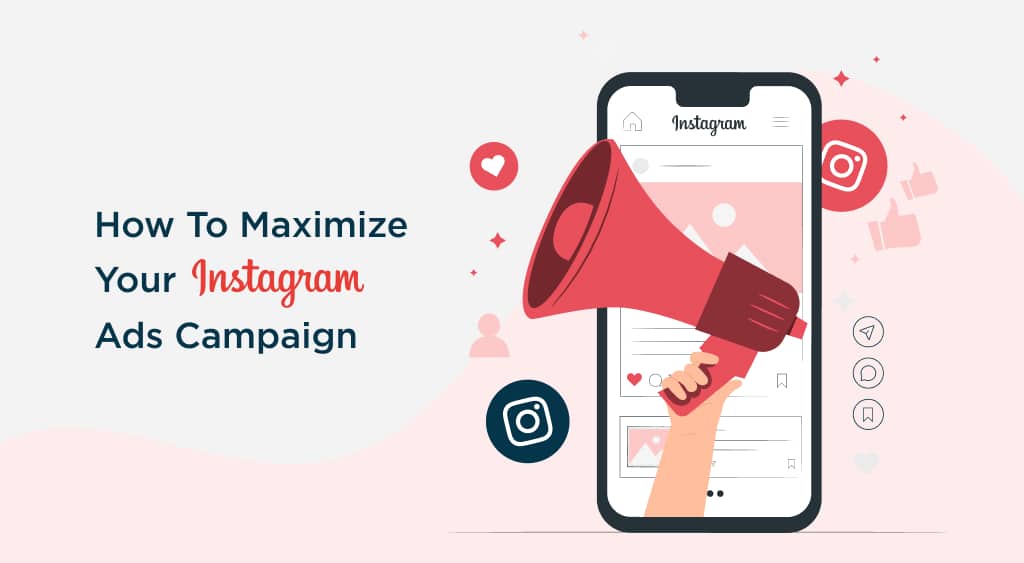
Instagram provides a platform where your message can reach the right people through finely-tuned targeting, resonating with their tastes and preferences. It’s a space where being seen is just the start; the real magic happens when a user pauses, interacts, and connects with your brand, turning casual browsing into meaningful action.
The Power of Instagram Ads
Instagram ads are like conversing with potential buyers as they look at their friends’ photos and videos. You can set these ads to pop up for people who are most likely to find your stuff interesting based on what they do and like on Instagram. So, when someone is just scrolling around, they might come across your ad, and if it catches their eye, they might stop and learn more about what you’re offering. This is a simple way to meet new customers right where they are already hanging out.
Why Choose Instagram for Your Ads Campaign
Instagram is where stories are told through visuals and where a picture can spark a thousand thoughts. Choosing Instagram for your ads means placing your brand in the middle of a vibrant, visual-oriented community. It’s where people go to see what’s new and exciting, which makes it the perfect ad placement to showcase your products or services with images that pop. The platform is also tailored for engagement—likes, shares, comments—it’s where conversations start, sometimes around your ad. This means your campaign can be more than just an ad; it can be a starting point for interaction and customer interest.
Setting Up Your Instagram Ads Campaign
To unlock the power of Instagram Ads, it is important to set up your campaign correctly. This section will guide you through the essential steps to get started:
Creating an Instagram Business Account
Understanding ad objectives and targeting options
Designing engaging ads
Creating an Instagram Business Account
Starting your journey on Instagram for business is simple. It begins with creating an Instagram Business Account, like opening a digital storefront on a busy street. This account type gives you tools and insights that regular accounts don’t have, like seeing when your followers are online or which posts they like the most. It’s a powerful way to get to know and grow your audience. Plus, setting it up is as easy as pie—just a few taps in the app, and you’re ready to introduce your brand to the world, Instagram-style!
Understanding Ad Objectives and Targeting Options
When you launch an ad campaign on Instagram, it’s key to have a sharp focus on your aims. Whether growing your brand’s presence, directing traffic to your site, or showcasing your offerings, your objective should resonate with your broader marketing plan.
Crafting your Instagram ad campaign is about hitting the bullseye with your audience. It’s not just broadcasting a message; it’s about ensuring it lands with the people most inclined to engage. Sort your audience by their age, their locales, or their interests. It’s like sending out personalized invites for a show—when the right crowd shows up, the applause is louder. By honing in on your target audience, your budget is used efficiently, propelling you closer to your business milestones.
Designing Engaging Ads
When crafting Instagram ads, it’s about making a real connection. Your ad should be a friendly wave in a sea of content, something that makes people pause and smile. Go for visuals that resonate with your audience’s tastes but with an unexpected element that piques their curiosity.
Keep the message clear and relatable. Opt for visuals and words that mesh well with the everyday posts your audience enjoys, but make sure there’s a unique spark that sets your ad apart. This approach helps your ad blend seamlessly into the Instagram experience while standing out just enough to make an impression.
Maximizing the Performance of Your Instagram Ads
To ensure the success of your Instagram ads campaign, it’s essential to focus on maximizing the performance of your ads. This involves crafting compelling ad copy, choosing eye-catching visuals, and utilizing Instagram’s ad formats and features.
Crafting Compelling Ad Copy
When spinning words into ad copywriting, think of it as talking directly to your friend about something you’re genuinely excited about. Please keep it clean, keep it real, and cut the fluff. Your words should feel like a natural part of their scrolling experience, inviting them into a conversation rather than giving a sales pitch.
Hook them with something relatable, stir their curiosity, and use a call-to-action that feels like a friendly nudge rather than a shove. And remember, on Instagram, your space for text is snug, so every word has to earn its place. Make those characters count and speak directly to what your audience cares about — that’s how you turn scrollers into clickers.
Choosing Eye-Catching Visuals
When it’s time to pick visuals for your Instagram ads, think of them as the cover of your storybook. You want images or videos that stop thumbs in their tracks. Go for bright, crisp pictures or lively clips that tell a piece of your story without a single word.
Your visuals should reflect what you stand for, matching your brand’s vibe and voice. It’s not just about beauty; it’s about connecting and sparking a feeling. Whether it’s a laugh, a nod, or a wow, the right image sticks with your audience long after they’ve scrolled past. Keep it authentic and aligned with your message, and let your visuals do the talking.
Utilizing Instagram’s Ad Formats and Features
Instagram’s ad formats and features can significantly amplify your campaign’s effectiveness. Picture this: a simple photo ad that captures attention instantly or a carousel that invites users to swipe through a visual journey. Stories ads can be especially impactful, with their full-screen format and 24-hour lifespan creating a sense of urgency and engagement.
The platform’s specialized features also play a crucial role. Filters, stickers, and location tags add layers of interaction and relatability to your ads. Plus, with direct call-to-action buttons like ‘Shop Now,’ viewers can leap from just looking to actively purchasing. It’s about leveraging the mix of Instagram’s capabilities to craft ads that resonate and inspire action. Keep your content vibrant and authentic, and let the platform’s tools bring your brand narrative to life.
Optimizing Your Instagram Ads Campaign
To get the most out of your Instagram ads, it’s essential to fine-tune your approach continually. Think of it as gardening; you’re nurturing and adjusting, ensuring each ad gets the right amount of sunlight and water to thrive and bloom.
Monitoring and Analyzing Performance
To ensure your Instagram ads hit the mark, it’s key to regularly check their progress. It’s like having a health check for your campaign. You’ll want to watch the numbers for how many people see and interact with your ads. This insight helps you understand the impact of your ads and guides you on how to refine them. So, keep a close tab on your campaign’s vital stats, and let these insights steer your ad strategy forward.
A/B Testing for Continuous Improvement
To fine-tune your Instagram advertising efforts, think of A/B testing as a friendly match where two versions of your ad compete for the best performance. Swap out a single element between them, maybe the caption or the image, then track which strikes a chord with your audience. This method is like an experiment that helps you discover the secret sauce to engage your followers more effectively. It’s about making small, smart tweaks based on what your audience prefers, guiding you to craft ads that not only look good but also click well with your audience. Keep the changes focused and your analysis sharp, and you’ll find the winning formula for your ads.
Adjusting Budgets and Bids
Adjusting your budget and bids for Instagram ads is like gardening; you want to nurture the plants that thrive and rethink your approach to those that don’t. Allocate more resources to ads that sparkle with engagement and conversions tracking and scale back on those that could be more fruitful. Consider experimenting with different bidding options to find where cost and performance meet. It’s about being flexible with your budget, guiding it where it can grow your presence and achieve your goals. Keep a watchful eye on your ad spend, and don’t shy away from adjusting your bids to keep your campaign flourishing.
Best Practices for Successful Instagram Ads
Start by getting to know your audience and speaking their language, then wrap your message in visuals that pop off the screen. Keep your brand’s voice clear and consistent so that when someone scrolls by, they know it’s you. This is how you lay down the foundation for ads that not only look good but work hard for your business.
Understanding Your Target Audience
When crafting Instagram ads, it’s like hosting a party and knowing who to invite. Your goal is to find out what excites your guests. Dive into their world: what are their hobbies, dreams, and daily must-haves? This insight lets you shape ads that speak directly to them as if you’re continuing an ongoing conversation. It’s all about making them feel that your ad isn’t just a shout into the void but a friendly chat that they’re already a part of.
Consistent Branding and Messaging
When crafting your brand’s presence on Instagram, consider it a signature tune that plays across all your ads. It’s about ensuring that your visuals, words, and the overall feel are in sync and unmistakably ‘you’. This coherence is like a thread that weaves through your marketing fabric, providing a consistent and relatable experience for your audience. Just as a catchy chorus is instantly recognizable, your ads should echo your unique brand melody, resonating with familiarity and reliability every time your audience encounters them.
Incorporating User-generated Content
Harnessing customer-created material is like tapping into a wellspring of authenticity for your Instagram campaigns. This authentic content, crafted by those who already love what you offer, lends a voice of credibility to your ads. It’s like a visual testimonial, where real-world use of your products is shared, creating an organic connection with potential customers. Featuring such content not only enriches your brand’s narrative but also invites others to become part of a collective experience with your products. It’s about fostering a genuine community vibe that resonates well on the visually-driven platform of Instagram.
The Future of Instagram Ads
Instagram ads are poised at the edge of innovation, continually adapting to new trends and user behaviors. As the platform evolves, so do the opportunities for businesses to connect with audiences in more immersive and engaging ways. This dynamic landscape promises fresh avenues for creative expression and targeted outreach in the ever-expanding realm of social media marketing.
Emerging Trends and Features
E-commerce Integration: Users can now shop directly on Instagram, allowing businesses to sell without navigating away from the app.
Augmented Reality (AR) Ads: These interactive ads let people virtually try on products or visualize them in their space, adding a fun, engaging layer to shopping.
Video Ads: With Reels and IGTV, Instagram provides various formats for video content, offering creative ways to capture and retain viewer attention by video advertising.
Influencer Marketing: Collaborations with influencers who align with your brand ethos can widen reach and lend authenticity to your campaigns.
Staying Ahead in the Instagram Ads Game
To stay ahead with Instagram ads, it’s all about being alert and adaptable. Here’s how you can lead the pack:
Always be learning: Keep a keen eye on the newest features and updates by following Instagram’s news and digital marketing insights.
Experiment: Try out various ad styles and creative directions. Rely on A/B tests to discover what resonates and refine your tactics accordingly.
Connect: Engage with your audience actively. Respond to their interactions to build a community around your brand.
Assess and adjust: Use Instagram’s detailed analytics to gauge your ad performance. Use this data to fine-tune your campaigns for the best outcomes.
By embracing emerging trends, adapting to new features, and staying proactive in your approach, you can position your Instagram ads for success. Remember to align your strategies with your overall marketing goals and maintain a consistent brand presence across all your display advertising channels. With a forward-thinking mindset, you can unlock the full potential of Instagram ads and PPC service to achieve meaningful results for your business.
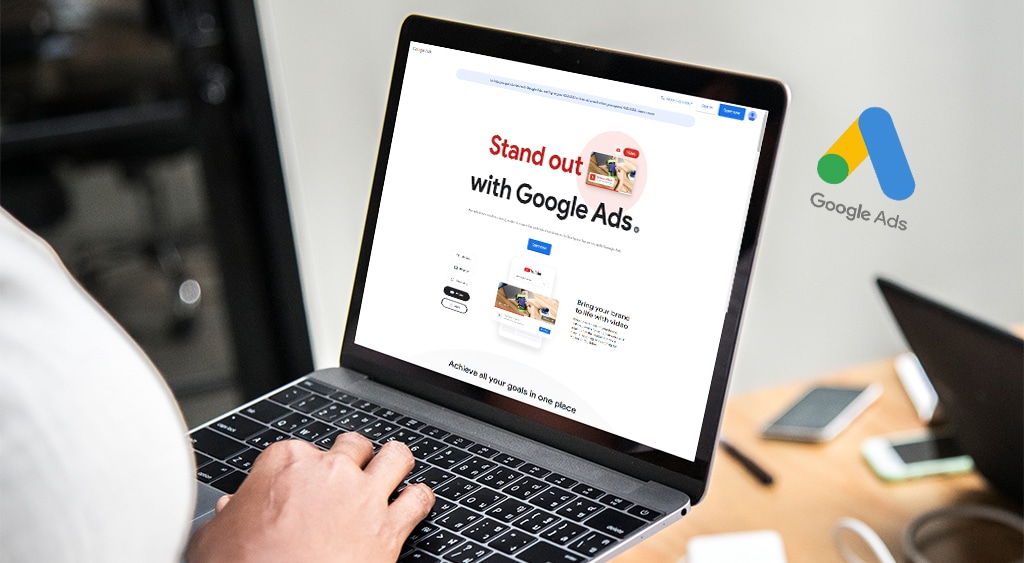
Online advertising is like your digital handshake with potential customers. It’s straightforward and potent, letting you whisper into the virtual world, “Here’s something you might like!” With tools like Google Ads, you place your brand’s story or services in front of the right eye. It’s not about splashing cash on flashy ads; it’s about spending smart and talking to people already interested in what you offer. This way, every penny spent has a purpose, and every ad has the chance to start a new customer conversation. Simple, savvy, and strategic — that’s the essence of effective online advertising.
The Importance of Online Advertising in Today’s Market
Online ads are today’s digital billboards, offering you a chance to chat up potential customers in their own space, on their own time. Imagine tapping into the daily online habits of billions, your product or service becoming a part of their internet journey. That’s the reach we’re talking about. But it’s not just about reaching far and wide; it’s about reaching smart. You can pinpoint your audience, focusing on folks based on what they like, where they’re from, or what they’re into. This isn’t just casting a wide net; it’s fishing where the fish are. And when your ad finds the right people, it’s more likely to strike a chord, leading to more clicks, more sales, and a bigger bang for your buck.
The Role of Google Ads in Online Advertising
Google Ads is crafted as a cost-aware advertising solution, charging you solely when a user clicks on your ad. This approach is particularly accommodating for enterprises regardless of their scale. It offers a spectrum of ad options to suit diverse promotional desires, from search engine visibility to presence on affiliate sites.
At its core, Google Ads provides in-depth analytical tools. These tools empower you to monitor ad performance and make necessary adjustments, optimizing your outreach for maximum efficacy. With Google Ads, the goal transcends mere exposure; it’s about strategic engagement with an apt audience when it matters most, facilitating your business’s expansion.
Understanding Google Ads
Google Ads is a robust platform that places your business in the direct path of potential customers as they search online. It’s designed to be user-friendly, providing multiple advertising solutions to align with various business goals. The platform’s strength lies in its ability to facilitate timely and relevant connections between your business and your prospective customers.
What is Google Ads?
Google Ads is an online advertising service where businesses can promote their products and services on Google’s search results pages and a network of partner sites. It’s flexible, fitting different advertising budgets and goals. The platform helps businesses show up in the right place at the right time, reaching customers when they want something specific. This targeted approach aims to turn searches into sales, making it a key player in digital marketing strategies.
How Google Ads Works
Google Ads functions on a pay-per-click basis where costs are incurred only when a user engages with your ad. You place bids on keywords pertinent to your offerings, and if people search these terms, your ad can pop up in their search outcomes.
Your ad’s positioning in search results is influenced by your bid combined with the Content Quality Score, which is Google’s assessment of your ad’s pertinence to users. This score reflects factors like your ad’s click-through probability, its alignment with the searcher’s intentions, and the quality of the destination webpage.
With Google Ads, you’re equipped to aim your ads at specific groups based on criteria such as where they are or what device they’re on, enhancing the likelihood that your ads will be seen by an audience interested in your offerings. Grasping the nuances of Google Ads can lead to more effective ad placements and better use of your advertising budget.
Benefits of Using Google Ads
Google Ads offers a strategic advantage to businesses looking to expand their online presence. It’s a versatile platform that not only boosts visibility but also enables precise targeting to connect with the right audience, enhancing the likelihood of conversion and maximizing advertising efficiency.
Reach and Visibility
Google Ads enhances your business’s visibility, putting your message in front of numerous potential customers. With its extensive network, your ads gain the potential to attract attention from interested users from all over, increasing the chances of reaching the people who matter most to your business.
Cost-Effectiveness
Google Ads stands out for its cost-effective approach to advertising. You pay only when someone clicks on your ad, so your budget is used efficiently, aligning spending with actual leads. This advertising pay-per-click model helps ensure that your marketing expenses are an investment, leading to potential sales, rather than just a cost.
Flexibility and Control
Google Ads hands you the keys to customize and control your advertising efforts. You can allocate your spending, choose the digital spaces where your ads will appear, and select the search terms that will trigger your ads to show. This level of customization allows you to sculpt your campaign to align with what your business aims to achieve.
The platform empowers you with precise keyword control, including the use of exact match, phrase match, and negative keywords, helping you to ensure that your ads are presented to an audience tailored to your needs. Plus, with its advanced analytics tools, Google Ads lets you track your campaign’s success and tweak your tactics using real-time feedback.
Setting Up a Google Ads Campaign
Setting up a Google Ads campaign is a strategic process that allows you to place your brand in front of interested audiences.
Define Your Advertising Goals
When starting with Google Ads, it’s key to pinpoint what you want to achieve. Whether it’s driving more traffic to your website, generating leads, boosting sales, or raising brand awareness, having clear goals shapes your campaign’s direction and helps measure success. This clarity ensures your ads are crafted with purpose and your investment targets real business outcomes.
Identify Your Target Audience
Using Google Ads, you can fine-tune your advertising initiatives to reach distinct segments of consumers, guided by criteria like their age group, geographical area, and specific interests. This targeted strategy enhances the relevance of your ads to your intended audience, fostering connections that are more likely to convert into meaningful engagements.
Select the Right Keywords
Choosing the right keywords is like picking the correct door to a room full of potential customers. It’s about finding the terms that your customers use when they’re searching for what you offer. Google Ads gives you tools to discover these keywords, ensuring your ads show up where they’re most relevant. This careful selection helps connect your ads with the people who are most likely to find them useful, making your campaign more effective.
Creating Effective Google Ads
A critical aspect of managing a successful Google Ads campaign is being able to create effective ads. This involves writing high-quality ad copy, utilizing ad extensions, and landing pages optimization.
Writing High-Quality Ad Copy
Creating compelling ad copywriting for Google Ads is about making a genuine connection with your audience. Use simple yet powerful language to convey the unique benefits of your product or service. Focus on clarity and directness, encouraging your audience to take the next step with a distinct call to action. This direct communication can significantly increase the likelihood of engagement with your ads.
Utilizing Ad Extensions
Ad extensions in Google Ads are like the extra toppings on a pizza—they make your ads more enticing and deliver more value. By adding extra pieces of information, like contact details, links to specific parts of your website, or even customer reviews, you make it easier for potential customers to act on your ad. These extensions don’t just add flair to your ad; they improve its performance by offering users more pathways to connect with your business.
Optimizing Landing Pages
Landing page optimization is about ensuring that visitors have a smooth and relevant experience after they click on your ad. It’s crucial that the landing page directly aligns with the ad’s promise, presenting a clear message and an easy path to action—whether that’s making a purchase, signing up for a newsletter, or another goal. A well-optimized page is straightforward, quick to load, and makes it simple for visitors to take the next step.
Monitoring and Improving Your Google Ads Campaign
It’s about drawing insights from the patterns in the data, discerning what resonates with your audience, and identifying opportunities for optimization. By being proactive and responsive, you can ensure your Google Ads campaign remains dynamic and fruitful.
Analyzing Campaign Performance
Regular analysis of your Google Ads campaign is like checking the pulse of your marketing efforts. By keeping tabs on key performance indicators, you can gauge the health of your ads and identify what’s resonating with your audience. This continuous assessment helps in fine-tuning your approach for maximum impact.
Metrics
Description
Click-through rate (CTR)
The percentage of people who click on your ad after seeing it.
Cost per click (CPC)
The amount you pay each time someone clicks on your ad.
Conversion rate
The percentage of people who complete a desired action after clicking on your ad.
These metrics help you understand how your ads are performing in terms of attracting and engaging your target audience.
Making Data-Driven Decisions
In the world of Google Ads, making decisions based on data is like navigating with a compass; it points you in the right direction. By analyzing your ads’ performance data, you can make informed choices about where to allocate your budget, which keywords to focus on, and how to refine your targeting.
Adapting Your Strategy for Better Results
Tweaking your Google Ads game plan is key for better performance. It’s about smart changes, like adjusting bids or rewriting ad texts based on what the numbers tell you. This could mean shifting your ad times to hit the peak user hours or putting more into keywords that bring in business. Don’t be afraid to try new ad types or extra features that give people more ways to reach you. It’s all about staying on your toes, keeping your ads fresh, and fine-tuning as you go to make the most of every dollar spent.
Pay-per-click (PPC) advertising has revolutionized the way businesses promote their products and services online. It offers a highly targeted and measurable approach to reaching potential customers, making it an indispensable tool for digital marketers. In this comprehensive guide, we will dive into the world of PPC advertising, exploring its benefits, strategies, best practices, and tips for success. Whether you’re a beginner looking to launch your first campaign or an experienced marketer aiming to optimize your current efforts, this guide has got you covered.
What is Pay-Per-Click Advertising?
Pay-per-click (PPC) advertising is an online advertising model where advertisers pay a fee each time their ad is clicked. It is a method of driving traffic to websites, where advertisers bid on specific keywords or target specific audiences to display their ads on search engine results pages (SERPs), websites, or social media platforms. When a user performs a search or visits a website that matches the advertiser’s targeting criteria, the ad is displayed, and if the user clicks on the ad, the advertiser pays a predetermined cost per click.
PPC advertising platforms provide advertisers with a way to reach their target audience effectively and drive relevant traffic to their websites. The most popular PPC platform is Google Ads (formerly known as Google AdWords), which allows advertisers to bid on keywords related to their products or services. Other platforms like Bing Ads, Facebook Ads, LinkedIn Ads, and Twitter Ads also offer PPC advertising options.
The key concept behind PPC advertising is that advertisers only pay when someone clicks on their ad, hence the name “pay-per-click.” This payment model allows businesses to have greater control over their advertising budgets and measure the effectiveness of their campaigns based on the number of clicks received.
PPC advertising offers several benefits for businesses. It provides immediate visibility, allowing ads to appear prominently in search results or on relevant websites. Advertisers can target specific keywords, demographics, geographic locations, and even user behavior, ensuring their ads are shown to a relevant audience. This targeted approach helps businesses reach potential customers at the right time and place, increasing the chances of conversions and maximizing return on investment (ROI).
Furthermore, PPC advertising provides measurable results, as advertisers can track various metrics such as clicks, impressions, conversions, and ROI. This data allows advertisers to analyze the performance of their campaigns and make data-driven decisions to optimize their advertising strategies.
Benefits of Pay-Per-Click Advertising
Pay-per-click (PPC) advertising offers a wide range of benefits for businesses of all sizes. Here are some key advantages of PPC advertising:
Immediate Visibility: PPC advertising provides instant visibility for your business. As soon as your ads are approved, they can appear on search engine results pages (SERPs) or relevant websites, allowing you to reach your target audience immediately. Unlike other marketing channels that may take time to generate results, PPC can instantly drive traffic and potential customers to your website.
Targeted Audience Reach: One of the greatest strengths of PPC advertising is its ability to target specific audiences. With PPC, you can define your audience based on various factors such as keywords, demographics, geographic location, language, and even user behavior. This precise targeting ensures that your ads are shown to the right people, increasing the chances of engagement and conversions.
Cost Control: PPC advertising offers full control over your budget. You can set a daily or monthly budget that aligns with your advertising goals and financial capabilities. Additionally, you only pay when someone clicks on your ad, which means you’re not wasting your budget on impressions that don’t lead to any engagement. This cost control allows businesses to optimize their spending and maximize their return on investment (ROI).
Measurable Results: PPC advertising provides detailed and measurable results. Through analytics and tracking tools, you can monitor key performance indicators (KPIs) such as clicks, impressions, conversions, click-through rates (CTRs), and conversion rates. This data gives you valuable insights into the performance of your campaigns, allowing you to make informed decisions and continuously optimize your advertising strategies.
Flexibility and Customization: PPC platforms offer a high level of flexibility and customization. You can create multiple ad campaigns, ad groups, and ad variations tailored to different target audiences or specific marketing goals. This flexibility enables you to test different strategies, messages, and creative elements to determine what works best for your business.
Brand Exposure and Recognition: PPC advertising helps increase your brand’s exposure and recognition. By appearing prominently in search results or on relevant websites, you can build awareness and visibility for your brand. Even if users don’t click on your ads, the repeated exposure can contribute to brand recall and recognition when they are ready to make a purchase or engage with your business.
Competitive Advantage: PPC advertising allows you to compete effectively in the digital marketplace, regardless of the size of your business. Even if your organic search rankings are not at the top, PPC can give you a prominent position on SERPs, ensuring your business stands out from competitors. With effective targeting, compelling ad copy, and strategic bidding, you can gain a competitive edge and attract potential customers away from your competitors.
Types of Pay-Per-Click Advertising
Pay-per-click (PPC) advertising encompasses various types that allow businesses to reach their target audience through different platforms and formats. Here are the main types of PPC advertising:
Search Advertising: Search advertising is the most common type of PPC advertising and is primarily associated with search engine results pages (SERPs). Advertisers bid on keywords relevant to their products or services, and when users search for those keywords, the ads appear at the top or bottom of the search results. The most well-known search advertising platform is Google Ads, which displays ads on Google’s search engine.
Display Advertising: Display advertising involves placing visual ads on websites, mobile apps, or other digital platforms. These ads can be in the form of banner ads, text ads, or even interactive media such as videos. Advertisers can choose specific websites or use ad networks that match their target audience’s interests or demographics. Google Display Network and Bing Ads are popular platforms for display advertising.
Social Media Advertising: Social media platforms provide a valuable space for PPC advertising due to their vast user base and detailed targeting options. Advertisers can create and display ads on platforms such as Facebook, Instagram, Twitter, LinkedIn, and Pinterest. Social media advertising allows businesses to target specific demographics, interests, behaviors, and even custom audiences based on customer data.
Remarketing/Retargeting: Remarketing or retargeting involves targeting ads to users who have previously interacted with your website or mobile app. By using tracking pixels or cookies, businesses can display targeted ads to users as they browse other websites or social media platforms. Remarketing aims to re-engage users who have shown interest in your products or services but haven’t converted yet, increasing the chances of bringing them back to your site.
Shopping Ads: Shopping ads are specific to e-commerce businesses and allow them to showcase product images, prices, and other relevant details directly in the search results. These ads appear when users search for specific products, and they provide a visual representation of the product along with key information such as price, store name, and reviews. Google Shopping is the prominent platform for running shopping ad campaigns.
Video Advertising: Video advertising involves displaying video ads to users within digital platforms such as YouTube, social media platforms, or websites that support video content. Video ads can be skippable or non-skippable and can appear before, during, or after the main video content. Video advertising is effective for brand awareness, storytelling, and showcasing products or services visually.
Each type of PPC advertising has its own unique features and benefits. It’s essential to select the types that align with your business goals, target audience, and advertising budget. Many businesses utilize a combination of these types to maximize their reach and impact in the online advertising space.
Creating a Successful PPC Campaign
Creating a successful pay-per-click (PPC) campaign requires careful planning, strategic execution, and ongoing optimization. Here are the key steps to follow when setting up a PPC campaign:
Define Goals and Objectives: Start by clearly defining your campaign goals and objectives. What do you want to achieve with your PPC campaign? Is it to drive website traffic, increase sales, generate leads, or boost brand awareness? Defining your goals will help you structure your campaign and measure its success effectively.
Conduct Keyword Research: Keyword research is crucial for a successful PPC campaign. Identify relevant keywords that align with your business, products, or services. Use keyword research tools to discover search terms with high search volumes and low competition. Consider long-tail keywords to target more specific and qualified searchers. Group keywords into relevant ad groups to ensure targeted messaging.
Craft Compelling Ad Copy: Create compelling and relevant ad copy that grabs users’ attention and entices them to click. Tailor your ad copy to align with the keywords and ad groups you’re targeting. Highlight unique selling points, promotions, or key benefits to differentiate yourself from competitors. Use clear calls-to-action (CTAs) to prompt users to take the desired action.
Design Effective Landing Pages: Ensure your landing pages are optimized for conversions. Design landing pages that align with your ad copy and provide a seamless user experience. Keep the messaging consistent, emphasize the value proposition, and make the desired action (such as making a purchase or filling out a form) clear and easy to complete. Optimize landing page load times and ensure mobile responsiveness.
Set Up Conversion Tracking: Conversion tracking is crucial for measuring the effectiveness of your PPC campaign. Set up conversion tracking to monitor actions that align with your campaign goals, such as form submissions, purchases, or newsletter sign-ups. Use conversion tracking tools provided by the PPC platform or implement tracking codes on your website to track and attribute conversions accurately.
Monitor and Optimize: Regularly monitor your campaign’s performance to identify areas for improvement. Analyze key metrics such as click-through rates (CTRs), conversion rates, cost per conversion, and return on ad spend (ROAS). Identify underperforming keywords, ad groups, or ads and make data-driven adjustments. A/B test different ad variations, landing pages, or bidding strategies to optimize campaign performance.
Ad Scheduling and Geo-Targeting: Consider utilizing ad scheduling and geo-targeting options to refine your campaign’s targeting. Schedule your ads to appear during peak times when your target audience is most active. Geo-targeting allows you to display ads to users in specific locations relevant to your business. Refining your targeting can improve campaign efficiency and increase the likelihood of reaching qualified prospects.
Regularly Review and Refine: PPC campaigns require ongoing monitoring and refinement. Review campaign performance regularly and make necessary adjustments based on data and insights. Stay updated with industry trends and adjust your campaign strategy accordingly. Continuously test new ideas, optimize keywords and bidding strategies, and refine your targeting to maximize campaign performance and achieve your goals.
PPC budgeting and bidding strategies are crucial for optimizing your pay-per-click (PPC) campaigns and maximizing your return on investment (ROI). Here are some key considerations and strategies to effectively manage your PPC budget and bidding:
Determine Your Budget: Start by defining your PPC budget. Consider your overall marketing budget and allocate a portion specifically for PPC advertising. Set a daily or monthly budget that aligns with your advertising goals and financial capabilities. Keep in mind that your budget should be flexible to allow for adjustments based on campaign performance and business priorities.
Understand Cost-Per-Click (CPC): CPC is the amount you are willing to pay for each click on your ad. Research industry benchmarks and competitor activity to gauge an appropriate CPC bid. Consider the lifetime value of a customer and your conversion rate to determine the maximum CPC you can afford. Adjust your CPC bids based on keyword performance, ad position, and ROI goals.
Manual Bidding vs. Automated Bidding: PPC platforms offer manual and automated bidding options. Manual bidding allows you to have full control over your bids, while automated bidding utilizes machine learning algorithms to optimize bids based on your goals. Consider the size of your campaign, available data, and time commitment when choosing between manual and automated bidding. Experiment with both approaches to find the best fit for your campaigns.
Bid Adjustments for Enhanced Targeting: Take advantage of bid adjustments to refine your targeting and maximize campaign performance. PPC platforms allow you to adjust bids based on factors such as device type, location, time of day, and audience characteristics. Increase bids for high-performing segments or adjust them downward for underperforming segments to allocate your budget more effectively.
Ad Position vs. Budget Distribution: Ad position refers to where your ad appears on the search engine results page (SERP) or other advertising platforms. Higher ad positions generally yield more visibility and click-through rates but may come at a higher cost. Evaluate the balance between ad position and budget distribution to ensure you achieve a favorable ROI. Experiment with different positions to find the sweet spot for your campaign goals.
Implement Ad Scheduling: Ad scheduling allows you to display your ads at specific times or on specific days of the week. Analyze your campaign data to identify peak periods of user activity or conversion rates. Focus your budget and bidding during these high-performing time slots to maximize your campaign’s effectiveness. Adjust bids or schedule ads to align with your target audience’s behavior and improve cost efficiency.
Monitor and Adjust: Regularly monitor your campaign’s performance and make data-driven adjustments to your budget and bidding strategies. Analyze key metrics such as click-through rates, conversion rates, cost per conversion, and ROI. Identify underperforming keywords, ad groups, or campaigns and reallocate your budget accordingly. Test different bidding strategies, ad variations, or targeting options to optimize your campaign’s performance.
Keep Testing and Iterating: PPC advertising is an iterative process. Continuously test and refine your budgeting and bidding strategies based on campaign performance and evolving market conditions. Experiment with different ad formats, keywords, landing pages, and bidding tactics to discover what works best for your business. Stay updated with industry trends and adapt your strategies to stay competitive.
By carefully managing your PPC budget and implementing effective bidding strategies, you can optimize your campaigns, increase conversions, and achieve your advertising goals while maximizing your ROI. Regular monitoring, testing, and adjustment are key to success in the dynamic world of PPC advertising.
Monitoring and Optimizing PPC Campaigns
Monitoring and optimizing your pay-per-click (PPC) campaigns is essential for driving optimal performance and maximizing your return on investment (ROI). Here are some key steps to effectively monitor and optimize your PPC campaigns:
Track Key Metrics: Monitor key performance indicators (KPIs) to assess the effectiveness of your PPC campaigns. Some important metrics to track include click-through rates (CTRs), conversion rates, cost per click (CPC), cost per conversion (CPA), and return on ad spend (ROAS). Set up conversion tracking and utilize analytics tools provided by the PPC platform to access detailed performance data.
Analyze Data and Identify Insights: Regularly review campaign data and identify patterns, trends, and areas for improvement. Analyze performance at various levels such as campaign, ad group, keyword, and ad variations. Identify top-performing and underperforming elements and look for insights that can guide your optimization efforts. Consider factors such as ad copy, targeting, keywords, and landing page experience.
Refine Keyword Strategy: Keyword optimization is crucial for PPC success. Continuously monitor keyword performance and refine your keyword strategy. Identify high-performing keywords generating conversions and allocate more budget to them. Identify low-performing or irrelevant keywords and either remove them or optimize their bids, ad copy, or landing page experience. Conduct keyword research to discover new relevant keywords to target.
A/B Testing: Implement A/B testing to experiment with different ad variations, landing pages, and targeting options. Test different ad headlines, descriptions, calls-to-action, or visuals to identify which elements drive better performance. Split test landing pages to assess their impact on conversion rates. Use A/B testing to continually refine and optimize your campaigns based on data-driven insights.
Optimize Ad Copy and Extensions: Craft compelling ad copy that resonates with your target audience and entices them to click. Continuously test and optimize ad copy by highlighting unique selling propositions, offers, or benefits. Leverage ad extensions, such as sitelink extensions, call extensions, or structured snippets, to provide additional information and enhance your ad’s visibility and appeal.
Landing Page Optimization: Ensure your landing pages are optimized for conversions. Review landing page performance and user behavior metrics, such as bounce rate and time on page. Optimize landing page load times, content relevancy, and call-to-action placement. Conduct A/B tests to compare different landing page layouts, designs, or messaging to identify the most effective combination.
Budget Reallocation: Regularly assess your budget allocation to ensure optimal use of resources. Analyze the performance of different campaigns, ad groups, or keywords and reallocate budget to the best-performing ones. Adjust bids and budget distribution based on the performance data to focus your budget on areas with the highest potential for conversions and ROI.
Stay Updated and Test New Features: Keep up with PPC industry updates and new features introduced by the advertising platforms. New features or targeting options may provide additional opportunities to optimize your campaigns. Stay informed about algorithm changes, policy updates, and new ad formats to adapt your strategies accordingly and stay ahead of the competition.
Remember that PPC optimization is an ongoing process. Continuously monitor, analyze, and iterate your campaigns based on data and insights. Regularly review your strategies, experiment with new approaches, and refine your campaigns to drive better results over time.
Remarketing and Display Advertising
Remarketing and display advertising are powerful strategies within the realm of pay-per-click (PPC) advertising. They allow you to reach potential customers who have already shown interest in your products or services and reinforce your brand message. Here’s an overview of remarketing and display advertising:
Remarketing: Remarketing, also known as retargeting, involves targeting ads to users who have previously interacted with your website or mobile app. By using tracking pixels or cookies, you can display targeted ads to these users as they browse other websites or social media platforms. The goal of remarketing is to re-engage potential customers who have shown interest but haven’t converted yet.
Benefits of Remarketing:
Increased Conversion Rates: Remarketing allows you to target users who are already familiar with your brand, increasing the likelihood of conversion.
Improved Brand Recall: By displaying your ads repeatedly to potential customers, remarketing reinforces your brand message and helps maintain top-of-mind awareness.
Personalized Messaging: Tailoring your ads based on users’ past interactions allows you to deliver more relevant and personalized messages, increasing their effectiveness.
Dynamic Product Remarketing: For e-commerce businesses, dynamic product remarketing showcases specific products users have shown interest in, reminding them of their initial intent and driving them back to complete a purchase.
Display Advertising: Display advertising involves placing visual ads on websites, mobile apps, or other digital platforms. These ads can be in the form of banner ads, text ads, or even interactive media such as videos. Display ads can be targeted based on demographics, interests, or browsing behavior, allowing you to reach a specific audience segment.
Benefits of Display Advertising:
Wide Reach and Visibility: Display ads can be placed on a vast network of websites and platforms, providing broad exposure and potential reach to a wide audience.
Brand Building: Display ads are effective for brand building and increasing brand awareness. They allow you to showcase your brand’s visual identity, messaging, and value proposition.
Visual Appeal: Display ads leverage visual elements, such as images or videos, to capture users’ attention and convey your message more effectively than text-based ads.
Targeting Options: Display advertising platforms offer advanced targeting options, enabling you to reach specific demographics, interests, or behavior segments that align with your target audience.
To effectively utilize remarketing and display advertising:
Set Up Remarketing Audiences: Implement tracking pixels or cookies on your website to create remarketing audiences based on specific actions or pages visited.
Create Engaging Ad Creative: Design visually appealing and compelling ad creatives that align with your brand and campaign objectives. Use attention-grabbing visuals, clear messaging, and strong calls-to-action.
Segment Your Audiences: Segment your remarketing and display audiences based on their behavior, interests, or demographics. Tailor your ad messaging and creative to each segment to increase relevance and engagement.
Test and Optimize: Continuously monitor the performance of your remarketing and display campaigns. Test different ad variations, targeting options, and placements. Optimize your campaigns based on data and insights to maximize ROI.
Ensure Ad Placement Quality: Use ad networks or platforms that provide quality ad placements on reputable websites and apps. Avoid ad placements that may harm your brand’s reputation or deliver poor user experiences.
By implementing remarketing and display advertising effectively, you can re-engage potential customers, reinforce your brand message, and increase the chances of converting interested prospects into loyal customers.
Social Media Advertising
Social media advertising is a form of pay-per-click (PPC) advertising that allows businesses to promote their products, services, or brand on popular social media platforms. It offers targeted audience reach, advanced targeting options, and various ad formats to engage with users. Here’s an overview of social media advertising:
Social Media Platforms: There are several social media platforms that offer advertising options. The most popular ones include:
Facebook: With over 2.8 billion monthly active users, Facebook provides extensive targeting options and a variety of ad formats, including image ads, video ads, carousel ads, and more. Facebook also offers advanced targeting options based on demographics, interests, behaviors, and connections.
Instagram: Instagram, owned by Facebook, offers advertising options within the Instagram app and its feed. It is highly visual-focused, making it ideal for businesses with visually appealing products or services. Ad formats on Instagram include image ads, video ads, carousel ads, stories ads, and shopping ads.
Twitter: Twitter advertising allows businesses to promote their content, drive website traffic, and increase brand visibility. Ad formats on Twitter include promoted tweets, promoted accounts, and promoted trends. Twitter offers targeting options based on keywords, interests, demographics, and tailored audiences.
LinkedIn: LinkedIn is a professional networking platform that provides advertising opportunities for B2B businesses. It offers ad formats such as sponsored content, sponsored InMail, and text ads. LinkedIn targeting options include job title, industry, company size, and more.
Pinterest: Pinterest is a visual discovery platform that offers advertising options to reach users searching for inspiration or products. Ad formats on Pinterest include promoted pins, shopping ads, and carousel ads. Targeting options include interests, keywords, and demographics.
Snapchat: Snapchat is a popular platform among younger demographics. It offers various ad formats, including snap ads, story ads, and augmented reality (AR) ads. Targeting options on Snapchat include age, gender, interests, and location.
Targeting and Ad Formats: Social media advertising platforms provide advanced targeting options to reach specific audience segments based on demographics, interests, behaviors, and more. This allows businesses to deliver their ads to relevant users who are more likely to engage with their content. Ad formats on social media platforms vary but often include image ads, video ads, carousel ads, slideshows, stories ads, lead generation ads, and more. Each platform has its own unique ad formats and specifications, so it’s essential to understand the options available and choose the ones that align with your campaign objectives and target audience.
Remarketing and Custom Audiences: Similar to PPC advertising, social media platforms offer remarketing options to target users who have previously interacted with your website, app, or social media accounts. By using tracking pixels or customer data, you can create custom audiences and deliver targeted ads to these users as they browse social media.
Ad Performance Tracking and Optimization: Social media advertising platforms provide analytics and reporting tools to track the performance of your ads. You can monitor metrics such as impressions, reach, engagement, click-through rates, conversions, and more. Use these insights to optimize your campaigns, refine targeting, and adjust ad creative to improve performance and achieve your goals.
Budgeting and Campaign Management: Set a budget for your social media advertising campaigns. Social media platforms offer different pricing models, including cost-per-click (CPC), cost-per-impression (CPM), or cost-per-engagement (CPE). Define your campaign objectives and choose the pricing model that aligns with your goals.
Regularly monitor your campaigns, make data-driven adjustments, and test different ad variations, targeting options, and messaging to optimize performance. Refine your audience targeting, ad creative, and budget allocation based on the insights gained from your ad campaign analytics.
Social media advertising offers businesses an opportunity to reach a vast audience and engage with potential customers on platforms they frequently use. By utilizing the advanced targeting options, ad formats, and performance tracking tools provided by social media platforms, businesses can effectively promote their brand, drive website traffic, generate leads, and increase conversions.
Tools and Resources for PPC Advertising
When it comes to PPC advertising, there are various tools and resources available to help you manage and optimize your campaigns effectively. Here are some popular ones:
Google Ads (formerly Google AdWords): Google Ads is the leading PPC advertising platform. It provides a comprehensive set of tools for campaign creation, keyword research, bidding, ad creation, and performance tracking. It also offers various extensions and targeting options to enhance your campaigns.
Microsoft Advertising (formerly Bing Ads): Microsoft Advertising is the PPC platform for advertising on the Bing search engine. It offers similar features to Google Ads, allowing you to reach a different audience and expand your PPC reach beyond Google.
Facebook Ads Manager: Facebook Ads Manager is a robust platform for creating and managing Facebook and Instagram ad campaigns. It provides extensive targeting options, ad creation tools, and performance tracking features. It also offers advanced features like custom audiences, lookalike audiences, and dynamic ads.
Twitter Ads: Twitter Ads allows you to create and manage ad campaigns on the Twitter platform. It offers targeting options based on keywords, interests, demographics, and tailored audiences. Twitter Ads provides tools for ad creation, campaign optimization, and performance tracking.
LinkedIn Campaign Manager: LinkedIn Campaign Manager is designed for B2B advertisers. It enables you to run ads on the LinkedIn platform, targeting professionals based on job title, industry, company size, and more. The platform provides features for ad creation, targeting, and performance tracking.
AdRoll: AdRoll is a popular retargeting platform that allows you to display ads to users who have previously visited your website or interacted with your brand. It offers cross-device retargeting, dynamic product ads, and advanced audience segmentation options.
SEMrush: SEMrush is a comprehensive digital marketing tool that includes PPC capabilities. It provides features for keyword research, competitive analysis, ad campaign monitoring, and performance tracking. SEMrush also offers insights into competitor PPC strategies and industry trends.
Google Keyword Planner: Google Keyword Planner is a free tool within Google Ads that helps you find relevant keywords for your PPC campaigns. It provides keyword ideas, search volume data, and historical statistics to help you select the most effective keywords for your ads.
Google Analytics: While not exclusively a PPC tool, Google Analytics provides valuable insights into the performance of your PPC campaigns. It tracks website traffic, user behavior, conversion data, and more, helping you understand the impact of your PPC efforts on your website.
Heatmap and Conversion Optimization Tools: Tools like Hotjar, Crazy Egg, or Optimizely offer heatmapping and conversion optimization features. These tools help you analyze user behavior on your website, identify areas for improvement, and optimize your landing pages for better conversion rates.
Remember that each tool serves specific purposes, so consider your business needs, budget, and objectives when selecting the tools that best align with your PPC advertising strategy. It’s also essential to stay updated with industry news, blogs, and forums to keep abreast of the latest trends and strategies in PPC advertising.
Common PPC Mistakes to Avoid
When running pay-per-click (PPC) campaigns, it’s important to be aware of common mistakes that can hinder your success and waste your advertising budget. Here are some common PPC mistakes to avoid:
Poor Keyword Selection: Selecting the wrong keywords can lead to irrelevant traffic and low-quality clicks. Avoid using broad match keywords that may trigger your ads for irrelevant searches. Instead, focus on targeted, specific keywords that align with your campaign goals and target audience.
Lack of Negative Keywords: Neglecting to use negative keywords can result in your ads appearing for irrelevant search queries. Regularly review search term reports and add negative keywords to filter out irrelevant traffic and improve the overall efficiency of your campaigns.
Ignoring Ad Copy Optimization: Your ad copy plays a crucial role in attracting clicks and conversions. Avoid neglecting ad copy optimization. Test different variations, headlines, call-to-action phrases, and ad extensions to improve your click-through rates and conversion rates.
Poor Landing Page Experience: Sending users to a generic or poorly optimized landing page can lead to high bounce rates and low conversion rates. Ensure that your landing pages are relevant to your ad copy, offer a clear value proposition, and provide a seamless user experience to maximize conversions.
Neglecting Mobile Optimization: With the rise of mobile usage, it’s crucial to optimize your PPC campaigns for mobile devices. Neglecting mobile optimization can result in poor user experience and missed opportunities. Ensure that your ads, landing pages, and conversion processes are mobile-friendly and provide a smooth experience for mobile users.
Lack of Conversion Tracking: Without proper conversion tracking in place, it’s challenging to measure the effectiveness of your campaigns and make data-driven decisions. Set up conversion tracking to accurately measure and analyze the performance of your PPC campaigns and optimize accordingly.
Overlooking Ad Testing: A/B testing is essential for optimizing your PPC campaigns. Test different ad variations, headlines, images, calls-to-action, and landing pages to identify what resonates best with your target audience. Continually test and refine your ad elements to improve performance over time.
Failure to Monitor and Adjust Bids: Bids play a crucial role in determining the visibility and performance of your ads. Neglecting bid management can result in overspending or missing out on opportunities. Regularly monitor your bids, adjust them based on performance data, and utilize bidding strategies to maximize your ROI.
Not Utilizing Ad Extensions: Ad extensions provide additional information and enhance the visibility of your ads. Failing to use ad extensions, such as sitelink extensions, call extensions, or review extensions, can limit the effectiveness of your ads. Take advantage of relevant ad extensions to improve the visibility and performance of your PPC campaigns.
Lack of Continuous Optimization: PPC campaigns require ongoing monitoring, analysis, and optimization. Set aside time to review campaign performance, make data-driven adjustments, and stay informed about industry trends and changes. Continuous optimization is key to maximizing the effectiveness and ROI of your PPC campaigns.
By avoiding these common PPC mistakes, you can optimize your campaigns, improve your click-through rates, increase conversions, and make the most out of your advertising budget. Regular monitoring, testing, and optimization are crucial for achieving long-term success in PPC advertising.
Avoid these common PPC mistakes and optimize your campaigns for success. For the best professional PPC services, trust Chetaru. Our team of experts can help you achieve your PPC goals and maximize your advertising budget. Contact us today to discuss your PPC needs and take your campaigns to the next level. Don’t miss out on valuable opportunities – partner with Chetaru for effective and results-driven PPC advertising.
In today’s digital age, establishing a strong online presence is crucial for small businesses to thrive and succeed. Digital marketing provides a multitude of opportunities to reach and engage with target audiences effectively. Two popular digital marketing strategies that small businesses often consider are Search Engine Optimization (SEO) and Pay-Per-Click (PPC) advertising. Understanding the importance of these strategies and choosing the right one based on business goals and budget is essential. Let’s delve into the introduction of SEO and PPC for small businesses:
1. Importance of digital marketing for small businesses
Digital marketing has become an integral part of the business landscape, offering small businesses numerous advantages in reaching their target audience. Unlike traditional marketing methods, digital marketing allows businesses to connect with potential customers on various online platforms, such as search engines, social media, and websites. It offers the opportunity to build brand awareness, drive website traffic, generate leads, and ultimately increase sales and revenue. For small businesses, digital marketing levels the playing field, enabling them to compete with larger corporations and establish a strong online presence.
2. Overview of SEO and PPC as digital marketing strategies
SEO and PPC are two primary digital marketing strategies that can significantly impact a small business’s online visibility and success. Understanding the differences between these strategies is crucial for making informed decisions about the right approach for your business.
Search Engine Optimization (SEO): SEO is the practice of optimizing a website and its content to improve its visibility and rankings in search engine results. It involves various techniques, including keyword research, on-page optimization, link building, and user experience improvements. The goal of SEO is to drive organic (unpaid) traffic to a website and increase its visibility in search engines like Google, Bing, and Yahoo.
Pay-Per-Click (PPC) Advertising: PPC advertising involves placing targeted ads on search engine result pages or other online platforms. Unlike SEO, PPC requires businesses to pay for each click on their ads. Platforms like Google Ads and Bing Ads allow businesses to bid on specific keywords, and their ads are displayed when users search for those keywords. Advertisers only pay when someone clicks on their ads, hence the term “pay-per-click.
3. Importance of choosing the right strategy based on business goals and budget
Every small business has unique goals, target audiences, and budget constraints. Choosing the right digital marketing strategy, whether SEO or PPC, depends on aligning these factors with the desired outcomes. It’s essential to consider the following aspects:
Target Audience: Consider your target audience’s online behavior and preferences. Are they more likely to click on organic search results or paid advertisements? Knowing your audience’s preferences can influence your strategy choice.
Budget: Evaluate your budget and resources allocated to digital marketing. SEO generally requires an ongoing investment of time and effort, while PPC involves a monetary investment. Assess what fits within your budget constraints while still delivering desired outcomes.
By carefully considering these factors, small businesses can choose the digital marketing strategy that best suits their goals and resources. Both SEO and PPC have their advantages and limitations, and the optimal choice may involve a combination of the two for a comprehensive approach.
To establish a solid foundation for small businesses considering SEO as a digital marketing strategy, it’s essential to gain a deeper understanding of SEO itself. With the right digital marketing training, understanding SEO and other digital marketing techniques can become easy and efficient. This section will cover the explanation of SEO and its benefits, organic traffic generation, long-term sustainability, and key factors to consider for successful local SEO implementation:
1. Explanation of SEO and its benefits for small businesses
Search Engine Optimization (SEO) is the practice of optimizing a website to improve its visibility and rankings in search engine results pages (SERPs). When users search for specific keywords or phrases related to a business’s products or services, SEO aims to make the website appear higher in the organic (unpaid) search results.
For small businesses, SEO offers several benefits. It enables them to:
Increase Organic Traffic: By ranking higher in search results, small businesses can attract more organic traffic to their websites. Organic traffic refers to visitors who find the website through non-paid search engine results.
Improve Online Visibility: Improved rankings in search results lead to enhanced online visibility. When potential customers search for relevant keywords, a higher ranking makes it more likely for them to discover the small business’s website.
Boost Brand Credibility: A website that appears higher in search results is often perceived as more trustworthy and authoritative. As small businesses optimize their websites and content, they can build credibility and establish themselves as industry leaders.
2. Organic traffic generation through optimized content and website structure
Keyword Research: Identifying relevant keywords that potential customers might use when searching for products or services. By incorporating these keywords strategically into website content, small businesses can improve their chances of ranking higher in search results.
On-Page Optimization: Optimizing individual web pages to improve their visibility to search engines. This includes optimizing meta tags, headers, URLs, and incorporating relevant keywords naturally into the content.
Content Creation: Developing high-quality, informative, and engaging content that aligns with user search intent. This can include blog posts, articles, videos, and other forms of content that attract and engage the target audience.
Website Structure: Ensuring the website is well-organized and easy to navigate, both for users and search engine crawlers. This involves creating logical site architecture, using internal linking effectively, and optimizing page load speed.
3. Long-term sustainability and building organic online presence
One of the significant advantages of SEO for small businesses is its long-term sustainability. Unlike paid advertising methods that require continuous investment, SEO efforts can continue to generate organic traffic over time, even with minimal ongoing investments. By consistently optimizing the website, creating valuable content, and earning backlinks, small businesses can build a sustainable online presence and increase their visibility in search results.
4. Factors to consider for successful SEO implementation: keywords, on-page optimization, backlinks, user experience, etc.
Successful SEO implementation involves considering various factors that influence search engine rankings and user experience. Key factors include:
Keywords: Selecting relevant and strategic keywords that align with user search intent and incorporating them naturally into website content.
On-Page Optimization: Optimizing meta tags, headers, URLs, and other on-page elements to improve search engine visibility.
Backlinks: Earning high-quality backlinks from reputable websites, as they are a crucial ranking factor in search algorithms.
User Experience: Ensuring the website provides a positive user experience, including fast page load times, mobile responsiveness, easy navigation, and engaging content.
Technical SEO: Addressing technical aspects of website optimization, such as improving site speed, optimizing site structure, and fixing crawl errors.
By considering these factors and implementing best practices, small businesses can enhance their SEO efforts and increase the quality traffic on website.
Benefits and Limitations of SEO for Small Businesses
While SEO offers numerous advantages for small businesses, it’s important to acknowledge the benefits as well as the limitations that come with this digital marketing strategy. This section will discuss the cost-effectiveness of SEO in the long run, building credibility and trust with organic search results, the time and effort required for SEO success, and the competition and ranking challenges faced in highly competitive industries.
1. Cost-effectiveness of SEO in the long run
SEO provides a cost-effective approach to digital marketing in the long run. Unlike paid advertising methods like Pay-Per-Click (PPC), SEO primarily focuses on organic search results, meaning you don’t have to pay for each click or impression. While initial investments may be required for website optimization and content creation, the ongoing efforts can generate sustainable organic traffic without continuous advertising expenses. This cost-effectiveness makes SEO an attractive option for small businesses with limited marketing budgets.
2. Building credibility and trust with organic search results
Ranking well in organic search results helps small businesses establish credibility and trust with their target audience. Users often perceive businesses that appear prominently in search engines as more reputable and trustworthy. By optimizing their websites for SEO, small businesses can improve their visibility in search results, which increases the likelihood of attracting organic traffic. This, in turn, enhances brand recognition, fosters customer trust, and ultimately leads to improved conversions and sales.
3. Time and effort required for SEO success
While SEO offers long-term benefits, it’s important to recognize that achieving meaningful results requires time and effort. SEO is not an overnight solution; it’s a continuous process that demands consistent optimization, content creation, and link building. Small businesses need to invest time in conducting thorough keyword research, optimizing their website structure, creating high-quality content, and implementing SEO best practices. It’s essential to have realistic expectations and understand that successful SEO outcomes require ongoing commitment, patience, and adaptation to algorithm updates.
4. Competition and ranking challenges in highly competitive industries
In highly competitive industries, ranking well in search engine results can be challenging. Small businesses often face fierce competition from established brands and larger companies that have already established their online presence. Achieving top rankings for highly competitive keywords can be a time-consuming and arduous process. It requires a comprehensive SEO strategy, diligent execution, and continuous monitoring and adjustments to stay ahead of the competition. Small businesses need to be prepared for the competitive landscape and be willing to invest resources and efforts to achieve their SEO goals.
It’s crucial for small businesses to consider both the benefits and limitations of SEO when determining their digital marketing strategy. While SEO offers cost-effective long-term results, builds credibility, and attracts organic traffic, it requires time, effort, and careful navigation of competition. By understanding these factors, small businesses can make informed decisions and optimize their SEO efforts to drive success in their online endeavors.
Understanding PPC (Pay-Per-Click) Advertising
In addition to SEO, Pay-Per-Click (PPC) advertising is another digital marketing strategy that small businesses can consider. This section will provide an explanation of PPC and its benefits for small businesses, including immediate visibility and traffic through targeted ad campaigns, control over ad spend and budget allocation, and the ability to measure results and track return on investment (ROI) through analytics.
1. Explanation of PPC and its benefits for small businesses
PPC advertising involves placing targeted ads on search engine results pages (SERPs) or other online platforms. Unlike organic search results, PPC ads require businesses to pay for each click on their ads. Here are the benefits of PPC for small businesses:
Immediate Visibility and Traffic: With PPC, small businesses can achieve immediate visibility and drive traffic to their websites. As soon as the ad campaign is launched, the ads are displayed to potential customers searching for relevant keywords or browsing relevant websites. This instant visibility helps small businesses gain exposure and attract targeted traffic to their websites.
Targeted Ad Campaigns: PPC allows businesses to create highly targeted ad campaigns. They can select specific keywords, demographics, locations, and even the time of day when their ads will be displayed. This level of targeting ensures that ads reach the right audience, increasing the chances of generating qualified leads and conversions.
2. Control over ad spend and budget allocation
One of the significant advantages of PPC advertising is the control it provides over ad spend and budget allocation. Small businesses can set a daily or monthly budget for their campaigns and have full control over how much they are willing to spend on each click. This flexibility enables them to manage their advertising costs and allocate their budgets strategically based on the performance of their campaigns. Additionally, PPC platforms often provide insights and recommendations to optimize campaigns and maximize the return on investment (ROI).
3. Measurable results and ROI tracking through analytics
PPC advertising offers precise measurement and tracking capabilities. Small businesses can track and analyze various metrics such as impressions, clicks, conversions, and cost per acquisition (CPA) through analytics tools provided by PPC platforms. This data enables them to evaluate the performance of their ad campaigns, identify areas for improvement, and make data-driven decisions. By continuously monitoring and analyzing campaign results, small businesses can refine their strategies and optimize their ad campaigns for better ROI.
PPC advertising can complement SEO efforts by providing immediate visibility, targeted ad campaigns, and precise measurement capabilities. However, it’s important to note that PPC requires ongoing monitoring, optimization, and budget allocation to ensure its effectiveness. Small businesses should consider their goals, target audience, and budget when determining whether PPC is the right digital marketing strategy for their specific needs.
Benefits and Limitations of PPC for Small Businesses
While PPC advertising offers several benefits for small businesses, it’s important to be aware of both the advantages and limitations that come with this digital marketing strategy. This section will discuss the benefits of PPC, including instant results and immediate visibility, flexibility in targeting specific demographics, locations, and keywords, as well as the cost considerations and potential limitations such as dependency on paid advertising and competition.
1. Instant results and immediate visibility
One of the primary benefits of PPC advertising for small businesses is the ability to achieve instant results and immediate visibility. Once a PPC campaign is launched, ads are displayed to potential customers immediately, providing instant exposure and driving traffic to the website. This can be particularly beneficial for small businesses looking for immediate results, such as promoting limited-time offers, events, or new product launches.
2. Flexibility in targeting specific demographics, locations, and keywords
PPC advertising offers small businesses the flexibility to target specific demographics, locations, and keywords. Ad campaigns can be tailored to reach a highly targeted audience that is more likely to convert. This level of targeting allows small businesses to focus their advertising efforts on the most relevant and profitable segments of their target market. By selecting specific keywords, demographics, and locations, small businesses can optimize their ad spend and increase the likelihood of attracting qualified leads.
3. Cost considerations and budget management
PPC advertising provides small businesses with control over their ad spend and budget allocation. With PPC, businesses only pay when someone clicks on their ads, making it a cost-effective option. Small businesses can set a daily or monthly budget and have the flexibility to adjust it based on their needs and performance. This allows for better budget management and the ability to allocate resources where they will have the greatest impact. Additionally, PPC platforms provide insights and data that can help small businesses optimize their campaigns and improve cost efficiency.
4. Dependency on paid advertising and potential for high competition and costs
One limitation of PPC advertising for small businesses is the dependency on paid advertising. Unlike SEO, which focuses on organic traffic, PPC requires ongoing investment to maintain visibility and traffic. This can pose challenges for businesses with limited marketing budgets or those in highly competitive industries where the cost per click (CPC) can be high. Small businesses need to carefully manage their ad spend, continuously monitor campaign performance, and optimize their strategies to ensure a positive return on investment.
Additionally, the competitiveness of the PPC landscape can make it challenging for small businesses to stand out. Popular keywords and industries may have high competition, resulting in increased CPC and the need for strategic bidding and optimization. Small businesses should be prepared for these challenges and consider the potential costs and competition associated with PPC advertising.
By understanding the benefits and limitations of PPC advertising, small businesses can make informed decisions about incorporating it into their digital marketing strategies. When used strategically and in combination with other marketing efforts, PPC can be an effective tool for driving immediate visibility, reaching targeted audiences, and achieving specific business objectives.
Factors to Consider When Choosing Between SEO and PPC
When deciding between SEO and PPC as digital marketing strategies for small businesses, several factors should be taken into consideration. This section will discuss the key factors that can influence the decision-making process, including business goals and objectives, budget considerations, the competitive landscape, and industry-specific challenges, as well as the target audience and customer behavior.
1. Business goals and objectives: short-term vs. long-term strategies
One of the primary factors to consider when choosing between SEO and PPC is the business’s goals and objectives. If the business aims for immediate results, such as increasing website traffic or promoting a limited-time offer, PPC can provide quick and targeted visibility. On the other hand, if the business seeks long-term sustainability, brand recognition, and organic growth, SEO is a more suitable strategy. SEO takes time to yield results, but it can build a solid foundation for the business’s online presence, generating consistent organic traffic and establishing credibility in the long run.
2. Budget considerations and allocation of resources
Budget considerations play a significant role in determining the choice between SEO and PPC. PPC advertising requires a monetary investment, as businesses pay for each click on their ads. While it offers instant visibility, the costs can add up, particularly in highly competitive industries. On the other hand, SEO focuses on organic search results and requires investments in website optimization, content creation, and ongoing efforts. While SEO may require initial costs, it can be a cost-effective long-term strategy that generates sustainable organic traffic without continuous advertising expenses. Small businesses should evaluate their budget constraints and allocate resources accordingly.
3. Competitive landscape and industry-specific challenges
The competitive landscape and industry-specific challenges should also be considered when choosing between SEO and PPC. In highly competitive industries, ranking well in organic search results can be challenging, requiring a comprehensive SEO strategy and diligent execution. PPC can be a viable option in such cases, providing immediate visibility and a chance to compete with established brands. Additionally, analyzing the competition’s online presence, the strength of their SEO efforts, and the competitiveness of relevant keywords can help determine the feasibility and potential challenges associated with SEO and PPC in a specific industry.
4. Target audience and customer behavior
Understanding the target audience and their online behavior is crucial when deciding between SEO and PPC. Consider whether the target audience is actively searching for products or services online and how they engage with search engine results. If the target audience frequently clicks on paid ads or tends to make quick purchase decisions, PPC can be an effective strategy. However, if the target audience relies heavily on organic search results, values credibility, and tends to conduct thorough research, investing in SEO can help build trust and attract organic traffic.
By carefully considering these factors, small businesses can make an informed decision about whether to prioritize SEO or PPC, or even combine both strategies for a comprehensive digital marketing approach. It’s essential to align the chosen strategy with the business’s goals, budget, competitive landscape, and target audience to maximize the effectiveness of the digital marketing efforts.
Case Studies and Examples
Examining real-life case studies and examples of small businesses that have effectively utilized SEO and PPC can provide valuable insights into the outcomes and strategies employed. By analyzing the factors that influenced their decision-making process, small businesses can gain a deeper understanding of how SEO and PPC can be implemented to achieve their goals. The following case studies demonstrate successful implementation and the different outcomes and strategies employed by small businesses.
1. Case Study: Small Business A – SEO Success
Small Business A, a local bakery, focused on implementing SEO strategies to increase online visibility and attract more customers. They conducted thorough keyword research and optimized their website by incorporating relevant keywords into their website content, meta tags, and headings. They also created informative and engaging blog posts related to baking tips, recipes, and special events.
As a result, Small Business A experienced significant growth in organic traffic over time. Their website ranked higher in search engine results pages (SERPs) for relevant keywords, attracting local customers looking for bakery products. By consistently providing valuable content and optimizing their website, Small Business A built credibility and trust with their audience, leading to increased online orders and foot traffic to their physical store.
2. Case Study: Small Business B – PPC Success
Small Business B, an online retailer specializing in handmade jewelry, chose to focus on PPC advertising to drive immediate visibility and generate sales. They conducted extensive keyword research to identify highly relevant and profitable keywords in their industry. Small Business B created targeted ad campaigns on search engines and social media platforms, carefully selecting demographics, locations, and interests to reach their target audience effectively.
Through their well-optimized and targeted PPC campaigns, Small Business B experienced a significant increase in website traffic and sales. Their ads appeared prominently to potential customers actively searching for handmade jewelry, resulting in a high click-through rate and conversions. By continuously monitoring and optimizing their campaigns based on analytics data, Small Business B achieved a positive return on investment and established a strong online presence.
3. Factors Influencing Decision-Making
In both case studies, various factors influenced the decision-making process of Small Business A and Small Business B. These factors included:
Business Goals: Small Business A aimed to build a strong online presence and attract local customers, while Small Business B focused on generating immediate sales and increasing their customer base.
Budget Considerations: Small Business A had limited resources and opted for SEO as a cost-effective long-term strategy, while Small Business B allocated a portion of their budget for PPC advertising to gain instant visibility and drive sales.
Competitive Landscape: Small Business A faced moderate competition in the local bakery industry, making SEO an effective strategy to differentiate themselves and attract customers. Small Business B operated in a highly competitive market, requiring targeted PPC campaigns to compete with established jewelry retailers.
Target Audience Behavior: Small Business A’s target audience actively searched for bakery products online, valuing informative content and organic search results. Small Business B’s target audience demonstrated a tendency to make quick purchase decisions and engage with paid advertisements.
By considering these factors and tailoring their digital marketing strategies accordingly, Small Business A and Small Business B succeeded in their respective SEO and PPC approaches.
Analyzing case studies and examples of small businesses that have effectively utilized SEO and PPC can provide valuable insights for other small businesses. By understanding the strategies, outcomes, and factors influencing their decisions, small businesses can make informed choices when implementing digital marketing strategies to achieve their unique goals and objectives.
This blog post explores the benefits and limitations of SEO and PPC for small businesses. We discussed how SEO can be a cost-effective long-term strategy that builds credibility, trust, and organic online presence. We also examined how PPC provides immediate visibility, precise targeting, and measurable results. It is crucial for small businesses to evaluate their needs, goals, budget, competitive landscape, and target audience when choosing between these two strategies.
By understanding the different factors influencing the decision-making process, small businesses can make an informed choice that aligns with their specific goals and resources. It is not necessarily an “either-or” situation, as integrating both SEO and PPC can provide a holistic digital marketing approach. SEO lays the foundation for long-term sustainability and organic growth, while PPC offers immediate visibility and results.
Integrating both strategies can yield synergistic effects. SEO can help establish a strong online presence and credibility, while PPC can provide immediate visibility and drive targeted traffic to achieve specific objectives. By combining these approaches, small businesses can maximize their online visibility, attract qualified leads, and increase conversions.
In conclusion, when choosing between SEO and PPC for small businesses, it is crucial to evaluate business needs, goals, budget, and target audience behavior. Both strategies have their advantages and limitations, and the optimal choice may vary depending on the unique circumstances of each business. By adopting a comprehensive digital marketing approach that integrates SEO and PPC, small businesses can leverage the benefits of both strategies and achieve their desired online visibility, growth, and success.