Unlocking the Secrets to Effective Online Advertising with Google Ads
Introduction to Online Advertising Online advertising is like your digital handshake with potential customers. It’s straightforward and potent, letting you whisper into the virtual world, “Here’s something you might like!” With tools like Google Ads, you place your brand’s story or services in front of the right eye. It’s not about splashing cash on flashy […]


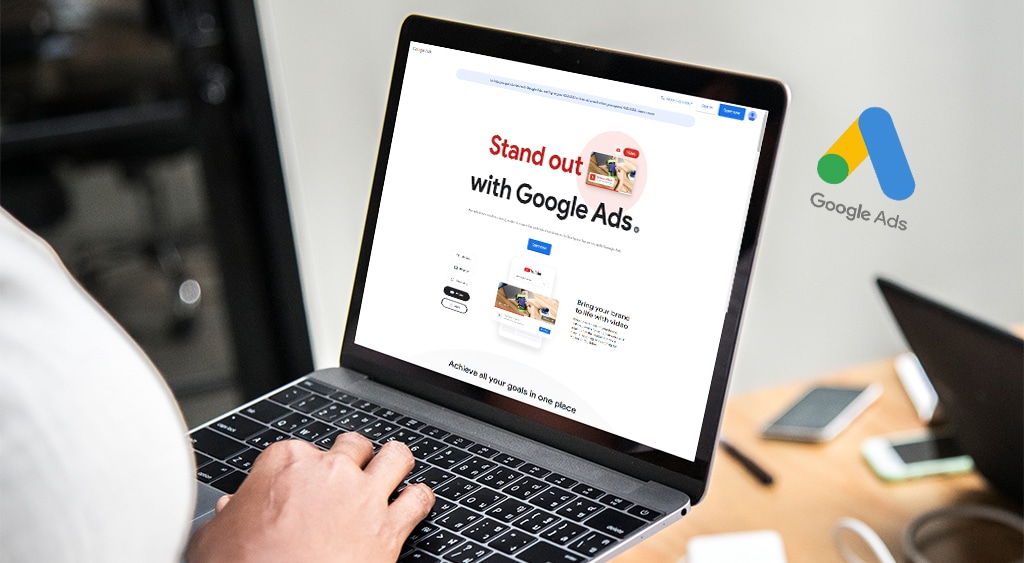
Table of Contents 
Need More Growth & Leads?
We are ready to work with your business and generate some real results…
Let's TalkJoin Our Community: Subscribe for Updates
Get notified of the best deals on our WordPress themes.
Introduction to Online Advertising
Online advertising is like your digital handshake with potential customers. It’s straightforward and potent, letting you whisper into the virtual world, “Here’s something you might like!” With tools like Google Ads, you place your brand’s story or services in front of the right eye. It’s not about splashing cash on flashy ads; it’s about spending smart and talking to people already interested in what you offer. This way, every penny spent has a purpose, and every ad has the chance to start a new customer conversation. Simple, savvy, and strategic — that’s the essence of effective online advertising.
The Importance of Online Advertising in Today’s Market
Online ads are today’s digital billboards, offering you a chance to chat up potential customers in their own space, on their own time. Imagine tapping into the daily online habits of billions, your product or service becoming a part of their internet journey. That’s the reach we’re talking about. But it’s not just about reaching far and wide; it’s about reaching smart. You can pinpoint your audience, focusing on folks based on what they like, where they’re from, or what they’re into. This isn’t just casting a wide net; it’s fishing where the fish are. And when your ad finds the right people, it’s more likely to strike a chord, leading to more clicks, more sales, and a bigger bang for your buck.
The Role of Google Ads in Online Advertising
Google Ads is crafted as a cost-aware advertising solution, charging you solely when a user clicks on your ad. This approach is particularly accommodating for enterprises regardless of their scale. It offers a spectrum of ad options to suit diverse promotional desires, from search engine visibility to presence on affiliate sites.
At its core, Google Ads provides in-depth analytical tools. These tools empower you to monitor ad performance and make necessary adjustments, optimizing your outreach for maximum efficacy. With Google Ads, the goal transcends mere exposure; it’s about strategic engagement with an apt audience when it matters most, facilitating your business’s expansion.
Understanding Google Ads
Google Ads is a robust platform that places your business in the direct path of potential customers as they search online. It’s designed to be user-friendly, providing multiple advertising solutions to align with various business goals. The platform’s strength lies in its ability to facilitate timely and relevant connections between your business and your prospective customers.
What is Google Ads?
Google Ads is an online advertising service where businesses can promote their products and services on Google’s search results pages and a network of partner sites. It’s flexible, fitting different advertising budgets and goals. The platform helps businesses show up in the right place at the right time, reaching customers when they want something specific. This targeted approach aims to turn searches into sales, making it a key player in digital marketing strategies.
How Google Ads Works
Google Ads functions on a pay-per-click basis where costs are incurred only when a user engages with your ad. You place bids on keywords pertinent to your offerings, and if people search these terms, your ad can pop up in their search outcomes.
Your ad’s positioning in search results is influenced by your bid combined with the Content Quality Score, which is Google’s assessment of your ad’s pertinence to users. This score reflects factors like your ad’s click-through probability, its alignment with the searcher’s intentions, and the quality of the destination webpage.
With Google Ads, you’re equipped to aim your ads at specific groups based on criteria such as where they are or what device they’re on, enhancing the likelihood that your ads will be seen by an audience interested in your offerings. Grasping the nuances of Google Ads can lead to more effective ad placements and better use of your advertising budget.
Benefits of Using Google Ads
Google Ads offers a strategic advantage to businesses looking to expand their online presence. It’s a versatile platform that not only boosts visibility but also enables precise targeting to connect with the right audience, enhancing the likelihood of conversion and maximizing advertising efficiency.
Reach and Visibility
Google Ads enhances your business’s visibility, putting your message in front of numerous potential customers. With its extensive network, your ads gain the potential to attract attention from interested users from all over, increasing the chances of reaching the people who matter most to your business.
Cost-Effectiveness
Google Ads stands out for its cost-effective approach to advertising. You pay only when someone clicks on your ad, so your budget is used efficiently, aligning spending with actual leads. This advertising pay-per-click model helps ensure that your marketing expenses are an investment, leading to potential sales, rather than just a cost.
Flexibility and Control
Google Ads hands you the keys to customize and control your advertising efforts. You can allocate your spending, choose the digital spaces where your ads will appear, and select the search terms that will trigger your ads to show. This level of customization allows you to sculpt your campaign to align with what your business aims to achieve.
The platform empowers you with precise keyword control, including the use of exact match, phrase match, and negative keywords, helping you to ensure that your ads are presented to an audience tailored to your needs. Plus, with its advanced analytics tools, Google Ads lets you track your campaign’s success and tweak your tactics using real-time feedback.
Setting Up a Google Ads Campaign
Setting up a Google Ads campaign is a strategic process that allows you to place your brand in front of interested audiences.
Define Your Advertising Goals
When starting with Google Ads, it’s key to pinpoint what you want to achieve. Whether it’s driving more traffic to your website, generating leads, boosting sales, or raising brand awareness, having clear goals shapes your campaign’s direction and helps measure success. This clarity ensures your ads are crafted with purpose and your investment targets real business outcomes.
Identify Your Target Audience
Using Google Ads, you can fine-tune your advertising initiatives to reach distinct segments of consumers, guided by criteria like their age group, geographical area, and specific interests. This targeted strategy enhances the relevance of your ads to your intended audience, fostering connections that are more likely to convert into meaningful engagements.
Select the Right Keywords
Choosing the right keywords is like picking the correct door to a room full of potential customers. It’s about finding the terms that your customers use when they’re searching for what you offer. Google Ads gives you tools to discover these keywords, ensuring your ads show up where they’re most relevant. This careful selection helps connect your ads with the people who are most likely to find them useful, making your campaign more effective.
Creating Effective Google Ads
A critical aspect of managing a successful Google Ads campaign is being able to create effective ads. This involves writing high-quality ad copy, utilizing ad extensions, and landing pages optimization.
Writing High-Quality Ad Copy
Creating compelling ad copywriting for Google Ads is about making a genuine connection with your audience. Use simple yet powerful language to convey the unique benefits of your product or service. Focus on clarity and directness, encouraging your audience to take the next step with a distinct call to action. This direct communication can significantly increase the likelihood of engagement with your ads.
Utilizing Ad Extensions
Ad extensions in Google Ads are like the extra toppings on a pizza—they make your ads more enticing and deliver more value. By adding extra pieces of information, like contact details, links to specific parts of your website, or even customer reviews, you make it easier for potential customers to act on your ad. These extensions don’t just add flair to your ad; they improve its performance by offering users more pathways to connect with your business.
Optimizing Landing Pages
Landing page optimization is about ensuring that visitors have a smooth and relevant experience after they click on your ad. It’s crucial that the landing page directly aligns with the ad’s promise, presenting a clear message and an easy path to action—whether that’s making a purchase, signing up for a newsletter, or another goal. A well-optimized page is straightforward, quick to load, and makes it simple for visitors to take the next step.
Monitoring and Improving Your Google Ads Campaign
It’s about drawing insights from the patterns in the data, discerning what resonates with your audience, and identifying opportunities for optimization. By being proactive and responsive, you can ensure your Google Ads campaign remains dynamic and fruitful.
Analyzing Campaign Performance
Regular analysis of your Google Ads campaign is like checking the pulse of your marketing efforts. By keeping tabs on key performance indicators, you can gauge the health of your ads and identify what’s resonating with your audience. This continuous assessment helps in fine-tuning your approach for maximum impact.
| Metrics | Description |
| Click-through rate (CTR) | The percentage of people who click on your ad after seeing it. |
| Cost per click (CPC) | The amount you pay each time someone clicks on your ad. |
| Conversion rate | The percentage of people who complete a desired action after clicking on your ad. |
These metrics help you understand how your ads are performing in terms of attracting and engaging your target audience.
Making Data-Driven Decisions
In the world of Google Ads, making decisions based on data is like navigating with a compass; it points you in the right direction. By analyzing your ads’ performance data, you can make informed choices about where to allocate your budget, which keywords to focus on, and how to refine your targeting.
Adapting Your Strategy for Better Results
Tweaking your Google Ads game plan is key for better performance. It’s about smart changes, like adjusting bids or rewriting ad texts based on what the numbers tell you. This could mean shifting your ad times to hit the peak user hours or putting more into keywords that bring in business. Don’t be afraid to try new ad types or extra features that give people more ways to reach you. It’s all about staying on your toes, keeping your ads fresh, and fine-tuning as you go to make the most of every dollar spent.
Continue reading
Screen Sizes for Web Design: What to Build For in 2026 (Real Data, Not Guesses)

The Ecommerce Sales Funnel Blueprint: Convert More, Grow Faster
WebP vs PNG in 2026: When to Use Each (and Where AVIF Fits)