Best Shopify Alternatives to Consider in 2025

Introduction

Shopify is a popular e-commerce platform allowing people to create online stores and sell products online. However, there are many other e-commerce platforms available that offer similar features and benefits. This article will discuss some of the best Shopify alternatives for your online store.

Need for considering Shopify alternatives.

Consider hiring Shopify Experts to help you explore other options because each platform has strengths and weaknesses, and there might be a better fit for your needs. You can also decide which platform is best for you and your business by exploring other options.

This article will cover the main points you should consider when choosing an e-commerce platform. After, we will highlight some of the best Shopify alternatives based on those criteria. This will include a brief overview of each platform’s features, pricing, and overall user experience.

Reasons to Consider Alternatives to Shopify

While Shopify is a popular and reliable e-commerce platform, there are some limitations to consider when choosing an e-commerce platform. These limitations include limited customization options, high transaction fees, and scalability issues. Additionally, different businesses have different needs, and a different platform may be a better fit depending on the specific needs and goals of the business.

  1. Customization Options: While Shopify offers a range of themes and templates, some users may need help with the customization options. According to Colorlib, only 4.1% of Shopify sites use a custom theme, while most rely on pre-made themes. Additionally, some users have reported needing extensive coding knowledge to make specific design changes or add custom functionality to their Shopify sites. This can limit the creative control that businesses have over their online stores.
  2. Pricing Structure: While Shopify offers different pricing tiers to accommodate different business sizes and needs, some users may find the overall pricing structure to be more expensive than they’d like. According to a website builder expert study, the average monthly cost of using Shopify is $79. At the same time, some of the platform’s competitors offer comparable features and functionality at a lower cost. Additionally, some users may find the transaction fees associated with using Shopify’s payment gateway prohibitive, as these fees can add up over time.
  3. Different Business Needs: Different businesses have different needs regarding e-commerce web design. For example, you’re running a small online store with a limited inventory. In that case, you may only need some Shopify features and functionality. Alternatively, suppose you’re running a large-scale e-commerce operation with complex inventory management needs. In that case, you may need a more robust platform than Shopify can provide. According to a study by Ecommerce Platforms, businesses with less than $100k in annual revenue may be better served by a simpler, more cost-effective platform than Shopify.

How different businesses have different needs, and why a different platform may be a better fit

Different businesses have unique needs and requirements when it comes to e-commerce platforms. For example, a small business selling handmade goods may have different needs than a large corporation selling various products. Some factors that can influence a business’s e-commerce needs include the following:

Size: The size of a business can have a significant impact on its e-commerce needs. Small businesses may only need some of the features and functionality that larger businesses require. In comparison, larger companies may need a more robust platform to handle complex inventory management, multi-channel selling, and more.

Budget: A business’s budget can also affect its e-commerce platform needs. Some businesses may need to prioritize cost-effectiveness over advanced features. In contrast, others may have more flexibility to invest in a more expensive platform.

Industry: A business can also influence its e-commerce needs. For example, companies in the fashion industry may have different requirements than those in the electronics industry regarding inventory management, product catalogs, and website design.

By understanding their unique e-commerce needs, businesses can choose a platform that best fits their goals and budget. For example, a small business with a limited budget and simple product offerings may be better served by a more straightforward platform like Square Online or WooCommerce. In contrast, a more significant business with more complex needs may benefit from a more robust platform like Magento or BigCommerce. Additionally, businesses should consider factors like customer support, ease of use, and scalability when choosing an e-commerce platform that fits their needs.

Top Shopify Alternatives to Consider in 2023

If you’re looking for an alternative to Shopify, several e-commerce platforms offer similar features and functionality. This section will explore some of the top Shopify alternatives for your online store. Each of these platforms has its own strengths and weaknesses. By understanding their features, pricing, and overall user experience, you can decide the best fit for your business.

WooCommerce

WooCommerce is an open-source e-commerce plugin for WordPress. It is a popular alternative to Shopify for businesses looking for a customizable and cost-effective solution. It provides a wide range of features, including customizable product listings, flexible shipping options, robust payment processing, and a vast library of extensions and themes that can be tailored to suit the needs of individual businesses. This section will discuss the pros and cons of using WooCommerce as a Shopify alternative and its pricing, features, and industry-specific recommendations.
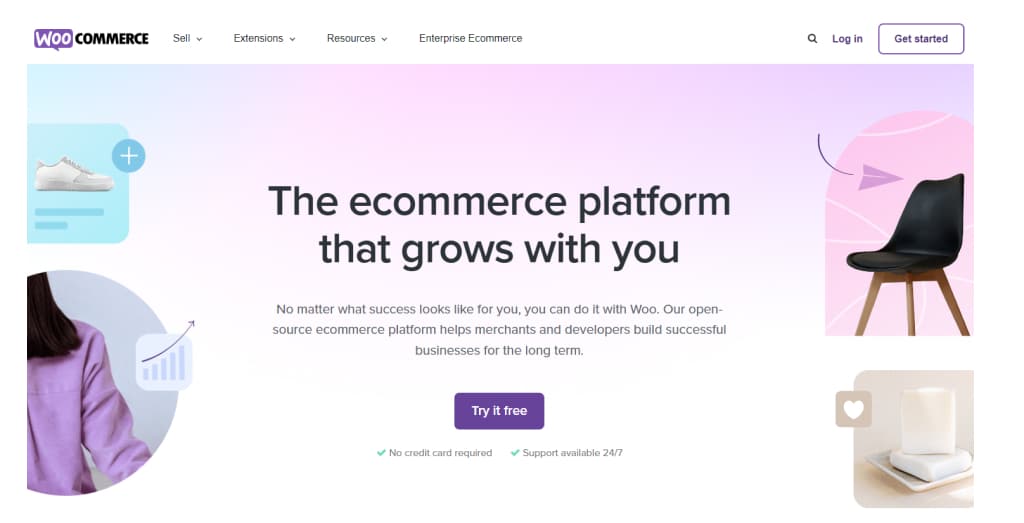
WooCommerce best alternative to shopify

WooCommerce Pros: 

Here are some of the pros of using WooCommerce as an alternative to Shopify:

  1. Flexibility: WooCommerce is highly flexible and customizable, so you can modify your online store to your needs and requirements. This can benefit businesses with unique product offerings or require a high degree of customization in their online store.
  2. Low Cost: One of the major advantages of using WooCommerce is that it is a free platform, meaning you can get started with minimal upfront costs. While some additional costs are associated with using WooCommerce (such as web hosting and payment processing fees), these costs are typically lower than what you would pay for Shopify.
  3. Open-Source: Because WooCommerce is an open-source platform, you can access various resources and community support. This can be especially helpful if you have questions or need assistance customizing your online store.
  4. Integration with WordPress: WooCommerce is built on WordPress, which integrates seamlessly with other WordPress plugins and tools. This can be especially helpful if you already use WordPress for your business website or blog.
  5. Large User Community: WooCommerce has a large user community, meaning you can access a wealth of resources and support when using the platform. This can include tutorials, forums, and other online resources.

Overall, WooCommerce is a highly flexible and cost-effective Shopify alternative, especially for businesses that need a high degree of customization and authority over their online store.

WooCommerce  Cons/Limitations: 

While WooCommerce has many advantages, there are also some limitations and potential drawbacks to consider:

  1. Technical knowledge Required: WooCommerce is built on WordPress and requires some technical setup, so it may only be the best choice for businesses with technical expertise. Setting up and maintaining a WooCommerce site may require some knowledge of custom WordPress website design and development, which can be a barrier to some companies.
  2. Scalability: While WooCommerce is a powerful platform, there may be better choices for high-traffic e-commerce sites. As your site boost and your traffic increases, you may need to invest additional resources and infrastructure to keep your site running smoothly.
  3. Plugin Compatibility: Because WooCommerce is built on WordPress and relies on third-party plugins for many features, compatibility issues can sometimes arise between different plugins. This can be frustrating to troubleshoot and may require technical support.

While WooCommerce is a powerful and flexible platform, some businesses may have better choices. 

Comparison to other platforms

Compared to other e-commerce platforms, WooCommerce has unique advantages and disadvantages regarding pricing, features, and customization options. Here is a brief comparison of WooCommerce to some other popular e-commerce platforms:

  1. Shopify: Shopify is a more expensive platform than WooCommerce, but it offers a wider range of features and is easier to set up and use. However, Shopify may be less customizable than WooCommerce and may not be the best choice for businesses with complex needs.
  2. Magento: Magento is a more robust and scalable platform than WooCommerce. It is also more complex and challenging to set up and maintain. Magento may be better for larger businesses with high traffic volumes and complex inventory management needs.
  3. BigCommerce: BigCommerce is a platform similar to Shopify in terms of pricing and features, but it may offer more customization options and flexibility than Shopify. However, BigCommerce may also be more expensive than WooCommerce and require more technical expertise to set up and maintain.

Industry/Niche-specific recommendations

WooCommerce can be a good choice for many industries and niches, but some may benefit more than others. Here are some examples:

  1. Small businesses with limited budgets: WooCommerce’s low cost and flexibility make it a perfect choice for small businesses needing more resources to invest in an e-commerce platform. With WooCommerce, businesses can get started with minimal upfront costs and scale up as they grow.
  2. Creative industries: WooCommerce’s flexibility and customization options make it a good choice for businesses in creative industries, such as artists, designers, and musicians. These businesses may have unique product offerings and want to create a visually stunning online store that reflects their brand and style.
  3. Non-profits: Non-profit organizations can benefit from WooCommerce’s low cost and flexibility and its integration with WordPress. Non-profits can use WooCommerce to sell merchandise or collect donations. They can customize their online store to reflect their brand and mission.
  4. Local businesses: WooCommerce’s integration with WordPress can make it easy for local businesses to create an online store that complements their existing website. This can be especially beneficial for businesses that want to offer online ordering or curbside pickup options.
  5. Service-based businesses: While WooCommerce is primarily designed for selling physical products, it can also be used to sell digital products and services. Service-based businesses, such as consultants, coaches, and freelancers, can use WooCommerce to sell digital products like e-books or courses.

BigCommerce

BigCommerce is an e-commerce platform offering an all-in-one solution for businesses selling their products online. It provides a range of features, including multi-channel selling, flexible shipping options, and advanced analytics, making it a popular Shopify alternative for businesses with complex needs. Additionally, BigCommerce offers a user-friendly interface and a wide range of customizable themes and integrations that suit the needs of individual businesses. 

best shopify alternatives in 2023

BigCommerce Pros: 

Here are some of the pros of using BigCommerce as an alternative to Shopify:

  1. Scalability: BigCommerce is a highly scalable platform that can grow with your business. Whether you’re just a startup or have an established online presence, BigCommerce can accommodate your needs and scale up as your business grows.
  2. Customization: BigCommerce offers a range of customization options, including pre-built templates and the ability to create custom designs. This can be especially beneficial for businesses that like to create a unique online store that reflects their brand and style.
  3. Built-In Features: BigCommerce offers a range of built-in features that can save you time and money. These include features like multi-channel selling, product reviews, and abandoned cart recovery, which can help you improve your conversion rates and customer retention.
  4. Payment Gateways: BigCommerce offers many payment gateway options, including PayPal, Stripe, and Square. This can make it easy for businesses to accept various payment methods and ensure a smooth customer checkout experience.

BigCommerce Cons/Limitations: 

While BigCommerce has many advantages, there are also some limitations and potential drawbacks to consider:

  1. Higher Cost: One of the main disadvantages of using BigCommerce is that it can be more expensive than other e-commerce platforms, including WooCommerce. While BigCommerce offers a range of features and built-in tools, businesses may need to pay more for these features.
  2. Technical knowledge Required: Like many e-commerce platforms, BigCommerce may require technical knowledge to fully utilize its features. This can be a barrier for businesses without technical expertise or the resources to hire a developer or agency.
  3. Customization Limitations: While BigCommerce offers a range of customization options, some businesses may find that the platform has limitations in terms of design and functionality. This can be especially frustrating for businesses with unique product offerings or requiring high customization in their online store.

While BigCommerce is a robust and scalable e-commerce platform, some businesses may have better choices. If you’re looking for a cost-effective and easy-to-use platform, or if you don’t have technical expertise, consider other alternatives. 

Comparison to other platforms

Compared to other e-commerce platforms, BigCommerce has some unique advantages and disadvantages regarding pricing, features, and customization options. Here is a brief comparison of BigCommerce to some other popular e-commerce platforms:

  1. Shopify: BigCommerce has similar pricing and features but may offer more customization options and flexibility than Shopify. However, BigCommerce may be more expensive than other platforms, including WooCommerce.
  2. WooCommerce: WooCommerce is a free platform that is more cost-effective than BigCommerce. However, WooCommerce may require more effort to set up and maintain and offer fewer built-in features and tools than BigCommerce.
  3. Magento: Magento is a more complex and robust platform than BigCommerce. It may also be more challenging to set up and maintain. Magento may be better for larger businesses with complex inventory management needs.

Industry/Niche-specific recommendations

BigCommerce is a highly customizable and feature-rich e-commerce platform that can benefit businesses in various industries and niches. Here are some examples:

  1. Retail and E-commerce: BigCommerce offers a range of built-in features and integrations to help retail and e-commerce businesses streamline their operations and improve their online sales. For example, BigCommerce offers integrations with popular marketplaces like Amazon and eBay and tools for inventory management and order fulfillment.
  2. B2B and Wholesale: BigCommerce offers a range of B2B and wholesale-specific features, such as custom pricing, account management, and quote management. These features can benefit businesses that sell to other companies or require a high degree of customization in their sales process.
  3. Fashion and Apparel: BigCommerce offers a range of customizable themes and design options, which can be especially beneficial for businesses in the fashion and apparel industry. Additionally, BigCommerce offers features like size and color swatches, which can help enterprises to showcase their products and improve the customer experience.
  4. Food and Beverage: BigCommerce offers features like custom order forms and subscription management, which can be helpful for businesses in the food and beverage industry. BigCommerce offers integrations with popular food delivery services like GrubHub and DoorDash.
  5. Electronics: BigCommerce offers features like advanced product filtering and specifications, which can benefit businesses in the electronics industry. BigCommerce offers integrations with popular payment gateways like PayPal and Stripe, which can help businesses accept various payment methods.

Magento

Magento is a powerful and highly customizable e-commerce platform suitable for businesses of all sizes. It offers a wide range of features, including advanced SEO optimization, flexible pricing and promotions, and robust product management tools, making it a popular Shopify alternative for businesses with complex needs. Additionally, Magento web design provides high customization and scalability, allowing companies to tailor their online store to their specific needs and goals. 
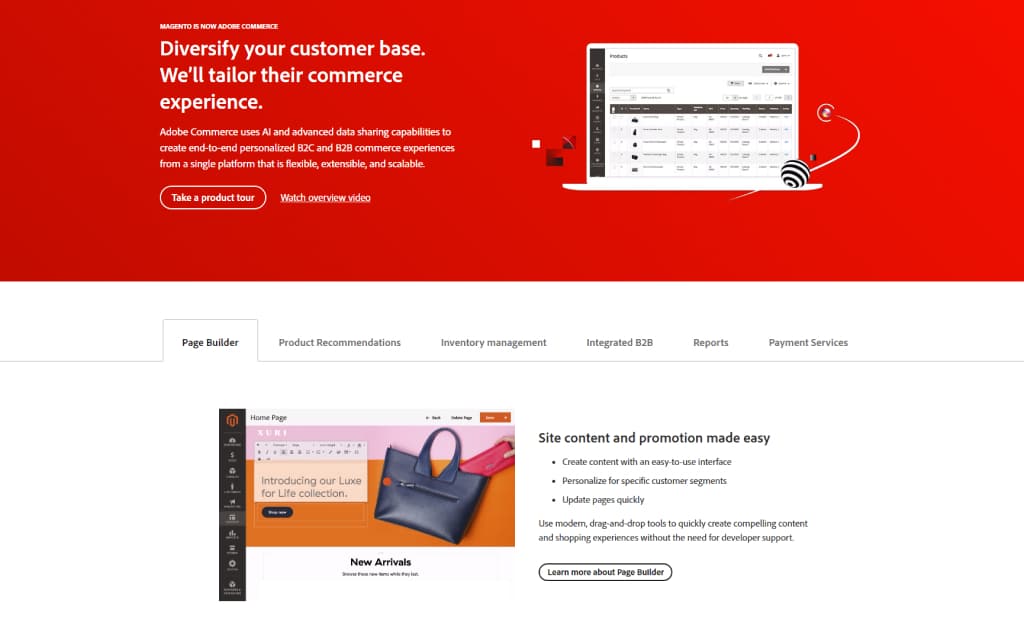
magento a best alternative to shopify for big industries

Magento Pros: 

Here are some of the pros of using Magento as an alternative to Shopify:

  1. Customization: Magento is highly customizable, meaning you can tailor your online store to your needs and requirements. This can be especially beneficial for businesses with unique product offerings or requiring a high degree of customization in their online store.
  2. Scalability: Magento is a highly scalable platform that can grow with your business. Whether you’re just starting out or have an established online presence, Magento can accommodate your needs and scale up as your business grows.
  3. SEO Features: Magento offers a range of built-in SEO features to help your online store rank higher in search engine results. These features include URL optimization, meta-tag management, and sitemap generation.
  4. Advanced Features: Magento offers a range of advanced features, including product bundling, custom pricing, and advanced inventory management. These features can benefit businesses with complex product offerings or sales processes.

Overall, Magento is a highly customizable and scalable e-commerce platform that can be a good choice for businesses with complex needs and a high degree of flexibility. 

Magento Cons/Limitations: 

While Magento has many advantages, there are also some limitations and potential drawbacks to consider:

  1. Technical knowledge Required: Because Magento is a more complex and advanced platform, it may require some technical knowledge to set up and maintain. This can be a barrier for businesses without technical expertise or the resources to hire a developer or agency.
  2. Cost: Magento may be more expensive than other e-commerce platforms, including WooCommerce and BigCommerce. This can disadvantage smaller businesses that may need more resources to invest in an e-commerce platform.
  3. Complexity: While Magento offers a range of advanced features and customization options, it may be too complex for some businesses. This can be incredibly frustrating for businesses starting out or with limited technical resources.

While Magento is a powerful and highly customizable e-commerce platform, some businesses may have better choices. If you’re looking for a platform that is easy to set up and maintain or has limited technical resources, consider other alternatives.

Comparison to other platforms: 

Unlike other e-commerce platforms, Magento has unique advantages and disadvantages regarding pricing, features, and customization options. Here is a brief comparison of Magento to some other popular e-commerce platforms:

  1. Shopify: Shopify is a more user-friendly platform than Magento and may be a better choice for businesses that are just starting out or have limited technical expertise. However, Magento may offer more advanced features and customization options than Shopify and may be better for larger businesses with complex needs.
  2. WooCommerce: WooCommerce is a free platform built on WordPress, making it a more cost-effective option than Magento. However, Magento may offer more advanced features and scalability than WooCommerce and may be a better choice for businesses requiring high customization and flexibility.
  3. BigCommerce: BigCommerce is similar to Magento in pricing and features but may offer more built-in tools and integrations. However, Magento may be more customizable than BigCommerce and a better choice for businesses with unique needs or requirements.

Overall, Magento is a highly customizable and feature-rich e-commerce platform that can be a good choice for businesses with complex needs and a high degree of flexibility. However, businesses should also consider other e-commerce platforms based on their needs and requirements.

Industry/Niche-specific recommendations

Magento is a powerful and highly customizable e-commerce platform that can benefit businesses in various industries and niches. Here are some examples:

  1. Large retailers and e-commerce businesses: Magento’s scalability and advanced features make it an ideal choice for larger retailers and e-commerce businesses. It’s customizable design and advanced inventory management tools can help these businesses streamline their operations and improve their online sales.
  2. Fashion and Apparel: Magento’s customizable design options and built-in features like size and color swatches make it an excellent choice for businesses in the fashion and apparel industry. Magento’s advanced product filtering and specifications can help these businesses showcase their products and improve the customer experience.
  3. B2B and Wholesale: Magento offers a range of B2B and wholesale-specific features, such as custom pricing, account management, and quote management. These features can benefit businesses that sell to other businesses or require a high degree of customization in their sales process.
  4. Electronics: Magento’s advanced features, including product bundling and advanced inventory management, can benefit electronics businesses. Additionally, Magento offers integrations with popular payment gateways like PayPal and Stripe, which can help enterprises to accept various payment methods.
  5. Food and Beverage: Magento’s custom order forms and subscription management tools can be helpful for businesses in the food and beverage industry. Additionally, Magento offers integrations with popular food delivery services like GrubHub and DoorDash.

Overall, Magento can be a good choice for businesses in a wide range of industries and niches. Especially those that require a high degree of customization and flexibility in their e-commerce operations. Its advanced features and scalability make it a powerful tool for businesses that want to improve their online visibility and sales.

Wix

Wix is a famous website builder that has emerged as a viable alternative to Shopify for businesses looking for an e-commerce platform. It offers a user-friendly drag-and-drop editor, a wide range of features, and affordable pricing plans that can benefit businesses of all sizes. It also provides a variety of customizable templates and design options, which can help companies to create a unique online store that reflects their brand and style. 
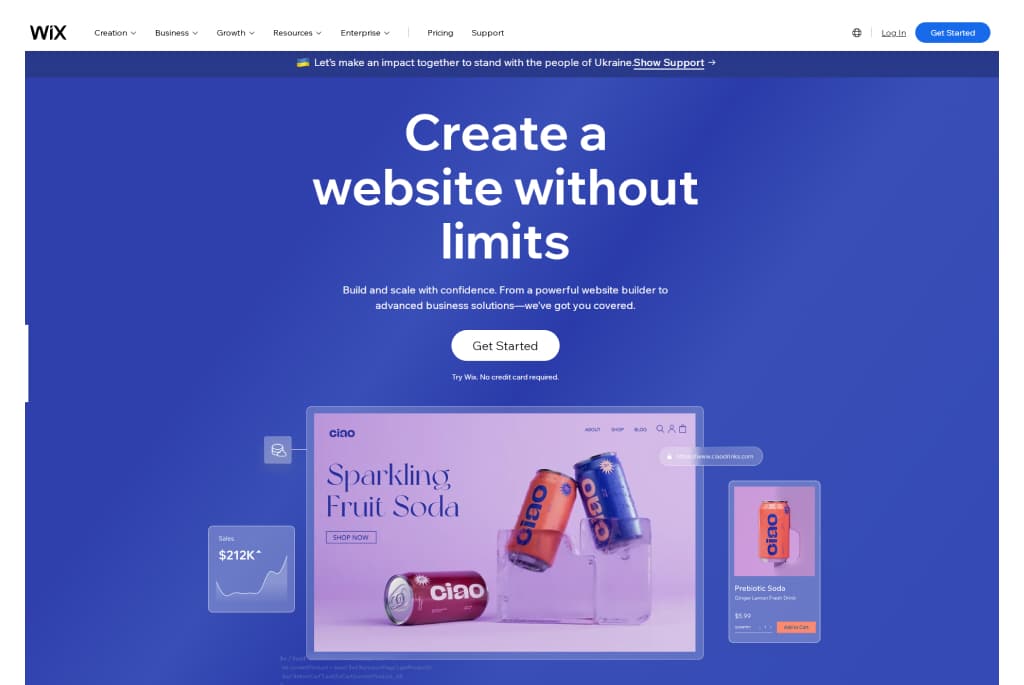
Wix an alternative platform for ecommerce website

Wix Pros: 

Wix is a popular website builder that also offers e-commerce capabilities. Here are some of the pros of using Wix as a Shopify alternative:

  1. Ease of Use: Wix is known for its user-friendly drag-and-drop editor, making it easy for businesses to create a professional-looking online store without technical expertise.
  2. Affordability: Wix offers a range of affordable pricing plans, which can be especially beneficial for smaller businesses with limited budgets.
  3. Wide Range of Features: Wix offers various features and integrations, including payment options, product galleries, and shipping tools.
  4. Customization: Wix offers a range of customizable templates and design options, which can be especially helpful for businesses that want to create a distinctive online store that reflects their brand and style.

Wix  Cons/Limitations: 

While Wix has many advantages, there are also some limitations and potential drawbacks to consider:

  1. Limited Customization Options: While Wix offers a range of customizable templates and design options, some businesses may find that the platform has limitations in terms of design and functionality. This can be incredibly frustrating for businesses with unique product offerings or requiring a high degree of customization in their online store.
  2. Scalability: While Wix can be a good choice for smaller businesses, it may not suit larger businesses with complex needs. As the business grows and the online store becomes more complex, Wix may only be unable to accommodate some of the business’s needs.
  3. Advanced Features: Wix may offer fewer advanced features than other e-commerce platforms, including Magento and BigCommerce. This can be a disadvantage for businesses that require a high degree of customization or have unique needs.

Comparison to other platforms

Compared to other e-commerce platforms, Wix has unique advantages and disadvantages regarding pricing, features, and customization options. Here is a brief comparison of Wix to some other popular e-commerce platforms:

  1. Shopify: Shopify offers more advanced features and customization options than Wix, but it may be more expensive. Shopify may be a better choice for businesses that require a high degree of customization and flexibility or have more complex needs.
  2. WooCommerce: WooCommerce is a free platform built on WordPress, making it a more cost-effective option than Wix. However, Wix may offer more user-friendly features and design options and maybe a better choice for businesses that need more technical expertise.
  3. BigCommerce: BigCommerce is similar to Wix in pricing and features but may offer more built-in tools and integrations. However, Wix may be more customizable than BigCommerce and better for businesses with unique needs or requirements.

Overall, Wix is a user-friendly and affordable e-commerce platform. It can be a good choice for businesses without technical expertise or those looking for a simple and inexpensive e-commerce solution. However, businesses should also consider other e-commerce platforms based on their needs and requirements.

Industry/Niche-specific recommendations

Wix is a versatile e-commerce platform that can benefit businesses in various industries and niches. Here are some examples:

  1. Arts and Crafts: Wix’s customizable design options and built-in image galleries can benefit businesses in the arts and crafts industry. Additionally, Wix offers integrations with popular payment gateways like PayPal and Square, which can help companies to accept various payment methods.
  2. Beauty and Wellness: Wix’s appointment booking and scheduling tools can be helpful for businesses in the beauty and wellness industry. Additionally, Wix offers integrations with popular marketing tools like Mailchimp and Facebook Ads, which can help these businesses promote their products and services.
  3. Food and Beverage: Wix’s custom order forms and menu management tools can be helpful for businesses in the food and beverage industry. Additionally, Wix offers integrations with popular food delivery services like GrubHub and DoorDash.
  4. Fashion and Apparel: Wix’s customizable design options and built-in product galleries can benefit businesses in the fashion and apparel industry. Additionally, Wix offers integrations with popular shipping services like USPS and FedEx, which can help these businesses manage their shipping and fulfillment processes.

Overall, Wix can be a good choice for businesses in a huge range of industries and niches, especially those that require a user-friendly and affordable e-commerce platform with a wide range of features and customization options. Its integrations with popular payment and marketing tools can also make it a powerful tool for businesses that want to boost their online visibility and sales.

Squarespace

Squarespace is a famous website builder that has become a viable alternative to Shopify for businesses looking for an e-commerce platform. It offers a wide range of features, customizable templates, and integrations that can benefit businesses of all sizes. It also provides a user-friendly interface that makes it easy for businesses to set up and manage their online store without technical expertise. 

Square space is best alternative platform for ecommerce website

Squarespace Pros: 

Squarespace has many advantages as an e-commerce platform. Here are some of the pros of using Squarespace as an alternative to Shopify:

  1. Sleek Design Options: Squarespace offers a range of elegant and customizable templates that can help businesses create a professional-looking online store. The platform also provides a drag-and-drop editor that makes it easy for businesses to customize their website without technical expertise.
  2. Built-in Marketing Tools: Squarespace offers a variety of built-in marketing tools, including email campaigns, social media integrations, and search engine optimization (SEO) features. These tools can help businesses promote their online store and improve their visibility.
  3. Easy to Use: Squarespace is known for its user-friendly interface and intuitive design, making it a good choice for businesses without technical expertise.

Squarespace can be a good choice for businesses that want a user-friendly and customizable e-commerce platform with built-in marketing tools. 

Squarespace Cons/Limitations: 

Limited e-commerce features may not be suitable for businesses with complex needs

While Squarespace has many advantages, there are also some limitations and potential drawbacks to consider:

  1. Limited E-Commerce Features: Squarespace may offer fewer advanced e-commerce features than some other platforms, including Shopify and Magento. This can be a disadvantage for businesses that require a high degree of customization or have unique needs.
  2. Scalability: While Squarespace can be a good choice for smaller businesses, it may not suit larger enterprises with complex needs. As the business grows and the online store becomes more complex, Squarespace may need help to accommodate all of the business’s needs.
  3. Advanced Features: Squarespace may offer fewer advanced features than other e-commerce platforms, including Magento and BigCommerce. This can be a disadvantage for businesses that require a high degree of customization or have unique needs.

While Squarespace can be a good choice for businesses that want a user-friendly and customizable e-commerce platform with built-in marketing tools, some businesses may have better choices. 

Comparison to other platforms

Compared to other e-commerce platforms, Squarespace has unique advantages and disadvantages regarding pricing, features, and customization options. Here is a brief comparison of Squarespace to some other popular e-commerce platforms:

  1. Shopify: Shopify offers more advanced features and customization options than Squarespace, but it may be more expensive. Shopify may be a better choice for businesses that require a high degree of customization and flexibility or have more complex needs.
  2. WooCommerce: WooCommerce is a free platform built on WordPress, making it a more cost-effective option than Squarespace. However, Squarespace may offer more user-friendly features and design options and maybe a better choice for businesses that need more technical expertise.
  3. BigCommerce: BigCommerce is similar to Squarespace in pricing and features but may offer more built-in tools and integrations.

Overall, Squarespace is a user-friendly and customizable e-commerce platform that can be a good choice for businesses without technical expertise or those looking for a simple and affordable e-commerce solution. However, businesses should also consider other e-commerce platforms based on their needs and requirements.

Industry/Niche-specific recommendations

Squarespace is a versatile e-commerce platform that can benefit businesses in various industries and niches. Here are some examples:

  1. Home Goods: Squarespace’s customizable templates and built-in image galleries can benefit businesses in the home goods industry. Additionally, Squarespace offers integrations with popular payment gateways like PayPal and Stripe, which can help businesses accept various payment methods.
  2. Art and Photography: Squarespace’s sleek and customizable design options can be helpful for businesses in the art and photography industry. Additionally, Squarespace offers integrations with popular marketing tools like Mailchimp and Instagram, which can help these businesses promote their products and services.
  3. Music and Entertainment: Squarespace’s audio and video integrations can benefit businesses in the music and entertainment industry. Additionally, Squarespace offers integrations with popular ticketing services like Eventbrite, which can help these businesses sell event tickets.
  4. Wedding and Event Planning: Squarespace’s appointment booking and scheduling tools can be helpful for businesses in the wedding and event planning industry. Additionally, Squarespace offers integrations with popular social media platforms like Pinterest, which can help these businesses promote their services and showcase their work.

Overall, Squarespace can be a good choice for businesses in a broad range of industries and niches, especially those that require a user-friendly and customizable e-commerce platform with a wide range of features and customization options. Its integrations with popular payment and marketing tools can also make it a powerful tool for businesses that want to enhance their online visibility and sales.

Webflow

Webflow is a design-first platform that combines website creation, content management, and e-commerce. It empowers designers and developers to create fully responsive and visually stunning websites without extensive coding knowledge.

Webflow Pros

  • Highly customizable and visually intuitive editor.
  • Built-in hosting with global CDN ensures fast website performance.
  • Excellent SEO features for on-page optimization.
  • Scalable for both small and medium businesses.

Webflow Cons/Limitation

  • Limited pre-designed e-commerce features compared to Shopify.
  • Learning curve for non-designers.
  • Pricing for advanced features can be expensive.

Comparison to Other Platforms

  • Shopify: Webflow is better for design-centric businesses, while Shopify is stronger for quick e-commerce setup with advanced sales tools.
  • WooCommerce: WooCommerce provides more flexibility with plugins and integrations, while Webflow excels in design freedom.
  • Magento: Magento offers extensive scalability for large-scale e-commerce, whereas Webflow focuses on creative freedom and ease of use.

Industry/Niche-Specific Recommendations

Ideal for creative professionals, agencies, and businesses prioritizing unique, high-quality designs for portfolio sites or small to medium-sized online stores.

Shift4Shop

Shift4Shop, previously known as 3dcart, is an all-in-one e-commerce platform offering a robust set of tools for building and managing an online store, with a focus on cost-effectiveness.

Shift4Shop Pros

  • Zero transaction fees.
  • Comprehensive tools, including SEO optimization and marketing features.
  • Multiple free templates for quick store setup.
  • Offers unlimited products and storage even on free plans (for U.S. merchants).

Shift4Shop Cons/Limitation

  • Limited design customization options compared to competitors.
  • User interface may feel outdated for modern users.
  • Less intuitive than platforms like Shopify or Wix.

Comparison to Other Platforms

  • Shopify: Shopify offers a more polished user experience and advanced integrations, but Shift4Shop provides better value for cost-sensitive merchants.
  • WooCommerce: WooCommerce offers more flexibility, whereas Shift4Shop provides an all-in-one approach.
  • Magento: Magento is ideal for enterprise businesses, while Shift4Shop targets small to medium-sized operations with lower budgets.

Industry/Niche-Specific Recommendations

Best for cost-conscious small businesses and U.S.-based merchants looking for a budget-friendly Shopify alternative.

PrestaShop

PrestaShop is an open-source e-commerce platform that enables businesses to build highly customized online stores with extensive functionality.

PrestaShop Pros

  • No licensing fees (open-source).
  • Flexible customization options through modules and themes.
  • Multi-language and multi-currency support.
  • Strong community support with thousands of add-ons available.

PrestaShop Cons/Limitation

  • Requires technical expertise for installation and management.
  • Hosting and security must be managed separately by the user.
  • Costs can add up with premium modules and third-party integrations.

Comparison to Other Platforms

  • Shopify: Shopify is easier to use, while PrestaShop requires technical knowledge but offers more flexibility.
  • WooCommerce: PrestaShop is similar in flexibility but has a steeper learning curve.
  • Magento: Magento offers superior scalability for large stores, whereas PrestaShop caters to medium-scale operations with customization needs.

Industry/Niche-Specific Recommendations

Perfect for mid-sized businesses and international stores requiring multi-language and multi-currency features.

Odoo

Odoo is an integrated suite of business applications, including an e-commerce module, offering end-to-end solutions for managing operations such as CRM, inventory, and accounting.

Odoo Pros

  • All-in-one solution with seamless integration across business operations.
  • Highly customizable with a modular approach.
  • Cost-effective for businesses already using Odoo’s suite of tools.
  • User-friendly interface with modern design.

Odoo Cons/Limitation

  • Implementation can be complex for beginners.
  • Requires technical expertise for customization and scaling.
  • Fewer out-of-the-box e-commerce features compared to Shopify.

Comparison to Other Platforms

  • Shopify: Odoo is better suited for businesses requiring integrated tools beyond e-commerce. Shopify is more specialized for online sales.
  • WooCommerce: WooCommerce excels in flexibility for store creation, while Odoo stands out with its multi-functional approach.
  • Magento: Magento is focused on e-commerce scalability, while Odoo offers broader business application integration.

Industry/Niche-Specific Recommendations

Ideal for businesses looking for an integrated ERP solution alongside e-commerce, especially in industries like manufacturing, wholesale, and services.

Conclusion

Choosing the right e-commerce platform is critical for any business selling products online. This article discusses a few top alternatives to Shopify, including WooCommerce, BigCommerce, Magento, Wix, and Squarespace. Each platform has its own set of pros and cons, and the best choice will depend on the specific needs and requirements of the business.

Businesses need to research and compare different e-commerce platforms before making a decision. This includes evaluating pricing, features, customization options, scalability, and industry-specific recommendations. By finding the right platform, businesses can improve their online visibility, increase sales, and succeed tremendously.

How to Manage and Optimize Dynamic URLs in Shopify

Dynamic URLs in Shopify pose challenges such as duplicate content, diluted link equity, and user confusion, making them a critical issue for SEO and usability. These URLs often include query parameters (e.g., ?variant=1234), which can lead to duplicate content, dilute link equity, and create confusion for users and search engines alike. In this blog post, we will explore everything you need to know about managing and optimizing dynamic URLs in Shopify to ensure your store runs smoothly and ranks well in search results.

What Are Dynamic URLs?

Dynamic URLs are web addresses that are generated dynamically and often include query parameters, session IDs, or tracking codes. For instance, when a user selects a specific product variant (e.g., size or color) in a Shopify store, the URL might update to reflect the variant, such as https://example.com/product?variant=1234. This helps track the variant selected but can lead to the creation of multiple URLs for the same product page. For example:

  • Static URL: https://example.com/product-name
  • Dynamic URL: https://example.com/product-name?variant=1234

While dynamic URLs can be useful for tracking or variant-specific pages, they often cause issues when they are not managed properly.

Why Are Dynamic URLs Problematic?

  • Duplicate Content: Search engines may see dynamic URLs as separate pages, even if they display the same content.
  • Dilution of Link Equity: If multiple URLs point to the same content, the SEO value of backlinks can be diluted.
  • Confusion for Users: Dynamic URLs are often long and less user-friendly compared to static URLs.

Common Causes of Dynamic URLs in Shopify

In Shopify, dynamic URLs are primarily generated due to the following reasons:

  1. Product Variants: Each product variant (e.g., size, color) generates a dynamic URL with query parameters like ?variant=1234.
  2. Tracking Parameters: URLs may include tracking codes added by marketing campaigns or analytics tools.
  3. Filters and Sorting: Collection pages with filters or sorting options can generate dynamic URLs, such as https://example.com/collection?sort_by=price-ascending.
  4. Third-Party Apps: Apps integrated with your Shopify store may create dynamic URLs for their functionality.

How to Fix and Optimize Dynamic URLs in Shopify

Here are actionable strategies to address dynamic URL issues in Shopify:

1. Use Canonical Tags

Shopify automatically applies canonical tags to pages, which inform search engines about the preferred version of a URL. These tags are critical for SEO because they prevent duplicate content issues by consolidating multiple dynamic URLs into a single, authoritative URL, ensuring that search engines correctly attribute rankings and link equity to the right page. For example, if a product page has multiple dynamic URLs, the canonical tag will point to the main static URL.

Steps to Verify Canonical Tags:

  1. Open your Shopify store in a browser.
  2. Inspect the page source (right-click > View Page Source).
  3. Look for the <link rel=”canonical”> tag.
  4. Ensure it points to the static version of the URL (e.g., https://example.com/product-name).

Pro Tip: If canonical tags are missing or incorrect, you can customize them by editing your theme’s code (theme.liquid or product.liquid).

2. Redirect Dynamic URLs to Static URLs

Use Shopify’s built-in URL redirect feature to consolidate dynamic URLs and direct traffic to the preferred static URL. For example, if a customer accesses a product page using a URL like /product?variant=1234, you can redirect it to /product, ensuring that search engines index only the static version. This improves SEO by consolidating link equity and enhances user experience by providing cleaner, more memorable URLs.

Steps to Create a URL Redirect:

  1. Go to Shopify Admin > Online Store > Navigation > URL Redirects.
  2. Click “Create URL Redirect.”
  3. Enter the dynamic URL in the “Redirect from” field (e.g., /product?variant=1234).
  4. Enter the static URL in the “Redirect to” field (e.g., /product).
  5. Save the redirect.

This ensures users and search engines are always directed to the correct version of your page.

3. Manage URL Parameters in Google Search Console

If your store has many dynamic URLs with query parameters, you can use Google Search Console to control how these parameters are handled.

Steps to Manage URL Parameters:

  1. Open Google Search Console.
  2. Navigate to Settings > Crawl Settings > URL Parameters.
  3. Specify how Google should handle specific parameters, such as ignoring them or consolidating them with the main page.

4. Optimize Internal Linking

Ensure all internal links on your site point to the static version of your URLs. For example, use /product-name instead of /product-name?variant=1234 in:

  • Navigation menus
  • Collection pages
  • Blog posts
  • Footer links

How to Check and Update Links:

  1. Crawl your site using tools like Screaming Frog or Ahrefs.
  2. Identify links pointing to dynamic URLs.
  3. Update these links to the preferred static version.

5. Customize Themes to Avoid Query Parameters

Dynamic URLs often result from product variant selection. You can modify your Shopify theme to avoid appending query parameters to URLs.

Steps to Customize Your Theme:

  1. Go to Online Store > Themes > Edit Code.
  2. Edit the product.liquid or product-template.liquid file.
  3. Use JavaScript or Liquid to dynamically load variant data without changing the URL.
  4. Test the functionality to ensure the user experience is not affected.

This method ensures that users stay on the static product page, even when selecting different variants.

6. Leverage Robots.txt for Unwanted Dynamic URLs

Shopify allows customization of the robots.txt file for Shopify Plus users. You can disallow search engines from crawling unnecessary dynamic URLs.

Example Rule:

User-agent: *

Disallow: /*?variant=

This prevents search engines from indexing URLs with ?variant= parameters, focusing their attention on static URLs instead.

7. Audit Your Sitemap

Shopify automatically generates a sitemap that includes the preferred URLs for your store. To verify that the sitemap has been updated correctly after making changes, navigate to https://yourstore.com/sitemap.xml and ensure the URLs listed reflect the adjustments you’ve made. Additionally, resubmit the sitemap in Google Search Console to help search engines index the updated URLs efficiently. Ensure your sitemap does not include dynamic URLs by:

  1. Navigating to https://yourstore.com/sitemap.xml.
  2. Reviewing the sitemap for unwanted dynamic URLs.
  3. Submitting the sitemap to Google Search Console for better indexing.

8. Use Third-Party Apps for URL Management

Shopify’s App Store offers tools to help manage and optimize URLs. Examples include:

  • SEO Manager: Simplifies URL and SEO settings.
  • Smart SEO: Automates canonical tags and other optimizations.

These apps can provide additional features for managing dynamic URLs efficiently.

9. Monitor and Test Regularly

After implementing fixes, continuously monitor your site for issues:

  • Use Google Search Console to identify crawl errors or duplicate content.
  • Run regular site audits with tools like Ahrefs, SEMrush, or Screaming Frog.
  • Check your analytics to ensure traffic is directed to static URLs.

Key Takeaways

While Shopify’s platform doesn’t allow direct rewriting of dynamic URLs, there are multiple strategies to manage and optimize them:

  • Use canonical tags to guide search engines to the preferred version of your URLs.
  • Redirect dynamic URLs to static URLs using Shopify’s built-in tools.
  • Manage URL parameters effectively in Google Search Console.
  • Customize your theme and optimize internal links for static URLs.
  • Block unwanted dynamic URLs from being indexed using robots.txt.

By taking these steps, you can reduce the impact of dynamic URLs on your SEO and improve the overall user experience for your Shopify store.

Optimizing dynamic URLs is an ongoing process, but it’s essential for the success of your online store. If you’re unsure where to start, consider consulting an SEO expert or a Shopify developer for personalized advice

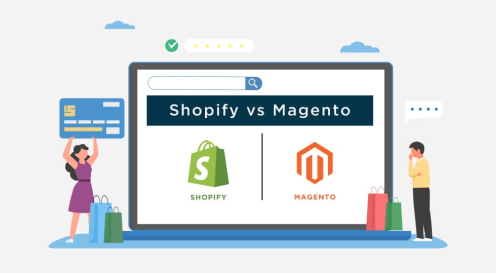
Shopify vs Magento

Shopify and Magento are both popular e-commerce platforms that can help businesses build and manage their online stores. However, they differ in several key areas.

Shopify is a cloud-based, fully managed platform known for its ease of use and user-friendly interface. It is ideal for small to medium-sized businesses and startups as it offers a range of accessible features to set up and manage, such as payment gateways, shipping, and product listings. Shopify also has an extensive library of apps and themes that can customize a store’s look and feel.

On the other hand, Magento is an open-source platform that provides more flexibility and customization options than Shopify. It is designed for larger businesses and enterprises that need a highly scalable and customizable e-commerce solution. Magento provides a wide range of advanced features, including multi-store management, catalog management, and more. However, it requires a deeper understanding of website development and design to set up and manage effectively.

In summary, Shopify is the better choice for businesses looking for an easy-to-use and affordable platform, while Magento is better suited for businesses that need a more advanced and customizable solution.

magento vs shopify

Why Shopify is Better Than Magento?

  1. Ease of use: Shopify is known for its user-friendly interface and intuitive design, making it easier to set up and manage an online store compared to Magento.
  2. No technical expertise required: Shopify is a fully managed platform that requires no technical expertise, making it ideal for small business owners who are not familiar with website development.
  3. Affordability: Shopify offers an affordable pricing model with various plans to choose from, making it a cost-effective solution for businesses of all sizes.
  4. Built-in payment gateways: Shopify provides a range of built-in payment gateways, including popular options like Stripe and PayPal, making it easier for businesses to process payments.
  5. Extensive app store: Shopify has a large library of apps and plugins that can be used to add extra features and functionality to an online store.
  6. Customer support: Shopify provides excellent customer support, including live chat and 24/7 support, making it easier for businesses to get help when they need it. Also, you can get support from the community of Shopify experts who are always ready to help you.
  7. Mobile optimization: Shopify has a mobile-friendly platform that provides a seamless shopping experience on all devices.
  8. Built-in SEO features: Shopify includes built-in SEO features that help optimize a store for search engines, making it easier for businesses to drive traffic to their site.
  9. Security: Shopify takes security seriously and provides a secure platform for businesses to sell their products, with features such as secure checkout and fraud detection.
  10. Simplified checkout process: Shopify offers a simplified checkout process that makes it easy for customers to complete a purchase, reducing shopping cart abandonment rates.
  11. Inventory management: Shopify offers robust inventory management tools that help businesses keep track of stock levels and automate stock updates.
  12. Automatic tax calculation: Shopify provides automatic tax calculation based on the customer’s location, making it easier for businesses to manage taxes.
  13. Built-in blog: Shopify includes a built-in blog, allowing businesses to share news, updates, and other content with their customers.
  14. Social media integration: Shopify makes it easy to integrate with social media platforms, such as Facebook and Instagram, allowing businesses to sell products directly from their social media pages.
  15. Multi-language support: Shopify offers multi-language support, making it easy for businesses to reach a global audience.

Why Magento is Better Than Shopify?

Here are several key features and benefits of Magento that make it a better choice for some businesses compared to Shopify:

  1. Customization options: Magento is an open-source platform, providing more customization options and flexibility than Shopify. Businesses can use custom code and plugins to create a unique online store that meets their specific needs.
  2. Scalability: Magento is designed to handle the needs of large businesses and enterprises, providing a highly scalable solution that can accommodate a large number of products and customers.
  3. Advanced features: Magento provides a range of advanced features, including multi-store management, catalog management, and more, making it ideal for businesses with complex needs.
  4. Marketing and promotion tools: Magento includes a range of marketing and promotion tools, such as coupons, discounts, and gift cards, making it easier for businesses to drive sales.
  5. Third-party integrations: Magento integrates with a wide range of third-party tools and services, such as payment gateways, shipping providers, and more, providing a comprehensive e-commerce solution.
  6. SEO optimization: Magento provides advanced SEO optimization tools and features, making it easier for businesses to drive traffic to their site and improve search engine rankings.
  7. Large community: Magento has a large and active community of developers and users, providing a wealth of resources and support for businesses using the platform.
  8. Cost-effective: Although Magento requires a deeper understanding of website development and design, it can be a cost-effective solution for businesses that need a highly scalable and customizable platform.

These are just a few of the features and benefits of Magento that make it a better choice for some businesses compared to Shopify.

Can You Help to Select Shopify or Magento as per Business Nature

magento vs shopify comparison guide

The choice between Shopify and Magento will depend on the nature of your business and your specific requirements. Here are a few factors to consider when deciding which platform is best for your business:

  1. Ease of use: If you’re looking for a platform that’s easy to use and doesn’t require technical expertise, Shopify is the better choice.
  2. Customization: If you need a highly customizable platform with advanced features and a range of third-party integrations, Magento is the better choice.
  3. Size of business: If you’re a small business just starting out, Shopify is a great choice as it’s affordable and user-friendly. If you’re a larger business with complex needs, Magento is a better choice.
  4. Budget: Shopify is generally a more affordable option, with plans starting at a lower price point than Magento. However, the cost of customizing and managing a Magento store can be lower in the long run, as you have more control over the platform and can make changes as needed.
  5. Marketing and sales: If you need a range of marketing and sales tools, such as coupons and discounts, Magento is the better choice.
  6. Technical expertise: If you have technical expertise and are comfortable with website development, Magento is the better choice. If you don’t have technical expertise, Shopify is the better choice.

These are just a few of the factors to consider when deciding between Shopify and Magento. By considering your business needs and priorities, you can make an informed decision and choose the platform that’s right for you.

Shopify vs Magento : Pros and Cons

These are some of the key pros and cons of both Shopify and Magento. By considering these factors, you can make an informed decision and choose the platform that’s right for your business.

Pricing

Shopify and Magento have different pricing structures, and the cost of using each platform will depend on the specific needs of your business.

Shopify Pricing: Shopify offers a range of pricing options, starting at $29 per month for the Basic Shopify plan, going up to $299 per month for the Advanced Shopify plan. There are also additional costs for transaction fees, payment processing fees, and app and theme purchases.

Magento Pricing: Magento is an open-source platform, so there is no cost for the software itself. However, there are costs associated with hosting, design, and development, as well as any third-party extensions or plugins you may need. The cost of using Magento can vary greatly depending on the size and complexity of your store, and the amount of customization you require.

Overall, Shopify can be a more affordable option for small businesses and businesses just starting out, while Magento can be a more cost-effective choice for larger businesses with complex needs. However, the cost of using Magento can also add up over time as your business grows, especially if you need to hire a developer to make changes to your store.

magento vs shopify pricing

It’s important to consider both the upfront and ongoing costs of each platform, as well as the specific needs of your business, when deciding which platform is right for you.

Theme or Frontend design

When it comes to themes or front-end design, both Shopify and Magento have their own strengths and weaknesses.

Shopify Themes: Shopify has a wide range of themes available, both free and paid, that are designed to be user-friendly and customizable. The platform also provides a visual theme editor, making it easy for businesses to customize the look and feel of their store without having to hire a developer.

user friendly shopify theme for free

Magento Themes: Magento is an open-source platform, which means that businesses have more freedom to customize the look and feel of their store. There are a wide range of Magento themes available, both free and paid, and businesses can also hire a developer to create a custom theme.

magento 2 customized theme for your website

Overall, Shopify may be a better choice for businesses that want a user-friendly, easy-to-use platform with a wide range of themes and customization options. Magento may be a better choice for businesses with more technical expertise, or businesses that require a highly customized look and feel for their store.

It’s important to consider the specific needs and goals of your business when deciding which platform is right for you, and to weigh the benefits and drawbacks of each platform’s themes and front-end design options.

Apps and Extensions

Both Shopify and Magento offer a wide range of apps and extensions to enhance the functionality of your online store.

Shopify Apps: Shopify has a large app store with over 3,000 apps and plugins, ranging from marketing and sales tools to shipping and fulfillment solutions. The apps are easy to install and use, and many are free or have a low cost.

shopify extension

Magento Extensions: Magento also has a large number of extensions and plugins available, both free and paid, that can be used to extend the functionality of your store. However, the installation and setup process can be more technical and time-consuming than with Shopify apps.

website extension for magento 2

Overall, Shopify may be a better choice for businesses that are looking for a simple, user-friendly platform with a wide range of readily available apps and plugins. Magento may be a better choice for businesses with more technical expertise, or businesses that need a high level of customization and control over their online store.

It’s important to consider the specific needs and goals of your business when deciding which platform is right for you, and to weigh the benefits and drawbacks of each platform’s apps and extensions.

Custom Apps and Extensions Development

When it comes to custom app and extension development, both Shopify and Magento have different strengths and weaknesses.

Shopify Custom Development: Shopify has a large developer community, and there are many resources available for businesses that want to create custom apps and plugins for their store. However, the development process can be more limited than with Magento, as Shopify’s closed platform does not allow for as much flexibility and customization.

Magento Custom Development: Magento, being an open-source platform, offers a high level of flexibility and customization when it comes to custom app and extension development. Businesses can hire a developer to create custom apps and extensions that are tailored to their specific needs, or they can create their own extensions using Magento’s API and development tools.

Overall, Magento may be a better choice for businesses that require a high level of customization and control over their online store, or for businesses that have the technical expertise to create their own custom apps and extensions. Shopify may be a better choice for businesses that want a simpler, more user-friendly platform, or for businesses that don’t require a high level of customization.

It’s important to consider the specific needs and goals of your business when deciding which platform is right for you, and to weigh the benefits and drawbacks of each platform’s custom app and extension development options.

Marketing Feature

Both Shopify and Magento offer a wide range of marketing features to help businesses grow their online store.

Shopify Marketing Features: Shopify offers a number of built-in marketing features, including email campaigns, discount codes, abandoned cart recovery, and social media integration. The platform also has a large app store with over 3,000 apps and plugins that can be used to enhance your marketing efforts.

Magento Marketing Features: Magento also has a range of built-in marketing features, including email campaigns, discounts and promotions, and customer segmentation. The platform also has a large number of extensions and plugins available, both free and paid, that can be used to extend the functionality of your store and support your marketing efforts.

Overall, both Shopify and Magento offer strong marketing features, and the choice between the two platforms will likely come down to personal preference and the specific needs and goals of your business.

It’s important to consider the specific marketing features that are important to your business when deciding which platform is right for you, and to weigh the benefits and drawbacks of each platform’s marketing features.

Ease of Use

When it comes to ease of use, Shopify and Magento have different strengths and weaknesses.

Shopify Ease Of Use: Shopify is known for being a user-friendly platform that is easy to set up and use, even for those without technical expertise. The platform has a simple and intuitive backend interface, and the process of adding products, processing orders, and managing shipping and payment is straightforward.

Magento Ease Of Use: Magento, on the other hand, is known for being a more complex platform that is more suited to businesses with technical expertise. The backend interface can be more challenging to navigate, and the process of setting up and managing an online store can be more time-consuming and technical compared to Shopify.

Overall, Shopify may be a better choice for businesses that are looking for a simple, user-friendly platform, while Magento may be a better choice for businesses with technical expertise or businesses that require a high level of customization and control over their online store.

It’s important to consider the specific needs and goals of your business, as well as the technical expertise of your team, when deciding which platform is right for you, and to weigh the benefits and drawbacks of each platform’s ease of use.

API Integration

api integration with shopify and magento

When it comes to API integration, both Shopify and Magento have different strengths and weaknesses.

Shopify API Integration: Shopify has a well-documented API that allows for integration with a wide range of third-party tools and services. The API provides access to Shopify’s core functionality, including products, orders, and customer data, and enables businesses to integrate their Shopify store with other systems and platforms.

Magento API integration: Magento also has a well-documented API that allows for integration with third-party tools and services. The API provides access to Magento’s core functionality, including products, orders, and customer data, and enables businesses to integrate their Magento store with other systems and platforms.

Overall, both Shopify and Magento offer robust API integration capabilities, and the choice between the two platforms will likely come down to personal preference and the specific needs and goals of your business.

It’s important to consider the specific API integration needs of your business when deciding which platform is right for you, and to weigh the benefits and drawbacks of each platform’s API integration capabilities.

Core functionality

When it comes to core functionality, both Shopify and Magento have different strengths and weaknesses.

Shopify Core Functionality: Shopify provides a comprehensive set of core e-commerce functionality, including product management, order management, payment and shipping integration, and customer management. The platform is designed to be easy to use and accessible to businesses of all sizes, and it includes a range of features to support your online sales efforts, including a built-in shopping cart, customizable checkout process, and integrated reporting and analytics.

Magento Core Functionality: Magento also provides a comprehensive set of core e-commerce functionality, including product management, order management, payment and shipping integration, and customer management. The platform is designed for businesses that require more control and customization over their online store, and it provides a high level of flexibility and scalability to support your growing business.

Overall, both Shopify and Magento offer strong core functionality, and the choice between the two platforms will likely come down to personal preference and the specific needs and goals of your business.

It’s important to consider the specific core functionality needs of your business when deciding which platform is right for you, and to weigh the benefits and drawbacks of each platform’s core functionality.

Sales tools

When it comes to sales tools, both Shopify and Magento have different strengths and weaknesses.

Shopify Sales Tools: Shopify provides a range of sales tools to support businesses in their online sales efforts, including built-in SEO optimization, email marketing integration, and a variety of app-based sales tools to help drive traffic and increase conversions. Shopify also offers a wide range of payment options, including support for multiple currencies and local payment methods, and it provides a smooth and user-friendly checkout experience for customers.

shopify tools to boost the sales

Magento Sales Tools: Magento also provides a range of sales tools to support businesses in their online sales efforts, including built-in SEO optimization and email marketing integration. However, Magento’s app marketplace is not as extensive as Shopify’s, and businesses may need to rely on custom development to add certain sales tools to their online store. Magento also provides a flexible checkout experience, but it may require more technical expertise to set up and manage compared to Shopify.

magento tools to boost the sales

Overall, both Shopify and Magento offer strong sales tools, and the choice between the two platforms will likely come down to personal preference and the specific needs and goals of your business.

It’s important to consider the specific sales tool needs of your business when deciding which platform is right for you, and to weigh the benefits and drawbacks of each platform’s sales tools.

Transaction fees

When it comes to transaction fees, Shopify and Magento have different pricing models.

Shopify Transaction Fees: Shopify charges transaction fees on sales made through its platform, and the fees vary depending on the pricing plan you choose. For example, the basic Shopify plan charges a 2% transaction fee on sales made through the platform, while the advanced Shopify plan charges a 0.5% transaction fee. In addition to these transaction fees, businesses may also incur fees for payment processing, shipping, and app usage.

Magento Transaction Fees: Magento is an open-source platform and does not charge any transaction fees on sales made through the platform. However, businesses using Magento will need to cover the costs of hosting, domain name, and any additional extensions or add-ons they use, which can add up over time.

Overall, both Shopify and Magento have different pricing models when it comes to transaction fees, and the choice between the two platforms will likely come down to personal preference and the specific needs and goals of your business.

It’s important to consider the specific transaction fee needs of your business when deciding which platform is right for you, and to weigh the benefits and drawbacks of each platform’s transaction fee model.

Community Support

When it comes to community support, both Shopify and Magento have active and supportive communities.

Shopify Community Support: Shopify has a large and active community of users, developers, and partners, making it easy to find answers to questions and connect with others in the Shopify ecosystem. The platform provides a range of resources and support options, including a robust knowledge base, online forums, and a dedicated support team available 24/7.

shopify community support

Magento Community Support: Magento also has a large and active community of users, developers, and partners, and it provides a range of resources and support options, including a comprehensive knowledge base, online forums, and a dedicated support team available during business hours.

magento community support

Overall, both Shopify and Magento have strong communities and offer a range of support options, making it easy to find help and connect with others in the e-commerce ecosystem.

It’s important to consider the specific community support needs of your business when deciding which platform is right for you, and to weigh the benefits and drawbacks of each platform’s community support options.

Security

When it comes to security, both Shopify and Magento take security seriously and provide robust security features.

Shopify Security: Shopify is a hosted platform, meaning that the company takes care of the technical aspects of security, such as software updates and server maintenance. Shopify implements a range of security measures, including SSL encryption, regular security audits, and secure hosting infrastructure, to protect both merchants and customers.

Magento Security: Magento is an open-source platform, meaning that businesses are responsible for securing their own online store. However, Magento provides a range of security features and best practices to help businesses secure their online stores, including SSL encryption, secure coding guidelines, and regular software updates.

Overall, both Shopify and Magento take security seriously and provide robust security features, but the specific security needs of your business will dictate which platform is right for you.

It’s important to consider the specific security needs of your business when deciding which platform is right for you, and to weigh the benefits and drawbacks of each platform’s security features.

Upgrades

When it comes to upgrades, both Shopify and Magento have different approaches to updating and upgrading their platforms.

Shopify Upgrades: Shopify is a hosted platform, which means that the company is responsible for performing software updates and maintenance. Shopify regularly releases new features and improvements to the platform, and these upgrades are automatically applied to all merchants using the platform. This makes it easy to stay up-to-date with the latest features and improvements, without having to worry about manual upgrades.

Magento Upgrades: Magento is an open-source platform, which means that businesses are responsible for performing their own software upgrades and maintenance. Magento releases new versions of the platform, and businesses can choose to upgrade to the latest version at their own discretion. This allows businesses to have more control over the upgrade process, but it also requires more technical knowledge and resources to perform the upgrades.

Overall, both Shopify and Magento have different approaches to upgrades, and the specific needs of your business will dictate which platform is right for you.

It’s important to consider the specific upgrade needs of your business when deciding which platform is right for you, and to weigh the benefits and drawbacks of each platform’s upgrade process.

Shopify vs Magento: Which one is More Powerful for eCommerce?

It depends on the specific needs of your business and the type of e-commerce store you want to create.

Shopify is a powerful and user-friendly platform that is well suited for small and medium-sized businesses looking for an all-in-one solution for setting up and managing their online store. It provides a range of features, apps, and integrations that make it easy to sell products online and manage your business.

Magento, on the other hand, is a more powerful and flexible platform that is well suited for large businesses and enterprise-level e-commerce stores. It provides a range of features, extensions, and customization options that allow businesses to create a highly customized and scalable e-commerce store.

Ultimately, the best platform for you will depend on the specific needs of your business, such as the size of your business, the type of products you sell, and your overall e-commerce strategy.

It’s important to carefully consider the specific needs of your business when deciding which platform is right for you, and to weigh the benefits and drawbacks of each platform before making a decision.

Why Merchants Prefer Shopify to Magento

Merchants may prefer Shopify over Magento for several reasons, including:

  1. Ease of use: Shopify is known for its user-friendly interface and simple setup process, making it easier for merchants to get started with selling online.
  2. All-in-one solution: Shopify provides a range of features, including website design, product management, payment processing, and shipping, all in one platform, making it a convenient and cost-effective solution for merchants.
  3. Hosted platform: Shopify is a hosted platform, meaning that the company takes care of the technical aspects of running an online store, such as software updates, security, and server maintenance. This takes the burden of technical management off of merchants and allows them to focus on their business.
  4. Large app store: Shopify has a large app store with a wide range of integrations and add-ons, allowing merchants to easily add new features and functionality to their online store.
  5. Strong customer support: Shopify has a strong customer support team available 24/7 to help merchants with any questions or issues they may have.
  6. Cost-effective pricing: Shopify offers a range of pricing plans that are cost-effective for businesses of all sizes, making it a budget-friendly option for merchants.

These are some of the reasons why merchants may prefer Shopify over Magento. It’s important to consider the specific needs of your business when deciding which platform is right for you, and to weigh the benefits and drawbacks of each platform before making a decision.

Why Merchants Prefer Magento to Shopify

Merchants may prefer Magento over Shopify for several reasons, including:

  1. Customization: Magento provides a high level of customization and flexibility, allowing merchants to create a highly unique and customized online store that meets the specific needs of their business.
  2. Scalability: Magento is a scalable platform capable of supporting large and complex e-commerce stores with a large number of products and customers.
  3. Open-source software: Magento is open-source software, meaning that merchants have access to the source code and can make customizations and modifications to the platform to meet their specific needs.
  4. Large community: Magento has a large and active community of developers and users, providing a wealth of knowledge and support for merchants.
  5. Advanced marketing features: Magento provides a range of advanced marketing and SEO features, making it easier for merchants to promote and grow their businesses.
  6. Strong API: Magento has a strong API, allowing merchants to integrate with a wide range of third-party tools and services.

These are some of the reasons why merchants may prefer Magento over Shopify. It’s essential to consider the specific needs of your business when deciding which platform is right for you, and to weigh the benefits and drawbacks of each platform before making a decision.

Shopify Website Design: Enhancing Your Digital Brand

The Importance of a Strong Online Presence

In today’s digital age, a strong online presence is crucial for businesses of all sizes. A key component of establishing this presence is developing a professional website. Let’s dive into the importance of websites in the industry and the benefits of investing in a professional website design.

Understanding the Role of Websites in Business

Websites serve as the virtual storefronts for businesses, representing their brand and providing a platform for online engagement. We’re like an always-open online store where you can find out about a company’s stuff, look at what they have, and buy things. With a well-designed website, businesses can reach a global audience, expand their customer base, and increase brand visibility.

Moreover, a website allows businesses to establish credibility in the eyes of consumers. In today’s digital landscape, people often turn to the internet to research companies before making purchasing decisions. A professional bespoke website provides legitimacy and confidence to potential customers, demonstrating that the business is reputable and trustworthy.

Benefits of a Professional Website Design

Investing in a professional website design offers numerous advantages for businesses. Here are some key benefits:

  • First impressions: A well-designed website creates a positive first impression. It reflects the professionalism and quality of a business, instilling trust and confidence in visitors.
  • Brand consistency: A professional website design ensures that the branding elements, such as the logo, color scheme, and typography, are consistent throughout the website. This consistency helps to reinforce brand recognition and identity.
  • User experience: A professionally designed website focuses on providing an optimal user experience. It incorporates intuitive navigation, clear call-to-action buttons, and organized content, making it easy for visitors to find what they want and take desired actions.
  • Mobile responsiveness: In today’s world, it’s essential to have a website that works well on mobile phones because so many people use them. A professional design ensures the website adapts seamlessly to different screen sizes, providing a consistent and user-friendly experience across devices.
  • Search engine optimization (SEO): A professional website design considers SEO best practices, helping businesses improve their visibility in search engine results. This includes optimizing website structure, meta tags, and page load times. For more information on optimizing your website for SEO, check out our website SEO optimization services.

By investing in a professional website design, businesses can establish a solid online presence, attract and engage customers, and drive growth and success. Whether you’re a small business or a large corporation, the benefits of a well-designed website are undeniable.

Introducing Shopify

Shopify is a popular online platform that helps businesses quickly set up and run online stores. It provides various tools and features to simplify website design and managing online stores. Shopify makes it easy for companies to create a fantastic online store, even if you’re not a tech expert or coder.

Shopify provides businesses a user-friendly interface to easily customize their online store’s design, add products, manage inventory, process payments, and track orders. It offers various responsive and customizable themes, allowing businesses to create a visually appealing and mobile-friendly online presence. Additionally, Shopify offers a range of integrations and apps that can enhance the online store’s functionality and streamline various aspects of e-commerce management.

Why Choose Shopify for Your Website Design?

Choosing Shopify for your website design brings several advantages. First and foremost, Shopify is designed for e-commerce, providing businesses with a platform tailored to their needs. The platform offers a range of e-commerce-specific features, such as inventory

 management, secure payment gateways, and order tracking, which are essential for running a successful online store.

Another advantage of Shopify is its user-friendly interface and intuitive website builder. Those without technical expertise can easily create a professional-looking online store using Shopify’s drag-and-drop functionality. The platform lets businesses personalize their online presence with unique branding options.

Shopify also offers reliable hosting and secure payment processing, ensuring that your online store is always accessible and that customer transactions are protected. The platform provides 24/7 customer support, assisting businesses with technical issues or questions.

Overall, Shopify is a powerful e-commerce platform that simplifies the process of website design and online store management. With its easy-to-use interface, customizable themes, and specialized tools for online selling, it’s an excellent pick for businesses aiming to create a solid online presence and boost their sales. Whether you’re a small startup or a based company, Shopify offers the tools and support you need to succeed in the competitive world of e-commerce.

Critical Elements of Effective Shopify Website Design

When designing an effective Shopify website, several vital elements must be considered. You need these essential elements to make a website that looks good, is easy to use, and convinces visitors to take action. This section will explore three crucial aspects of Shopify website design: visual appeal and branding, user-friendly navigation and structure, and mobile responsiveness.

Visual Appeal and Branding

The visual appeal of your Shopify website is essential in capturing visitors’ attention and conveying your brand identity. It starts with a well-designed and cohesive branding strategy incorporating your logo, color scheme, typography, and overall aesthetic. Consistency in branding helps build trust and recognition among your target audience.

Consider using high-quality product images, engaging graphics, and visually appealing layouts to enhance visual appeal. Utilize whitespace effectively to create a clean and organized look. Remember to align your visuals with your brand message and target audience.

User-Friendly Navigation and Structure

A user-friendly navigation and structure ensure visitors can easily find the information they need and navigate your Shopify website effortlessly. A well-organized and intuitive navigation menu helps users quickly find products, categories, and important pages.

Consider creating a clear and logical hierarchy by categorizing your products and creating nested menus if necessary. Implement a search bar to allow users to search for specific items. Including breadcrumbs and a sitemap can enhance the user experience by providing clear navigation paths.

Mobile Responsiveness

In today’s mobile-centric world, it is essential to have a Shopify website that is mobile-responsive. Mobile responsiveness ensures that your website adapts to different screen sizes, providing an optimal viewing experience for users on smartphones and tablets. Having a website that works well on mobile phones is essential because many people use their phones to browse and shop online. It helps keep customers happy and interested in your site.

When designing your Shopify website, ensure the design, layout, and functionality are all optimized for mobile devices. Check your website on different phones and screens to ensure it looks right and works well. Implement responsive design principles like fluid grids, scalable images, and responsive navigation to create a smooth and visually appealing mobile experience.

By focusing on visual appeal and branding, user-friendly navigation and structure, and mobile responsiveness, you can create a Shopify website that attracts visitors and provides them with a seamless and engaging browsing and shopping experience. Make sure to frequently check and improve your website to match the latest design styles and meet the changing needs of your visitors.

Customizing Your Shopify Website

Customizing your Shopify website is essential to create a unique and tailored online presence. This involves carefully selecting a suitable theme, customizing colors, fonts, and layouts, and adding special features and functionality.

Choosing the Right Theme

Shopify offers a wide range of themes that are the foundation for your website design. When choosing a theme, consider your brand identity, target audience, and the overall look and feel you want to achieve. Find a theme that matches your business goals and highlights what you offer.

It’s essential to choose a theme that is not only visually appealing but also responsive. A responsive theme ensures your website displays correctly on various devices, including desktops, tablets, and mobile phones. 

Customizing Colors, Fonts, and Layouts

Customizing your Shopify website’s colors, fonts, and layouts helps establish a strong brand identity and create a cohesive visual experience for your visitors. Align your website’s design elements with your existing branding materials, such as your logo, color palette, and typography.

By selecting colors that resonate with your brand and using legible and consistent fonts with your messaging, you can enhance the overall aesthetic appeal of your website. When designing your website, ensure it’s easy to use, simple to get around, and effectively showcases your most important products or services.

Adding Unique Features and Functionality

To set your Shopify website apart from the competition, consider adding unique features and functionality that enhance the user experience. This could include customizing the product display, integrating social media feeds, implementing a live chat feature, or incorporating customer reviews and testimonials.

Think about your target audience’s specific needs and preferences and how you can address them through customized features. These enhancements can help build trust, increase engagement, and drive conversions.

Remember to keep your website design clean, clutter-free, and user-friendly. Avoid overwhelming your visitors with excessive features or complex navigation. Ensure your website looks good and works well so people enjoy using it.

By customizing your Shopify website, you can create a visually captivating and user-friendly online presence that reflects your brand identity. You can leave a memorable impression on your website visitors and motivate them to learn more about your offerings using a suitable theme, colors, fonts, layouts, and unique features.

Optimizing Your Shopify Website for SEO

To ensure that your Shopify website reaches its full potential, optimizing it for search engine optimization (SEO) is crucial. Following SEO best practices can improve your website’s visibility in search engine results and attract more organic traffic. Here are three key aspects of optimizing your Shopify website for SEO: conducting keyword research, optimizing on-page elements, and building quality backlinks.

Conducting Keyword Research

Keyword research is the first building block for a successful SEO plan. It’s all about finding the words and phrases that matter to your business and are often searched for. To make your website better, use these keywords that people search for. This helps your content match what users want.

Start by brainstorming relevant topics and terms related to your business and industry. Then, use keyword research tools to gather data on search volume, competition, and related keywords. Look for keywords that have a good balance of search volume and competition and closely match your target audience’s intent.

After you’ve chosen your essential keywords, make sure to use them cleverly in your website’s content. This means adding them to your page titles, headings, meta descriptions, and image descriptions. However, it’s essential to maintain a natural and user-friendly flow of content. Use keywords sparingly on your website, as it can hurt user experience and your search engine ranking.

Optimizing On-Page Elements

To boost your Shopify website’s chances of showing up in search results, it’s crucial to ensure all the stuff on your web pages is set up just right. On-page optimization involves optimizing your web pages to make them more search engine-friendly.

Make sure your webpage titles and descriptions contain the right keywords and describe what each page is about. Optimize your headings (H1, H2, etc.) by incorporating keywords and organizing the content in a logical hierarchy. Additionally, optimize your URL structure to make it concise and descriptive.

When improving your website’s content, make sure it’s one-of-a-kind, helpful, and directly related to the people you want to reach. Incorporate keywords naturally throughout the range and use variations of the keywords to enhance the overall optimization. Make sure to include clickable links inside your website that connect to related pages. This helps visitors find more of your content quickly and encourages them to explore further. 

Building Quality Backlinks

Building quality backlinks is an important off-page SEO strategy that can significantly influence your website’s ranking in search engine results. Backlinks are links from other websites that point to your Shopify website. Search engines see backlinks as saying, “Hey, this website is good and reliable!” So, having more backlinks means your website looks trustworthy and essential to search engines.

Focus on building backlinks from reputable and relevant websites within your industry. You can boost your online presence by doing a few things. First, create excellent content that others want to share and link to. Second, team up with famous people in your industry for projects. Finally, write articles for well-respected blogs. Building a robust network of backlinks signals to search engines that your website is a trusted and authoritative resource in your area of expertise.

Remember, focusing on relevance, authority, and natural link-building practices is the key to building quality backlinks. Avoid spammy link-building techniques, which can harm your website’s reputation and ranking.

By conducting keyword research, optimizing on-page elements, and building quality backlinks, you can enhance the SEO performance of your Shopify website. These strategies will help improve your website’s visibility, attract organic traffic, and ultimately drive the success of your online business.

Enhancing User Experience on Your Shopify Website

To create a positive user experience on your Shopify website, it’s essential to focus on three key elements: fast loading times, clear and compelling product descriptions, and a streamlined checkout process.

Fast Loading Times

In today’s digital age, people want websites to load fast. Slow loading makes them upset and might make them leave. To ensure fast loading times on your Shopify website, optimize your images and graphics, minimize the use of unnecessary scripts, and leverage caching techniques. By reducing extreme elements that can slow down your website, you can create a seamless browsing experience for your visitors.

Clear and Compelling Product Descriptions

Regarding e-commerce, product descriptions play a crucial role in driving conversions. Let me tell you what makes our products unique! We’ve got some excellent features that bring you benefits. Here’s what sets us apart. Use persuasive language to engage your audience and highlight your products’ value. To boost your online presence, use essential keywords people search for and add attractive images to make your content visually appealing. By providing clear and compelling product descriptions, you can instill confidence in your customers and increase the likelihood of purchasing.

Streamlined Checkout Process

The checkout process is the final step in the customer journey, and making it as smooth and efficient as possible is essential. A complex or time-consuming checkout process can lead to cart abandonment and lost sales. Optimize your Shopify website’s checkout process by minimizing the required steps, offering guest checkout options, and providing multiple secure payment options. Additionally, consider implementing features such as an auto-fill address form or saved payment information to expedite the process for returning customers. Streamlining the checkout process can improve customer satisfaction and increase conversion rates.

By focusing on these critical elements of user experience, you can create a Shopify website that engages and delights your visitors. Regularly monitor and optimize your website’s performance to ensure a seamless browsing experience. 

Conclusion

In today’s world of computers and the internet, businesses need to make themselves known online. A well-designed website establishes your brand identity, attracts customers, and drives conversions. Shopify is an excellent choice for building a professional website that fits your business needs. It’s easy to use and lets you customize your site.

By understanding the importance of a solid online presence and the benefits of professional website design, you can leverage Shopify to its full potential. Focus on key elements such as visual appeal, user-friendly navigation, and mobile responsiveness to create a seamless customer browsing experience.

Customizing your Shopify website allows you to showcase your brand personality and differentiate yourself from competitors. Create a unique website that speaks to your audience by choosing a theme, colors, and fonts and adding special features and functions.

It’s super important to make your Shopify website as search-engine-friendly as possible. This helps it show up better in online searches. Conduct thorough keyword research, optimize on-page elements, and build quality backlinks to drive organic traffic and increase your website’s visibility.

Improving how visitors enjoy your Shopify website is important to keep them interested and boost sales. Ensure fast loading times, provide clear and compelling product descriptions, and streamline checkout to create a seamless and enjoyable shopping experience.

By following these guidelines and continuously refining your Shopify website, you can create a powerful online presence that boosts your brand’s visibility and drives business growth.

Remember, creating and maintaining a successful website requires ongoing effort and attention. Consider partnering with a professional website design company or website development agency like Chetaru to assist you in achieving your online goals. They can provide expertise in custom website design, website development, SEO optimization, and more, ensuring that your Shopify website is optimized for success.

Investing in a well-designed and functional website is a strategic move that can yield significant returns for your business. Embrace Shopify and harness its capabilities to build a robust online presence that sets you apart from the competition and drives your business toward success.

Magento vs Shopify vs BigCommerce

Introduction to Magento and E-commerce CMS

The perfect Content Management System (CMS) is crucial for your online store. Magento is a well-known and widely used CMS in the world of e-commerce. One popular CMS in the e-commerce realm is Magento. This section will explore what Magento offers as an e-commerce CMS and discuss the importance of selecting a suitable CMS for your business.

Understanding Magento as an E-commerce CMS

Magento is a powerful and feature-rich open-source e-commerce CMS providing a comprehensive online business platform. It has many valuable tools and features, so it works well for all types of companies, no matter how big or small. With Magento, you can create and customize your online store to suit your unique brand and requirements.

Magento is known for its flexibility, which is a big plus. It allows for extensive customization, enabling you to design a visually appealing and user-friendly website. 

Additionally, Magento offers robust e-commerce features such as inventory management, payment gateways, order tracking, and customer support. These tools make it easier for you to manage your online business and offer a smooth shopping experience for your customers.

Magento offers a variety of add-ons and tools that can make your online store work even better. Whether you need to integrate with popular payment gateways, implement marketing tools, or optimize your store for search engines, Magento website design services offer many options to meet your needs.

Importance of Choosing the Right CMS

Selecting a suitable CMS is crucial for the success of your online business. A CMS is your website’s foundation, providing you with the tools and functionalities necessary to run an efficient and effective online store.

Choosing the suitable CMS ensures your website has the features and capabilities required to meet your business goals. A well-suited CMS will offer the flexibility and scalability necessary to adapt to your growing business needs. It should provide a user-friendly interface that lets you easily handle and modify your website, even if you need to be tech-savvy.

Additionally, a suitable CMS should support your SEO and marketing efforts. It should provide the tools and features to optimize your website for search engines, allowing potential customers to find you easily. Furthermore, it should offer marketing capabilities such as email marketing, analytics, and social media integration to help you effectively reach and engage with your target audience.

By understanding the capabilities and advantages of Magento as an e-commerce CMS and recognizing the importance of selecting the suitable CMS for your business, you can make an informed decision that aligns with your goals and sets you up for success in the competitive online marketplace.

Exploring Magento

Magento is a powerful and popular e-commerce Content Management System (CMS) that provides various features and capabilities for businesses of all sizes. In this part, we’ll examine the main components and what Magento can do. We’ll also discuss the good and bad sides of using this CMS.

Key Features and Capabilities of Magento

Magento offers extensive features and functionalities designed to enhance the e-commerce experience. Some of the key features and capabilities of Magento include:

  1. Scalability: Magento is known for its scalability, allowing businesses to start small and grow their online stores as their needs evolve. The platform can handle large product catalogs and high transaction volumes without compromising performance.
  2. Customization: Magento allows businesses to easily personalize their online stores to match their branding and specific needs, thanks to its adaptable architecture. Magento allows you to customize your online store in many ways, including its look, features, and how it works for your customers.
  3. Rich Product Catalog: Magento provides robust tools for managing product catalogs, including support for complex product types, configurable products, and advanced inventory management. This makes it ideal for businesses with diverse product offerings.
  4. Payment and Shipping Options: Magento provides many choices for businesses to connect with various payment methods and shipping services, making it easy to offer customers diverse payment and shipping options. This flexibility enables companies to provide seamless and convenient customer checkout experiences.
  5. SEO-friendly: Magento is built to help websites rank well on search engines like Google. It offers tools for making web addresses look good, adding helpful descriptions, and creating maps of your site for search engines. This helps businesses improve online visibility and attract organic traffic to their e-commerce stores.
  6. Multi-Store Management: For businesses operating multiple online stores, Magento’s multi-store management feature allows them to manage all their stores from a single admin panel. This streamlines operations and simplifies store management.

Pros and Cons of Using Magento

Like any CMS, Magento has its own set of advantages and disadvantages. Let’s take a closer look at the pros and cons of using Magento for your e-commerce store:

Pros:

  • Robust and Scalable: Magento offers a powerful and scalable platform to support businesses of all sizes, from small startups to large enterprises.
  • Customization: Magento’s flexibility and extensive customization options allow businesses to create unique and tailored e-commerce experiences.
  • Community and Support: Magento has a big group of developers and users who work together to offer helpful stuff like support, tools, and add-ons.
  • SEO-friendly: Magento’s built-in SEO tools help businesses boost their online store’s search engine rankings, simplifying the optimization process.
  • Rich Feature Set: Magento provides a comprehensive set of features and functionalities that cater to the diverse needs of e-commerce businesses.

Cons:

  • Complexity: Magento can be complex to set up and manage, requiring technical expertise and resources. There may be better options for businesses with limited technical capabilities.
  • Cost: Compared to other CMS platforms, implementing and maintaining a Magento store can be higher, especially for small businesses with limited budgets.
  • Performance: Magento’s extensive features and functionalities can sometimes impact performance if not properly optimized and configured.

By understanding the key features and weighing the pros and cons of Magento, businesses can make an informed decision about whether this CMS is the right choice for their e-commerce needs. When choosing the suitable CMS for your business, it’s essential to consider budget, technical capabilities, scalability requirements, and customization needs.

Comparing Magento, Shopify, and BigCommerce

When choosing the suitable CMS for your e-commerce business, it’s essential to compare the features and capabilities of different platforms. This section will provide an overview of two popular CMS options: Shopify and BigCommerce.

Overview of Shopify

Shopify is a widely recognized and user-friendly e-commerce CMS that caters to businesses of all sizes. It offers a comprehensive suite of tools and features to help you build and manage your online store effectively.

One of the standout features of Shopify is its simplicity and ease of use. It provides a user-friendly interface, allowing even non-technical individuals to set up and customize their online store quickly. Shopify offers a wide range of professionally designed templates, allowing you to create a visually appealing and engaging storefront.

In terms of scalability, Shopify is known for its ability to handle high volumes of traffic and transactions. It offers reliable hosting and ensures that your online store remains accessible and responsive, even during peak periods.

Shopify also provides a range of integrated marketing and SEO tools to help you optimize your store for search engines and drive traffic to your site. From customizable meta tags to automatic sitemap generation, Shopify offers the necessary features to enhance online visibility.

Overview of BigCommerce

BigCommerce is another popular CMS option for e-commerce businesses. It offers robust features and capabilities designed to help you create a professional online store and drive sales.

One of the critical advantages of BigCommerce is its extensive range of built-in features. BigCommerce provides a complete set of tools to make running your online store easier. You can manage your products, handle payments securely, and more. It offers powerful SEO tools to help you boost your online store’s visibility on search engines and attract more customers.

BigCommerce provides a variety of flexible themes and templates to make your online store look great and one-of-a-kind. Thanks to its responsive design features, the platform makes sure your online store looks fantastic and works smoothly on all kinds of devices.

BigCommerce is excellent for handling lots of website visitors and extensive product lists. It offers reliable hosting and ensures that your online store remains fast and accessible even as your business grows.

When comparing Magento, Shopify, and BigCommerce, it’s essential to consider factors such as pricing, customization, SEO capabilities, and more. By assessing your specific business needs and comparing the features and capabilities of these CMS platforms, you can make an informed decision that aligns with your e-commerce goals.

Magento vs Shopify

Magento and Shopify are two popular options when choosing the suitable CMS for your e-commerce business. Let’s compare these platforms based on pricing and cost, customization and flexibility, and SEO and marketing capabilities.

Pricing and Cost Comparison

Magento and Shopify have different ways of setting prices. Magento is an open-source platform, meaning the software is free to use. However, it would help if you considered additional costs such as hosting, domain registration, and extensions. The expenses for your online store can change based on how big and intricate it is.

On the other hand, Shopify operates on a subscription-based model. They offer different pricing plans, from basic to advanced, each with features and limitations. While Shopify provides a more straightforward pricing structure, assessing your business needs is essential to determine which plan is most suitable. Visit our article on Magento vs Shopify for a detailed comparison of the pricing and programs offered by both platforms.

Customization and Flexibility

Regarding customization and flexibility, Magento shines as a highly customizable platform. It offers extensive customization options, allowing you to tailor your online store to meet your unique requirements. With Magento, you have complete control over your site’s design, functionality, and structure. This level of flexibility is particularly beneficial for businesses with complex needs or those seeking complete creative freedom.

On the other hand, Shopify provides a more streamlined and user-friendly approach to customization. While it may not offer the same level of flexibility as Magento, Shopify provides a wide range of themes, templates, and apps that allow you to customize the look and feel of your store. This makes it an excellent option for smaller businesses or those seeking a more straightforward setup process. 

SEO and Marketing Capabilities

Regarding SEO and marketing capabilities, both Magento and Shopify offer robust features to enhance your online visibility and drive traffic to your e-commerce store. Magento provides a solid foundation for SEO, allowing you to optimize your website for search engines. It offers features such as customizable URLs, meta tags, and sitemaps, essential for improving your site’s search engine rankings. Additionally, Magento allows you to integrate various marketing tools, such as email marketing and customer segmentation, to engage with your audience effectively.

Similarly, Shopify offers a range of built-in SEO features to help improve your store’s visibility. It provides options for customizing page titles, meta descriptions, and URLs, making optimizing your online store for search engines easier. Shopify also offers various marketing tools, such as discounts, gift cards, and abandoned cart recovery, to help you create effective marketing campaigns and drive sales.

Both platforms have their strengths in terms of SEO and marketing capabilities. Your choice between Magento and Shopify will depend on your business needs and goals. 

As you consider your options between Magento and Shopify, evaluating your business requirements and long-term goals is essential. Carefully assess pricing, customization, and SEO capabilities to make an informed decision that aligns with your e-commerce needs.

Magento vs BigCommerce

When it comes to choosing the suitable CMS for your e-commerce business, two popular options to consider are Magento and BigCommerce. Let’s compare these platforms based on pricing, cost, scalability, performance, and integrations and extensions.

Pricing and Cost Comparison

When evaluating the cost of using Magento and BigCommerce, it’s essential to consider the initial setup expenses and ongoing costs. Magento is a free and open-source platform for anyone to download and use. However, you will incur charges for hosting, domain name, security, and any additional extensions or themes you may require. The expenses can change based on what you need and which hosting company you pick.

On the other hand, BigCommerce operates on a subscription-based model. They have various pricing options depending on your business size and what you need. The plans include hosting, security, and support, which can simplify the setup process. However, it’s essential to factor in the ongoing subscription fees when considering the long-term costs.

Scalability and Performance

Scalability is essential for e-commerce businesses as they aim to grow and expand their operations. Magento is known for its scalability, making it suitable for companies of all sizes. It offers a robust and flexible platform that can handle many products, high traffic volumes, and complex integrations. With Magento, you can customize and optimize your online store to suit your specific needs.

BigCommerce, while also scalable, may have specific limitations compared to Magento. Depending on your chosen pricing plan, there may be restrictions on the number of products, storage space, and monthly sales volume. However, BigCommerce provides a user-friendly interface and a streamlined setup process, making it a suitable choice for small to medium-sized businesses.

Integrations and Extensions

Integrations and extensions play a vital role in expanding the functionality of your e-commerce store. Magento offers a vast ecosystem of extensions and integrations, allowing you to enhance your store with additional features and tailor it to your unique requirements. Magento provides various integration options with third-party services, from payment gateways and shipping providers to marketing tools and analytics.

Similarly, BigCommerce offers a range of integrations and extensions through its marketplace. While the selection may not be as extensive as Magento, BigCommerce still provides various options to enhance your online store’s capabilities. Whether you need to integrate with popular payment gateways or utilize marketing tools, BigCommerce offers a range of solutions to meet your needs.

Regarding Magento vs. BigCommerce, both platforms have their strengths and considerations. Magento offers unparalleled flexibility, scalability, and customization options, making it suitable for larger businesses with complex requirements. On the other hand, BigCommerce provides a user-friendly experience, a streamlined setup, and a range of integrations, making it an excellent choice for small to medium-sized businesses.

By carefully evaluating your business needs, budget, and long-term goals, you can choose the CMS that aligns best with your e-commerce objectives. When deciding, consider factors such as pricing, scalability, performance, and integrations.

Choosing the Right CMS for Your Business

When selecting the most suitable CMS (Content Management System) for your business, several factors must be considered. Every content management system (CMS) has its pros and cons. Knowing these can help you choose the right one wisely. Let’s explore the key considerations when selecting the suitable CMS for your business.

Factors to Consider

  1. Scalability: Can our website system handle more visitors, products, and customer information as our business grows? Look for a CMS that offers scalability and can accommodate your business’s evolving needs.
  2. Ease of Use: Evaluate the user-friendliness of the CMS. Is it intuitive and easy to navigate? Look for a CMS that allows you to manage your website content and make updates without extensive technical knowledge or coding expertise.
  3. Customization Options: Evaluate how much you can personalize the CMS. Can you adjust your website’s look and features to match your brand and business needs? Look for a CMS that provides flexibility and customization options.
  4. SEO-Friendliness: Consider the CMS’s built-in SEO features and capabilities. Does it allow you to easily optimize your website for search engines? Look for a CMS that enables you to implement SEO best practices, such as optimizing meta tags, URLs, and image alt tags, to improve your website’s visibility in search engine results.
  5. Security Measures: Evaluate the security features and protocols of the CMS. Does it provide robust security measures to protect your website and customer data? Look for a CMS that offers built-in security features, regular updates, and reliable support to ensure the safety of your online business.
  6. Integration Possibilities: Assess the CMS’s ability to integrate with other third-party tools and software. Does it support the integration of payment gateways, marketing automation tools, or CRM systems? Look for a CMS that offers a wide range of integration options to streamline your business operations.
  7. Support and Community: Consider the support and resources available for the CMS. Is there a strong user community or official support channels? Look for a CMS that provides reliable support, documentation, and a community of users who can help you troubleshoot issues and stay updated with the latest developments.

Making an Informed Decision

To make an informed decision, evaluating your business’s specific needs and priorities is essential. Think about how much money you have, how big your online store is, and how skilled you are with technology. Additionally, compare different CMS options, such as Magento vs BigCommerce, to understand each platform’s unique features and benefits.

By carefully considering these factors and exploring the comparisons, you can choose the CMS that aligns with your business goals and provides the necessary functionality and flexibility to succeed in the competitive e-commerce landscape. Remember, selecting a suitable CMS is crucial to establishing a solid online presence and delivering an exceptional user experience to your customers.

Shopify vs Drupal: Evaluating Two Powerful Content Management Systems

Introduction to Shopify and Drupal

When choosing the right Content Management System (CMS) for your online business, two popular options that often come up for comparison are Shopify and Drupal. While both platforms have their strengths and features, it’s essential to understand their differences and capabilities to make an informed decision.

Overview of Shopify

Shopify is a leading e-commerce provider for online store owners who provide user-friendly and intuitive store owners. It offers a range of features and functionalities specifically designed for e-commerce, making it an ideal choice for entrepreneurs and small to medium-sized Shopify; you can easily set up and launch with Shopify without the need for extensive technical expertise. The platform offers a wide selection of professionally designed themes and templates that can be customized to match your brand aesthetics. Besides providing secure and reliable hosting, Shopify ensures your website is always fast and accessible.

One of the notable advantages of Shopify is its robust e-commerce functionality. Managing an online business is more accessible with inventory management, order processing, payment gateways, and shipping integration features. You can also enhance your store’s functionality with dozens of apps and extensions through Shopify’s app store.

Overview of Drupal

On the other hand, Drupal is a powerful and flexible CMS that caters to a broader range of website needs, including e-commerce. It is a popular choice for large enterprises and government organizations that require advanced functionality due to its scalability and customization capabilities.

Drupal provides a highly flexible and modular framework that allows developers to create custom solutions tailored to specific requirements. It offers a vast array of modules and themes that can be utilized to extend the core functionality of the CMS. This level of customization makes Drupal a versatile choice for businesses with unique needs and complex workflows.

Although Drupal requires more technical expertise and development resources than Shopify, it offers greater flexibility and control over the design and functionality of the website. Due to its high scalability and potential for growth, it is ideal for websites that are likely to grow rapidly.

Understanding the key differences between Shopify and Drupal is essential for determining which CMS will best serve your specific needs. The following sections will explore various aspects of these platforms, such as ease of use, customization options, e-commerce functionality, SEO features, community support, and more. Considering your budget, technical expertise, scalability requirements, and overall goals will help you make an informed choice.

Understanding Content Management Systems (CMS)

To fully comprehend the comparison between Shopify and Drupal, it’s essential to clearly understand what a Content Management System (CMS) is and the significance of choosing the suitable CMS for your business needs.

What is a CMS?

Using a CMS, you can create, manage, and organize your website’s digital content without extensive technical expertise. Create, edit, and publish content using its user-friendly interface. With a CMS, individuals and businesses can easily update their website content, add new pages, and make design changes without relying on web developers or coding experts.

Users can customize their website’s appearance and functionality through CMS platforms such as Shopify and Drupal. These platforms provide templates, plugins, and extensions, making creating a visually appealing and interactive online presence easier.

Importance of Choosing the Right CMS

Selecting a suitable CMS is vital for the success of your website or online store. The CMS you choose will impact your online business’s overall user experience, website performance, and scalability. Here are a few key reasons why choosing a suitable CMS is crucial:

  1. Simplicity and User-Friendliness: A user-friendly CMS like Shopify or Drupal ensures you can manage your website efficiently, even without technical expertise. It provides intuitive interfaces and straightforward workflows, allowing you to easily update content, add products, or make design changes.
  2. Customization and Flexibility: Customizing your website according to your business requirements with a robust CMS is possible. This includes choosing templates, configuring layouts, and integrating additional functionalities through plugins or extensions.
  3. Scalability and Growth: As your business expands, your website must accommodate increased traffic and evolving needs. A scalable CMS allows you to easily add new pages, products, or features without compromising website performance. It ensures that your website can grow alongside your business.
  4. SEO and Digital Marketing: An effective CMS provides built-in SEO features and tools that enhance your website’s visibility in search engine rankings. It allows you to optimize page titles, meta descriptions, URLs, and other elements crucial for search engine optimization. Additionally, marketing tools and analytics integration lets you track and improve your website’s performance.
  5. Community and Support: A vibrant and supportive community contributes to the success of a CMS. Users can learn new techniques, troubleshoot issues, and stay current on the latest trends with the help of active communities such as Shopify and Drupal.

By understanding what a CMS is and the importance of choosing the right one, you can make an informed decision when comparing platforms like Shopify and Drupal. When selecting a CMS, consider ease of use, customization options, e-commerce functionality, SEO features, and community support.

Comparing Shopify and Drupal

When considering the differences between Shopify and Drupal, several key factors come into play. Let’s explore these factors in detail.

Ease of Use and Setup

Shopify is renowned for its user-friendly interface and intuitive setup process. With its beginner-friendly design, even those who need more technical expertise can quickly create their online store. Building a visually appealing website without coding knowledge using Shopify’s drag-and-drop editor and customizable templates is easy.

On the other hand, Drupal is a more complex content management system (CMS) that requires some technical expertise to set up and customize. It offers excellent flexibility and advanced features, but beginners may need to work on the learning curve.

Customization and Flexibility

Both Shopify and Drupal offer customization options, but they differ in terms of flexibility. Themes and plugins provided by Shopify allow users to customize their online stores. However, due to its hosted nature, there may be limitations on the extent of customization.

On the other hand, Drupal offers extensive customization options and allows users to create highly customized websites tailored to their specific needs. With its open-source nature, Drupal will enable developers to build complex and unique websites, making it a popular choice for large-scale enterprises and organizations.

E-commerce Functionality

Online selling is made easy with Shopify’s powerful e-commerce platform. It provides built-in e-commerce functionality, including inventory management, payment gateways, and order tracking. Manage your products and sales efficiently with Shopify.

While Drupal is not specifically designed for e-commerce, it does offer e-commerce capabilities through various modules and extensions. However, setting up and configuring these features may require more technical expertise than Shopify.

SEO and Marketing Features

Shopify has built-in SEO features that help improve your website’s visibility in search engine rankings. It provides customizable meta tags, URL structures, and sitemaps, making optimizing your store for search engines easier. Shopify also offers various marketing tools, such as discount codes, email marketing integrations, and social media integration, to help you promote your products effectively.

Drupal, being a flexible CMS, allows for extensive SEO customization. With Drupal, you have complete control over optimizing your website for search engines. However, achieving the same out-of-the-box SEO features as Shopify may require additional modules and configurations.

Community and Support

Shopify boasts a large and active community of users, developers, and experts who contribute to its growth and provide support. With Shopify’s extensive documentation, forums, and customer support channels, users can easily find answers to their questions and get assistance when needed.

Developers and users contribute to Drupal’s development and provide support through an active community. However, unlike Shopify, Drupal’s community may be more technically oriented, making it better suited for users with some technical expertise.

Shopify and Drupal can be compared based on these factors. Before choosing a CMS, you should assess your specific needs, budget, technical expertise, and growth plans.

Factors to Consider When Choosing Between Shopify and Drupal

Several key factors must be considered when deciding between Shopify and Drupal as your content management system (CMS). Understanding each platform’s strengths and weaknesses is essential to make an informed choice. Here are four critical aspects to evaluate: budget and cost, scalability and growth, technical expertise, and specific needs and goals.

Budget and Cost

The cost of implementing and maintaining a CMS is an essential consideration for any business owner. Shopify offers different subscription plans to cater to different budgets and business sizes. These plans cover hosting, security, and technical support.

On the other hand, Drupal is an open-source CMS, meaning it is free to use. However, you’ll need to consider additional costs for hosting, domain registration, theme development, plugin integration, and ongoing maintenance. Depending on your needs, these expenses can vary.

Scalability and Growth

Scalability is a crucial factor, especially if you anticipate significant growth for your business. Shopify is designed to scale effortlessly, allowing you to handle increased traffic, sales, and product catalogs without worrying about server management or performance optimization. Your business can adapt to the platform’s robust infrastructure.

Drupal, being highly customizable, also offers scalability. However, handling complex configurations and ensuring proper performance requires more technical expertise.

Technical Expertise

Another critical consideration is the technical expertise to manage and maintain your CMS. Shopify is known for its user-friendly interface and intuitive setup process. It doesn’t require extensive coding knowledge, making it accessible to users with limited technical skills. The platform provides a range of built-in tools and features, allowing you to focus on your business rather than the technical aspects of website management.

In contrast, Drupal is a more advanced CMS requiring a higher technical proficiency. It offers greater flexibility and customization options, but building and maintaining a Drupal website typically requires coding skills or the assistance of a developer.

Specific Needs and Goals

Lastly, evaluating your specific needs and goals is essential when deciding between Shopify and Drupal. Consider factors such as the nature of your business, the complexity of your e-commerce requirements, and the level of control you desire over your website.

Shopify may be better if you prioritize ease of use, quick setup, and a hassle-free e-commerce experience. Its user-friendly interface and extensive app store make it suitable for various businesses, from small startups to large enterprises.

Drupal may be more suitable if you require advanced customization capabilities, specific integration requirements, or complete control over your website’s design and functionality. Its flexibility allows for extensive customization and integration with third-party systems.

By carefully evaluating factors like budget, scalability, technical expertise, and specific needs, you can decide between Shopify and Drupal. Remember that it’s always beneficial to compare multiple CMS options to find the one that aligns best with your business objectives and resources.

Conclusion

Both content management systems (CMS) have strengths and weaknesses in the battle between Shopify and Drupal. It ultimately comes down to your specific needs and goals when deciding which platform reigns supreme for your business.

With its user-friendly interface and extensive e-commerce functionality, Shopify is an excellent choice for businesses primarily focused on online selling. It offers a wide range of customizable themes and apps, allowing for easy setup and management of an online store. Shopify’s robust SEO and marketing features also contribute to its appeal. To explore comparisons between Shopify and other CMS options, such as Magento, Squarespace, and Wix, check out our articles on Shopify vs. Magento, Shopify vs. Squarespace, and Shopify vs. Wix.

On the other hand, Drupal shines regarding customization and flexibility. It is an open-source CMS that allows for extensive customization and scalability. Drupal’s advanced features and powerful content management capabilities make it an excellent choice for businesses with complex websites and unique requirements. However, Drupal requires more technical expertise and development resources than Shopify. To explore comparisons between Shopify and other CMS options like WordPress, WooCommerce, and BigCommerce, refer to our articles on Shopify vs. WordPress, Shopify vs. WooCommerce, and Shopify vs. BigCommerce.

When choosing between Shopify and Drupal, several factors should be considered. Budget and cost, scalability and growth potential, technical expertise available, and specific needs and goals should all play a role in your decision-making process. For an in-depth analysis of these factors, refer to the section “Factors to Consider When Choosing Between Shopify and Drupal” in our article.

In conclusion, Shopify and Drupal have their merits, and the choice ultimately depends on your unique circumstances and requirements. Evaluate your business needs, consider the abovementioned factors, and make an informed decision that aligns with your goals. Remember, whichever CMS you choose, resources and support are always available to assist you in maximizing its potential.

Shopify vs PrestaShop: A Comprehensive Comparison for E-commerce Success

Introduction to E-commerce Platforms

Your online business success depends on choosing the right e-commerce platform in today’s rapidly evolving world. With numerous options available, it’s essential to understand the importance of selecting a platform that aligns with your needs and goals. Two popular e-commerce platforms that often come up in comparison are Shopify and PrestaShop.

Importance of Choosing the Right E-commerce Platform

It is critical to choose the right e-commerce platform for your business to grow and succeed and to select the proper forum. Manage your online store, process transactions, and engage the right platform.

The right e-commerce platform can offer several advantages, such as:

  1. User-friendly interface: An intuitive and user-friendly platform makes managing your online store, updating product listings, and handling customer orders easier.
  2. Scalability: As your business grows, you’ll need a platform to drive incredibly fit quickly, inventory, and order volumes. A scalable e-commerce platform allows you to expand your business seamlessly.
  3. Customization: The ability to customize your online store to match your brand identity and unique requirements can significantly enhance the customer experience and set you apart from competitors.
  4. E-commerce functionality: A robust set of e-commerce features, such as inventory management, secure payment gateways, and shipping integrations, can streamline your operations and enhance the overall shopping experience for your customers.
  5. SEO and marketing capabilities: An e-commerce platform that offers built-in SEO features and marketing tools can help improve your website’s visibility in search engines and drive more traffic to your online store.

Overview of Shopify and PrestaShop

An e-commerce platform like Shopify offers a user-friendly interface and comprehensive features. From small startups to large corporations, it caters to businesses of all sizes. With Shopify, you can quickly build and customize your online store, manage products, and process transactions. Your store can also have a variety of themes, extensions, and integrations.

PrestaShop, on the other hand, is an open-source e-commerce platform that provides a flexible and customizable solution for businesses. Among its features are order processing, customer management, and product management. PrestaShop allows users to customize their online stores fully and provides a marketplace with various themes and modules. It is trendy among small and medium-sized businesses seeking affordable e-commerce solutions.

In the following sections, we will delve into the key features, pricing, and plans of both Shopify and PrestaShop, providing valuable insights to help you make an informed decision when choosing the right e-commerce platform for your business.

Shopify: The E-commerce Giant

Regarding e-commerce platforms, Shopify stands as a prominent player in the market. Shopify’s robust features and user-friendly interface have made it popular among businesses of all sizes. Let’s explore Shopify’s key features and benefits, as well as its pricing and plans.

Key Features and Benefits of Shopify

Online businesses find Shopify appealing because it offers a variety of features. Some of the key features and benefits of Shopify include:

  1. User-Friendly Interface: Online stores can easily be set up and managed with Shopify’s intuitive interface. No technical expertise is required, allowing users to focus on their products and customers.
  2. Responsive Themes: Shopify offers a vast collection of professionally designed and mobile-responsive themes. Customers will enjoy a visually appealing and seamless shopping experience with these themes customized to your branding and style.
  3. Secure and Reliable: Security is paramount in e-commerce, and Shopify takes it seriously. With built-in SSL certification and Level 1 PCI compliance, Shopify provides a safe and reliable platform for online transactions.
  4. Abandoned Cart Recovery: Shopify’s abandoned cart recovery feature allows businesses to automatically send email reminders to customers who have left their shopping carts. This helps to recover potentially lost sales and boost conversion rates.
  5. App Store: The Shopify App Store offers various third-party apps and integrations. These apps can enhance the functionality of your online store, allowing you to customize and extend its capabilities according to your specific needs.

Pricing and Plans of Shopify

Depending on the size and budget of your business, Shopify offers different pricing plans. The plans include:

PlanPrice (per month)Features
Basic Shopify$29Online store, unlimited products, 24/7 support
Shopify$79Basic Shopify features, gift cards, professional reports
Advanced Shopify$299Shopify features, advanced report builder, third-party
calculated shipping rates

In addition to these plans, Shopify offers a Shopify Lite plan for $9 per month, allowing businesses to add e-commerce functionality to an existing website or social media profiles. For larger enterprises with complex requirements, there is Shopify Plus, an enterprise-level solution with customizable features and dedicated support.

It’s important to note that while the pricing plans cover the core features of Shopify, additional costs may be incurred for transaction fees, credit card rates, and third-party app subscriptions.

Shopify’s comprehensive features, user-friendly interface, and pricing flexibility make it popular for businesses looking to establish and grow their online presence. However, it’s essential to consider your specific business needs, budget, and long-term goals when selecting an e-commerce platform.

PrestaShop: A Competitor in the Market

While Shopify may dominate the e-commerce platform market, other alternatives are available, including PrestaShop. PrestaShop is a robust and feature-rich platform that offers its own unique set of advantages.

Key Features and Benefits of PrestaShop

PrestaShop provides a comprehensive range of features that cater to the needs of online businesses. Some of the key features and benefits of PrestaShop include:

  1. Open-source: PrestaShop is an open-source platform, which means it is highly customizable and allows users to modify the code to suit their specific requirements. This flexibility enables businesses to create a unique and tailored online store.
  2. Large Community: PrestaShop boasts a large, active community of developers and users. Various free and paid add-ons and themes are available to enhance the functionality and design of your online store in this community.
  3. Multi-store Management: With PrestaShop, you can manage multiple online stores from a single admin panel. This makes it convenient for businesses that operate numerous e-commerce websites or have different product lines.
  4. Internationalization: PrestaShop offers built-in localization features, allowing businesses to quickly sell products in various languages and currencies. This makes it an ideal choice for businesses targeting international markets.
  5. SEO-Friendly: PrestaShop provides built-in SEO features that help optimize your online store for search engines. This includes customizable URLs, meta tags, and sitemaps, contributing to better visibility and rankings in search engine results.

Pricing and Plans of PrestaShop

One of the notable advantages of PrestaShop is its pricing structure. PrestaShop itself is a free and open-source platform. Setting up an online store incurs additional costs, such as web hosting, domain registration, and add-ons/extensions.

To enhance the functionality and design of your online store, PrestaShop offers a marketplace with free and paid modules and themes. The costs of these add-ons can vary depending on your specific requirements.

When considering the pricing of PrestaShop, it’s essential to evaluate your budget and the overall costs involved in running your online store. This should include hosting, domain, security, and any additional modules or themes you may need. By carefully assessing your needs and comparing the costs, you can determine if PrestaShop aligns with your budgetary requirements.

In the next section, we will compare Shopify and PrestaShop based on various aspects to help you make an informed decision. Stay tuned to find out which platform suits your e-commerce needs.

Comparison: Shopify vs. PrestaShop

You should compare different e-commerce platforms before choosing the right one for your online store. In this section, we will compare Shopify and PrestaShop in terms of ease of use and setup, design and customization options, e-commerce functionality and features, and SEO and marketing capabilities.

Ease of Use and Setup

Shopify is widely recognized for its user-friendly interface and intuitive setup process. It offers a straightforward and streamlined experience, making it easy for beginners to get started with building their online store. With a wide range of pre-designed themes and a drag-and-drop editor, Shopify allows users to customize their store without any coding knowledge. Additionally, Shopify provides extensive documentation and support resources to assist users at every step.

PrestaShop offers a bit more complexity in terms of setup and customization. It requires users to have a basic understanding of HTML and CSS to utilize its features thoroughly. While PrestaShop offers more flexibility in terms of customization, it may require more technical expertise to set up and manage effectively.

Design and Customization Options

Shopify provides a vast collection of professionally designed themes that cater to various industries and aesthetics. These customizable themes allow users to modify layouts, colors, fonts, and more. Shopify also offers a robust app store with a wide range of plugins and extensions to enhance the design and functionality of your store.

PrestaShop offers a similar level of customization with its collection of themes and modules. Users can choose from various themes and personalize them to suit their brand image. PrestaShop also provides access to a marketplace with additional modules and add-ons to extend the functionality of your online store.

E-commerce Functionality and Features

Both Shopify and PrestaShop offer comprehensive e-commerce features to support online businesses. Shopify provides a seamless shopping experience with inventory management, order tracking, payment gateways, and shipping integrations. It also offers built-in marketing tools, abandoned cart recovery, and social media integration to help drive sales and engage customers.

PrestaShop offers similar e-commerce functionalities, including inventory management, payment gateways, and shipping options. It also provides features like product attributes, customer reviews, and cross-selling capabilities. PrestaShop allows users to tailor their online store to their specific needs by choosing from a wide range of modules to enhance the functionality of their website.

SEO and Marketing Capabilities

Shopify prioritizes SEO and provides built-in features to optimize your store for search engines. It includes customizable meta tags, URL structures, and sitemap generation to improve the visibility of your online store. You can also reach a wider audience by integrating Shopify with social media platforms and email marketing tools.

PrestaShop also offers SEO-friendly features, allowing users to optimize their store for search engines. It provides options to customize meta tags, URLs, and alt tags for images. Additionally, PrestaShop supports integration with marketing tools and modules to enhance your online marketing efforts.

By comparing these critical aspects of Shopify and PrestaShop, you can determine which platform aligns best with your e-commerce requirements. When deciding, consider technical capabilities, SEO compatibility, and e-commerce functionality. Remember to assess your business needs and consider long-term scalability to ensure the chosen platform supports your growth.

Considerations for Choosing the Right Platform

When deciding between Shopify and PrestaShop as your e-commerce platform, there are several important considerations to remember. These include business size and scalability, budget and cost, support and resources, and integrations and add-ons.

Business Size and Scalability

Consider the size of your business and its growth potential. Whether you are a startup or a large corporation, Shopify offers plans to fit your needs. It provides scalability and flexibility, allowing you to upgrade your plan as your business expands quickly. On the other hand, PrestaShop is an open-source platform that offers more customization options, making it suitable for companies with technical expertise and a desire for complete control over their e-commerce store.

PlatformBusiness SizeScalability
ShopifySmall to LargeHighly Scalable
PrestaShopSmall to LargeScalable with Technical Expertise

Budget and Cost

Consider your budget and the associated costs of each platform. Shopify offers various pricing plans, including an essential program for startups and advanced techniques for established businesses. The pricing is transparent, with monthly hosting, security, and support fees. PrestaShop, being an open-source platform, is free to use. However, additional costs may be incurred for hosting, domain registration, and premium themes or add-ons.

PlatformPricing ModelCost
ShopifySubscription-basedMonthly Fees
PrestaShopOpen-sourceHosting and Add-on Costs

Support and Resources

Evaluate the level of support and available resources provided by each platform. Shopify offers 24/7 customer support through various channels, including live chat, email, and phone. You can also seek guidance and connect with other Shopify users through a vibrant community forum. PrestaShop, an open-source platform, offers community-based support through forums and documentation. However, dedicated customer support may require additional costs or rely on third-party providers.

PlatformCustomer SupportResources
Shopify24/7 SupportExtensive Knowledge Base, Community Forum
PrestaShopCommunity-basedForums, Documentation

Integrations and Add-ons

Consider the availability of integrations and add-ons to enhance the functionality of your e-commerce store. Payment gateways, shipping providers, marketing tools, and more can all be integrated into Shopify’s app store. These integrations allow you to customize and extend your store’s capabilities. PrestaShop, as an open-source platform, offers a wide range of free and premium modules and themes that can be installed to enhance your store’s features. However, the availability and quality of these add-ons may vary.

PlatformIntegrationsAdd-ons
ShopifyVast App StoreNumerous Integrations
PrestaShopModules and ThemesExtensive Selection

Considering these important factors, you can make an informed decision when choosing between Shopify and PrestaShop. Assess your business’s size and scalability needs, budget constraints, required support level, and the availability of integrations and add-ons. Remember to prioritize the specific requirements of your e-commerce store to find the platform that best aligns with your business goals.

Shopify vs Bigcommerce: Decoding the Battle for E-commerce Dominance

Businesses and individuals are striving to establish an online presence through e-commerce platforms. Online stores can be easily set up and managed using these platforms. When choosing the right e-commerce platform, one of the key contenders is Shopify. This article will explore how Shopify compares to another prominent CMS, Bigcommerce, to help you make an informed decision for your online business.

The Growing Popularity of E-commerce Platforms

With the rise of online shopping, businesses recognize the importance of a solid online presence. E-commerce platforms have emerged to meet this demand, providing users with the tools and infrastructure to create and manage an online store. These platforms offer a range of features, including customizable templates, secure payment gateways, inventory management, and marketing tools, enabling businesses to reach a wider audience and drive sales.

Understanding the Importance of Choosing the Right CMS

Your online store’s success depends on choosing the right Content Management System (CMS). A CMS is the backbone of your e-commerce website, allowing you to manage and organize your content, products, and customer data. Your CMS should give you flexibility, scalability as your business grows, and an easy-to-use interface for managing and customizing your online store.

When choosing an e-commerce CMS, factors such as pricing, ease of use, customization options, available integrations, SEO capabilities, and customer support come into play. If you carefully assess these factors and compare different platforms like Shopify and Bigcommerce, you can make an informed decision that aligns with your business goals.

As we delve deeper into the comparison between Shopify and Bigcommerce, we will explore various aspects such as pricing, ease of use, customization options, e-commerce features, integrations, SEO capabilities, and customer support. By understanding the strengths and weaknesses of each platform, you will be better equipped to choose the CMS that best suits your e-commerce needs.

Shopify: A Powerful E-commerce Solution

Regarding e-commerce platforms, Shopify is a powerful and popular choice for businesses of all sizes. Let’s take a closer look at Shopify, its features, and the benefits it offers to online entrepreneurs.

Overview of Shopify

Shopify is a leading e-commerce content management system (CMS) that provides a comprehensive solution for building and managing online stores. Shopify’s user-friendly interface and robust features have made it a successful e-commerce platform.

Users of all levels can benefit from Shopify’s ease of useWith the platform; you can create a unique and visually appealing online store by customizing a range of professionally designed templates. Additionally, Shopify provides a secure and reliable hosting infrastructure, ensuring your store remains accessible and responsive to customers.

Key Features and Benefits of Shopify

Shopify offers many features and benefits, increasing its popularity among e-commerce entrepreneurs. Here are some key highlights:

  1. User-friendly Interface: Shopify’s intuitive interface allows users to navigate and manage their online store. From adding products and processing orders to managing inventory and tracking sales, Shopify streamlines the entire e-commerce process.
  2. Flexible Design Options: With a wide selection of customizable themes and templates, Shopify provides the flexibility to create a visually stunning and unique online store. Whether you’re a small boutique or a large enterprise, Shopify’s design options cater to various business needs.
  3. Mobile Responsiveness: A mobile-friendly online store is crucial in today’s mobile-driven world. Shopify’s responsive design ensures that your store looks great and functions seamlessly on different devices, providing a positive shopping experience for your customers.
  4. Powerful App Store: Shopify’s extensive app store offers a vast array of add-ons and integrations to enhance the functionality of your store. The app store provides various solutions to meet your business needs, from marketing and SEO tools to inventory management and customer support.
  5. Secure and Reliable: Shopify takes security seriously, providing a secure platform for online transactions. With built-in SSL certificates and a reliable infrastructure, you can trust that your customer’s data is protected and your store remains operational.
  6. 24/7 Customer Support: A knowledgeable support team is available round-the-clock through live chat, email, and phone to assist you with any technical issues or questions.

To make an informed decision about the best e-commerce platform for your business, it’s essential to compare Shopify with its competitors. Check out our articles on Shopify vs. Bigcommerce, Shopify vs. Magento, Shopify vs. WooCommerce, and other CMS options to find the right fit for your requirements.

Whether you’re just starting your online business or looking to scale your existing store, Shopify provides a robust and feature-rich platform that empowers entrepreneurs to succeed in the competitive e-commerce landscape.

Bigcommerce: A Competitor in the E-commerce Space

In the realm of e-commerce platforms, Bigcommerce is a formidable competitor to Shopify. With its features and benefits tailored for online businesses, Bigcommerce offers an alternative for those seeking a comprehensive e-commerce solution.

Overview of Bigcommerce

Bigcommerce is a popular e-commerce platform that empowers businesses to build and grow online stores. An easy-to-use interface and robust tools are provided for creating a professional and functional online presence. Businesses can create unique storefronts using Bigcommerce’s customizable themes and templates.

One notable aspect of Bigcommerce is its scalability. Whether you are just starting or have an established business, Bigcommerce offers plans suitable for businesses of all sizes. Also included are secure shopping carts, integrated payment gateways, and inventory management tools.

Key Features and Benefits of Bigcommerce

Bigcommerce boasts several key features and benefits that make it a worthy contender in the e-commerce space. Here are some notable ones:

  1. Mobile Responsiveness: By optimizing your online store for mobile devices, Bigcommerce ensures customers can easily shop on their smartphones and tablets.
  2. Search Engine Optimization (SEO): Bigcommerce offers built-in SEO tools and features to optimize your store for search engines. This includes customizable URLs, meta tags, and sitemaps, helping to improve your store’s visibility in search engine results.
  3. Marketing and Conversion Tools: Bigcommerce provides various marketing tools to help you attract and convert customers. These include promotional campaigns, discounts, abandoned cart recovery, and integration with popular marketing platforms.
  4. Integrations and Add-ons: You can extend your store’s functionality with Bigcommerce’s third-party applications and services integrations. This includes integrations with popular shipping providers, email marketing platforms and more.
  5. Customer Support and Resources: Customer support is available through various channels, including live chat, phone support, and a knowledge base. They also provide educational resources, tutorials, and webinars to help you navigate and optimize your online store.

When comparing e-commerce platforms like Shopify and Bigcommerce, it’s essential to consider factors such as pricing, ease of use, customization options, e-commerce features, integrations, SEO capabilities, and customer support. By assessing your specific business needs and priorities, you can decide which platform aligns best with your goals.

While Shopify and Bigcommerce are both powerful e-commerce solutions, each offers its own unique set of features and benefits. Considering your online business’s requirements, explore and evaluate these platforms.

Comparing Shopify and Bigcommerce

Regarding e-commerce platforms, both Shopify and Bigcommerce have established themselves as popular choices. To help you make an informed decision, let’s compare these platforms across different aspects:

Pricing and Plans

When choosing an e-commerce platform, pricing is an essential factor. Shopify and Bigcommerce offer various pricing plans to cater to different business needs. The cost of each project depends on factors such as transaction fees, bandwidth, and additional features.

Shopify vs WooCommerce: Picking the Right E-Commerce Powerhouse

Introduction to E-Commerce Platforms

Choosing the right e-commerce platform is crucial for an online business to succeed. With numerous options available, it’s essential to understand each platform’s key features and benefits before deciding. This article will compare Shopify and WooCommerce, two popular e-commerce platforms.

Importance of Choosing the Right E-Commerce Platform

As the foundation for your online store, choosing the right e-commerce platform is crucial. A well-suited platform can provide the necessary tools and features to create a seamless and engaging shopping experience for your customers. It can impact various aspects, such as website design, customization options, inventory management, payment gateways, and marketing capabilities. Choosing the right platform allows you to streamline operations, attract customers, and drive sales.

Overview of Shopify and WooCommerce

Shopify and WooCommerce are two widely used e-commerce platforms with strengths and features.

Shopify, a fully hosted platform, can build and manage online stores. It provides a user-friendly interface, allowing even those without technical expertise to create a professional-looking website. It is easy to customize the design of your store with Shopify’s many themes and templates. It also provides extensive app integrations and a robust support system, making it suitable for businesses of all sizes. 

WooCommerce, on the other hand, is a WordPress plugin that transforms your WordPress website into a fully functional e-commerce store. It provides high flexibility and customization options, as it is built on an open-source platform. With WooCommerce, you have complete control over your store’s design and functionality. You can customize your store with a wide range of themes and extensions. WooCommerce is particularly popular, but they have a website that wants to add e-commerce functionality. For a detailed comparison between Shopify and WordPress, check out our article on WordPress vs Shopify.

The best way to choose an e-commerce platform is to understand its unique features and benefits. As we proceed, we will examine the pros and cons of each platform, as well as compare them.

Shopify: The Pros and Cons

When considering an e-commerce platform, Shopify is a popular choice for businesses of all sizes. The platform is reliable and user-friendly due to its many features and benefits. However, it’s essential to understand both the advantages and limitations of Shopify before making a decision.

Key Features and Benefits of Shopify

Shopify comes with a host of features designed to simplify the process of setting up and managing an online store. The following are some of the critical advantages of using Shopify:

  1. Ease of Use: Beginners can easily set up their online store with Shopify’s intuitive interface.
  2. Hosted Solution: As a fully hosted platform, Shopify handles web hosting, security, and software updates, allowing entrepreneurs to focus on their business instead of technical aspects.
  3. Design and Customization: With Shopify, businesses can build an online store with customizable themes and templates. Additionally, the platform allows customization through HTML, CSS, and Shopify apps to extend functionality.
  4. Payment Options: Businesses can offer seamless checkout experiences to their customers using Shopify’s payment gateways. From popular options like PayPal and Stripe to regional payment providers, Shopify provides flexibility in accepting payments.
  5. Mobile Commerce: Shopify offers mobile-responsive themes and a mobile app to enable store owners to manage their business from anywhere.

Limitations and Drawbacks of Shopify

While Shopify offers numerous benefits, it’s essential to consider its limitations as well:

  1. Transaction Fees: Apart from regular payment gateway fees, Shopify charges transaction fees for each sale made through external payment providers. These fees can add up for businesses with high sales volumes, depending on the pricing plan.
  2. Costs: While the basic Shopify plan is reasonably priced, additional charges may arise from premium themes, app subscriptions, and other customization needs. This can increase the overall expenses for businesses on Shopify.
  3. Limited Blogging Capabilities: Although Shopify includes a built-in blogging platform, it may offer different extensive features and functionalities than dedicated blogging platforms like WordPress.
  4. Advanced Customizations: While Shopify allows for basic customizations, some advanced customizations may require coding knowledge or the help of a Shopify developer.
  5. SEO Limitations: While Shopify provides some built-in SEO features, it may offer different flexibility and control than standalone CMS platforms like WordPress. However, Shopify offers SEO plugins that can help enhance the store’s visibility in search engine results.

Considering these pros and cons of Shopify is crucial when deciding whether it is the right e-commerce platform for your business. Your specific needs and goals can help you make an informed decision. For more comparisons between Shopify and other CMS platforms, check out our articles on Shopify vs. Magento and Shopify vs bigcommerce.

WooCommerce: The Pros and Cons

When comparing e-commerce platforms, WooCommerce stands as a strong competitor to Shopify. This plugin transforms your WordPress website into an online store. The main features, benefits, and limitations of WooCommerce will be discussed in this article.

Key Features and Benefits of WooCommerce

  1. Flexibility: Users can customize their online store with WooCommerce’s high level of customization. Themes and extensions enable you to create a unique shopping experience.
  2. Integration with WordPress: Being built on WordPress, WooCommerce seamlessly integrates with the powerful content management system. With this integration, your online store can benefit from the extensive WordPress ecosystem, including plugins and themes.
  3. Scalability: WooCommerce is highly scalable, making it suitable for businesses of all sizes. Whether you’re just starting out or already have an established business, WooCommerce can accommodate your growth and handle many products and transactions.
  4. Cost-effective: You can download and use WooCommerce for free. Compared to other e-commerce platforms, themes, extensions, and hosting can be more affordable.
  5. SEO-friendly: Your online store can be optimized for better search engine visibility with WooCommerce, increasing its chances of attracting customers.

Limitations and Drawbacks of WooCommerce

  1. Technical expertise required: Unlike Shopify, a fully hosted platform, WooCommerce requires you to handle specific technical aspects, such as setting up web hosting, managing security, and performing regular updates. This may require some technical knowledge or the assistance of a web developer.
  2. Additional costs for extensions: While WooCommerce is free, specific extensions and plugins may come at an additional cost. These costs can add up depending on the particular features and functionalities you require for your online store.
  3. Responsibility for maintenance: WooCommerce requires regular maintenance to ensure optimal performance and security as an open-source platform. This includes updating plugins, themes, and WordPress itself. Keeping up with maintenance tasks will ensure your online store is protected from security threats.
  4. Lack of dedicated support: WooCommerce needs to provide reliable customer support. While forums and community resources are available, resolving technical issues or receiving personalized assistance may require help from third-party developers or experts.

Despite these limitations, WooCommerce remains popular for businesses looking for a customizable and versatile e-commerce solution. Its integration with WordPress, flexibility, and scalability are key advantages that make it a strong competitor in the e-commerce platform market. Consider your specific needs and technical capabilities when deciding whether WooCommerce is the right choice for your business.

Feature Comparison: Shopify vs. WooCommerce

When comparing Shopify and WooCommerce, it’s essential to consider various features that can impact your e-commerce experience. Here, we will compare these two platforms based on ease of use and setup, design and customization options, pricing and costs, SEO and marketing capabilities, and payment and shipping options.

Ease of Use and Setup

With its user-friendly interface, Shopify makes it easy for beginners to set up an online store. It provides a hassle-free experience and takes care of hosting, security, and updates. On the other hand, WooCommerce, being a plugin for WordPress, requires more technical proficiency to set up and manage. However, it offers greater flexibility and customization options for those familiar with WordPress.

Design and Customization Options

Professionally designed and mobile-responsive themes are available on Shopify. You can create your own branded store using the intuitive drag-and-drop editor. WooCommerce, built on WordPress, provides even more design flexibility. It lets you fully customize the design and functionality of your store using plugins and coding.

Pricing and Costs

Subscription-based Shopify offers different pricing plans, which include hosting, security, and customer service. While it has a monthly cost, it eliminates the need for separate hosting and technical maintenance. WooCommerce, being open-source, is free to use, but you will need to pay for hosting, domain registration, and any additional plugins or themes you may require. The overall cost of running a WooCommerce store can vary depending on your requirements.

SEO and Marketing Capabilities

Shopify has built-in SEO features, allowing you to optimize your store for search engines. It provides tools for meta tags, sitemaps, and URL customization. Additionally, Shopify offers various marketing features, such as discount codes, abandoned cart recovery, and integration with social media platforms. WooCommerce, being part of WordPress, benefits from the extensive SEO capabilities of the CMS. SEO plugins help you implement advanced marketing strategies and optimize your store’s visibility.

Payment and Shipping Options

Shopify offers many payment gateways, including its payment solution, Shopify Payments. It also integrates with popular third-party payment providers. In terms of shipping, it provides real-time carrier shipping rates and supports multiple shipping options. WooCommerce offers similar payment gateway integrations and provides flexibility in choosing your preferred providers. In addition, it integrates with shipping plugins and offers real-time shipping calculations.

By comparing these essential features, you can decide whether Shopify or WooCommerce is the right e-commerce platform for your business. Consider your specific needs, technical expertise, budget, and long-term goals to choose the platform that best aligns with your requirements.

Which Platform is Right for You?

There are several factors to consider when choosing an e-commerce platform for your online business. Choosing between Shopify and WooCommerce requires understanding their advantages and limitations.

Factors to Consider when Choosing an E-Commerce Platform

  1. Ease of Use and Setup: Consider your level of technical expertise and the comfort of setting up and managing your online store. Shopify offers a user-friendly interface and a streamlined setup process, making it an excellent option for beginners. On the other hand, WooCommerce, being a WordPress plugin, requires more technical knowledge and may require additional setup steps.
  2. Design and Customization Options: Evaluate each platform’s design flexibility and customization capabilities. Shopify provides a wide range of professionally designed themes and allows for easy customization. WooCommerce, built on WordPress, offers extensive design options through various themes and plugins.
  3. Pricing and Costs: Examine each platform’s pricing structure and associated costs. Shopify offers a straightforward pricing model with different plans, including transaction fees for certain payment gateways. WooCommerce is free to use, but you’ll need to consider costs for hosting, domain registration, and extensions.
  4. SEO and Marketing Capabilities: Assess each platform’s SEO features and marketing tools. Shopify includes built-in SEO features and offers various marketing tools and integrations to help you optimize your online store. WooCommerce, a WordPress plugin, benefits from the vast array of SEO and marketing plugins available.
  5. Payment and Shipping Options: Consider each platform’s available payment gateways and shipping integrations. A range of payment options and shipping partnerships are available on Shopify. WooCommerce provides flexibility in choosing payment gateways and shipping providers, but you must set them up separately.

By weighing these factors, you can determine which platform aligns best with your requirements, technical abilities, and budget.

Conclusion: Making an Informed Decision

There are several factors to consider when choosing between Shopify and WooCommerce. Shopify may be the right choice if you’re looking for a user-friendly, all-in-one solution with easy setup and a range of built-in features. On the other hand, if you prefer WordPress’s flexibility and customization options and want complete control over your online store, WooCommerce might be the better fit.

The ease of use, design options, pricing, SEO capabilities, and payment and shipping integrations should all be considered when choosing. It’s also worth exploring other e-commerce platforms for comparison, such as Shopify vs. Magento, Shopify vs. Squarespace, and Shopify vs. Wix, to ensure you choose the platform that best suits your unique business requirements.

Shopify vs Wix: The Battle of Content Management Systems

Introduction to CMS for E-commerce

When building an e-commerce website, choosing the right Content Management System (CMS) is crucial for success. A CMS provides the foundation for your online store, allowing you to manage and customize your website easily. This section will explore the importance of choosing a suitable CMS and provide an overview of two popular options: Shopify and Wix.

The Importance of Choosing the Right CMS

It would help if you chose a suitable CMS to grow and succeed as an e-commerce business. A robust CMS provides essential features and functionality to help you manage your online store effectively. You can create and update product listings, process orders, manage inventory, and more with it.

Additionally, a CMS plays a crucial role in enhancing the shopping experience for your customers. An intuitive and user-friendly CMS enables you to create a visually appealing and seamless website that reflects your brand identity. It empowers you to showcase your products in a way that engages customers and encourages conversions.

Overview of Shopify and Wix

Shopify and Wix are two popular CMS options for e-commerce websites. While both platforms offer e-commerce capabilities, they differ in features, customization options, and pricing.

Shopify is a dedicated e-commerce platform renowned for its robust features and scalability. It provides comprehensive tools to help entrepreneurs build and manage their online stores effectively. With a wide range of themes and apps, Shopify offers extensive customization options, making it suitable for businesses of all sizes. For a detailed comparison of Shopify with other CMS options, check out our articles on Shopify vs. Magento, Shopify vs. WooCommerce, and Shopify vs. WordPress.

On the other hand, Wix is a versatile website builder offering e-commerce functionality. It allows users to create visually stunning websites using drag-and-drop tools and a wide selection of templates. While Wix provides e-commerce capabilities, its primary focus is website design and ease of use. For a comprehensive comparison of Wix with other CMS options, refer to our articles on Wix vs. Squarespace and Wix vs. WordPress.

In the following sections, we will delve deeper into the features, advantages, limitations, and drawbacks of Shopify and Wix. By comparing these platforms, you can make an informed decision based on your business needs, goals, and resources.

Shopify: Pros and Cons

When considering a CMS for e-commerce, Shopify is a popular choice for businesses of all sizes. Let’s explore the key features, advantages, and limitations of using Shopify for e-commerce.

Key Features of Shopify

Shopify offers many features to help businesses create and manage online stores. Some key features of Shopify include:

  • User-Friendly Interface: Merchants can easily set up and manage their online stores with Shopify’s intuitive and user-friendly interface.
  • Responsive Design: Shopify offers a variety of mobile-responsive themes, ensuring that your store looks great and functions well on different devices.
  • Secure Hosting: Shopify hosts your online store, providing reliable and secure infrastructure to safeguard your customers’ data.
  • Payment Processing: With Shopify, you can easily integrate various payment gateways to offer flexible payment options for your customers.
  • Product Management: Shopify allows you to manage your inventory efficiently, organize products into categories, set pricing, and track stock levels.
  • SEO Tools: SEO features like customizable meta tags, URL structures, and sitemaps are built into Shopify.
  • App Store: Shopify offers an extensive app store, allowing you to enhance your store’s functionality by integrating various third-party apps.

Advantages of Using Shopify for E-commerce

Choosing Shopify as your e-commerce CMS offers several advantages:

  • Ease of Use: Shopify’s intuitive interface and user-friendly features make it accessible for beginners, enabling them to set up and manage their online stores quickly.
  • Reliability and Security: With Shopify, you can rely on their secure hosting infrastructure, ensuring the safety of your customers’ data and protecting your store from potential cyber threats.
  • Scalability: Shopify is designed to support businesses of all sizes. Whether you’re just starting or experiencing rapid growth, Shopify can accommodate your needs and scale with your business.
  • App Integration: Your Shopify store can be customized and optimized with various apps from the Shopify App Store.
  • 24/7 Customer Support: You can contact Shopify’s customer support team via live chat, email, or phone anytime.

Limitations and Drawbacks of Shopify

While Shopify offers numerous benefits, it’s essential to consider its limitations as well:

  • Transaction Fees: When using third-party payment gateways, Shopify charges transaction fees, which can add up.
  • Customization Restrictions: While Shopify offers a variety of themes and customization options, it does have certain limitations when it comes to fully customizing the look and feel of your online store.
  • Monthly Costs: Shopify operates on a subscription-based model, meaning you’ll have ongoing monthly costs to keep your store active.

Your e-commerce business can benefit from Shopify’s pros and cons by weighing them against each other. Remember that your business needs, budget, and long-term goals should guide your decision-making process.

Wix: Pros and Cons

When comparing content management systems (CMS) for e-commerce, Wix is another popular platform worth considering. Below, we will explore the key features, advantages, limitations, and drawbacks of using Wix for e-commerce.

Key Features of Wix

Wix offers a range of features that make it a viable option for building and managing an e-commerce website. Some of its key features include:

  • Drag-and-Drop Website Builder: The Wix platform offers an intuitive interface for creating and customizing online stores.
  • Templates and Design Flexibility: You can customize Wix’s professionally designed templates to match your brand’s identity and style.
  • E-commerce Tools: Wix provides essential e-commerce tools such as product management, inventory tracking, order management, and secure payment gateways.
  • Mobile Optimization: Mobile-friendly Wix e-commerce websites allow customers to browse and make purchases seamlessly on their smartphones and tablets.
  • App Market: Wix has an extensive app market offering various add-ons and integrations to enhance the functionality of your e-commerce store.

Advantages of Using Wix for E-commerce

Using Wix for e-commerce offers several advantages:

  • User-Friendly Interface: Creating and customizing online stores is easy with Wix’s drag-and-drop website builder.
  • Design Flexibility: With a wide range of templates and customizable design options, Wix allows you to create a visually appealing and unique online store.
  • Affordability: Wix offers competitive pricing plans, including a free program with limited features, making it accessible to businesses of all sizes.
  • Mobile Optimization: Wix ensures that your e-commerce website is mobile-friendly, providing a seamless shopping experience for customers on the go.
  • App Market: The Wix App Market provides a variety of third-party apps and integrations to enhance the functionality and features of your e-commerce store.

Limitations and Drawbacks of Wix

Despite its advantages, Wix does have some limitations and drawbacks to consider:

  • Limited Scalability: Wix may not be suitable for large-scale e-commerce businesses due to its limitations in terms of scalability and advanced features compared to other CMS options.
  • Limited SEO Control: While Wix provides basic SEO features, it may offer a different level of control and customization than other platforms.
  • Template Limitations: While Wix offers a wide range of templates, customization options may be limited compared to other CMS platforms.
  • Dependency on Wix: Since Wix is a hosted platform, your e-commerce store is reliant on Wix’s infrastructure and updates. This means you have less control over the technical aspects of your website.

Considering Wix’s advantages and limitations is essential when choosing a CMS for your e-commerce business. To make an informed decision, compare Wix with other CMS options like Shopify, Magento, and WooCommerce, considering your business needs, budget, scalability requirements, and design preferences.

Comparing Shopify and Wix

When choosing the suitable CMS for your e-commerce business, two popular options to consider are Shopify and Wix. Let’s compare these platforms across several vital aspects to help you make an informed decision.

Pricing and Plans

CMSPricing and Plans
ShopifyOffers multiple pricing plans, starting from $29/month for the Basic Shopify plan and going up to $299/month for the Advanced Shopify plan. Additionally, there is a Shopify Plus plan available for large enterprises with custom pricing.
WixProvides various pricing plans, including the Business Basic plan at $23/month, Business Unlimited plan at $27/month, and Business VIP plan at $49/month. Wix also offers a free plan with limited features.

Ease of Use and Customization

CMSEase of Use and Customization
ShopifyKnown for its user-friendly interface and intuitive dashboard, Shopify makes it easy for users to set up their online stores without any technical expertise. The platform offers a wide range of customizable themes and templates, allowing users to create a unique and visually appealing website.
WixWix is renowned for its drag-and-drop website builder, which makes it simple for users to customize their sites. It offers a wide selection of templates and a user-friendly editor, enabling users to create and modify their websites with ease.

E-commerce Features and Functionality

CMSE-commerce Features and Functionality
ShopifyDesigned specifically for e-commerce, Shopify provides a comprehensive set of features to support online businesses. It offers built-in payment gateways, inventory management, order tracking, and integrations with various third-party apps. Additionally, Shopify has a robust app store where users can find additional functionalities to enhance their stores.
WixWhile Wix is primarily a website builder, it also offers e-commerce capabilities. Users can create online stores, manage products, and accept payments. However, Wix’s e-commerce features may not be as extensive as those offered by Shopify.

SEO and Marketing Capabilities

CMSSEO and Marketing Capabilities
ShopifyShopify is known for its strong SEO features, including customizable meta tags, URL structures, and optimized site speed. The platform also provides built-in blogging functionality to help improve search engine rankings. In terms of marketing, Shopify offers various tools for email marketing, discount codes, and social media integration.
WixWix provides basic SEO tools, allowing users to customize meta tags, URLs, and alt tags. However, it may not offer the same level of advanced SEO capabilities as Shopify. In terms of marketing, Wix offers features like email marketing, social media integration, and promotional pop-ups.

Customer Support and Resources

CMSCustomer Support and Resources
ShopifyShopify offers 24/7 customer support through live chat, email, and phone. The platform also provides extensive documentation, video tutorials, and an active community forum. Additionally, Shopify offers webinars, podcasts, and educational resources to help users grow their businesses.
WixWix provides customer support through phone and email, although the availability may vary depending on the user’s plan. The platform also offers a comprehensive knowledge base, video tutorials, and a community forum. However, Wix’s customer support options may not be as extensive as Shopify’s.

You can determine which CMS best aligns with your specific needs and goals by comparing Shopify and Wix across pricing, ease of use, e-commerce features, SEO capabilities, and customer support. Remember to consider factors such as your budget, scalability requirements, desired level of customization, and the resources available to manage your online store effectively.

Factors to Consider When Choosing a CMS

When evaluating different CMS options for your e-commerce business, it’s crucial to consider several factors that will impact your decision. These factors will help you choose the suitable CMS that aligns with your business needs and goals, budget and resources, scalability and future growth, design and user experience, and integration and third-party apps.

Business Needs and Goals

Assessing your business needs and goals is a fundamental step in selecting a CMS. Consider the size of your business, the complexity of your product catalog, and the level of customization required. Determine whether you need a CMS that caters to small businesses or can handle enterprise-level operations. Understanding your business needs and long-term goals will help you choose a CMS to support your growth and provide the necessary features and capabilities.

Budget and Resources

When choosing a CMS, you should also consider your budget. Evaluate the cost of the CMS platform, including upfront fees, monthly subscriptions, transaction fees, and additional charges for add-ons or plugins. Consider your available resources, including the expertise of your team or the need for external assistance. Maintenance, security, and updates are ongoing costs to consider. Comparing different CMS options based on their pricing and resources required will help you make an informed decision.

Scalability and Future Growth

The CMS you choose should be scalable as your business grows. Consider the scalability and flexibility of the CMS platform. Determine whether it can handle increasing traffic, higher transaction volumes, and additional product lines. Look for CMS features such as robust infrastructure, load-balancing capabilities, and the ability to integrate with third-party systems. Ensuring that the CMS can accommodate your future growth plans will save you from the hassle of migrating to a new platform down the line.

Design and User Experience

Your e-commerce website’s design and user experience are crucial to attracting and retaining customers. Evaluate the design capabilities of the CMS, including the availability of customizable templates, themes, and layout options. Consider whether the CMS offers responsive design features to ensure a seamless experience across different devices. Look for intuitive interfaces that allow you to easily manage and update your website without requiring extensive technical knowledge.

Integration and Third-Party Apps

Integration with third-party apps and services is essential for expanding the functionality of your e-commerce website. Consider the CMS’s ability to integrate with payment gateways, shipping providers, inventory management systems, and marketing tools. Look for a CMS that offers a wide range of integrations or has an extensive app marketplace. This will enhance your website’s capabilities and streamline your business operations.

Consider these factors carefully before choosing a CMS for your e-commerce site. Be sure to weigh the pros and cons of each CMS option, including those that pertain to your business, before selecting one.

Shopify vs Squarespace: Choosing the Best E-commerce Platform

Introduction to Shopify and Squarespace

When building an online presence and creating an e-commerce store, Shopify and Squarespace are popular platforms offering robust features and functionality. Each forum has its strengths and caters to different needs. This section will overview Shopify and Squarespace, highlighting their key features and benefits.

shopify vs squarespace

Overview of Shopify

The Shopify e-commerce platform empowers companies of all sizes to manage and create online stores. With Shopify, users can easily set up their store, customize its appearance, and sell products or services online. Among the features of the platform are:

  • User-friendly interface: With Shopify, users can navigate and manage their stores without technical knowledge.
  • Extensive app store: Shopify’s app store offers a vast selection of free and paid apps to enhance the functionality of your store. This lets you add marketing tools, inventory management, and customer support features.
  • Secure and reliable: Shopify ensures a secure shopping experience for merchants and customers. The platform handles hosting, security, and updates so you can focus on growing your business.
  • Mobile-responsive: Shopify offers responsive themes that adapt to different screen sizes, ensuring a seamless shopping experience for customers on mobile devices.
  • Payment gateways: Shopify integrates with numerous payment gateways, allowing you to accept payments from various providers, including credit cards, PayPal, and more.

For a detailed comparison of Shopify with other CMS platforms, check out our articles on Shopify vs. Magento and Shopify vs. Wix.

Overview of Squarespace

Squarespace is a versatile website-building platform that allows users to create stunning websites, blogs, and online stores. In addition to its visually appealing designs, Squarespace also offers e-commerce-specific features. Some key features of Squarespace include:

  • Elegant templates: Squarespace provides a collection of highly customizable, beautifully designed templates. This allows users to create visually stunning websites and online stores that reflect their brand.
  • All-in-one platform: Squarespace combines website building, hosting, and domain registration in one platform, making it a convenient option for those who want a streamlined experience.
  • Mobile optimization: Squarespace ensures that your website looks great on any device. Its responsive templates adapt to different screen sizes and provide a seamless user experience.
  • Built-in analytics: Several tools are built into Squarespace, including visitor metrics, sales data, and more.
  • SEO-friendly: Squarespace provides the tools to optimize your website for search engines, helping you improve your online visibility.

To comprehensively compare Shopify with other CMS platforms, explore our articles on Shopify vs. WordPress and Shopify vs. WooCommerce.

Both Shopify and Squarespace offer unique features and advantages. E-commerce needs, design preferences, and business requirements determine your chosen platform. When deciding, consider scalability, customization options, pricing, and integrations.

E-commerce Features

When running an online store, both Shopify and Squarespace offer a range of e-commerce capabilities to help you build and manage your business. Let’s explore the e-commerce features offered by each platform.

Shopify’s E-commerce Capabilities

Online businesses of all sizes choose Shopify because of its robust e-commerce capabilities. With Shopify, you have access to a comprehensive set of features designed to streamline your e-commerce operations.

One of the critical highlights of Shopify is its powerful inventory management system. You can easily add and organize your products, track inventory levels, and set up variants for different product options. Shopify also offers built-in payment gateways that allow you to securely accept customer payments, including major credit cards and alternative payment methods.

Shopify provides a wide range of e-commerce apps and integrations to enhance your online store’s functionality. You can extend the platform’s capabilities by integrating with popular tools for email marketing, customer relationship management (CRM), shipping, and more.

Create a visually appealing and user-friendly online store with Shopify’s responsive and customizable themes. These responsive mobile themes ensure your store looks great on any device. With Shopify’s drag-and-drop editor, you can customize your store’s layout, colors, and fonts without any coding knowledge.

Squarespace’s E-commerce Capabilities

Additionally, Squarespace offers e-commerce features that make it easy to sell products online, as well as a website builder. Squarespace’s e-commerce capabilities are particularly suited for small to medium-sized businesses and creative entrepreneurs.

You can easily set up your online store and manage your products with Squarespace. The platform provides tools for adding and organizing products, setting prices, managing inventory, and creating product variants. Squarespace also offers various payment gateways to process customer payments securely.

Squarespace’s built-in analytics allow you to track your store’s performance, monitor sales, and gain insights into customer behavior. You can also integrate with popular third-party tools for additional e-commerce functionalities like email marketing, shipping, and order fulfillment.

Squarespace offers beautiful, mobile-friendly templates that can be customized. These templates are designed with aesthetics in mind, allowing you to showcase your products in an eye-catching manner. Squarespace’s intuitive drag-and-drop editor lets you customize layouts, colors, and fonts.

Both Shopify and Squarespace provide solid e-commerce capabilities, but the choice between the two depends on your specific needs and preferences. Think about your business size, product catalog complexity, and your level of customization. By evaluating the e-commerce features offered by each platform, you can determine which one aligns best with your online store requirements.

Customization and Design

When comparing customization and design options between Shopify and Squarespace, both platforms offer a range of features to help you create a unique and visually appealing website. However, there are some differences to consider.

Customization Options in Shopify

You can customize Shopify to match your brand and aesthetic preferences in various ways. With Shopify’s theme editor, you can easily modify multiple aspects of your website’s design, including fonts, colors, and layout. You can also customize Shopify’s predesigned themes to suit your business needs. These themes are mobile-responsive, ensuring your website looks great on any device.

Shopify allows you to edit HTML and CSS to enhance your store’s appearance further. A truly unique and personalized website design can be created with this level of customization. Additionally, Shopify supports using third-party themes and templates from the Shopify Theme Store, giving you even more options.

Customization Options in Squarespace

Squarespace is known for its intuitive and visually appealing website designs. You can customize Squarespace’s modern, professional templates to suit your brand. All Squarespace templates are mobile-responsive and will look great on any device.

You can customize various website elements within Squarespace’s editor, such as fonts, colors, and page layouts. The drag-and-drop functionality makes rearranging content simple and creates a form that suits your needs. Squarespace also provides CSS customization options for advanced users who want to fine-tune their website’s design further.

Regarding design flexibility, Squarespace offers a range of predesigned content blocks to add to your pages easily. These blocks allow you to showcase products, images, videos, and more, making creating visually appealing and engaging content easy.

Both Shopify and Squarespace offer extensive customization options, allowing you to create a website that aligns with your brand identity. Your design requirements and preferences ultimately determine which platform to choose. Consider factors such as the level of customization control you desire, the visual style you want to achieve, and the ease of use that suits your comfort level.

Read on to learn more about the pricing and plans offered by Shopify and Squarespace.

Pricing and Plans

When considering pricing and plans for e-commerce platforms like Shopify and Squarespace, it’s essential to consider the features and services included in each package. Both platforms offer a range of methods to cater to different business needs and budgets.

Pricing Structure of Shopify

Shopify provides several pricing options, allowing businesses to choose a plan that aligns with their requirements. Here are the main pricing tiers offered by Shopify:

PlanMonthly Price
Shopify Lite$9
Basic Shopify$29
Shopify$79
Advanced Shopify$299

The Shopify Lite plan is an entry-level option that enables businesses to sell on social media platforms, add a “Buy” button to their website, and accept credit card payments. With the Basic Shopify plan, you’ll get unlimited products, 24/7 customer support, and a free SSL certificate. The Shopify plan offers additional features, including gift cards and professional reports. The Advanced Shopify plan is designed for businesses with higher volume sales and provides advanced reporting and shipping options. Shopify Plus is a customizable enterprise-level solution tailored to larger businesses with specific needs. 

Pricing Structure of Squarespace

Squarespace also offers different pricing plans to suit various business requirements. Here are the main pricing tiers offered by Squarespace:

PlanMonthly Price
Personal$12
Business$18
Basic Commerce$26
Advanced Commerce$40

The Personal plan is ideal for individuals or small businesses looking to create a basic website. It includes essential features such as a free custom domain, SSL security, and 24/7 customer support. The Business plan is suitable for small businesses and provides additional features like professional email accounts and advanced website analytics. The Basic Commerce plan is designed for companies looking to sell products online, offering features such as a fully integrated e-commerce platform and no transaction fees. The Advanced Commerce plan is tailored for high-growth businesses with advanced e-commerce needs, providing features like abandoned cart recovery and advanced shipping options.

It’s important to note that Shopify and Squarespace offer additional add-ons and services that may incur additional costs. When comparing the pricing and plans, consider the features, scalability, and support options most important to your business.

By carefully evaluating the pricing structures and understanding the features and services included in each plan, you can decide which platform best suits your business needs. Remember to consider factors such as e-commerce capabilities, customization options, and SEO features, which we discuss in detail in other sections of this article.

SEO and Marketing

When comparing Shopify and Squarespace as e-commerce platforms, it’s crucial to consider their SEO (Search Engine Optimization) and marketing features. These aspects significantly drive organic traffic to your online store and increase your visibility in search engine results. Let’s explore the SEO features of both platforms.

SEO Features in Shopify

Shopify offers a range of built-in SEO features designed to help you optimize your online store and improve its search engine rankings. Some key SEO features provided by Shopify include:

  • Customizable meta tags: You can easily edit meta titles and descriptions for your web pages, collections, and products. This enables you to include relevant keywords and compelling narratives to attract potential customers who see your store in search results.
  • URL optimization: Shopify automatically generates clean and search engine-friendly URLs for your web pages, ensuring that your store’s pages are easily discoverable by search engines.
  • Mobile optimization: Shopify themes are designed to be mobile-responsive, which is crucial for SEO since mobile-friendliness is a critical ranking factor for search engines.
  • Image optimization: Shopify allows you to add alt text to your product images, which helps search engines understand the content of the images and improves their visibility in image search results.
  • Blog functionality: Shopify includes a built-in blogging platform that enables you to create and publish blog posts. Blogging can help improve your store’s SEO by providing fresh and relevant content that attracts organic traffic.

SEO Features in Squarespace

Squarespace also provides a range of SEO features to help you optimize your website and improve its visibility in search engine results. Here are some essential SEO features offered by Squarespace:

  • Customizable meta tags: Squarespace allows you to edit meta titles and meta descriptions for your pages, blog posts, and products. This gives you control over the information in search engine results and helps attract potential customers.
  • Clean URL structure: Squarespace automatically generates clean URLs for your website pages, making them more search engine-friendly and improving their chances of ranking higher in search results.
  • Mobile optimization: Squarespace templates are designed to be mobile-responsive, ensuring your website looks and performs well on mobile devices. This is essential for SEO, as mobile-friendliness is crucial in search engine rankings.
  • Image optimization: With Squarespace, you can add alt text to your images, helping search engines understand their content and increasing their visibility.
  • Integrated blogging platform: The Squarespace blogging platform allows you to create and publish blog posts. Regular updating of your blog can help your website gain organic traffic.

You can improve your website’s search engine visibility with Shopify and Squarespace’s SEO features. Consider your specific SEO needs and priorities when choosing between the two platforms. Ensure your content is optimized, relevant keywords are used, and high-quality, engaging content is provided to increase your chances of success.

Integrations and Add-ons

When considering the right e-commerce platform for your business, it’s essential to consider the integrations and add-ons available. These additional features can enhance your online store’s functionality and help streamline your operations. Let’s explore the integrations available for both Shopify and Squarespace.

Integrations Available for Shopify

Shopify offers a wide range of integrations that allow you to extend your online store’s capabilities. These integrations cover various aspects of e-commerce, from payment gateways to inventory management and marketing tools. With Shopify, you can integrate with popular platforms such as:

  • PayPal: Simplify payment processing and provide customers with a secure and trusted payment option.
  • Google Analytics: Gain valuable insights into your store’s performance and track visitor behavior.
  • Mailchimp: Seamlessly connect your email marketing efforts and automate customer communications.
  • Facebook: Expand your reach by integrating your store with Facebook, allowing you to sell directly on the platform.
  • Oberlo: Streamline your dropshipping operations by easily importing products from various suppliers.

These are just a few examples of the numerous integrations available for Shopify. Whether you need to enhance your store’s functionality, optimize your marketing efforts, or streamline your fulfillment process, Shopify offers many options.

Integrations Available for Squarespace

Squarespace also provides a selection of integrations and add-ons to enhance your website’s functionality. While less extensive than Shopify’s offerings, Squarespace integrates with critical platforms that can help you optimize your website and online store. Some notable integrations for Squarespace include:

  • Stripe: Accept secure online payments and manage transactions directly on your Squarespace website.
  • ShipStation: Simplify your order fulfillment process by integrating with this popular shipping and logistics platform.
  • Instagram: Showcase your products and connect with customers by integrating your Squarespace store with your Instagram account.
  • Google Workspace: Set up a professional email address using your domain name and leverage other Google Workspace tools.

While Squarespace may have a more limited selection of integrations than Shopify, it still covers essential areas of e-commerce functionality. It’s important to review the available integrations for Squarespace to ensure they align with your specific business needs.

By considering the integrations and add-ons offered by both platforms, you can determine which one aligns better with your e-commerce requirements. Remember to evaluate the specific integration options crucial for your business, such as payment gateways, shipping providers, marketing tools, and any other particular needs you may have.

Which Platform is Right for You?

When deciding between Shopify and Squarespace as your e-commerce platform, you must consider several factors to determine the best fit for your business. Here are some key factors to consider before making your decision:

Customization and Design

Both Shopify and Squarespace offer a range of customization options to create a visually appealing online store. Consider the level of customization you require and which platform offers the flexibility to meet your design needs. Shopify provides a wide selection of themes and the ability to customize them extensively, whereas Squarespace offers beautifully designed templates that are highly customizable.

E-commerce Features

Evaluate the e-commerce capabilities of each platform. Shopify is renowned for its comprehensive e-commerce features, including robust inventory management, order fulfillment, and payment gateways. On the other hand, Squarespace offers a more streamlined approach to e-commerce, with features suitable for smaller-scale businesses. Choose a platform that is aligned with the needs of your business.

Pricing and Plans

Compare the pricing structures of Shopify and Squarespace. Shopify offers various pricing plans, allowing you to select one that suits your budget and business size. Also, Squarespace offers flexible pricing options, but you should consider the features included in each plan. Consider your budget and each platform’s scalability as your business grows.

SEO and Marketing

Consider the SEO and marketing features offered by both platforms. Shopify provides a range of built-in tools and integrations for search engine optimization. Squarespace also provides SEO-friendly features and tools to enhance your online visibility. Assess your business’s specific SEO and marketing needs and choose the platform that offers the capabilities to meet those needs.

Integrations and Add-ons

Evaluate the availability of integrations and add-ons for each platform. Shopify has a vast ecosystem of integrations and apps that expand the functionality of your online store. Squarespace also offers integrations, although the selection may be more limited than Shopify. Consider the specific integrations and add-ons required for your business operations and marketing strategies.

Based on these factors, Shopify or Squarespace is the right platform for your business. Remember to assess your business needs, budget, scalability, and the level of customization and features required. Take the time to explore each platform thoroughly and consider consulting with professionals or experts in e-commerce platforms if needed.

WordPress vs Shopify – Which CMS Powers Your Online Store?

Introduction to WordPress and Shopify

Content management systems (CMS) are crucial in website creation and management. A user-friendly interface makes it easy for individuals and businesses to create, edit, and manage their website content. Two popular CMS options are WordPress and Shopify. While both are practical tools for building websites, they have distinct features and functionalities that cater to different needs.

Overview of Content Management Systems (CMS)

Users can create, manage, and modify website content with a content management system. Centralizing digital content makes it easier for individuals and businesses to maintain an online presence.

CMS platforms like WordPress and Shopify offer many features, including website customization, content creation and management, e-commerce functionality, and search engine optimization (SEO) capabilities. Website development is simplified, allowing users to focus on creating engaging content and providing seamless user experiences.

Introduction to WordPress

WordPress is a versatile and widely-used CMS that powers millions of websites worldwide. As an open-source platform, its source code is freely available and can be modified as needed. Themes, plugins, and templates available on WordPress allow users to customize their websites to reflect their unique brand. Both beginners and experienced developers can use its intuitive interface and comprehensive documentation.

WordPress is known for its flexibility and scalability. It is used for many websites, from simple blogs and portfolios to complex e-commerce stores and corporate websites. Its robust website builder capabilities enable users to create and manage websites easily. 

Introduction to Shopify

Shopify is a CMS specifically designed for e-commerce websites. It provides comprehensive tools and features to help businesses establish and manage online stores. Shopify offers a user-friendly interface that simplifies building and customizing e-commerce websites. It includes built-in e-commerce functionality, such as inventory management, payment gateways, and order tracking.

Shopify is renowned for its seamless integration with various third-party applications and services, allowing businesses to enhance their online stores with additional features. It offers a range of themes and templates tailored explicitly for e-commerce, enabling users to create visually appealing and functional online stores. 

Understanding the basics of WordPress and Shopify is the first step in determining which CMS best suits your needs. In the following sections, we will delve deeper into the features and functionalities of these platforms, exploring aspects such as website customization, e-commerce capabilities, cost, ease of use, SEO, and support. This will equip you with the necessary knowledge to make an informed decision for your business.

Comparing WordPress and Shopify

WordPress and Shopify are popular content management systems (CMS) for websites and e-commerce stores. Each platform offers unique features and advantages. This section will compare these two CMS platforms regarding website customization and flexibility, e-commerce functionality, and cost and pricing models.

Website Customization and Flexibility

WordPress is renowned for its extensive customization options. With thousands of themes, templates, and plugins, users can tailor their website design to suit their needs. Whether you’re a small business owner or an individual blogger, the flexibility of WordPress allows for endless creative possibilities. Additionally, the open-source nature of WordPress enables developers to create custom WordPress website and build upon the existing framework. For more information on WordPress themes and plugins, visit our articles on wordpress themes and wordpress plugins.

On the other hand, Shopify provides a user-friendly interface that simplifies website customization. While the options may not be as extensive as WordPress, Shopify offers a collection of professionally designed themes optimized for e-commerce. These themes can be customized to match your brand aesthetic. Shopify also provides a dedicated website builder that allows users to modify their website’s appearance and layout easily. Shopify may be a suitable choice if you’re looking for a hassle-free website setup. 

E-commerce Functionality

Regarding e-commerce functionality, Shopify is specifically designed for online stores. You can manage product listings, inventory, orders, and payments with it. Businesses seeking a quick way to establish an online store will find Shopify’s built-in e-commerce capabilities ideal. However, if you want to add e-commerce functionality to a WordPress website, you can integrate plugins such as WooCommerce. For further information, please read our article on wordpress vs. WooCommerce.

Cost and Pricing Models

WordPress has no licensing fees since it is a free and open-source platform. You must purchase a domain name and web hosting service to make your website live. In addition, premium themes and plugins may incur additional fees. The overall cost of a WordPress website will depend on your specific needs and the hosting provider you choose. For more details on the cost of WordPress website development, please visit wordpress website development.

Shopify operates on a subscription-based pricing model. It offers various plans with different features and pricing tiers, allowing businesses to choose the most suitable option based on their budget and requirements. Shopify’s pricing includes hosting, security, and technical support. While this eliminates the need for separate hosting and additional costs, it’s essential to consider the ongoing subscription fees when evaluating the cost of using Shopify.

When comparing WordPress and Shopify in terms of cost, evaluating your long-term goals and budget constraints is crucial. WordPress may offer a more cost-effective solution for small businesses or individuals with limited resources. However, Shopify provides an all-in-one package that simplifies the setup and maintenance.

By considering factors such as website customization, e-commerce functionality, and cost, you can decide between WordPress and Shopify based on your specific needs and goals. Remember to assess your requirements, research available options, and weigh the pros and cons of each platform before making a final choice.

Ease of Use and User-Friendliness

When comparing WordPress and Shopify, it’s essential to consider both platforms’ ease of use and user-friendliness. This section will explore three critical aspects: website setup and configuration, content creation and management, and design and themes.

Website Setup and Configuration

Setting up a website can be crucial for any business or individual. WordPress offers a straightforward installation process, especially if you choose a managed WordPress hosting provider. Many hosting providers offer one-click WordPress installations, simplifying the setup process for users.

On the other hand, Shopify is a fully hosted platform, so the setup process is even more streamlined. Users can sign up for a Shopify account and start their online store immediately. With Shopify, you won’t have to worry about technical aspects, including hosting, security, and updates.

Content Creation and Management

Content creation and management are essential components of any website. WordPress excels in this area with its intuitive content management system (CMS). Users can easily create, edit, and publish content using the WordPress dashboard. The platform offers a powerful editor with a familiar interface, allowing users to format text, insert images, and embed media effortlessly. WordPress also provides many plugins and themes for creating and managing content. 

Shopify, on the other hand, is primarily focused on e-commerce functionality. While it provides a blogging feature, it is less robust than WordPress’s content creation and management capabilities. Shopify’s blogging capabilities are designed to support e-commerce websites, providing essential elements for publishing articles and optimizing them for search engines. However, if content creation and management are a top priority for your website, WordPress offers a more comprehensive solution.

Design and Themes

The visual appearance of a website is crucial in creating a positive user experience. Both WordPress and Shopify offer a wide range of themes and templates to choose from. WordPress boasts a vast library of free and premium themes, allowing users to customize the design of their website according to their needs and preferences. These highly customizable themes can be modified using the WordPress Customizer or additional page builders. 

Similarly, Shopify provides a selection of professionally designed themes that cater to e-commerce websites. Users benefit from seamless browsing thanks to responsive and mobile-friendly themes. Shopify themes can be customized using the built-in theme editor or editing the theme’s code directly.

Both platforms offer design flexibility, but WordPress provides a broader range of options, including themes for non-e-commerce websites. Furthermore, WordPress offers customization possibilities through plugins and page builders, allowing users to create unique and visually appealing websites.

In terms of ease of use and user-friendliness, Shopify has an advantage due to its streamlined setup process and focus on e-commerce functionality. However, WordPress offers greater flexibility and customization options, making it a popular choice for users who prioritize content creation, management, and design versatility. Ultimately, the decision between WordPress and Shopify will depend on your business’s specific needs and goals.

SEO and Marketing Capabilities

When comparing WordPress and Shopify, it’s essential to consider their respective SEO and marketing capabilities. These factors are crucial in driving traffic to your website and promoting your business.

Search Engine Optimization (SEO)

Both WordPress and Shopify provide solid foundations for implementing effective SEO strategies. With WordPress, you have more flexibility and control over your SEO efforts. You can utilize various WordPress SEO plugins to optimize meta tags, titles, and URLs, generate XML sitemaps, and control your site’s overall structure. WordPress allows easy integration with third-party tools and plugins to enhance your SEO efforts.

On the other hand, Shopify also offers built-in SEO features that allow you to optimize your website for search engines. You can edit meta tags, URLs, and alt tags for images, and Shopify automatically generates sitemaps for your online store. However, the level of customization and control may be more limited than WordPress.

Blogging and Content Marketing

WordPress has long been known for its superior blogging capabilities. It started as a blogging platform and has evolved into a powerful content management system. With its intuitive interface and extensive blogging features, WordPress provides a user-friendly environment for creating, managing, and promoting blog content. You can easily customize the design of your blog, organize your posts into categories and tags, and engage with your readers through comments and social sharing.

Shopify, on the other hand, offers basic blogging functionality. While you can create and manage blog posts, the features and customization options are more limited than WordPress. WordPress may be better if content marketing and blogging are central to your business strategy.

Integration with Marketing Tools

Both WordPress and Shopify offer integration with various marketing tools to streamline your marketing efforts. WordPress provides a wide range of plugins that allow you to connect your website with email marketing services, social media platforms, analytics tools, and more. This flexibility enables you to create comprehensive marketing campaigns and track their effectiveness.

On the other hand, Shopify has built-in marketing features that make it easy to manage your marketing efforts within the platform. You can create and track marketing campaigns, launch promotions, and integrate with popular email marketing providers. While the options may be more limited than WordPress, Shopify provides a convenient, all-in-one solution for managing your online store and marketing activities.

Ultimately, the choice between WordPress and Shopify regarding SEO and marketing capabilities depends on your specific needs and goals. WordPress may be better if you prioritize flexibility, customization, and extensive marketing features. However, Shopify might be the right choice if you prefer a more streamlined approach and an all-in-one solution for your online store and marketing efforts. Consider your resources, business objectives, and the level of control you require when deciding.

Support and Community

When choosing a content management system (CMS) like WordPress or Shopify, it’s essential to consider the support and community behind each platform. A robust support system and an active community can greatly benefit users. Let’s explore the customer support, developer community, resources, updates, and security for both WordPress and Shopify.

Customer Support

WordPress boasts a large and helpful community, making finding answers to common questions and issues easy. While WordPress.org doesn’t offer direct customer support, numerous forums, tutorials, and documentation are available. Additionally, many WordPress themes and plugins have support channels providing specific assistance to those products.

In contrast, Shopify offers 24/7 customer support via phone, email, and live chat. Their dedicated support team can help users with any technical or platform-related queries. This direct support level can be valuable, especially for those who prefer immediate assistance.

Developer Community and Resources

WordPress has a vast and ever-growing developer community. This means that a wide range of resources, plugins, themes, and templates are available to users. The community contributes to developing new features, security patches, and updates, ensuring the platform remains robust and up-to-date. The availability of a wide range of plugins and themes allows users to customize their websites to meet their specific needs. You can explore WordPress themes, plugins, and website design more in our articles on WordPress themes, WordPress plugins, and WordPress design.

Shopify also has an active developer community and provides comprehensive documentation and resources for developers. This allows developers to create custom themes, plugins, and integrations to enhance the functionality of Shopify stores. However, Shopify’s ecosystem focuses more on e-commerce so that the available resources may be more tailored to that niche.

Updates and Security

The security of users’ websites is a priority for WordPress and Shopify. WordPress regularly releases updates to address vulnerabilities, improve performance, and introduce new features. Users can easily update their WordPress installations with just a few clicks. Additionally, various security plugins are available to enhance the security of WordPress websites. You can learn more about WordPress security in our article on WordPress security.

As a hosted platform, Shopify takes care of updates and security for its users. This means that updates are automatically applied to the forum, eliminating users needing to update their websites manually. Shopify also employs robust security measures to protect sensitive customer data and ensure secure transactions.

When it comes to support and community, both WordPress and Shopify have their strengths. WordPress offers a vast community and numerous resources, while Shopify provides direct customer support and a focused developer community. When deciding what level of support and help will work best for your business, consider your specific needs and preferences.

Making the Right Choice for Your Business

When choosing between WordPress and Shopify, it’s essential to assess your needs and goals and consider the resources available to you. By carefully evaluating these factors, an informed decision aligned with your business needs can be achieved.

Assessing Your Needs and Goals

Start by determining the specific needs and goals of your business. Consider the type of website you want to create and the features and functionalities you require. If you’re primarily focused on e-commerce, Shopify may be a better fit as it offers a robust and specialized platform for online stores. On the other hand, if you’re looking for a versatile content management system (CMS) that allows for more flexibility and customization, WordPress might be the right choice.

Additionally, think about the scalability of your business. If you anticipate significant future growth and expansion, choosing a platform to accommodate these changes is essential. WordPress and Shopify offer scalability, but WordPress provides more flexibility and options for customization.

Considering Your Resources

Consider the resources available to you, such as time, budget, and technical expertise. WordPress is an open-source platform, which means it’s free to use, but you’ll need to invest in hosting and domain registration. It also requires more technical know-how to set up and manage, especially if you opt for self-hosted WordPress. However, there are many resources available, such as WordPress themes and plugins, that can simplify the process.

On the other hand, Shopify is a hosted solution that provides an all-in-one package, including hosting, security, and support. This can be advantageous for those with limited technical knowledge or who prefer a more hands-off approach to website management. However, it’s essential to consider the cost of Shopify plans, transaction fees, and additional expenses for premium themes and apps.

Final Thoughts on WordPress vs. Shopify

In conclusion, WordPress and Shopify are potent platforms with strengths and advantages. WordPress offers greater flexibility and customization options, making it suitable for various websites, from blogs to complex e-commerce stores. On the other hand, Shopify specializes in e-commerce and provides a user-friendly interface, making it ideal for those who prioritize simplicity and convenience.

Ultimately, the choice between WordPress and Shopify depends on your needs, goals, and resources. Take the time to thoroughly evaluate both platforms, consider your long-term plans, and weigh the pros and cons of each. Whether you choose WordPress or Shopify, remember that ongoing support and maintenance are essential for the success of your website.