Understanding Ecommerce Website Development Costs for Store Owners

In today’s digital age, ecommerce has become an integral part of the retail industry. As more and more customers prefer the convenience of online shopping, ecommerce store owners must establish a strong online presence. One of the key components of a successful online store is a well-designed and functional website.

Understanding the costs associated with website development is paramount for ecommerce store owners. It allows them to make informed decisions and allocate their resources wisely. By gaining a complete understanding of the factors that influence the cost of website development, store owners can plan their budgets effectively and avoid any unexpected financial burdens.

In this article, we will delve into the factors that affect website development costs for ecommerce store owners. We will explore various aspects such as the complexity of the website, design and customization, functionality and features, the ecommerce platform, integration with payment gateways, content management system (CMS), mobile responsiveness, and SEO optimization. By examining these factors, store owners will gain insights into the different elements contributing to website development’s overall cost.

So, let’s dive in and explore the world of ecommerce website development costs to empower store owners with the mastery they need to make informed decisions and create successful online ventures.

Factors Affecting Website Development Costs

When it comes to ecommerce website development, several factors can significantly impact the costs involved. As an ecommerce shop owner, it is crucial to understand these factors to plan your budget effectively and make informed decisions. Let’s explore the key factors that can influence website development costs.

Complexity of the Website

The complexity of your website plays a vital role in determining the overall development costs. A website with a straightforward structure will generally require less time and effort to develop compared to a more complex one. Factors that contribute to complexity include the number of pages, product variations, user roles, and integrations with third-party systems.

Design and Customization

The design and customization of your website are important aspects that can impact the development costs. If you want a unique and visually appealing website, it may require custom design work, which can be more time-consuming and therefore more expensive. On the other hand, using pre-designed templates or themes can be a cost-effective option, as it eliminates the need for extensive design work.

Functionality and Features

The functionality and features you want to incorporate into your ecommerce website will also affect the development costs. Whether it’s advanced search capabilities, product filtering, customer reviews, or social media integration, each additional feature adds complexity to the development process. It’s important to prioritize the essential features for your business while keeping in mind the associated costs.

Ecommerce Platform

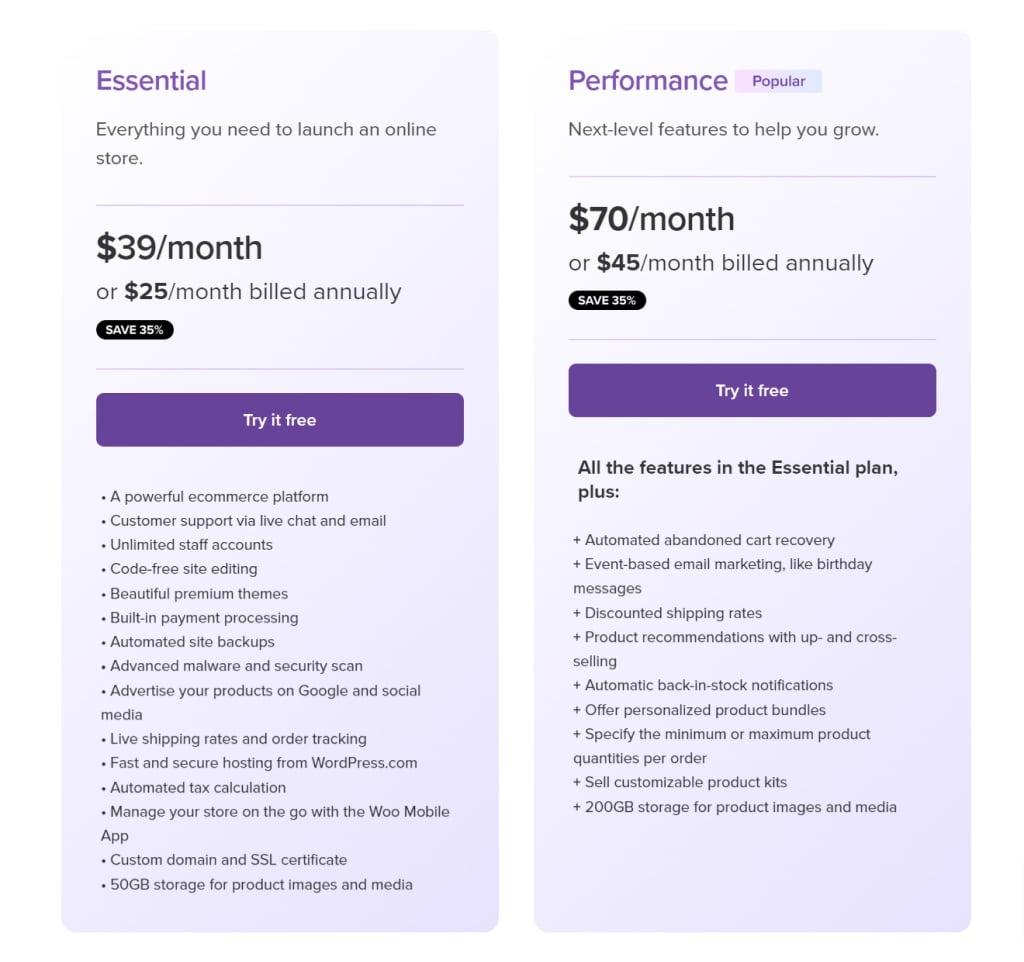
Choosing the perfect ecommerce platform is crucial for the success of your online store. Different platforms have varying costs, both in terms of initial setup and ongoing maintenance. Some popular ecommerce platforms include Shopify, WooCommerce, Magento, and BigCommerce. Each platform has its own set of features, scalability, and pricing structure. Researching and comparing platforms can assist you make an informed decision that aligns with your budget and business requirements.

Integration with Payment Gateways

Integrating your ecommerce website with payment gateways is essential for processing online transactions securely. However, different payment gateways have different pricing models and transaction fees. Some ecommerce platforms offer built-in payment gateway integrations, while others may require custom development or third-party plugins. It’s important to consider the costs associated with payment gateway integration when planning your budget.

Content Management System (CMS)

A strong and user-friendly content management system (CMS) is crucial for managing your ecommerce website effectively. While some ecommerce platforms come with built-in CMS functionality, others may require additional customization or integration with popular CMS platforms like WordPress or Drupal. The complexity of the CMS setup and any required customizations can influence the development costs.

Mobile Responsiveness

With the rising number of users accessing the internet through mobile devices, having a mobile-responsive website is essential. Mobile responsiveness make sure that your website adapts seamlessly to different screen sizes, providing an optimal user experience. Developing a mobile-responsive website may require additional design and development work, which can impact the overall costs.

SEO Optimization

Search Engine Optimization (SEO) plays a vital role in driving huge organic traffic to your ecommerce website. Optimizing your website for search engines requires careful consideration of factors such as keyword research, on-page optimization, site speed, and mobile-friendliness. While some ecommerce platforms offer built-in SEO features, additional SEO customization or ongoing optimization efforts may be required. It’s important to factor in the costs associated with SEO when planning your website development budget.

Understanding these factors that affect website development costs will assist you make informed decisions and set realistic expectations for your ecommerce store. In the next section, we will break down the costs involved in ecommerce website development, allowing you to plan your budget more effectively.

Cost Breakdown

When it comes to ecommerce website development, understanding the breakdown of costs is crucial for store owners looking to establish a successful online presence. By knowing where your money is going, you can make informed decisions and allocate your budget effectively. Let’s dive into the various components that contribute to the overall website development costs.

Domain and Hosting

Every website needs a domain and hosting to be accessible on the internet. A domain is your website’s unique address, while hosting involves storing your website’s files on a server. The cost of a domain can change depending on factors such as the domain extension (.com, .net, .org) and its popularity. Similarly, hosting costs can vary based on factors like server resources, bandwidth, and security features. It’s crucial to choose a reliable hosting provider that offers good performance and customer support.

Web Design and Development

The web design and development phase is where your website takes shape. This includes creating the visual layout, user interface, and overall functionality of your ecommerce store. The complexity of your desired design, customizations, and the number of pages required can impact the cost. Hiring a website development company can ensure professional results, but it may come at a higher cost. However, investing in quality design and development can lead to a more user-friendly and visually appealing website, ultimately benefiting your business in the long run.

Ecommerce Platform and Plugins

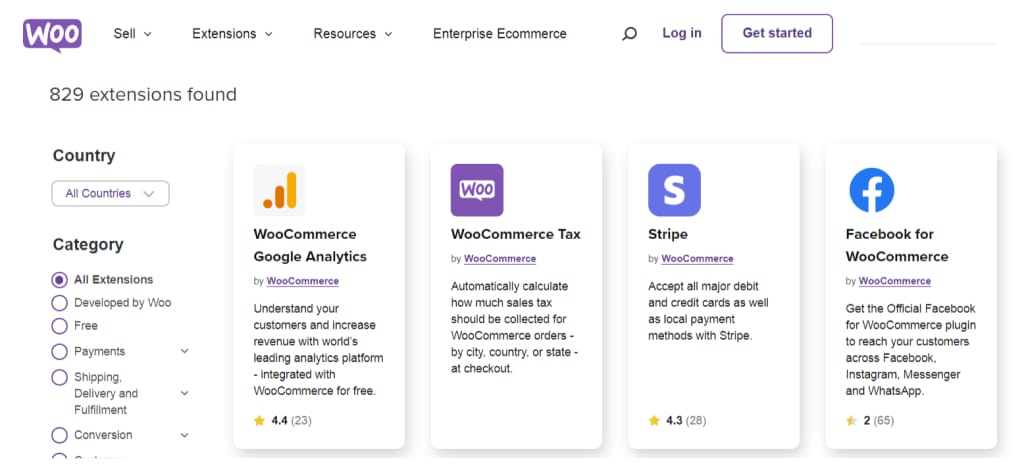
Choosing the suitable ecommerce platform is crucial for your online store’s success. Popular options like Shopify, WooCommerce, or Magento offer different features and pricing structures. While some are free, some make you pay monthly or take some of your sales money. Also, when you’re working with Shopify website development or Magento website development, you often use extra tools called plugins or extensions. These plugins add special things to your online shop, like helping you manage how much stuff you have or connecting with email marketing. Some of these tools are free, but some you have to pay for, and the cost changes depending on what exactly you need.

Payment Gateway Integration

Enabling smooth and secure transactions on your ecommerce website requires payment gateway integration. Payment gateways are services that facilitate online payments, such as PayPal or Stripe. While some platforms provide built-in payment gateways, others may require additional integration steps. Each payment gateway has its own fee structure, usually involving a percentage of each transaction or a fixed fee. Researching and comparing different payment gateways is important to find the one that best suits your business needs.

SSL Certificate

 It’s essential to have an SSL certificate to ensure the security of your customer’s personal and financial information. This certificate encrypts data transmitted between your website and visitors’ browsers, providing a secure connection. SSL certificates are offered by various providers and can range in price based on the level of security and the type of validation required. Investing in an SSL certificate protects your customers and enhances your website’s credibility.

Maintenance and Updates

Once your ecommerce website is up and running ongoing maintenance and updates are required to keep it functioning smoothly and securely. This includes regular software updates, bug fixes, security patches, and backups. While some website development services may include maintenance as part of their package, others may charge an additional fee. It’s important to factor in these costs as they contribute to your online store’s long-term sustainability and performance.

Marketing and SEO

Building a successful ecommerce business goes beyond the development phase. Marketing and SEO are crucial components for driving traffic and increasing sales. Allocating a portion of your budget to marketing strategies like social media advertising, content creation, and search engine optimization is essential for reaching your target audience. Whether you choose to handle marketing in-house or hire professionals, it’s important to consider these ongoing costs to ensure the growth and visibility of your ecommerce store.

Understanding the cost breakdown of ecommerce website development allows you to make right decisions about where to allocate your budget. You can optimize your expenses by prioritizing your needs, considering open-source solutions, and comparing service providers while still achieving a high-quality online presence. Remember, planning your budget and setting realistic expectations are key to successfully launching and maintaining your ecommerce store.

Ways to Reduce Website Development Costs

As an ecommerce site owner, it is crucial to find ways to optimize your website development costs without compromising on quality. By implementing smart strategies, you can reduce expenses while still achieving a professional and visually appealing online presence. Here are some effective ways to cut down on website development costs:

Prioritize Your Needs

Before diving into the website development process, take the time to identify and prioritize your needs. Determine the essential features and functionalities that are crucial for your ecommerce store. By focusing on the must-haves, you can avoid unnecessary expenses associated with extravagant design elements or complex customizations. Remember, simplicity can be just as effective as complexity in ecommerce websites.

Use Templates or Themes

Utilizing pre-designed templates or themes can be a game-changer in cost savings. These ready-to-use designs offer a wide range of visually appealing options that can be easily customized to align with your brand identity. This approach reduces the time and effort required for website development and minimizes the expenses associated with hiring web designers. Many ecommerce platforms and content management systems (CMS) offer templates or themes suitable for various industries and niches.

Consider Open-Source Solutions

Open-source solutions can be a fantastic resource for cost-conscious ecommerce store owners. By leveraging open-source platforms like WordPress, Magento, or WooCommerce, you gain access to a plethora of free or affordable plugins, themes, and extensions. These resources are created and maintained by a vibrant community of developers worldwide, ensuring continuous updates and improvements. Open-source solutions provide a cost-effective way to build a robust and scalable ecommerce website.

DIY vs. Hiring Professionals

Deciding whether to develop your ecommerce website yourself or hire professionals requires careful consideration. While opting for a do-it-yourself (DIY) approach may seem appealing to save costs, evaluating your technical expertise and the complexity of your project is essential. Developing a website from scratch involves multiple aspects, such as coding, design, and optimization, which might require professional expertise. Hiring the best eCommerce website development company with experience in ecommerce website development can ensure a smooth and seamless process, saving you time, effort, and potential pitfalls in the long run.

Research and Compare Service Providers

Regarding website development services, it’s crucial to research and compare different service providers to find the best fit for your needs and budget. Take the time to explore various options, read customer reviews, and evaluate their portfolio. By comparing prices, services, and customer feedback, you can make an informed decision and potentially find cost-effective website development services that align with your requirements.

These cost-saving strategies can help you optimize your budget while creating a professional and user-friendly ecommerce website. Remember, it’s important to balance functionality, aesthetics, and affordability. You can achieve a successful online presence without breaking the bank with the right approach.

Planning Your Budget

Once you clearly understand the factors that affect website development costs for your ecommerce store, it’s time to plan your budget accordingly. This crucial step will help you set realistic expectations and allocate funds effectively to different aspects of your website development project.

Setting Realistic Expectations

When planning your budget, it’s essential to set realistic expectations. Understand that building a high-quality ecommerce website requires significant time, effort, and resources. Remember that cutting corners or opting for the cheapest options may not yield the desired results.

Consider the long-term benefits of investing in a well-designed and fully functional website. Remember that your online store will be the face of your business in the digital world. It should reflect your brand identity, engage your target audience, and drive conversions. Setting realistic expectations ensures you have a clear vision of what you want to achieve and are prepared to invest accordingly.

Allocating Funds for Different Aspects

To effectively allocate funds for your website development project, you must understand the different aspects that require financial consideration. Here are some key areas where you should allocate your budget:

  1. Domain and Hosting: Securing a domain name and reliable hosting services is the foundation of your online presence.
  2. Web Design and Development: Investing in professional website design and development ensures an aesthetically pleasing and user-friendly interface.
  3. Ecommerce Platform and Plugins: Choosing the right ecommerce platform and necessary plugins is crucial for seamless online transactions and inventory management.
  4. Payment Gateway Integration: Allocating funds for secure payment gateway integration is essential to ensure smooth and safe online transactions for your customers.
  5. SSL Certificate: Investing in an SSL certificate guarantees data encryption and builds customer trust.
  6. Maintenance and Updates: Ongoing maintenance and updates are necessary to keep your website secure, functional, and up to date.
  7. Marketing and SEO: Allocating funds for marketing and SEO efforts will help drive traffic, increase visibility, and grow your online business.

It’s important to note that the allocation of funds may vary depending on the specific needs and priorities of your ecommerce store. Conduct thorough research, consult with experts, and evaluate each aspect’s potential return on investment before making decisions.

Anticipating Future Costs

When planning your budget, it’s crucial to anticipate future costs that may arise after the initial website development phase. These costs may include:

  • Upgrades and Enhancements: As your business grows, you may need to invest in additional features, functionality, or design enhancements to meet evolving customer needs.
  • Scaling and Hosting: If your website experiences increased traffic or expand to new markets, you may need to upgrade your hosting plan to accommodate the growth.
  • Security Measures: As cyber threats evolve, you may require to invest in additional security measures to protect your website and customer data.
  • Content Updates: Regularly updating fresh content on your your website is essential for interacting your audience and improving search engine rankings. Anticipate the need for ongoing content creation or outsourcing.

By anticipating these future costs, you can plan your budget more effectively and ensure that you have the necessary resources to support the growth and success of your ecommerce store.

In conclusion, planning your budget for website development is a critical step for ecommerce store owners. By setting realistic expectations, allocating funds strategically, and anticipating future costs, you can confidently navigate the process and ensure your online business’s successful launch and growth.

If you need assistance with website development services, consider reaching out to a reliable website development company. They can provide professional guidance and expertise tailored to your specific needs.

Understanding the costs associated with ecommerce website development is crucial for store owners who want to establish a successful online presence. By comprehending the various factors that impact website development costs, such as complexity, design, functionality, and platform selection, store owners can make informed decisions that align with their budget and business goals.

To break down the costs, it is essential to consider different aspects of the website development process. This includes domain and hosting, web design and development, ecommerce platforms and plugins, payment gateway integration, SSL certificate, maintenance, updates, and marketing and SEO efforts. By understanding these cost components, store owners can allocate their budget effectively and avoid unexpected expenses.

There are several strategies that ecommerce store owners can employ to reduce website development costs. Prioritizing needs, utilizing templates or themes, considering open-source solutions, and carefully deciding between DIY and hiring professionals are all viable options. Additionally, conducting thorough research and comparing service providers can help store owners find cost-effective website development services that meet their requirements.

Planning a realistic budget is crucial to ensure the success of an ecommerce website. Store owners should set realistic expectations and allocate funds for different aspects of website development, such as design, functionality, security, and marketing. It is also important to anticipate future costs, such as ongoing maintenance and updates and potential expansion requirements.

By understanding the costs and planning their budget accordingly, ecommerce store owners can confidently embark on their website development journey. With a well-designed and functional website, they can attract more customers, increase sales, and establish a strong online presence. Remember, the right website development company can be a valuable partner in this process, providing expertise and guidance to help store owners achieve their goals.

So, whether you are a small business owner venturing into ecommerce or an established store owner looking to enhance your online presence, investing in professional website development services is a crucial step towards success in the digital world. Start your ecommerce website development journey today and unlock the potential for growth and profitability.


Choosing the Best Ecommerce Website Development Company: A Guide

Importance of selecting the right ecommerce website development company

In today’s digital age, having a strong online presence is crucial for any business, especially for ecommerce store owners. With the increasing popularity of online shopping, it is essential to have a well-designed and functional website that can attract customers and drive sales. Choosing the best ecommerce website development company is a decision that should not be taken lightly. It can make all the difference between a successful online venture and a mediocre one.

A reputable website development company possesses the skills and expertise to create a website tailored to your specific business needs. They understand the unique challenges faced by ecommerce businesses and can provide solutions that help you stand out from the competition. From user-friendly interfaces to secure payment gateways, a professional website development company can bring your vision to life.

One of the key reasons why choosing the best ecommerce website development company is so important is because it directly impacts the success and growth of your online business. A well-designed website not only enhances the user experience but also builds trust and credibility among your target audience. A poorly designed website, on the other hand, can drive potential customers away and leave a negative impression.

Moreover, an experienced ecommerce website development company can help you stay ahead of the curve by keeping up with the latest trends and technologies. They are well-versed in responsive design, mobile optimization, and search engine optimization (SEO), ensuring that your website is not only visually appealing but also easily accessible and discoverable by search engines.

Another aspect to consider is customization and scalability. As your business grows, your website should be able to accommodate new features and functionalities. By choosing the right website development company, you can ensure that your website is flexible and scalable, allowing for future expansion and adaptation to changing market dynamics.

Furthermore, budget plays a significant role in the decision-making process. While it is important to find a website development company that fits within your budget, it is equally important to consider the long-term benefits and return on investment. A low-cost web development service may seem appealing initially, but it may lack the expertise and resources required to deliver a high-quality website that drives results. Investing in a professional website development company ensures that you receive a website that not only meets your requirements but also delivers tangible business outcomes.

Choosing the right ecommerce website development company is a critical step in establishing a successful online presence. It can make or break your online business, impacting your brand reputation, customer experience, and ultimately, your bottom line. By partnering with a knowledgeable and experienced website development company, you can create a website that not only meets your current needs but also sets the foundation for future growth and success.

Factors to Consider When Choosing a Website Development Company

When building your online presence and establishing a successful ecommerce store, choosing the right website development company is crucial. The expertise and skill of the development team can make all the difference in ensuring a smooth and practical online shopping experience for your customers. To help you make an informed decision, let’s explore key factors to consider when finalizing a website development company.

Experience and Expertise

One of the first factors to consider is the experience and expertise of the company. Look for a team with a verified track record in ecommerce website development and a deep understanding of the industry. An experienced company will have an ocean of knowledge and insights that can be invaluable in creating a successful online store.

Portfolio and Previous Work

Another essential aspect to consider is the company’s portfolio and previous work. Take the time to review their past projects and see if their design aesthetic aligns with your vision. Please pay close attention to the functionality and user experience of the websites they have developed. This will give you a good idea of their capabilities and whether they can deliver the desired quality.

Customization and Scalability

A website development company should also offer customization and scalability options to meet your unique business needs. Your ecommerce store should be able to adapt and grow as your business expands. Look for a company that can easily accommodate future enhancements and updates and build a flexible website.

Technology and Platform

The technology and platform used by the development company is another crucial consideration. Ensure they are proficient in the latest ecommerce technologies and have experience working with your preferred platform. Whether you choose Shopify, Magento, or another platform, a skilled development team can leverage the features and functionalities to enhance your online store.

Budget and Pricing

While it’s essential to find a website development company that meets your budget, it’s equally important to consider the value of your investment. Avoid making a decision solely based on the lowest price. Instead, focus on the quality of their work, the level of support they provide, and the overall value they can bring to your ecommerce business. Consider the long-term advantages and potential return on investment when evaluating the pricing structure.

Support and Maintenance

Last but not least, consider the support and maintenance services offered by the website development company. Building an ecommerce store is challenging; it requires ongoing support and regular updates. Ensure that the company provides reliable support and maintenance services to address any technical issues that may arise. Knowing that your online store is in good hands will give you peace of mind.

By carefully considering these factors, it will help you find a website development company that will perfectly fit your ecommerce business. Remember to define your requirements, research and shortlist potential companies, evaluate portfolios, request proposals, conduct interviews, and consider the budget and timeline before making your final decision.

With the right website development company by your side, you can create a visually stunning, user-friendly, and highly functional ecommerce store that will attract and retain customers, ultimately driving the success of your online business.  

Click here to learn more about ecommerce website development.

Click here to learn about website development costs.

Click here to learn more about website design and development.

Click here to learn about website development for small businesses.

Click here to explore our website development services.

Choosing The Popular CMS for Your eCommerce Website Development

Choosing the ideal Content Management System (CMS) is pivotal to your online success when developing an eCommerce website. Two prominent options that stand out are Shopify and Magento.

Shopify offers an intuitive interface, an array of customizable templates, and a user-friendly experience. With Shopify Experts, you can harness their expertise to create a visually stunning and functional online store that caters to your business needs.

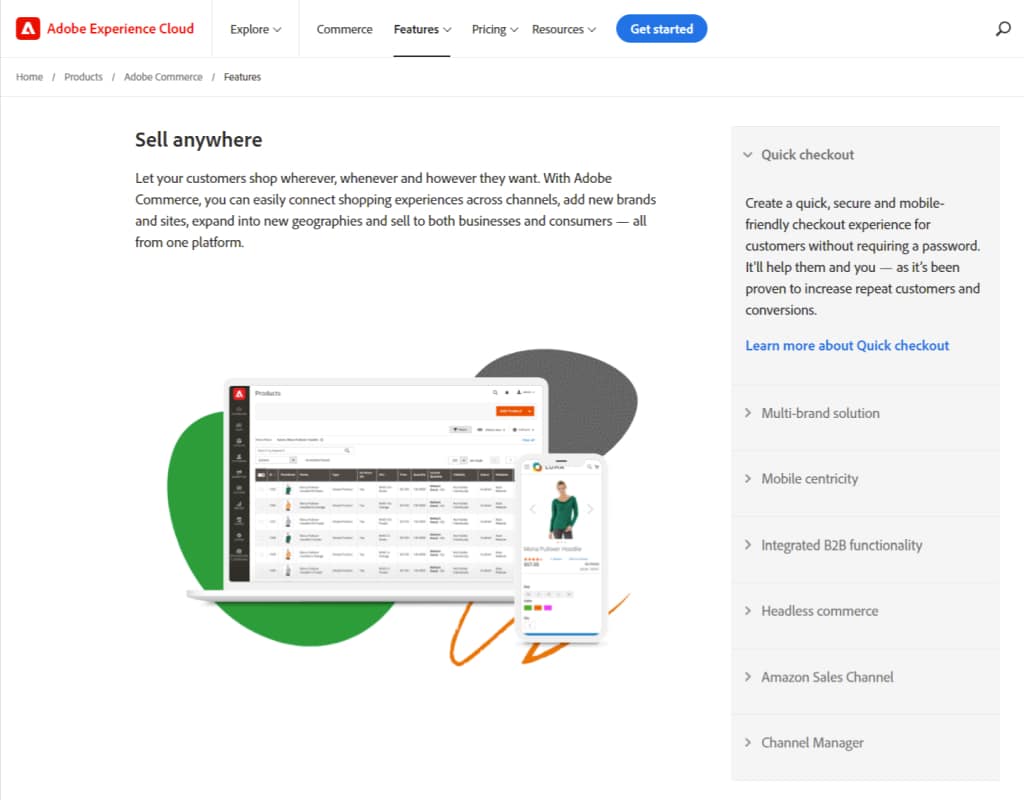
On the other hand, Magento provides a robust and versatile platform for eCommerce ventures. Magento provides unparalleled flexibility and scalability, making it suitable for businesses of all sizes. Hiring Magento development services allows you to create intricate and tailored online stores that handle large product catalogues and complex functionalities.

Beyond these, there are other popular eCommerce CMS options available:

  • WooCommerce
  • BigCommerce
  • Wix eCommerce
  • Squarespace Commerce
  • OpenCart
  • Weebly eCommerce

Consider your requirements and objectives when choosing the right CMS for your eCommerce venture.

Questions to Ask Potential Website Development Companies

When choosing a website development company for your ecommerce store, it’s essential to ask the right questions to ensure they fit your business. Here are some critical questions to ask potential website development companies:

How long have you been in business?

Knowing the company’s experience is crucial in evaluating its credibility and expertise. Inquire about their years in the industry, as this can give you a sense of their stability and track record. While a newly-established company might bring fresh ideas and innovative approaches, a more seasoned company may have a deeper understanding of the nuances of ecommerce website development.

Can you provide samples of ecommerce websites you have developed?

Seeing real-life examples of the company’s work is an excellent way to assess its capabilities. Request a portfolio of ecommerce websites they have developed in the past. This will give you a glimpse into their design aesthetics, functionality, and user experience. Please pay attention to the overall look and feel of the websites, as well as their responsiveness and ease of navigation.

What platforms and technologies do you specialize in?

Different ecommerce platforms and technologies offer varying features and functionalities. Ensuring that the website development company you choose specializes in the forum that aligns with your business goals is crucial. Ask about their expertise in media such as Shopify, WooCommerce, Magento, or any other platform you consider. Additionally, inquire about their website development technologies, such as HTML5, CSS, JavaScript, and responsive design.

How do you handle customization and scalability?

Every ecommerce business has unique requirements and aspirations. Understanding how the website development company approaches customization and scalability is essential. Inquire about their process for tailoring websites to meet specific business needs. Ask if they have experience in implementing custom features and functionalities. Additionally, discuss how they ensure the website can scale as your business grows, accommodating increased traffic and product offerings.

What is your pricing structure?

Understanding the pricing structure is essential to avoid surprises and ensure it fits within your budget. Ask for a breakdown of their pricing, including the initial development cost, ongoing maintenance, and additional features or services. Inquire about any hidden fees or additional charges that may arise during development. This will help you make a well-informed decision based on the quality of their work and your financial considerations.

What kind of support and maintenance do you offer?

A well-functioning ecommerce website requires ongoing support and maintenance to fix bugs, perform updates, and ensure security. Ask about the company’s support and maintenance services. Inquire about their response time for resolving issues and how they handle emergencies. Additionally, discuss the availability of regular backups, performance monitoring, and security measures to protect your customers’ data.

These questions give you valuable insights into potential website development companies’ capabilities, expertise, and compatibility. Remember, choosing the right partner for your ecommerce website development is crucial for the success of your online store.

To learn more about ecommerce website development, check out our comprehensive guide on ecommerce website development. If you’re curious about the cost of website development, we have a detailed article on website development costs.

Steps to Choose the Right Website Development Company

When choosing the right website development company for your ecommerce store, there are several crucial steps to follow. This section will guide you through the process, ensuring you make an informed decision that is suitable for your business goals and requirements.

Define Your Requirements

Before you begin your search for a website development company, it is essential to have a clear understanding of your requirements. Take some time to outline your vision for your ecommerce website. Consider design, functionality, user experience, and target audience. By defining your requirements upfront, you can effectively communicate your expectations to potential development companies.

Research and Shortlist

Once you have a clear idea of your requirements, it’s time to start researching and shortlisting potential website development companies. Conduct a thorough online search, exploring companies specializing in ecommerce website development. Look for companies with a strong reputation and a verified record of delivering successful projects. Read reviews, check their online presence, and seek recommendations from trusted sources within your industry.

Evaluate Portfolios and Case Studies

As you narrow down your list of potential website development companies, evaluating their portfolios and case studies is crucial. Take the time to review their previous work and assess the quality, creativity, and functionality of the ecommerce websites they have developed. This step will give you valuable insights into their capabilities and whether their design and development style aligns with your vision.

Request Proposals and Quotes

Once you have a shortlist of website development companies that meet your criteria, it’s time to request proposals and quotes. Reach out to each company and give them a detailed overview of your project requirements. Ask for a comprehensive proposal that outlines the scope of work, timelines, and pricing structure. This step will help you compare and evaluate each company’s offerings and determine which best fits your budget and timeline.

Conduct Interviews and Ask Questions

Conducting interviews and asking pertinent questions is essential to gain a deeper understanding of each website development company’s expertise and approach. Schedule meetings or phone calls with the shortlisted companies and inquire about their experience, technology specialization, and how they handle customization and scalability. Ask for references and examples of their ecommerce website development projects. This step will allow you to assess their communication skills, professionalism, and ability to meet your needs.

Consider Budget and Timeline

As you weigh your options, it’s crucial to consider your budget and timeline. While choosing the most affordable option is tempting, remember that quality and expertise often come at a price. Website development cost should not be the sole determining factor. Instead, focus on finding a company that balances affordability and the ability to deliver a high-quality ecommerce website within your desired timeframe.

Make an Informed Decision

After completing all the previous steps, it’s time to make an informed decision. Consider all your gathered information, including portfolios, proposals, interviews, and budget considerations. Choose the website development company that best aligns with your requirements, vision, and budget. Remember that this decision will significantly impact the success of your ecommerce store, so take the time to make the right choice.

By following these steps, you will be well on your way to finding the right website development company to bring your ecommerce vision to life. Remember, thorough research, careful evaluation, and clear communication are the keys to making an informed decision that will set your online business up for success.

Final Thoughts

In the fast-paced world of ecommerce, choosing the right website development company is vital for the success of your online store. It can make all the difference in creating a seamless user experience, driving sales, and staying ahead of the competition. As an ecommerce store owner, you need a partner who understands your vision, possesses the technical expertise, and can bring your ideas to life.

In conclusion, choosing the right website development company is vital in establishing a strong online presence for your ecommerce store. It’s an expenditure that can yield significant returns if done wisely. Take the time to define your requirements, research and shortlist potential companies, evaluate their portfolios, ask relevant questions, consider budget and timeline, and make an informed decision. With the right website development partner, you can create a powerful online platform that attracts customers, drives sales, and propels your business to new heights.

For more information on ecommerce website development, website development cost, website design and development, website development for small businesses, and website development services, please visit Chetaru.

Optimizing Tags: Best Practices for Improved Search Engine Visibility

Search engine optimization (SEO) is crucial to growing your business online in today’s digital landscape. One important task is implementing effective tactics to enhance your website’s visibility in search engine results and draw in natural traffic. Among the critical elements of effective SEO are meta tags.

In this comprehensive blog post, we will delve deeper into the impact of meta and title tags on search engine rankings and discuss how they contribute to your online visibility and business growth.

Understanding Meta Tags

Meta tags are small pieces of HTML code that give relevant information about a webpage to search engines. They serve as signals to search engine algorithms, helping them understand the content and purpose of your webpage. While there are different types of meta tags, some of the most common ones include meta descriptions, keywords, robot directives, and viewport tags for responsive design.

Title Tag 

The title tag is a crucial HTML element that indicates the title of a webpage. It plays a critical role in on-page SEO by helping search engines comprehend the page’s topic and significance. The title tag appears in the browser’s title bar, which is the topmost section of the browser window, and it also serves as the clickable headline in search engine results pages (SERPs). Having unique and descriptive title tags for every page is crucial to enhance your website’s visibility in search engine rankings. These tags should accurately reflect the page’s content and include relevant keywords.

Impact of Meta Title Tag on Search Engine Ranking

Having a well-crafted title tag can significantly impact your search engine ranking. Improving your website’s visibility and search engine ranking can be achieved by helping search engines understand your web page’s topic and relevance. One way to do this is by including relevant keywords and creating descriptive titles. This can increase the chances of ranking higher on search engine results pages (SERPs), leading to more user clicks.

Effective Writing of title tags

  • Be concise: Keep the title tag within recommended character limits (around 60-70 characters) to ensure it is fully displayed in search engine results.
  • Include relevant keywords: Incorporate targeted keywords that accurately represent the page content and match user search queries.
  • Make it compelling: Craft a compelling title that captures attention, piques curiosity, and entices users to click on your search result.

Avoid common mistakes using Title tags.

  1. Duplicate titles: Each page on your website should have a unique title tag. Please avoid using the same title tag for multiple pages as it can confuse search engines and users. Each page should have a distinct title that accurately reflects its content.
  2. Keyword stuffing: Avoid stuffing your title tag with excessive keywords. While it’s important to include relevant keywords, overloading the title tag with too many keywords can make it look spammy and harm your search engine rankings. Focus on creating a concise, descriptive title that effectively represents the page’s content.
  3. Irrelevant titles: Ensure the title tag accurately reflects the page’s content. Misleading or unrelated titles can confuse users and negatively impact their experience on your website. The title should clearly indicate what the page is about, helping users understand its relevance to their search query.
  4. Ignoring character limits: Stick to the recommended character limits for title tags, typically around 60-70 characters. Search engines may truncate titles that exceed these limits, cutting off important information and diminishing the impact of your title tag. Keep your titles concise and engaging within the allowed space.
  5. Overlooking branding opportunities: Title tags allow incorporating your brand name. Including your brand in the title tag can help improve brand recognition and reinforce your website’s identity. However, avoid placing the brand name at the beginning of every title tag, as it may diminish the visibility of important keywords.
  6. Lack of user relevance: Consider the user’s perspective when crafting title tags. The title should not only be optimized for search engines but also be compelling and relevant to users. It should accurately represent the page’s content and entice users to click on your search result.
  7. Poor grammar and spelling: Ensure your title tags are free of grammatical and spelling errors. Mistakes in the title tag can create a negative impression, affecting both user experience and search engine rankings. Proofread and double-check your title tags before publishing them.

Meta Description Tag

The meta description tag is an HTML element that briefly summarizes the webpage’s content. Although it doesn’t directly impact search engine rankings, it significantly influences click-through rates from the SERPs. A well-crafted meta description can entice users to click on your search result by providing a concise and compelling overview of what the page offers. It should accurately represent the content and purpose of the page while incorporating relevant keywords to further attract users’ attention. Keeping the meta description under a recommended character limit (usually around 150-160 characters) ensures the entire description is visible in the search results.

Impact of Meta Description Tag on Search Engine Ranking

While the meta description tag doesn’t directly impact search engine ranking, it can influence click-through rates. A well-written and compelling meta description can entice users to click on your search result, indirectly impacting your website’s visibility and traffic. Higher click-through rates may send positive signals to search engines, indicating that your page is relevant and valuable to users, potentially leading to improved search engine ranking.

Effective Writing of Meta Description tags

  • Be concise and informative: Write a concise summary (around 150-160 characters) that accurately describes the page’s content and entices users to learn more.
  • Include relevant keywords: Incorporate targeted keywords naturally in the description to align with user search queries.
  • Highlight unique selling points: Showcase the page’s content’s unique aspects, benefits, or value proposition to differentiate it from other search results.
  • Call to action: Consider including a clear call to action (CTA) that encourages users to click and visit your webpage.

Avoid common mistakes using Meta description tags.

  1. Missing or empty meta descriptions: One of the most common mistakes is not including a meta description or leaving it empty. A well-crafted meta description helps users understand the content of the page. It encourages them to click on your search result. Make sure to provide a concise and informative meta-description for each page.
  2. Keyword stuffing: Avoid stuffing your meta description with excessive keywords. While it’s important to include relevant keywords, overloading the meta description with too many keywords can make it look spammy and harm your search engine rankings. Focus on creating a natural and compelling description that accurately represents the page’s content.
  3. Irrelevant or misleading descriptions: Ensure the meta description accurately reflects the page’s content. Misleading or unrelated descriptions can mislead users and negatively impact their experience on your website. The meta description should provide a clear and concise summary of what the page offers.
  4. Ignoring character limits: Stick to the recommended character limits for meta descriptions, typically around 150-160 characters. Search engines may truncate descriptions that exceed these limits, cutting off important information and reducing the impact of your meta description. Keep your descriptions concise, informative, and engaging within the allowed space.
  5. Lack of uniqueness: Each meta description should be unique to its specific page. Avoid duplicating meta descriptions across multiple pages, as it can confuse search engines and users. Craft unique and relevant descriptions that accurately reflect the content and purpose of each page.
  6. Not including a call to action: A well-written meta description can include a call to action (CTA) that encourages users to click on your search result. Adding phrases like “Learn more,” “Discover,” or “Get started” can help generate interest and increase click-through rates.
  7. Neglecting to review and update: Regularly review and update your meta descriptions to ensure they align with the current content of your pages. Outdated or inaccurate meta descriptions can create a poor user experience and affect search engine rankings. Keep your meta descriptions updated and reflective of the page’s content.

Meta Keywords Tag

The meta keywords tag is an HTML element that used to be popular for indicating relevant keywords for a webpage. In the past, search engines relied heavily on this tag to understand the content and topic of a page. However, due to abuse and keyword stuffing, search engines have evolved to rely more on the contextual analysis of the page’s content. As a result, the significance of the meta keywords tag has significantly diminished. Most major search engines now give little to no importance to this tag when determining search rankings. Instead of relying only on meta keywords, it is recommended to concentrate on creating high-quality and relevant content.

Impact of Meta Keyword Tag on Search Engine Ranking

The meta keywords tag used to play a role in search engine ranking, but its significance has diminished over time. Major search engines now rely more on the contextual analysis of page content rather than the meta keywords tag. As a result, the impact of the meta keywords tag on search engine ranking is minimal or negligible. Focusing on creating high-quality, relevant content and optimizing other on-page factors for improved ranking is generally more effective.

Effective Use Of Meta Keyword Tag

Meta keywords tag is less important for search engine ranking, you can still include relevant keywords that reflect the page’s content. However, prioritize creating high-quality content and optimizing other on-page factors for better search engine visibility.

Avoid common mistakes using Meta Keywords Tag.

  1. Keyword stuffing: One common mistake is overloading the meta keywords tag with excessive keywords. This practice can make your website appear spammy and negatively impact your search engine rankings. Instead, focus on using relevant and targeted keywords that accurately reflect the content of your page.
  2. Irrelevant or unrelated keywords: It’s important to ensure that the keywords you use in the meta keywords tag are relevant to your page’s content to avoid confusion for search engines and users. Adding unrelated or irrelevant keywords can help your rankings and create a better user experience.
  3. Neglecting other SEO factors: While the meta keywords tag was once considered important for SEO, search engines now rely more on contextual analysis of your page content to determine its relevance to user queries. As a result, placing too much emphasis on the meta keywords tag and neglecting other crucial SEO factors, such as high-quality content and proper optimization, can hinder your overall search engine visibility.
  4. Not focusing on user intent: When selecting keywords for the meta keywords tag, it’s important to consider the intent of your target audience. Choose keywords that align with the search queries users are likely to enter when looking for content similar to yours. By understanding user intent, you can optimize your website to match their needs and improve your chances of attracting relevant organic traffic.

Meta Robots Tag

The meta robots tag is an HTML element instructing search engine crawlers to handle a webpage. It provides directives that tell search engines whether the page should be indexed, followed, or ignored. The commonly used directives include:

  • “index”: This directive allows search engines to include the page in their index, making it eligible to appear in search results.
  • “follow”: This directive allows search engine bots to follow links on the page and crawl other linked pages.
  • “noindex”: This directive tells search engines not to include the page in their index, preventing it from appearing in search results.
  • “nofollow”: This directive instructs search engines not to follow links on the page, preventing bots from crawling the linked pages.

These directives can be used individually or in combination to suit specific requirements. For example, if you have a page that you want to hide from search results, you can use the “noindex” directive. Conversely, you can use the “nofollow” directive if you have a page you don’t want to be crawled.

Impact of Meta Robot Tag on Search Engine Ranking

The meta robots tag can indirectly impact search engine ranking by controlling how search engine crawlers interact with your webpage. By properly using directives like “index,” “follow,” “noindex,” or “nofollow,” you can influence whether search engines include your page in their index or follow the links on your page. These directives help ensure that search engines correctly understand and evaluate your page’s content, which can affect your ranking position in the search results.

Effective Use of Meta Robot Tag

  • Use appropriate directives: Ensure the meta robots tag instructs search engines correctly, indicating whether the page should be indexed, followed, or ignored.
  • Optimize crawl budget: For pages with low importance or duplicate content, consider using directives like “noindex” or “nofollow” to conserve the crawl budget for more important pages.

Avoid common mistakes using Meta Robots Tag.

  1. Incorrect usage of directives: The meta robots tag uses directives to instruct search engine crawlers on how to handle a webpage. Common mistakes include misusing or incorrectly implementing these directives. Ensure that you understand the purpose and correct syntax of each directive (such as “index,” “follow,” “noindex,” and “nofollow”) before using them.
  2. Forgetting to set a default behavior: If you don’t specify any directives in the meta robots tag, search engines will generally default to indexing and following the page. However, in some cases, you should explicitly set the desired behavior to avoid any ambiguity. Include appropriate directives to define how search engines should handle your page.
  3. Using conflicting or contradictory directives: Avoid using conflicting directives within the same meta robots tag or across different pages. Conflicting directives can confuse search engines and result in unintended consequences. Ensure consistency in directive usage across your website to provide clear instructions to search engine crawlers.
  4. Neglecting to include a meta robots tag: While search engines typically default to indexing and following pages, including a meta robots tag can provide explicit instructions. Neglecting to include a meta robots tag can lead to search engines indexing pages or following links that you may want to avoid being indexed or followed.
  5. Overusing “noindex” or “nofollow” directives: While the “noindex” directive instructs search engines not to index a page, and the “nofollow” directive tells them not to follow links on a page, overusing these directives can negatively impact your website’s visibility. Use these directives sparingly and only when necessary to prevent indexing or following specific pages or links.
  6. Failing to review and update directives: Regularly review and update your meta robots directives to ensure they align with your pages’ current content and purpose. Over time, your website’s structure or content may change, and certain pages may need to be indexed or excluded. Stay proactive in managing your meta robots directives to optimize your website’s search engine visibility.

Canonical Tag

The canonical tag is an HTML element used to specify the preferred version of a webpage when multiple versions of the same content exist. Duplicate content can negatively impact search engine rankings, as search engines may need help determining which version to display in the search results. The canonical tag helps solve this issue by indicating to search engines which version of the page should be considered the authoritative or primary version. When multiple URLs have similar or identical content, the canonical tag is placed on the preferred version, pointing search engines to the URL that should be prioritized for indexing and ranking purposes. This consolidation of ranking signals helps search engines understand the most relevant page to display in the search results, improving overall SEO effectiveness.

Impact of Canonical Tag on Search Engine Ranking

The canonical tag is crucial for managing duplicate content issues, which can negatively impact search engine ranking. By specifying the preferred version of a webpage with the canonical tag, you consolidate the ranking signals to a single URL. This helps search engines understand which version of the content should be considered authoritative and displayed in the search results. By avoiding duplicate content penalties and ensuring the proper indexing of your preferred page, the canonical tag indirectly contributes to better search engine ranking.

Effective Use of Meta Robot Tag

Specify the preferred version: Use the canonical tag to indicate the preferred URL when multiple versions of the same content exist. This helps search engines understand which version to prioritize for indexing and ranking.

Avoid common mistakes using Canonical Tag.

  1. Missing or incorrect canonical tag: One of the most common mistakes is not including a canonical tag or using it incorrectly. The canonical tag is used to specify the preferred version of a webpage when multiple versions of the same content exist. Ensure that you include a canonical tag on each page and that the specified canonical URL is accurate and points to the preferred version of the content.
  2. Self-referencing canonical tag: Avoid using the canonical tag to reference the same page it appears on. This mistake can create a loop and confuse search engines, potentially resulting in indexing and ranking issues. The canonical tag should indicate the preferred version of a page, so make sure it references a different URL if multiple versions of the content exist.
  3. Ignoring different content: The canonical tag should address cases where you have similar or duplicate content on different URLs. If the content is substantially different on two or more pages, it’s important not to use the canonical tag. Each page should have a unique and accurate representation of its content.
  4. Failing to update canonical tags: If you change your website’s structure or content, ensure that you review and update the canonical tags accordingly. Outdated or incorrect canonical tags can misrepresent the preferred version of the content and confuse search engines. Regularly check and update the canonical tags as needed to maintain their accuracy.
  5. Not using canonical tags across domains: If you have similar or duplicate content on different domains, it’s important to use the canonical tag to indicate the preferred version. Cross-domain canonical tags help consolidate ranking signals and avoid duplicate content issues. Ensure that you correctly implement canonical tags across domains when necessary.
  6. Overusing canonical tags: The canonical tag should be used judiciously and only when multiple versions of similar or duplicate content exist. Using canonical tags on every page, even when unnecessary, can dilute the effectiveness of the tag and confuse search engines. Use the canonical tag selectively and strategically to address specific content duplication issues.

Open Graph Tags

Open Graph tags are HTML meta tags used to optimize how a webpage is displayed when shared on social media platforms such as Facebook, Twitter, LinkedIn, and others. When a URL is shared, these tags control the title, description, image, and other elements that appear in social media posts. By customizing the Open Graph tags, website owners can influence how their content appears on social media, making it visually appealing, accurate, and compelling to users. This can significantly improve the click-through rates and engagement when shared on social platforms and provide consistent branding and messaging across different social media channels.

Impact of Open Graph Tags on Search Engine Ranking

Open Graph tags primarily impact the appearance of your webpage when shared on social media platforms. While they may not directly affect search engine ranking, they can indirectly influence it. When your content is visually appealing, accurate, and compelling on social media, it can increase engagement, click-throughs, and shares. These social signals may indirectly impact your website’s visibility and traffic, potentially influencing search engine ranking.

Effective Use of Open Graph Tags

Customize Open Graph tags to control how your webpage appears when shared on social media platforms. Craft compelling titles, descriptions, and images to attract users’ attention and encourage engagement.

Avoid common mistakes using Open Graph Tags.

  1. Missing or incomplete tags: One of the most common mistakes is not including the necessary Open Graph tags or providing incomplete information. Open Graph tags help optimize how a webpage is displayed when shared on social media platforms. Ensure that you include essential tags such as “og:title,” “og:description,” “og:image,” and “og:url” to provide a comprehensive and accurate representation of your webpage.
  2. Inaccurate or irrelevant information: Make sure the information provided in the Open Graph tags accurately reflects the content of your webpage. Only accurate or relevant tags can mislead users and diminish the impact of your social media shares. Take the time to ensure that the tags align with the specific content being shared.
  3. Ignoring image dimensions and quality: When specifying the “og:image” tag, ensure that you provide an image with appropriate dimensions and quality. Neglecting image dimensions can lead to distorted or cropped images when shared on social media platforms. Additionally, using low-quality images can negatively impact your shared content’s visual appeal and engagement.
  4. Lack of customization: Open Graph tags allow you to customize how your webpage appears when shared. Avoid using generic or default tags and instead tailor them to enhance the representation of your content. Customize tags like “og:title” and “og:description” to make them more compelling, engaging, and relevant to the shared content.
  5. Not updating tags when content changes: If you make updates or changes to your web page’s content, remember to review and update the corresponding Open Graph tags. Outdated or incorrect tags can misrepresent your shared content, leading to clarity and improved user engagement. Keep the Open Graph tags up to date to accurately reflect the current state of your webpage.
  6. Neglecting to test the tags: Before launching your webpage or sharing it on social media, test the Open Graph tags to ensure they work correctly. Use social media debugging tools or preview features to check how your webpage will appear when shared. Testing allows you to identify and fix any issues with the tags, ensuring a seamless sharing experience for users.

Other Custom Meta Tags

Various other custom meta tags can provide specific information to search engines. Some examples include:

  • Authorship Attribution: This meta tag lets you specify the web page’s author or article. It can be useful for establishing credibility and showcasing authorship in search results.
  • Viewport Settings: These meta tags define how the webpage should be displayed on different devices, particularly mobile devices. They allow you to set parameters such as the width, scale, and initial zoom of the page, ensuring optimal viewing experiences for users on various devices.
  • Language Specification: This meta tag is used to specify the primary language of the webpage’s content. It helps search engines understand the language the page is written, aiding in accurate language-specific search result display.
  • Content Classification: These meta tags categorize the web page’s content according to specific classifications or taxonomies. They can provide search engines additional information about the content’s nature, helping improve its relevance in search results.

Custom meta tags provide opportunities to provide specific information and instructions to search engines, enhancing the understanding and presentation of the webpage. By utilizing these tags effectively, website owners can optimize their content for better visibility, user experience, and search engine rankings.

Avoiding Common Mistakes

  1. Ignoring Meta Descriptions: Neglecting to write unique and compelling meta descriptions can eliminate opportunities to entice users and improve click-through rates.
  2. Keyword Stuffing: Overloading your meta tags with excessive keywords in an unnatural manner can harm your website’s rankings. Focus on relevance and readability instead.
  3. Using Duplicate Meta Tags: Each webpage should have a unique meta description and title tag. Avoid using the same tags across multiple pages, confusing search engines and hindering optimization efforts.
  4. Neglecting Title Tag Optimization: Title tags are crucial in SEO and user experience. Failing to optimize them with relevant keywords and concise descriptions can impact click-through rates and search engine rankings.
  5. Using Non-Descriptive Titles: Vague or generic title tags provide little information to users and search engines. Be specific and descriptive to accurately represent the content of your webpage.
  6. Overlooking Length Guidelines: Title tags should ideally be under 70 characters to ensure they are fully displayed in search results. Similarly, meta descriptions should be around 150-160 characters to prevent truncation.
  7. Not Researching Relevant Keywords: Conduct thorough keyword research to identify the terms and phrases that align with your content and target audience. Incorporate these keywords naturally into your meta and title tags.
  8. Disregarding Different Search Engines: While Google is dominant, optimizing for other search engines is also important. Consider specific guidelines and preferences of platforms like Bing, Yahoo, and DuckDuckGo.
  9. Failing to Monitor Performance: Regularly review data and analytics to assess the impact of your meta and title tags. Keep track of click-through rates, rankings, and user engagement to identify areas for improvement.
  10. Not Staying Updated: SEO practices and search engine algorithms evolve over time. Stay informed about the latest trends and guidelines to ensure your meta and title tag optimization remains effective.

By avoiding these common mistakes, you can optimize your meta and title tags more effectively, enhance your website’s visibility, and improve search engine rankings.

Conclusion

In conclusion, meta and title tags are crucial components of search engine optimization that significantly impact your website’s visibility, click-through rates, and rankings. By understanding their role and implementing best practices, you can enhance your website’s chances of being discovered by search engines and attract relevant organic traffic.

Investing time and effort in optimizing your meta and title tags is essential for business growth in the digital era. Craft compelling meta descriptions and title tags, incorporating relevant keywords naturally and keeping them within recommended lengths. Consider variations in tag requirements across different search engines to broaden your reach.

Effective meta and title tags improve your website’s visibility and contribute to a positive user experience. By providing accurate and enticing information, you increase the likelihood of user engagement, conversions, and, ultimately, business success. Stay informed about the latest SEO trends and leverage tools and resources available to continuously optimize your meta and title tags for sustained growth in the competitive online landscape.

How To Generate Reviews on Google 

In today’s digitally-driven world, online reviews have emerged as a driving force behind consumer decisions and brand reputation. Among the plethora of review platforms, Google reviews are a pivotal factor that can make or break a business. However, ethical review generation practices have become paramount in pursuing positive reviews and increased visibility.

Now, we will delve into the significance of ethical review generation and how genuine reviews contribute to long-term business success. Let’s explore how maintaining ethical practices builds customer trust and paves the way for sustained growth and prosperity.

How does Google Review work?

Google reviews function as a user-generated rating and feedback system integrated into Google’s search and business listing platform. They allow customers and clients to share their experiences and opinions about a business, product, service, or location, which can be seen by other potential customers searching for information or considering engaging with that particular business. Here’s how Google reviews work:

  1. Google My Business (GMB) Listing: To enable Google reviews for a business, the business owner or manager needs to create and claim a Google My Business listing. GMB is a free tool that allows businesses to manage their online presence on Google, including their appearance on Google Search and Google Maps.
  2. Customer Reviews: Once a business has a verified GMB listing, customers who interact with the company can leave their reviews on the GMB profile. These reviews include a star rating (1 to 5 stars) and a written examination or comment.
  3. Search and Map Results: When potential customers search for a specific business or related keywords on Google Search or Google Maps, Google displays the business’s GMB listing, including its star rating and the total number of reviews. This information helps users make informed decisions based on the experiences of others.
  4. Sort and Filter Options: Google allows users to sort and filter reviews based on different criteria, such as the most recent reviews, highest-rated reviews, or specific keywords mentioned in reviews. This helps users find the most relevant and helpful information quickly.
  5. Review Responses: Business owners or managers can respond to the reviews they receive. They can thank customers for positive feedback, address concerns raised in negative thoughts, and demonstrate their commitment to customer satisfaction.
  6. Impact on Local Search Ranking: Google reviews and other factors influence a business’s local search ranking. A company with more positive reviews and an overall positive rating may rank higher in local search results, making it more visible to potential customers searching for products or services in their area.
  7. Review Guidelines: Google has specific guidelines businesses and reviewers must follow. These guidelines ensure that reviews are fair, honest, and respectful. Any violation of these guidelines, such as posting fake reviews or using inappropriate language, can result in the removal of the study or even the suspension of the business’s GMB listing.

What is the importance of Google Reviews?

The importance of Google reviews cannot be overstated, as they play a pivotal role in shaping a business’s online reputation and influencing consumer decisions. In today’s digital world, customers heavily rely on online reviews to make informed choices about where to spend their time and money. Positive Google reviews act as beacons of trust and credibility, guiding potential customers toward businesses with proven track records of customer satisfaction.

When customers search for products, services, or local businesses, Google reviews become a source of solace, providing valuable insights into the experiences of others. The positive testimonials resonate with consumers, instilling confidence and validating a business’s reputation. Furthermore, more positive reviews can improve a business’s visibility in local search results, increasing its chances of connecting with potential customers in the local community.

Beyond their role as endorsements, Google reviews offer valuable feedback for businesses. Whether they carry praise or constructive critique, customer feedback becomes a compass for continuous improvement. By listening to their customers, companies can refine their offerings and stay at the forefront of their industry. Here are some key reasons why Google reviews are of great significance:

  1. Building Trust and Credibility: Positive Google reviews act as social proof, instilling trust and credibility in potential customers. When people see that others have had positive experiences with a business, they are more likely to feel confident in choosing that business over competitors.
  2. Influencing Consumer Decisions: Many consumers seek and read online reviews before purchasing or engaging with a business. Google reviews, being easily accessible and prominently displayed in search results and on Google Maps, directly impact consumer decision-making.
  3. Local Search Ranking: Google reviews are critical in determining a business’s local search ranking. A higher quantity of positive thoughts can lead to better visibility in local search results, making it easier for potential customers to find the business online.
  4. Feedback for Improvement: Google reviews provide valuable feedback to businesses. Whether positive or negative, reviews offer insights into what customers appreciate and areas that need improvement. Businesses can use this feedback to enhance their products, services, and overall customer experience.
  5. Customer Engagement and Interaction: Responding to Google reviews allows businesses to engage with their customers directly. By acknowledging positive feedback and addressing negative reviews professionally, businesses demonstrate their commitment to customer satisfaction and build stronger relationships.
  6. Competitive Advantage: Having more positive Google reviews than competitors can give a business a competitive edge. Positive reviews can set a company apart and influence potential customers to choose them over alternatives.
  7. Free Marketing and Word-of-Mouth Advertising: Positive reviews act as testimonials from satisfied customers. When customers share their positive experiences, it serves as free marketing for the business, reaching a broader audience through word-of-mouth.
  8. Open Dialogue with Customers: Google reviews allow customers to share their thoughts and experiences openly. Businesses can listen to their customers’ concerns, respond to feedback, and demonstrate transparency in their operations.
  9. Insights for Business Growth: Businesses can identify their strengths and weaknesses by analyzing review trends and patterns. These insights can inform strategic decisions and contribute to continuous growth.
  10. Brand Reputation Management: Regularly monitoring and responding to Google reviews allows businesses to manage their online reputation effectively. Addressing negative feedback promptly can help mitigate potential damage and showcase a commitment to customer satisfaction.

Different Cases of Google Reviews

Google reviews hold immense importance across various cases, impacting different types of entities, including businesses, e-commerce platforms, and individual products. Let’s explore how Google reviews play a vital role in each of these cases:

Business

Google reviews profoundly impact businesses of all sizes, from local establishments to global enterprises. Positive reviews act as powerful endorsements, attracting customers and boosting the business’s reputation. A higher number of positive reviews can improve the business’s visibility in local search results, helping it stand out in competitive markets. Moreover, customer feedback through reviews provides valuable insights, allowing businesses to continually identify areas for improvement and enhance their products and services.

E-commerce

For e-commerce platforms, Google reviews are crucial to consumer trust and purchase decisions. Potential customers often search for product reviews and seller ratings before making online purchases. Positive reviews build credibility and encourage more shoppers to trust the platform, increasing sales. Additionally, e-commerce businesses can leverage Google reviews to understand customer preferences and identify best-selling products, ultimately optimizing their product offerings.

Product

For individual products, Google reviews directly connect potential buyers and current users. Positive product reviews instill confidence in prospective customers, confirming the product’s quality and suitability for their needs. On the other hand, negative reviews can alert the manufacturer or seller about potential issues and help them address product-related concerns promptly. By responding to product reviews, businesses can demonstrate their commitment to customer satisfaction and build a loyal customer base.

Local Services

Google reviews attract customers for local services such as restaurants, salons, or repair shops. Positive reviews act as virtual recommendations, enticing potential patrons to visit or engage with the service provider. Since customers often search for nearby services, having a solid review profile on Google can significantly impact foot traffic and overall business success.

Hospitality and Tourism

Google reviews are central to decision-making in travel planning and the hospitality and tourism industry. Positive reviews for hotels, resorts, or tourist attractions inspire confidence in travelers, encouraging them to choose specific destinations or accommodations. Negative thoughts also allow businesses to showcase their dedication to customer satisfaction and improvement when addressed professionally.

Health and Professional Services

Google reviews build trust for health and professional services like doctors, dentists, and lawyers. Positive reviews from satisfied patients or clients demonstrate high expertise and care, attracting more people seeking similar services. A robust review profile in these cases can significantly impact a professional’s reputation and clientele.

How To Get Reviews on Google

Obtaining reviews on Google has become critical to establishing a reputable online presence and fostering trust among potential customers. Positive reviews can elevate a brand’s visibility, credibility, and customer loyalty from local establishments to global enterprises. This guide unravels effective strategies to ask for Google reviews, cultivate genuine customer interactions, and ultimately garner more reviews on the world’s most influential search and review platform. Here are the strategies for each category on how to ask for Google reviews and how to get more reviews on Google:

  1. Ask for a Google Review in Person: Train your staff to make a personal connection with customers during their visit. After providing excellent service or completing a transaction, politely ask satisfied customers if they would be willing to share their experience by leaving a Google review. Their feedback is crucial to improving the business and helping others make informed decisions.
  2. Requesting Google Reviews via Email: Send personalized follow-up emails to customers shortly after their interaction with your business. Express gratitude for their support and ask for feedback through a Google review. Include a direct link to your Google review page for their convenience.
  3. Using Social Media for Review Requests: Leverage your social media presence to ask for Google reviews. Share positive customer experiences and testimonials, encouraging followers to share their own experiences by leaving a review on Google. Add a call-to-action to prompt engagement.
  4. Including Review Requests on Invoices or Receipts: Add a review request message or QR code to your invoices or receipts. Politely ask customers to share their experience on Google and consider leaving a review. Make the process simple by providing a direct link.
  5. Creating Review Request Cards: Design review request cards that customers can take after their visit or purchase. These cards can include a QR code or shortened URL leading to your Google review page. Place the cards at your checkout counter or include them in product packaging.
  6. Incorporating Review Requests in Customer Service Emails: Whenever you engage with customers via email for support or follow-ups, include a courteous request for a Google review. Let them know that their feedback matters and will help other customers make informed decisions.
  7. Using Follow-up Surveys to Ask for Reviews: If your business conducts post-interaction surveys, add a section asking if the customer would be willing to leave a Google review. Include a link to your review page for easy access.
  8. Responding to Positive Feedback with a Request: When customers send positive feedback or compliments via email, phone, or in person, take the opportunity to express appreciation and kindly ask if they would consider sharing their thoughts in a Google review.
  9. Including Review Requests in Website Pop-ups: Implement a non-intrusive website pop-up that appears after a customer spends a certain amount of time on your site or completes a specific action. Use this pop-up to request a Google review and link directly to the review page.
  10. Promoting Google Reviews in Newsletters: If your business sends newsletters, add a section inviting subscribers to leave a Google review. Include a brief message expressing gratitude and a link to your review page.

What to expect from people and how to educate them

Understanding what to expect from people when it comes to writing reviews and how to educate them can be a game-changer for businesses seeking to harness the power of customer feedback effectively, whether leaving a review on Google or any other platform, engaging with customers and guiding them to craft thoughtful, constructive, and genuine reviews is essential for building trust, improving products and services, and cultivating lasting customer relationships. Here are some points that you expect from people and educate them:

  1. Highlight the Importance of Feedback: Educating people about the significance of their feedback is essential for encouraging review writing. Emphasize that their reviews can influence future customers’ decisions and help businesses enhance their offerings. Let them know their opinions are valued and crucial to the business’s success.
  2. Encourage Honesty and Authenticity: Stress the importance of honesty in reviews. Educate customers that authentic experiences are more valuable than overly positive or negative feedback. Emphasize that balanced and candid reviews contribute to a trustworthy and transparent review ecosystem.
  3. Provide Clear Guidelines: Many customers may need clarification about what to include in their reviews. Offer clear guidelines on what aspects they can cover, such as product performance, customer service, or delivery speed. Please encourage them to share specific details to provide helpful insights to other potential customers.
  4. Address Common Questions and Concerns: Some customers might hesitate to write reviews due to concerns about the process or potential privacy issues. Address common questions and concerns upfront, reassuring them that the review process is user-friendly and that their personal information will be handled securely.
  5. Offer Incentives Responsibly: While incentives can effectively motivate customers to leave reviews, educate them on the importance of unbiased feedback. Clear that their genuine opinions matter more than any reward and that their honest feedback benefits the business and customers.
  6. Respond to Reviews with Gratitude: Teach businesses the importance of responding to reviews, especially positive ones. When customers see their feedback acknowledged, it encourages further engagement and motivates others to share their experiences. Responding to reviews also showcases the business’s commitment to customer satisfaction.
  7. Address Negative Feedback Professionally: Educate businesses on how to handle negative feedback professionally. Emphasize the importance of viewing negative reviews as opportunities for improvement rather than personal attacks. Encourage enterprises to respond empathetically, address concerns, and offer solutions or resolutions.
  8. Share Examples of Great Reviews: Providing examples of well-written reviews can be inspiring for customers who may need guidance on how to start. Share reviews that effectively highlight positive experiences and constructive feedback. This gives customers a reference point and encourages them to express themselves confidently.
  9. Promote Reviews on Social Media and Websites: Leverage social media and website platforms to showcase customer reviews. Share positive thoughts with the customers’ permission, creating a sense of appreciation and recognition. This public recognition can motivate other customers to share their own experiences.
  10. Celebrate Customer Stories: Sharing success stories from customers who have provided valuable feedback and experienced positive changes can be powerful. Highlight instances where customer feedback led to product improvements or service enhancements. Celebrating customer stories reinforces the impact of their reviews and motivates others to share their experiences.

What to do next after getting a review

After receiving a review, whether it’s a positive or negative one, businesses should take specific actions to maximize the impact of customer feedback and build stronger relationships with their customers. Here’s what to do next after getting a review:

  1. Respond Promptly and Graciously: Acknowledge every review with a timely and sincere response. For positive reviews, express gratitude for the customer’s feedback and their support. For negative reviews, respond professionally, showing empathy and a genuine desire to address their concerns.
  2. Address Concerns and Resolve Issues: For negative reviews, take the conversation offline to resolve the issue privately. Offer solutions or compensation where appropriate, showing the customer that their satisfaction is a top priority.
  3. Share Positive Reviews: Share positive reviews on your website, social media, or promotional materials. Highlighting customer satisfaction reinforces your brand’s credibility and trustworthiness to potential customers.
  4. Learn from Feedback: Analyze customer feedback to identify trends and areas for improvement. Use constructive criticism to enhance products, services, or customer experiences.
  5. Express Appreciation: Consider expressing appreciation to customers who leave reviews by offering a discount on future purchases or a small token of gratitude. This gesture can encourage repeat business and loyalty.
  6. Update FAQs or Knowledge Base: If customers raise recurring questions or concerns in their reviews, update your FAQs or knowledge base to address these topics proactively.
  7. Monitor and Manage Reviews: Continuously monitor your online reviews across platforms. Address any new thoughts promptly, showing you are actively engaged with customer feedback.
  8. Encourage Further Engagement: Use reviews to invite customers to subscribe to newsletters, follow your social media accounts, or join loyalty programs. Engaging with customers beyond the review can lead to long-term relationships.
  9. Use Reviews in Marketing Material: Incorporate snippets of positive reviews in your marketing efforts. Testimonials from satisfied customers can reinforce your brand’s credibility and entice potential customers.
  10. Celebrate Milestones: Celebrate reaching review milestones (e.g., 100 reviews, 5-star rating) by thanking your customers and offering special promotions. Engaging customers in these celebrations fosters a sense of community and loyalty.
  11. Implement Customer Feedback Ideas: If customers suggest improvements or new features in their reviews, consider implementing their ideas and acknowledging their contributions. Involving customers in your business’s evolution strengthens the customer-business relationship.
  12. Learn from Negative Feedback: Negative reviews can be a source of valuable insights. Use them as an opportunity to identify areas for improvement, train your staff, or update policies to prevent similar issues in the future.

How to post a Google review

Leaving a Google review is an impactful way for customers to share their experiences with businesses and help fellow consumers make informed decisions. Whether praising exceptional service or providing valuable feedback for improvement, posting a Google review can significantly influence a business’s reputation and success. In this guide, we’ll walk you through the step-by-step process of how to post a Google review. With just a few clicks and thoughtful words, you can contribute to a thriving review ecosystem, empowering businesses to grow and fostering a community of informed and satisfied customers. Let’s get to know how to do a Google review:

  1. Sign in to Your Google Account: Ensure you are signed in to your Google account. If you don’t have one, create a Google account first.
  2. Search for the Business on Google: Go to Google and search for the business you want to review. To narrow the search results, you can search for the business name followed by the city or location.
  3. Click on the Business Listing: Click on the business listing that matches your search. This will take you to the business’s Google My Business (GMB) page.
  4. Scroll Down to the Review Section: Scroll down the business’s GMB page until you see the review section. You should find a box with stars indicating the business’s overall rating and the number of reviews.
  5. Click on “Write a Review”: Click on the button that says “Write a Review.” This will open a pop-up box where you can compose your review.
  6. Select the Star Rating: Give the business a star rating based on your experience. You can choose from one to five stars, with five being the highest rating.
  7. Write Your Review: Let’s get to know how to write a review on Google. In the text box provided, write your review. Be honest, specific, and provide details about your experience with the business. Mention aspects such as customer service, product quality, or any exceptional experiences you had.
  8. Edit and Preview Your Review (Optional): If you wish to edit your review, you can do so before posting it. Google also provides a preview of how your review will appear to others.
  9. Click “Post”: Once satisfied with your review, click the “Post” button to publish it. Your review will now be visible to others on the business’s Google My Business listing.
  10. Edit or Delete Your Review (Optional): After posting your review, you can edit or delete it. To do this, go back to the business’s GMB page, locate your review, and click on the three dots (ellipsis) next to your review. Select “Edit review” or “Delete review” from the drop-down menu” as desired.

Conclusion

The significance of Google reviews must be considered, as they significantly impact a business’s online reputation and influence consumer decisions. Businesses need to employ various strategies to generate reviews on Google effectively, such as asking for reviews in person, via email, or on social media. Providing clear guidelines and encouraging honesty and authenticity in reviews is crucial. 

Businesses should respond graciously to all reviews, promptly addressing concerns and resolving issues. Sharing positive reviews and learning from feedback is essential for continuous improvement. Educating customers on the importance of their reviews and celebrating milestones can further encourage engagement. By embracing the power of customer feedback, businesses can foster trust, build lasting relationships, and thrive in the competitive digital landscape.

Internal Linking

Internal linking is a critical component of a comprehensive SEO strategy. Understanding its importance can help you leverage internal links effectively to enhance your website’s visibility and user experience. Here are the key aspects to consider:

  1. How internal linking impacts search engine optimization (SEO): Internal linking plays a significant role in SEO by helping search engines discover, crawl, and index your website’s content. When search engine bots encounter internal links, they follow them to navigate through different pages on your site, effectively exploring and understanding the structure and relationships between your content. This process allows search engines to determine the relevance and value of your pages, contributing to higher rankings in search results.
  2. The role of internal links in distributing link equity and authority: Link equity, also known as link juice, refers to the value or authority passed from one page to another through hyperlinks. Internal links allow you to distribute this link equity across your website, emphasizing the importance of certain pages and helping search engines understand which content is more valuable. By strategically linking to your key pages and cornerstone content, you can boost their visibility and authority, positively influencing their search rankings.
  3. Enhancing user experience and reducing bounce rates through internal links: Internal links can significantly improve user experience by providing logical pathways for visitors to navigate your website. When users encounter relevant internal links within your content, it helps them discover related information, delve deeper into a topic, or explore additional resources. This improves the overall user engagement and encourages them to spend more time on your site, reducing bounce rates. By guiding users to relevant pages, you enhance their satisfaction and increase the likelihood of conversions or further interactions.

By understanding the impact of internal linking on SEO, the distribution of link equity, and the benefits it brings to user experience, you can develop a well-rounded internal linking strategy. Incorporate relevant and contextual internal links throughout your content, prioritize important pages, and ensure a seamless navigation experience for your website visitors.

The Benefits of Internal Linking for Website Visibility

Internal linking offers several benefits that contribute to your website’s visibility in search engine results and overall user engagement. Let’s explore these benefits in detail:

  1. Improving organic search rankings and visibility in SERPs: Internal linking plays a crucial role in improving your website’s organic search rankings. By strategically linking relevant pages and content within your site, you create a network of interconnected information that search engines can easily crawl and understand. This helps search engines recognize the relevance and authority of your pages, potentially leading to higher rankings in search results. When your website ranks higher, it becomes more visible to users searching for related topics, increasing your chances of attracting organic traffic.
  2. Encouraging search engine crawlers to discover and index new content: When search engine crawlers visit your website, they follow internal links to navigate from one page to another. By incorporating internal links throughout your content, you guide these crawlers to discover and index new pages more efficiently. It ensures that your fresh content, such as new blog posts or product pages, is promptly indexed by search engines, making it visible in search results sooner. Regularly adding internal links to your new content helps improve its visibility and accelerates its inclusion in search engine indexes.
  3. Enhancing website navigation and user engagement: Internal links contribute to an improved user experience by providing clear pathways and intuitive navigation on your website. When users encounter relevant internal links within your content, they are more likely to explore additional pages and spend more time on your site. By guiding users to related or complementary content, you enhance their engagement and encourage them to delve deeper into your website. This can lead to increased page views, reduced bounce rates, and higher user satisfaction, all of which contribute to a positive user experience.

By leveraging internal linking to improve search rankings, facilitate the discovery of new content by search engines, and enhance user engagement, you can significantly boost your website’s visibility. Remember to incorporate relevant and contextual internal links, ensure a seamless navigation experience, and regularly evaluate and optimize your internal linking strategy to maximize its benefits.

Best Practices for Effective Internal Linking

To ensure effective internal linking, it’s important to follow best practices that optimize the placement, structure, relevance, anchor text, and maintenance of your internal links. Let’s delve into each of these best practices:

Strategic Link Placement

  • Identify key pages for internal linking: Determine the most important and authoritative pages on your website that should receive internal link support. These could be cornerstone content, landing pages, or pages with high conversion potential.
  • Incorporate relevant anchor text for contextual linking: Use descriptive and relevant anchor text that accurately reflects the destination page’s content. This helps both search engines and users understand the context of the link.
  • Balance the number of internal links per page: While it’s important to provide sufficient internal links, avoid excessive linking that may overwhelm users or dilute the link equity passed to each page. Aim for a balanced and natural link distribution.

Site Structure and Hierarchy

  • Create a logical website structure for easy navigation: Organize your website into clearly defined categories and subcategories. This logical hierarchy helps users and search engines understand the relationship between different pages and improves overall site usability.
  • Utilize categories, tags, and related posts for internal linking: Incorporate categories, tags, and related posts sections to enhance internal linking within your website’s content. This allows users to navigate between related topics and helps search engines identify thematic connections.
  • Implement breadcrumbs for improved user experience: Breadcrumbs provide a visual representation of the user’s location within your website’s hierarchy. They aid in navigation, provide context, and make it easier for users to backtrack or explore related content.

Linking Relevant and Related Content

  • Link to relevant articles, blog posts, and resources: Integrate internal links within your content to guide users to related and informative pages. This improves the user experience and encourages further engagement.
  • Utilize “related posts” or “you may also like” sections: Displaying sections that suggest related content can increase user engagement and encourage exploration of additional pages on your website.
  • Implement internal linking based on topic clusters and content silos: Group related content together under specific topics or themes. Utilize internal links to connect pages within the same topic cluster or content silo, signaling to search engines the depth and breadth of your expertise.

Optimizing Anchor Text

  • Use descriptive and keyword-rich anchor text: Optimize anchor text to accurately describe the content of the linked page and include relevant keywords when appropriate. This helps search engines understand the topic relevance and enhances the SEO value of the link.
  • Avoid generic anchor text like “click here” or “read more”: Generic anchor text provides little context for users or search engines. Instead, use descriptive phrases that indicate what users can expect when they click the link.
  • Keep anchor text natural and user-friendly: Ensure that the anchor text reads naturally within the surrounding content. Avoid keyword stuffing or over-optimization, as this can negatively impact the user experience and SEO.

Monitoring and Updating Internal Links

  • Regularly audit and update internal links for accuracy: Periodically review your website’s internal links to identify any broken or outdated links. Fix or remove broken links and update them with the correct URLs to maintain a seamless user experience.
  • Implement redirects for broken or outdated internal links: If you change the URL structure or remove a page, set up appropriate redirects to ensure that internal links pointing to those pages still lead users to relevant content.
  • Utilize tools and plugins to automate link management: Use tools and plugins that can assist in managing internal links, such as automatically updating links when URLs change or generating related post sections.

By implementing these best practices, you can create a robust internal linking strategy that improves SEO, enhances user experience, and ensures the accuracy and relevance of your internal links over time.

Bonus Content – Internal Linking Method you can apply

Identify target pages for internal linking

To identify target pages for internal linking, you can utilize a combination of tools like Screaming Frog, Google Analytics 4 (GA4) API, and Ahrefs API. Here’s a step-by-step process:

  1. Crawl the site using Screaming Frog:
    • Use the Screaming Frog SEO Spider tool to crawl your website and gather data about your pages.
    • Set up the spider to crawl the entire website or specific sections based on your requirements.
  2. Extract data from Google Analytics 4 (GA4) API:
    • Utilize the GA4 API to extract data related to pageviews, engagement metrics, and conversion rates.
    • Retrieve information about the popularity and performance of your website’s pages.
  3. Gather data from Ahrefs API:
    • Utilize the Ahrefs API to gather data on backlinks, organic traffic, and keyword rankings for your website’s pages.
    • This data helps identify pages with higher authority or visibility.
  4. Combine the data and analyze:
    • Merge the data obtained from Screaming Frog, GA4 API, and Ahrefs API into a single dataset for analysis.
    • Analyze the metrics to identify pages that meet specific criteria, such as high traffic, engagement, conversion rates, backlinks, or keyword rankings.
  5. Prioritize target pages for internal linking:
    • Based on the analysis, identify the pages that align with your internal linking objectives and have the potential to benefit from increased visibility or authority.
    • Consider pages that already perform well and pages that could benefit from additional internal link support.
  6. Plan your internal linking strategy:
    • Once you have identified target pages, determine the relevant anchor text and the context in which the internal links will be placed.
    • Consider the user journey, logical content connections, and the relevance of the target pages to the linking pages.

By utilizing a combination of tools like Screaming Frog, GA4 API, and Ahrefs API, you can gather data-driven insights to identify target pages for internal linking. This approach helps ensure that your internal linking efforts are focused on pages that have the potential to benefit the most from increased visibility, authority, and user engagement.

Using Ahrefs Audit Report and Internal linking

To leverage Ahrefs for internal linking opportunities and add the “Keyword Context” to your analysis, follow these steps:

  1. Set up an audit project in Ahrefs and let it crawl:
    • Log in to your Ahrefs account and create an audit project for the website you want to analyze.
    • Configure the project settings, including the website’s crawl depth and any specific areas you want to focus on.
  2. Access the “Internal Linking Opportunities” report:
    • Once the project has completed crawling, navigate to the “Site Audit” section in Ahrefs.
    • Select your project and click on the “Internal Linking Opportunities” report.
  3. Add “Keyword Context” to the report:
    • In the “Internal Linking Opportunities” report, you will see a list of pages on your website.
    • Look for the option to add columns or customize the view of the report. Click on it to access the customization options.
    • Search for the “Keyword Context” or similar column and add it to the report view.
  4. Analyze the “Keyword Context” column:
    • The “Keyword Context” column provides insights into the keywords and topics associated with each page.
    • Review the keywords listed to understand the content and context of each page.
    • Identify relevant keywords that can be used as anchor text when linking internally from other pages.

By adding the “Keyword Context” column to the “Internal Linking Opportunities” report in Ahrefs, you gain a deeper understanding of the keywords and topics associated with each page. This information allows you to make informed decisions when selecting anchor text for internal links. You can prioritize linking from pages with relevant keyword context to maximize the SEO value and improve the user experience of your internal linking strategy.

Site:https://{domainname} “Target Keyword” Approach

To search for specific target keywords on a particular website using the “site:” operator on Google, follow these steps:

  1. Open your web browser and go to google.com.
  2. In the search bar, enter the following search query, replacing “{domainname}” with the actual domain name of the website you want to search within: site:https://{domainname} “target keyword” For example: site:https://example.com “internal linking”
  3. Press Enter or click on the search button to perform the search.
  4. Google will display the search results, showing all pages from the specified website that include the target keyword you specified. Note: Keep in mind that Google’s search results may vary based on your location, personalization settings, and other factors.

By using the “site:” operator in combination with the target keyword, you can effectively narrow down the search results to only show pages within the specified website that contain the desired keyword. This approach allows you to quickly identify relevant pages on the website that are associated with the target keyword, which can be helpful when analyzing internal linking opportunities or conducting keyword research.

Search Console Approach

To leverage Google Search Console for identifying relevant pages and adding internal links, follow these steps:

  1. Go to your Google Search Console account.
  2. Select the desired property (website) you want to work with.
  3. Navigate to the “Performance” report or “Search Results” section.
  4. Apply a page filter to narrow down the data to a specific section of your website, such as a blog or a specific category.
  5. In the search or query filter, enter the “Target keyword” that you want to focus on.
    • You can use variations of the keyword or specific phrases to refine the search.
    • This filter will show data related to queries containing the target keyword.
  6. Analyze the search performance data and identify pages that are already ranking or receiving impressions for the target keyword.
    • Look for pages with high impressions or click-through rates that indicate their visibility and relevance.
  7. Add internal links from these relevant pages to your target pages.
    • Identify opportunities where you can naturally incorporate internal links within the content of these pages.
    • Link from the relevant pages to your target pages using descriptive anchor text that includes the target keyword or related keywords.
    • Ensure that the internal links are contextually relevant and provide value to users.
  8. Monitor the performance of the target pages in Google Search Console over time to gauge the impact of the internal links and track any improvements in rankings or visibility.

By utilizing Google Search Console’s page and query filters, you can identify relevant pages and queries associated with your target keyword. This data provides valuable insights for adding internal links from high-performing pages to your target pages, helping to improve their visibility and authority within search results. Monitoring the performance of the target pages allows you to assess the effectiveness of the internal linking strategy and make adjustments as needed.

Incorporating an effective internal linking strategy is essential for improving your website’s visibility, SEO performance, and user experience. If you’re looking to optimize your internal linking or need assistance with other aspects of website development and digital marketing, consider leveraging the professional services offered by Chetaru. Our experienced team can help you create a tailored internal linking strategy that aligns with your business goals and maximizes your website’s potential. Get in touch with us today to explore how Chetaru can elevate your website’s performance through strategic internal linking and comprehensive digital solutions.

Seller Rating

What are Seller Ratings?

Seller Ratings are an automated extension in Google Ads that showcase businesses that have high ratings. These ratings, which appear in the form of stars and a score, are aggregated from various sources that collect business reviews. They provide a quick and visual representation of the experiences other customers have had with a business.

Seller Ratings are displayed on Google Ads and Google Shopping, and they can range from 1 to 5, with 5 being the best. A rating is displayed when a business has 100 or more unique reviews with a composite rating of 3.5 or higher.

Why are Seller Ratings Important for E-commerce Businesses?

Seller Ratings play a crucial role in the success of e-commerce businesses for several reasons:

  1. Building Trust: Seller Ratings provide social proof, which can help build trust with potential customers. Seeing that other customers have had positive experiences can make new customers feel more confident about making a purchase.
  2. Increasing Click-Through Rates: Ads with Seller Ratings often have higher click-through rates. According to Google, ads with Seller Ratings can see up to a 10% higher click-through rate.
  3. Improving Ad Visibility: Seller Ratings make your ads more eye-catching, which can help them stand out in a crowded marketplace. This increased visibility can lead to more clicks and conversions.
  4. Enhancing Shopping Experience: Seller Ratings provide valuable information that can help customers make informed purchasing decisions. This can lead to a better shopping experience and increased customer satisfaction.

Seller Ratings are a powerful tool that can help e-commerce businesses build trust, attract more customers, and ultimately increase sales. Therefore, it’s important for businesses to understand what Seller Ratings are and how they can benefit from them.

Understanding Seller Ratings

Seller Ratings are a comprehensive system that Google uses to evaluate and display the quality of businesses that advertise through Google Ads. They are calculated based on customer reviews and ratings collected from various sources, including Google Customer Reviews, StellaService, Google consumer surveys, and a range of independent review websites.

The rating system operates on a 1-5 scale, with 5 being the best. These ratings are then displayed as stars in your Google Ads, providing a quick visual reference for potential customers. To have a Seller Rating displayed, a business needs to have at least 100 unique reviews and a composite rating of 3.5 or higher.

Benefits of Seller Ratings

Seller Ratings offer a multitude of benefits for e-commerce businesses:

  1. Increased Visibility: Seller Ratings make your ads more noticeable. The star ratings stand out in search results, drawing more attention to your ads.
  2. Enhanced Credibility: A high Seller Rating can significantly enhance your business’s credibility. Seeing positive ratings from other customers can reassure potential customers about the quality of your products or services.
  3. Higher Click-Through Rates: According to Google, ads with Seller Ratings can have up to a 10% higher click-through rate than those without. This means that more people are likely to click on your ad, increasing the chances of conversions.
  4. Improved Conversion Rates: As Seller Ratings can increase trust and confidence in your business, they can also lead to higher conversion rates. Customers who see that others have had positive experiences with your business are more likely to make a purchase.

Eligibility for Seller Ratings

To be eligible for Seller Ratings, there are certain criteria that your business needs to meet:

  1. Review Count: Your business must have at least 100 unique reviews in the past 12 months. These reviews can be collected from various sources, including Google Customer Reviews, StellaService, Google consumer surveys, and a range of independent review websites.
  2. Composite Rating: Your business must have a composite rating of 3.5 stars or higher. The composite rating is calculated by averaging the ratings of all the reviews your business has received.
  3. Country Availability: Seller Ratings are available in certain countries only. As of my knowledge cutoff in September 2021, Seller Ratings are available in 23 countries. Please check the latest Google Ads help documentation for the most current list.

Types of Reviews That Count Towards Seller Ratings

The reviews that count towards Seller Ratings can come from a variety of sources:

  1. Google Customer Reviews: This is a free program that collects post-purchase reviews on behalf of advertisers. These reviews are then used for Seller Ratings.
  2. Google Consumer Surveys: Google may also conduct surveys of people who’ve made purchases from your site. These survey responses can contribute to your Seller Rating.
  3. Third-Party Review Sites: Google aggregates reviews from a number of independent review websites. These can include sites like Trustpilot, ResellerRatings, and others.
  4. Google Shopping Ratings: If you sell products on Google Shopping, the reviews of those products can also contribute to your Seller Rating.
  5. StellaService: StellaService is an independent company that conducts customer service evaluations. If your business has been evaluated by StellaService, this can also contribute to your Seller Rating.

To be eligible for Seller Ratings, your business needs to have a sufficient number of high-quality reviews from a variety of sources. It’s important to encourage your customers to leave reviews after making a purchase to increase your chances of achieving a high Seller Rating.

How to Check Your Seller Rating Status

Checking your Seller Rating status is a straightforward process. Here’s a step-by-step guide on how to do it:

  1. Visit the Google Seller Ratings Page: First, navigate to the Google Seller Ratings page by clicking on the following link: Google Seller Ratings
  2. Enter Your Website URL: Replace “{your_website}” in the link above with your actual website URL. For example, if your website is www.example.com, the link would be: Google Seller Ratings for Example
  3. Review Your Seller Rating: Once you’ve navigated to the page with your website URL, you’ll be able to see your Seller Rating, if available. This page will display your overall rating and the number of reviews your business has received.

Please note that if you don’t see a rating, it could be because your business doesn’t have enough reviews or the composite rating is below 3.5. It could also be because your reviews are not in the countries where Seller Ratings are available.

By regularly checking your Seller Rating status, you can keep track of your business’s performance and take steps to improve your rating if necessary.

How to Improve Your Seller Ratings

Improving your Seller Ratings requires a proactive approach and a commitment to providing excellent customer service. Here are some strategies to help you boost your ratings:

  1. Provide Excellent Customer Service: The quality of your customer service can significantly impact your Seller Ratings. Ensure that you’re responsive to customer inquiries, provide accurate product descriptions, and deliver orders in a timely manner.
  2. Encourage Reviews: Actively encourage your customers to leave reviews. This could be through follow-up emails after a purchase, or by providing incentives for leaving a review. Remember, the more positive reviews you have, the higher your Seller Rating will be.
  3. Address Negative Reviews: Don’t ignore negative reviews. Instead, view them as an opportunity to improve. Respond to these reviews promptly and professionally, and take steps to resolve any issues. This not only can turn a dissatisfied customer into a satisfied one, but also shows potential customers that you care about their experience.
  4. Monitor Your Ratings: Regularly check your Seller Ratings and read through your reviews. This can help you identify any recurring issues that need to be addressed.
  5. Use a Review Platform: Consider using a review platform that integrates with Google Seller Ratings. These platforms can make it easier to collect and manage reviews.

Potential Impact of Improved Seller Ratings on Business Performance

Improving your Seller Ratings can have a significant impact on your business performance. High Seller Ratings can increase your visibility on Google, leading to higher click-through rates for your ads. They can also enhance your credibility, making potential customers more likely to choose your business over competitors.

Furthermore, high Seller Ratings can improve your conversion rates. Customers who see that others have had positive experiences with your business are more likely to make a purchase. In the long run, this can lead to increased sales and revenue for your business.

In conclusion, while improving your Seller Ratings requires effort, the potential benefits make it a worthwhile investment. By focusing on providing excellent customer service and actively managing your reviews, you can boost your Seller Ratings and enhance your business performance.

Applying for Seller Ratings

It’s important to note that you don’t directly apply for Seller Ratings. Instead, they are automatically generated by Google based on the review data it collects from various sources. However, there are steps you can take to ensure that your business is eligible for Seller Ratings:

  1. Collect Reviews: As mentioned earlier, you need at least 100 unique reviews in the past 12 months for your Seller Rating to be displayed. Encourage your customers to leave reviews after making a purchase.
  2. Maintain a High Average Rating: Your composite rating must be at least 3.5 out of 5 for your Seller Rating to be displayed. Strive to provide excellent customer service to ensure positive reviews.
  3. Use Google Customer Reviews: Consider using Google Customer Reviews, a free program that collects post-purchase reviews on your behalf. These reviews are used for Seller Ratings.
  4. Consider a Review Partner: You might also consider using a review aggregation platform that is a Google-approved review partner. These platforms can help you collect and manage reviews, which can then contribute to your Seller Rating.

What to Expect After Applying

Once you’ve taken steps to meet the eligibility criteria, Google will automatically generate your Seller Rating based on the review data it has collected. This rating will then be displayed in your Google Ads and Google Shopping listings.

Remember, Seller Ratings are updated regularly, so it may take some time for new reviews to be reflected in your rating. Also, because Seller Ratings are based on recent reviews, it’s important to consistently provide excellent customer service and encourage your customers to leave reviews.

In conclusion, while you don’t directly apply for Seller Ratings, taking steps to meet the eligibility criteria can help ensure that your business receives a Seller Rating. This can enhance your visibility on Google, increase your click-through rates, and ultimately boost your sales.

What Matters for Local SEO: Key Factors to Boost Your Local Online Presence

In today’s digital era, having a robust online presence is crucial for businesses looking to thrive in their local markets. Local search engine optimization (SEO) ensures that companies appear prominently in local search results when potential customers actively seek their products or services. Businesses must understand the key factors influencing online visibility to succeed in local SEO. This blog post will explore the essential elements for local SEO, from optimizing Google My Business listings to managing online reviews and citations. By implementing these strategies, businesses can enhance their local online presence, attract more local customers, and ultimately drive growth in their target market. Join us as we delve into local SEO and discover the key factors that can significantly impact your business’s success in the digital realm.

Claim Your Google My Business Listing

Google heavily relies on GMB listings to generate local search results. When someone searches for businesses or services in their local area, Google’s algorithm considers the information in GMB listings to display relevant results. By claiming and optimizing your GMB listing, you increase your chances of appearing in local search results, driving more local traffic to your business.

Having a verified GMB listing lends credibility to your business. It shows that you are a legitimate and trustworthy establishment. Users are likelier to choose businesses with verified listings, as it instills confidence and reduces the risk of encountering fraudulent or unreliable businesses.

Steps to claim and optimize your Google My Business listing

Claiming and optimizing your GMB listing is a straightforward process. Follow these steps to get started:

  1. Create a GMB Account: Visit the Google My Business website (https://www.google.com/business/) and click the “Manage Now” button. Sign in with your Google account or create a new one.
  2. Claim Your Business:
    • Search for your business name in the provided field.
    • If your business is listed, claim it by following the verification process.
    • If not listed, click the “Add your business to Google” option and provide the required information.
  3. Verify Your Business: Google provides various verification options, such as phone verification, email verification, or postcard verification. Choose the most convenient method for your business and follow the instructions provided.
  4. Complete Your Profile: Once verified, complete all the relevant information about your business, including your name, address, phone number (NAP), website URL, business hours, and categories that best describe your business. Ensure the information is accurate, consistent, and matches your other online profiles.
how to claim your google my business listing

Tips to enhance your listing for better local visibility:

Optimizing your GMB listing is crucial for better local visibility. Here are some tips to enhance your listing:

  1. Use Relevant Keywords: Incorporate local keywords into your business description, services, and attributes. This helps Google understand your business’s relevance to specific local searches.
  2. Add High-Quality Photos: Include high-resolution images that showcase your products, services, and location. Visual content can attract potential customers and make your listing more engaging.
  3. Encourage Customer Reviews: Encourage satisfied customers to leave reviews on your GMB listing. Respond to reviews promptly, positive and negative, as it demonstrates engagement and improves your business’s reputation.
  4. Regularly Update Your Listing: Keep your GMB listing up to date with any changes in business hours, services, or contact information. This ensures accuracy and provides a better user experience.
  5. Utilize Additional Features: Explore additional features GMB provides, such as posts, messaging, and Q&A. These features can enhance customer engagement and provide valuable information to potential customers.

Claiming and optimizing your Google My Business listing can significantly improve visibility, credibility, and local SEO rankings. Take

Importance of local citations in establishing business credibility

Local citations are online mentions of a business’s NAP information on other websites, directories, or platforms. They are vital in establishing business credibility and improving local SEO rankings. Here are some reasons why local citations are important:

Consistency and Accuracy:

Consistency and accuracy of local citations are vital in establishing business credibility. When a business is listed consistently across various online directories, review sites, and local search platforms, it signals to potential customers and search engines that the business information is reliable and trustworthy. Consistent citations include accurate and up-to-date details such as the business name, address, phone number (NAP), website URL, and other relevant information. Inconsistencies in these citations can confuse customers and harm a business’s reputation. Therefore, maintaining consistency and accuracy in local citations is crucial for establishing credibility and ensuring a positive user experience.

Trust and Reputation:

Local citations also contribute to building trust and reputation for a business. When a business is consistently mentioned in reputable local directories and platforms, it reinforces the credibility of the business. Potential customers tend to trust businesses that have a robust online presence and are listed in prominent directories within their local community. Positive customer reviews, ratings, and testimonials associated with these citations further enhance the trustworthiness and reputation of the business. Conversely, consistent or accurate citations can create customer doubts and undermine the business’s credibility. Businesses can build trust and enhance their reputation by managing and maintaining a strong presence in local citations, increasing customer confidence and loyalty.

Enhanced Local Search Rankings:

Local citations enhance a business’s visibility in local search results. Search engines like Google consider local citations as a crucial factor when determining the relevance and authority of a business in a specific location. Consistent and accurate citations across multiple platforms indicate to search engines that the business is legitimate and relevant to the local area. This, in turn, can improve the business’s local search rankings, making it more likely to appear prominently in search results when users search for products or services within its target location. Higher visibility in local search results increases the chances of attracting local customers and driving more organic traffic to the business. Therefore, investing time and effort into managing local citations can significantly impact a business’s online visibility, reach, and overall success in the local market.

Online Reviews and Reputation Management

With the widespread use of the internet and social media platforms, customers now have the power to share their experiences and opinions about products, services, and businesses with a global audience. Online reviews and reputation management involve actively monitoring and responding to customer feedback and cultivating a positive online reputation. This process is crucial because it directly impacts a business’s credibility, customer trust, and overall success. By effectively managing online reviews and reputation, businesses can build a strong brand image, attract new customers, retain existing ones, and stay ahead of their competition in the digital landscape.

local business review boost your business

Encouraging customers to leave reviews on Google and other review platforms

To generate reviews and boost your online reputation, here are some strategies to encourage customers to leave reviews on Google and other review platforms:

  1. Ask for Reviews: Train your staff to ask satisfied customers to leave a review proactively. You can do this in person, through email, or by including a review request in follow-up communications.
  2. Make it Easy: Provide clear instructions on how to leave a review on Google or other review platforms. Include direct links or QR codes that direct customers to your review page to streamline the process.
  3. Incentivize Reviews: Offer small incentives, such as discounts or loyalty points, to customers who leave a review. However, ensure you comply with the review platform’s guidelines and policies regarding incentivized reviews.
  4. Promote Positive Reviews: Share positive reviews on your website, social media profiles, and other marketing channels. Highlighting positive feedback can encourage others to leave reviews as well.
  5. Leverage Email Marketing: Use email marketing to reach your customer base and request reviews. Send personalized emails asking for feedback and provide links to review platforms for their convenience.

Responding to reviews, both positive and negative, to build a positive reputation

Whether positive or negative, responding to reviews is crucial for building a positive reputation. Here’s how to handle responses effectively:

  1. Timely Responses: Aim to respond to reviews promptly. Thank customers for positive reviews and address any concerns or issues raised in negative reviews.
  2. Personalize Your Responses: Tailor your responses to each review, addressing the customer by name and acknowledging their specific feedback. Personalized responses show that you value their input.
  3. Express Gratitude: Show appreciation for positive reviews and tell customers their feedback is valuable. This encourages ongoing engagement and loyalty.
  4. Address Negative Reviews Professionally: When responding to negative reviews, remain calm and professional. Apologize for any negative experiences and offer a solution or a way to address their concerns offline.
  5. Take the Conversation Offline: If appropriate, provide contact information for the customer to discuss their concerns further offline. This demonstrates your willingness to resolve issues privately.
  6. Monitor and Learn: Regularly monitor reviews to stay informed about customer sentiments and identify areas for improvement. Use constructive feedback to make necessary changes to your products, services, or customer experience.

By actively managing and responding to online reviews, businesses can build a positive reputation, enhance their local SEO rankings, and attract more customers who trust their offerings’ quality.

Local Link Building

Local link-building is a crucial component of any successful online marketing strategy. It involves acquiring backlinks from authoritative local sources to improve the visibility and credibility of your website within your community. Establishing a strong network of local links enhances your online presence and attracts targeted local traffic to your site. This is particularly important for businesses targeting a specific geographic area, as it allows them to connect with their local audience and build trust within their community. With local link building, you can effectively position your website as a reliable resource and gain an edge over competitors in the local search results.

Strategies to acquire local backlinks from authoritative sources

To acquire local backlinks from authoritative sources, consider implementing the following strategies:

  1. Create High-Quality, Localized Content: Develop compelling and informative content tailored to your local audience. This can include local guides, resource articles, or case studies highlighting your local market expertise. Quality content increases the likelihood of other websites linking to your business.
  2. Local Business Directories and Listings: Submit your business to reputable local directories and listings. These platforms often allow you to include a link back to your website. As discussed in a previous section, ensure that your NAP information is consistent across these directories.
  3. Local Sponsorships and Events: Sponsor local events, charities, or organizations. In return, they may provide backlinks to your business on their websites. This not only helps with link-building but also strengthens your community presence.
  4. Collaborate with Local Influencers: Identify influential individuals or bloggers in your local area and explore opportunities for collaboration. They can mention or feature your business on their websites, providing valuable backlinks and exposure.
link building for local business

Leveraging local partnerships and sponsorships for link-building opportunities:

Local partnerships and sponsorships offer excellent opportunities for link-building. Here’s how you can leverage them effectively:

  1. Identify Relevant Local Partnerships: Look for businesses or organizations in your local area that align with your target audience or industry. Seek mutually beneficial partnerships that can lead to link-building opportunities.
  2. Offer Value and Support: Approach potential partners with a clear value proposition. Demonstrate how partnering with your business can benefit them and the local community. This could include providing exclusive discounts, collaborating on joint marketing campaigns, or sharing resources.
  3. Request Backlinks: As part of the partnership agreement, politely request a backlink from their website to yours. Highlight the value their audience will receive from accessing your products or services.
  4. Attend Local Events and Sponsorships: Participate in local events or sponsor community initiatives. This builds goodwill and increases the chances of obtaining backlinks from event websites or related media coverage.
  5. Engage in Local PR Efforts: Share newsworthy stories or achievements about your business with local media outlets. Press releases or interviews that mention your business can result in valuable backlinks from news websites.

Remember, focusing on quality over quantity is key to successful link-building. Seek backlinks from authoritative local sources relevant to your industry or target audience. By incorporating these strategies, you can strengthen your local link profile and improve your business’s visibility and rankings in local search results.

Local Content Creation

Local content creation is vital in establishing a strong online presence for businesses targeting specific geographic areas. It involves developing location-specific landing pages and blog posts that provide valuable information about the local area to attract and engage local users. This strategy is important because it allows businesses to personally connect with their target audience, showcasing their understanding of the local community and its unique characteristics. By creating content that resonates with local users, businesses can build trust, establish themselves as authorities in their niche, and drive more traffic and conversions. Additionally, local content creation helps businesses improve their search engine visibility by targeting location-specific keywords and catering to the needs of local users. In a highly competitive digital landscape, having compelling and informative local content is essential for businesses to differentiate themselves and thrive in their local markets.

Developing location-specific landing pages and blog posts

Location-specific landing pages and blog posts are effective ways to target local users. Here’s how to develop them:

  1. Create Location-Specific Landing Pages: Develop dedicated landing pages for each location you serve. Customize the content to highlight the unique aspects of each location, such as local offerings, addresses, contact information, and testimonials from customers in that area.
  2. Optimize for Local Keywords: Incorporate localized keywords into your landing page content and meta tags. It helps search engines understand the location relevance of your page and improves its visibility in local search results.
  3. Provide Localized Offers and Promotions: Include location-specific offers, discounts, or promotions on your landing pages. This encourages local users to take action and engage with your business.
  4. Write Location-Focused Blog Posts: Create blog posts that cover topics of interest to the local audience. This could include local events, news, guides, or industry insights from a local perspective. Engage with the local community through comments and social media to foster interactions.

Providing valuable information about the local area to attract local users

Providing valuable information about the local area is a great way to attract local users and establish yourself as a trusted resource. Here’s how to do it effectively:

  1. Local Guides and Directories: Create comprehensive guides or directories highlighting local attractions, businesses, events, or services. This positions your website as a go-to resource for local information.
  2. Highlight Local Businesses: Showcase other local businesses or partners on your website or blog. This supports the local community and encourages those businesses to link to your website, fostering a network of local backlinks.
  3. Share Local Tips and Insights: Share helpful tips, advice, or insider knowledge about the local area through blog posts, videos, or social media content. This positions your business as an authority and resource in the local community.
  4. Collaborate with Local Influencers: Partner with local influencers or content creators to generate content that highlights the local area. This can include interviews, guest posts, or social media collaborations promoting your business and the local area.

You can attract and engage the local audience by creating localized content, developing location-specific landing pages and blog posts, and providing valuable information about the local area. This helps establish your business as a trusted resource and increases your visibility and relevance in local search results.

Conclusion

In conclusion, local SEO is crucial for businesses looking to enhance their online presence within specific geographic areas. Businesses can improve their local search rankings by focusing on key factors such as optimizing Google My Business profiles, generating positive reviews, and ensuring consistent NAP (Name, Address, Phone Number) information. Chetaru, a leading provider of local SEO services, offers expertise in implementing these strategies and more. With their comprehensive approach, including targeted keyword research, on-page optimization, and local citation building, Chetaru can help businesses achieve higher visibility and attract more local customers, ultimately driving growth and success in their respective markets.

Web designers vs Web developers

Web designers and developers are the dynamic duos behind creating exceptional websites in today’s digital landscape. While the terms may sound interchangeable, understanding the distinct roles and fostering effective collaboration between these professionals is vital to achieving outstanding results. In this blog, we will explore the world of web designers and web developers, uncovering their unique contributions and emphasizing the importance of bridging the gap between them.

In web development, web designers and developers are the masterminds responsible for crafting captivating and functional websites. Web designers bring aesthetics and user experience to the forefront, employing their artistic skills to create visually appealing interfaces. On the other hand, web developers transform those designs into reality through coding and programming, ensuring seamless functionality and interactivity.

Understanding the roles of web designers and web developers is crucial to appreciating their collaborative efforts. Web designers excel in visual elements, user experience, and creativity, while web developers possess technical expertise in coding, programming, and problem-solving. By recognizing their strengths and the value they bring, teams can foster effective collaboration, resulting in exceptional websites that seamlessly blend form and function.

Throughout this blog, we will explore the similarities and differences between web designers and web developers, exploring their respective approaches and skill sets. We will highlight the significance of collaboration and effective communication between these two roles, sharing strategies for fostering better teamwork. Additionally, we will discuss the benefits of bridging the gap between web designers and web developers, promoting a culture of learning and growth. Finally, we will touch upon the future of web design and development, considering emerging trends and technologies that continue to shape the industry.

By the end of this blog, you will gain a comprehensive understanding of the dynamic interplay between web designers and web developers, realizing the immense potential that collaboration holds in creating unique websites.

Defining Web Designers and Web Developers

In the vast landscape of web development, two key players take center stage: web designers and developers. These professionals bring different skills, perspectives, and expertise, collectively shaping our digital experiences daily. To truly appreciate their contributions and foster effective collaboration, it is essential to understand the roles of web designers and web developers.

Web designers are creative visionaries who craft visually compelling and user-centric interfaces. Their focus extends beyond mere aesthetics; they strive to create intuitive user experiences that captivate and engage visitors. Armed with skills in graphic design, typography, color theory, and layout principles, web designers employ their artistic prowess to bring websites to life. They carefully consider visual elements such as color schemes, imagery, and typography, ensuring that each component harmonizes to convey the desired message and evoke the intended emotions.

Web developers, on the other hand, are the technical maestros who transform designs into functional realities. They are the architects of the digital world, building the foundations upon which websites stand. With coding, programming, and problem-solving expertise, web developers bring interactivity, functionality, and responsiveness to websites. Proficient in languages like HTML, CSS, JavaScript, and backend frameworks, they breathe life into the designs created by web designers. They meticulously write lines of code, ensuring that every feature, from interactive forms to dynamic content, operates seamlessly and delivers the desired user experience.

The Role of a Web Designer:

Web designers are visionary artists who bring creativity and aesthetics to the forefront of website development. They deeply understand user experience and strive to create visually appealing interfaces that engage and delight visitors. A web designer’s role involves the following:

Focus on aesthetics, user experience, and visual elements:

Web designers excel in crafting visually stunning websites that leave a lasting impression on users. They pay meticulous attention to layout, color schemes, imagery, and typography, ensuring the visual elements harmoniously convey the desired message and evoke the intended emotions.

Skills in graphic design, typography, color theory, etc.:

A web designer’s toolkit comprises a wide range of skills and knowledge. They are proficient in graphic design software, leveraging their expertise to create captivating visuals and illustrations. They understand the principles of typography, selecting fonts that enhance readability and contribute to the overall design. Additionally, they have a solid grasp of color theory, utilizing appropriate color palettes to evoke specific moods and create visual hierarchy.

web designers skill

The Role of a Web Developer:

Web developers are technical wizards who bring web designs to life through coding and programming. Their focus lies in ensuring functionality, interactivity, and optimal performance. A web developer’s role involves the following:

Emphasis on coding, programming, and functionality:

Web developers possess a deep understanding of coding languages and frameworks. They utilize their expertise in HTML, CSS, JavaScript, and other programming languages to transform design mockups into fully functional websites. They ensure that every element, from navigation menus to contact forms, works seamlessly and provides the intended functionality.

Skills in HTML, CSS, JavaScript, backend languages, etc.:

Web developers are well-versed in HTML, the markup language that forms the backbone of web pages. They utilize CSS to style and position elements, creating visually appealing layouts. JavaScript is their go-to language for adding interactivity and dynamic features to websites. In addition, they may have proficiency in backend languages such as Python, PHP, or Ruby, which enable them to handle data storage, server-side logic, and database integration.

By combining their technical expertise with a deep understanding of user behavior, web designers and developers collaborate to create websites that blend captivating aesthetics with robust functionality. Their complementary skills and collaborative efforts form the cornerstone of successful web development projects.

web developer skills

Similarities and Differences

Web designers and web developers are two vital pillars, each bringing unique expertise and perspectives. While their roles may seem distinct, there exists a captivating interplay of similarities and differences between these professionals. Understanding their common ground and the contrasting aspects of their approaches and skill sets is essential to fostering effective collaboration and achieving outstanding outcomes. This section will explore the fascinating similarities and differences between web designers and web developers, shedding light on the harmonious synergy that arises when these two roles converge.

Highlighting the Common Ground between Web Designers and Web Developers

When it comes to creating and improving websites, web designers and web developers share common ground in their pursuit of excellence. By exploring this shared territory, we can appreciate the synergistic collaboration between these two roles, ultimately leading to exceptional end products. Here are some critical points of convergence:

Both contribute to website creation and improvement

Web designers and web developers play integral roles in the web development process. Designers bring their artistic vision and expertise in crafting visually appealing interfaces, while developers leverage their technical prowess to transform those designs into functional websites. They combine their skills and knowledge to create websites that resonate with users and fulfill the project’s objectives.

Collaborative efforts for a successful end product

Effective collaboration between web designers and developers is crucial for achieving a successful end product. They work hand in hand, exchanging ideas, feedback, and insights to align their visions and ensure the website’s success. Through open communication, mutual understanding, and respect for each other’s expertise, they navigate challenges, make informed decisions, and ultimately create a website that exceeds expectations.

Exploring the Differences in Their Approaches and Skill Sets

While web designers and developers converge in their pursuit of unique websites, their approaches and skill sets differ significantly. These differences bring unique perspectives to the table, enriching the collaborative process. Let’s delve into the contrasting aspects:

Designers’ focus on visual elements vs. developers’ emphasis on code

Web designers greatly emphasize visual elements, user experience, and aesthetics. They employ their creativity and expertise in graphic design, typography, color theory, and layout principles to create visually beautiful interfaces. In contrast, web developers prioritize the technical aspects of website development, focusing on coding, programming, and ensuring functionality. Their expertise lies in languages like HTML, CSS, JavaScript, and backend frameworks.

Designers’ creativity vs. developers’ technical problem-solving

Web designers harness their creativity and imagination to conceptualize and visualize a website’s overall look and feel. They meticulously craft the user interface, considering user behavior, usability, and engagement. On the other hand, web developers channel their problem-solving skills to translate those designs into functional websites. They tackle technical challenges, optimize performance, and ensure the website functions seamlessly across different platforms and devices.

By recognizing and appreciating the differences between web designers and web developers, teams can foster a collaborative environment that capitalizes on each role’s strengths. When designers and developers embrace their unique perspectives and work synergistically, the result is a harmonious fusion of creativity, aesthetics, and technical excellence.

Collaboration and Communication

Collaboration and communication between web designers and web developers are paramount to the success of any project. The dynamic interplay between these roles, each with unique expertise, forms the foundation of exceptional website creation. Effective collaboration ensures that the designers’ vision harmoniously merges with the technical execution of the developers, resulting in remarkable digital experiences. This blog post will explore the significance of effective collaboration and communication, address the challenges that may arise from miscommunication, and provide strategies to foster better teamwork between designers and developers.

how web designers and developers are collaborate with each other

Stressing the Importance of Effective Collaboration between Designers and Developers

Effective collaboration is the linchpin that holds together the web development process. By highlighting the importance of collaboration, we can establish a shared understanding of its significance and lay the groundwork for successful project outcomes. The critical reasons for emphasizing collaboration are:

Maximizing the combined expertise: Web designers bring their creative vision and user-centric approach, while web developers contribute their technical skills and problem-solving abilities. By collaborating effectively, these professionals can leverage their strengths and create a synergistic fusion that enhances the final product.

Streamlining the development process: Collaboration between designers and developers ensures a seamless workflow where design concepts seamlessly transition into functional websites. By working hand in hand, they can align their goals, exchange ideas, and make informed decisions that lead to efficient development cycles.

Discussing Challenges Arising from Miscommunication or Lack of Understanding

Despite the importance of collaboration, challenges can arise when miscommunication or a lack of understanding prevails. Identifying and addressing these challenges is essential for fostering effective teamwork. Common challenges include:

Divergent interpretations: Misalignment between designers and developers may lead to different interpretations of project requirements, resulting in inconsistencies or deviations from the intended vision.

Technical constraints: Designers may only sometimes understand the technical limitations and possibilities, leading to impractical or difficult-to-implement design concepts.

Providing Strategies for Fostering Better Collaboration and Communication

To overcome challenges and ensure smooth collaboration, implementing strategies for effective communication is vital. The following approaches can foster better collaboration between designers and developers:

Regular meetings and discussions: Establish a regular cadence of meetings to facilitate open communication channels. These meetings allow designers and developers to share progress, exchange ideas, and promptly address concerns or challenges.

Sharing design mockups and code prototypes: Designers can provide developers with detailed design mockups and prototypes, enabling a clear visualization of the intended user interface. Conversely, developers can share code prototypes to showcase technical possibilities and constraints, fostering mutual understanding.

Encouraging feedback and constructive criticism: Cultivate an environment where designers and developers feel comfortable providing feedback and constructive criticism. This allows for continuous improvement and refinement of design and development processes, leading to higher-quality outcomes.

Bridging the Gap: Enhancing Collaboration

In web development, bridging the gap between web designers and developers is the key to unlocking the full potential of a project. These two roles, with their distinct skill sets and perspectives, form the backbone of successful website creation. By fostering a culture of collaboration and promoting cross-training, teams can harness the combined expertise of designers and developers, resulting in exceptional digital experiences. Now, we will explore the benefits of bridging the gap between designers and developers, discuss the value of cross-training, and delve into strategies for fostering a collaborative team environment.

web developers vs web designers

Highlighting the Benefits of Bridging the Gap between Designers and Developers

Bridging the gap between designers and developers brings many benefits to web development. By recognizing and leveraging the strengths of each role, teams can achieve remarkable outcomes. Some key benefits include:

Holistic and user-centric approach: When designers and developers collaborate closely, they ensure that the user’s needs and expectations are at the forefront of the project. Designers provide insights into user experience and aesthetics, while developers contribute their technical expertise to create functional and optimized solutions.

Efficient and streamlined workflows: Bridging the gap between designers and developers eliminates unnecessary delays and rework. By fostering collaboration, teams can align their goals, share insights, and iterate efficiently, resulting in faster project completion and improved productivity.

Discussing the Value of Cross-Training and Learning from Each Other

Cross-training and learning from one another’s expertise are pivotal in bridging the gap between designers and developers. By expanding their knowledge and understanding of each other’s disciplines, both parties can enhance their skills and contribute more effectively to the project. Some benefits of cross-training include:

Improved communication and mutual understanding: Learning about each other’s roles and processes allows designers and developers to communicate more effectively. It facilitates a common language, minimizing misinterpretations and promoting more transparent and efficient collaboration.

Enhanced problem-solving capabilities: Cross-training empowers designers and developers to approach challenges from multiple perspectives. By understanding the technical aspects, designers can create feasible and optimized designs for development. Similarly, developers can gain insights into design principles, enabling them to provide valuable input during the development process.

Exploring Ways to Foster a Culture of Collaboration within the Team

Creating a collaborative team environment is essential for bridging the gap between designers and developers. The following strategies can foster a culture of collaboration within the team:

Organizing joint workshops or training sessions: Arrange seminars or sessions where designers and developers can learn about each other’s processes, tools, and methodologies. This cross-pollination of knowledge promotes a shared understanding and appreciation for each other’s work.

Encouraging team-building activities: Foster a sense of camaraderie by organizing team-building activities. These activities range from informal outings to collaborative project exercises, strengthening bonds and facilitating open communication.

Promoting open dialogue and knowledge sharing: Encourage team members to talk and share their expertise openly. Establish platforms or channels for knowledge sharing where designers and developers can exchange insights, seek feedback, and collaborate on problem-solving.

The Future of Web Design and Development

The web design and development industry constantly evolves, driven by emerging trends and technological advancements. As we look ahead, it becomes increasingly crucial for web designers and developers to stay attuned to these changes and adapt their approaches accordingly. Now, we will explore the future of web design and development, touching upon the industry’s emerging trends and technologies. We will delve into the impact of artificial intelligence (AI), responsive design, and user experience (UX) while emphasizing the need for continued collaboration and adaptation in this dynamic landscape.

Touching upon Emerging Trends and Technologies Shaping the Industry:

The future of web design and development is marked by exciting advancements reshaping how we create and experience websites. Some of the key trends and technologies that are driving this transformation include:

AI-powered web experiences: Artificial intelligence is revolutionizing the web development landscape, offering new opportunities for personalized and dynamic user experiences. AI algorithms can analyze user behavior, adapt content, and deliver customized recommendations, enhancing engagement and conversion rates.

Responsive design and mobile-first approach: With the proliferation of mobile devices, responsive design has become necessary. Websites must be optimized for various screen sizes and devices, ensuring a seamless user experience across platforms. The mobile-first approach emphasizes designing for mobile devices first, prioritizing simplicity, speed, and user-friendly interfaces.

Discussing the Impact of AI, Responsive Design, and User Experience:

The advent of AI, the dominance of responsive design, and the focus on user experience reshape the web design and development landscape. These factors have a profound impact on the way websites are built, experienced, and perceived:

AI-driven personalization: AI-powered technologies enable websites to tailor content, product recommendations, and user interfaces based on individual preferences and behavior. This level of personalization enhances user engagement, fosters brand loyalty, and drives conversions.

Responsive design for optimal user experience: Responsive design ensures that websites adapt seamlessly to different screen sizes and devices, providing a consistent and user-friendly experience. With more users accessing the web on mobile devices, responsive design has become paramount for success in the digital landscape.

Highlighting the Need for Continued Collaboration and Adaptation:

Collaboration and adaptation remain fundamental as the web design and development industry evolves. The following points emphasize the importance of these aspects:

Collaboration between designers and developers: As technologies and design principles evolve, collaboration between designers and developers becomes increasingly crucial. By fostering a collaborative mindset, sharing insights, and maintaining open lines of communication, teams can harness the collective creativity and technical expertise needed to stay ahead of the curve.

Adaptation to changing user expectations: User expectations continually evolve, and web designers and developers must adapt to meet these changing needs. Staying up-to-date with emerging trends, technologies, and design practices enables professionals to create websites that resonate with users and deliver exceptional experiences.

Conclusion

This blog has explored the dynamic relationship between web designers and developers, highlighting the importance of collaboration and each role’s distinct contributions. Let’s recap the key points discussed throughout this journey.

We began by defining the roles of web designers and web developers, understanding their focus on aesthetics, user experience, and visual elements versus coding, programming, and functionality, respectively. We then delved into the similarities and differences between these roles, emphasizing their shared goal of creating exceptional websites while acknowledging their divergent approaches and skill sets.

The blog also underscored the significance of effective collaboration and communication between web designers and web developers. We explored the challenges that can arise from miscommunication or a lack of understanding, and we provided strategies to foster better collaboration, including regular meetings, sharing design mockups and code prototypes, and promoting feedback and constructive criticism.

Moreover, we discussed the benefits of bridging the gap between designers and developers, recognizing the value of cross-training and learning from each other’s expertise. By embracing this collaborative mindset, teams can unlock the full potential of their combined skills and create holistic, user-centric solutions.

Looking ahead to the future of web design and development, we touched upon emerging trends and technologies such as AI, responsive design, and user experience. We emphasized the need for continued collaboration and adaptation to stay ahead in this evolving landscape.

Magento Vs WooCommerce

E-commerce platforms are software applications that enable businesses to establish and manage online stores. These platforms provide a wide range of tools and features to facilitate digital storefronts’ creation, customization, and operation. E-commerce platforms handle essential functions such as product catalog management, inventory management, payment processing, order fulfillment, and customer management.

Selecting the right e-commerce platform is crucial for the success of an online business. The platform you choose will impact various aspects of your store, including its design, functionality, scalability, security, and overall performance. A well-suited platform can help you create a user-friendly and visually appealing store, streamline operations, offer a seamless shopping experience, and support business growth. On the other hand, choosing an unsuitable platform may result in limited customization options, poor performance, security vulnerabilities, or difficulties in managing your store effectively.

Overview of Magento and WooCommerce

Magento and WooCommerce are popular e-commerce platforms known for their robust features and flexibility. Here’s a brief overview of each:

Magento:

  • Magento is a powerful open-source e-commerce platform that offers advanced functionality and scalability. It provides extensive customization options and caters to businesses of all sizes, from small to large enterprises.
  • Magento offers many features, including product management, catalog management, order management, payment integration, and SEO capabilities. It also supports multi-store and multi-language functionalities.
  • Magento requires technical expertise and is often preferred by businesses with complex requirements or those requiring high customization levels.
  • There are two main editions of Magento: Magento Open Source (previously known as Magento Community Edition) and Magento Commerce (previously known as Magento Enterprise Edition). Magento Commerce offers additional features and support services for enterprise-level businesses.

WooCommerce:

  • WooCommerce is a popular e-commerce plugin for WordPress, a widely used content management system (CMS). It allows you to transform your WordPress website into a fully functional online store.
  • WooCommerce is user-friendly, easy to set up, and offers a wide range of extensions and themes to customize your store’s appearance and functionality.
  • It provides essential e-commerce features like product management, inventory tracking, secure payments, and shipping options. Additionally, WooCommerce integrates seamlessly with various WordPress plugins to expand its capabilities.
  • WooCommerce is an excellent choice for small to medium-sized businesses or individuals who prefer the familiarity and flexibility of WordPress.
woocommerce free extensions for every business

Magento and WooCommerce have their strengths and cater to different types of businesses. The choice between them depends on factors such as the complexity of your business requirements, technical expertise, scalability needs, budget, and desired level of customization.

In the following section, we will thoroughly examine Magento and WooCommerce, including their features, strengths, and factors to consider. We will cover customization, scalability, ease of use, support, and integrations. Understanding these platforms comprehensively gives you the information needed to choose the best e-commerce solution for your business.

Magento

Magento is a feature-rich and highly scalable e-commerce platform that has gained widespread popularity among businesses of all sizes. It offers two main editions: Magento Community Edition (Open-source) and Magento Commerce (Enterprise Edition). Here’s a closer look at Magento’s key features and capabilities:

Features and capabilities

  1. Scalability and performance: Magento is renowned for its scalability, making it suitable for businesses with rapid growth or complex requirements. It can handle many products, orders, and website traffic without compromising performance. The platform’s architecture and caching mechanisms optimize page load times, ensuring a smooth shopping experience for customers.
  2. Customizability and flexibility: Magento provides extensive customization options, allowing businesses to create unique and tailored online stores. It offers a robust framework that supports modifications to both front and backend functionalities. With the ability to create custom themes, templates, and extensions, businesses can achieve a high degree of flexibility in design and functionality.
  3. Advanced marketing and SEO tools: Magento offers various marketing and promotional tools to help businesses attract and retain customers. These include personalized product recommendations, customer segmentation, loyalty programs, and targeted email campaigns. The platform also incorporates strong SEO capabilities, enabling businesses to optimize their ecommerce website for search engine visibility and organic traffic.
  4. Multi-store functionality: Magento allows businesses to manage multiple websites, stores, and store views from a single admin panel. The benefits of Magento offers businesses operating in multiple regions or targeting different customer segments.
  5. Robust security measures: Magento prioritizes the security of online stores and customer data, mitigating the risk of neglecting Magento website maintenance. It provides security features such as secure payment gateways, encryption of sensitive information, and measures to prevent unauthorized access. Regular security patches and updates address vulnerabilities and ensure the platform’s ongoing security, reducing the chances of compromising the website’s integrity.
magento offers different features and capabilities to every business

Pricing and licensing options

  1. Magento Community Edition (Open-source): Magento Community Edition is free and open-source, making it an attractive option for small businesses or those with limited budgets. However, it requires technical expertise to set up, customize, and maintain.
  2. Magento Commerce (Enterprise Edition): Magento Commerce is the premium, fully supported edition of Magento that offers additional features and support services. Pricing for Magento Commerce varies based on factors such as business size, annual gross sales, and specific requirements.

Case studies and success stories

The House of Things:

The House of Things, an online luxury lifestyle store, chose Magento as its e-commerce platform to power its visually stunning and immersive website. Leveraging Magento’s customizability, they created a unique and captivating online shopping experience for their customers. The House of Things benefited from Magento’s advanced marketing and SEO tools, allowing them to personalize product recommendations, segment their customer base, and run targeted email campaigns. 

With Magento’s multi-store functionality, they successfully managed multiple brands and product lines under a single admin panel. These strategic decisions and the robust features of Magento contributed to The House of Things’ growth and success in the highly competitive luxury market.

Tempsens:

Tempsens, a leading provider of temperature monitoring solutions, turned to Magento to establish its online presence and streamline its B2B commerce operations. With Magento’s scalability and performance, Tempsens could handle a vast product catalog and efficiently process orders from their business customers. 

The platform’s customizability allowed Tempsens to create a tailored B2B portal, enabling its customers to browse products, place orders, and access relevant account information easily. Magento’s robust security measures ensured the safety of sensitive customer data and transactions. As a result, Tempsens experienced improved operational efficiency, increased customer satisfaction, and significant growth in its B2B sales.

These hypothetical case studies highlight the potential benefits of utilizing Magento as an e-commerce platform. It showcases how businesses like The House of Things and Tempsens leveraged Magento’s features and capabilities to create successful online stores and achieve their specific business objectives.

WooCommerce

WooCommerce is a popular e-commerce plugin designed specifically for WordPress, the widely used content management system. It seamlessly integrates with WordPress websites, providing a robust and user-friendly platform for creating and managing online stores. Let’s explore the key features and capabilities of WooCommerce:

Features and capabilities

  1. Integration with WordPress CMS: WooCommerce seamlessly integrates with the WordPress CMS, allowing businesses to leverage the full power of WordPress alongside their online store. This integration provides access to various website management tools and content creation capabilities.
  2. User-friendly interface and ease of use: WooCommerce is known for its intuitive and user-friendly interface. It offers a straightforward setup process, making it accessible to users with varying technical expertise. Its user-friendly admin panel makes managing products, inventory, orders, and customer data easy.
  3. Extensive plugin and theme ecosystem: WooCommerce benefits from the vast WordPress plugin and theme ecosystem. Users can extend the functionality of their online stores by choosing from a wide variety of plugins and themes. This extensive ecosystem allows for enhanced customization and flexibility.
  4. Seamless integration with payment gateways: WooCommerce offers seamless integration with numerous popular payment gateways, making it easy for businesses to accept online customer payments. It supports various payment options, including credit cards, digital wallets, and offline methods.
  5. Mobile responsiveness and accessibility: WooCommerce provides mobile responsiveness out of the box, ensuring that online stores are optimized for mobile devices. This responsiveness enhances the shopping experience for mobile users and caters to the growing trend of mobile commerce. Accessibility features are also available, ensuring compliance with web accessibility standards.

Pricing and licensing options

  1. WooCommerce plugin (Free and open-source): The core WooCommerce plugin is free and open-source, making it an affordable business option. Users can set up an online store and access essential e-commerce functionalities without upfront costs.
  2. Additional costs for themes, plugins, and extensions: While the WooCommerce plugin is free, businesses may incur additional costs for premium themes, plugins, and extensions. These paid options offer enhanced features, design options, and specialized functionalities, providing businesses greater customization and scalability.

monthly plan for woocommerce

In the next section, we will investigate comparing Magento vs WooCommerce. We will assess their strengths, weaknesses, and suitability for business scenarios. By examining factors such as customization capabilities, scalability, ease of use, support, and integrations, you will understand which platform may be the best fit for your specific e-commerce needs.

Case studies and success stories

ProPlenish

ProPlenish, a health and beauty brand, turned to WooCommerce to establish and manage its online store. With WooCommerce’s powerful product management capabilities, ProPlenish could easily add and update products, track inventory levels, and manage product variations such as different flavors or sizes. This streamlined product management process allowed ProPlenish to efficiently showcase its products and provide accurate information to customers.

Additionally, WooCommerce’s mobile responsiveness ensured a seamless shopping experience across devices, enabling ProPlenish’s customers to browse and purchase their products on desktops, tablets, and smartphones. The integration with marketing plugins and analytics tools enabled ProPlenish to implement targeted marketing campaigns, track conversions, and gain insights into customer behavior.

Comparison Between Magento and WooCommerce

Magento is a robust and feature-rich e-commerce platform designed for larger enterprises, offering advanced customization and scalability. WooCommerce, on the other hand, is a user-friendly plugin for WordPress that caters to small to medium-sized businesses, providing simplicity and flexibility. In this comparison, we will delve deeper into their key differences in terms of features, ease of use, scalability, customization options, pricing, and more.

Magento vs WooCommerce: Performance and scalability

Performance and scalability are critical factors to consider when choosing an e-commerce platform. Here’s a detailed examination of how Magento and WooCommerce compare in these areas:

Magento:

  • Magento is renowned for its robust performance and scalability. It is designed to efficiently handle large product catalogs, high website traffic, and complex operations.
  • The platform’s architecture and caching mechanisms optimize performance, resulting in faster page load times and enhanced user experience.
  • Magento’s scalability allows businesses to expand their operations seamlessly as their customer base and product offerings grow.

WooCommerce:

  • WooCommerce’s performance is dependent on the hosting environment and infrastructure of the WordPress website it is integrated with.
  • While WooCommerce can handle small to medium-sized online stores effectively, it may face challenges with scaling to accommodate extensive product catalogs or high traffic volumes compared to Magento.
  • To ensure optimal performance, businesses using WooCommerce should invest in reliable hosting providers and implement performance optimization techniques.

Magento vs WooCommerce: Customizability and flexibility

The customization and flexibility offered by an e-commerce platform can significantly impact the ability to create a unique online store. Let’s explore how Magento and WooCommerce compare in terms of customization:

Magento:

  • Magento excels in providing extensive customization options. Its open-source nature allows developers to access and modify the platform’s code, enabling businesses to create highly customized online stores.
  • With Magento, businesses can create unique themes, templates, and extensions to match their specific branding and functionality requirements.
  • This high level of customization makes Magento suitable for businesses with complex needs or those seeking complete control over their online store’s design and features.

WooCommerce:

  • WooCommerce offers a good level of customization within the WordPress ecosystem. Users can choose from a wide range of themes and plugins to customize the appearance and functionality of their online store.
  • While WooCommerce allows for customization, it may have limitations compared to Magento regarding more intricate or advanced customization requirements.
  • WooCommerce is well-suited for small to medium-sized businesses or individuals who prefer a user-friendly and flexible solution without extensive custom development.

WooCommerce vs Magento: Pricing and total cost of ownership

Understanding the pricing structure and total cost of ownership is crucial when evaluating e-commerce platforms. Let’s compare the pricing models of Magento and WooCommerce:

Magento:

  • Magento Community Edition is free to use as an open-source platform. However, costs may be incurred for hosting, domain registration, customization, and ongoing maintenance.
  • Magento Commerce (formerly known as Magento Enterprise Edition) is a premium offering that requires a licensing fee. The cost varies based on the size of the business and specific requirements.
  • It’s important to note that Magento Commerce offers additional features, support, and services compared to the free Community Edition.

WooCommerce:

  • WooCommerce itself is a free and open-source plugin. Businesses can set up and use the core functionalities without any upfront costs.
  • However, additional expenses may arise from premium themes, paid plugins or extensions, web hosting, domain registration, security measures, and ongoing maintenance.
  • The total cost of ownership for WooCommerce largely depends on the specific needs and optional add-ons the business chooses.

WooCommerce vs Magento: Marketing and SEO capabilities

Effective marketing and SEO tools are essential for driving traffic, improving visibility, and increasing conversions. Let’s compare the marketing and SEO capabilities of WooCommerce and Magento:

Magento:

  • Magento offers comprehensive marketing tools, including personalized product recommendations, customer segmentation, rule-based promotions, and targeted email marketing campaigns.
  • It provides built-in SEO features such as customizable URLs, meta tags, sitemaps, and search engine-friendly navigation.
  • Magento’s robust marketing and SEO capabilities suit businesses with advanced marketing strategies and a focus on organic search traffic.

WooCommerce:

  • WooCommerce integrates well with various WordPress plugins and tools, expanding its marketing and SEO capabilities.
  • It offers social media integration, email marketing, content marketing, and customer engagement options.
  • WooCommerce benefits from the extensive WordPress plugin ecosystem, allowing businesses to choose from various marketing and SEO extensions.

Magento vs WooCommerce: Security and updates

Ensuring the security of an e-commerce platform is crucial to protect customer data and maintain business trust. Let’s compare the security features and update processes of Magento and WooCommerce:

Magento:

  • Magento strongly focuses on security and regularly releases patches to address vulnerabilities and ensure a secure environment.
  • It provides robust security features, including secure payment gateways, data encryption, two-factor authentication, and advanced access controls.
  • Magento’s security measures make it suitable for businesses that handle sensitive customer information and prioritize data protection.

WooCommerce:

  • WooCommerce’s security relies on the overall security measures implemented within the WordPress ecosystem, including secure hosting, SSL certificates, and plugins dedicated to security enhancements.
  • It is essential to regularly update WooCommerce, WordPress, themes, and plugins to ensure the latest security patches are applied.
  • While WooCommerce can be secure when best practices are followed, selecting reliable hosting providers and maintaining strong security practices is important.

Magento vs WooCommerce: User-friendliness and ease of use

The user-friendliness and ease of use of an e-commerce platform impact how efficiently businesses can manage their online stores. Let’s compare the user-friendliness of Magento and WooCommerce:

Magento:

  • Magento has a steeper learning curve compared to WooCommerce. It requires technical expertise to set up, configure, and customize.
  • The administrative interface may feel more complex for non-technical users, and day-to-day management may require some training or guidance.
  • However, Magento’s interface has improved over time, and businesses with experienced developers or administrators can navigate and utilize its extensive features effectively.

WooCommerce:

  • WooCommerce is known for its user-friendly interface and ease of use, particularly for users familiar with the WordPress CMS.
  • It provides a simplified setup process, intuitive product management, and an admin panel accessible to users with varying technical expertise.
  • WooCommerce is an excellent choice for individuals or small businesses seeking a straightforward and user-friendly e-commerce solution.

Magento vs WooCommerce: Support and Community

Access to support and a thriving community can be valuable when troubleshooting issues or seeking guidance. Let’s compare the support and community aspects of Magento and WooCommerce:

Magento:

  • Magento offers official support through Magento Support and various support packages available for Magento Commerce customers.
  • The platform has an active community forum where users can seek help, share knowledge, and engage with other Magento users and developers.
  • Numerous third-party agencies, developers, and consultants specialize in Magento and can provide support and guidance.

WooCommerce:

  • WooCommerce benefits from the extensive WordPress community, which offers a vast knowledge base, forums, and resources for support.
  • It has an active user community where users can seek assistance, share experiences, and find solutions to common issues.
  • Various companies and developers specialize in WooCommerce and provide professional support and services.

Choosing the right platform based on specific needs

Choosing the right e-commerce platform depends on specific business needs, objectives, and resources. Consider factors such as the size and complexity of your product catalog, desired level of customization, budget, technical expertise, scalability requirements, marketing strategies, and support preferences. Evaluating these factors will help determine whether Magento or WooCommerce aligns better with your unique e-commerce needs.

Conclusion

In conclusion, the comparison between Magento and WooCommerce has provided valuable insights into these popular e-commerce platforms. Magento offers scalability, advanced customization, and robust performance, making it ideal for businesses with complex needs. WooCommerce, on the other hand, provides a user-friendly and flexible solution within the WordPress ecosystem, suitable for small to medium-sized businesses.

When choosing between Magento and WooCommerce, it’s essential to consider your business needs, budget, technical expertise, user-friendliness, and available support. By carefully evaluating these factors, you can select the platform that best aligns with your requirements.

At Chetaru, we specialize in building custom WordPress website design and Magento websites. Whether you’re looking for a tailored WooCommerce solution or a fully customized Magento website, our experienced team can assist you in creating a powerful and visually appealing online store that meets your unique business needs.

Contact us today to discuss your e-commerce website design requirements and discover how Chetaru can help you build a successful and engaging website with WooCommerce or Magento.

Corporate Branding

In today’s fiercely competitive business landscape, where companies are vying for customer attention and loyalty, corporate branding has emerged as a crucial strategy for long-term success. Building a strong corporate brand goes beyond creating a recognizable logo or tagline—it encompasses the essence of what a company represents, its values, and how it connects with its audience. In this blog post, we will explore the concept of corporate branding, its significance in the modern business environment, and why it should be a top priority for companies of all sizes.

Definition of Corporate Branding

Corporate branding can be defined as the process of crafting and promoting a unique identity for a company or organization. It involves developing a distinct image, personality, and reputation that resonates with the target audience. Corporate branding encompasses every touchpoint where the company interacts with its stakeholders, including customers, employees, investors, and the wider community.

At its core, corporate branding is about more than just products or services; it’s about the emotional connection that consumers and stakeholders forge with the company. It represents the company’s values, promises, and the overall experience it delivers. Effective corporate branding communicates what sets the company apart from its competitors, builds trust, and cultivates lasting relationships.

Importance of Corporate Branding in Today’s Business Landscape

In today’s hyperconnected and globalized marketplace, corporate branding has become increasingly essential for several reasons.

  1. Differentiation and Competitive Edge: With a saturated market and numerous options available to consumers, companies need to differentiate themselves from the competition. A strong corporate brand helps create a unique position in the minds of customers, allowing the company to stand out and be memorable. It enables businesses to establish a competitive edge by communicating their unique value proposition and creating a lasting impression that helps drive customer preference.
  2. Building Trust and Credibility: Trust is a vital currency in business. A robust corporate brand helps build trust and credibility with customers, investors, and other stakeholders. When a brand consistently delivers on its promises, meets customer expectations, and maintains transparency and authenticity, it fosters trust, leading to increased customer loyalty and advocacy.
  3. Attracting and Retaining Talent: In addition to attracting customers, a strong corporate brand also attracts top talent. The reputation and image projected by a company can significantly influence potential employees’ decision to join the organization. A well-defined corporate brand that aligns with the values and aspirations of job seekers can attract skilled professionals who are passionate about contributing to a company with a strong identity and purpose.
  4. Enhancing Brand Equity: Brand equity refers to the intangible value associated with a brand, including its reputation, customer perception, and market position. A solid corporate brand can enhance brand equity by creating positive associations, fostering emotional connections, and commanding higher customer loyalty and willingness to pay a premium. Strong brand equity provides a competitive advantage, making it easier for a company to introduce new products or expand into new markets.
Corporate branding strategy

In today’s interconnected digital landscape, where information travels rapidly, corporate branding has become even more critical. It allows companies to shape their narrative, control their messaging, and actively engage with their target audience. By investing in strategic corporate branding, companies can establish a strong foundation for long-term success, differentiate themselves in a crowded marketplace, and build enduring relationships with their stakeholders.

In the following sections, we will delve deeper into the key elements of corporate branding, explore the benefits it offers, and outline steps to build a robust corporate brand that resonates with the target audience.

Key Elements of Corporate Branding

A. Mission and Vision

At the core of corporate branding lies a company’s mission and vision. These elements provide the guiding principles and long-term goals that shape the organization’s purpose and direction. Defining a clear and compelling mission and vision is crucial for establishing a strong corporate brand identity and ensuring consistency across all brand messaging and interactions.

  1. Defining the company’s purpose and long-term goals: A mission statement articulates the fundamental reason for a company’s existence. It answers the question, “Why do we do what we do?” It represents the company’s core values, its unique position in the market, and the problems it aims to solve. A well-crafted mission statement should be concise, inspiring, and aligned with the organization’s values.Similarly, a vision statement outlines the company’s aspirations and long-term goals. It provides a compelling picture of the future the organization envisions, serving as a source of inspiration for employees and stakeholders. A vision statement should be ambitious, yet realistic, and paint a vivid image of the company’s desired impact on its industry, customers, and society as a whole.
  2. Aligning brand messaging with the mission and vision: Once the mission and vision have been established, it is crucial to align all brand messaging with these guiding principles. Brand messaging includes every form of communication, from marketing materials and advertisements to social media content and customer interactions. Consistency in messaging helps reinforce the company’s purpose, values, and aspirations, creating a unified brand image.Aligning brand messaging with the mission and vision requires a deep understanding of these foundational elements. It involves crafting messages that not only convey the company’s unique value proposition but also resonate with the target audience and reflect the organization’s purpose. Every touchpoint should reinforce the mission and vision, ensuring a cohesive and authentic brand experience.

By clearly defining the mission and vision, companies can establish a strong foundation for their corporate brand. These guiding principles provide a sense of purpose and direction, shaping the company’s identity and influencing the perceptions and behaviors of its stakeholders. Aligning brand messaging with the mission and vision ensures consistency and authenticity in all interactions, allowing the company to effectively communicate its values and goals to the target audience.

In the next subtopic, we will explore another essential element of corporate branding—Unique Value Proposition (UVP). We will discuss the importance of identifying what sets the company apart from competitors and how to develop a compelling UVP that resonates with the target audience.

B. Unique Value Proposition (UVP)

A strong corporate brand should clearly communicate what sets the company apart from its competitors and why customers should choose its products or services. This is where the Unique Value Proposition (UVP) comes into play. The UVP is a concise statement that articulates the unique benefits and value that a company offers to its target audience. It captures the essence of what makes the company special and why customers should prefer its offerings over alternatives.

regularly communicate with team to build the strong brand
  1. Identifying and communicating what sets the company apart from competitors: To develop a compelling UVP, it is crucial to identify the key differentiators that set the company apart from competitors. This involves conducting a thorough analysis of the competitive landscape, understanding customer needs and pain points, and pinpointing the unique strengths and capabilities of the company.Effective differentiation can stem from various factors, such as innovative technology, superior quality, exceptional customer service, competitive pricing, or a niche market focus. It’s important to identify the specific attributes, features, or benefits that provide a competitive edge and resonate with the target audience.Once the differentiating factors have been identified, they should be effectively communicated in the UVP to create a clear and compelling message. The UVP should highlight the unique value that the company brings to customers and succinctly explain why they should choose the company over competitors.
  2. Developing a compelling UVP that resonates with the target audience: A compelling UVP not only differentiates the company but also resonates with the target audience. To achieve this, it’s essential to understand the needs, desires, and pain points of the target customers. Conducting market research, analyzing customer feedback, and studying consumer trends can provide valuable insights into what matters most to the target audience.The UVP should address a specific customer problem or need and clearly communicate the benefits or solutions that the company offers. It should be customer-centric, emphasizing how the company can make the lives of its customers better, easier, or more enjoyable. The UVP should be concise, memorable, and easily understood by the target audience.To enhance the effectiveness of the UVP, it can be supported by compelling storytelling, visuals, or evidence of the company’s capabilities or achievements. The aim is to create an emotional connection with the audience, foster trust, and motivate them to choose the company’s offerings.

By developing a strong and compelling UVP, companies can effectively communicate their unique value and differentiate themselves from competitors. The UVP acts as a powerful tool to capture the attention and interest of the target audience, ultimately driving customer preference and loyalty. It should be consistently integrated into all brand communications, ensuring a cohesive and impactful brand message.

In the upcoming sections, we will explore other key elements of corporate branding, such as brand identity and brand personality, which further contribute to establishing a strong and distinctive corporate brand.

C. Brand Identity

Brand identity refers to the visual representation of a company’s brand through its logos, colors, typography, and other visual elements. It is the visual embodiment of the brand and plays a crucial role in creating a recognizable and memorable brand image. Consistency in branding across all touchpoints is essential to establish a strong and cohesive brand identity.

  1. Logos, colors, and visual elements that represent the brand: The logo is a key component of a company’s brand identity. It serves as a visual symbol that instantly connects people to the brand. A well-designed logo should be distinctive, memorable, and reflective of the company’s values and personality.

In addition to the logo, the choice of colors and visual elements also contributes to brand identity. Colors evoke emotions and can help convey the brand’s message or personality. Visual elements, such as illustrations, patterns, or photography styles, can add depth and visual interest to the brand identity. It is crucial to select these elements carefully, ensuring they align with the brand’s essence and resonate with the target audience.

  1. Consistency in branding across all touchpoints: Consistency is key when it comes to brand identity. Every interaction that customers have with the company should reflect a unified brand image. Whether it’s the company’s website, social media presence, product packaging, or physical locations, consistency in branding ensures that customers have a consistent and cohesive experience with the brand.

Consistency extends beyond visual elements and includes messaging, tone of voice, and overall brand experience. The brand’s values, mission, and unique selling points should be consistently communicated across various touchpoints. By maintaining a consistent brand identity, companies establish a sense of trust, familiarity, and professionalism, which strengthens the overall brand perception.

It is important to establish brand guidelines that define how the brand identity should be applied consistently across different channels and platforms. Brand guidelines provide instructions on logo usage, color palettes, typography, imagery style, and other visual and verbal elements. These guidelines serve as a reference for employees, designers, and external partners, ensuring that the brand is represented consistently and accurately.

By focusing on brand identity and maintaining consistency in branding across all touchpoints, companies can establish a strong and recognizable visual presence. A consistent brand identity fosters brand recognition, reinforces brand values, and helps build trust and loyalty with customers. It creates a cohesive and unified brand image that resonates with the target audience and sets the foundation for a successful corporate brand.

In the upcoming section, we will explore another important element of corporate branding: brand personality. We will discuss how defining and expressing the brand’s character and voice contribute to building a strong and relatable corporate brand.

D. Brand Personality

Brand personality refers to the human characteristics, traits, and values that are attributed to a brand. It defines the brand’s character, voice, and overall persona. Establishing a distinct brand personality is crucial for creating an emotional connection with the target audience and differentiating the brand in the marketplace.

  1. Describing the brand’s character and voice: Defining the brand’s character involves determining the traits and qualities that best represent the brand. Is the brand youthful and energetic, sophisticated and elegant, or friendly and approachable? These characteristics shape how the brand interacts with its audience and the emotions it evokes.

The brand’s voice, on the other hand, refers to the style and tone of communication. Is the brand’s voice formal and professional, casual and conversational, or authoritative and knowledgeable? The brand’s voice should be consistent across all communication channels and should align with the desired perception and values of the target audience.

  1. Establishing a brand personality that connects with the target audience: To establish a brand personality that resonates with the target audience, it is crucial to understand their preferences, values, and aspirations. Conducting market research, analyzing customer insights, and creating buyer personas can provide valuable insights into the target audience’s demographics, psychographics, and behaviors.

The brand personality should align with the target audience’s desires and expectations. It should evoke emotions and create a sense of relatability and connection. By establishing a brand personality that aligns with the target audience, companies can foster stronger brand loyalty and create brand advocates who identify with the brand’s values and personality.

Consistency in expressing the brand personality across all touchpoints, including marketing campaigns, social media presence, customer service interactions, and product experiences, is crucial. Every interaction should reflect the brand’s character and voice, creating a cohesive and authentic brand experience for the audience.

Building a strong brand personality requires continuous effort and reinforcement. It involves incorporating the brand personality into all aspects of the company’s operations, from internal culture and employee behavior to external communication and customer experiences. The brand personality should be seen as a living and evolving entity that adapts to the changing needs and preferences of the target audience.

By establishing a compelling and relatable brand personality, companies can differentiate themselves in the market, create emotional connections with customers, and foster brand loyalty. The brand personality becomes a key driver in shaping the overall perception and preference for the corporate brand.

In the next section, we will delve into the benefits of effective corporate branding, exploring how it can positively impact recognition, customer loyalty, competitive advantage, attracting top talent, and overall company reputation.

Benefits of Effective Corporate Branding

A. Increased Recognition and Recall

Effective corporate branding can significantly increase brand recognition and recall. When a company establishes a strong and consistent brand identity, including logos, colors, and messaging, it becomes more easily recognizable to the target audience. Consistency across all touchpoints reinforces the brand image in the minds of customers, making it easier for them to recall and choose the brand when making purchasing decisions. Increased recognition and recall lead to higher brand visibility and a greater likelihood of capturing customer attention.

B. Enhanced Customer Loyalty

A strong corporate brand fosters customer loyalty. When customers develop an emotional connection with a brand, feel aligned with its values, and have positive experiences, they are more likely to become loyal advocates. Effective branding creates a sense of trust, reliability, and authenticity, which encourages repeat purchases and long-term customer loyalty. Loyal customers not only provide a stable revenue stream but also serve as brand ambassadors, spreading positive word-of-mouth and attracting new customers.

C. Competitive Advantage

Corporate branding provides a significant competitive advantage in the marketplace. A well-defined and differentiated brand sets a company apart from its competitors. By clearly communicating the unique value proposition and creating a distinctive brand identity, a company can stand out in a crowded market. A strong corporate brand gives customers a reason to choose the company over alternatives, helping to capture market share, attract new customers, and retain existing ones.

D. Attracting Top Talent

Effective corporate branding plays a vital role in attracting top talent to an organization. A strong brand reputation and identity make the company more appealing to job seekers who align with its values and mission. Companies with a positive and well-known brand are seen as desirable employers, attracting talented individuals who want to be part of a successful and reputable organization. A compelling brand story, combined with a strong employer brand, can help attract and retain top talent in a competitive job market.

hire talented team that grows your business as a brand

E. Positive Company Reputation

Corporate branding contributes to building a positive company reputation. A well-managed brand that consistently delivers on its promises, engages in ethical business practices, and supports social and environmental causes gains the trust and respect of customers, stakeholders, and the wider community. A positive company reputation enhances credibility, fosters goodwill, and mitigates reputational risks in times of crisis. It positions the company as a respected and responsible player in the industry, which can lead to increased support and preference from customers and stakeholders.

The benefits of effective corporate branding extend beyond immediate financial gains. It creates a strong foundation for long-term success, helping companies differentiate themselves, build customer loyalty, attract top talent, and foster a positive reputation in the market. By investing in corporate branding, companies can establish a competitive edge and drive sustainable growth in an increasingly competitive business landscape.

In the next section, we will explore strategies and best practices for successful corporate branding, providing actionable insights on how companies can effectively build and manage their corporate brands.

Building a Strong Corporate Brand

A. Research and Analysis

  1. Understanding the target audience and market trends: The first step in building a strong corporate brand is conducting thorough research and analysis. It is essential to have a deep understanding of the target audience, their needs, preferences, and behaviors. Market research techniques such as surveys, focus groups, and data analysis can provide valuable insights into customer demographics, psychographics, and buying patterns. This knowledge helps in crafting targeted brand messaging and designing experiences that resonate with the target audience.Additionally, staying updated with digital market trends is crucial for keeping the brand relevant and competitive. Understanding industry trends, emerging technologies, and consumer expectations allows companies to adapt their branding strategies and stay ahead of the curve. By incorporating market trends into the brand positioning and communication, companies can position themselves as innovative and responsive to the changing needs of their target audience.
  2. Conducting competitor analysis: Competitor analysis is an integral part of building a strong corporate brand. It involves evaluating the strengths and weaknesses of direct and indirect competitors, understanding their brand positioning, and identifying opportunities for differentiation. Analyzing competitors’ brand strategies, messaging, target audience, and market share can provide valuable insights for shaping the company’s own branding approach.The goal of competitor analysis is not to copy or imitate competitors but to identify gaps in the market that the company can leverage. By understanding what sets the company apart from competitors and how it can deliver unique value to customers, the brand can establish a compelling and differentiated position in the marketplace. Competitor analysis also helps in identifying potential threats and challenges, allowing the brand to proactively address them and stay competitive.

Research and analysis form the foundation of a strong corporate brand. By understanding the target audience, market trends, and competitors, companies can develop informed strategies and make data-driven decisions. This knowledge empowers the brand to create compelling brand messaging, unique value propositions, and effective brand experiences that resonate with the target audience and position the company for success.

In the next subtopic, we will explore the importance of defining a clear brand strategy and brand positioning for building a strong corporate brand. We will discuss how companies can articulate their brand’s essence and create a roadmap for brand development and growth.

Brand Strategy Development

  1. Defining brand positioning and messaging: Brand positioning is the unique space that a company occupies in the minds of its target audience. It involves defining the brand’s value proposition, key differentiators, and the desired perception in the marketplace. To develop an effective brand positioning, companies should consider their strengths, the needs of their target audience, and the competitive landscape.Brand messaging is the way in which the brand communicates its value proposition to the target audience. It encompasses the brand’s tone of voice, key messages, and the emotional connection it seeks to establish. The messaging should be crafted to resonate with the target audience and convey the brand’s unique benefits and personality. It should be consistent across all communication channels to reinforce the brand identity and build brand recognition.
  2. Establishing brand guidelines and standards: Brand guidelines are a set of rules and standards that govern how the brand should be visually and verbally represented. They provide instructions on logo usage, color palettes, typography, imagery style, and tone of voice. Brand guidelines ensure consistency and coherence in brand communication across different touchpoints, both online and offline.Brand guidelines serve as a reference for internal teams, external partners, and agencies working on brand-related initiatives. They help maintain a unified brand image and prevent inconsistencies that could dilute the brand identity. By adhering to brand guidelines, companies can ensure that their brand is recognizable, memorable, and effectively communicates the desired brand attributes to the target audience.

Establishing a strong brand strategy is crucial for building a cohesive and impactful corporate brand. Defining brand positioning and messaging helps companies differentiate themselves in the marketplace and establish a clear value proposition. By establishing brand guidelines and standards, companies ensure consistency and maintain a strong and recognizable brand identity.

In the following subtopics, we will explore additional components of building a strong corporate brand, including brand communication and engagement strategies. We will discuss how companies can effectively communicate their brand message to the target audience and foster meaningful connections with customers.

Consistent Branding Execution

  1. Ensuring brand consistency across all marketing channels: Consistency is key when it comes to branding execution. It is essential to maintain a consistent brand image and messaging across all marketing channels, including digital platforms, traditional advertising, social media, and offline touchpoints. Consistent branding helps reinforce brand recognition and strengthens the overall brand identity.Whether it’s website design, social media posts, email marketing, or advertising campaigns, all marketing efforts should align with the brand’s visual identity, tone of voice, and messaging guidelines. Consistent use of logos, colors, typography, and imagery creates a cohesive and unified brand experience for the audience. It ensures that customers can easily identify and connect with the brand, regardless of the marketing channel or platform.
  2. Training employees on brand guidelines: Employees play a vital role in upholding brand consistency and executing the brand strategy. It is essential to train employees on brand guidelines, ensuring they understand the brand’s visual and verbal identity and how to represent it in their roles. This includes educating employees on the proper use of logos, colors, and other visual elements, as well as providing guidelines on tone of voice and brand messaging.By training employees, companies ensure that everyone is aligned with the brand’s values, positioning, and desired customer experience. Employees should be aware of how their roles contribute to the overall brand image and how their interactions with customers reflect the brand’s personality and values. Regular training sessions, workshops, and internal communication channels can help reinforce the importance of brand consistency and provide employees with the necessary tools to effectively execute the brand strategy.
train your employees to grow your brand

Consistent branding execution is crucial for building a strong and recognizable corporate brand. By ensuring brand consistency across all marketing channels and training employees on brand guidelines, companies can maintain a cohesive and unified brand identity. This consistency helps build trust and familiarity with customers and enhances the overall brand experience.

In the next subtopic, we will explore the significance of brand communication and engagement strategies in building a strong corporate brand. We will discuss how companies can effectively communicate their brand message and create meaningful connections with their target audience.

Engaging Brand Storytelling

  1. Crafting compelling narratives that resonate with the audience: Brand storytelling is a powerful tool for engaging the target audience and creating an emotional connection. It involves crafting narratives that go beyond product features and benefits, and instead focus on the brand’s values, mission, and impact. Compelling brand stories tap into the aspirations, desires, and emotions of the audience, resonating with their experiences and values.To craft effective brand narratives, companies should understand their target audience’s motivations, challenges, and aspirations. The stories should be authentic, relatable, and relevant to the audience’s lives. They should highlight how the brand solves problems, adds value, and makes a positive difference in the lives of customers. By connecting with the audience on a deeper level through storytelling, companies can forge stronger emotional bonds and foster brand loyalty.
  2. Leveraging storytelling techniques to humanize the brand: Storytelling techniques can be leveraged to humanize the brand and create a more relatable and personable image. Instead of presenting the brand as a faceless entity, storytelling allows companies to showcase the people behind the brand—the founders, employees, and customers. By sharing personal stories, anecdotes, and testimonials, companies can add a human touch to their brand identity.Storytelling can also be used to showcase the brand’s values and social impact. By highlighting initiatives, partnerships, or community involvement, companies can demonstrate their commitment to social responsibility and create a positive brand image. Sharing stories of how the brand positively impacts the lives of customers, employees, or the community can evoke emotions and strengthen the connection with the audience.

Engaging brand storytelling creates a deeper and more meaningful connection with the target audience. By crafting compelling narratives and leveraging storytelling techniques, companies can humanize their brand, evoke emotions, and demonstrate their val

ue beyond products and services. Effective brand storytelling builds brand loyalty, enhances brand reputation, and sets the foundation for long-term customer relationships.

In the next section, we will explore the role of brand monitoring and evaluation in building a strong corporate brand. We will discuss how companies can assess and measure the impact of their branding efforts, ensuring continuous improvement and effectiveness.

Conclusion

Recap of key points discussed: In this article, we have explored the key elements of corporate branding and discussed the benefits of effective branding in today’s business landscape. We delved into the importance of defining a clear brand strategy, including brand positioning, messaging, and guidelines. We also highlighted the significance of consistent branding execution across all marketing channels and the importance of engaging brand storytelling to create meaningful connections with the audience.

B. Emphasis on the importance of corporate branding for long-term success: Corporate branding is not just a superficial exercise in aesthetics; it is a strategic investment that drives long-term success. A strong corporate brand sets a company apart from competitors, builds customer loyalty, attracts top talent, and enhances the company’s reputation. In an increasingly competitive marketplace, corporate branding is essential for establishing a unique identity, fostering customer trust, and driving sustainable growth.

C. Encouragement to invest in strategic brand building efforts: Building a strong corporate brand requires dedication, resources, and continuous effort. It is a journey that involves research, analysis, strategy development, consistent execution, and engaging storytelling. While the process may be complex, the benefits are invaluable. Therefore, it is crucial for companies to invest in strategic brand building efforts and commit to building a cohesive and impactful corporate brand.

By investing in corporate branding, companies position themselves for long-term success, increased recognition, customer loyalty, and a competitive advantage. It is a journey that requires ongoing evaluation, adaptation, and evolution. As businesses evolve and markets change, strategic brand building efforts ensure that the brand remains relevant, resonates with the target audience, and consistently delivers on its promises.

Remember, corporate branding is not just about logos and colors; it is about creating a powerful and authentic brand identity that connects with customers and stakeholders. It is about shaping perceptions, building trust, and fostering meaningful relationships. By investing in your corporate brand, you are investing in the foundation of your business’s long-term success.

So, take the time to understand your target audience, define your brand strategy, execute consistently, and engage with compelling storytelling. Embrace the power of corporate branding and position your company for a future of growth, loyalty, and success.

Thank you for reading, and best of luck on your corporate branding journey!

To Improve Your Website’s SEO Performance, When Should You Consider Updating Your SEO Plan?

As an SEO expert, it’s natural to have high expectations for the results of your efforts. However, SEO is a long-term process that requires ongoing monitoring, analysis, and adjustments. It’s not uncommon for a website’s performance to fluctuate despite implementing a well-thought-out SEO plan.

If you’ve been working on your SEO strategy for a considerable period and haven’t seen the expected results, it may indicate the need for an update. Here are a few reasons why updating your strategy might be necessary:

  1. Changing Search Engine Algorithms: Search engines continuously refine their algorithms to provide users with the best possible search experience. These algorithm updates can impact how websites are ranked. If you haven’t adjusted your strategy to align with the latest algorithm changes, it could hinder your website’s performance. Updating your SEO plan will help you adapt to these algorithm updates and improve your chances of ranking well.
  2. Evolving Competition: The online landscape is dynamic, and your competitors are likely making changes to their SEO strategies as well. If you notice that your competitors are outranking you or implementing new tactics, it’s a sign that you need to update your SEO plan. Analyzing their strategies can provide valuable insights and help you identify areas for improvement.
  3. Shifting User Behavior: User behavior and search trends can change over time. If your target audience’s search habits have evolved, it’s important to update your SEO plan accordingly. Conducting fresh keyword research and optimizing your content to match current user intent can help you stay relevant and attract the right audience.
  4. Technical Issues: Technical SEO plays a crucial role in website performance. If your site has technical issues, such as slow page speed, broken links, or poor mobile optimization, it can negatively impact your rankings. Updating your SEO plan to address these technical issues will help improve your website’s overall performance and search visibility.
  5. Content Relevance: The quality and relevance of your content are paramount for SEO success. If you find that your existing content is outdated, lacks depth, or doesn’t align with user intent, it’s time to update your content strategy. Creating fresh, high-quality, and relevant content can help boost your rankings and attract more organic traffic.

Keep in mind that the SEO landscape is constantly evolving, and what worked for your website last year may not be as effective this year. So, stay up-to-date with the latest SEO trends, techniques, and best practices to optimize your website’s performance and stay ahead of the competition. SEO is a dynamic field, and regular updates to your strategy are essential. By staying informed about industry trends, monitoring your website’s performance, and being adaptable, you can make informed decisions to optimize your SEO efforts and achieve the desired results.

When Should You consider Updating Your SEO Plan: Some Signs

Here are some signs that indicate it’s time to consider updating your SEO plan:

  1. Declining Organic Traffic: If you notice a significant drop in organic traffic to your website, it’s a clear sign that something might be wrong with your SEO strategy. Updating your plan can help identify and address the factors contributing to the decline, such as changes in search engine algorithms, competitor strategies, or technical issues.
  2. Poor Keyword Rankings: If your target keywords consistently rank poorly or have dropped in rankings over time, it’s a signal that your SEO plan needs adjustment. Revisit your keyword research and ensure that your content is optimized effectively to improve your rankings and increase organic visibility.
  3. Lack of Conversions or Low Engagement: Even if your website is receiving decent traffic, if it’s not converting visitors into customers or achieving the desired engagement metrics, it’s time to reevaluate your SEO plan. Updating your strategy to focus on improving user experience, optimizing conversion elements, and aligning content with user intent can help improve conversions and engagement metrics.
  4. Outdated or Ineffective Content: If your content hasn’t been performing well or is outdated, it’s a sign to update your content strategy. Conduct a content audit to identify underperforming pieces and gaps in your content. Revise, update, or create new content to meet user needs, align with current search trends, and provide value to your target audience.
  5. Changes in Business Goals or Target Audience: If your business goals or target audience have evolved, your SEO plan should reflect these changes. Consider updating your strategy to align with new objectives, target different keywords, and create content that appeals to the updated target audience.
  6. Competitors Outranking You: If your competitors consistently outrank you in search results, it’s an indication that you need to update your SEO plan. Analyze their strategies, identify areas where they are excelling, and make adjustments to your own strategy to improve competitiveness.
  7. New Opportunities or Industry Trends: Staying informed about new opportunities or industry trends is crucial for effective SEO. If you come across new keywords, content formats, or emerging trends that align with your target audience, updating your SEO plan to take advantage of these opportunities can give you a competitive edge.

Remember, updating your SEO plan is an ongoing process that requires regular monitoring, analysis, and adaptation. By paying attention to these signs and making necessary adjustments, you can improve your website’s SEO performance and achieve your goals.

super charge your website traffic

Steps You Can Take to Update Your SEO Plan

When updating your SEO plan, it’s important to follow a systematic approach to ensure its effectiveness. Here are some steps you can take to update your SEO plan:

  1. Perform an SEO Audit: Start by conducting a comprehensive SEO audit of your website. This involves analyzing various aspects such as on-page optimization, technical SEO, backlink profile, keyword targeting, and user experience. Identify any issues, weaknesses, or areas for improvement that need to be addressed.
  2. Review Your Goals: Evaluate your current business goals and determine if they have changed since your last SEO plan. Identify any new objectives or priorities that need to be incorporated into your updated plan. Aligning your SEO strategy with your business goals is crucial for success.
  3. Analyze Competitor Strategies: Study the SEO strategies of your top competitors. Identify what they are doing well and areas where they are outperforming you. Use competitive analysis tools to gather insights on their keyword targeting, content strategies, backlink profiles, and overall online presence. Incorporate these findings into your updated plan to improve your competitiveness.
  4. Update Keyword Research: Conduct fresh keyword research to identify relevant and high-traffic keywords that align with your target audience and business goals. Consider using keyword research tools and analytics data to uncover new keyword opportunities. Update your keyword targeting strategy accordingly and ensure that your content is optimized for the chosen keywords.
  5. Revise On-Page Optimization: Review and update the on-page optimization elements of your website. This includes optimizing title tags, meta descriptions, heading tags, and URL structures. Ensure that your content is structured, well-written, and relevant to the targeted keywords. Improve internal linking to enhance website navigation and user experience.
  6. Improve Technical SEO: Address any technical issues that might be affecting your website’s performance and rankings. Optimize website speed, ensure mobile-friendliness, fix broken links, and improve site crawlability and indexability. Use tools like Google Search Console to identify and resolve technical issues.
  7. Enhance User Experience: User experience is an integral part of SEO. Analyze user behavior on your website and identify areas where you can improve user engagement, reduce bounce rates, and increase dwell time. Optimize your website’s navigation, design, and overall usability to enhance the user experience.
  8. Update Content Strategy: Evaluate your existing content and identify opportunities for improvement. Update outdated content, expand on existing topics, and create fresh, high-quality content that addresses the needs and interests of your target audience. Incorporate relevant keywords and optimize content for readability and shareability.
  9. Build Quality Backlinks: Backlinks play a crucial role in SEO. Review your backlink profile and identify opportunities to build high-quality, relevant backlinks from authoritative websites. Develop a link-building strategy that focuses on acquiring natural and quality backlinks through outreach, guest posting, content partnerships, and industry collaborations.
  10. Monitor and Measure: Implement a robust system for monitoring and measuring the performance of your updated SEO plan. Track key metrics such as organic traffic, keyword rankings, conversion rates, and engagement metrics. Use analytics tools and SEO software to gain insights into the effectiveness of your strategy and make necessary adjustments as needed.

Remember, SEO is an ongoing process, and updating your plan is crucial for staying competitive and achieving long-term success. Regularly monitor the performance of your website, analyze data, and adapt your strategy accordingly to keep up with evolving search engine algorithms and user behavior.

Do I Need SEO Services to Update My SEO Plan?

The need for SEO services to update your SEO plan depends on your level of expertise, resources, and the complexity of the changes you want to implement. Here are some considerations to help you make an informed decision:

  1. In-House Expertise: If you have in-house SEO expertise and a team dedicated to managing your website’s SEO, you may be able to update your SEO plan internally. Your team should have a strong understanding of SEO best practices, technical optimization, content creation, and link building. They should also be knowledgeable about the latest industry trends and algorithm updates.
  2. Resource Availability: Updating an SEO plan requires time, effort, and resources. Consider the availability and bandwidth of your team members to handle the necessary updates. If your team is already stretched thin or lacks the expertise required for certain aspects of SEO, it may be beneficial to seek external SEO services.
  3. Complexity of Changes: The complexity of the changes you need to implement also plays a role in determining whether you need SEO services. If the updates involve technical SEO issues, website restructuring, or advanced optimization techniques, it might be beneficial to work with experienced professionals who specialize in these areas.
  4. Need for Specialized Tools and Software: Effective SEO often involves using various tools and software to conduct keyword research, analyze data, track performance, and perform technical audits. SEO service providers typically have access to a range of specialized tools that can help optimize your website more efficiently.
  5. Competitive Landscape: If your industry is highly competitive or if you’re struggling to outrank your competitors, SEO services can provide valuable insights and strategies to improve your position. SEO professionals have experience analyzing and competing against similar websites, and they can provide guidance on how to gain a competitive edge.
  6. Scalability and Long-Term Support: SEO is an ongoing process, and your needs may extend beyond a one-time update of your SEO plan. If you require ongoing monitoring, optimization, and support, SEO services can offer scalable solutions that adapt to your changing needs over time.

Ultimately, the decision to engage SEO services depends on your specific circumstances. It’s important to weigh the costs and benefits, consider your internal capabilities, and assess the complexity of the updates you need to make. If you have limited expertise, resources, or time, or if you require specialized knowledge or support, working with professional SEO services can be a valuable investment to ensure the success of your SEO plan.

Whether you need SEO services to update your SEO plan depends on factors such as your in-house expertise, resource availability, the complexity of the changes, the need for specialized tools, the competitive landscape, and your long-term scalability and support requirements.

If you have a knowledgeable in-house SEO team with the necessary expertise, resources, and time to handle the updates, you may be able to update your SEO plan internally. However, if you lack the expertise, resources, or time, or if the changes require specialized skills or tools, engaging SEO services can provide significant benefits.

Professional SEO services can offer expertise, industry knowledge, and access to specialized tools that can help optimize your website more effectively. They can handle complex technical issues, provide competitive insights, and offer scalable solutions to support your long-term SEO goals.

Consider weighing the costs and benefits, assessing your internal capabilities, and evaluating the complexity of the updates you need to make. If you have limitations or require specialized knowledge and ongoing support, working with SEO services can be a valuable investment to ensure the success of your updated SEO plan.

Conclusion

In conclusion, updating your SEO plan is crucial to improving your website’s SEO performance. Here’s a summary of the key points discussed:

When Should You Consider Updating Your SEO Plan?:

  • Some signs that indicate the need to update your SEO plan include declining organic traffic, poor keyword rankings, lack of conversions or low engagement, outdated or ineffective content, competitors outranking you, changes in business goals or target audience, and new opportunities or industry trends.

Steps You Can Take to Update Your SEO Plan:

  1. Perform an SEO audit to identify issues and areas for improvement.
  2. Review and align your goals with your updated business objectives.
  3. Analyze competitor strategies and incorporate valuable insights into your plan.
  4. Conduct fresh keyword research and update your keyword targeting strategy.
  5. Revise on-page optimization elements and improve technical SEO.
  6. Enhance user experience by optimizing website navigation and design.
  7. Update your content strategy by addressing outdated content and creating new, relevant content.
  8. Build quality backlinks to improve your website’s authority and visibility.
  9. Monitor and measure the performance of your updated SEO plan to make necessary adjustments.

Do I Need SEO Services to Update My SEO Plan?:

  • The need for SEO services depends on factors such as in-house expertise, resource availability, complexity of changes, the need for specialized tools, the competitive landscape, and long-term scalability and support requirements.
  • If you have in-house expertise, resources, and time to handle the updates, you may update your SEO plan internally.
  • However, if you lack the necessary expertise, resources, or time, or if the changes require specialized skills or tools, engaging SEO services can provide valuable support and expertise to optimize your website effectively.

By considering these factors and taking appropriate steps to update your SEO plan, you can enhance your website’s SEO performance and increase its visibility and rankings in search engine results.

The Battle of Website Design: Bespoke vs Template-Based

In the ever-evolving digital landscape, establishing a strong online presence has become imperative for businesses of all sizes. A crucial aspect of this endeavor is designing and developing a website that effectively represents a brand’s identity and engages its target audience. However, when it comes to website design, businesses often face a critical decision: should they opt for a bespoke design or choose a template-based approach?

“The Battle of Website Design: Bespoke vs. Template-Based” delves into this fundamental question and explores the advantages and drawbacks of each approach. This comprehensive analysis aims to help businesses make an informed choice that aligns with their unique requirements and goals.

While template-based designs offer convenience and affordability, bespoke designs provide unparalleled customization and tailor-made solutions. This blog post aims to shed light on the distinctive characteristics of each approach, enabling businesses to understand the implications and make a decision that suits their specific needs.

Join us on this insightful journey as we compare the strengths and weaknesses of bespoke and template-based website design. By the end of this exploration, you will have a comprehensive understanding of the key factors to consider when embarking on the website design journey and be equipped with the knowledge to choose the approach that best serves your business objectives.

Let’s dive into the battle and uncover the secrets behind successful website design – where the bespoke and template-based approaches collide!

Understanding Bespoke Website Design

Bespoke website design refers to creating a custom website tailored specifically to meet a business’s unique needs, goals, and branding. Unlike template-based designs that rely on pre-designed layouts and structures, bespoke design involves a meticulous process of designing and developing a website from scratch.

The term “bespoke” originates from the world of tailoring, where it refers to custom-made clothing to fit an individual’s specific measurements and preferences. Similarly, in the context of website design, bespoke design offers a tailor-made solution built to align with a business’s specific requirements and objectives.

bespoke website design services

Bespoke website design begins with a thorough understanding of the business, its target audience, and its branding. The design process involves collaboration between the business and a team of web designers and developers who work closely to create a unique online presence. The team takes into consideration various factors such as the brand’s visual identity, user experience, functionality requirements, and desired features.

Unlike template-based designs, where businesses select a pre-designed layout and make minor modifications, bespoke design allows for complete creative freedom. Every aspect of the website, including the layout, color scheme, typography, and imagery, can be customized to reflect the brand’s identity and create a cohesive visual experience. This level of customization ensures that the website stands out from competitors and creates a lasting impression on visitors.

Furthermore, bespoke website design offers the advantage of tailored user experience. The website can be designed to optimize the user journey, making it intuitive and engaging for visitors. Elements such as navigation, content organization, and interactive features can be strategically implemented to guide users through the website and encourage desired actions, such as making a purchase or submitting a contact form. By tailoring the user experience to meet the specific needs and preferences of the target audience, bespoke design enhances user satisfaction and increases the likelihood of achieving business goals.

Another significant benefit of bespoke website design is its scalability and flexibility. As businesses evolve and grow, their website needs may change. A bespoke website is designed to accommodate future expansion and adapt to evolving requirements. Whether it’s adding new pages, integrating additional functionalities, or incorporating third-party systems, the website can be easily modified and extended without sacrificing its design integrity. This scalability ensures that the website remains relevant and effective in meeting the changing demands of the business.

Advantages of bespoke design

  1. Uniqueness and brand identity: One of the primary advantages of bespoke website design is the ability to create a truly unique website. It allows businesses to stand out from their competitors by incorporating brand identity elements such as logos, color palette, typography, and imagery into the design. A bespoke website reflects the brand’s personality, values, and story, helping to create a strong and memorable impression on visitors.
  2. Tailored user experience: With bespoke design, businesses have full control over the user experience. The website can be designed and optimized to provide visitors with a seamless and intuitive journey. Elements such as navigation, layout, and content structure can be tailored to align with the target audience’s preferences and behaviors. This personalized user experience enhances engagement, encourages conversions, and fosters a positive brand perception.
  3. Scalability and flexibility: Bespoke websites are built with scalability and flexibility. They can easily accommodate future growth, expansion, and evolving business needs. A bespoke website can be modified and extended as a business evolves to include additional functionalities, features, or content without major disruptions. This adaptability ensures that the website remains effective and aligned with the changing requirements of the business.

Exploring Template/Theme Based Design

Template-based website design refers to using pre-designed templates as the foundation for creating a website. These templates are typically developed by professional designers and made available for purchase or download. Instead of building a website from scratch, businesses can select a template that suits their needs and modify it to some extent to reflect their branding and content.

The template-based design offers several advantages, including cost-effectiveness and time efficiency. Since the templates are pre-designed and readily available, businesses can save both time and money compared to the custom development process of bespoke design. Templates often come with pre-built layouts, color schemes, typography choices, and basic functionalities, allowing businesses to establish an online presence quickly.

One of the key benefits of template-based design is its simplicity and ease of use. The templates are designed to be user-friendly, even for individuals without extensive technical knowledge or design skills. Website builders and content management systems (CMS) like WordPress often provide drag-and-drop functionality or intuitive interfaces, making it easy to create a custom WordPress website design and update its content and design elements.

customized website design

Another advantage of template-based design is the wide variety of options available. There are numerous templates available for different industries, niches, and purposes. Businesses can choose a template that aligns with their specific needs, whether it’s an e-commerce website, a portfolio site, a blog, or a corporate website. Templates also come in various styles and aesthetics, allowing businesses to find a design that matches their brand identity to some extent.

However, template-based design does have limitations. Since templates are pre-designed and used by multiple users, creating a website that looks generic or similar to other websites using the same template is risky. While businesses can customize certain aspects such as colors, images, and content, the overall structure and layout remain the same. This lack of uniqueness may not effectively differentiate the business from its competitors.

Additionally, template-based design may have limitations in terms of scalability and customization. While some templates offer flexibility and options for customization, there are inherent constraints in modifying the template’s structure or adding advanced functionalities. This can be a drawback for businesses with specific or complex requirements that go beyond the capabilities of the chosen template.

Key Differences Between Bespoke and Template-Based Design

Bespoke DesignTemplate-Based Design
CustomizationFully customizable, tailored to specific business needsLimited customization options within template limits
UniquenessUnique and distinct website designPossibility of generic or similar-looking websites
Brand IdentityReflects the brand identity and personalityLimited ability to fully align with brand identity
User ExperienceLimitations in the modifying template structureLimited flexibility in optimizing user experience
Scalability and FlexibilityHighly scalable and flexible for future growthLess technical expertise is required for customization
Development TimeTailored user experience to meet the target audienceFaster development due to pre-designed templates
Development CostHigher cost due to custom design and developmentLower cost due to pre-designed templates
Technical ExpertiseRequires technical expertise for custom developmentLess technical expertise required for customization
Unique FeaturesAbility to incorporate unique features and functionalitiesLimited options for advanced or specific features
Update and MaintenancePotential ease of updates and maintenancePotential limitations in updating or modifying template-based elements

Factors to Consider When Choosing the Right Approach : Bespoke or Template

  1. Budget: Evaluate your budgetary constraints and determine how much you are willing to invest in your website design. Bespoke design typically requires a higher budget due to its custom nature, while the template-based design offers a more cost-effective solution.
  2. Timeframe: Consider your desired timeline for launching your website. If you have a tight deadline and need a website quickly, a template-based design can be faster since the templates are pre-designed and readily available. Bespoke design usually takes more time due to the custom development process.
  3. Uniqueness: Assess the importance of having a unique and distinct online presence. If standing out from competitors and aligning with your brand identity is crucial, the bespoke design provides greater flexibility for customization and uniqueness. Template-based design, on the other hand, may result in a website that looks similar to others using the same template.
  4. Customization Needs: Determine the level of customization you require for your website. If you have specific design preferences, unique features, or complex functionalities, the bespoke design allows for greater customization to meet your specific requirements. The template-based design may have limitations in modifying the template structure or adding advanced functionalities.
  5. Technical Expertise: Evaluate your technical expertise or the expertise of your team. Bespoke design often requires more technical knowledge for custom development. In contrast, template-based design platforms or CMSs may offer user-friendly interfaces and require less technical expertise for customization and maintenance.
  6. Scalability and Future Growth: Consider your website’s future plans and scalability requirements. If you anticipate significant growth or foresee the need for frequent updates and modifications, the bespoke design provides better scalability and flexibility to accommodate future changes. The template-based design may have limitations in adapting to evolving needs.
  7. Support and Maintenance: Assess the level of support and maintenance required for your website. Template-based designs often come with support from the template provider or a community of users, making it easier to troubleshoot issues. With the bespoke design, ongoing support and maintenance may require a dedicated team or web development agency.
  8. User Experience and Target Audience: Understand your target audience and the importance of tailored user experience. Bespoke design allows for a more customized user experience, optimizing navigation, content structure, and interactions to meet your audience’s needs and preferences. The template-based design may have limitations in tailoring the user experience to a granular level.

In conclusion, the battle between bespoke and template-based website design approaches ultimately boils down to your business’s unique needs and goals. Understanding the differences and considering key factors such as budget, customization, scalability, and user experience will help you make an informed decision.

If you’re seeking a tailored online presence that captures the essence of your brand, engages your target audience, and accommodates future growth, bespoke website design may be the ideal choice. It offers limitless customization possibilities and a unique identity that distinguishes you from the competition. Chetaru, a leading web design agency, specializes in bespoke website design and can bring your vision to life.

Take the next step toward a remarkable online presence by exploring the benefits of bespoke website design with Chetaru. Visit our bespoke design services and discover how we can create a website that truly reflects your brand’s identity and drives your business forward.

Remember, your website is the digital face of your business. Make it stand out, make it memorable, and make it uniquely yours with bespoke website design.

Don’t settle for the ordinary. Choose bespoke. Choose Chetaru