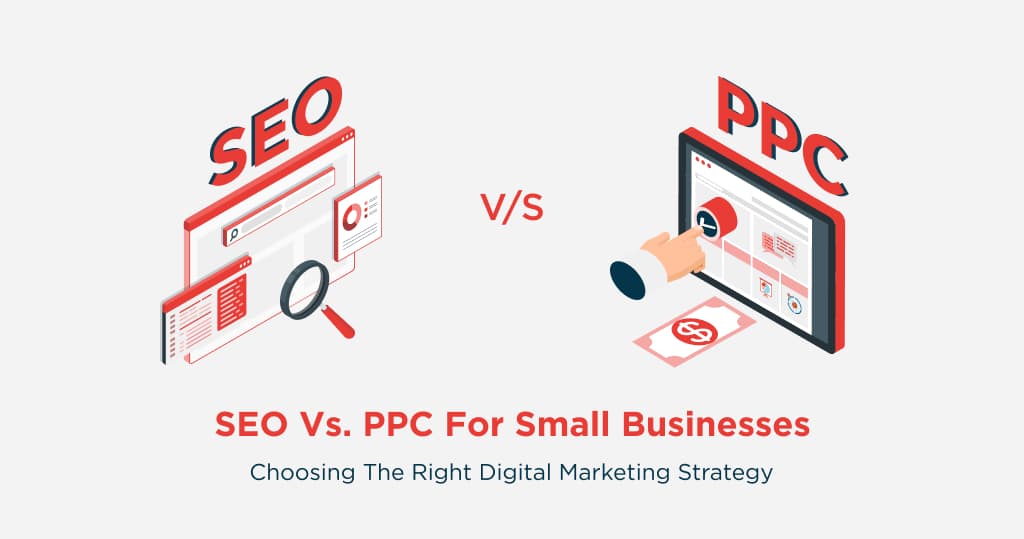
In today’s digital age, establishing a strong online presence is crucial for small businesses to thrive and succeed. Digital marketing provides a multitude of opportunities to reach and engage with target audiences effectively. Two popular digital marketing strategies that small businesses often consider are Search Engine Optimization (SEO) and Pay-Per-Click (PPC) advertising. Understanding the importance of these strategies and choosing the right one based on business goals and budget is essential. Let’s delve into the introduction of SEO and PPC for small businesses:
1. Importance of digital marketing for small businesses
Digital marketing has become an integral part of the business landscape, offering small businesses numerous advantages in reaching their target audience. Unlike traditional marketing methods, digital marketing allows businesses to connect with potential customers on various online platforms, such as search engines, social media, and websites. It offers the opportunity to build brand awareness, drive website traffic, generate leads, and ultimately increase sales and revenue. For small businesses, digital marketing levels the playing field, enabling them to compete with larger corporations and establish a strong online presence.
2. Overview of SEO and PPC as digital marketing strategies
SEO and PPC are two primary digital marketing strategies that can significantly impact a small business’s online visibility and success. Understanding the differences between these strategies is crucial for making informed decisions about the right approach for your business.
- Search Engine Optimization (SEO): SEO is the practice of optimizing a website and its content to improve its visibility and rankings in search engine results. It involves various techniques, including keyword research, on-page optimization, link building, and user experience improvements. The goal of SEO is to drive organic (unpaid) traffic to a website and increase its visibility in search engines like Google, Bing, and Yahoo.
- Pay-Per-Click (PPC) Advertising: PPC advertising involves placing targeted ads on search engine result pages or other online platforms. Unlike SEO, PPC requires businesses to pay for each click on their ads. Platforms like Google Ads and Bing Ads allow businesses to bid on specific keywords, and their ads are displayed when users search for those keywords. Advertisers only pay when someone clicks on their ads, hence the term “pay-per-click.
3. Importance of choosing the right strategy based on business goals and budget
Every small business has unique goals, target audiences, and budget constraints. Choosing the right digital marketing strategy, whether SEO or PPC, depends on aligning these factors with the desired outcomes. It’s essential to consider the following aspects:
- Business Goals: Determine the specific goals you want to achieve through digital marketing. Are you looking to increase brand awareness, drive website traffic, generate leads, or boost sales? Understanding your goals will help you align them with the most suitable strategy.
- Target Audience: Consider your target audience’s online behavior and preferences. Are they more likely to click on organic search results or paid advertisements? Knowing your audience’s preferences can influence your strategy choice.
- Budget: Evaluate your budget and resources allocated to digital marketing. SEO generally requires an ongoing investment of time and effort, while PPC involves a monetary investment. Assess what fits within your budget constraints while still delivering desired outcomes.
By carefully considering these factors, small businesses can choose the digital marketing strategy that best suits their goals and resources. Both SEO and PPC have their advantages and limitations, and the optimal choice may involve a combination of the two for a comprehensive approach.
Continue building upon this outline, providing further information, insights, and practical advice to guide small businesses in making the right choice between SEO and PPC.
Understanding SEO (Search Engine Optimization)
To establish a solid foundation for small businesses considering SEO as a digital marketing strategy, it’s essential to gain a deeper understanding of SEO itself. With the right digital marketing training, understanding SEO and other digital marketing techniques can become easy and efficient. This section will cover the explanation of SEO and its benefits, organic traffic generation, long-term sustainability, and key factors to consider for successful local SEO implementation:
1. Explanation of SEO and its benefits for small businesses
Search Engine Optimization (SEO) is the practice of optimizing a website to improve its visibility and rankings in search engine results pages (SERPs). When users search for specific keywords or phrases related to a business’s products or services, SEO aims to make the website appear higher in the organic (unpaid) search results.
For small businesses, SEO offers several benefits. It enables them to:
- Increase Organic Traffic: By ranking higher in search results, small businesses can attract more organic traffic to their websites. Organic traffic refers to visitors who find the website through non-paid search engine results.
- Improve Online Visibility: Improved rankings in search results lead to enhanced online visibility. When potential customers search for relevant keywords, a higher ranking makes it more likely for them to discover the small business’s website.
- Boost Brand Credibility: A website that appears higher in search results is often perceived as more trustworthy and authoritative. As small businesses optimize their websites and content, they can build credibility and establish themselves as industry leaders.
2. Organic traffic generation through optimized content and website structure
A key aspect of SEO is optimizing the website’s content and structure to attract organic traffic. This involves:
- Keyword Research: Identifying relevant keywords that potential customers might use when searching for products or services. By incorporating these keywords strategically into website content, small businesses can improve their chances of ranking higher in search results.
- On-Page Optimization: Optimizing individual web pages to improve their visibility to search engines. This includes optimizing meta tags, headers, URLs, and incorporating relevant keywords naturally into the content.
- Content Creation: Developing high-quality, informative, and engaging content that aligns with user search intent. This can include blog posts, articles, videos, and other forms of content that attract and engage the target audience.
- Website Structure: Ensuring the website is well-organized and easy to navigate, both for users and search engine crawlers. This involves creating logical site architecture, using internal linking effectively, and optimizing page load speed.
3. Long-term sustainability and building organic online presence
One of the significant advantages of SEO for small businesses is its long-term sustainability. Unlike paid advertising methods that require continuous investment, SEO efforts can continue to generate organic traffic over time, even with minimal ongoing investments. By consistently optimizing the website, creating valuable content, and earning backlinks, small businesses can build a sustainable online presence and increase their visibility in search results.
4. Factors to consider for successful SEO implementation: keywords, on-page optimization, backlinks, user experience, etc.
Successful SEO implementation involves considering various factors that influence search engine rankings and user experience. Key factors include:
- Keywords: Selecting relevant and strategic keywords that align with user search intent and incorporating them naturally into website content.
- On-Page Optimization: Optimizing meta tags, headers, URLs, and other on-page elements to improve search engine visibility.
- Backlinks: Earning high-quality backlinks from reputable websites, as they are a crucial ranking factor in search algorithms.
- User Experience: Ensuring the website provides a positive user experience, including fast page load times, mobile responsiveness, easy navigation, and engaging content.
- Technical SEO: Addressing technical aspects of website optimization, such as improving site speed, optimizing site structure, and fixing crawl errors.
By considering these factors and implementing best practices, small businesses can enhance their SEO efforts and increase the quality traffic on website.
Benefits and Limitations of SEO for Small Businesses
While SEO offers numerous advantages for small businesses, it’s important to acknowledge the benefits as well as the limitations that come with this digital marketing strategy. This section will discuss the cost-effectiveness of SEO in the long run, building credibility and trust with organic search results, the time and effort required for SEO success, and the competition and ranking challenges faced in highly competitive industries.
1. Cost-effectiveness of SEO in the long run
SEO provides a cost-effective approach to digital marketing in the long run. Unlike paid advertising methods like Pay-Per-Click (PPC), SEO primarily focuses on organic search results, meaning you don’t have to pay for each click or impression. While initial investments may be required for website optimization and content creation, the ongoing efforts can generate sustainable organic traffic without continuous advertising expenses. This cost-effectiveness makes SEO an attractive option for small businesses with limited marketing budgets.
2. Building credibility and trust with organic search results
Ranking well in organic search results helps small businesses establish credibility and trust with their target audience. Users often perceive businesses that appear prominently in search engines as more reputable and trustworthy. By optimizing their websites for SEO, small businesses can improve their visibility in search results, which increases the likelihood of attracting organic traffic. This, in turn, enhances brand recognition, fosters customer trust, and ultimately leads to improved conversions and sales.
3. Time and effort required for SEO success
While SEO offers long-term benefits, it’s important to recognize that achieving meaningful results requires time and effort. SEO is not an overnight solution; it’s a continuous process that demands consistent optimization, content creation, and link building. Small businesses need to invest time in conducting thorough keyword research, optimizing their website structure, creating high-quality content, and implementing SEO best practices. It’s essential to have realistic expectations and understand that successful SEO outcomes require ongoing commitment, patience, and adaptation to algorithm updates.
4. Competition and ranking challenges in highly competitive industries
In highly competitive industries, ranking well in search engine results can be challenging. Small businesses often face fierce competition from established brands and larger companies that have already established their online presence. Achieving top rankings for highly competitive keywords can be a time-consuming and arduous process. It requires a comprehensive SEO strategy, diligent execution, and continuous monitoring and adjustments to stay ahead of the competition. Small businesses need to be prepared for the competitive landscape and be willing to invest resources and efforts to achieve their SEO goals.
It’s crucial for small businesses to consider both the benefits and limitations of SEO when determining their digital marketing strategy. While SEO offers cost-effective long-term results, builds credibility, and attracts organic traffic, it requires time, effort, and careful navigation of competition. By understanding these factors, small businesses can make informed decisions and optimize their SEO efforts to drive success in their online endeavors.
Understanding PPC (Pay-Per-Click) Advertising
In addition to SEO, Pay-Per-Click (PPC) advertising is another digital marketing strategy that small businesses can consider. This section will provide an explanation of PPC and its benefits for small businesses, including immediate visibility and traffic through targeted ad campaigns, control over ad spend and budget allocation, and the ability to measure results and track return on investment (ROI) through analytics.
1. Explanation of PPC and its benefits for small businesses
PPC advertising involves placing targeted ads on search engine results pages (SERPs) or other online platforms. Unlike organic search results, PPC ads require businesses to pay for each click on their ads. Here are the benefits of PPC for small businesses:
- Immediate Visibility and Traffic: With PPC, small businesses can achieve immediate visibility and drive traffic to their websites. As soon as the ad campaign is launched, the ads are displayed to potential customers searching for relevant keywords or browsing relevant websites. This instant visibility helps small businesses gain exposure and attract targeted traffic to their websites.
- Targeted Ad Campaigns: PPC allows businesses to create highly targeted ad campaigns. They can select specific keywords, demographics, locations, and even the time of day when their ads will be displayed. This level of targeting ensures that ads reach the right audience, increasing the chances of generating qualified leads and conversions.
2. Control over ad spend and budget allocation
One of the significant advantages of PPC advertising is the control it provides over ad spend and budget allocation. Small businesses can set a daily or monthly budget for their campaigns and have full control over how much they are willing to spend on each click. This flexibility enables them to manage their advertising costs and allocate their budgets strategically based on the performance of their campaigns. Additionally, PPC platforms often provide insights and recommendations to optimize campaigns and maximize the return on investment (ROI).
3. Measurable results and ROI tracking through analytics
PPC advertising offers precise measurement and tracking capabilities. Small businesses can track and analyze various metrics such as impressions, clicks, conversions, and cost per acquisition (CPA) through analytics tools provided by PPC platforms. This data enables them to evaluate the performance of their ad campaigns, identify areas for improvement, and make data-driven decisions. By continuously monitoring and analyzing campaign results, small businesses can refine their strategies and optimize their ad campaigns for better ROI.
PPC advertising can complement SEO efforts by providing immediate visibility, targeted ad campaigns, and precise measurement capabilities. However, it’s important to note that PPC requires ongoing monitoring, optimization, and budget allocation to ensure its effectiveness. Small businesses should consider their goals, target audience, and budget when determining whether PPC is the right digital marketing strategy for their specific needs.
Benefits and Limitations of PPC for Small Businesses
While PPC advertising offers several benefits for small businesses, it’s important to be aware of both the advantages and limitations that come with this digital marketing strategy. This section will discuss the benefits of PPC, including instant results and immediate visibility, flexibility in targeting specific demographics, locations, and keywords, as well as the cost considerations and potential limitations such as dependency on paid advertising and competition.
1. Instant results and immediate visibility
One of the primary benefits of PPC advertising for small businesses is the ability to achieve instant results and immediate visibility. Once a PPC campaign is launched, ads are displayed to potential customers immediately, providing instant exposure and driving traffic to the website. This can be particularly beneficial for small businesses looking for immediate results, such as promoting limited-time offers, events, or new product launches.
2. Flexibility in targeting specific demographics, locations, and keywords
PPC advertising offers small businesses the flexibility to target specific demographics, locations, and keywords. Ad campaigns can be tailored to reach a highly targeted audience that is more likely to convert. This level of targeting allows small businesses to focus their advertising efforts on the most relevant and profitable segments of their target market. By selecting specific keywords, demographics, and locations, small businesses can optimize their ad spend and increase the likelihood of attracting qualified leads.
3. Cost considerations and budget management
PPC advertising provides small businesses with control over their ad spend and budget allocation. With PPC, businesses only pay when someone clicks on their ads, making it a cost-effective option. Small businesses can set a daily or monthly budget and have the flexibility to adjust it based on their needs and performance. This allows for better budget management and the ability to allocate resources where they will have the greatest impact. Additionally, PPC platforms provide insights and data that can help small businesses optimize their campaigns and improve cost efficiency.
4. Dependency on paid advertising and potential for high competition and costs
One limitation of PPC advertising for small businesses is the dependency on paid advertising. Unlike SEO, which focuses on organic traffic, PPC requires ongoing investment to maintain visibility and traffic. This can pose challenges for businesses with limited marketing budgets or those in highly competitive industries where the cost per click (CPC) can be high. Small businesses need to carefully manage their ad spend, continuously monitor campaign performance, and optimize their strategies to ensure a positive return on investment.
Additionally, the competitiveness of the PPC landscape can make it challenging for small businesses to stand out. Popular keywords and industries may have high competition, resulting in increased CPC and the need for strategic bidding and optimization. Small businesses should be prepared for these challenges and consider the potential costs and competition associated with PPC advertising.
By understanding the benefits and limitations of PPC advertising, small businesses can make informed decisions about incorporating it into their digital marketing strategies. When used strategically and in combination with other marketing efforts, PPC can be an effective tool for driving immediate visibility, reaching targeted audiences, and achieving specific business objectives.
Factors to Consider When Choosing Between SEO and PPC
When deciding between SEO and PPC as digital marketing strategies for small businesses, several factors should be taken into consideration. This section will discuss the key factors that can influence the decision-making process, including business goals and objectives, budget considerations, the competitive landscape, and industry-specific challenges, as well as the target audience and customer behavior.
1. Business goals and objectives: short-term vs. long-term strategies
One of the primary factors to consider when choosing between SEO and PPC is the business’s goals and objectives. If the business aims for immediate results, such as increasing website traffic or promoting a limited-time offer, PPC can provide quick and targeted visibility. On the other hand, if the business seeks long-term sustainability, brand recognition, and organic growth, SEO is a more suitable strategy. SEO takes time to yield results, but it can build a solid foundation for the business’s online presence, generating consistent organic traffic and establishing credibility in the long run.
2. Budget considerations and allocation of resources
Budget considerations play a significant role in determining the choice between SEO and PPC. PPC advertising requires a monetary investment, as businesses pay for each click on their ads. While it offers instant visibility, the costs can add up, particularly in highly competitive industries. On the other hand, SEO focuses on organic search results and requires investments in website optimization, content creation, and ongoing efforts. While SEO may require initial costs, it can be a cost-effective long-term strategy that generates sustainable organic traffic without continuous advertising expenses. Small businesses should evaluate their budget constraints and allocate resources accordingly.
3. Competitive landscape and industry-specific challenges
The competitive landscape and industry-specific challenges should also be considered when choosing between SEO and PPC. In highly competitive industries, ranking well in organic search results can be challenging, requiring a comprehensive SEO strategy and diligent execution. PPC can be a viable option in such cases, providing immediate visibility and a chance to compete with established brands. Additionally, analyzing the competition’s online presence, the strength of their SEO efforts, and the competitiveness of relevant keywords can help determine the feasibility and potential challenges associated with SEO and PPC in a specific industry.
4. Target audience and customer behavior
Understanding the target audience and their online behavior is crucial when deciding between SEO and PPC. Consider whether the target audience is actively searching for products or services online and how they engage with search engine results. If the target audience frequently clicks on paid ads or tends to make quick purchase decisions, PPC can be an effective strategy. However, if the target audience relies heavily on organic search results, values credibility, and tends to conduct thorough research, investing in SEO can help build trust and attract organic traffic.
By carefully considering these factors, small businesses can make an informed decision about whether to prioritize SEO or PPC, or even combine both strategies for a comprehensive digital marketing approach. It’s essential to align the chosen strategy with the business’s goals, budget, competitive landscape, and target audience to maximize the effectiveness of the digital marketing efforts.
Case Studies and Examples
Examining real-life case studies and examples of small businesses that have effectively utilized SEO and PPC can provide valuable insights into the outcomes and strategies employed. By analyzing the factors that influenced their decision-making process, small businesses can gain a deeper understanding of how SEO and PPC can be implemented to achieve their goals. The following case studies demonstrate successful implementation and the different outcomes and strategies employed by small businesses.
1. Case Study: Small Business A – SEO Success
Small Business A, a local bakery, focused on implementing SEO strategies to increase online visibility and attract more customers. They conducted thorough keyword research and optimized their website by incorporating relevant keywords into their website content, meta tags, and headings. They also created informative and engaging blog posts related to baking tips, recipes, and special events.
As a result, Small Business A experienced significant growth in organic traffic over time. Their website ranked higher in search engine results pages (SERPs) for relevant keywords, attracting local customers looking for bakery products. By consistently providing valuable content and optimizing their website, Small Business A built credibility and trust with their audience, leading to increased online orders and foot traffic to their physical store.
2. Case Study: Small Business B – PPC Success
Small Business B, an online retailer specializing in handmade jewelry, chose to focus on PPC advertising to drive immediate visibility and generate sales. They conducted extensive keyword research to identify highly relevant and profitable keywords in their industry. Small Business B created targeted ad campaigns on search engines and social media platforms, carefully selecting demographics, locations, and interests to reach their target audience effectively.
Through their well-optimized and targeted PPC campaigns, Small Business B experienced a significant increase in website traffic and sales. Their ads appeared prominently to potential customers actively searching for handmade jewelry, resulting in a high click-through rate and conversions. By continuously monitoring and optimizing their campaigns based on analytics data, Small Business B achieved a positive return on investment and established a strong online presence.
3. Factors Influencing Decision-Making
In both case studies, various factors influenced the decision-making process of Small Business A and Small Business B. These factors included:
- Business Goals: Small Business A aimed to build a strong online presence and attract local customers, while Small Business B focused on generating immediate sales and increasing their customer base.
- Budget Considerations: Small Business A had limited resources and opted for SEO as a cost-effective long-term strategy, while Small Business B allocated a portion of their budget for PPC advertising to gain instant visibility and drive sales.
- Competitive Landscape: Small Business A faced moderate competition in the local bakery industry, making SEO an effective strategy to differentiate themselves and attract customers. Small Business B operated in a highly competitive market, requiring targeted PPC campaigns to compete with established jewelry retailers.
- Target Audience Behavior: Small Business A’s target audience actively searched for bakery products online, valuing informative content and organic search results. Small Business B’s target audience demonstrated a tendency to make quick purchase decisions and engage with paid advertisements.
By considering these factors and tailoring their digital marketing strategies accordingly, Small Business A and Small Business B succeeded in their respective SEO and PPC approaches.
Analyzing case studies and examples of small businesses that have effectively utilized SEO and PPC can provide valuable insights for other small businesses. By understanding the strategies, outcomes, and factors influencing their decisions, small businesses can make informed choices when implementing digital marketing strategies to achieve their unique goals and objectives.
This blog post explores the benefits and limitations of SEO and PPC for small businesses. We discussed how SEO can be a cost-effective long-term strategy that builds credibility, trust, and organic online presence. We also examined how PPC provides immediate visibility, precise targeting, and measurable results. It is crucial for small businesses to evaluate their needs, goals, budget, competitive landscape, and target audience when choosing between these two strategies.
By understanding the different factors influencing the decision-making process, small businesses can make an informed choice that aligns with their specific goals and resources. It is not necessarily an “either-or” situation, as integrating both SEO and PPC can provide a holistic digital marketing approach. SEO lays the foundation for long-term sustainability and organic growth, while PPC offers immediate visibility and results.
Integrating both strategies can yield synergistic effects. SEO can help establish a strong online presence and credibility, while PPC can provide immediate visibility and drive targeted traffic to achieve specific objectives. By combining these approaches, small businesses can maximize their online visibility, attract qualified leads, and increase conversions.
In conclusion, when choosing between SEO and PPC for small businesses, it is crucial to evaluate business needs, goals, budget, and target audience behavior. Both strategies have their advantages and limitations, and the optimal choice may vary depending on the unique circumstances of each business. By adopting a comprehensive digital marketing approach that integrates SEO and PPC, small businesses can leverage the benefits of both strategies and achieve their desired online visibility, growth, and success.