Get Ahead of the Game: Using Geotargeting to Dominate PPC Advertising

Introduction to Geotargeting in PPC Advertising

Imagine walking into a local shop where the owner knows your name preferences and suggests products that suit your taste. This level of personal attention is what geotargeting brings to PPC advertising. It’s a way for businesses to say, “Hey, we’re right here with you!” to potential customers in specific areas. Advertisers can create more relevant and personal ad experiences by honing in on the user’s location.

What is Geotargeting?

Picture this: You’re at a farmers’ market, and each stall calls out to shoppers. Geotargeting calls out to the shoppers who are most likely to buy from you. It’s a digital shout-out to potential customers based on where they are or where they’ve shown interest in going within the online world. It ensures that your message is popping up in the right aisles — the ones where your ideal customers are browsing.

The Importance of Geotargeting in PPC Advertising

Why does this matter in your PPC strategy? Because accuracy matters. When pinpointing your audience’s location, you can tailor your message, offers, and call-to-actions to resonate with local tastes, trends, and needs. This isn’t just about getting more eyes on your ads; it’s about getting the right eyes. It’s the difference between handing out flyers to every passerby on the street and handing them only to those who’ve already shown an interest in what you’re offering. That’s the kind of focused approach that turns clicks into customers.

Benefits of Geotargeting in PPC Advertising

Geotargeting, a powerful feature in PPC advertising, offers several benefits that can help businesses maximize the effectiveness of their campaigns. Advertisers can achieve enhanced relevance and targeting by focusing on specific geographic areas, leading to increased return on investment (ROI) and improved ad performance.

Enhanced Relevance and Targeting

You know that feeling when you’re scrolling through your feed and you come across an ad that feels like it was made just for you? It’s no coincidence. That’s geotargeting at work. It’s about being at the right place at the right time. Let’s say you own a boutique coffee shop in Bangalore. Using geotargeting in your PPC campaigns ensures that the ad for your newest espresso blend is seen by the coffee specialists in your area, not someone living miles away with no intention of visiting. It’s intelligent, cost-effective, and excellent.

Increased Return on Investment (ROI)

Every rupee counts, especially in advertising. You want the maximum return for your buck, and geotargeting is like having an ace up your sleeve. It’s about focusing your ad budget on audiences with the highest potential to act on your ad. When I first leveraged geotargeting for my Zen lifestyle brand’s campaign, the ROI was a revelation. It was the difference between shouting into the void and having an intimate chat with interested customers.

Improved Ad Performance

Remember the billboard you see on the highway that never changes? Now imagine if that billboard changed depending on who was driving by. That’s the kind of responsiveness we get with geotargeting in our advertising pay-per-click . It’s about ensuring your ad isn’t just another face in the digital crowd. It’s tailored, it’s dynamic, and it’s effective. It’s like being a local in every neighborhood, striking up conversations that matter in a language that resonates. That’s the secret for better clicks, more engagement, and a thriving business.

Implementing Geotargeting in PPC Campaigns

Geotargeting isn’t just about finding your audience; it’s about speaking to your neighbors, the folks who walk past your storefront, or the community that could benefit most from your services. When you decide to weave geotargeting into your PPC campaigns, you spend your advertising budget on a more receptive audience.

Geotargeting Options and Settings

Imagine conversing only with people interested in what you have to say. That’s what geotargeting in PPC feels like. It’s a conversation with just the right people. The settings are your dialogue tools – you can talk to everyone in a city or whisper to those within a stone’s throw of your shop. You can even engage with people looking for what you offer but have yet to step into your locality. It’s about being present in the right place and time.

Choosing the Right Geotargeting Strategy

Choosing the right geotargeting strategy is like selecting the right words in a heart-to-heart chat. If your business is the cozy coffee shop on the corner, your words (or ads) might be best shared with the morning crowd looking for a quick cup of a coffee. The strategy is about context – understanding where your words fit best and who they should reach.

Remember, geotargeting is more than just a feature in your PPC campaign; it’s a strategic decision that can shape how potential customers perceive and interact with your brand. Keep it local, or spread the word far and wide – the choice is yours, but make it thoughtful.

Best Practices for Geotargeting in PPC Advertising

Place your ads where the crowd is, but make sure it’s the right crowd. That means understanding where your audience is and when they are most active. Use local landmarks in your ads, or mention local events to show that your brand belongs to the community.

Researching and Analyzing Target Locations

For geotargeting, this means diving into the local culture of your target locations. What’s the local sports team? Is there a festival coming up? Use this information to inform where and how you target your ads. Think about the best route to reach your destination, or in this case, your customer.

Adapting Ad Copy and Landing Pages

Now, let’s talk about making your guests feel welcome. If someone from Texas clicks your ad, they might expect a hearty “Howdy” rather than a formal “Welcome.” It’s about ensuring your ad copywriting and landing pages optimization echo the local vernacular and customs. This local flavor makes your digital space feel like a cozy nook in their neighborhood, not a cold, one-size-fits-all billboard.

Monitoring and Optimizing Geotargeted Campaigns

Finally, keep a watchful eye. Some ads might rank in one region but not in another. Regular check-ins on your ad performance can tell you much about what adjustments to make. Certain times of the day bring more traffic, or perhaps a particular message resonates better in one city than another. Stay vigilant and ready to optimize.

By following these human-centric practices, your geotargeting will not just reach people; it will touch them, engage them, and bring them closer to your brand.

Geotargeting Tools and Technologies

To effectively implement geotargeting in PPC advertising, marketers can access various tools and technologies that streamline the process and help optimize their campaigns. This section explores some of the critical geotargeting tools and technologies available.

PPC Platforms with Geotargeting Capabilities

When you’re ready to get the word out about your business, it’s like deciding where to plant your flag. The good news? PPC platforms are prepared with a toolbox that lets you put your business exactly where your future customers hang out. They have settings that are as easy to tweak as your car’s GPS – whether you’re trying to catch the eye of early birds in city centers or night owls in the suburbs.

Third-Party Geotargeting Tools and Services

Sometimes, you have to bring in the big guns. That’s where third-party geotargeting tools strut onto the scene. They’re the savvy locals who know every nook and cranny of your target area. These services can tell who’s walking by your virtual shop and what they’re likely chatting about. It’s about getting the low-down on the local scene to chime in like you’ve been part of the conversation.

Emerging Trends in Geotargeting

The geotargeting game is constantly upping with new trends. We’re talking about tech that doesn’t just know where your customers are but can almost predict where they might go next – like having a crystal ball for your ads. It’s about staying ahead of the curve and being where the customer will be, almost before they know it themselves.

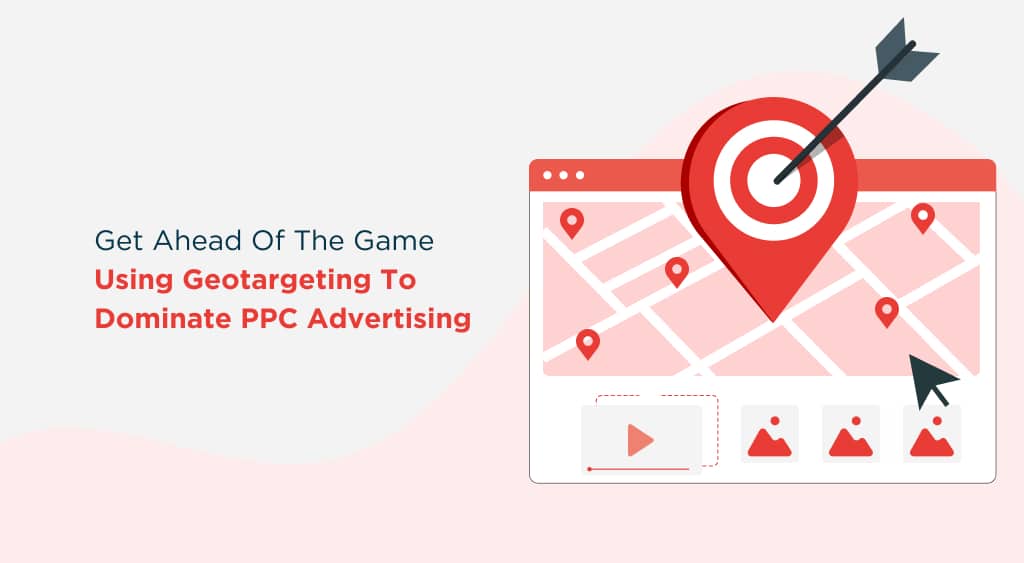
In the end, think of geotargeting as the art of throwing a dart on a map – you aim, you throw, and where it lands, it makes an impact. That’s what you want your ads to do. It’s about creating that local buzz that gets people talking at the corner store or sharing with their neighbors across the fence. You’re not just broadcasting messages into the void; you’re starting honest conversations, sparking connections, and building a community around your brand. By getting personal with your approach, you resonate with your audience in their language, on their turf, and in terms. So go ahead, make your mark with geotargeting, and watch as your brand goes from just visiting to feeling at home.
How Local SEO Can Skyrocket Real Estate Agents Visibility

The Power of Local SEO for Real Estate Agents

For real estate agents, Local SEO puts your name and services in front of the local digital community. When someone nearby types “real estate agent near me” or “houses for sale in Indore” Local SEO makes sure your name pops up. To thrive in the competitive real estate market, local SEO (Search Engine Optimization) is a powerful tool that can significantly boost the visibility and success of real estate agents.

Understanding Local SEO

Getting your head around Local SEO is like getting to know your neighborhood inside and out. It’s understanding what locals seek and how they search for it online. You’re using specific local keywords and phrases on your website and in your online content, much like how you’d use local landmarks and language to connect with someone in your area. It’s about making your online presence feel like a friendly, local real estate office everyone knows and trusts.

Importance of Local SEO for Real Estate Agents

For realtors, Local SEO is as important as having the correct listings. It connects you directly with people in your area looking to buy or sell their homes. It’s your digital “For Sale” sign that attracts attention and leads potential clients right to your door. When someone in your area searches for realty advice or listings, you want to be the top result they see – the local expert they turn to. Local SEO services makes this happen, turning your digital presence into a local real estate authority.

Optimizing Your Website for Local SEO

Like ensuring your physical office is welcoming and easy to find, your website must be a beacon for local online searchers.

Keyword Research and Optimization

Think of keywords as the local dialect. If you’re a realtor in Austin, maybe folks are searching for “Austin homes for sale” or “buy a house in Austin.” It’s about tapping into the local conversation and weaving these terms naturally into your site. Imagine you’re chatting with locals at a community event, using their language – that’s how you should incorporate these keywords into your website.

On-Page SEO Techniques

Now, think of your website as your office’s interior. Is it welcoming? Easy to navigate? On-page SEO means having clear headings (like signposts in your office), engaging content (similar to attractive brochures or informative posters on the walls), and fast loading times (because no one likes waiting around). It’s about making your digital space as inviting and user-friendly as your real-world space.

Local Business Schema Markup

Schema markup might sound techy, but it’s about making your website easily understood by search engines. It’s like putting up a detailed sign outside your office. This sign doesn’t just say “Lawyer” or “Realtor”; it gives more detail – your specialty, your hours, even how to make an appointment. Schema markup does this for your website, making it clear to search engines exactly what your business is about and how it serves the local community.

Claiming and Optimizing Your Google My Business Listing

To maximize your local SEO efforts as a real estate agent, it’s crucial to claim and optimize your Google My Business listing. This powerful tool lets you showcase your business information, manage reviews, and improve your visibility in local search results.

Setting Up Your Google My Business Profile

Setting up your Google My Business profile, like crafting your business’s ad in the local newspaper. You want it to be eye-catching and informative. Start by claiming your profile– it’s like putting your nameplate at the entrance. Add the essentials: your business’s name, address, Phone and what you do. Don’t forget to upload photos that reflect the essence of your business, like a snapshot of your team or your storefront. It’s about making a solid first impression in the digital neighborhood.

Optimizing Your Business Information

Optimizing your business info is like ensuring your ad has no typos and tells the best story. Double-check that your opening hours are correct and your contact details are current. It’s crucial because this isn’t just an ad; it’s how your potential customers will find and judge your business. 

Managing Reviews and Ratings

Reviews and ratings are your digital word of mouth. They’re the stories people tell about you when you’re not in the room. Actively encourage happy clients to share their experiences and engage with all reviews, good or bad. Thanking someone for a positive review is like graciously accepting a compliment, while addressing a negative review shows you’re committed to making things right. It’s about nurturing a relationship with your clientele, one review at a time.

Building Local Citations

Building local citations is a crucial aspect of a comprehensive local SEO strategy to enhance the visibility of real estate agents in local search results. Local citations are online mentions of a business, typically including its name, address, and phone number (NAP). These citations play a significant role in establishing the credibility and authority of a real estate agent’s online presence.

Importance of Local Citations

Think of local citations as your digital word-of-mouth. They’re the nods of recognition you get across the online world, from local business directories to social media platforms. Each citation acts like a vouch for your business, telling search engines, “Yep, they’re reputable and an active part of our community.” For real estate agents, where local trust is paramount, these citations are like the many handshakes and introductions you make at community events, building your reputation bit by bit.

Top Local Citation Sources for Real Estate Agents

For realtors, the correct citation sources can be like having billboards in the best parts of town. Start with the big names like Google My Business, Yelp, and Zillow. These are like the main streets where everyone goes for information. But don’t overlook local directories specific to your area or real estate – these are like the community bulletin boards where locals go for trusted recommendations.

Citation SourceWebsite
Google My Businessgoogle.com/business
Yelpyelp.com
Realtor.comrealtor.com
Zillowzillow.com
Truliatrulia.com
Yellow Pagesyellowpages.com
Facebookfacebook.com
Bing Places for Businessbingplaces.com
Yahoo Locallocal.yahoo.com
Foursquarefoursquare.com

Managing and Updating Citations

Maintaining your citations is like keeping your business card updated. You want to ensure your contact info, services, and links are current. Imagine how it would look if someone finds an old number or a broken website link – it’s like showing up to a meeting with outdated info. Regularly check and update your listings to ensure they reflect your business accurately. It shows you’re attentive and professional, qualities clients look for in a real estate agent.

Leveraging Online Reviews and Testimonials

In local SEO, online reviews and testimonials play a crucial role in boosting the visibility and credibility of real estate agents. This section focuses on the impact of reviews on local SEO, as well as strategies for encouraging, managing, and responding to online reviews and feedback.

The Impact of Reviews on Local SEO

Imagine online reviews as the buzz around your business in your local digital neighborhood. Each review is like a neighbor sharing their experience with your business, and this chatter significantly impacts your local SEO. It’s like word-of-mouth but in the digital realm. Positive reviews can boost your visibility in local search results, much like a well-recommended spot in town gets more foot traffic. They tell search engines, “This business is talked about, trusted, and valued in the community.”

Encouraging and Managing Online Reviews

Getting those reviews is like encouraging customers to share their positive experiences. It could be as simple as a follow-up email asking for feedback or a note at the end of a service. On the flip side, managing these reviews requires a careful touch. It’s about keeping an eye on what’s being said and ensuring that the information reflects your business accurately. Think of it as tending to your business’s digital reputation, making sure it’s well-kept.

Responding to Reviews and Feedback

Responding to reviews and feedback is crucial to the conversation between you and your clients. It’s like having an open dialogue in a community meeting. A thoughtful response to a positive review shows appreciation and engagement. Are you responding to a negative review? That’s your chance to address concerns and demonstrate commitment to service excellence. It’s about building and maintaining a relationship with your clients, showing that you’re not just a business but a responsive and caring member of the local digital community.

Local Content and Link-Building Strategies

To maximize the effectiveness of your local SEO efforts as a real estate agent, it’s important to employ local content and link-building strategies. These strategies can help boost your visibility in local search results and establish your authority in the real estate industry.

Creating Localized Content

Share insights about local real estate trends, write about community events, or offer advice on local property laws. This content isn’t just informative; it reflects your engagement with your town, showing your clients that you’re not just a business – you’re a part of the local tapestry.

Building Local Links and Partnerships

It’s about establishing connections with other local businesses and organizations. You could sponsor a local sports team, participate in a community event, or collaborate with a local charity. Each of these partnerships is like a thread in a community web, strengthening your presence and reputation in the area, and these connections often translate into valuable online backlinks that boost your local SEO.

Leveraging Social Media for Local SEO

Using social media for local SEO is like being part of the local conversation. It’s where you share the local happenings, celebrate community achievements, and discuss local interests. Your social media platforms become a digital gathering place where you share, listen, and interact with your community. This engagement is essential for building a local following and enhancing your presence in local search results.

Local SEO For Restaurants – Essential SEO Tips

Importance of Local SEO for Restaurant Success

In the restaurant business, local SEO is as essential as a prime location in the city. Your digital real estate puts you exactly where potential diners are looking. In a world where location and convenience are everything, being prominent in local search results can be the difference between a whole house every night and an easily overlooked place. It’s your restaurant they find first and fast.

Benefits of Local SEO for Restaurants

Engaging in local SEO opens up a world of benefits. It boosts your visibility, ensuring that locals see your name when searching for the perfect dining spot. Then there are the online reviews – your digital testimonials. Positive reviews can turn your restaurant into a local legend, a culinary hotspot everyone raves about. Beyond that, local SEO builds a bond with your community. When you pop up in local searches, you’re not just a restaurant; you become a celebrated local landmark.

Key Elements of Local SEO for Restaurants

To establish a strong online presence and attract local customers, restaurants need to focus on key elements of local SEO. By implementing effective strategies, restaurants can improve their visibility in local search results and drive more foot traffic to their establishments. 

Optimizing Your Website for Local Search

Optimizing your website for local search is like seasoning this main dish perfectly. Ensure your menu, location, and hours are easy to find and up to date. Have local keywords throughout your site, like “best pizza in Brooklyn” or “romantic dining in downtown LA.” It’s about making sure when locals search for a great dining experience, your website serves up exactly what they’re craving.

Claiming and Optimizing Your Google My Business Listing

Your Google My Business listing is your restaurant’s online presence – it should entice and inform. Claiming your listing is like putting out your restaurant’s sign in the digital world. Fill it with photos of your dishes, update it with your latest menu, and ensure your contact details and hours are accurate. This is your chance to make a great first impression before customers walk through your door.

Managing Online Reviews and Reputation

In the restaurant business, your reputation is as essential as the quality of your food. Managing online reviews is like tending to your diners. Respond to their feedback, thank the happy diners for their praise, and address any negative reviews with professionalism and a promise to improve. Each review is a chance to show potential customers that you value feedback and strive to provide the best dining experience. 

Local Keyword Research for Restaurants

By identifying relevant local keywords and strategically incorporating them into your website, you can increase your visibility in local search results and attract more potential customers. Let’s explore the two key aspects of local keyword research for restaurants: identifying relevant local keywords and using local keywords strategically.

Identifying Relevant Local Keywords

Finding the right local keywords is like discovering the secret ingredients that your locals love in a dish. What are the locals searching for? Is it “cozy cafes in Seattle” or “best seafood in Maine”? Dive into tools like Google Trends or even listen to the chatter in local foodie groups on social media. It’s about understanding the language of your local diners – what they crave, how they describe their ideal dining spots, and using those terms to tailor your website’s content.

Using Local Keywords Strategically

Once you’ve got your list of keywords, it’s time to have them throughout your digital presence. Place them in your website’s meta titles, descriptions, and content, but keep it natural – like how you’d describe your restaurant to someone in conversation. Include these keywords in your blog posts about local events or dishes. It’s not just about search engines; it’s about making your content resonate with the local community, making them think, “This is exactly what I was looking for!”

On-Page Optimization for Local SEO

On-page optimization for local SEO is like setting up your storefront to be as welcoming and informative as possible. It’s about ensuring that locals get a clear picture of what you offer when they walk by. Your website should reflect this same principle online. It’s the digital equivalent of having a clean, well-organized, and inviting shop window that tells passersby, “Here’s exactly what you’re looking for!”

Optimizing Page Titles and Meta Descriptions

Page titles and meta descriptions are like your online store’s sign and window display. They should capture what’s inside (your website) and why it’s relevant to locals. Suppose you’re a bakery in Naples, for instance. In that case, a title like “Homemade Italian Pastries | Napoli Bakery” with a meta description that teases “Fresh cannoli and biscotti in the heart of Naples” can be irresistible to local pastry enthusiasts browsing online.

Utilizing Structured Data Markup

Using structured data markup might seem like behind-the-scenes work, but it’s crucial. It’s like giving Google a guidebook to your shop. This way, when someone searches for services you offer, Google can provide a neat, organized display of your business in search results, complete with hours, location, and ratings. It’s about making your business easy to find and understand at a glance, like a well-put-together storefront that instantly gives passersby all the information they need.

Off-Page Optimization for Local SEO

Off-page optimization for local SEO is like networking in your community. It’s not just about what you do inside your business (on your website) but how you interact and are perceived in the wider community (the internet). It’s about building relationships and a reputation beyond your website, ensuring that the online world sees and respects your business just as much as the locals who walk past your storefront.

Building Local Citations and Directory Listings

Think of local citations and directory listings as your business card displayed in various vital locations around town. By listing your business in local online directories, you’re placing your name in numerous digital community centers. Ensuring your business information is consistent and up-to-date across these listings is essential. This builds recognition and trust.

Obtaining Backlinks from Local Websites

Backlinks from local websites are similar to personal recommendations from other respected community members. When a local blog, a neighborhood news site, or a nearby business links to your website, it’s like they tell their audience, “We trust this business, and you should too.” These backlinks improve your visibility and reinforce your standing in the local community, much like a good word-of-mouth referral.

Leveraging Social Media for Local Engagement

Utilizing social media for local engagement is like actively participating in local community events in the digital space. Share content relevant to your local area, engage in conversations with local customers and showcase your involvement in community activities. It’s about proving that your business isn’t just another faceless entity but a lively, engaged local community member. This approach helps to deepen connections and build a loyal local following.

In conclusion, effective Local SEO for restaurants is essential in today’s digital age. Remember, a strong online presence is key to standing out in the competitive food industry. For tailored and affordable Local SEO services that can elevate your restaurant’s digital profile, consider partnering with Chetaru. Our expertise in Local SEO can help your restaurant connect with the local community and grow its customer base. Reach out to Chetaru today for a solution that fits your unique needs.

Local SEO for Law Firms Success

The Importance of Local SEO for Law Firms

When it comes to promoting a law firm’s online presence, local SEO plays a crucial role. Local SEO focuses on optimizing a website to appear prominently in local search results, helping law firms connect with potential clients in their specific geographic area. Understanding the significance of local SEO and its impact on law firms is essential for success in the digital landscape.

Understanding Local SEO

Local SEO is like your firm’s digital business card but more dynamic. It’s about ensuring that your firm’s name comes up when someone in your area seeks legal services. This involves more than just adding the right keywords to your website. It’s about making your online presence a mirror of your firm’s local identity – showcasing your involvement in local cases, your understanding of local laws, and your commitment to the people in your area.

Why Local SEO Matters for Law Firms

Local SEO services is essential for law firms because legal issues are often regional. People want a lawyer who understands their city, their community’s specifics, and local laws. By optimizing your online presence locally, you’re not just casting a net in the digital sea but building a bridge of trust with potential clients in your community. It makes your firm approachable and relevant, not just another listing in a sea of online options.

Benefits of Local SEO for Law Firms

Implementing effective local SEO strategies can bring significant benefits to law firms. Law firms can enhance their visibility, attract targeted traffic, and build trust and credibility within their local communities by optimizing their online presence for local searches.

Increased Visibility in Local Searches

Picture this: You’re a well-known lawyer in your local community. People see your firm’s name not just on your office sign but everywhere they go online. That’s what Local SEO does – it makes your firm a familiar name in local online searches. When someone nearby looks up legal advice, your firm appears like a trusted landmark in the digital neighborhood. This visibility is like being the talk of the town, only in online searches.

Targeted Traffic and Qualified Leads

Imagine a stream of potential clients walking right into your office, each already looking for your exact services. That’s the kind of targeted, high-quality traffic Local SEO brings. You’re not just attracting random online visitors; you’re drawing in people actively seeking legal help in your area. It’s like hosting a legal Q&A session in your community center and seeing it filled with people who need legal advice – they’re already interested and need your expertise.

Building Trust and Credibility

In law, your reputation is your most valuable asset. Local SEO helps build and reinforce this reputation online. Every time your firm appears in local search results, it’s a nod to your credibility and trustworthiness. It’s like getting a personal endorsement from the digital community. Consistent presence in local searches tells potential clients, “This is a firm that others trust, and so can you.”

Key Elements of Local SEO for Law Firms

To effectively implement local SEO strategies for law firms, there are three key elements to focus on: optimizing your website for local searches, creating and optimizing Google My Business listing, and managing online reviews and reputation.

Optimizing Your Website for Local Searches

Imagine your website as the digital front door to your law firm. You want this door to be as visible and inviting as possible to locals. This is where optimizing your website for local searches comes in. It’s like placing clear, easy-to-read signs that guide people to your firm when searching online. Ensure your site mentions your location – the city, neighborhood, or region you serve. Include local keywords naturally in your content, like “family law attorney in [City Name]” or “estate planning lawyer near [Neighborhood].” It’s about making your website shout, “We’re right here in your area, ready to help!”

Creating and Optimizing Google My Business Listing

Setting up your Google My Business (GMB) listing is like claiming a prime spot in the digital main street of your town. It’s vital for local SEO. Fill in every detail: your firm’s address, phone number, operating hours, and services offered. Add photos of your office, your team, or happy clients (with their permission). It’s all about creating a robust, trustworthy profile that says, “We’re a prominent part of this community.”

Managing Online Reviews and Reputation

In the world of law, your reputation is everything. Online reviews are a significant part of this in the digital age. Think of each review as a personal recommendation – or a cautionary tale – shared with the entire town. Encourage your satisfied clients to leave positive reviews. And when you get reviews, respond to them – thank the positive ones and professionally address the negatives. It shows you’re not just a law firm but an integral, responsive local community member.

Local SEO Strategies for Law Firms

To maximize local SEO benefits for your law firm, it’s crucial to implement effective strategies targeting your local audience. Here are three essential strategies to consider: targeting local keywords and phrases, creating location-specific content, and building local citations and NAP consistency.

Targeting Local Keywords and Phrases

Think of local keywords as the specific language your neighbors use. If you’re a law firm in Boston, your potential clients might be searching for a “Boston divorce attorney” or “estate lawyer in Beacon Hill.” Using these specific terms on your website is like speaking the local dialect. It’s all about ensuring that when locals search for the legal services you offer, they find you speaking their language loud and clear.

Creating Location-Specific Content

Now, consider creating content as if you’re writing a newsletter for your community. Share insights on local legal issues, comment on new laws in your state, or provide helpful tips specific to your city. This location-specific content is your way of showing you’re not just in the community; you’re a part of it. It’s like contributing to a local community board, establishing your firm as a knowledgeable and engaged local expert.

Building Local Citations and NAP Consistency

Building local citations is like spreading word-of-mouth about your firm throughout your community. It involves getting your firm’s name, address, and phone number (NAP) listed accurately across the web. Think of each citation as a digital version of your business card left in a local cafe or library. Consistency in your NAP across various listings is crucial; you ensure that when people in your area need legal services, they find the correct information to reach out to you.

Tracking and Measuring Local SEO Success

Tracking and measuring your progress is crucial to gauge the effectiveness of your local SEO efforts for your law firm. By monitoring various metrics, you can assess the impact of your strategies and make data-driven decisions to optimize your local SEO approach further. Here are three key aspects to focus on: monitoring local search rankings, analyzing website traffic and conversions, and evaluating online reputation and reviews.

Monitoring Local Search Rankings

Imagine your local SEO efforts as planting a garden. Monitoring local search rankings is like checking your plants to see how they grow. Are they blooming and reaching toward the sun, or are they being overshadowed by weeds? Regularly checking where your law firm ranks in local search results is crucial. It tells you if your SEO strategies are fruitful or if you need to adjust your approach. You want your firm to be the first flower people see in the digital garden of search results.

Analyzing Website Traffic and Conversions

This is where you dive into the numbers, like counting foot traffic into your office. Use tools like Google Analytics to see how many people visit your website and what they do once they’re there. Are they calling your office, filling out contact forms, or browsing your services? This data is like client feedback; it tells you what’s working and what’s not, guiding you to refine your strategies for better engagement and conversion.

Evaluating Online Reputation and Reviews

Your online reputation is like the community’s opinion of your law firm. Evaluating your online reputation and reviews is akin to listening to what the town says about you. Are the reviews glowing, or are there areas of concern? This feedback is invaluable. It’s like having a direct line to your client’s thoughts, providing insights on improving your services, and bolstering your firm’s standing in the local community.

Local SEO for Contractors

Local SEO for Contractors

For contractors, being well-known locally is like being the favorite where everyone knows your name. Local SEO is your way of ensuring when someone in your neighborhood types “urgent plumbing repair” or “best local electrician,” it’s your name they see.

The Importance of Local SEO for Contractors

Why is Local SEO crucial for contractors? Your potential customers are your audience. You want them to hear you, love your work, and call you for next time. Local SEO is like your flyer pinned on the community board or your ad in the local newspaper. It ensures the locals – most likely to hire you – know about your services and can easily find you.

Understanding the Local Search Landscape

In today’s digital age, homeowners often search online for services. Say someone’s pipe bursts at midnight; they will likely search for a quick solution online. Local SEO ensures that when they search for a quick fix, your contact details pop up, just like everyone in town knows exactly where to find that handy 24-hour convenience store.

Optimizing Your Website

Optimizing your website is key to enhancing your local SEO efforts as a contractor. This involves keyword research for local SEO, implementing on-page optimization techniques, and creating localized content.

Keyword Research for Local SEO

You’d want to know what interests your neighbors. That’s what keyword research for Local SEO is like. It’s about discovering the specific words and phrases your local community uses when they’re searching online. Maybe they search for “roof repair in Mumbai” more often than “Mumbai roofing services.” Knowing these nuances is like having the secret recipe to a dish everyone in the neighborhood loves – it’s about speaking their language.

On-Page Optimization Techniques

On-page optimization ensures your website is at its best when visitors drop by. This means making sure things like your title tags and meta descriptions are clear, keyword-rich, and inviting. Your headers should be like clear signs, guiding visitors to where they want to go – be it your services page or the contact form.

Creating Localized Content

Now, let’s talk about localized content. It’s like the stories you share at a local community meet. This content reflects what’s happening in your area – maybe a post about a recent storm and how to deal with its aftermath if you’re a roofing contractor. It shows your audience that you’re not just a business but part of the community. Your content should resonate with local events, issues, and interests, creating a connection about more than just business.

Claiming and Optimizing Business Listings

To effectively boost your local SEO efforts as a contractor, it is crucial to claim and optimize your business listings. This helps potential customers find accurate and up-to-date information about your services. In this section, we will explore the importance of Google My Business, the significance of online directories and listings, and the role of NAP consistency and citations.

Google My Business

Think of Google My Business as your digital welcome. It’s the first thing people see about your business when they search online. Your GMB profile sets the tone for your business. Fill it with helpful information like your hours, services, and photos showing what you do best. It’s your chance to make a great first impression, so keep it fresh and accurate.

Online Directories and Listings

Now, let’s talk about spreading the word in the digital neighborhood. Listing your business in online directories is like putting up flyers at local hotspots. The more places your business’s name pops up, the more familiar it becomes to the locals. Each directory is a new opportunity to get noticed. But remember, consistency is your best friend here. Keeping your business information the same across all platforms helps people recognize and trust your brand.

NAP Consistency and Citations

Finally, let’s chat about NAP – Name, Address, Phone number. Imagine each listing is a little version of your business’s calling card. If one card says one thing and another something different, things get confusing fast. Please keep all your info the same everywhere it appears. It’s like ensuring everyone in town has the correct address for your party. And citations? They’re the word-of-mouth recommendations of the digital world. The more your business gets mentioned, the more buzz it creates, and the more people want to check out what you’re all about.

Building Local Citations and Backlinks

Building local citations and earning quality backlinks are crucial components of your local SEO strategy to enhance the visibility of your contracting business in local search results.

The Power of Local Citations

Picture local citations as the buzz about your business within your community. It’s like when people at the local diner or bookstore chat about where to find the best services in town. Every mention of your business on local websites, directories, and social platforms is like someone in town pointing a finger in your direction, saying, “They’re right over here!” This kind of buzz is crucial because it’s not just people talking; it’s the internet’s way of recognizing you as a go-to local business.

Strategies for Building Local Citations

Building local citations is like planting seeds in a community garden. You start with the most apparent spots: the big local directories, which are like the main plots in the garden. But don’t stop there. Dig around for smaller, niche directories or community forums – these are like the corners of the garden that get just as much sunshine. Be active in local events and collaborations. Every involvement is an opportunity for a mention, like leaving a trail of breadcrumbs back to your business.

Earning Quality Backlinks

Earning backlinks is like making friends in your neighborhood. It’s about forging relationships based on trust and mutual respect. Create content that’s so helpful or interesting that other local businesses and bloggers can’t help but share it. It’s like lending a helping hand or sharing expertise at a community meeting, where others appreciate your input so much they tell more people about you. These nods of approval from other websites are the online equivalent of a neighbor vouching for you, bolstering your reputation far and wide.

Leveraging Online Reviews and Reputation Management

In the digital age, online reviews play a significant role in shaping the reputation and success of contractors. Positive reviews can attract potential customers and help establish trust, while negative reviews can have a detrimental impact. Contractors must understand the effect of online reviews and implement effective reputation management strategies.

The Impact of Online Reviews

Positive reviews can spread, building your reputation one story at a time. Negative thoughts, though, can be like those cautionary tales that everyone whispers about. They can sting, sure, but they also offer valuable lessons on where you can improve. It’s all about how your story is told and retold in the digital neighborhood.

Encouraging Positive Reviews

Think of encouraging happy customers to leave positive reviews as inviting them to share their stories. A little prompt can do wonders. It could be a follow-up message, a sign at the counter, or a note on the receipt that says, “Did you enjoy your experience? Share it with others.” It’s about gently opening the door for their stories to join the digital conversation about your business.

Responding to Reviews

Responding to reviews is similar to having a heartfelt chat with your customers. Each ‘thank you’ for a positive review adds a personal touch. For the not-so-great reviews, think of it as a chance to show you’re not just listening but also ready to make things right. It’s about turning a challenging moment into an opportunity to show that behind your business are real people who care about their customers’ experiences.

Localizing Your Social Media Presence

To effectively utilize local SEO techniques, contractors must recognize the importance of localizing their social media presence. Social media platforms provide a valuable opportunity to connect with local audiences, increase brand visibility, and drive traffic to their websites. This section will explore three critical aspects of localizing your social media presence: selecting the right platforms, optimizing social media profiles, and engaging with local audiences.

Selecting the Right Social Media Platforms

Imagine each social media platform as a different market corner, each with its crowd. Selecting the right one is like picking the perfect spot where your ideal customers like to hang out. If you’re a trendy cafe, Instagram might be your spot, with its visual appeal and younger demographic. LinkedIn could be your go-to for professional services like legal or accounting, where professionals mingle. It’s about finding where your local audience spends their time and what platform aligns with your business’s personality.

Here are a few popular social media platforms that contractors often find success with:

Social Media PlatformTarget Audience
FacebookBroad range of demographics
InstagramYounger audience, visually focused
TwitterNews updates, quick communication
LinkedInProfessional networking, B2B connections
PinterestVisual inspiration, home improvement projects

Optimizing Social Media Profiles

Now, think about setting up your stall. Your social media profile is your storefront; it’s what people see first. You want it to look inviting and clearly show what you offer. Use your logo for profile pictures for instant recognition, and make sure your bio includes not just what you do but also a local touch – mention your city and share a bit about your local roots. It’s like putting up a sign in your shop window that says, “Proudly serving the locals of [Your City].”

Engaging with Local Audiences

Engaging with your local audience on social media is like conversing with someone who enters your shop. Share content that resonates with local interests – about local events, shoutouts to other local businesses, or posts that showcase your involvement in the community. Respond to comments, ask questions, and join local online discussions. It’s about building relationships, not just broadcasting messages. It’s like being an active local community member, not just a business.

Display Advertising Secrets for PPC

Understanding Display Advertising in PPC

Imagine walking through a bustling market street, your eyes darting from stall to stall. That’s like surfing the web, with display advertising being the colorful, vibrant website looking for your attention. These ads are the visuals that leap out at you, whispering (or sometimes shouting) about an exciting offer or a must-have product.

What is Display Advertising?

Online display ads are the digital banners that line the virtual walls of websites, attempting to catch your eye. They’re not just words on a page; they’re full-color, dynamic spectacles often tailored just for you based on what the advertisers think you might like.

The Role of Display Advertising in PPC

And how do these market banners fit into the bigger picture of pay-per-click advertising? Well, think of PPC as the entire ecosystem of the marketplace. While many vendors shout out their deals to passersby (similar to search ads that pop up when you’re explicitly looking for something), those vibrant banners are for the people just strolling through, not looking for anything in particular. These display ads enhance the ecosystem, ensuring that even those not actively searching still leave with something, perhaps an idea or an interest sparked by a well-placed, well-timed ad.

Benefits of Display Advertising

Display advertising is a powerful PPC tool, offering numerous benefits for businesses looking to maximize their online presence. Let’s explore some key advantages of display advertising: increased brand visibility, targeted audience reach, and diverse ad formats.

Increased Brand Visibility

Display advertising ensures your brand is seen far and wide, illuminating your presence. It’s about something other than shouting the loudest but being seen in the right places where your audience is already looking.

Targeted Audience Reach

With display advertising, you can become the host of a virtual gathering, inviting only the people who share your interests. This precise targeting feels less like a broadcast and more like a conversation in a room full of potential customers inclined to listen to what you have to say.

Diverse Ad Formats

The internet is your gallery, and your ads are the artwork. Display advertising offers you a variety of formats to choose from like an artist selecting their medium. Whether you prefer the classic appeal of a still image or the dynamic engagement of a video, these formats are your tools to express your brand’s story in a way that resonates with your audience.

Creating Effective Display Ads

To make the most out of your display advertising campaign, it’s essential to create compelling visual designs, include a clear call-to-action, and ensure relevance and context in your ads.

Compelling Visual Design

Utilize a color palette that mirrors the values of your brand—calming blues, energizing reds, or optimistic yellows—and imagery that tells your story at a glance. Remember, the visual design of your ad should whisper into the viewer’s eye, “Here’s something you’ll want to see.”

Clear Call-to-Action

Use actionable language that’s concise, using verbs like ‘Start,’ ‘Discover,’ or ‘Join.’ The CTA button is like the door handle to your shop; it should be inviting enough that people can’t resist turning it.

Remember, your display ad bridges the customer’s needs and your solutions. Dress it smartly and guide them confidently across.

Relevance and Context

Have you ever been to a themed party where one person didn’t get the memo and showed up in a costume that was entirely out of place? That’s a faux pas you want to avoid with your display ads. They need to match the environment they’re placed in, targeting users based on their interests or the content they’re consuming. If your ad relates to the website it’s on and the interests of its audience, it won’t stick out like a sore thumb. Instead, it will blend seamlessly into the user’s browsing experience, like the perfect outfit at a themed event.

Each element of an effective display ad—visual design, CTA, relevance, and context—must work harmoniously. It’s like a choir where each voice complements the others, resulting in a beautiful melody that resonates with the listener. When these elements are combined skillfully, your display ads won’t just be seen—they’ll perform.

Targeting Strategies for Display Advertising

To maximize the effectiveness of display advertising in your PPC campaigns, employing targeted strategies is crucial. By focusing on specific audience segments, you can increase the relevance and impact of your display ads. Three common targeting strategies in display advertising are demographic targeting, behavioral targeting, and contextual targeting.

Demographic Targeting

Imagine you’re throwing a party, and you want the right mix of people. Demographic targeting lets you send invites based on specific criteria: age, gender, occupation, income, etc. For instance, if you’re selling luxury watches, you might target professionals over 30 with a higher income. It’s about placing your ads in front of people who fit the profile of your ideal customer, much like curating your guest list to ensure a successful soiree.

Behavioral Targeting

Now, think of a detective meticulously piecing together a profile of someone’s habits and preferences. Behavioral targeting does precisely this for your ads. It tracks and analyzes online behavior – what sites users visit, what content they read, and what they search for – to predict what they might want next. If someone has been looking at many cooking websites, they might start seeing ads for a gourmet spice collection. It’s about anticipating needs based on actions, like a chess player thinking several moves ahead.

Contextual Targeting

Finally, picture a street vendor who sets up shop in different neighborhoods based on what they sell. Contextual targeting places your ads on websites that are relevant to your product. If you’re selling yoga mats, your ads would appear on fitness or wellness sites. This way, you’re talking to an audience already interested in related topics, much like a vendor who knows what street corner they’ll find the most fruit lovers on.

In essence, each strategy is about making sure your ads aren’t just casting a wide net but are strategically placed where they’ll find the right audience at the right time. Like a skilled matchmaker, good targeting introduces your brand to those most likely to take interest, leading to relationships where both parties benefit.

Targeting StrategyDescription
Demographic TargetingTailor ads based on age, gender, income, education, and location.
Behavioral TargetingReach users based on their online behavior, interests, and past interactions.
Contextual TargetingDisplay ads on websites and platforms that are contextually relevant to your offering.

Optimizing Display Advertising Campaigns

To maximize the results of your display advertising campaign, it’s essential to optimize and refine your strategies continuously. In this section, we will explore three essential optimization techniques: A/B testing ad variations, tracking and analyzing performance metrics, and refining targeting and placement.

A/B Testing Ad Variations

By creating two versions of your ad (A and B), you can experiment to see which design, headline, or call-to-action gets the best response. This isn’t about wild guesses; it’s about making informed decisions based on real feedback, much like a chef refining a recipe until it’s right.

Tracking and Analyzing Performance Metrics

This is the equivalent of keeping a gardening journal. You need to know what’s thriving and what’s not. By closely monitoring metrics such as click-through rates, conversion tracking, and bounce rates, you gain insights into how well your ads are performing. Think of it as the scoreboard of your advertising game, telling you which plays are scoring points and which ones need to be changed.

Refining Targeting and Placement

Imagine you’re planting seeds in your garden. You wouldn’t just scatter them randomly; you’d place them where the conditions are best for growth. The same goes for your ads. Use the data from your tracking to refine who sees your ads (targeting) and where they see them (ad placement). Your ads do better on certain sites, times of day, or with particular demographics. By honing these aspects, you ensure the soil is just right for your ads to take root and flourish.

In the grand scheme, optimizing your display ad campaigns is about fine-tuning. It’s a continuous process of testing, measuring, learning, and adjusting – all to ensure that your advertising efforts are not just seen but are also impactful and effective.

Best Practices for Display Advertising Success

To achieve optimal results with display advertising in PPC, it’s essential to follow best practices to enhance your campaign’s effectiveness. By implementing these practices, you can maximize the impact of your ads and increase your chances of success. Here are three essential best practices to consider:

Consistent Branding

Your brand is the story you tell the world. Just as a good story stays with you, weaving through your thoughts, your branding should linger in the minds of your audience. Ensure your logo, color scheme, and messaging harmonize across all ads. 

Ad Placement Considerations

Placing your ad is like finding the perfect spot—location matters. You don’t want to be too close to the overwhelming content or too far from the irrelevant spaces. Your ads need to find their sweet spot where your audience naturally. Whether it’s a popular blog, a niche forum, or a high-traffic website, ensure your ad placement aligns with your audience’s interests and behaviors.

Monitoring and Adjusting Campaigns

Use analytics as your monitoring tool. Dig into the data to see what’s growing and what’s not. Monitor your ads’ performance meticulously. Look at the click-through rates, the conversion rates, and the overall engagement. Adjust your strategies based on what the numbers tell you. Sometimes, a slight change in the ad copywriting or design can turn a wilting campaign into a flourishing one.

LinkedIn Ads: The Game Changer for Your PPC Campaigns

The Power of PPC Advertising

In digital marketing, Pay-Per-Click (PPC) advertising has emerged as a powerful tool for businesses to reach their target audience and drive valuable traffic to their websites. Understanding the fundamentals of PPC advertising and its benefits is essential for any marketer looking to maximize their online presence.

Understanding Pay-Per-Click (PPC) Advertising

Have you ever wondered how those ads seem to read your mind, popping up right when thinking about a product or service? That’s PPC advertising in action. It’s all about location or, in the digital world, timing.

PPC stands for Pay-Per-Click, and it’s just what it sounds like advertisers pay a fee each time one of their ads is clicked. That click is a connection, a moment of “Yes, tell me more,” and each of these moments costs you a small fee.

It’s a way of buying visits to your site, as opposed to earning those visits organically. Think of it as the fast lane on the highway of digital marketing. While everyone else is waiting in the slow-moving traffic of organic search, you’re zipping past with your paid ad, heading straight for your destination: conversion city.

Benefits of PPC Advertising

PPC is like the sharp tool of digital marketing — versatile and practical. Here are a few reasons why it could be the tool you need:

  1. Speedy Results: While SEO is a slow-cook recipe, PPC is your microwave meal. It gets you in front of eyeballs quickly, perfect for that sudden promotion or event you’re pushing.
  2. Targeting: With PPC, you can become a targeting expert, slicing through the clutter to reach the right people. Demographics, interests, geography — you can adjust your ad focus.
  3. Flexible Budgets: The beauty of PPC is in its adaptability. You can start with a wallet-friendly budget and adjust as you go. If an ad performs as well, you can pump up the budget to maximize reach. If it’s not, you can pause and re-strategize.
  4. Measurable Metrics: Everything in PPC is measurable, from the number of clicks to the most minor conversion details. It’s like tracking your progress, with clear indicators of what’s working and what’s not.
  5. Maximized ROI: PPC can sharpen the edge of your ROI. You only pay for the clicks you get, and with all the metrics at your fingertips, you can trim the fat and focus on what brings in the dollars.
  6. Branding Benefits: Even if they don’t click, they’ve seen your name, and that’s a win in the brand awareness game. It’s like wearing a flashy hat in public; even if no one talks to you, they’ll remember you wore a standout hat.

Exploring LinkedIn Ads

To revolutionize your PPC strategies, it’s essential to explore different advertising platforms, and LinkedIn Ads is one platform that should be noticed. This section will introduce you to LinkedIn Ads and highlight why it is a valuable platform for advertising Pay-Per-Click .

Introduction to LinkedIn Ads

Step into the world of LinkedIn Ads, and you’re stepping into a bustling digital networking event. Unlike the wide-open spaces of other social media, LinkedIn is like an exclusive club for professionals. It’s all business, all the time.

When you create a LinkedIn Ad, you’re not just throwing your message into the digital winds. You’re slipping your business card into the hands of those who truly mean business. Here, ads aren’t just ads; they’re conversation starters, handshake opportunities, and the beginning of potentially lucrative professional relationships.

Why Choose LinkedIn for PPC Advertising

So, why pick LinkedIn as the home for your PPC campaigns? LinkedIn is where these professional people are known to come, making your job much easier.

  1. Targeted Professional Audience: LinkedIn is where the suits and skirts of the professional world hang out. If B2B is your game, you’re in the right place.
  2. High-Intent Users: People come to LinkedIn not to watch cat videos but to grow their careers and businesses. Your ad isn’t an interruption—it’s part of the experience.
  3. In-Depth Targeting Options: With LinkedIn, you can filter by job title, company size, industry, and professional interests. It’s like attending a networking event and knowing who’s in the room and what interests them.
  4. Content-Friendly Environment: Share a whitepaper, a case study, or an insightful article, and you’ll fit right in. LinkedIn is a place where content is king, and education can lead to sales.
  5. Trusted Platform: LinkedIn is the suited-up, polished-shoe version of social media. There’s a level of trust here that you don’t find elsewhere, which can transfer to your ads.
  6. Quality Leads: Thanks to the network’s professional nature, LinkedIn leads tend to be higher quality. They’re not just leads; they’re handshakes at a conference.
  7. Variety of Ad Formats: From sponsored content that feels like a part of the feed to more direct InMail messages, you’ve got a whole suite of tools to make your pitch the right way.

You’re not just buying ad space by choosing LinkedIn for your PPC needs. You’re investing in a plot of digital land in the heart of the professional world.

Targeting with LinkedIn Ads

When it comes to targeting your audience with your PPC advertising campaign, LinkedIn Ads offers unique advantages due to its professional network. Leveraging the power of LinkedIn’s vast user base, you can reach the right professionals and decision-makers to maximize the impact of your ads.

Leveraging LinkedIn’s Professional Network

Imagine walking into a room where everyone wears a name tag, not just with their name but also their job title, employer, work history, and professional interests. That’s LinkedIn for you – a treasure trove of detailed professional data you can leverage for pinpoint ad targeting.

When you dive into LinkedIn’s professional network for ad placement, you’re not shooting arrows in the dark. You’re using a laser-guided system that helps you hit bullseye after bullseye, reaching precisely who you want, from entry-level enthusiasts to decision-making executives.

Demographic Targeting Options

Demographics on LinkedIn go far beyond age and location. You can slice and dice the audience based on where they’ve been, where they are, and even where they’re likely headed in their careers.

  • Job Title Targeting: Do you want the attention of Marketing Directors, IT Managers, or HR Specialists? Specify job titles, and your ads will go to the LinkedIn feeds of professionals holding those titles.
  • Company Targeting: Perhaps your product is perfect for startups or just the thing for Fortune 500 companies. You can target employees based on the size and nature of their employers.
  • Industry and Interest Targeting: If you’re looking to connect with folks in the financial sector or those interested in green technologies, LinkedIn lets you target industries and even users’ interests.
  • Education and Skill Targeting: Looking for recent grads or seasoned professionals with specific skill sets? LinkedIn lets you zero in on users based on their educational background and the skills they’ve endorsed.

Every click in your targeting narrows the audience, ensuring that your ad spend reaches the most relevant professionals. Think of LinkedIn’s targeting options as the settings on a high-powered scope, allowing you to focus your ads on suitable targets accurately.

Ad Formats and Placement

Regarding LinkedIn Ads, several ad formats are available to help you reach your target audience effectively. Each format has unique advantages and can be strategically placed to maximize visibility. Let’s explore LinkedIn’s three main ad formats: sponsored content, text ads, and dynamic ads.

Sponsored Content

Imagine scrolling through your LinkedIn feed. Amidst the sea of professional updates, you spot a well-crafted article that piques your interest. This is the essence of Sponsored Content. It blends with the user’s natural activity on the platform, providing valuable content without being intrusive. It’s like being handed a flyer at a conference that you want to read.

Text Ads

These are the digital billboards of LinkedIn. Positioned at the top of the page or to the right of the feed, Text Ads deliver a straightforward message. Think of them as the elevator pitch in LinkedIn advertising; they are brief, to the point, and, if done right, incredibly effective.

Dynamic Ads

Dynamic Ads are LinkedIn’s way of giving a personal touch to advertising. By using the viewer’s profile data, these ads personalize the experience. Imagine walking into a networking event and finding a name badge waiting just for you – that’s the personalized appeal of a Dynamic Ad.

Optimizing Your LinkedIn Ads Campaign

To make the most of your LinkedIn ads campaign, it’s essential to optimize your strategy for maximum effectiveness. This involves setting clear goals, crafting compelling ad copy, and monitoring and adjusting performance to ensure optimal results.

Setting Clear Goals

Just as a ship needs a compass to navigate the seas, your LinkedIn Ads campaign requires clear goals to steer it toward success. This could be anything from increasing website traffic to generating leads or boosting event registrations. Define what success looks like for your campaign; it’s the star by which you’ll chart your course.

Crafting Compelling Ad Copy

The ad copywriting is your siren’s song; it must be irresistible to your target audience. It’s about understanding their desires and speaking directly to them. Think of it as crafting a personal letter that addresses their needs, answers their questions, and stirs their curiosity enough to take action.

Monitoring and Adjusting Performance

The ocean of LinkedIn advertising is ever-changing, and vigilance is critical. Monitoring your campaign’s performance is like being the captain at the helm, keeping an eye on the horizon and the changing winds. You must be ready to adjust your sails – in this case, your ad strategies – to maintain the course toward your desired outcomes.

Integrating LinkedIn Ads into Your PPC Strategy

To maximize the reach and effectiveness of your PPC strategy, it’s important to consider integrating LinkedIn Ads into your advertising mix. LinkedIn offers unique targeting options and features that complement and enhance your overall PPC efforts.

Combining LinkedIn with Other PPC Platforms

Imagine LinkedIn as a specialized tool in your marketing toolbox, much like a surgeon’s scalpel. It’s precise, effective, and ideal for specific tasks. As a surgeon uses other instruments alongside the scalpel, you should integrate LinkedIn Ads with other PPC platforms. Each platform has its strengths—Google Ads might be your hammer, large and impactful, while Facebook could serve as your tweezers, picking up on the nuances of consumer behavior. Used together, they create a robust toolkit that can handle any job.

Leveraging LinkedIn’s Unique Features

LinkedIn is more than just a social network; it’s a goldmine for B2B marketers due to its professional context. Its features allow you to target by job title, industry, or even company size, akin to having a GPS in an unfamiliar city. You can precisely navigate the complex terrain of B2B marketing, reaching out to the decision-makers directly. It’s about tapping into these unique capabilities to reach a more refined audience already in a business mindset, making your message resonate deeper.

How To Maximize Your Instagram Ads Campaign

Introduction

Instagram provides a platform where your message can reach the right people through finely-tuned targeting, resonating with their tastes and preferences. It’s a space where being seen is just the start; the real magic happens when a user pauses, interacts, and connects with your brand, turning casual browsing into meaningful action.

The Power of Instagram Ads

Instagram ads are like conversing with potential buyers as they look at their friends’ photos and videos. You can set these ads to pop up for people who are most likely to find your stuff interesting based on what they do and like on Instagram. So, when someone is just scrolling around, they might come across your ad, and if it catches their eye, they might stop and learn more about what you’re offering. This is a simple way to meet new customers right where they are already hanging out.

Why Choose Instagram for Your Ads Campaign

Instagram is where stories are told through visuals and where a picture can spark a thousand thoughts. Choosing Instagram for your ads means placing your brand in the middle of a vibrant, visual-oriented community. It’s where people go to see what’s new and exciting, which makes it the perfect ad placement to showcase your products or services with images that pop. The platform is also tailored for engagement—likes, shares, comments—it’s where conversations start, sometimes around your ad. This means your campaign can be more than just an ad; it can be a starting point for interaction and customer interest.

Setting Up Your Instagram Ads Campaign

To unlock the power of Instagram Ads, it is important to set up your campaign correctly. This section will guide you through the essential steps to get started:

  • Creating an Instagram Business Account
  • Understanding ad objectives and targeting options
  • Designing engaging ads

Creating an Instagram Business Account

Starting your journey on Instagram for business is simple. It begins with creating an Instagram Business Account, like opening a digital storefront on a busy street. This account type gives you tools and insights that regular accounts don’t have, like seeing when your followers are online or which posts they like the most. It’s a powerful way to get to know and grow your audience. Plus, setting it up is as easy as pie—just a few taps in the app, and you’re ready to introduce your brand to the world, Instagram-style!

Understanding Ad Objectives and Targeting Options

When you launch an ad campaign on Instagram, it’s key to have a sharp focus on your aims. Whether growing your brand’s presence, directing traffic to your site, or showcasing your offerings, your objective should resonate with your broader marketing plan.

Crafting your Instagram ad campaign is about hitting the bullseye with your audience. It’s not just broadcasting a message; it’s about ensuring it lands with the people most inclined to engage. Sort your audience by their age, their locales, or their interests. It’s like sending out personalized invites for a show—when the right crowd shows up, the applause is louder. By honing in on your target audience, your budget is used efficiently, propelling you closer to your business milestones.

Designing Engaging Ads

When crafting Instagram ads, it’s about making a real connection. Your ad should be a friendly wave in a sea of content, something that makes people pause and smile. Go for visuals that resonate with your audience’s tastes but with an unexpected element that piques their curiosity.

Keep the message clear and relatable. Opt for visuals and words that mesh well with the everyday posts your audience enjoys, but make sure there’s a unique spark that sets your ad apart. This approach helps your ad blend seamlessly into the Instagram experience while standing out just enough to make an impression.

Maximizing the Performance of Your Instagram Ads

To ensure the success of your Instagram ads campaign, it’s essential to focus on maximizing the performance of your ads. This involves crafting compelling ad copy, choosing eye-catching visuals, and utilizing Instagram’s ad formats and features.

Crafting Compelling Ad Copy

When spinning words into ad copywriting, think of it as talking directly to your friend about something you’re genuinely excited about. Please keep it clean, keep it real, and cut the fluff. Your words should feel like a natural part of their scrolling experience, inviting them into a conversation rather than giving a sales pitch.

Hook them with something relatable, stir their curiosity, and use a call-to-action that feels like a friendly nudge rather than a shove. And remember, on Instagram, your space for text is snug, so every word has to earn its place. Make those characters count and speak directly to what your audience cares about — that’s how you turn scrollers into clickers.

Choosing Eye-Catching Visuals

When it’s time to pick visuals for your Instagram ads, think of them as the cover of your storybook. You want images or videos that stop thumbs in their tracks. Go for bright, crisp pictures or lively clips that tell a piece of your story without a single word.

Your visuals should reflect what you stand for, matching your brand’s vibe and voice. It’s not just about beauty; it’s about connecting and sparking a feeling. Whether it’s a laugh, a nod, or a wow, the right image sticks with your audience long after they’ve scrolled past. Keep it authentic and aligned with your message, and let your visuals do the talking.

Utilizing Instagram’s Ad Formats and Features

Instagram’s ad formats and features can significantly amplify your campaign’s effectiveness. Picture this: a simple photo ad that captures attention instantly or a carousel that invites users to swipe through a visual journey. Stories ads can be especially impactful, with their full-screen format and 24-hour lifespan creating a sense of urgency and engagement.

The platform’s specialized features also play a crucial role. Filters, stickers, and location tags add layers of interaction and relatability to your ads. Plus, with direct call-to-action buttons like ‘Shop Now,’ viewers can leap from just looking to actively purchasing. It’s about leveraging the mix of Instagram’s capabilities to craft ads that resonate and inspire action. Keep your content vibrant and authentic, and let the platform’s tools bring your brand narrative to life.

Optimizing Your Instagram Ads Campaign

To get the most out of your Instagram ads, it’s essential to fine-tune your approach continually. Think of it as gardening; you’re nurturing and adjusting, ensuring each ad gets the right amount of sunlight and water to thrive and bloom.

Monitoring and Analyzing Performance

To ensure your Instagram ads hit the mark, it’s key to regularly check their progress. It’s like having a health check for your campaign. You’ll want to watch the numbers for how many people see and interact with your ads. This insight helps you understand the impact of your ads and guides you on how to refine them. So, keep a close tab on your campaign’s vital stats, and let these insights steer your ad strategy forward.

A/B Testing for Continuous Improvement

To fine-tune your Instagram advertising efforts, think of A/B testing as a friendly match where two versions of your ad compete for the best performance. Swap out a single element between them, maybe the caption or the image, then track which strikes a chord with your audience. This method is like an experiment that helps you discover the secret sauce to engage your followers more effectively. It’s about making small, smart tweaks based on what your audience prefers, guiding you to craft ads that not only look good but also click well with your audience. Keep the changes focused and your analysis sharp, and you’ll find the winning formula for your ads.

Adjusting Budgets and Bids

Adjusting your budget and bids for Instagram ads is like gardening; you want to nurture the plants that thrive and rethink your approach to those that don’t. Allocate more resources to ads that sparkle with engagement and conversions tracking and scale back on those that could be more fruitful. Consider experimenting with different bidding options to find where cost and performance meet. It’s about being flexible with your budget, guiding it where it can grow your presence and achieve your goals. Keep a watchful eye on your ad spend, and don’t shy away from adjusting your bids to keep your campaign flourishing.

Best Practices for Successful Instagram Ads

Start by getting to know your audience and speaking their language, then wrap your message in visuals that pop off the screen. Keep your brand’s voice clear and consistent so that when someone scrolls by, they know it’s you. This is how you lay down the foundation for ads that not only look good but work hard for your business.

Understanding Your Target Audience

When crafting Instagram ads, it’s like hosting a party and knowing who to invite. Your goal is to find out what excites your guests. Dive into their world: what are their hobbies, dreams, and daily must-haves? This insight lets you shape ads that speak directly to them as if you’re continuing an ongoing conversation. It’s all about making them feel that your ad isn’t just a shout into the void but a friendly chat that they’re already a part of.

Consistent Branding and Messaging

When crafting your brand’s presence on Instagram, consider it a signature tune that plays across all your ads. It’s about ensuring that your visuals, words, and the overall feel are in sync and unmistakably ‘you’. This coherence is like a thread that weaves through your marketing fabric, providing a consistent and relatable experience for your audience. Just as a catchy chorus is instantly recognizable, your ads should echo your unique brand melody, resonating with familiarity and reliability every time your audience encounters them.

Incorporating User-generated Content

Harnessing customer-created material is like tapping into a wellspring of authenticity for your Instagram campaigns. This authentic content, crafted by those who already love what you offer, lends a voice of credibility to your ads. It’s like a visual testimonial, where real-world use of your products is shared, creating an organic connection with potential customers. Featuring such content not only enriches your brand’s narrative but also invites others to become part of a collective experience with your products. It’s about fostering a genuine community vibe that resonates well on the visually-driven platform of Instagram.

The Future of Instagram Ads

Instagram ads are poised at the edge of innovation, continually adapting to new trends and user behaviors. As the platform evolves, so do the opportunities for businesses to connect with audiences in more immersive and engaging ways. This dynamic landscape promises fresh avenues for creative expression and targeted outreach in the ever-expanding realm of social media marketing.

Emerging Trends and Features

  1. E-commerce Integration: Users can now shop directly on Instagram, allowing businesses to sell without navigating away from the app.
  2. Augmented Reality (AR) Ads: These interactive ads let people virtually try on products or visualize them in their space, adding a fun, engaging layer to shopping.
  3. Video Ads: With Reels and IGTV, Instagram provides various formats for video content, offering creative ways to capture and retain viewer attention by video advertising.
  4. Influencer Marketing: Collaborations with influencers who align with your brand ethos can widen reach and lend authenticity to your campaigns.

Staying Ahead in the Instagram Ads Game

To stay ahead with Instagram ads, it’s all about being alert and adaptable. Here’s how you can lead the pack:

  1. Always be learning: Keep a keen eye on the newest features and updates by following Instagram’s news and digital marketing insights.
  2. Experiment: Try out various ad styles and creative directions. Rely on A/B tests to discover what resonates and refine your tactics accordingly.
  3. Connect: Engage with your audience actively. Respond to their interactions to build a community around your brand.
  4. Assess and adjust: Use Instagram’s detailed analytics to gauge your ad performance. Use this data to fine-tune your campaigns for the best outcomes.

By embracing emerging trends, adapting to new features, and staying proactive in your approach, you can position your Instagram ads for success. Remember to align your strategies with your overall marketing goals and maintain a consistent brand presence across all your display advertising channels. With a forward-thinking mindset, you can unlock the full potential of Instagram ads and PPC service to achieve meaningful results for your business.

Unlocking the Secrets to Effective Online Advertising with Google Ads

Introduction to Online Advertising

Online advertising is like your digital handshake with potential customers. It’s straightforward and potent, letting you whisper into the virtual world, “Here’s something you might like!” With tools like Google Ads, you place your brand’s story or services in front of the right eye. It’s not about splashing cash on flashy ads; it’s about spending smart and talking to people already interested in what you offer. This way, every penny spent has a purpose, and every ad has the chance to start a new customer conversation. Simple, savvy, and strategic — that’s the essence of effective online advertising.

The Importance of Online Advertising in Today’s Market

Online ads are today’s digital billboards, offering you a chance to chat up potential customers in their own space, on their own time. Imagine tapping into the daily online habits of billions, your product or service becoming a part of their internet journey. That’s the reach we’re talking about. But it’s not just about reaching far and wide; it’s about reaching smart. You can pinpoint your audience, focusing on folks based on what they like, where they’re from, or what they’re into. This isn’t just casting a wide net; it’s fishing where the fish are. And when your ad finds the right people, it’s more likely to strike a chord, leading to more clicks, more sales, and a bigger bang for your buck.

The Role of Google Ads in Online Advertising

Google Ads is crafted as a cost-aware advertising solution, charging you solely when a user clicks on your ad. This approach is particularly accommodating for enterprises regardless of their scale. It offers a spectrum of ad options to suit diverse promotional desires, from search engine visibility to presence on affiliate sites.

At its core, Google Ads provides in-depth analytical tools. These tools empower you to monitor ad performance and make necessary adjustments, optimizing your outreach for maximum efficacy. With Google Ads, the goal transcends mere exposure; it’s about strategic engagement with an apt audience when it matters most, facilitating your business’s expansion.

Understanding Google Ads

Google Ads is a robust platform that places your business in the direct path of potential customers as they search online. It’s designed to be user-friendly, providing multiple advertising solutions to align with various business goals. The platform’s strength lies in its ability to facilitate timely and relevant connections between your business and your prospective customers.

What is Google Ads?

Google Ads is an online advertising service where businesses can promote their products and services on Google’s search results pages and a network of partner sites. It’s flexible, fitting different advertising budgets and goals. The platform helps businesses show up in the right place at the right time, reaching customers when they want something specific. This targeted approach aims to turn searches into sales, making it a key player in digital marketing strategies.

How Google Ads Works

Google Ads functions on a pay-per-click basis where costs are incurred only when a user engages with your ad. You place bids on keywords pertinent to your offerings, and if people search these terms, your ad can pop up in their search outcomes.

Your ad’s positioning in search results is influenced by your bid combined with the Content Quality Score, which is Google’s assessment of your ad’s pertinence to users. This score reflects factors like your ad’s click-through probability, its alignment with the searcher’s intentions, and the quality of the destination webpage.

With Google Ads, you’re equipped to aim your ads at specific groups based on criteria such as where they are or what device they’re on, enhancing the likelihood that your ads will be seen by an audience interested in your offerings. Grasping the nuances of Google Ads can lead to more effective ad placements and better use of your advertising budget.

Benefits of Using Google Ads

Google Ads offers a strategic advantage to businesses looking to expand their online presence. It’s a versatile platform that not only boosts visibility but also enables precise targeting to connect with the right audience, enhancing the likelihood of conversion and maximizing advertising efficiency.

Reach and Visibility

Google Ads enhances your business’s visibility, putting your message in front of numerous potential customers. With its extensive network, your ads gain the potential to attract attention from interested users from all over, increasing the chances of reaching the people who matter most to your business.

Cost-Effectiveness

Google Ads stands out for its cost-effective approach to advertising. You pay only when someone clicks on your ad, so your budget is used efficiently, aligning spending with actual leads. This advertising pay-per-click model helps ensure that your marketing expenses are an investment, leading to potential sales, rather than just a cost.

Flexibility and Control

Google Ads hands you the keys to customize and control your advertising efforts. You can allocate your spending, choose the digital spaces where your ads will appear, and select the search terms that will trigger your ads to show. This level of customization allows you to sculpt your campaign to align with what your business aims to achieve.

The platform empowers you with precise keyword control, including the use of exact match, phrase match, and negative keywords, helping you to ensure that your ads are presented to an audience tailored to your needs. Plus, with its advanced analytics tools, Google Ads lets you track your campaign’s success and tweak your tactics using real-time feedback.

Setting Up a Google Ads Campaign

Setting up a Google Ads campaign is a strategic process that allows you to place your brand in front of interested audiences. 

Define Your Advertising Goals

When starting with Google Ads, it’s key to pinpoint what you want to achieve. Whether it’s driving more traffic to your website, generating leads, boosting sales, or raising brand awareness, having clear goals shapes your campaign’s direction and helps measure success. This clarity ensures your ads are crafted with purpose and your investment targets real business outcomes.

Identify Your Target Audience

Using Google Ads, you can fine-tune your advertising initiatives to reach distinct segments of consumers, guided by criteria like their age group, geographical area, and specific interests. This targeted strategy enhances the relevance of your ads to your intended audience, fostering connections that are more likely to convert into meaningful engagements.

Select the Right Keywords

Choosing the right keywords is like picking the correct door to a room full of potential customers. It’s about finding the terms that your customers use when they’re searching for what you offer. Google Ads gives you tools to discover these keywords, ensuring your ads show up where they’re most relevant. This careful selection helps connect your ads with the people who are most likely to find them useful, making your campaign more effective.

Creating Effective Google Ads

A critical aspect of managing a successful Google Ads campaign is being able to create effective ads. This involves writing high-quality ad copy, utilizing ad extensions, and landing pages optimization.

Writing High-Quality Ad Copy

Creating compelling ad copywriting for Google Ads is about making a genuine connection with your audience. Use simple yet powerful language to convey the unique benefits of your product or service. Focus on clarity and directness, encouraging your audience to take the next step with a distinct call to action. This direct communication can significantly increase the likelihood of engagement with your ads.

Utilizing Ad Extensions

Ad extensions in Google Ads are like the extra toppings on a pizza—they make your ads more enticing and deliver more value. By adding extra pieces of information, like contact details, links to specific parts of your website, or even customer reviews, you make it easier for potential customers to act on your ad. These extensions don’t just add flair to your ad; they improve its performance by offering users more pathways to connect with your business.

Optimizing Landing Pages

Landing page optimization is about ensuring that visitors have a smooth and relevant experience after they click on your ad. It’s crucial that the landing page directly aligns with the ad’s promise, presenting a clear message and an easy path to action—whether that’s making a purchase, signing up for a newsletter, or another goal. A well-optimized page is straightforward, quick to load, and makes it simple for visitors to take the next step.

Monitoring and Improving Your Google Ads Campaign

It’s about drawing insights from the patterns in the data, discerning what resonates with your audience, and identifying opportunities for optimization. By being proactive and responsive, you can ensure your Google Ads campaign remains dynamic and fruitful.

Analyzing Campaign Performance

Regular analysis of your Google Ads campaign is like checking the pulse of your marketing efforts. By keeping tabs on key performance indicators, you can gauge the health of your ads and identify what’s resonating with your audience. This continuous assessment helps in fine-tuning your approach for maximum impact.

MetricsDescription
Click-through rate (CTR)The percentage of people who click on your ad after seeing it.
Cost per click (CPC)The amount you pay each time someone clicks on your ad.
Conversion rateThe percentage of people who complete a desired action after clicking on your ad.

These metrics help you understand how your ads are performing in terms of attracting and engaging your target audience. 

Making Data-Driven Decisions

In the world of Google Ads, making decisions based on data is like navigating with a compass; it points you in the right direction. By analyzing your ads’ performance data, you can make informed choices about where to allocate your budget, which keywords to focus on, and how to refine your targeting. 

Adapting Your Strategy for Better Results

Tweaking your Google Ads game plan is key for better performance. It’s about smart changes, like adjusting bids or rewriting ad texts based on what the numbers tell you. This could mean shifting your ad times to hit the peak user hours or putting more into keywords that bring in business. Don’t be afraid to try new ad types or extra features that give people more ways to reach you. It’s all about staying on your toes, keeping your ads fresh, and fine-tuning as you go to make the most of every dollar spent.

Local SEO for Doctors: Attracting Patients Online

The Power of Local SEO for Doctors

Navigating online visibility, especially for doctors, can be similar to ensuring your practice is a lighthouse in your community—not just in emergencies but in everyday health needs.

Understanding Local SEO

Local SEO is like the community bulletin board of the digital age. It’s how your practice gets found by people in your local area who are searching for health services you provide. Just like a community board full of flyers and announcements, Local SEO helps to pin your practice’s name, address, phone number, and services right where locals will see it—on the first page of their search results. This specialized approach ensures that when someone searches for “doctors near me” or “best pediatrician in [Your City],” your practice stands out.

Why Local SEO is Important for Doctors

For doctors, local SEO isn’t just about being visible; it’s about being accessible at the moment of need. When someone has a health concern, the first thing they do is search online. If your practice pops up with helpful information, easy contact methods, and positive reviews, that’s a comforting sign to a potential patient. Moreover, it’s about more than just the immediate connection. Local SEO builds trust. When your practice’s name consistently appears, it becomes a familiar and reliable fixture in the community. It ensures that your medical expertise is just a quick search away, which can make all the difference in a time-sensitive situation.

By investing in local SEO services, doctors can ensure their practice is not just part of the community but a trusted, integral resource for their health and well-being. It’s about connecting with your community, one search at a time, and being there when your patients need you the most.

Optimizing Your Website for Local Search

Optimizing Your Website for Local Search is like tailoring your clinic to welcome locals; it’s about creating a space that feels familiar and designed explicitly for them.

Creating Location-Specific Landing Pages

Imagine you have different rooms in your practice for each service you offer. A location-specific landing page works similarly online. For each area you serve, have a dedicated page that greets potential patients with all the information they would need about that particular location’s services. This isn’t just about making them feel at home; it’s also about telling search engines you are precisely what local searchers are looking for.

Optimizing Meta Tags and Content

Meta tags are like the signs outside your practice that tell patients what they can find inside. They give search engines a brief rundown of what your webpage is about. If you’re a dentist, for example, your meta description for your ‘Dental Implants’ service page should include relevant details that are both informative and appealing, like “Top-rated dental implant services in [Your City].” This optimization helps ensure that when someone searches for dental services in your area, your website has the right signs to bring them to your door.

Incorporating Relevant Keywords

Just as you would use the language of your patients when they come for a consultation, your website content should include keywords that your potential patients are likely to use when searching for your services. These aren’t just any keywords; they’re the words and phrases that resonate with the local community. Including terms like “family doctor in [Your City]” or “emergency dental care [Your Neighborhood]” can help match your website to the local vernacular of your potential patients.

When these elements work together, your website becomes a well-signposted destination on the digital map of your local area, guiding patients right to your practice’s door.

Claiming and Optimizing Your Google My Business Listing

In the digital era, where the internet often serves as the first point of contact between healthcare professionals and patients, claiming and optimizing your Google My Business (GMB) listing can be just as crucial as having a clean and welcoming clinic.

Importance of Google My Business for Doctors

For doctors, a Google My Business listing is like the digital equivalent of the practice’s front door. It’s often the first thing a prospective patient sees when they search for health services online. A well-maintained GMB profile can give them a snapshot of your practice, showcasing your services, operating hours, and even the faces behind the care they’ll receive. It’s a quick handshake with potential patients, offering them a glimpse of the warmth and professionalism they can expect.

Accurate NAP Information

Imagine if your clinic moved, but the sign-out front didn’t. Patients would be showing up at the wrong location, confused and frustrated. That’s why accurate NAP (Name, Address, Phone number) information is essential for your GMB listing. It ensures that when someone decides to reach out to you, they are provided with the correct details to do so. Consistency is critical here, as discrepancies can affect not only patients but also search engines, potentially affecting your search ranking.

Encouraging Reviews and Ratings

Patient testimonials are the word-of-mouth endorsements of the digital age. Encouraging satisfied patients to leave a review on your GMB listing can significantly influence others seeking similar services. Positive reviews serve as a vote of confidence, reassuring potential patients about the quality of care they can expect. Think of each review as a personal recommendation publicly shared with anyone searching for expertise.

In summary, your Google My Business listing is a vital touchpoint with potential patients. It should be treated with the same care as the patient waiting area in your practice, ensuring that it’s welcoming, informative, and an accurate reflection of the quality service you provide

Building Local Citations

If you’re running a local clinic or a private practice, imagine this: you’re not just a dot on a map; you’re a part of a living, breathing community. And in this digital age, local citations are your shoutouts in the online neighborhood. Let’s unwrap this a bit more.

What Are Local Citations?

Local citations are mentions of your medical practice across the web. They’re the digital footprints that lead back to your clinic – from the name, address, and phone number listed on an online healthcare directory to a mention in a local online newspaper article. These citations help residents and search engines find and verify your practice’s existence and relevance to the local community.

Importance of Consistent NAP Information

The consistency of your NAP (Name, Address, Phone number) across these citations must be balanced. It’s akin to having the correct sign on your door – if it’s wrong or different in different places, people (and Google’s algorithms) get mixed signals. Consistent NAP information across your citations validates your practice’s legitimacy and can improve your search ranking, making it easier for patients to find you when needed.

Submitting to Local Directories

Think of local directories as the community bulletin boards of the digital age. Submitting your practice’s details to these directories is like pinning your business card where locals can see it. Whether it’s a local business directory, a healthcare provider listing, or a community event site, each listing increases your visibility within the town or city you serve. Ensure that each entry is accurate and mirrors the information on your Google My Business profile and website.

Building local citations ensures your practice is listed accurately wherever potential patients seek you, solidifying your standing within the local digital landscape as a trusted healthcare provider.

Below is a table showing some popular local directories for doctors:

Directory NameWebsite
Healthgradeshealthgrades.com
Vitalsvitals.com
RateMDsratemds.com
Zocdoczocdoc.com
WebMDwebmd.com

Leveraging Online Reviews

Getting those online reviews can feel like asking folks to sign your yearbook. It’s personal, it says a lot about you, and it’s out there for the world to see.

Encouraging Patients to Leave Reviews

When nudging your patients to leave reviews, it’s like after a friendly dinner; you hope they’ll say nice things about the meal. Maybe you slip a little card in with your farewell – “Loved our time together? Share the joy on Google!” It’s all about making it feel easy and genuine. Or maybe you shoot them a follow-up email, something light and breezy, thanking them for their trust in you and gently dropping that link for them to share their thoughts.

Responding to Reviews

Now, once those reviews start rolling in, good or not-so-good, it’s like opening your doors wide and saying, “I hear ya!” Every response you type out is a chance to show you’re not just a doctor with a plaque; you’re a real person who cares. Thank the happy patients, and if there’s a not-so-stellar review? Take a deep breath, apologize sincerely, and offer to improve things. It’s all about conversation.

Using Reviews to Improve SEO

And hey, did you know those little stars and write-ups can help folks find you? Each review is like a thumbs-up to search engines, showing them you’re the real deal, which can bump you up in those rankings. It’s a bit like getting a good rep in your neighborhood – the word spreads, and soon enough, more folks want to see what the buzz is about.

So there you go, online reviews are a bit like the digital applause after a show. Make it easy to leave a review, be genuine in your responses, and let those reviews shine a spotlight on your practice.

Harnessing the Power of Social Media

Navigating the world of social media for your practice is akin to mingling at a community event. You’ve got to put your best foot forward, be relatable, and, most importantly, be genuine.

Creating and Optimizing Social Profiles

Kick things off by crafting social profiles that feel like a warm handshake. Choose a profile pic that’s a friendly wave — perhaps your team photo or your clinic’s welcoming sign. Then, fill in your bio with the kind of intro you’d give when someone asks, “So, what do you do?” Make sure your contact details are there, clear as a bell, so folks can find you without playing detective.

Sharing Relevant Content

Think of your posts as the stories you’d share over coffee — helpful, engaging, and personal. Share tips that make your followers nod and think, “Hey, that’s handy to know!” Maybe it’s a post about brushing techniques, a gentle nudge to floss, or a behind-the-scenes glimpse into your clinic — these are all breadcrumbs that lead people to understand who you are and what you stand for.

Engaging with the Local Community

Now, don’t just post and ghost. Stick around to chat. When someone comments on your post, hit them back with a reply that shows you’re listening. And don’t just stay in your lane — hop over to local groups or pages, offer free advice, or support a local cause. It shows you’re not just a face in the crowd; you’re part of the community fabric.

Embracing social media this way isn’t just about likes and shares; it’s about building trust, being a local go-to, and creating conversations that could lead to your next appointment.

Local SEO for Dentists: Get Found by Patients in Your Area

The Power of Local SEO for Dentists

Picture yourself strolling down your neighborhood street. Each storefront has a familiar face inside, and each business is a part of your community’s tapestry. That’s what Local SEO does for your dental practice—it puts you on that street, making your practice a local landmark for those seeking dental services.

Understanding Local SEO

Local SEO is like your community’s notice board. It’s where people look to find what they need close to home. In the digital world, Local SEO pins your dental practice on that board, so when someone local types “toothache relief” or “dentist near me” into a search engine, your name is there.

Importance of Local SEO for Dentists

Traditional SEO might spread the word of your practice to someone living hundreds of miles away—friendly but not necessarily helpful. Local SEO, on the other hand, is like telling people in the local coffee shop about your practice. It’s focused, relevant, and exactly where your future patients are already chatting about their needs.

  1. Relevance: It makes you relevant to your local area, which is where the majority of your patients are.
  2. Convenience: It places you on the map for those looking for convenient dental services.
  3. Connection: It helps you connect with your community, fostering trust and recognition.

How Local SEO Differs from Traditional SEO

While traditional SEO and Local SEO share common ground. Traditional SEO casts a vast net, trying to pull in anyone and everyone, which is great if you’re selling products online. Local SEO, however, is like casting a targeted line right off the pier where you know the fish are biting—it’s community-specific.

Traditional SEO might have you rank for “how to prevent cavities,” but Local SEO will have you rank for “best cavity prevention in [Your City].” It’s not just about being found; it’s about being seen by the right people in your neighborhood.

Local SEO services for dentists is like having a friendly local guide pointing patients to your door. It’s the neighborly handshake of the digital world, and in the realm of dental care, where comfort and trust are king, it’s an absolute game changer. Your dental practice becomes not just a listing but a landmark in the local digital landscape.

Key Elements of Local SEO

When we talk about Local SEO, we focus on the cogs that keep the local digital clock ticking. For any dentist who wants their practice to be the buzz in town, these elements are the bread and butter of a successful local online presence.

Optimizing Your Website

Optimizing your website for Local SEO means ensuring that when a local patient walks through your digital door, they find exactly what they need, with a clear path to your real-world doorstep. Here’s how you can spruce up your site:

  • Local Keywords: Use terms people are typing into their search bars – like “dental clinic in [Your City]” or “[Your Service] near me.”
  • Mobile-Friendly: Make sure your site is easy to navigate on phones since most of your potential patients will be searching on the go.
  • Location Pages: If you have multiple locations, create a dedicated page for each, complete with the address, hours, and services offered.

Claiming and Optimizing Google My Business

Your Google My Business (GMB) profile is your digital billboard on the busiest highway in town: Google itself. Claiming and optimizing this listing is like putting up the brightest sign with the most inviting information. Here’s what you need to focus on:

  • Verification: Claim and verify your business to show you’re the rightful owner.
  • Accuracy: Keep your NAP (Name, Address, Phone number) consistent and accurate. This is crucial for patients to find and contact you.
  • Reviews: Encourage satisfied patients to leave positive reviews. Respond to these reviews to show you’re engaged and appreciative.

Building Citations and Local Listings

Consider citations and local listings as your practice’s digital footprints across the web. These are mentions of your business, especially in local directories, that can lead potential patients to your website. Building these listings is like spreading word-of-mouth referrals through the digital neighborhood.

  • Consistency: Keep your business information consistent across all platforms – any discrepancies can confuse search engines and patients.
  • Quality Directories: List your practice in respected directories, not just any old list. Think of it as networking – you want to be in good company.
  • Local Relevance: Focus on directories specific to your area or industry. Being listed in a local health services directory is like being recommended by the local community leaders.

These key elements of Local SEO are like the well-tended roots of your practice’s online presence. They ensure that when local patients need dental services, your practice doesn’t just show up – it stands out, invites them in, and guides them every step of the way to your chair.

Local Keyword Research

Embarking on Local Keyword Research is akin to mapping out the most direct route for locals to find your dental practice. It’s about knowing the exact phrases your future patients use when they need a check-up, a filling, or a dental emergency.

Identifying Relevant Keywords

Finding the right keywords is like selecting the right dental tool for the job – precision is everything. Start by brainstorming the terms that are naturally connected to your services: “dentist,” “dental care,” and “teeth whitening,” for instance. Then, marry these with local identifiers, which include your city, neighborhood, or even famous local landmarks. Keywords like “dentist in [Your City]” or “emergency tooth extraction near [Local Landmark]” help you target patients in your specific locale.

Long-tail Keywords for Dentists

They’re not the vague, one-word searches; they’re the detailed phrases people use when they’re closer to a decision, like “emergency tooth extraction downtown” or “children’s orthodontist near Central Park.” For a dentist, these are the gold nuggets – because they match exactly what your practice offers with what nearby folks are typing into their search bars.

Competitor Analysis for Local SEO

By diving into competitor analysis for Local SEO, you’re doing just that – scouting out which dental practices are ranking in local search, what keywords they’re using, and where their backlinks are coming from. It’s not about copying their playbook. It’s about learning the lay of the land, spotting opportunities they might’ve missed, and tailoring your strategy so that when patients start looking for a dentist, your name comes to mind first.

On-Page Optimization for Local SEO

Fine-tuning your website for Local SEO is like perfecting a dental routine; every detail counts, from how you brush to how often you floss. On-page optimization ensures that your dental practice’s website is as appealing and understandable to search engines as it is to your patients.

Optimizing Title Tags and Meta Descriptions

Your title tags and meta descriptions are the first encounter a potential patient has with your practice on a search engine results page, much like a smile is the first thing noticed in person. Ensure your title tags are inviting and informative, incorporating the local keywords you’ve identified. They should clearly state your practice’s name and the service, for instance, “Bright Smile Dentist in [Your City] – Family and Cosmetic Dentistry.”

Meta descriptions are like the brief elevator pitch of your practice. In 160 characters, you must convey who you are, what you offer, and why the local patient should choose you. A compelling meta description can be the difference between someone clicking on your listing or passing you by.

Creating Localized Content

 We didn’t just talk about dental hygiene; we talked about how our local water supply impacts tooth health and why the city’s love for hockey meant we should discuss mouthguard usage. That’s what your patients care about – seeing their lives and interests reflected in your content.

Utilizing Schema Markup for Dentists

Now, onto schema markup – imagine you’re at a bookstore looking for a cookbook. Without the categories and labels, you’d be lost in a sea of books. Schema markup is the online version of those helpful signs, guiding search engines through the content of your website like you’re sorting books onto the right shelves.

When I first applied schema markup to my friend’s dental site, it was as if we had lit up a billboard for search engines. Suddenly, Google knew precisely where his practice was, his business hours, and even the specific dental services he offered. It’s not about being flashy; it’s about clarity. That’s the essence of using schema markup.

Off-Page Optimization for Local SEO

Stepping beyond your clinic’s website, off-page SEO is about building a community presence that acts almost like the local buzz that keeps your dental practice in the conversation.

Building Local Citations and Backlinks

Imagine local citations as your dental practice’s business card left at various community centers. These are listings on online directories that say, “Yes, we’re part of this neighborhood.” The goal is to spread your details across platforms that locals trust, like the chamber of commerce or health service listings.

Backlinks are all about forging connections. When a local health blog or a nearby business links to your website, it’s akin to them passing a referral to their clients or visitors. Gaining these links is a mix of networking, like attending community events and showing off your expertise, perhaps through guest articles on wellness and dental care.

Obtaining Online Reviews and Ratings

Online reviews and ratings are your digital applause. They’re the shouts of “great job” or “highly recommend” that echo through the virtual hallways of the internet. Encouraging happy patients to share their experiences online can help sway potential patients to pick up the phone and book an appointment. And when you reply to these reviews, it’s like saying, “Thanks for dropping by!” — it shows you’re listening and care.

Utilizing Social Media for Local SEO

Social media for dentists isn’t just about flashing before-and-after photos of teeth-whitening miracles; it’s a way to weave your practice into the day-to-day chatter of your community. Use your platforms to chat about local news, share oral health tips that tie in with seasons or holidays, or even celebrate the little victories of your patients (with their consent, of course).

This isn’t just about staying visible; it’s about staying relevant. And while likes and shares might not directly boost your ranking in search results, they keep the digital sidewalks to your practice well-trodden.

Off-page optimization is like the word-of-mouth reputation of yesteryear, amplified by the internet. It’s a reminder that even in the digital age, being a trusted part of your local community is paramount for dentists.

Tracking and Analyzing Local SEO Success

Imagine if you could have a coffee with every potential patient that walks past your practice. You’d learn what drew them to your door and what they’re looking for in a dentist. You’d even know what worries they might have. They analyzing your Local SEO is like having those invaluable chats. It’s about getting to see the impact of your online efforts.

Setting Up Google Analytics for Local SEO

Picture Google Analytics as a sign-in sheet at your reception desk. You wouldn’t overlook who comes in and out. Set this up to note ‘digital footprints’ in your ‘virtual waiting room.’ Focus on folks swinging by from your neck of the woods. Watch for the pages they linger on, like your bio or gallery of smile transformations. That’s where your local appeal shines through.

Monitoring Local SEO Rankings

Monitoring your local SEO rankings is essential. It’s all about regularly checking which keywords—are ranking on the first page of search results and which need more focus. This way, you ensure your dental practice gets the most visibility on search engines where potential patients seek your services.

Analyzing Local SEO Performance

You would need to track your progress to run your business daily. That’s what analyzing your local SEO performance is like. You follow which marketing ‘workouts’ are paying off by digging into the data. How many ‘runners’—or website visitors—came through local searches? What ‘path’ did they take to reach the ‘finish line’—or your contact form? This isn’t about numbers for the sake of numbers. It’s about understanding the story they tell so you can keep improving and stay ahead of the pack.

Construction SEO: The Ultimate Guide for Builders

The Power of SEO for Construction Companies

Think of a bustling construction site. Just as the right machinery is essential to elevate a building, SEO serves a similar purpose for construction companies in the digital domain. It’s the machinery that propels them to the forefront of the digital landscape, making sure they stand out to those scouting for building expertise.

Why SEO Matters for Construction Businesses

A couple wants to build their dream home and hops onto the internet for reputable construction firms. If your construction enterprise doesn’t surface in those primary search results, it’s akin to having a magnificent showroom with the lights off. SEO illuminates your digital presence, ensuring your “showroom” gleams brightly on the internet highway, attracting potential clientele. In an industry where reputation and visibility are intertwined, anchoring your online stature through SEO is akin to laying a golden pathway to prospective customers.

Benefits of SEO for Construction Companies

For construction businesses, SEO is the skilled architect of their digital blueprint, bringing various benefits to the drawing board. At the forefront, it amplifies digital visibility, ensuring that your firm is a prominent fixture when someone keys in construction-related queries. Additionally, a dominant stance on search engines often mirrors reliability and expertise in the digital visitor’s eyes. And harnessing the power of SEO can pave the way for more digital footfalls, increased interactions, and fruitful conversions. But, for construction entities, SEO isn’t just a digital strategy; it’s the cornerstone of their online triumph.

In the dynamic realm of online searches, SEO acts as the cement, solidifying construction companies’ prominence ensuring they’re noticed and preferred by those needing quality construction endeavors.

Understanding Construction SEO

Picture a vast digital landscape. Just as highways interlink towns, our professional SEO services are the bridge connecting construction businesses to the global digital community. Breaking it down, Construction SEO is akin to plotting these virtual highways, ensuring that when someone searches for construction expertise, your firm is conveniently located on their route.

Key Elements of Construction SEO

Visualize Construction SEO as assembling a skyscraper. There are specific pivotal components:

  1. Blueprint (Keyword Research): You need a design before laying bricks. In the SEO realm, this starts with pinpointing what phrases or ‘keywords’ potential patrons input into search engines. Could it be “top construction services in town” or “reliable building contractors”?
  2. Structural Integrity (On-Page SEO): Pertains to crafting your website so search engines can seamlessly ‘navigate’ and rank it. Think of it as aligning the beams and columns of a building, ensuring its stability.
  3. Facade (Backlinks): Much like a building’s exterior lends charm, backlinks are nods from external websites towards yours. They signal to search engines, “This construction site is noteworthy!”.

Best Practices for Construction SEO

Erecting a building involves adhering to guidelines to ensure longevity and appeal. Similarly, Construction SEO boasts its golden rules:

  1. Content Renewal: As buildings might undergo refurbishment, periodically refreshing your website with pertinent content, be it articles or project snapshots, maintains its allure for visitors and search algorithms.
  2. Mobile Readiness: In our era, a significant chunk browses via smartphones. Ensuring your website’s compatibility with mobile views is tantamount to equipping a building with the latest conveniences.
  3. Local SEO: Channel efforts into local SEO tactics, like staking your spot on Google My Business. It’s parallel to cementing your construction brand’s reputation in its immediate vicinity.

Construction SEO is the craft of sculpting a commanding digital edifice. Much as building a landmark requires finesse and diligence, carving a dominant digital silhouette in the construction arena mandates astute planning, continuous effort, and precision. It’s the foundation for a construction brand’s digital prominence.

On-Page Optimization for Construction Websites

Imagine a blueprint for a grand structure. Each line, angle, and notation has a purpose. Similarly, when optimized, every detail on a construction website creates a cohesive digital framework. On-page optimization is akin to fine-tuning this blueprint, ensuring the digital structure stands tall and inviting.

Keyword Research and Targeting

A thorough ground study is done before one even starts excavating for a new building. In the digital landscape, this study is about unearthing terms or ‘keywords’ potential clients might use in their online searches. Whether “modular construction advantages” or “energy-efficient building materials,” pinpointing and embedding these terms ensures your digital platform resonates with user interests.

Optimizing Meta Tags and Headings

Consider the signage and markers on a construction site, directing and informing. In the online sphere, meta tags and headings serve this directive purpose. They offer search engines a concise ‘snapshot’ of your site’s content. By tailoring these elements with pertinent keywords, you’re erecting signposts that signal to search engines: “Over here, we discuss green construction approaches!”

Creating Engaging and SEO-Friendly Content

The aesthetic appeal and functionality of a building lie in its design. Similarly, a website’s allure and effectiveness are shaped by its content. It’s not merely about populating pages with text but weaving words that strike a chord with the audience. Producing content that captivates readers while being in tune with search engine preferences is analogous to designing a visually stunning and valuable space.

On-page optimization for construction websites is about harmonizing each digital component. As each facet in a construction endeavor impacts the final tower, every on-page strategy, from precise keywords to compelling content, orchestrates the website’s online visibility and user allure. It’s the craft of producing a digital symphony, one note at a time.

Off-Page Optimization for Construction Websites

Visualize a skyscraper. While its intrinsic architecture is central, its connections, like roads and nearby landmarks, amplify its prominence. In the realm of the internet, off-page optimization reflects these external connections, propelling a construction website’s presence in the expansive digital terrain.

Building High-Quality Backlinks

Consider backlinks as endorsements. When a celebrated designer applauds a structure’s uniqueness, it garners added appreciation. In a parallel digital scenario, when esteemed websites reference a construction site, it’s a cue to search engines about its relevance and worth. It is a digital thumbs-up, accentuating the website’s stature and reputation.

Leveraging Online Directories and Listings

Much as a landmark gets highlighted on city maps or popular travel apps, directories, and listings serve websites in a kindred manner. Ensuring a construction firm’s presence on credible online directories is like placing it on a digital compass, guiding prospective patrons directly to its doorstep.

Utilizing Social Media for SEO

Perceive social media as the chatter around an architectural marvel. The more it’s discussed, photographed, or recommended, the more renowned it becomes. For construction sites, a pulsating rhythm on social channels stirs conversations, channeling traffic and boosting its position in search outcomes. It’s akin to orchestrating a gala, beckoning everyone to experience and echo the construction’s grandeur.

In a nutshell, off-page optimization for construction websites is about cultivating external alliances to fortify its digital standing. As surroundings can elevate a monument’s allure, so can off-page endeavors magnify a website’s resonance in the digital orchestra. It’s the craft of making harmonious connections, ensuring the digital monument stands and resonates in the vast online amphitheater.

Tracking and Analyzing Construction SEO Performance

Visualize crafting a sculpture. Once it’s chiseled, periodic reviews and polish ensure it retains its sparkle. Similarly, consistent tracking is essential to maintain its digital shine after the initial SEO setup for a construction website. It’s akin to periodic evaluations ensuring the sculpture remains the centerpiece in the gallery.

Monitoring Keyword Rankings

Imagine keywords as the intricate details on your sculpture. Just as an artist would ensure every fact remains sharp and noticeable, it’s imperative to gauge how your keywords fare in the vast world of search engines. Are they catching attention or fading into the backdrop? Periodic assessments decide if your “digital carvings” remain distinct or need a touch-up.

Analyzing Website Traffic and User Behavior

Consider the footfall admiring the sculpture as analogous to website traffic. Observing which angles attract more viewers or which details captivate their attention helps refine future artworks. Similarly, a deep dive into website traffic and user inclinations reveals which sections resonate with visitors, where they linger, and what might prompt their exit.

Making Data-Driven SEO Improvements

Just as an artist might refine a sculpture based on viewer feedback, insights from SEO metrics shape the digital modifications. Think of it as adapting to the art connoisseurs’ preferences by adjusting a detail here or enhancing a feature there. Harnessing data-driven insights ensures the website remains a masterstroke, continuously aligning with its digital audience.

In summation, overseeing and fine-tuning SEO performance for construction websites resembles an artist’s dedicated care to their masterpiece. Through consistent monitoring, insightful interpretation, and strategic recalibrations, the digital artwork stands radiant and relevant amidst the ever-evolving online gallery. It’s the symphony of creation, observation, and evolution.