Search Ads Unlocked: Boosting Business Visibility and Sales

In the bustling digital marketplace, search advertising is a powerful and direct way for businesses to connect with their ideal customers. This form of advertising uses the vast reach of search engines to enhance a business’s online presence, drawing in website visitors who are already interested in similar products or services.

Understanding Search Advertising

Search advertising is crucial in digital marketing, often known as advertising Pay Per Click . It’s a method that places your business’s ads on search engine results pages (SERPs). When someone searching a relevant keyword or phrase, these ads appear prominently, typically marked as “sponsored” or “ad” alongside the regular search results.

Why Search Advertising is a Vital Tool in Digital Marketing

Search advertising holds a place of high importance in digital marketing for several compelling reasons:

  1. Targets Active Searchers: People who see your ads actively search for something related. It’s like talking directly to an audience already interested in what you have to offer.
  2. Boosts Visibility: Even in highly competitive markets, search advertising can put your business in the spotlight on search engine results pages, right where potential customers are looking.
  3. Offers Measurable Success: With search advertising, you can track almost everything – from who clicked your ad to who made a purchase. This data is invaluable for understanding what works and making informed decisions.
  4. Flexible to Suit Any Budget: Whether you’re a small local shop or a large corporation, search advertising can be personlized to fit your budget. You can start small and increase your spending as you see results.
  5. Quick Results: Unlike organic search strategies, which can take time to build up, search advertising can provide immediate visibility and quicker results.

Various Forms of Search Advertising

  1. Text-Based Ads: Commonly used, these ads are purely text, featuring a headline, a description, and a URL.
  2. Product Listing Ads (PLAs): Ideal for product sales, these ads showcase an image, price, and seller’s name.
  3. Local Search Ads: These are tailored for local businesses, appearing when someone searches for a nearby product or service.
  4. Retargeting Ads: Aimed at users who have previously interacted with your website, showing them relevant ads based on their past search behavior.
  5. Responsive Ads: They adapt in size, appearance, and format to fit different ad spaces on the SERP.

Advantages of Utilizing Search Advertising in Digital Marketing

Search advertising brings several key benefits to the table in the world of digital marketing:

  1. Precision in Targeting Audiences: It enables you to reach individuals actively seeking similar products or services. This is akin to catching customers’ attention exactly when they’re in need.
  2. Boosts Online Presence: Search ads help elevate your brand’s visibility on search engine results, placing your business front and center when potential customers are looking.
  3. Quantifiable Results: The ability to measure every click and conversion makes search advertising highly transparent and accountable. You can see exactly how your ads are performing.
  4. Economical and Result-Oriented: You only incur costs when someone clicks on your ad, aligning your spending with actual engagement rather than mere exposure.
  5. Swift Impact: Search advertising can quickly increase your website traffic and potential leads, unlike some strategies that require a longer timeframe to show results.
  6. Flexible for Any Budget: It’s versatile enough to accommodate various budget sizes, making it suitable for businesses big and small. You can simply scale up or down depending on how your campaigns perform.

Exploring Search Advertising Strategies

Exploring effective strategies in search advertising is key to maximizing its potential. Here’s a straightforward look at some strategies to consider:

  1. Keyword Research: Begin with thorough keyword research. Identify the terms and phrases your potential customers are using. This step is foundational for crafting campaigns that resonate with your target audience.
  2. Ad Customization: Tailor your ads to speak directly to your audience’s needs. A compelling headline, a clear call-to-action (CTA), and a message that aligns with the user’s search intent are crucial.
  3. Landing Page Optimization: Ensure that the landing pages your ads direct to are relevant, user-friendly, and optimized for conversions. The user experience on these pages should seamlessly continue the journey from the ad.
  4. Utilize Ad Extensions: Extensions can enhance your ads with additional information like location, contact details, or links to specific parts of your website. This can significantly improve your ad’s performance.
  5. Regular Monitoring and Adjusting: Continuously track your ad performance. Use data analytics to understand what’s working and what’s not, then adjust your bids, keywords, and ad content accordingly.
  6. A/B Testing: Experiment with different versions of your ads to see what performs best. Minor changes in wording or design can sometimes lead to significant improvements in results.
  7. Focus on Quality Score: Google’s Quality Score is a metric affecting ad position and cost-per-click. Improve your score by ensuring high ad relevance, landing page quality, and a good click-through rate (CTR).
  8. Consider Seasonality and Trends: Tailor your campaigns to align with seasonal events, holidays, or current trends relevant to your business. This can lead to more timely and engaging ads.

Best Practices for Effective Search Advertising

To optimize your search advertising campaigns, consider these proven strategies:

  1. Strategic Ad Placement and Positioning: It’s crucial to place your ads where they’ll be most effective. Aim for prominent positions on search engine results pages, ensuring your ads are easily visible to your target audience. The placement should align with the intent behind the chosen keywords.
  2. Continuous Ad Testing and Experimentation: Regularly experiment with various aspects of your ads, such as the wording, format, and visuals. Try different versions to see which resonate most with your audience and lead to higher engagement rates.
  3. Utilizing Tracking and Analytics: Employ analytics tools to closely monitor your ad performance. Focus on key metrics like click-through, conversion, and overall engagement. This data is critical for refining your strategies and making informed adjustments for improved results.

In conclusion, mastering search advertising is essential in today’s digital marketing landscape. Businesses can significantly enhance their online presence by strategically placing and positioning ads, continuously experimenting and testing different ad components, and leveraging tracking and analytics. These practices improve ad visibility and engagement and ensure that every dollar spent is an investment toward reaching the right audience.

The Essential Guide to Using Negative Keywords

In today’s digital landscape, mastering Pay-Per-Click (PPC) campaigns is like to unlocking a powerful tool in your marketing resource. PPC campaigns offer a direct route to engaging your target audience and guiding them to your website via strategic advertising. Executed skillfully, PPC has the potential to elevate your online visibility and amplify your overall marketing achievements significantly.

Pay-Per-Click Advertising

PPC advertising is a model where you pay a small amount each time when a user clicks on  your ads. This strategy is created to drive traffic to your website, offering an alternative. PPC ads are seen on search engines and social media platforms such as Facebook, LinkedIn and Instagram. These platforms are beneficial for PPC campaigns as they enable for targeted advertising, enabling you to reach desire demographics based on interests, geographic location, and other criteria.

Campaign Management

Managing a PPC campaign successfully is akin to being a skilled navigator. You need to constantly watch, assess, and tweak your strategy. Doing this effectively helps you make the most of your resources and achieve your marketing objectives.

Key areas to focus on include:

Decoding Keyword Research: It’s about unlocking the phrases and terms your audience is using in their searches. By identifying these keywords, you can tailor your ads to directly address the needs and interests of your audience.

  1. Developing Engaging Ad Copy: Your ads should quickly capture attention and pique interest. Well-crafted ad copywriting is a major factor in increasing the number of clicks your ads receive.
  2. Innovating with Ad Variations: Embrace the trial of different ad types and creative approaches. Much like experimenting with various styles to find the perfect look, this method allows you to hone your strategy for optimal performance.
  3. Monitoring Conversions: Post-click activity is crucial. Are visitors engaging with your site as you hoped? Monitoring this helps gauge the success of your ads and identify opportunities for enhancement.
  4. Strategizing Budget Allocation: Imagine your budget as a resource to be strategically divided. Each portion should be allocated to maximize reach and return on investment.

The Role of Negative Keywords

In the realm of PPC advertising, negative keywords are indispensable yet often overlooked elements. They serve as crucial filters, effectively blocking your ads from appearing in response to certain unwelcome searches.

Explaining Negative Keywords

These are specific terms or phrases you designate to stop your ads from showing up during particular search queries. They act as a directive from your campaign, essentially stating, “Avoid displaying my ad for these specific searches.”

Why Negative Keywords Matter

  1. Refining Ad Relevance: Negative keywords are instrumental in ensuring your ads are displayed only for searches that are highly relevant. This precision increases the likelihood of reaching your intended audience.
  2. Boosting Click-Through Rates (CTR): By eliminating irrelevant ad appearances, negative keywords enhance your ad’s CTR. Your ads are more inclined to receive clicks when they’re displayed in contextually relevant searches.
  3. Promoting Cost Efficiency: In PPC, where each click incurs a cost, negative keywords are vital in avoiding spending on clicks that aren’t likely to convert.
  4. Enhancing Campaign Efficacy: With increased relevance and better CTR, your overall campaign performance sees improvement, which may also positively influence ad placement and cost-per-click dynamics.

Effective Utilization of Negative Keywords

  1. Ongoing Evaluation: Continuously scrutinize the terms prompting your ads. Regularly reviewing search term reports helps in spotting and removing non-relevant triggers.
  2. Gauging Audience Preferences: Develop a deeper understanding of what your audience is not searching for. This insight is crucial for integrating more impactful negative keywords into your campaign.
  3. Selecting the Right Match Type: Negative keywords can be applied as broad, phrase, or exact match. This choice should be based on how strictly you wish to control which searches trigger your ads.

Benefits of Using Negative Keywords

In the world of PPC, negative keywords are like the fine-tuning dials of your campaign. They may seem small, but they pack a big punch in optimizing your advertising efforts. Here’s why they’re so beneficial:

  1. Better Targeting: By specifying what your campaign shouldn’t target, negative keywords help you zero in on the audience that truly matters. It’s like telling your ads, “Let’s focus on who really needs to see us.”
  2. Improved Click-Through Rate (CTR): When your ads appear in more relevant searches, people are more likely to click on them. Think of it as avoiding the crowd that’s not interested and speaking directly to those who are.
  3. Reduced Wasted Spend: Each click costs money, and clicks from the wrong audience are like holes in your pocket. Negative keywords help plug these leaks by preventing your ad from showing up in unrelated searches.
  4. Higher Conversion Rates: More relevant clicks mean higher chances of those clicks turning into actions you desire, whether it’s a sale, a sign-up, or a download. It’s about quality over quantity.
  5. Enhanced Ad Performance: Over time, as your ad’s relevance increases, so does its performance. Search engines may reward this by improving your ad’s position and possibly lowering your cost per click.
  6. Streamlined Campaigns: Negative keywords help in organizing and segmenting your campaigns more effectively. This organization makes managing and optimizing your campaigns easier.
  7. Insightful Data Analysis: They provide valuable insights into user search patterns, helping you understand your market better and refine your overall marketing strategy.

Identifying Negative Keywords

Identifying negative keywords is a crucial step in refining your PPC campaigns. It’s like weeding a garden; by removing the irrelevant, you allow your desired results to flourish. Here’s how to effectively pinpoint these keywords:

  1. Understand Your Product/Service: Start by clearly understanding what you offer. This helps in recognizing keywords that are unrelated to your business.
  2. Analyze Search Query Reports: Regularly review the search terms that trigger your ads. Look for terms that are not a good match for your offerings. These are potential negative keywords.
  3. Consider User Intent: Sometimes a keyword seems relevant but doesn’t match the user’s intent. For example, if you’re selling new cars, a search for “used cars” might not be the right fit.
  4. Use Keyword Tools: Tools like Google’s Keyword Planner can help you find variations of your main keywords. Some of these variations might be irrelevant to your campaign and make good negative keywords.
  5. Check Competitor Keywords: See what keywords your competitors are targeting. You might find some that are not applicable to your campaign.
  6. Update Regularly: Identifying negative keywords isn’t a one-time task. Regular updates are necessary as trends change and new search terms emerge.
  7. Think Broadly: Don’t just focus on the obvious. Sometimes, broader terms that seem harmless can attract the wrong audience.

Implementing Negative Keywords in Your PPC Campaigns

Integrating negative keywords into your PPC campaigns is like setting up guardrails on a highway – they keep your ads on the right track. Here’s how to implement them effectively:

  1. Start with Research: First, gather a list of potential negative keywords. This could be based on your product knowledge, search term reports, or keyword planning tools.
  2. Use Match Types Wisely: Negative keywords can be added as broad, phrase, or exact match. Choose the type based on how closely you want to restrict your ad visibility. Broad match for wider coverage, phrase match for specific expressions, and exact match for pinpoint accuracy.
  3. Add to Campaigns and Ad Groups: Incorporate these keywords into your campaigns and ad groups. This helps in preventing your ads from showing up in unrelated searches.
  4. Regularly Update Your List: The digital landscape is always changing. Regularly review and update your list of negative keywords to stay in tune with new search trends and patterns.
  5. Monitor Performance: Keep an eye on your campaign’s performance before and after implementing negative keywords. This will give you insights into their impact and help in further optimization.
  6. Balance is Key: While it’s important to filter out irrelevant traffic, ensure you’re not over-restricting your reach. Find a balance that maximizes relevant exposure while minimizing irrelevant clicks.

In conclusion just like a skilled artist uses negative space to bring balance and focus to their artwork, negative keywords help in refining your ad campaigns, ensuring they reach the most relevant audience. They are crucial for improving click-through rates, enhancing ad relevance, saving costs, and boosting overall campaign performance. Implementing them requires a blend of strategic thinking, regular monitoring, and continuous adjustment. By effectively using negative keywords, you can ensure your advertising Pay Per Click efforts are not only targeted but also more efficient, carving a clear path to achieving your digital marketing goals.

Understanding the Importance of PPC Tools

Navigating the world of PPC can be complex, but with the right tools, it becomes much easier. PPC tools are more than just helpers; they are crucial in fine-tuning your advertising strategy. They offer insights into keyword research, campaign optimization, and performance tracking, which are essential for making informed decisions.

These tools allow you to dig deep into what works and doesn’t in your campaigns. Features like competitive analysis and automated bid adjustments help save time and resources, making your campaigns more efficient. Essentially, they’re the compass and map of the PPC world, guiding you toward more successful and cost-effective campaigns.

By harnessing the power of PPC tools, you can better understand the market, refine your strategies, and, ultimately, achieve better results in your PPC endeavors.

Keyword Research Tools

In the intricate landscape of PPC, the right keywords are akin to a compass pointing toward success. Keyword research tools play an invaluable role in this journey. They’re not just supportive elements but pivotal in refining your advertising approach, providing critical insights into keyword viability and efficacy.

Navigating with Keyword Research Tools: 

These tools are specially designed to ease the task of pinpointing the most suitable keywords for your PPC campaigns. They give you a detailed view of search frequency, competitive landscape, and user search intent, empowering you to make data-based choices.

Utilizing these tools, you access a broad spectrum of industry-specific keywords. They come equipped with advanced filtering, enabling you to narrow your choices based on search volume, cost-per-click, and keyword competitiveness. They often suggest related terms and long-tail keywords, broadening your horizons and uncovering new opportunities.

Benefits of Keyword Research Tools in PPC: 

Employing these tools brings multiple advantages to your PPC campaigns:

  1. Attracting Focused Traffic: These tools help you identify keywords that precisely match your business’s offerings, drawing in an audience actively seeking your services or products.
  2. Budget Optimization: By identifying keywords that balance cost and effectiveness, these tools enhance the return on your ad spend, ensuring a more cost-effective campaign.
  3. Competitive Insight: You can better understand your competition’s keyword strategy, helping you find your niche and capitalize on unexplored opportunities.
  4. Exploring New Keyword Avenues: These tools often reveal unconsidered keywords, including specific niche terms and upcoming trends, adding depth to your PPC strategies.
  5. Enhancing Ad Relevance: Understanding how your audience searches online helps craft more engaging and pertinent ad copy, increasing the chances of clicks and conversions.

Ad Creation and Optimization Tools

In PPC advertising, the role of ad creation and optimization tools cannot be overstated. These tools are fundamental in crafting ads that capture attention and convert viewers into customers.

Utilizing Ad Creation Tools Effectively: 

Ad creation tools are a boon for advertisers, providing the means to create visually striking and relevant ads. They offer a range of customizable templates and design elements, allowing advertisers of all skill levels to produce professional-quality ads.

These tools enable you to effectively align your ads with your brand’s identity and message. Whether you’re crafting ads for Google Ads, Facebook, or Instagram, it’s vital to tailor your creations to meet platform-specific requirements and best practices.

Optimizing Ads for Peak Performance: 

Optimization tools elevate the effectiveness of your ads. They give you insights into your ads’ performance and offer data-driven advice for improvement.

For instance, tools focused on ad copy help refine your messaging, ensuring it speaks directly to your audience’s needs and interests. Testing different versions of your ads through A/B testing tools is crucial in identifying what resonates best with your audience.

These tools also assist in fine-tuning keyword strategies and ad placements, achieving optimal visibility and engagement. They guide you in selecting the right keywords and placing your ads in spots where they are most likely to be noticed by your target audience.

Integrating these tools into your PPC strategy involves a blend of their data-driven insights and your understanding of your target market. Continuously adapting your approach based on these insights is key to the ongoing success of your PPC campaigns.

By embracing ad creation and optimization tools, advertisers can significantly enhance their ad appeal and efficacy, leading to more successful PPC campaigns.

Competitive Analysis Tools

In PPC advertising, competitive analysis stands as a cornerstone of campaign success. Delving into your competitors’ strategies and performance provides the foundation for data-driven decisions that can elevate your own PPC endeavors. Enter competitive analysis tools, the invaluable assets that empower you to stay ahead in the race.

Gaining Insights with Competitive Analysis Tools: 

These tools open the door to monitoring and dissecting your competitors’ PPC activities. With their aid, you unveil a treasure trove of information:

  • The keywords they target.
  • The ad copy they wield.
  • The landing pages they steer traffic towards.

By deciphering their tactics, you can spot market gaps, unearth fresh keyword prospects, and hone your PPC game plan.

Comprehensive data from these tools unveils the strengths and weaknesses of your competitors. Their budget allocations, ad placements, and overall campaign performances lay bare. With this knowledge, you’re poised to make informed decisions to bolster your campaigns and secure a competitive edge.

Leveraging Competitor Data for PPC Triumph: 

Competitor data derived from these tools can be a game-changer in the world of PPC. Here’s how you can wield this data for success:

  • Keyword Research: Scrutinizing your competitors’ targeted keywords can unearth new vistas. Identifying gaps in their keyword strategy and discovering overlooked gems can expand your reach and attract more qualified traffic.
  • Ad Copy Optimization: Peering into your rivals’ ad copy reveals insights into their messaging and persuasive tactics. This knowledge equips you to enhance your ad copywriting, making it more compelling and engaging for your audience.
  • Landing Page Optimization: By studying your competitors’ landing pages, you gain insights into their design, layout, and messaging. Assessing user experiences on their pages can help you refine your own, creating conversion-focused landing pages that yield better results.
  • Bidding Strategies: Monitoring your competitors’ bidding strategies unveils their budget allocation and ad positioning approach. This awareness lets you outbid them on strategic keywords or fine-tune your bidding tactics for optimal ROI.

Armed with the valuable insights garnered from competitive analysis tools, you gain a deeper understanding of your market landscape and refine your PPC strategies for superior results. Remember to infuse this knowledge with your unique value propositions and perpetually test and optimize your campaigns for maximum effectiveness. In the dynamic world of PPC service, staying competitive is the key to continued success.

Bid Management Tools: The Key to PPC Success

Bid management takes center stage when running successful pay-per-click (PPC) campaigns. Bid management tools are the secret sauce that simplifies keyword bidding and empowers advertisers to achieve the best return on investment (ROI). 

Effortless Bidding with Bid Management Tools

Bid management tools are the guiding light in the intricate landscape of keyword auctions across various PPC platforms, including Google Ads, Bing Ads, and social media giants like Facebook Ads, Instagram Ads, and Twitter Ads. These invaluable tools automate bid adjustments through predefined rules or algorithms, saving advertisers significant time and effort.

Optimizing ROI through Bid Management: 

At the core of bid management lies the pursuit of the finest ROI possible in PPC campaigns. Bid management tools serve as the guiding star, directing advertisers toward this objective by optimizing bids in alignment with predefined goals. Whether the aim is to maximize conversions, elevate click-through rates, or achieve a specific cost per acquisition, bid management tools ensure that bidding strategies harmonize with campaign objectives.

Analytics and Reporting Tools

Analytics and reporting tools are crucial in the realm of PPC advertising. They provide essential insights, helping you to fine-tune your strategies for the best possible outcomes.

Understanding Campaign Performance with Analytics Tools

Consider analytics tools as the control panel for your campaign. Much like how a car’s dashboard displays vital information, tools like Google Analytics offer a live snapshot of how your campaign is doing. They reveal crucial metrics such as the number of ad clicks (click-through rates), the effectiveness of these clicks in generating sales (conversion rates), and whether visitors are leaving your site quickly (bounce rates).

Reporting Tools

Reporting tools are the narrators of your campaign’s story. They transform complex data into clear, visually compelling reports. This is incredibly beneficial when communicating your campaign’s status to colleagues or clients. These tools help you spotlight crucial indicators like the total ad views (impressions), click numbers, and the overall cost efficiency of your campaign (cost per acquisition).

Choosing the Right PPC Tools for Your Campaign

Choosing the right PPC tools for your campaign is crucial. It can be likened to selecting the ideal equipment for a significant project. It’s about matching your specific requirements with the right functionalities. Here’s a straightforward approach to make this choice easier:

1. Define Your Objectives: What are you aiming to achieve with your PPC campaign? Whether it’s increasing web traffic, boosting sales, or enhancing brand visibility, your objectives will guide you in selecting the most appropriate tools.

2. Budget Considerations: Your financial plan plays a significant role. Some PPC tools might be feature-rich but costly, while others are more affordable but lack certain advanced features. Set a realistic budget for your PPC tools, balancing affordability with the necessary features.

3. Compatibility Check: The tools you select must integrate smoothly with the platforms you intend to use, such as Google Ads or Facebook Ads. This compatibility ensures that your campaign runs without any technical glitches.

4. Assessing Features and Functionality: Investigate what each tool offers. Key functionalities to look for include capabilities in ad creation, keyword analysis, and performance monitoring. Choose a tool that caters to your campaign’s specific needs and enhances its effectiveness.

5. User-Friendly Interface: The ease of using the tool is paramount. Opt for intuitive and straightforward tools, saving you time and effort in managing your campaigns.

In conclusion, these tools are helpful and vital in navigating the complex world of pay-per-click advertising. By providing insights into campaign performance, simplifying ad management, and optimizing your spending, they empower you to make the right decisions. This leads to more efficient campaigns, better targeting, and improved return on investment. Remember, in the dynamic digital marketing landscape, staying ready with the right PPC tools is key to staying ahead of the curve and achieving your marketing objectives effectively and efficiently.

Unleashing the Power of Engineering Web Design for Manufacturers

The Role of Websites in the Manufacturing Industry

You’re at a family gathering, and Uncle Joe, who’s never really understood what you do, asks about your work. Your website should be that simple explanation you give him. Not too technical, but enough to make him go, “Ah, I get it now!” It’s where the world gets to see the heartbeat of your operations without the jargon.

Benefits of Effective Engineering Web Design

  1. Easy Navigation: It’s like those easy-to-follow recipes your grandma swears by. No one wants to get lost in complex steps.
  2. Builds Credibility: A sleek website feels like wearing that power suit on an important day. It just boosts confidence.
  3. Reaches a Wider Audience: Think of it as shouting from the rooftops, but online. You want everyone, near and far, to hear about what you offer.
  4. Showcases Work: This is your digital portfolio. It’s like showing off pictures of your kids, but it’s your projects and products.
  5. Gathers Feedback: Remember those heart-to-heart convos with friends about your cooking? It’s like that but for your products and services.

In simple words? For manufacturers, your website is more than just a page on the internet. It’s your story, brand, and first handshake with potential clients. Let’s make sure it’s a firm and friendly one.

Key Elements of Engineering Web Design

Let’s think of this like setting up your living room for a chill movie night with friends. You want it comfy, accessible, and visually pleasing. Your engineering website? It’s the same deal.

User-Friendly Navigation

Remember when you first got that new remote with a gazillion buttons, and it took ages to find the play button? No one likes that feeling. Your website should be like that super comfy recliner everyone fights to sit in. There is no fuss, just easy clicks, guiding visitors naturally from one section to another.

Responsive Design for Mobile Compatibility

Have you ever tried showing a funny video on your phone, but it won’t load right, and the joke’s lost? Ugh! Now, apply that to your website. Whether someone’s using their cousin’s tablet, old smartphone, or the latest laptop, your site should appear correctly. It’s like ensuring everyone gets an equally good view of the TV screen, no matter where they sit.

Visual Appeal and Branding

Think about the movie posters on your walls or the color of your curtains. They tell a bit about you, right? That’s what your website’s design should do. It’s not just about pretty pictures; it’s about reflecting your brand’s personality. It should scream “us” but in a calm, welcoming whisper.

Setting up an engineering website is like prepping for a relaxed evening with pals. You want it cozy, easily accessible, and with a dash of “this is me”. Make it genuine and give it some personality; folks will love dropping by.

Optimizing Web Design for Search Engines

Okay, imagine you’ve baked the best chocolate cake ever. It smells great and tastes even better. But if it’s stuck in the oven, who will know? That’s where SEO steps in. It’s like placing that cake in the window for everyone to see (and crave!).

Importance of SEO for Manufacturers

So, you’ve set up this kickass workshop, crafting some cool stuff. But what if it’s tucked away in a back alley? Only a few folks are dropping by, right? That’s your stellar manufacturing site without proper SEO. So start investing in manufacturing SEO and boost your websites online visibility.

Incorporating SEO into Web Design

This is like adding those homey touches when you’re expecting guests. A clean front porch, maybe some fairy lights, and a clear sign saying “Welcome!”

  • Quick page loads? It’s like not keeping someone waiting at the door.
  • Those keywords? Think of them as topics your guests love chatting about.
  • A mobile-friendly site? That’s just ensuring there’s room for everyone, whether by car, bike or on foot.
  • And quality content? That’s the heart of your gathering. The stories, the laughs, the memorable moments.

We weaving SEO into your site is like prepping for a great evening with friends and family. Make sure they find your place, have a great time, and can’t wait to return.

Best Practices for Engineering Web Design

So, when you’re tidying up your place before friends come over? You want everything to be easy to find, comfortable, and show-offy with your most excellent stuff. Your engineering website should have that same vibe. Let’s get into it.

Clear and Concise Messaging

Let’s flashback to high school presentations. Remember that one classmate who’d get to the point, and you’d silently thank them for not rambling? That’s the clarity your site needs. Simple, friendly language. It’s like explaining your job to your grandma at a family dinner.

Showcasing Products and Services

Picture your favorite coffee place. They probably have their best drinks and pastries on display, tempting you. Your products and services? Same deal. Showcase them like they’re the stars of a show. A few pics, some cool tidbits, and a dash of “Hey, we’re proud of this!”.

Calls-to-Action and Lead Generation

Imagine hosting a get-together, and at the end, you want to plan the next hangout. That’s what CTAs are. After showing off your stuff, it’s a friendly, “Wanna catch up more about this?”. It’s your way of saying, “Had fun? Let’s do it again, or maybe start something cool together!”

To wrap it up, crafting an engineering web design is like setting up your space for friends. Explicit chats, show off your prized possessions, and then ensure there’s a next time. Simple, friendly, and genuine – that’s the magic combo.

Choose the Best CMS

  1. WordPress: WordPress is a versatile CMS known for its flexibility and user-friendliness. It’s a top choice for businesses looking for customization and scalability. If you need tailored solutions, consider partnering with a custom WordPress development company to maximize its potential for your engineering website.
  2. Shopify: Shopify is an excellent choice for e-commerce websites. It offers a range of professionally designed themes and a user-friendly interface. Collaborating with Shopify designers can help you create a visually appealing and effective online store.
  3. Magento: Magento is a robust CMS tailored for e-commerce with advanced features. It’s a solid choice for large-scale businesses. When considering Magento for your engineering website, focus on Magento web design to ensure your online presence aligns with your brand’s image.

Each CMS has its strengths, so your choice should align with your specific website goals and requirements. Remember to consider factors like ease of use, scalability, and customization options to make an informed decision. We are a professional bespoke web design agency that can create a customized website for your business from scratch.

The Future of Engineering Web Design

Have you ever sat with your buddies, reminiscing about the good ol’ days of dial-up and bulky desktops? It feels like yesterday, but tech moves fast. Let’s chat about where engineering web design might be headed.

Emerging Trends and Technologies

Do you remember when everyone was obsessed with 3D movies, and we’d wear those funky glasses? Web design has its own “3D moments” coming up. We’re hearing buzz about pop-out designs, giving a more immersive experience. And sustainability? That’s the new black. Websites aren’t just aiming to be eye candy; they want to leave a smaller carbon footprint. It’s all about being hip while staying responsible.

Continuous Improvement and Adaptation

Think of your favorite coffee joint. Remember when they introduced that new brew or switched up the interiors? Websites need that freshness, too. As tech evolves, sites can’t just lounge around. They’ve got to shuffle, shake things up, and sometimes even reinvent. It’s like updating your playlist with new tunes while keeping the classics.

Wrapping it up, engineering web design’s future seems exciting. We’re not just looking at shinier pages but anticipating more intelligent, more conscious, and ever-evolving digital spaces. And just like our ever-changing music tastes or fashion choices, the goal is to stay relevant and engaging.

How Pharmaceutical SEO Can Boost Your Brand

In our tech-savvy environment, mastering SEO is more than a smart move for pharma manufacturers—it’s a game-changer. Imagine you make a groundbreaking antibiotic. What good is it if healthcare professionals can’t find it online? By fine-tuning your website’s SEO, you make it easier for doctors, medical researchers, and consumers to find you when they hit ‘search.

But it’s more than just getting your company’s name out there. When you optimize your site, you’re also making sure the info that appears is reliable, easy to understand, and compliant with the maze of industry regulations. This is invaluable in the healthcare space, where trust is currency.

In summary, consider SEO as your digital calling card in pharmaceuticals. It’s not a ‘nice-to-have,’ but a ‘must-have’ if you want to rise to the top in the crowded digital healthcare landscape.

Understanding the Importance of SEO in the Digital Age

Getting why SEO matters in this digital age is like understanding why you need a good location for a brick-and-mortar store. You want folks to find you easily. So, in the online world, SEO—short for Search Engine Optimization—is your virtual “prime location.”

Let’s break it down. People usually look for answers When they type something into Google or any other search engine. If your website pops up first, they’ll likely click on your link. And if they like what they see, they may become a customer or at least think of you the next time they need what you’re offering.

But it’s not just about getting your name or brand in front of people. It’s also about giving them what they’re actually looking for. That means creating valuable content, like helpful blog posts or easy-to-understand how-to guides, and making sure it’s all easy to find with a quick search.

How SEO Can Benefit Pharmaceutical Manufacturers

Alright, let’s dive into this. When discussing SEO or Search Engine Optimization, many folks in the pharmaceutical world might think it’s just tech jargon. But that’s far from the truth. SEO is your best pal if you’re in the business of making meds or health products. Why? Well, let’s break it down.

  1. Show Up When It Matters: Doctors, pharmacists, and even patients are searching online for the stuff you make. With good SEO, you can be the first name they see. It’s like having a store on the busiest street in town.
  2. Get the Right Eyes on Your Product: SEO isn’t just about showing up but for the right reasons. Say you make a flu vaccine; you want to appear when someone searches “best flu vaccine,” not just “vaccine.”
  3. Trust Factor: The higher you rank on search engines, the more credible you look. It’s human nature; we trust what comes first.
  4. Navigate the Rulebook: Pharma has lots of rules and regulations, right? Good SEO ensures you’re seen and heard without stepping over any legal lines.

So, if you’re making drugs and are not into SEO, you’re missing a big chance. It’s like hosting a party but forgetting to send out invites. It’s time to get in the game.

Key Elements of Pharmaceutical SEO

We’re talking about SEO for pharmaceutical companies, right? So, how do we get this SEO machine rolling smoothly? There are a few crucial parts you need to focus on:

  • Picking the right keywords.
  • Making your website user-friendly.
  • Writing some top-notch content.

Picking the Right Keywords

First, you’ve got to know what people are typing into search bars when they’re hunting for meds or health info. This is what keyword research is all about. You figure out what words or phrases folks use and then make sure those words appear on your website. Simple, but super effective. You’ll come up higher in the search results, and more people will find you.

Website: Make It Smooth and Snappy

Next up is your website itself. Think of it like a well-organized medicine cabinet. Everything should be easy to find, or it’s just chaos, right? So, organize your info into neat categories and subcategories. And make sure the titles for each page tell people what they will find there. All this helps search engines figure out what’s on your website, making it more likely to show up in someone’s search.

Creating Top-Tier Content

Last, you need good stuff for people to read or watch once they land on your site. Don’t just slap anything up there; it’s got to be quality material that’s helpful and easy to read. This keeps people on your site longer (which is good for SEO) and helps you look like a pro in your field.

And hey, while you’re writing, don’t forget to toss in those keywords you found earlier—but make it natural, okay? Also, add some links to other cool stuff on your site; it makes it easier for people to find what they’re looking for and gives you a little SEO boost.

That’s it in a nutshell! Follow these steps, and you’re well on your way to making your pharmaceutical company a big deal online. And stay tuned, because we’ve got more tips and tricks coming your way about the nitty-gritty of SEO.

On-Page SEO Best Practices

Let’s break this down into simple terms as if we’re chatting over coffee. So, you’re in the pharmaceutical business and want people—doctors, patients, whoever—to find your website easily when they’re Googling stuff. You need to get your on-page SEO right, my friend. That means tweaking your titles, URLs, and how you use keywords.

Titles and Descriptions 

Do you know those clickable lines you see in Google search results? Those are title tags. Make each title unique and jam-packed with the keywords people are likely to use when looking for what you offer. Keep it short and sweet—around 50-60 characters- so it appears nicely in search results.

Now, below these titles, you see a small blurb—that’s the meta description. While it won’t boost Google rankings, a catchy meta description can make someone click your link instead of the other guy’s. Keep it between 150-160 characters, and make it as intriguing as a movie trailer.

What’s in a URL? 

Your website’s URL isn’t just a web address; it tells a lot about the page’s content. Make it easy to read—ditch random numbers or symbols and use simple words separated by hyphens. Toss in a few relevant keywords, but don’t overdo it. You want it to make sense to both humans and search engines.

Headings and Keywords 

Think of your webpage like a well-organized book. Use headings (H1, H2, H3, and so on) to lay out your story. The main title (H1) should be like the book’s title, telling us what to expect from the whole page. Subheadings (H2, H3, etc.) act like chapter titles, helping people skim and find what they’re looking for.

While you’re at it, sprinkle some keywords into these headings and throughout your text. But keep it natural; stuffing keywords like you’re packing a turkey won’t do you any favors.

Off-Page SEO Strategies

How is making your website better (that’s on-page SEO) super important? Well, what you do outside your website is equally vital. Yeah, I’m talking about off-page SEO. For pharma companies, this is like your reputation in the online community. You want it to be solid.

  1. Good Backlinks: You want other reputable websites to link back to you. It’s like the cool kids in school vouching for you; it makes you look good in the eyes of search engines. How do I get these links?
    • Guest Posts: Write cool, helpful stuff for blogs that folks in your industry read. Put your website link in there.
    • Team Up: Get together with industry leaders for projects or events and ask them to link to you.
    • Online Lists: Get your company’s name on respected directories specific to pharma. But make sure these lists are legit.
  2. Social Media: Don’t underestimate the power of likes and shares. Be where your audience hangs out, share things they care about, and talk to them like real people. And yeah, sneak in your website link when it makes sense.
    • Pick Your Playground: Choose social platforms where your target peeps are most active.
    • Share Good Stuff: Keep your followers in the loop about industry news, your products, or success stories.
    • Be a Conversation Starter: Reply to comments, ask your followers what they think, and jump into relevant discussions.
  3. Manage Your Online Reputation: People will talk, and you want them to say nice things. Reviews matter—a lot.
    • Keep an Ear Out: Know what’s being said about you online—good or bad.
    • Speak Up: Thank people for good reviews and handle the negative ones with class.
    • Ask for Reviews: If your customers are happy, ask them to spread the good word on review sites and social media.

So, there you have it! Keep tabs on how you’re doing using SEO tools showing you the numbers. This way, you’ll know what’s working and what needs a tweak.

Mobile Optimization for Pharmaceutical Manufacturers

In today’s fast-paced world, most people are glued to their phones. So if you’re making medicines, your website better be mobile-friendly. More folks are using smartphones to find info, so let’s make sure they can navigate your site without a hitch, no matter what device they’ve got in hand.

Why You Need a Mobile-Friendly Site Having a site that looks and works great on a phone isn’t just nice, it’s a must. People want quick answers, especially when it comes to their health. Plus, Google and other search engines give brownie points to websites that are easy to use on mobile. This helps boost your online presence, especially if you’re in the pharmaceutical game.

The Deal with Responsive Design Responsive design is like a Swiss Army knife—it adapts to any situation, or in this case, any screen size. Whether someone is using a massive tablet or a pocket-sized phone, your site should adjust so it’s easy to read and navigate. Speed is also a big deal. Nobody wants to wait for a page to load, especially if they’re looking for important health info.

Mobile SEO Must-Haves To really nail mobile optimization, you’ve got to consider a few things:

  • Easy-to-Read Design: Keep fonts big enough to read and images light so they load fast.
  • Quick Page Speed: Everyone’s in a hurry. Ensure your site loads in a snap by compressing images and cutting down on unnecessary stuff.
  • Scannable Content: People skim; they don’t read every word. Use short paragraphs, bullet points, and headers to break up the text.
  • Local Focus: Many people are looking up stuff on the go. Make sure you pop up in local searches by setting up things like Google My Business and using local keywords.

By putting mobile users first, you’re not just making life easier for them—boosting your online visibility and ensuring your pharmaceutical biz is hitting all the right notes.

Tracking and Measuring SEO Success

SEO isn’t a “set it and forget it” deal when you’re in the drug-making business. You’ve got to keep tabs on it to see if it’s actually doing what it’s supposed to. Here’s how you do it:

Tools for SEO Analytics

First up, you need the right gear to check out how well your SEO game is going. Different tools show you different things:

ToolDescription
Google AnalyticsThink of this as your website’s report card. It shows who’s coming to your site, what they’re doing, and if they’re doing what you want them to do.
Google Search ConsoleThis one’s all about how visible you are on Google. It tells you things like how many people saw you in search results and how many clicked through.
MozHere you’ve got a toolbox full of SEO gadgets—keyword checkers, how you rank in search, and who’s linking to you.
SEMrushThis tool is the gossip magazine of the internet. It tells you what your competition is up to, what keywords they’re using, and how you measure up.

By utilizing these tools, pharmaceutical manufacturers can monitor their SEO progress and make data-driven decisions to improve their online presence.

Key Performance Indicators (KPIs) for Pharmaceutical Manufacturers

Analyzing and tracking key performance indicators (KPIs) is crucial for measuring the success of pharmaceutical SEO efforts. Here are some important KPIs to consider:

  • Organic Traffic: This is the number of folks finding you through search without you paying for ads. More traffic? You’re doing something right.
  • Keyword Rankings: This tells you where you show up when people search for certain words. Climbing up that list is always good.
  • Backlinks: These are other websites that think you’re cool enough to link to. The more you’ve got (from good websites), the better.
  • Conversion Rate: This is the percentage of people who do something you want them to do, like filling out a form or buying something.
  • Bounce Rate: If people take one look at your site and bounce, that’s bad. You want this number to go down.
  • Page Load Speed: People like fast websites. The faster your pages load, the happier your visitors will be.

Keep an eye on how things are going, make changes as needed, and always watch for new trends or updates to the search rules.

By sticking to these guidelines, you won’t just be playing the SEO game but winning it. And that means more people finding you, more trust, and ultimately, more business.

Packaging Website Design: Building a Strong Online Presence

The Importance of Packaging Website Design

Your website is like your online hello in the world of making stuff. It’s the first impression many people will have of your business. And this is especially true if you’re in the packaging game. A kick-butt website isn’t just a nice-to-have; it’s a must-have to pull in clients, show off what you can do, and get the ball rolling.

So, what’s the big deal about a website in manufacturing, especially for packaging? First off, people want to see your work before they decide to hire you. They’ll want to check out the kinds of packaging you offer and maybe see some case studies or customer reviews. A slick, easy-to-navigate website lets you show off all that and more.

In manufacturing, a well-crafted website isn’t just window dressing. It’s your 24/7 salesperson, product demo, and business card all rolled into one. If you’re in the packaging sector, investing in a solid website design is basically investing in your success.

The Role of Websites in the Manufacturing Industry

Alright, let’s get down to brass tacks. A manufacturing website isn’t just ‘nice to have’; it’s your digital shop window. Whether you’re into making widgets or specialized packaging, your site is where people first meet you and see what you’re all about.

Think about your website like a book cover—it sets the scene. It’s your chance to show off what makes your packaging biz special. Maybe it’s the 20 years you’ve got or the super-quality materials you use. Your website should tell this story and tell it well.

But hey, it’s not just a pretty face. Your website’s also got to be a treasure trove of info. When peoples are poking around looking for the best packaging options, guess where they’ll go? Yup, your site. So make it chock-full of helpful stuff—blogs, how-tos, and maybe some real-world examples in case studies. It’s a solid way to strut your expertise and win people’s trust.

How Packaging Website Design Impacts Success

A good packaging website is your first hello with potential customers. You want it to be firm and memorable, right? If your site looks sleek and is easy to get around, peoples are more likely to stick around and see what you’ve got to offer. Mess it up, and they’ll click away faster than you can say “missed opportunity.”

So what makes a website ‘good’? First, you’ve to make it simple for people to find what they’re looking for. Menus should be easy to spot, and everything should be well-organized. They will likely stick around if peoples can find what they want without a hassle.

Next, your site has to look the part. Crisp images, neat graphics, and an overall look that says “we’re pros at this” can make all the difference. Plus, it should feel part of your brand’s overall vibe.

And hey, remember mobile users. These days, more people browse on their phones than ever before. Your website should look and work just as well on a small screen as on a desktop.

Lastly, sleep on something other than SEO. Making your site look good is one thing, but making sure people actually find it when they search online is another ball game. If you need tips on that, we’ve got a whole write-up on SEO in manufacturing you might want to check out.

Overall, your website isn’t just a digital flyer; it’s your online storefront. Make it count, and you won’t just attract customers—you’ll keep ’em.

Key Elements of Effective Packaging Website Design

We’re talking about three main things: easy-to-use menus, eye-catching design, and ensuring it works just as well on phones as on computers.

  1. Simple and Easy Menus: First up, your website needs menus that make sense. People should find what they’re looking for without any hassle. Keep your menus organized, label things clearly, and make sure all the important stuff is easy to find. Consider adding dropdowns for topics with many sub-items and a search bar for quick look-ups. Oh, and don’t forget to link to other relevant pages or articles within the text—just like a helpful tour guide showing peoples what else might interest them.
  2. Responsive Design: Let’s face it; people are visual creatures. Your website has to look good to keep visitors hooked. Go for high-quality photos that relate to your packaging biz and fit your brand’s style. Consistency is key—use the same fonts and colors throughout so everything feels unified. Show off your products with pictures or videos, but ensure it doesn’t slow down the site. No one likes waiting forever for a page to load! Bespoke website design agency Chetaru builds customized websites for your packaging business.
  3. Mobile-Friendliness: We’re all glued to our phones these days, right? Your website has to work well on these smaller screens, too. This is what tech people call ‘responsive design.’ It means the site adjusts itself based on the device someone’s using, making everything easy to read and navigate. It’s a one-size-fits-all solution that eliminates the hassle of having different versions of the site for desktop and mobile. Our custom WordPress design service makes your website mobile-friendly.

So, put it all together: make it easy to get around, give it some visual flair, and ensure it works on all gadgets. Do these three things right, and you’re on your way to a packaging website that looks good and does its job well.

Optimizing User Experience

If you want people to love your packaging website, you’ve got to make it all about them. Serve up information they can use, make it a breeze to find what they need, and don’t make ’em jump through hoops to get in touch with you.

  1. Content That Hits: Know who you’re talking to. Are your customers big manufacturers? Then, speak their language, but keep it simple. Share what you know about their needs and how your packaging options can help. Toss keywords they’re likely searching for so your website pops up when Googling for solutions. Need more on keywords? We’ve got a guide on that.
  2. Clear Product Info: Got a ton of packaging options? Great, but keep your customers from drowning in data. Use headings, bullet points, and tables to break things down. Think about creating a comparison table that lays out your products’ size, weight limits, and materials. That way, customers can quickly pick what’s best for them.
  3. Making It Easy to Reach Out: If someone’s interested in your packaging business, they should be able to talk to you easily. Put your phone number and email where they can see it. Maybe add a form so they can shoot your questions right from the site. The easier you make it for them to reach out, the more likely they will do it. And when they do, be quick and helpful in your reply.

There you go! Improve the user’s journey on your website by focusing on target-specific content, easy-to-read product details, and straightforward contact options. Do these well, and you’re on the road to making your packaging business a hit.

SEO Best Practices for Packaging Website Design

If you’ve got a website about packaging, you need to make sure people can find it when they hit up Google. That’s where SEO comes into play. Here’s how to give your packaging website that SEO glow-up it needs.

  1. Dig for Keywords: First, figure out what words people are typing into search bars when looking for the kind of packaging you offer. These are your golden keywords. Make a list and sprinkle it around your website—titles, headings, and even the short descriptions on Google. Just don’t overdo it, okay? Cramming too many keywords will make you look desperate to people and to Google’s algorithm.
  2. Tweak the Small Stuff: The devil’s in the details, especially regarding SEO. You have to make sure all the small bits—like the titles on your pages and the descriptions—are doing you favors. Each page should have a unique title and description that sums it up well. Also, toss your golden keywords into image names and website addresses (URLs), but keep those URLs clean and easy to read.
  3. Content is King: This one’s a no-brainer. The stuff you put on your website needs to be top-notch. Not just any filler will do. Write articles, blogs, or even case studies that people want to read. Ensure they answer people’s questions about packaging, like “What’s the most eco-friendly packaging material?” or “How to choose the right packaging for my product?” Remember to add internal links to your website’s other cool stuff. It helps people stick around longer.
  4. Keep Things Fresh: Outdated info is a big no-no. Keep an eye on your content and update it when needed. Fresh stuff tells Google—and your visitors—that you’re still in the game and worth a visit.

There you have it! Follow these steps, and you’ll rank better on search engines, making your site more useful and appealing to real human beings. Keep an eye on how things are going using analytics tools and tweak your game plan as needed.

Showcasing Expertise and Credibility

When designing packaging, gaining your potential clients’ trust is essential. And the best way to do that? Show ’em you know your stuff and have the results to prove it. Let’s dive into three foolproof ways to showcase your expertise and earn credibility on your website:

Real Stories of Real Success 

Want to show your potential clients you can solve their problems? Hit them with case studies and success stories. These aren’t just tales; they’re real-world examples of how you’ve helped your clients achieve their goals. The idea is to lay out what the project aimed to do, how you tackled it, and what the results were. The table below shows you how Chearu helps manufacturing businesses like Vigor Doors and Tempesens by designing their website and digital marketing strategies. Like this:

Packaging ProjectGoalHow We Did ItOutcome
Vigor DoorsBoost Organic VisitorsNew Website Design and Digital Marketing498.52% increase in user visits from May 2020 to Jan 2021
TempsensPump Up Sales Through the WebsiteBuilt an E-commerce Site on Magento and Worked Our SEO MagicOrganic traffic jumped from 800 to 8,000 per month

Certifications and Accreditations

Nothing says “trust me” like industry-recognized certifications. Why? They prove you’re not just talking the talk—you’re walking the walk. Displaying your ISO 9001 or FSC badges, for example, tells potential clients that you care about quality and are responsible for sourcing materials.

CertificationDescription
ISO 9001Demonstrates commitment to quality management systems
FSCIndicates the use of responsibly sourced materials
GMPEnsures adherence to good manufacturing practices

Design Trends: Keep It Fresh

Design is always changing—fast. If your website looks like it’s from the 90s, people will notice—and not in a good way. So, it’s key to watch the latest design crazes. You know, like cool fonts, popping colors, and layouts that make people go, “Wow!” Update your website’s look occasionally to ensure you’re still grabbing eyeballs.

Staying Ahead of the Game in Packaging Website Design

Keeping it current is a must if you’re in the packaging biz and have a website. You must follow what’s hot in design, be good to the planet, and make it easy for folks to buy from you online.

Incorporating Sustainability and Eco-Friendly Practices

People care about Mother Earth more than ever. If your website can show you’re into being green—like using recycled materials or cutting down on waste—that’s a big plus. Customers looking to make eco-friendly choices will give you a second look.

Integrating E-Commerce Functionality

If your website keeps people from buying stuff immediately, you’re missing out. An online store isn’t just convenient for customers; it also means you can sell to folks who’d never walk into a physical store. Ensure the buying process is a breeze so people don’t bail halfway through.

If you are a small business and want to start your online business, you can choose Shopify as your platform. Also, you can get help from a shopify website designer. Also, Magento is another content management system where you can build your large-scale business and it support b2b business also. At Chetaru, we are an expert Magento web design company that builds your Magento website.

So, there you have it. Keeping your website up-to-date in these key areas will help you stay ahead in this competitive world of packaging. Make your website as cool, green, and user-friendly as possible, and you’ll stand out.

A Comprehensive Guide to Industrial SEO

Imagine You’ve set up a fantastic shop filled with top-notch products. But it’s hidden in a small alley where few people pass by. No matter how good your products are, you will only sell a little if people can find your shop. In the vast internet marketplace, SEO is the big, bright signboard that directs customers to your online store.

For businesses in the industrial sector, diving into the internet without understanding SEO is like setting sail without a compass. You’re out there, but you’re lost in the vastness.

Understanding the Digital Landscape for Manufacturers

Now, let’s demystify this ‘digital landscape’. Manufacturers showcased their products in trade fairs, exhibitions, or physical catalogs a few decades ago. Fast forward to today, and the internet has revolutionized everything. Websites, social media, and online catalogs have become the new normal. It’s where your customers hang out, search, and make decisions.

Every manufacturer can set up their own space on the internet – their website. But the challenge? The internet is crowded, and everyone’s shouting for attention.

Why SEO Matters for Industrial Businesses

This is where professional SEO Services, or Search Engine Optimization, becomes the hero of our story. It’s not some fancy jargon; it’s simple. When people search for products you offer, SEO ensures your business pops up in their search results.

Think of it as magic dust. Sprinkle it over your online content, and voila! Your website climbs up the search ladder. The higher you are, the easier customers can spot you. For industrial businesses, where specifics matter, and the competition is tight, this magic dust can be the difference between being seen and getting lost in the crowd.

If you’re in the industrial sector, embracing SEO isn’t just an option—it’s necessary. It’s your digital voice, ensuring you’re heard loud and clear amidst the online chatter.

Key Components of Industrial SEO

Navigating the world of SEO can feel like assembling a puzzle. But don’t worry. We’re here to help you assemble those pieces. Let’s dive into the essential components that make industrial SEO effective.

Keyword Research and Optimization

Imagine you’re setting up a stall at a market. You’d want to know what the crowd is looking for. That’s precisely what keyword research does in the digital realm. It’s about discovering what words or phrases your potential customers type into search engines.

Once you’ve got a list of these ‘buzzwords’, sprinkle them through your content. But here’s the key: it has to feel natural. It’s like seasoning a dish. Too little, and it’s bland. Too much, and it’s overpowering. By naturally integrating these keywords into your content, you’re signaling to search engines like Google that your page has the information folks are searching for.

On-Page Optimization

Think of on-page optimization as setting the stage right for your audience. It’s all about ensuring every page on your website is at its best. Here’s a simple breakdown:

  • URL Structure: Your web page’s address should be simple and descriptive. For example, go for “website.com/p12345” instead of “website.com/industrial-machines.”
  • Title Tags: It’s the first thing people see on search results. Make it catchy and relevant.
  • Content Quality: Ensure your content is engaging, informative, and answers your audience’s questions.
  • Images: A picture speaks a thousand words, but make sure they’re optimized so they don’t slow down your website.

Technical SEO for Manufacturing Websites

While on-page is about the visible parts of your website, technical SEO is the backstage crew ensuring everything runs smoothly. Here’s a peek behind the curtains:

  • Site Speed: Just like you wouldn’t like waiting long in a queue, online visitors don’t like slow websites. Ensure yours loads quickly.
  • Mobile Optimization: More people are browsing on their phones. Make sure your website looks and works well on mobile devices.
  • Crawlability: Search engines send out tiny robots to scan your website and understand its content. Ensure these robots can easily ‘crawl’ through your website.
  • Sitemaps: It’s a map guiding search engines through your website’s content, ensuring everything gets noticed.

Wrapping it up, SEO isn’t just about getting your website noticed. It’s about ensuring when visitors land on your page, they find value, stay a while, and become customers. As you delve into industrial SEO, remember it’s a mix of art and science – understanding your audience’s needs and tweaking your website to meet them.

Creating SEO-Friendly Manufacturing Websites

Embarking on the digital journey? Fantastic! For manufacturing businesses, having a website is like opening a digital showroom. But here’s the twist: you want to be visible and welcoming in this vast digital mall. So, how do you create a site that’s SEO-friendly and user-friendly? Let’s get into it.

User Experience and Website Design

Remember the last time you entered a neatly organized shop? It felt good, right? A website is no different. User experience (often called UX) is all about ensuring visitors find what they’re looking for without hassle. Here’s how:

  • Clear Navigation: Think of it as clear aisle signs in a supermarket. Ensure your website menus guide the visitor smoothly from one section to another.
  • Engaging Design: Your website should be visually appealing, using colors and designs that resonate with your brand.
  • Call-to-Actions (CTAs): CTAare the ‘Buy Now’ or ‘Contact Us’ buttons. Place them strategically so visitors know their next step.

Mobile Optimization for Industrial Websites

Ever tried reading tiny text on a mobile screen or waiting forever for images to load? Frustrating, right? As more people use mobile devices to access the internet, ensuring your website is mobile-friendly isn’t just a good-to-have—it’s a must.

  • Responsive Design: This ensures your website adjusts itself based on the device, whether a desktop, tablet, or mobile.
  • Quick Load Times: Mobile users are often on the go. If your website takes ages to load, they’ll likely move on.
  • Touch-Friendly: Make sure buttons are big enough and spaced well so they’re easy to tap on touchscreens.

Content Creation and Optimization

Imagine visiting a store showcasing products with detailed descriptions, benefits, and reviews. You’d feel informed and confident to purchase, right? Similarly, your website should offer valuable content.

  • Relevant Topics: Address the needs and questions of your target audience. If you’re selling industrial machinery, write about its benefits maintenance tips, or compare different models.
  • Use Keywords Naturally: Which buzzwords you found during keyword research? Incorporate them into your content, but ensure it read naturally.
  • Images and Videos: A wall of text can be off-putting. Break it up with relevant images or videos that enhance the information.

Creating an SEO-friendly manufacturing website combines tech-savviness and understanding human behavior. The goal? A digital space where visitors feel valued, understood, and inclined to engage with your business. And with these tips, you’re well on your way to achieving that!

Local SEO for Industrial Businesses

So, you’ve set up shop, both physically and digitally. Great! But did you know there’s a unique twist to SEO that can particularly benefit businesses with a local or regional focus? It’s called Local SEO, and for manufacturers, it’s like planting a big, bright flag on the digital map, saying, “Hey, we’re here!” Let’s dive deeper.

Importance of Local SEO for Manufacturers

Imagine you’re craving a specific dish. You’re likely to search for a restaurant nearby that offers it rather than one across the country. Similarly, businesses, especially in the manufacturing sector, can benefit immensely from focusing on local audiences. Here’s why:

  • Visibility in Local Searches: People often add ‘near me’ or specific locations to their searches. Local SEO ensures your business pops up in such local queries.
  • Build Local Relationships: Trust plays a big part in business. Being visible and accessible to local clients can foster trust and longer-lasting relationships.
  • Stay Ahead of Local Competitors: Not every business leverages the power of Local SEO. Doing so gives you an edge over local competitors who need to be more digitally savvy.

Unlocking Success with Local SEO Strategies

How do you ensure your local audience hears you in a digital world brimming with voices? Local SEO is like using a megaphone in your neighborhood for industrial businesses. It’s all about reaching out to the people closest to you and saying, “We’re here for you!” Let’s explore some nifty strategies to make your local mark.

  1. Mastering Google My Business: Think of Google My Business as your digital storefront. Here’s what you should do:
    • Claim and Shine: Ensure you’ve claimed your profile. Fill it out with up-to-date details: where you’re located, how to reach you, and when you’re open.
    • Gather Feedback: Encourage your satisfied clients to drop a review. Think of it as word-of-mouth in the digital age. And remember, every positive word counts!
  2. Diving into Local Keyword Research: Understanding what your local customers are searching for is crucial. Tailor your website’s content to echo their queries. This means sprinkling phrases like ‘best industrial tools in [your city]’ throughout your content.
  3. Being Consistent with Local Citations and Directories: List your business in local directories. But here’s the golden rule: stay consistent. If your business is on 5th Street in one listing, avoid calling it Fifth St. in another. Consistency is key.
  4. Crafting Localized Content: Every region has its unique needs. Address these in your content. Discuss local industry trends or challenges faced by businesses in your area. This builds rapport and trust.
  5. Building a Strong Reputation with Reviews: Happy customers are your best promoters. Urge them to share their positive experiences on platforms like Google or Yelp. And if there’s constructive feedback? Respond gracefully. It shows you care.
  6. Cultivating Local Relationships: Forge alliances with local businesses or participate in community events. When they link back to your website, it’s a digital thumbs-up that search engines love.

Finally, remember that success doesn’t happen overnight. Regularly check how you’re doing. Tools like Google Analytics can be your guiding star, helping you understand where you’re shining and where you might need a little more polish.

In essence, with Local SEO, you’re not just a face in the crowd. You’re a trusted neighbor, a go-to solution, a local gem. So, let your local community know you’re ready to serve, assist, and grow together.

Measuring the SEO Efforts

Have you ever heard the saying, “What gets measured gets managed?” In the digital world, it’s the golden mantra. You’ve set up your SEO strategies, but how do you know they work? It’s time to put on our detective hats and dive into the world of SEO analytics!

Spotting Key Metrics for Industrial SEO

Just as a doctor checks vital signs to assess your health, these are the vital signs for your website:

  • Organic Traffic: The number of visitors landing on your site without paid promotions. It’s a sign that your SEO game is strong.
  • Keyword Rankings: It’s where your website stands when certain keywords are searched. Climbing this ladder means your content and SEO strategies are resonating.
  • Conversion Rate: Think of it as your website’s charm factor. How many visitors take a desired action, like signing up for a newsletter or purchasing?
  • Bounce Rate: If people land on your site and immediately leave, it’s a sign something’s amiss. It could be slow-loading pages or content that doesn’t match their expectations.

Gearing Up with Tools for SEO Insights

Like a detective needs tools to solve a case, you need tools to decode your website’s performance. Here are some trusty ones:

  • Google Analytics: It’s like a window into your website’s soul. How are visitors behaving? Which pages do they love? Where do they come from? Google Analytics tells all.
  • Google Search Console: Consider it your website’s report card in Google’s school. It shows how well you’re doing in search results and gives tips for improvement.
  • SEMrush: A Swiss knife for SEO pros! From tracking keyword performance to spying on competitors, SEMrush has a lot up its sleeve.

Remember, the digital world is always evolving. So, keep your eyes on these metrics, adjust strategies when needed, and keep learning. Tracking and measuring aren’t just about numbers. It’s about understanding, growing, and ensuring that your digital voice reaches those who need to hear it. So, keep tracking, keep refining, and watch your digital journey soar!

Staying Ahead in the Digital Manufacturing Age

Navigating today’s digital realm is like mastering the art of sailing in turbulent waters. The manufacturing sector is no exception with industries across the board getting a digital facelift. Adapting and thriving in this new digital environment isn’t a luxury; it’s the new norm. So, how does one confidently steer the ship in such a scenario? Let’s dive deeper.

Adapting to Changing SEO Trends

Imagine the digital realm as a vast desert. The dunes, just like SEO trends, are forever shifting, reshaping, and reforming. To navigate efficiently, it’s essential to stay updated with these shifts. Here are some paths to consider:

  • Prioritizing User Experience (UX): Remember, it’s not just about stuffing keywords anymore. Picture your website as a guesthouse. It should be welcoming, easy to navigate, and cater to the visitor’s needs. Whether it’s a quick-loading site, a mobile-friendly interface, or clear navigation paths, these small touches create a memorable user journey.
  • Answering the Call of Voice Search: Devices like Siri, Alexa, and Google Assistant are not just tech novelties but part of our daily routines. This change in user behavior nudges us to adapt our content. Instead of rigid, keyword-heavy sentences, consider how people naturally ask questions and incorporate that conversational tone and phrasing into your content.
  • Making the Most of Rich Snippets: Think of rich snippets as movie trailers. They give searchers a quick glimpse into what your page offers. By structuring your content effectively, these snippets can help position you as a front-runner in search results, piquing users’ curiosity and enticing them to click.

In this ever-transforming digital era, especially for the manufacturing sector, it’s not about who has been in the race the longest but who adapts, learns, and grows the fastest. Keep your ears and eyes on the horizon, and stay ready to pivot. The digital age is challenging but offers endless possibilities for those willing to adapt and innovate.

Leveraging SEO for Competitive Advantage

How do you ensure your ship sails the fastest in a sea of competitors? Simple, by leveraging the power of SEO.

  • Build Trust with Quality Backlinks: Think of backlinks as endorsements from other websites. The more quality endorsements you have, the more search engines trust you. Reach out, collaborate, and watch your SEO credibility soar.
  • Content is King, But Relevance is Queen: Regularly update your content to keep it fresh and relevant. It appeals to search engines and ensures your audience always finds value in your words.
  • Mobile Optimization is Non-negotiable: With more users surfing on their phones, ensuring your website is mobile-friendly isn’t a luxury; it’s a must. It enhances user experience and gives you brownie points with search engines.

To wrap it up, in this dynamic digital manufacturing age, resting on laurels isn’t an option. Continuous learning, adapting, and leveraging the power of SEO are the keys to stay ahead. Remember, it’s not about the biggest ship in the sea, but the most elegant one that catches the wind! So, keep your sails ready and chart your course with confidence.
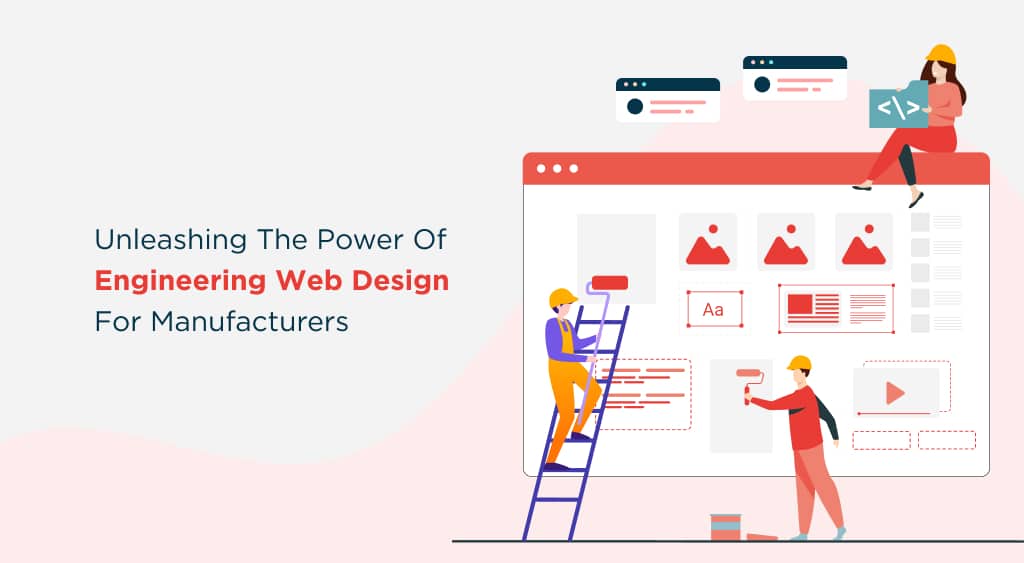
Industrial Web Design: Your Competitive Edge in Manufacturing

The Importance of Industrial Web Design

Have you ever walked into a store and instantly felt connected? The way items were displayed, or the soothing color palette drew you in. Similarly, in the digital realm, a website’s design is like the store’s interior. Web design plays a monumental role, especially in the industrial sector, where showcasing precision and professionalism is paramount.

The Role of Web Design in the Manufacturing Industry

In manufacturing, products and processes might often seem cold and mechanical. However, how these are presented online can bridge the gap between intricate technicalities and potential clients or partners. Here’s how:

  • First Impressions Count: Just as you’d be impressed by a well-organized factory floor, a neatly designed website reflects a company’s attention to detail, professionalism, and the care it invests in its operations.
  • Storytelling Through Design: Every manufacturer has a story. Maybe it’s the decades of legacy, the innovation-driven approach, or the people behind the machines. A thoughtfully designed website can narrate this tale, resonating with visitors and instilling trust.
  • Simplifying Complexities: Manufacturing processes can be intricate. Web design can aid in breaking down these complexities through interactive charts, infographics, or even animations, making it easier for a layperson or potential client to understand.

Benefits of a Well-Designed Industrial Website

Still pondering why you should invest in a top-notch web design? Here’s why:

  • Enhanced User Engagement: A user-friendly design ensures visitors linger, explore, and engage. It’s like guiding them effortlessly through a digital journey, ensuring they find what they’re looking for.
  • Boosted Credibility: A sleek, professional website design can bolster your brand’s image. It silently conveys that the same care and precision are likely applied to your bespoke website if you’re diligent about your manufacturing processes.
  • Higher Conversion Rates: An intuitively designed website, with clear calls-to-action and streamlined navigation, can guide visitors smoothly from curiosity to conversion, be it an inquiry, a sign-up, or a purchase.
  • Mobile Optimization: In an age where most users access websites via mobile devices, a responsive design ensures they have a seamless experience, irrespective of screen size.

In wrapping up, while products, machinery, and technical prowess are the heartbeats of the manufacturing world, a well-designed website is an inviting facade that introduces these strengths to the world. It’s a blend of art and precision, aesthetics and functionality, making it an indispensable tool in today’s digital age. Remember, a website is more than just a digital address; it’s the first handshake, the initial conversation, and often the starting point of long-term business relationships. Make it count!

Key Elements of Industrial Web Design

Much like the intricacies of a well-oiled machine, a good industrial web design hinges on several pivotal components working in harmony. Dive into a world where the blend of artistry and precision creates web magic for manufacturing.

User-Friendly Navigation

Imagine walking into a vast factory without any signboards or indications. Confusing, right? Similarly, when visitors land on a website, they seek guidance, which leads them to the information they desire. Here’s why user-friendly navigation is paramount:

  • Intuitive Flow: A site’s layout should be like a virtual tour guide, intuitively leading visitors from one section to another, ensuring they easily find what they’re looking for.
  • Reduced Bounce Rates: When users can effortlessly find their way around, they’re more likely to stay and explore further, reducing the chances of them leaving the website prematurely.
  • Enhanced User Experience: Streamlined navigation, coupled with well-organized content, enriches the user’s experience, making their digital journey pleasant and fruitful.

Mobile Responsiveness

Today’s user isn’t just sitting behind a computer screen; they’re on the move, accessing sites from tablets, phones, and other devices. And here’s why mobile responsiveness isn’t just a fancy term but a must-have:

  • Wider Audience Reach: With a significant portion of the world browsing on mobile devices, a mobile-responsive site ensures you’re accessible to a broader audience.
  • Boosted SEO Ranking: Search engines, like Google, factor in mobile optimization when ranking sites. A mobile-responsive design is a nod of approval in their algorithmic eyes.
  • Seamless User Experience: A site that adjusts and looks equally good on all devices ensures users have a consistent experience, regardless of how they access your site.

Content Management System(CMS)

  1. WordPress:
    • Best for Customization: As a custom WordPress development company can attest, WordPress is renowned for its flexibility and ease of customization. It’s an excellent choice for businesses seeking a tailor-made website that can grow and adapt over time.
    • SEO and Content Management: WordPress is also favorable for SEO and content management, making it a strong choice for businesses focusing on digital marketing and content strategy.
    • Vast Plugin Ecosystem: The extensive range of plugins allows for the integration of various functionalities, from SEO tools to complex industrial features.
  2. Shopify:
    • E-commerce Specialization: Shopify designers often highlight Shopify’s robust e-commerce capabilities, making it ideal for businesses focused on online sales.
    • User-Friendly: It offers a user-friendly interface and is well-suited for those who want an efficient way to manage and scale their online store without extensive technical knowledge.
    • Integrated Sales Tools: Shopify comes with integrated tools for sales, marketing, and analytics, which are essential for an e-commerce manager in a Zen lifestyle brand.
  3. Magento:
    • Scalability for Large Stores: A Magento website designer would emphasize Magento’s strength in scalability and flexibility, particularly for large and complex e-commerce operations.
    • Customization Capabilities: It offers robust customization options, which can be crucial for industrial businesses with specific needs.
    • Community and Enterprise Versions: Magento provides both community and enterprise versions, catering to a wide range of business sizes and requirements.

Clear and Engaging Visuals

The magic of visuals can’t be understated. They’re not just decoration; they’re communication tools. Quality pictures, videos, and graphics inject life into your industrial website, drawing viewers in. Picking the right visuals isn’t just about aesthetics; it’s about alignment with your brand and the story you want to tell. And, let’s remember the technical side – ensuring these visuals load swiftly is key to keeping your audience on your page.

When you get your visuals right, you’re not just putting up images. You’re building bridges, making connections, and enriching experiences. And as you evolve in the dynamic world of manufacturing, regularly checking in on your website’s performance helps keep those connections strong and meaningful.

Optimizing Industrial Websites for SEO

In today’s bustling digital marketplace, standing out is more than a goal; it’s necessary, especially for industrial sectors, where the competition can be fierce, more than having a website is needed. That website needs to be seen, and that’s where SEO steps in.

Understanding SEO for Manufacturing Websites

SEO, or Search Engine Optimization, is like your website’s map to the online world. It helps guide potential clients and customers straight to your digital doorstep. For industrial and manufacturing websites, understanding SEO means recognizing that your audience has unique needs. They’re often looking for specific products, solutions, or technical insights. Catering to this audience requires a targeted approach.

Incorporating Relevant Keywords

One of the first steps in this SEO journey is keyword research. This isn’t about stuffing jargon or technical terms onto your site. Instead, it’s about understanding what your potential customers are typing into search engines. Are they seeking “durable industrial pumps” or “energy-efficient manufacturing solutions”? By understanding and incorporating these search terms organically into your content, you’re making your website more visible to the people you want to attract.

Creating High-Quality Content

Let’s break it down in simpler terms.

Imagine you’re at a party and about to share a story. You wouldn’t drone on about technical specs or throw jargon around, would you? Instead, you’d want to share something memorable, relatable, or funny. That’s what high-quality content feels like.

  • It’s Like a Chat Over Coffee: When thinking of content, imagine you’re explaining something to a friend over a cup of coffee. Keep it casual. If you’re talking about a product, share a funny anecdote about its creation or a touching story of someone it helped.
  • Keep It Light and Relatable: Ditch the technical jargon. Think about how you’d explain a complex machine to a ten-year-old. Use everyday analogies. If you’re writing about a new manufacturing process, compare it to cooking or building a LEGO set.
  • Offer a Takeaway: Remember those stories that stick with you long after the party? Your content should do that. Instead of hard-selling, share advice, a life lesson, or even a quirky fact.

Think of content as the soul of your website. In a world bombarded with information, people crave a human touch. So, when you pen down content, let your hair down a bit. Share a laugh, a lesson, a story. After all, isn’t that what we all remember at the end of the day? Keep tabs on how your content is doing, gather feedback, and always be ready to tweak and adapt. It’s a learning curve, but one that’s worth every moment.

Building Trust and Credibility

Imagine walking into a store and being greeted by a friendly shopkeeper who remembers your favorite products, listens to your concerns, and offers genuine advice. It’s heartwarming and reassuring, right? That’s how trust and credibility feel in the digital space.

Showcasing Expertise and Experience

Everyone’s got a story. Think of your company’s journey, like sharing tales of childhood adventures or travel escapades. Maybe it all started in a small garage or was inspired by a simple question: “Why not?” Sharing those moments, the triumphs, and the hurdles makes you relatable. When people know your story, understand your background, and see the milestones you’ve achieved, they trust you a little more. It’s like showing off those souvenirs from your travels or pictures from the old days.

Highlighting Client Testimonials and Case Studies

Have you ever been to a gathering where friends vouch for your cooking skills or recall when you helped them move? That’s the power of word-of-mouth. Client testimonials work the same way. It’s like your customers telling potential clients, “Hey, these folks are legit! They helped us out and do the same for you.” Sharing real-world experiences, challenges, and how they were overcome gives a sneak peek into how you operate, making the unknown a little more familiar.

Providing Easy Contact and Inquiry Options

Okay, think of this as being approachable at that party. You’re open to questions, easily available, and genuinely willing to help. In the digital space, this translates to providing clear ways for visitors to reach out, be it a chatbot that pops up with a friendly “How can I assist?”, a prominently displayed contact number, or a simple inquiry form. It’s like saying, “Hey, got questions? Come on over. Let’s chat.”

In essence, building trust is like weaving a warm, welcoming story. It’s about showing you’re genuine, proving you’ve been there and done that, letting others vouch for you, and always being there for a heart-to-heart. Simple.

Staying Ahead in the Competitive Manufacturing World

The manufacturing world is much like a marathon, where everyone’s sprinting. It’s intense, thrilling, and demands a strategy. Imagine being in a race and just following the crowd; you’d be one among many. But what if you had a roadmap, a bit of insider advice, and a cheer squad? That could make all the difference. Here’s your guide to keep pace and lead the race in the ever-evolving manufacturing arena.

Keeping Up with Industry Trends

Think of this as your morning jog routine, where you scope out the competition. You observe, absorb, and adapt. Just like you’d swap those old sneakers for the latest pair that promises better grip and comfort, embracing the newest industry techniques, materials, and technologies is vital. Subscribing to industry journals, attending workshops, or simply engaging with peers can be your window to what’s ‘in’ and ‘yesterday.’

Leveraging Social Media and Online Platforms

Remember those neighborhood kids cheering for you during your evening runs? That’s social media for you – an enthusiastic crowd waiting to cheer, provided they know you’re in the race. Whether showcasing your latest innovations on Instagram, sharing behind-the-scenes moments on Facebook, or discussing challenges on LinkedIn forums, being visible and vocal makes a difference. Social media is where conversations begin, partnerships form, and brand stories get shared. Don’t miss out!

Monitoring and Analyzing Website Performance

This one’s the fitness tracker for your digital presence. Just as you’d monitor your heart rate, steps, or calorie burn, keeping an eye on website traffic, bounce rates, or conversion ratios is crucial. Tools like Google Analytics act as your digital health check-up. Is your website attracting visitors? Are they staying around or just bouncing off? Regular check-ins and tweaks can ensure your digital space remains in top form, much like those regular health check-ups keep you race-ready.

Staying ahead in the manufacturing world is a mix of staying updated, being seen and heard, and consistently checking your digital pulse. Lace up, gear up, and let’s race ahead!

Remarketing Essentials: A Comprehensive Guide for PPC Success

What is Remarketing?

Remarketing is like having a friendly reminder in the digital world. It’s a way for businesses to show ads to people who have visited their website or used their app before. When someone visits your site, a small digital tag, like a cookie, notes their visit. Later, as they surf the web, this tag helps your ads reappear, reminding them about your brand and encouraging them to return.

How Does Remarketing Work?

Here’s how the magic happens: Someone visits your website or interacts with your app. During their visit, a tiny tracker (cookie or pixel) is placed on their device. This tracker is like a digital memory, remembering the user’s actions. Later, when creating ads, you can target these visitors based on what they looked at or did on your site. This is done through platforms like Google Ads or Facebook Ads, which help your ads show up where these past visitors go online. It’s a smart way to re-engage people who already have an interest in what you offer.

Benefits of Remarketing

Remarketing is a powerful tool for boosting your PPC campaigns. Here are its main benefits:

  • Increased Brand Awareness: Remarketing keeps your brand in the viewer’s mind. By showing your ads repeatedly to potential customers, you’re building familiarity and trust.
  • Higher Conversion Rates: Since you’re targeting people who already showed interest, they’re more likely to take action like making a purchase.
  • Improved Ad Relevance: With remarketing, your ads are more personalized. They’re based on the visitor’s past behavior, making them more relevant and appealing.
  • Cost-Effective Advertising: Generally, remarketing can be more budget-friendly. You’re reaching out to an audience already aware of your brand, which can lower the cost per click and improve ROI.

Implementing Remarketing Campaigns

Embarking on a remarketing campaign is a strategic move to re-engage those who’ve shown interest in your brand. Here’s how to make it work:

Setting Up Your Remarketing Campaign 

Begin by integrating tracking codes, like tiny digital breadcrumbs, on your website or app. These codes are vital in following the trail of your visitors and understanding their interactions. Platforms like Google Ads and Facebook Ads offer intuitive tools for this. After setting up, you can create custom lists based on user behaviors, like visiting certain pages or leaving a full shopping cart. These lists are your roadmap to understanding different audience segments and engaging them effectively.

Choosing the Right Platforms for Remarketing 

If your audience loves social media campaign, then Facebook ads or Instagram ads might be your best bet. For a more professional audience, LinkedIn ads could be the key. Don’t overlook display networks; they cast a wide net across various websites, increasing your ad’s reach.

Creating Effective Remarketing Ads

The heart of your campaign lies in the ads themselves. They should have visuals that catch the eye and messages that speak directly to the viewer. The goal is to make them visually appealing and to-the-point, with a clear call to action. Remember to customize your ads for different segments of your audience, making each ad feel like a personal conversation with that particular group.

By carefully setting up your campaign, choosing the right platforms, and crafting impactful ads, your remarketing efforts can become a powerful tool in your advertising Pay Per Click . Keep an eye on how your ads perform and be ready to tweak them for optimum engagement and conversion.

Key Strategies for Effective Remarketing

Remarketing can significantly boost your PPC campaigns when done right. Here are some essential strategies to help you harness its full potential:

Refining Audience Segmentation

Think of your audience as a spectrum of varied interests and behaviors. Segmenting means categorizing them into distinct groups based on their interaction with your website or app, like visitors who browsed specific products or those who abandoned their cart. Tailoring your approach to each group can dramatically increase the relevance and effectiveness of your ads.

Customizing Ads for Each Segment

Once you’ve segmented your audience, it’s time to speak their language. Create ads that resonate with each group’s specific interests and behaviors. If a segment showed interest in a particular product range, focus your ads on those products. It’s about making each ad feel like it was crafted just for them.

Implementing Frequency Caps

Balance is key in remarketing. You want to remind your audience of your brand without overwhelming them. Set a cap on how often individuals see your ads to maintain a healthy balance between visibility and saturation. This approach helps in keeping your brand’s presence positive and engaging.

Adopting these strategies can make your remarketing campaigns more focused, personalized, and effective. It’s all about understanding your audience, communicating with them in a way that resonates, and maintaining a noticeable but not overpowering presence

Optimizing Your Remarketing Campaigns

Analyzing Campaign Metrics Diligently: Continuously monitor the key metrics of your campaigns. Focus on understanding the nuances of your ad performance through metrics such as conversion rates and click-through rates. This analysis is critical for identifying improvement areas and optimizing your approach.

Executing Controlled A/B Tests: Implement A/B testing to discern the most effective elements of your remarketing ads. This methodical testing helps in determining the ad variations that best resonate with your target audience, leading to higher engagement levels.

Adopting Dynamic Remarketing Techniques: Use dynamic remarketing to customize your ads based on users’ previous site interactions. This strategy enhances ad relevance, thereby increasing the chances of re-engaging past visitors and boosting conversions.

PPC Management Secrets: How to Outperform Your Competitors

The Power of PPC

In the bustling digital world, Pay-Per-Click (PPC) advertising stands out as a beacon, guiding potential customers directly to your doorstep. Imagine PPC as a smart assistant, one who knows exactly who is looking for what you offer and gently nudges them your way.

But what really makes PPC so powerful? It’s all about relevance and timing. Think of it like this: You have a store selling beautiful, hand-crafted Zen lifestyle products. Someone, somewhere, is searching for exactly that. PPC is the bridge connecting their search to your store. It’s about being there at the right moment, with the right message.

The beauty of PPC lies in its flexibility. Whether you’re a small local shop or a growing online brand, PPC adapts to your needs. You control the budget, target specific audiences, and can even decide when your ads appear. It’s like having a billboard that only shows up to the people who are most likely to walk into your store, and only when they’re nearby and interested.

But here’s the catch – PPC isn’t just about setting up ads and waiting for clicks. It’s a craft. The art lies in understanding your audience, crafting messages that resonate with them, and constantly tweaking your approach based on real data. It’s a dynamic, ongoing conversation between you and your potential customers.

Why PPC Management is Important

PPC advertising holds great promise, but its success hinges on smart management. Here’s why managing your PPC campaigns well matters:

  1. Cost Control: Managing your PPC effectively means you’re in the driver’s seat with your budget. You decide how much to spend and when. This careful budgeting ensures you get the most out of every penny spent on ads.
  2. Optimal Ad Performance: Good PPC management is about fine-tuning your ads. It involves choosing the right keywords and crafting messages that speak to your audience. This increases the likelihood of clicks and, ultimately, conversions.
  3. Campaign Optimization: It’s not just about setting up campaigns; it’s about constantly improving them. This involves structuring your campaigns smartly, tweaking your bids, and using ad extensions for greater visibility. Regular analysis of key metrics guides these adjustments, ensuring your ads always perform their best.
  4. Staying Ahead: The world of PPC is always changing. Effective management keeps you up-to-date with the latest trends and tools. Adapting to new formats and technologies, like video or display ads, can set you apart and keep you ahead of the curve.

In short, effective PPC management is the key to unlocking the full potential of your advertising efforts. It’s about spending wisely, constantly refining, and staying adaptable in the ever-evolving digital landscape.

Key Components for Successful PPC Management

  1. Solid Campaign Strategy: The foundation of PPC success is a well-thought-out strategy. Define your goals clearly, know your target audience, and pick the platforms that align best with your objectives. It’s about charting a clear path to reach your advertising milestones.
  2. In-depth Keyword Selection: Keywords are the anchors of PPC. It’s crucial to select keywords that not only attract your target audience but also align with their search intent. Balance is key – targeting both popular and niche keywords effectively.
  3. Engaging Ad Development: The power of an ad lies in its ability to engage and persuade. Crafting ads that stand out involves creating compelling content and eye-catching designs. Continually test and refine your ads to ensure they resonate with your audience.
  4. Budget Allocation and Bid Management: Smart budgeting is at the core of PPC management. This means wisely allocating your funds and adjusting your bids to get the best return on investment, ensuring you don’t overspend while maximizing ad exposure.
  5. Ongoing Performance Review: Success in PPC requires keeping a constant eye on your campaign’s performance. Regularly review analytics to understand what’s working and what isn’t. Use these insights to fine-tune your approach.
  6. Adaptability to Industry Trends: The digital marketing world is ever-changing. Stay ahead by keeping up with the latest PPC trends and adapting your strategies to new technologies and changing market dynamics.

Optimizing PPC Campaigns

Optimizing your PPC campaigns is a vital step in ensuring they work effectively for you. Here’s how to do it:

  1. Refine Your Targeting: Start by ensuring your ads reach the right audience. This means choosing demographics, interests, and behaviors that align with your ideal customer. It’s like inviting the right people to your party – the ones who are most likely to enjoy it.
  2. Craft Compelling Ads: Your ads should grab attention and encourage clicks. This involves using clear, engaging language and attractive visuals. Think of your ad as a storefront window; it should be inviting and relevant to those walking by.
  3. Use Keywords Wisely: Keywords are the foundation of PPC. Select ones that are highly relevant to your business and what your customers are searching for. It’s not just about volume; it’s about relevance.
  4. Monitor and Adjust: Keep an eye on how your ads are performing. Are they getting clicks? Are they leading to sales or leads? Adjust your strategy based on this data. Think of it as steering a ship – you need to constantly adjust your course based on the wind and waves.
  5. Test and Learn: Experiment with different elements of your ads, like headlines or images, to see what works best. It’s a process of trial and error that helps refine your approach.

In short, optimizing PPC campaigns is about targeting the right people with the right message, using keywords effectively, and continually adjusting based on performance. It’s a dynamic process that requires attention and agility.

Tracking and Analyzing Performance

In the world of PPC, keeping an eye on how your campaigns are doing is like checking the health of your garden. You need to know what’s growing well and what needs more care. Here’s a straightforward way to track and analyze your PPC campaign performance:

  1. Set Clear Metrics: Decide what success looks like for your campaigns. Is it more website visits, sales, or leads? These metrics are your guideposts, helping you understand if you’re on the right path.
  2. Use Tracking Tools: Tools like Google Analytics are like your garden tools. They help you dig into data and understand how users interact with your ads. Are they clicking through? What do they do once they land on your site? This information is key to understanding your campaign’s effectiveness.
  3. Regular Reviews: Schedule regular check-ins with your campaign data. This is like watering your plants – it needs to be done consistently. Look for trends. Are certain ads or keywords performing better than others?
  4. Learn and Adjust: Use what you learn from the data to make changes. Maybe some ads need a refresh, or certain keywords aren’t delivering results. It’s all about tweaking and improving, like pruning a plant to help it grow better.
  5. Keep an Eye on ROI: Ultimately, it’s about how much value you’re getting for your spend. Are your ads cost-effective? Adjusting strategies based on ROI ensures that your campaigns are not only effective but also efficient.

In essence, tracking and analyzing your PPC campaign performance is about setting goals, using the right tools to gather insights, regularly reviewing results, learning from them, and always keeping an eye on your return on investment. It’s a cycle of continuous improvement.

Staying Ahead with PPC Trends

Keeping up with PPC trends is like staying tuned to the pulse of the digital world. It’s about knowing what’s new and how it can benefit your campaigns. Here’s a simple guide to staying ahead:

  1. Embrace New Technologies: PPC is always evolving with technology. From AI-driven automation to advanced targeting options, embracing these new tools can give your campaigns a competitive edge. It’s like having the latest gadgets in your toolkit.
  2. Watch for Platform Updates: Major platforms like Google Ads and Facebook Ads regularly update their features. Keep an eye on these changes as they can offer new ways to reach your audience or improve efficiency.
  3. Understand Consumer Behavior: As people’s online habits change, so should your PPC strategies. This means staying aware of how and where your audience spends their time online. Adapting your approach to these behaviors keeps your campaigns relevant.
  4. Learn from Industry Leaders: Follow PPC experts and industry blogs. They often share insights and tips that can inspire new strategies or improve existing ones. Think of it as having mentors guiding you through the ever-changing landscape of PPC.
  5. Test and Innovate: Don’t be afraid to try new things in your campaigns. Testing different approaches helps you understand what works best and keeps your strategies fresh and effective.

In conclusion, mastering PPC management is a dynamic and continuous journey. It involves crafting strategic campaigns, fine-tuning targeting, creating engaging ads, and carefully managing budgets. The key is to stay vigilant with performance tracking, making data-driven decisions to optimize your campaigns. Staying updated with the latest trends and adapting to new technologies is also crucial. Remember, the essence of successful PPC management lies in understanding and connecting with your audience effectively. By doing so, you ensure that every click has the potential to transform into a meaningful customer interaction, driving your business towards its goals.

Achieving PPC Success with Bing Ads: A How-To Guide

Introduction to PPC Advertising

PPC advertising, short for Pay-Per-Click, is a model in digital marketing where advertisers pay a specific fee each time their ad is clicked. It’s a strategy for directing traffic to your website, supplementing the organic audience you gain. These ads can be found in search engine results, such as Google or Bing, or across various social media platforms. The standout feature of PPC is its precise targeting capability. Ads can be tailored based on keywords, user interests, geographical locations, and other demographic details. This focused method ensures your advertising is seen by individuals more likely to have an interest in your offerings, enhancing the efficiency of your marketing efforts.

Importance of PPC Advertising for Businesses

PPC advertising holds immense importance for businesses in today’s digital landscape. It offers rapid visibility and leads generation, something that can take much longer through organic methods like SEO. Its ability to target specific audiences ensures that marketing budgets are used more effectively, reaching potential customers who are already searching for related products or services. Additionally, the flexibility and scalability of PPC campaigns allow businesses of all sizes to control costs while optimizing for better returns. With real-time tracking and analytics, businesses can continually refine their strategies for maximum impact, making PPC a crucial component of any comprehensive digital marketing plan.

Exploring Bing Ads

Exploring Bing Ads offers a unique opportunity for advertisers to reach a different audience than those typically found on Google. Bing, Microsoft’s search engine, has a dedicated user base, often including demographics that are older and perhaps more affluent, which can be ideal for certain types of businesses.

What are Bing Ads?

Think of Bing Ads as setting up a cozy café in a neighborhood not overrun by coffee shops. Here, your sign stands out. When people search on Bing, which might not be as crowded as Google, your ad has the chance to catch their attention more easily. Bing Ads work on a pay-per-click model – inviting people to visit your café, but you only pay for the ad when someone steps through the door. It’s a more focused way of reaching potential customers looking for exactly what you offer in a place where your message doesn’t have to be heard.

Key Features and Advantages of Bing Ads

Microsoft Advertising, previously known as Bing Ads, presents several notable features and benefits for digital advertisers:

  1. Expansive Network Reach: It extends beyond Bing, covering Yahoo and MSN, thus reaching a broader and varied audience.
  2. Reduced Competition Levels: Generally, Microsoft Advertising faces less competition compared to Google, potentially leading to more affordable click costs and better positioning for ads.
  3. Unique Audience Demographics: The user base of Bing, including Yahoo and MSN, often includes demographics not as heavily targeted on other platforms, like older or more affluent groups.
  4. Microsoft Product Integration: This platform offers smooth integration with other Microsoft services, providing opportunities for extended advertising reach.
  5. Budget Flexibility: Microsoft Advertising allows for adaptable budgeting, giving advertisers control over their expenditure.
  6. Targeting Capabilities: It enables targeting based on various factors, including geographic location, device type, and specific times.
  7. Comprehensive Analytics: The platform comes with robust tools for analytics and reporting, aiding advertisers in tracking and optimizing their campaigns.
  8. Extended Partner Network: There’s an option to broaden ad reach through Microsoft’s search partner network, enhancing overall visibility.

Setting Up Your Bing Ads Campaign

  • Establishing a Bing Ads Account: The first step is to create your account on Microsoft Advertising. Visit their site and follow the straightforward sign-up process. Basic business information and billing details are needed to get your account up and running.
  • Determining Campaign Goals and Objectives: Before diving into advertising, it’s essential to pinpoint your campaign’s aims. This could be driving more traffic to your site, generating leads, or increasing sales. Having clear objectives will guide the direction and tactics of your campaign.
  • Exploring Bing Ads Targeting Options: Bing Ads provides various options to refine your audience targeting. You can target specific geographic locations, making your ads visible in selected areas. Demographic targeting allows you to reach specific age groups or genders. There’s also device targeting, which is useful for reaching users on particular devices like mobile phones or desktops. These options help in precisely reaching the audience most likely to respond to your ads, enhancing the effectiveness of your campaign.

Optimizing Your Bing Ads Campaign

  • Keyword Research and Selection: The foundation of a good campaign is selecting the right keywords. Use Bing’s Keyword Planner or similar tools to discover terms that are relevant to your business and frequently searched by your audience. Aim for a balance between relevance and competitiveness – you want keywords that attract the right audience but aren’t too costly due to high competition.
  • Writing Effective Ad Copy: The words in your ad need to grab attention and prompt action. Include the primary keyword, clearly state the benefits of your product or service, and have a direct call to action. Make sure your ad resonates with what your target audience is seeking.
  • Managing Bids and Budgets Efficiently: Keep a close eye on your bids. Start conservatively and increase them based on the ad’s performance. Monitor your spending to ensure you’re getting a good return on investment. Adjust your bids according to the days and times when your audience is most likely to engage.

Tracking and Analyzing Performance

To ensure your Bing Ads campaign is performing at its best, it’s crucial to focus on tracking and analyzing its performance:

  • Conversion Tracking: This involves setting up a system to track when someone clicks on your ad and then takes a desired action, like making a purchase or signing up for a newsletter. Conversion tracking is essential to understand how effectively your ads are driving your business goals.
  • Analytics and Reporting Tools: Utilize Bing Ads’ analytics and reporting tools to get detailed insights into your campaign’s performance. These tools provide data on various aspects, such as click-through rates, impressions, and conversion rates, helping you understand what’s working and what’s not.
  • Making Data-Driven Decisions: The key to a successful campaign is using the data you gather to make informed decisions. Analyze the performance data regularly to identify trends, and use these insights to refine your targeting, ad copywriting, and bidding strategies. This data-driven approach helps in continuously improving the efficiency and effectiveness of your campaign.

Maximizing Success with Bing Ads

Each ad campaign requires attention – target audience, the right amount of budget and placement, and adjustments and refinements. You will learn which aspects of your ads resonate best with your audience. It’s a process where attention to detail and responsiveness to the environment leads to a flourishing garden.

Testing and Experimentation

Testing and experimentation in Bing Ads are similar to a scientist working in a lab. Each ad campaign is an experiment. You have a campaign strategy and test it under different audiences, keywords, and ad formats. You analyze the performance of each variation. This systematic testing allows you to continually discover what works best, refining your approach for the most effective formula.

Continuous Campaign Optimization

This could mean modifying your keyword strategy, adjusting bids, or rewriting ad copy. The goal is to ensure that the campaign fits your marketing objectives as snugly and effectively as a well-tailored suit, adapting to trends and changes in consumer behavior over time.

Staying Up-to-Date with PPC Trends

You should watch industry news, participate in marketing forums, and follow thought leaders. This constant vigilance allows you to adapt your strategies to the latest trends in advertising Pay Per Click, ensuring that your campaigns remain stylish, relevant, and appealing to your audience.

Unleashing the Power of PPC Advertising: A Complete Guide

Introduction to PPC Advertising

PPC advertising, short for Pay-Per-Click, is a straightforward yet effective online marketing approach. Here’s how it works: advertisers pay a small fee each time their ad is clicked. This method is a fast track to draw more visitors to your site, in contrast to gaining these visits organically. What makes PPC so appealing is its precision targeting. You can reach potential customers based on their interests, location, and online behavior. It’s a cost-effective solution, especially for those who want to connect with a specific audience. With PPC, businesses big or small can boost their online presence and attract more website traffic.

Benefits of PPC Advertising

PPC advertising offers several key benefits that make it a go-to choice for many businesses.

  1. Quick Results: PPC campaigns can drive immediate traffic to your website, offering faster results compared to organic methods.
  2. Targeted Advertising: Tailor your ads to reach specific audiences based on demographics, interests, and behaviors.
  3. Cost Control: Set your own budget and only pay when someone clicks on your ad, making PPC cost-effective.
  4. Measurable Impact: Easily track and measure the performance of your ads, helping refine your strategies for better results.
  5. Flexible Campaigns: Adjust your PPC strategies in real-time based on performance data and market trends.
  6. Improved Visibility: Boost your online presence quickly, increasing the chances of reaching potential customers.

Understanding the PPC Advertising Process

Diving into PPC advertising is like starting a new adventure. It’s a journey through a land where your message meets the right audience. This process involves understanding how to navigate the PPC landscape, knowing the shortcuts, and avoiding the pitfalls. It’s a mix of planning, execution, and continuous learning.

Grasping the PPC Advertising Process involves several key phases, all of which contribute to the effectiveness of your campaign.

  • Initiating a PPC Campaign: Begin by identifying what you aim to achieve, like attracting more visitors or increasing sales. Opt for an advertising platform that best suits your target audience and objectives, whether it’s Google Ads, Facebook, or another option.
  • Keyword Research and Selection: This step is critical. Investigate and choose keywords that your prospective customers are likely to use in their online searches. These keywords are central to ensuring your ads reach the appropriate audience.
  • Crafting Effective Ad Copywriting: Make sure your ads are engaging and pertinent. Develop ad content that addresses the interests and needs of your audience, motivating them to click and discover more.
  • Managing Bids and Budgeting: Handle your budget smartly. Decide on your spending limits for the campaign and distribute your budget effectively across your ads and chosen keywords. Consistently review and modify your bids to keep your campaign both competitive and economical.

Each stage needs careful consideration and adjustment to make sure your PPC campaign is effective and achieves your desired outcomes.

Choosing the Right PPC Platform

Selecting an appropriate PPC platform is crucial for your advertising strategy, with each offering distinct benefits:

  • Google Ads: As the dominant search engine, Google Ads offers extensive exposure. It’s well-suited for those looking to reach a broad audience. Its advanced analytics are also a big plus, allowing for detailed campaign adjustments.
  • Bing Ads: This is a great alternative with a unique audience, often attracting different demographics than Google, including older users. It’s typically less competitive, potentially offering more budget-friendly click rates.
  • Social Media Advertising Platforms: Platforms like Facebook, Instagram, and LinkedIn allow for highly specific targeting. They are ideal if you’re aiming to connect with audiences based on detailed criteria like interests, behaviors, and lifestyle. These platforms are particularly effective for engagement-driven campaigns.

The choice depends on where your target audience is most active and the specific objectives of your campaign. Each platform has its own set of advantages, so aligning them with your marketing goals is key.

Optimizing Your PPC Campaigns

Enhancing your PPC campaigns for optimal performance involves several strategic actions:

  • Regular Performance Review and Analysis: It’s important to consistently monitor vital metrics like click rates, conversions, and the cost for each click. This analysis helps identify which parts of your campaign are effective and which need adjustments.
  • Executing A/B Tests for Refinement: Experiment with various aspects of your ads, such as the text, design, and call-to-action phrases. Through A/B testing, you can determine which ad variations yield better results, leading to more effective campaigns.
  • Utilizing Additional Ad Features: Leverage the extra features offered by platforms, like Google Ads’ extensions. These features can include more details in your ads, like extra website links, contact info, or specific offerings. They serve to enhance your ad’s appeal and information value, potentially boosting engagement rates.

Remember, optimizing PPC campaigns is an ongoing process. Continually adapting your strategy based on the insights from your campaign’s performance is crucial for maintaining effective and cost-efficient advertising.

Tips for Successful PPC Advertising

  • Know Your Audience: It’s crucial to have a deep understanding of your target market. What are their interests, online habits, and needs? This knowledge helps in crafting ads that truly speak to your audience, increasing engagement and effectiveness.
  • Regularly Review and Tweak Your Campaigns: PPC advertising requires ongoing attention. Keep an eye on key performance indicators and be prepared to adjust elements like your keywords, ad copy, and budget based on what the data shows.
  • Consider Getting Expert Help: If you’re new to PPC or your campaigns aren’t performing as expected, getting advice from a professional can be a game-changer. PPC Experts can offer specialized knowledge and tactics to improve your campaign’s performance.

This guide has not only detailed the steps to create, launch, and optimize PPC campaigns but also emphasized why PPC is a vital tool in the digital marketing arsenal. PPC advertising stands out for its ability to target specific audiences quickly, offer measurable results, and provide flexibility in budgeting and strategy. Whether you’re a small business owner, a marketing professional, or just starting out in the digital world, understanding and utilizing the power of PPC can be a game-changer in achieving your online marketing goals.