How To Start a Clothing Brand in 14 Steps

Fashion is part of the daily air and constantly changes with all the events. You can even see the approaching of a revolution in clothes.” – Diana Vreeland. With the global fashion industry valued at over $2.5 trillion, the success of popular clothing brands like H&M and Zara showcases this sector’s immense potential and profitability.

Starting a clothing brand is an exhilarating venture combining creativity and business acumen. The fashion industry is about style and trends, connecting with consumers, and building a brand that resonates with their lifestyle. Launching your clothing label requires meticulous planning, an eye for design, and a solid market understanding.

This guide will walk you through starting a clothing brand, breaking it down into 14 manageable steps. From defining your brand concept to scaling your business, each step is designed to help you navigate the challenges and opportunities of the fashion industry. By following this comprehensive approach, you’ll be well on your way to establishing a successful clothing brand.

Step 1: Define Your Brand Concept

Identify Your Niche

Choosing a specific market segment or niche is crucial when starting a clothing brand. Your niche defines who your target customers are and what unique value your brand offers them. Focusing on a niche allows you to stand out in a crowded market, cater to specific customer needs, and build a loyal customer base. For example, your niche could be sustainable fashion, athleisure wear, luxury apparel, or streetwear.

  • Why It’s Important:
    • Differentiation: Helps your brand stand out from competitors.
    • Targeted Marketing: This allows you to tailor your marketing efforts to a specific audience, increasing the effectiveness of your campaigns.
    • Customer Loyalty: Builds a loyal customer base by addressing specific needs and preferences.

Brand Mission and Vision

Defining your brand’s mission and vision is the foundation of your brand identity. Your mission statement should articulate your brand’s core purpose—why it exists and what it aims to achieve. Your vision statement should outline your brand’s long-term goals and aspirations.

  • Mission Statement:
    • Purpose: Clearly state the primary reason your brand exists.
    • Example: “Our mission is to create high-quality, sustainable fashion that empowers individuals to express their unique style while caring for the planet.”
  • Vision Statement:
    • Goals: Define the long-term impact you want your brand to have.
    • Example: “Our vision is to become the leading sustainable fashion brand known for innovative designs and a commitment to environmental stewardship.”
  • Values:
    • Core Principles: Identify the principles guiding your brand’s actions and decisions.
    • Examples: Sustainability, innovation, inclusivity, and quality.

Step 2: Conduct Market Research

Analyze Competitors:

Understanding your competition is essential for positioning your clothing brand effectively in the market. Conducting a thorough competitor analysis helps you identify what works well in your industry and what gaps you can fill with your unique offerings.

  • Identify Competitors: Start by identifying direct and indirect competitors. Direct competitors are brands that target the same niche and customer base as you. Indirect competitors may not target your niche directly but still appeal to your potential customers.
  • Research Competitors: Look into their product lines, pricing strategies, marketing tactics, and customer reviews. Visit their websites, follow their social media channels, and read reviews on Yelp, Google, and Trustpilot.
  • Strengths and Weaknesses:
    • Strengths: Identify what your competitors do well. This could be their product quality, brand image, customer service, or marketing strategies.
    • Weaknesses: Look for areas where your brand falls short. This could include product variety, customer engagement, pricing, or delivery times. Identifying these weaknesses can highlight opportunities for your brand to stand out.
  • SWOT Analysis: Perform a SWOT analysis (Strengths, Weaknesses, Opportunities, Threats) for each competitor to get a comprehensive understanding of their market position.

Understand Your Target Audience:

Knowing your target audience inside and out is crucial for tailoring your products and marketing strategies to meet their needs and preferences.

  • Demographic Research: Start by gathering basic demographic information about your potential customers. This includes age, gender, income level, education, and location. Tools like Google Analytics, social media insights, and market research reports can provide valuable data.
  • Psychographic Research: Go beyond demographics to understand your audience’s psychographics. This includes their interests, values, lifestyle, and purchasing behaviors. Surveys, focus groups, and customer interviews effectively gather this information.
  • Customer Personas: Create detailed customer personas that represent your ideal customers. Each persona should include demographic and psychographic details, as well as their shopping habits, pain points, and motivations.
    • Example Persona:
      • Name: Eco-conscious Emma
      • Age: 28
      • Occupation: Marketing Manager
      • Interests: Sustainable living, yoga, outdoor activities
      • Pain Points: Struggles to find stylish, affordable, and sustainable clothing
      • Motivations: Values quality, eco-friendliness, and unique design
  • Behavioral Data: Analyze how your target audience interacts with brands online. Tools like Google Analytics track website behavior, and social media analytics are used to understand engagement patterns.
  • Feedback and Reviews: Read customer reviews and feedback on competitors’ products. This provides insights into what customers like and dislike, helping you tailor your offerings to meet their needs better.

Step 3: Create a Business Plan

Outline Your Business Goals:

Setting clear, measurable goals is essential for guiding the growth and success of your clothing brand. These goals should be divided into short-term and long-term objectives.

  • Short-Term Goals:
    • Product Development: Launch your first collection within six months.
    • Sales Targets: Achieve a specific number of sales or revenue within the first quarter.
    • Brand Awareness: Increase your social media followers and engagement by a certain percentage within three months.
    • Customer Acquisition: Gain 100 customers within the first month of launch.
  • Long-Term Goals:
    • Market Expansion: Enter new markets or regions within two years.
    • Product Line Expansion: Introduce new product lines or categories annually.
    • Revenue Growth: Achieve a specific annual revenue milestone within five years.
    • Brand Recognition: Become a recognized name in your niche within five years, featured in major fashion publications or worn by influencers.

Financial Projections:

Creating detailed financial projections helps you understand your business’s financial requirements and plan for profitability. This includes budgeting for initial startup costs, ongoing expenses, and revenue forecasts.

Startup Costs: List all the initial expenses for starting your clothing brand. This can include design and prototyping, manufacturing, website development, marketing, legal fees, and any necessary equipment or software.

  • Example:
    • Design and Prototyping: $5,000
    • Manufacturing: $10,000
    • Website Development: $2,000
    • Marketing: $3,000
    • Legal Fees: $1,000
    • Total Startup Costs: $21,000

Ongoing Expenses: Estimate your monthly and annual expenses, including production costs, shipping, marketing, salaries, rent (if applicable), and other operational costs.

  • Example:
    • Monthly Production Costs: $5,000
    • Shipping: $1,000
    • Marketing: $1,500
    • Salaries: $3,000
    • Rent: $1,000
    • Total Monthly Expenses: $11,500

Revenue Projections: Forecast your expected sales and revenue for the first year and beyond. Consider different scenarios based on various sales volumes and pricing strategies.

  • Example:
    • Monthly Sales Volume: 200 units
    • Average Price per Unit: $50
    • Monthly Revenue: $10,000
    • Annual Revenue: $120,000

Break-Even Analysis: Determine the point at which your revenue will cover your expenses. This helps you understand how many units you need to sell to start making a profit.

Marketing Strategy:

A robust marketing plan is crucial for creating brand awareness, attracting customers, and driving sales. Your marketing strategy should include online and offline tactics tailored to your target audience.

Brand Positioning

Define how you want your brand to be perceived in the market. What makes your brand unique? What value do you offer to your customers?

Digital Marketing

Engage with your audience in real time using Facebook Live by answering questions, sharing updates, and providing valuable insights. Promote your Live sessions ahead of time to ensure a good turnout. During the broadcast, keep your videos engaging and interactive by using a conversational tone and encouraging viewers to participate. This real-time interaction helps build a stronger connection with your audience and fosters a sense of community.

Offline Marketing

Host pop-up shops or trunk shows to showcase your products and interact with customers in person. Partner with influencers, bloggers, and other brands to increase your reach. Participate in fashion shows, trade fairs, and local events to increase brand visibility. These strategies help you engage directly with your audience, build brand awareness, and expand your market presence.

Distribution Strategy

Focus on selling through your own online store for better control over branding and customer experience. Explore opportunities to sell your products through boutique stores, department stores, or online marketplaces to increase your visibility. Additionally, consider offering wholesale options to other retailers or distributors to expand your reach and grow your business further.

Step 4: Develop Your Brand Identity

Brand Name

Choosing a memorable and unique brand name is crucial for establishing your brand identity and making a lasting impression. Here are some tips to help you select the perfect name:

  • Keep It Simple: Choose a name that is easy to spell, pronounce, and remember. Avoid complex or obscure words that might confuse your audience.
  • Reflect Your Brand: Ensure the name aligns with your brand’s values, mission, and products. It should give potential customers an idea of what your brand represents.
  • Check Availability: Research to ensure another brand doesn’t already use the name. Check domain name availability and social media handles to ensure consistency across all platforms.
  • Think Long-Term: Choose a name that can grow with your brand and isn’t too narrowly focused on one product or trend.
  • Get Feedback: Test your name with friends, family, and potential customers to see how they perceive it and if it resonates with them.

Logo and Visual Identity:

Your logo and visual identity are the face of your brand. They should convey your brand’s essence and be instantly recognizable. Here’s how to create a strong visual identity:

  • Designing a Logo:

A simple logo is often more versatile and easier to recognize; think of iconic logos like Nike’s swoosh or Apple’s apple. Your logo should reflect your brand’s personality and values, using symbols, shapes, and colors that convey the right message. Ensure your logo looks good in different sizes and formats, whether on a business card or a billboard, to maintain its impact across various applications. Consider hiring a professional designer or using design platforms like Canva or 99designs to create a high-quality logo that represents your brand effectively.

  • Visual Elements:

Choose a color palette that reflects your brand’s personality and evokes the right emotions. Consistent use of colors helps in brand recognition. Select fonts that align with your brand’s style, using one or two primary fonts to maintain consistency. Define the style of images and graphics you will use, such as specific photography styles, illustrations, or patterns, to reflect your brand’s identity and create a cohesive visual presentation.

Brand Story:

Crafting a compelling brand story is essential for connecting with your audience emotionally. Your brand story should communicate your mission, vision, values, and the journey behind your brand. Here’s how to create an engaging brand story:

Start by defining your brand’s core values. What principles guide your business decisions and customer interactions? These values should be reflected in your story. Share the inspiration behind starting your clothing brand. What motivated you to enter the fashion industry? Personal anecdotes can make your story more relatable and authentic. Clearly state your brand’s mission and vision. What impact do you aim to have on your customers and the world? How do you plan to achieve your goals? Highlight how your brand addresses the needs and desires of your target audience. Show empathy and understanding for their lifestyle, challenges, and aspirations. Share your long-term goals and how you envision the future of your brand. This gives customers something to believe in and support.

Step 5: Design Your Clothing Line

Sketch Your Designs:

Creating initial sketches and prototypes is fundamental in bringing your clothing line to life. This process allows you to visualize your ideas, experiment with different styles, and refine your designs before production.

  • Importance of Sketches:
    • Visualization: Sketches help you visualize your concepts and bring your ideas to life on paper.
    • Experimentation: Allows you to play with different styles, patterns, and details without committing to a final design.
    • Communication: Provides visual reference for pattern makers, manufacturers, and other team members.
    • Iteration: Helps you iterate and improve your designs based on feedback and personal evaluation.
  • Tips for Sketching:
    • Start with Basic Shapes: Use simple shapes to outline the basic structure of your garment.
    • Add Details: Gradually add seams, buttons, zippers, and other embellishments.
    • Consider Proportions: Ensure that your sketches are proportionate and realistic.
    • Use Tools: Utilize design software like Adobe Illustrator or Procreate for more precise and digital sketches.

Select Fabrics and Materials:

Choosing the right fabrics and materials is crucial for your clothing line’s quality, comfort, and overall appeal. Your fabric choices can significantly impact your garments’ fit, durability, and aesthetic.

  • Factors to Consider:

Choose high-quality fabrics that will withstand wear and washing to ensure longevity. Consider using eco-friendly and sustainable materials if they align with your brand values, reflecting a commitment to sustainability. Ensure the fabrics are comfortable to wear and suitable for the garment’s intended use, prioritizing customer satisfaction. Balance quality with cost to ensure you stay within budget while maintaining product integrity. Additionally, ensure the fabrics and materials you choose are readily available and can be sourced consistently to avoid production delays.

  • Types of Fabrics:

Choose high-quality fabrics that will withstand wear and washing to ensure longevity. Consider using eco-friendly and sustainable materials if they align with your brand values, reflecting a commitment to sustainability. Ensure the fabrics are comfortable to wear and suitable for the garment’s intended use, prioritizing customer satisfaction. Balance quality with cost to ensure you stay within budget while maintaining product integrity. Additionally, ensure the fabrics and materials you choose are readily available and can be sourced consistently to avoid production delays.

  • Sourcing Fabrics:

Work with reputable fabric suppliers or manufacturers to source your materials, ensuring reliability and quality. Request fabric swatches or samples before making bulk purchases to verify that they meet your standards and expectations. This step helps you maintain consistency and quality in your products.

Create Samples:

Creating samples is a critical step in the design process. Samples allow you to test your designs, evaluate the fit and quality, and make necessary adjustments before mass production.

Process of Creating Samples:

  • Pattern Making: Start by creating detailed patterns based on your sketches. Patterns serve as templates for cutting the fabric.
  • Cutting and Sewing: Use the patterns to cut the fabric and sew the pieces together to create the first sample.
  • Fit Testing: Conduct fit tests to ensure the garment fits well and looks as intended. Adjust the pattern if needed.
  • Quality Check: Evaluate the overall quality of the sample, including stitching, seams, and finishing details.
  • Refining Designs:
    • Feedback: Gather feedback from designers, fit models, and potential customers. Consider their input to improve the design.
    • Adjustments: Make necessary adjustments to the pattern, fabric choice, or construction based on feedback.
    • Repeat: Create revised samples to test the improvements. Repeat the process until you are satisfied with the final product.
  • Production-Ready Samples:
    • Final Prototype: Once you have a final, production-ready sample, use it as the standard for mass production.
    • Documentation: Document all details, including patterns, fabric specifications, and construction techniques, to ensure consistency in production.

Step 6: Set Up Production

Find Manufacturers:

Finding reliable manufacturers and suppliers is crucial for ensuring the quality and consistency of your clothing line. Here are some tips to help you find the right partners:

  • Research: Start by researching potential manufacturers. Look for those who specialize in your type of clothing and have a good reputation in the industry.
  • Referrals and Recommendations: Ask for recommendations from other fashion entrepreneurs or industry professionals. Online forums and networking events can also be valuable sources of referrals.
  • Directories and Platforms: Use online directories and platforms like Maker’s Row, Alibaba, and ThomasNet to find manufacturers. These platforms often provide detailed information about manufacturers’ capabilities and reviews from other clients.
  • Request Samples: Contact potential manufacturers and request samples of their work. Evaluate the quality of these samples to ensure they meet your standards.
  • Visit: Visit the manufacturing facilities in person to assess their operations, quality control processes, and working conditions.
  • Communication: Ensure that the manufacturer communicates clearly and promptly. Good communication is essential for addressing issues and ensuring a smooth production process.
  • Contracts and Agreements: Once you’ve chosen a manufacturer, draft a clear contract outlining the terms of your agreement, including pricing, production timelines, quality standards, and payment terms.

Production Process:

Once you’ve selected a manufacturer, it’s time to move forward with the production process. Here’s an outline of the steps involved:

  1. Sample Approval:
    • Final Prototype: Provide the manufacturer with your final, production-ready sample, detailed patterns, and specifications.
    • Pre-Production Sample: Based on your prototype, the manufacturer will create a pre-production sample. Review this sample carefully to ensure it meets your standards.
    • Approval: Approve the pre-production sample or request any necessary adjustments. This sample will serve as the standard for the entire production run.
  2. Production Planning:
    • Order Placement: Place your production order with the manufacturer, specifying the quantities, sizes, and special requirements.
    • Timeline: Agree on a production timeline, including milestones for key stages such as fabric cutting, sewing, and finishing.
  3. Fabric and Material Sourcing:
    • Procurement: The manufacturer will source the necessary fabrics and materials based on your specifications. Ensure they use the agreed-upon materials to maintain quality consistency.
    • Inventory Management: Monitor the inventory of materials to prevent shortages or delays in production.
  4. Cutting and Sewing:
    • Fabric Cutting: The fabric is cut according to your patterns. Precision in this step is crucial for ensuring the fit and quality of the final garments.
    • Sewing: The cut fabric pieces are sewn together to create the garments. Skilled workers and high-quality sewing machines are essential for producing well-constructed clothing.
  5. Finishing:
    • Trimming and Hemming: Final touches like trimming loose threads and hemming are completed to ensure a polished look.
    • Pressing and Packaging: The garments are pressed to remove wrinkles and packaged according to your specifications.

Quality Control:

Implementing quality control measures is essential for maintaining the high standards of your clothing line. Here’s why quality control is important and how to implement it effectively:

  • Consistency: Ensures that all garments meet the same quality standards, maintaining brand integrity.
  • Customer Satisfaction: High-quality products lead to satisfied customers, positive reviews, and repeat business.
  • Reputation: Consistent quality helps build a positive reputation for your brand, leading to increased trust and loyalty.
  • Quality Control Measures:
    • Pre-Production Checks: Inspect materials and components before production begins to ensure they meet your specifications.
    • In-Process Inspections: Conduct regular inspections during production to identify and address issues early.
    • Final Inspection: Thoroughly inspect finished garments before they are shipped. Check for defects, sizing accuracy, and overall quality.
    • Standards and Guidelines: Provide the manufacturer with detailed quality standards and guidelines. Ensure they understand and adhere to these requirements.
    • Feedback Loop: Establish a feedback loop with the manufacturer to continuously improve quality control processes. Address any recurring issues and work together to find solutions.

Step 6: Set Up Production

Find Manufacturers:

Finding reliable manufacturers and suppliers is crucial for ensuring the quality and consistency of your clothing line. Here are some tips to help you find the right partners:

  • Research: Start by researching potential manufacturers. Look for those who specialize in your type of clothing and have a good reputation in the industry.
  • Referrals and Recommendations: Ask for recommendations from other fashion entrepreneurs or industry professionals. Online forums and networking events can also be valuable sources of referrals.
  • Directories and Platforms: Use online directories and platforms like Maker’s Row, Alibaba, and ThomasNet to find manufacturers. These platforms often provide detailed information about manufacturers’ capabilities and reviews from other clients.
  • Request Samples: Contact potential manufacturers and request samples of their work. Evaluate the quality of these samples to ensure they meet your standards.
  • Visit: Visit the manufacturing facilities in person to assess their operations, quality control processes, and working conditions.
  • Communication: Ensure that the manufacturer communicates clearly and promptly. Good communication is essential for addressing issues and ensuring a smooth production process.
  • Contracts and Agreements: Once you’ve chosen a manufacturer, draft a clear contract outlining the terms of your agreement, including pricing, production timelines, quality standards, and payment terms.

Production Process:

Once you’ve selected a manufacturer, it’s time to move forward with the production process. Here’s an outline of the steps involved:

  1. Sample Approval:
    • Final Prototype: Provide the manufacturer with your final, production-ready sample, detailed patterns, and specifications.
    • Pre-Production Sample: Based on your prototype, the manufacturer will create a pre-production sample. Review this sample carefully to ensure it meets your standards.
    • Approval: Approve the pre-production sample or request any necessary adjustments. This sample will serve as the standard for the entire production run.
  2. Production Planning:
    • Order Placement: Place your production order with the manufacturer, specifying the quantities, sizes, and special requirements.
    • Timeline: Agree on a production timeline, including milestones for key stages such as fabric cutting, sewing, and finishing.
  3. Fabric and Material Sourcing:
    • Procurement: The manufacturer will source the necessary fabrics and materials based on your specifications. Ensure they use the agreed-upon materials to maintain quality consistency.
    • Inventory Management: Monitor the inventory of materials to prevent shortages or delays in production.
  4. Cutting and Sewing:
    • Fabric Cutting: The fabric is cut according to your patterns. Precision in this step is crucial for ensuring the fit and quality of the final garments.
    • Sewing: The cut fabric pieces are sewn together to create the garments. Skilled workers and high-quality sewing machines are essential for producing well-constructed clothing.
  5. Finishing:
    • Trimming and Hemming: Final touches like trimming loose threads and hemming are completed to ensure a polished look.
    • Pressing and Packaging: The garments are pressed to remove wrinkles and packaged according to your specifications.

Quality Control:

Implementing quality control measures is essential for maintaining the high standards of your clothing line. Here’s why quality control is important and how to implement it effectively:

  • Consistency: Ensures that all garments meet the same quality standards, maintaining brand integrity.
  • Customer Satisfaction: High-quality products lead to satisfied customers, positive reviews, and repeat business.
  • Reputation: Consistent quality helps build a positive reputation for your brand, leading to increased trust and loyalty.
  • Quality Control Measures:
    • Pre-Production Checks: Inspect materials and components before production begins to ensure they meet your specifications.
    • In-Process Inspections: Conduct regular inspections during production to identify and address issues early.
    • Final Inspection: Thoroughly inspect finished garments before they are shipped. Check for defects, sizing accuracy, and overall quality.
    • Standards and Guidelines: Provide the manufacturer with detailed quality standards and guidelines. Ensure they understand and adhere to these requirements.
    • Feedback Loop: Establish a feedback loop with the manufacturer to continuously improve quality control processes. Address any recurring issues and work together to find solutions.

By finding reliable manufacturers, following a structured production process, and implementing stringent quality control measures, you can ensure that your clothing line meets the highest standards of quality and consistency. These steps are crucial for building a successful and reputable clothing brand.

Step 7: Establish Your Brand’s Online Presence

Build a Website:

Creating an e-commerce website is essential for showcasing and selling your products. Here’s a guide to building a professional and effective online store:

  1. Choose a Platform:
    • Popular Platforms: Consider using platforms like Shopify, WooCommerce, BigCommerce, or Squarespace. These platforms offer user-friendly interfaces, customizable templates, and essential e-commerce features.
    • Pros and Cons: Evaluate the pros and cons of each platform based on your needs, budget, and technical expertise.
  2. Domain Name:
    • Relevance: Choose a domain name that reflects your brand name and is easy to remember.
    • Availability: Check the availability of your desired domain name and secure it through a domain registrar.
  3. Design and Layout:
    • Professional Appearance: Use a clean, professional design that aligns with your brand’s aesthetic. Choose a template that suits your brand’s style and customize it to reflect your identity.
    • User Experience: Ensure the layout is intuitive and user-friendly. Prioritize easy navigation, clear categories, and a simple checkout process.
  4. Essential Pages:
    • Homepage: Create an engaging homepage that showcases your brand’s unique selling points, featured products, and promotions.
    • Product Pages: Design detailed pages with high-quality images, descriptions, sizing information, and customer reviews.
    • About Us: Share your brand’s story, mission, and values to connect with your audience.
    • Contact Us: Provide contact information, including email, phone number, and social media links. Consider adding a contact form for easy inquiries.
    • FAQ: Include a Frequently Asked Questions page to address common queries about your products, shipping, and return policies.
  5. E-commerce Features:
    • Shopping Cart: Ensure a seamless shopping cart experience with clear steps and a simple checkout process.
    • Payment Gateways: Integrate secure payment gateways such as PayPal, Stripe, or credit card processors to facilitate smooth transactions.
    • Inventory Management: Use inventory management tools to keep track of stock levels and prevent overselling.
  6. SEO Optimization:
    • Keywords: Optimize your website with relevant keywords to improve search engine rankings. Include keywords in product descriptions, meta tags, and URLs.
    • Content: Create high-quality content, such as blog posts and product guides, to attract organic traffic.
    • Performance: Ensure your website loads quickly and is mobile-friendly to enhance user experience and SEO performance.

Social Media Profiles:

Setting up and managing social media accounts is crucial for promoting your brand and engaging with your audience. Here are tips for creating a solid social media presence:

  1. Choose the Right Platforms:
    • Target Audience: Identify where your target audience spends online and focus on those platforms. Popular choices for fashion brands include Instagram, Facebook, Pinterest, and TikTok.
    • Platform Strengths: Each platform has unique strengths. Instagram is great for visual content, Facebook for community building, Pinterest for inspiration and discovery, and TikTok for short, engaging videos.
  2. Set Up Profiles:
    • Consistent Branding: To maintain consistency, use your brand’s name, logo, and color scheme across all social media profiles.
    • Bio and Links: Write a compelling bio that describes your brand and includes a link to your website. Use tools like Linktree to include multiple links in your Instagram bio.
  3. Content Strategy:
    • Visual Content: Share high-quality images and videos of your products, behind-the-scenes content, and user-generated content.
    • Engaging Posts: Create engaging posts encouraging likes, comments, and shares. Use captions that tell a story, ask questions, or provide valuable information.
    • Content Calendar: Use a content calendar to plan and schedule your posts in advance. Consistency is key to maintaining an active presence and keeping your audience engaged.
  4. Interaction and Engagement:
    • Respond to Comments: Engage with your followers by promptly responding to comments and messages. Show appreciation for positive feedback and address any concerns professionally.
    • Host Giveaways and Contests: Run giveaways and contests to increase engagement and attract new followers. Encourage participants to share your content and tag friends to broaden your reach.
    • Collaborate with Influencers: Partner with influencers who align with your brand to reach a wider audience. Influencer collaborations can boost your brand’s credibility and visibility.
  5. Analytics and Optimization:
    • Track Performance: Use analytics tools provided by social media platforms to track the performance of your posts, engagement rates, and follower growth.
    • Adjust Strategies: Analyze the data to understand what content resonates most with your audience. Adjust your content strategy based on these insights to improve your social media presence.

Step 8: Develop a Marketing Strategy

Content Marketing:

Creating valuable content is essential for attracting and engaging customers. Content marketing helps you build brand awareness, establish authority, and foster trust with your audience.

  • Importance of Content Marketing:
    • Brand Awareness: High-quality content increases your brand’s visibility and helps potential customers discover your products.
    • Customer Engagement: Engaging content keeps your audience interested and encourages interaction with your brand.
    • SEO Benefits: Optimized content improves your search engine rankings, driving organic traffic to your website.
    • Authority and Trust: Providing valuable information establishes your brand as an authority in your niche, building trust with your audience.
  • Types of Content:
    • Blog Posts: Write informative articles about fashion trends, styling tips, and behind-the-scenes insights into your brand.
    • Lookbooks: Create visually appealing lookbooks showcasing your clothing collections and styling ideas.
    • Tutorials: Offer how-to guides and tutorials on fashion-related topics, such as accessorizing or wardrobe organization.
    • User-Generated Content: Encourage customers to share photos of themselves wearing your products and feature them on your website and social media.
  • Content Distribution:
    • Website: Publish your content on your website’s blog to drive traffic and improve SEO.
    • Social Media: Share your content on social media platforms to reach a wider audience and encourage engagement.
    • Email Newsletters: Include your latest content in newsletters to keep your subscribers informed and engaged.

Social Media Marketing:

Promoting your brand on social media platforms is crucial for reaching a large audience, building brand loyalty, and driving sales. Here are some strategies to effectively market your brand on social media:

  • Platform Selection:
    • Instagram is ideal for visual content and reaching a younger demographic. Use features like Stories, Reels, and IGTV to showcase your products and brand story.
    • Facebook: Great for building a community and engaging with a diverse audience. Utilize Facebook Groups, Events, and Ads to connect with potential customers.
    • Pinterest is perfect for sharing inspirational content and driving traffic to your website. Create boards and pins that reflect your brand’s aesthetic and style.
    • TikTok: Suitable for creating short, engaging videos that showcase your products and brand personality. Participate in trends and challenges to increase visibility.
  • Content Strategies:
    • Consistent Posting: Regularly post to keep your audience engaged and informed.
    • Visual Appeal: Use high-quality images and videos that reflect your brand’s aesthetic and grab attention.
    • Storytelling: Share your brand’s story, values, and behind-the-scenes content to deeply connect your audience.
    • Engagement: Encourage interaction by asking questions, hosting polls, and responding to comments and messages.
  • Advertising:
    • Targeted Ads: Use paid advertising to reach a specific audience based on demographics, interests, and behaviors. Platforms like Facebook and Instagram offer robust ad targeting options.
    • Influencer Collaborations: Partner with influencers who align with your brand to increase credibility and reach a wider audience.

Email Marketing:

Building an email list and crafting effective email campaigns are essential to your marketing strategy. Email marketing helps you communicate directly with your audience, promote products, and drive sales.

  • Building an Email List:
    • Sign-Up Forms: To encourage visitors to subscribe, place sign-up forms on your website, blog, and social media profiles.
    • Incentives: Offer discounts, free shipping, or exclusive content to encourage sign-ups.
    • Lead Magnets: Provide valuable resources like e-books, style guides, or fashion tips in exchange for email addresses.
  • Crafting Effective Email Campaigns:
    • Personalization: Personalize your emails with the recipient’s name and tailor content based on their preferences and behaviors.
    • Engaging Content: Include promotional and valuable content, such as product updates, styling tips, and behind-the-scenes stories.
    • Clear CTAs: Use clear and compelling calls-to-action (CTAs) to encourage recipients to take specific actions, such as visiting your website or purchasing.
    • Mobile Optimization: Ensure your emails are optimized for mobile devices, as many users will read emails on their smartphones.
    • Segmentation: Segment your email list based on purchase history, interests, and engagement levels to send more targeted and relevant emails.
  • Email Automation:
    • Welcome Series: Set up an automated welcome series to introduce new subscribers to your brand and highlight key products or offers.
    • Abandoned Cart Emails: Send automated reminders to customers who have left items in their cart without completing the purchase.
    • Re-Engagement Campaigns: Create campaigns to re-engage inactive subscribers and encourage them to return to your website.

Step 9: Set Up Sales Channels

Online Store:

Setting up an online store is crucial for selling your products directly to customers and managing your e-commerce operations efficiently. Here’s how to set up a professional and effective online store:

  1. Choose an E-commerce Platform:
    • Popular Platforms: Shopify, WooCommerce (for WordPress), BigCommerce, and Squarespace are popular options that offer user-friendly interfaces, customizable templates, and essential e-commerce features.
    • Evaluate Options: When choosing the right platform for your business, consider factors like ease of use, customization options, pricing, and scalability.
  2. Design Your Online Store:
    • Professional Appearance: Select a clean, professional design that aligns with your brand’s aesthetic. Customize the template to reflect your brand’s identity.
    • User Experience: Ensure the website is easy to navigate with clear categories, a search function, and a straightforward checkout process.
    • Essential Pages: Include critical pages such as Home, Shop, About Us, Contact Us, FAQ, and Blog to provide comprehensive information and enhance user experience.
  3. Product Listings:
    • High-Quality Images: Use high-resolution images that showcase your products from multiple angles.
    • Detailed Descriptions: Write detailed product descriptions highlighting key features, materials, sizing information, and care instructions.
    • Pricing and Availability: Display pricing, available sizes, and stock levels.
  4. Integrate Payment Gateways:
    • Secure Payments: To facilitate smooth transactions, choose secure and reliable payment gateways like PayPal, Stripe, and credit card processors.
    • Multiple Options: Offer various payment options to cater to different customer preferences.
  5. Shipping and Returns:
    • Shipping Options: Provide various shipping options, including standard, express, and international shipping. Clearly outline shipping costs and estimated delivery times.
    • Return Policy: To build trust with customers, create a clear and fair return policy. Make the process easy and transparent.
  6. SEO Optimization:
    • Keywords: Optimize product titles, descriptions, and meta tags with relevant keywords to improve search engine rankings.
    • Performance: Ensure your website loads quickly and is mobile-friendly to enhance user experience and SEO performance.

Retail Partnerships:

Partnering with retail stores can expand your brand’s reach and provide additional sales channels. Here’s how to explore retail partnerships and consignment opportunities:

  1. Identify Potential Partners:
    • Local Boutiques: Start by approaching local boutiques and specialty stores that align with your brand’s aesthetic and target audience.
    • Department Stores: Consider larger department stores that offer consignment opportunities for emerging brands.
    • Online Retailers: Partner with retailers and marketplaces like ASOS, Zalando, or Amazon to reach a broader audience.
  2. Pitch Your Brand:
    • Presentation: Prepare a professional pitch that includes your brand story, product range, pricing, and unique selling points.
    • Samples: Provide samples of your products for potential partners to evaluate quality and fit.
  3. Negotiate Terms:
    • Consignment Agreements: Discuss consignment terms, including commission rates, payment schedules, and inventory management.
    • Wholesale Orders: Negotiate wholesale terms if the retailer prefers to purchase inventory upfront.
  4. Build Relationships:
    • Regular Communication: Regularly communicate with your retail partners to address any concerns and ensure a smooth partnership.
    • Marketing Support: Offer marketing support, such as promotional materials and in-store events, to help boost sales.

Pop-Up Shops:

Setting up pop-up shops can increase brand visibility, create buzz, and provide a unique shopping experience for customers. Here are the benefits and how to set up successful pop-up shops:

  1. Benefits of Pop-Up Shops:
    • Brand Visibility: Increase brand awareness and visibility in high-traffic areas.
    • Customer Engagement: Provide a tangible, interactive experience that allows customers to see, touch, and try on your products.
    • Market Testing: Test new products, collections, and markets without a long-term commitment.
    • Sales Boost: Drive immediate sales and create a sense of urgency with limited-time offers.
  2. Planning Your Pop-Up Shop:
    • Location: Choose a high-traffic area that attracts your target audience. Consider shopping malls, busy streets, or popular events.
    • Duration: Decide on the duration of your pop-up shop. It can range from a few days to several weeks.
    • Design: Create an attractive, inviting space reflecting your brand’s identity. Use creative displays, signage, and décor to enhance the shopping experience.
  3. Promoting Your Pop-Up Shop:
    • Marketing Campaign: Promote your pop-up shop through social media, email newsletters, and local advertising.
    • Collaborations: Partner with local influencers, bloggers, and other brands to increase visibility and attract visitors.
    • Events: Host events, such as launch parties, styling workshops, or meet-and-greets, to draw in crowds and create buzz.
  4. Operations and Logistics:
    • Inventory Management: Ensure you have sufficient inventory to meet demand and keep track of stock levels during the event.
    • Staffing: Hire knowledgeable and friendly staff to assist customers and provide excellent service.
    • Point of Sale System: Set up a reliable point of sale (POS) system to handle transactions efficiently.

Step 10: Price Your Products

Cost Analysis:

Accurate cost analysis is essential for setting profitable pricing for your clothing products. Here’s how to calculate the cost of production and ensure your prices cover all expenses while generating profit:

  1. Direct Costs:
    • Materials: Calculate the cost of all fabrics, trims, buttons, zippers, and materials used in each garment.
    • Labor: Include the labor cost for cutting, sewing, and finishing the garments. This can be calculated based on hourly wages or per-piece rates.
    • Manufacturing Overhead: Consider additional manufacturing costs such as equipment maintenance, utilities, and factory rent.
  2. Indirect Costs:
    • Design and Development: Factor in the costs of designing your collection, including sketching, pattern making, and prototyping.
    • Marketing and Advertising: Include expenses for marketing campaigns, promotions, photo shoots, and influencer partnerships.
    • Packaging: Account for the cost of packaging materials like tags, labels, boxes, and shipping supplies.
    • Shipping and Logistics: Estimate the costs of shipping raw materials to the manufacturer and finished products to your warehouse or directly to customers.
  3. Fixed Costs:
    • Operational Expenses: Include fixed expenses such as office rent, utilities, salaries of permanent staff, and software subscriptions.
    • Insurance and Legal Fees: Factor in costs for business insurance, legal advice, and other compliance-related expenses.
  4. Total Cost Calculation:
    • Unit Cost: Add all the direct, indirect, and fixed costs and divide by the number of units produced to determine the cost per unit.
    • Example Calculation:
      • Materials: $10
      • Labor: $15
      • Manufacturing Overhead: $5
      • Design and Development: $3
      • Marketing and Advertising: $2
      • Packaging: $1
      • Shipping and Logistics: $4
      • Total Cost per Unit: $40

Pricing Strategy:

Once you have calculated the cost of production, it’s time to determine your pricing strategy. Here are different pricing strategies and how to choose the best one for your brand:

  1. Cost-Plus Pricing:
    • Markup Calculation: Add a fixed percentage markup to the cost of production to determine the selling price.
    • Example: If your total cost per unit is $40 and you apply a 100% markup, the selling price would be $80.
    • Advantages: It is simple to calculate and ensures all costs are covered with a consistent profit margin.
    • Disadvantages: It may not account for market conditions or competition.
  2. Competitive Pricing:
    • Market Comparison: Set your prices based on similar products competitors offer.
    • Advantages: Helps you stay competitive and attract price-sensitive customers.
    • Disadvantages: This may result in lower profit margins if competitors’ prices are low.
  3. Value-Based Pricing:
    • Customer Perception: Set your prices based on the customer’s perceived value of your products.
    • Advantages: Allows higher pricing if your brand is perceived as high-quality or unique.
    • Disadvantages: Requires strong brand positioning and effective marketing to justify higher prices.
  4. Premium Pricing:
    • Luxury Strategy: Set higher prices to create exclusivity and a high-quality image.
    • Advantages: It can attract customers willing to pay more for premium products.
    • Disadvantages: Requires consistent delivery of high-quality products and exceptional customer service.
  5. Penetration Pricing:
    • Market Entry: Set lower prices initially to attract customers and gain market share quickly.
    • Advantages: Effective for entering competitive markets and building a customer base.
    • Disadvantages: It may lead to lower profit margins initially, and it could be challenging to increase prices later.
  6. Discount Pricing:
    • Sales and Promotions: Offer products at discounted prices during sales events or promotions.
    • Advantages: Can boost short-term sales and attract bargain hunters.
    • Disadvantages: It may devalue your brand if used too frequently.

Choosing the Best Pricing Strategy:

  1. Understand Your Market: Research your target market’s buying behavior, preferences, and willingness to pay. Consider factors like demographics, psychographics, and geographic location.
  2. Analyze Competitors: Study your competitors’ pricing strategies and positioning. Identify gaps in the market where you can position your brand uniquely.
  3. Align with Brand Positioning: Ensure your pricing strategy aligns with your brand’s positioning and values. Premium pricing may be appropriate if you’re positioning as a luxury brand. Competitive or discount pricing might work better if you’re targeting budget-conscious customers.
  4. Flexibility: Be prepared to adjust your pricing strategy based on market feedback, sales performance, and cost changes or market conditions.

Step 11: Launch Your Brand

Pre-Launch Campaign:

Creating buzz before the official launch generates excitement and builds anticipation for your clothing brand. Here’s how to effectively execute a pre-launch campaign:

  1. Build a Landing Page:
    • Purpose: Create a dedicated landing page on your website that provides a sneak peek of your brand, showcases teaser images, and offers a countdown to the launch date.
    • Email Sign-Up: Include an email sign-up form to capture the contact information of interested visitors. Offer an incentive, such as early access or a discount, to encourage sign-ups.
  2. Social Media Teasers:
    • Visual Content: Share teaser images and videos of your products on social media platforms. Use engaging captions and hashtags to increase visibility.
    • Behind-the-scenes: Post behind-the-scenes content to give your audience a glimpse of the design and production process, building a personal connection with your brand.
  3. Email Marketing:
    • Teaser Campaigns: Send out teaser emails to your subscribers, providing sneak peeks of your collection and sharing exciting news about the upcoming launch.
    • Exclusive Offers: Offer exclusive discounts or early access to subscribers to make them feel valued and special.
  4. Influencer Collaborations:
    • Partnerships: To create buzz, collaborate with influencers who align with your brand. Have them share teaser content and encourage their followers to sign up for updates.
  5. Contests and Giveaways:
    • Engagement: Host contests and giveaways on social media to increase engagement and attract new followers. Offer your products or exclusive discounts as prizes.

Launch Event:

Planning and executing a successful launch event can create a memorable experience and generate significant buzz for your brand. Here’s how to organize a standout launch event:

  1. Choose a Venue:
    • Location: Select a venue that aligns with your brand’s image and is accessible to your target audience. Consider galleries, boutiques, or trendy event spaces.
    • Size: Ensure the venue is appropriately sized for the number of guests you plan to invite.
  2. Create an Inviting Atmosphere:
    • Decor: Decorate the venue to reflect your brand’s aesthetic. Use branding elements like banners, posters, and themed decor to create a cohesive look.
    • Music and Lighting: Set the mood with appropriate music and lighting that enhance the ambiance and align with your brand’s vibe.
  3. Showcase Your Collection:
    • Display: Set up visually appealing displays of your clothing collection. Use mannequins, racks, and tables to showcase your products effectively.
    • Runway Show: Consider hosting a mini runway show to present your collection dynamically and engagingly.
  4. Engage Your Guests:
    • Interactive Elements: To keep guests engaged, include interactive elements like photo booths, styling sessions, or product demonstrations.
    • Refreshments: Offer refreshments and snacks to create a welcoming environment and encourage mingling.
  5. Capture the Event:
    • Photography and Videography: Hire a professional photographer and videographer to capture the event’s highlights. Share these visuals on your website and social media platforms.

Press and Media Outreach:

Reaching out to fashion bloggers, influencers, and media outlets is essential for gaining coverage and increasing your brand’s visibility. Here’s how to effectively manage press and media outreach:

  1. Create a Press Kit:
    • Contents: Your press kit should include a press release, high-quality images of your collection, your brand story, and contact information.
    • Digital and Physical Versions: Prepare digital and physical versions of your press kit for easy distribution.
  2. Identify Key Contacts:
    • Research: Compile a list of fashion bloggers, influencers, and media outlets that align with your brand and have an audience that matches your target market.
    • Contact Information: Find contact information for editors, writers, and influencers who cover fashion and lifestyle topics.
  3. Craft Personalized Pitches:
    • Personalization: Tailor your pitches to each recipient, highlighting why your brand is relevant to their audience and how it stands out in the market.
    • Press Release: Include your press release in the pitch, as well as a brief introduction and key points about your brand and collection.
  4. Follow Up:
    • Timely Follow-Up: Follow up with your contacts a few days after sending the initial pitch to ensure they received it and to answer any questions they might have.
    • Persistence: Be persistent but polite. If you don’t receive a response, consider contacting us again after a week or two.
  5. Offer Exclusives:
    • Exclusive Content: Offer exclusive content or early access to your collection to entice media outlets and influencers to cover your brand.
    • Interviews: Offer to do interviews or provide additional insights about your brand and collection to add value to their coverage.

Step 12: Manage Operations

Inventory Management:

Effective inventory management is crucial for preventing stockouts and meeting customer demand. Here are some tips for managing your inventory:

  1. Use Inventory Management Software:
    • Automation: Implement inventory management software to automate tracking, forecasting, and ordering processes. Tools like TradeGecko, Stitch Labs, and Shopify’s inventory system can help.
    • Real-Time Tracking: Ensure the software provides real-time inventory tracking to accurately monitor stock levels and sales trends.
  2. Set Reorder Points:
    • Threshold Levels: Establish reorder points for each product to trigger replenishment orders before stock runs out.
    • Safety Stock: Maintain a safety stock level to cushion against unexpected demand spikes or supply chain delays.
  3. Regular Audits:
    • Cycle Counting: Perform regular cycle counts to verify inventory levels and identify discrepancies.
    • Physical Audits: Conduct full physical inventory audits periodically to ensure accuracy.
  4. Demand Forecasting:
    • Historical Data: Use historical sales data to forecast future demand and adjust inventory levels accordingly.
    • Seasonal Trends: Consider seasonal trends and market conditions when planning inventory purchases.

Customer Service:

Providing excellent customer service is vital for building customer loyalty and handling returns and exchanges effectively. Here’s how to manage customer service:

  1. Responsive Communication:
    • Timely Responses: Respond promptly to customer inquiries and issues through email, chat, or phone.
    • Multichannel Support: Offer support through multiple channels, including social media, to meet customers where they are.
  2. Clear Policies:
    • Return and Exchange Policies: Create clear, fair, and easy-to-understand return and exchange policies. Make these policies easily accessible on your website.
    • FAQs: Develop a comprehensive FAQ section to address common questions and reduce the volume of support inquiries.
  3. Customer Feedback:
    • Surveys: Collect feedback through surveys to understand customer satisfaction and areas for improvement.
    • Reviews: Encourage customers to leave reviews and respond to them, whether positive or negative, to show that you value their opinions.
  4. Handling Returns and Exchanges:
    • Streamlined Process: Implement a straightforward return and exchange process, including providing return shipping labels and clear instructions.
    • Resolution: Resolve issues quickly and fairly to maintain customer trust and satisfaction.

Order Fulfillment:

Streamlining the order fulfillment process is essential for efficiency and customer satisfaction. Here’s how to optimize order fulfillment:

  1. Order Management System:
    • Integration: To streamline the order process, use an order management system (OMS) that integrates with your inventory and e-commerce platform.
    • Automation: Automate order processing tasks, such as order confirmation, invoicing, and shipping label generation.
  2. Efficient Packing:
    • Packing Stations: Set up efficient packing stations to streamline the packing process.
    • Packing Materials: Use appropriate packing materials to protect products during shipping.
  3. Shipping:
    • Shipping Options: To meet customer preferences, offer multiple shipping options, including standard and expedited shipping.
    • Tracking: Provide tracking information to customers for transparency and to reduce inquiries about order status.
  4. Third-Party Logistics (3PL):
    • Outsourcing: Consider partnering with a 3PL provider to handle warehousing, packing, and shipping, allowing you to focus on other aspects of your business.

Step 13: Monitor Performance

Track Key Metrics:

Identifying and tracking key performance indicators (KPIs) helps you measure your business’s success and identify areas for improvement. Here are some essential KPIs to monitor:

  1. Sales Metrics:
    • Revenue: Track total revenue and revenue growth over time.
    • Units Sold: Monitor the number of units sold to understand product demand.
  2. Customer Metrics:
    • Customer Acquisition Cost (CAC): Measure the cost of acquiring new customers through marketing and sales efforts.
    • Customer Lifetime Value (CLV): Calculate the total revenue expected from customers over their lifetime.
    • Retention Rate: Track the percentage of repeat customers to gauge customer loyalty.
  3. Marketing Metrics:
    • Conversion Rate: Measure the percentage of visitors who make a purchase.
    • Traffic Sources: Analyze the sources of website traffic (e.g., organic, paid, social) to understand which channels are most effective.
  4. Operational Metrics:
    • Inventory Turnover: Calculate how often inventory is sold and replaced over a period.
    • Order Fulfillment Time: Measure the average time taken to process and ship orders.

Customer Feedback:

Gathering and acting on customer feedback is crucial for continuous improvement. Here’s how to effectively manage customer feedback:

  1. Collect Feedback:
    • Surveys: Use post-purchase surveys to gather customer feedback on their shopping experience.
    • Reviews: Encourage customers to leave reviews and ratings on your website and third-party platforms.
  2. Analyze Feedback:
    • Trends: Identify common trends and recurring issues in customer feedback.
    • Sentiment Analysis: Use sentiment analysis tools to gauge overall customer satisfaction.
  3. Act on Feedback:
    • Improvements: Implement changes based on feedback to improve products, services, and customer experience.
    • Communication: Communicate any changes or improvements to customers to show that you value their input.

Adjust Strategies:

Adjusting your strategies based on performance data ensures that your business remains agile and responsive to market conditions. Here’s how to adapt your strategies effectively:

  1. Review Data Regularly:
    • Monthly Reviews: Conduct monthly reviews of key metrics to identify trends and areas for improvement.
    • Quarterly Analysis: Perform in-depth quarterly analysis to assess overall business performance and strategic alignment.
  2. Identify Areas for Improvement:
    • Weaknesses: Identify weaknesses in your current strategies and processes.
    • Opportunities: Look for opportunities to optimize and enhance your operations, marketing, and customer service.
  3. Implement Changes:
    • Action Plan: Develop an action plan for implementing changes based on your analysis.
    • Monitor Impact: Track the impact of changes on your business performance and make further adjustments as needed.

Step 14: Scale Your Business

Expand Product Line:

Expanding your product line can attract new customers and increase revenue. Here are some tips for introducing new collections:

  1. Market Research:
    • Trends: Stay informed about fashion trends and customer preferences.
    • Customer Feedback: Use customer feedback to identify gaps and opportunities for new products.
  2. Product Development:
    • Prototyping: Develop prototypes and samples for new products.
    • Testing: Test new products with a small group of customers or through a limited release to gather feedback.
  3. Launch Strategy:
    • Marketing Campaign: Plan a marketing campaign to promote new products, including social media teasers, email announcements, and influencer collaborations.
    • Exclusive Offers: Offer exclusive discounts or early access to loyal customers to generate excitement.

Explore New Markets:

Entering new markets can help you reach a broader audience and increase sales. Here’s how to expand into new markets:

  1. Market Research:
    • Target Markets: Identify potential new markets based on demographics, purchasing power, and demand for your products.
    • Competitor Analysis: Analyze competitors in the new market to understand the competitive landscape.
  2. Localization:
    • Cultural Adaptation: Adapt your products, marketing, and branding to resonate with the new market’s culture and preferences.
    • Language: Ensure that your website, marketing materials, and customer support are available in the local language.
  3. Distribution Channels:
    • Local Partnerships: To reach customers in the new market, partner with local retailers, distributors, or e-commerce platforms.
    • Shipping and Logistics: Set up efficient shipping and logistics processes for international orders.

Build a Team:

As your business grows, building a strong team is essential for managing operations and driving further growth. Here’s how to hire and manage a team effectively:

  1. Identify Roles and Responsibilities:
    • Organizational Structure: Define and identify key roles needed to support your business growth.
    • Job Descriptions: Create clear job descriptions outlining responsibilities, qualifications, and expectations.
  2. Recruitment:
    • Hiring Process: Develop a structured hiring process, including job postings, interviews, and assessments.
    • Talent Acquisition: Use various channels, including job boards, recruitment agencies, and networking events, to attract top talent.
  3. Onboarding and Training:
    • Orientation: Provide new hires with a comprehensive orientation to familiarize them with your brand, culture, and processes.
    • Training: Offer ongoing training and development opportunities to help employees build their skills and grow within the company.
  4. Team Management:
    • Communication: Foster open communication and collaboration within the team through regular meetings and updates.
    • Performance Management: Implement systems to set goals, provide feedback, and recognize achievements.
    • Company Culture: Cultivate a positive company culture that aligns with your brand values and encourages innovation and teamwork.
What Does D2C Mean? & What Are the Challenges of D2C?

In recent years, the Direct-to-Consumer (D2C) market has surged, growing at a remarkable rate of over 19% annually, and is projected to reach $175 billion by 2025. This rapid growth reshapes the retail landscape, offering brands unprecedented opportunities to connect directly with customers.

What is D2C?

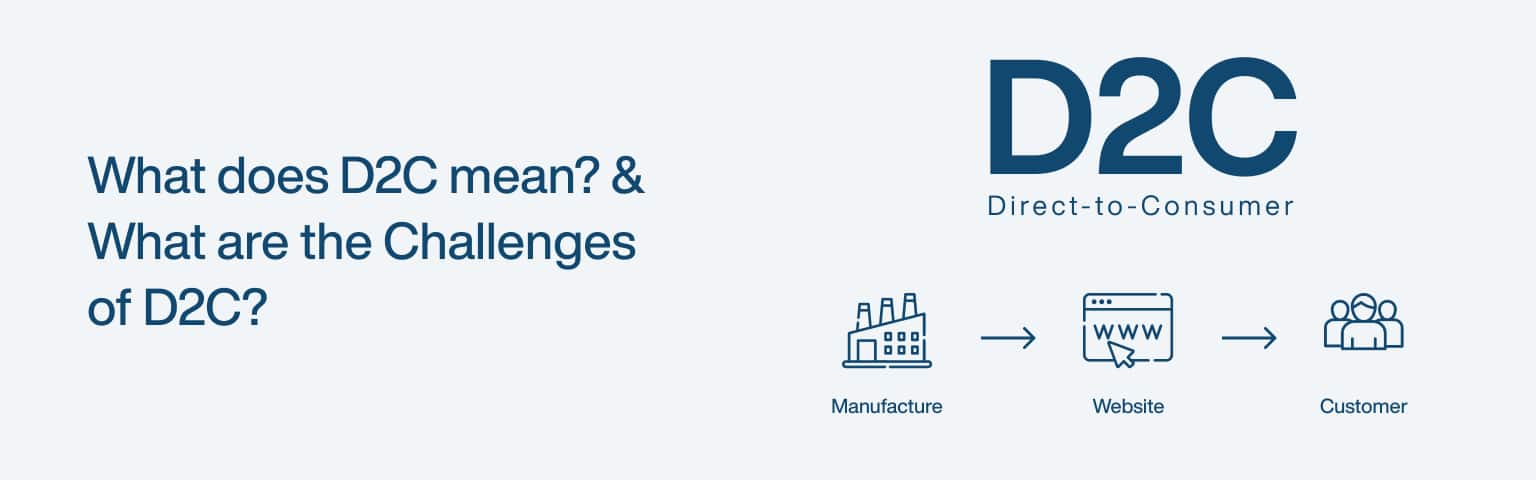
D2C stands for Direct-to-Consumer. It’s a business model in which brands sell their products directly to their customers, cutting out intermediaries like wholesalers and retailers. This means everything from marketing to sales happens directly between the brand and the consumer, often through online platforms.

The D2C model isn’t entirely new, but its popularity has skyrocketed with the advent of e-commerce and digital marketing. Initially, brands relied heavily on physical stores and third-party retailers to reach customers. However, as online shopping became more prevalent, brands saw an opportunity to build a direct relationship with their consumers. This shift gave them more control over their branding, customer experience, and data.

Key Characteristics:

  1. Direct Sales to Consumers Without Intermediaries:
    • Brands handle everything from production to sales, shipping directly to the consumer. This direct line of communication and transaction eliminates the need for intermediaries.
  1. Focus on Online Presence and Digital Marketing:
    • D2C brands leverage websites, social media, and other digital marketing tools to reach their audience. This approach helps them build a solid online presence and engage with their customers more personally and effectively.
  1. Personalized Customer Experiences:
    • By interacting directly with consumers, D2C brands can offer personalized shopping experiences. They can tailor their marketing efforts and product recommendations based on customer preferences and behaviors.

Examples of D2C Businesses:

Warby Parker

This eyewear brand disrupted the traditional optical retail market by offering stylish glasses directly to consumers at a fraction of the cost. They also provide an at-home try-on service, enhancing the customer experience.

Dollar Shave Club

Known for its subscription-based model, Dollar Shave Club delivers razors and grooming products directly to customers’ doors. Their humorous and relatable marketing campaigns have significantly impacted their success.

Glossier

A beauty brand that has built a cult following through its direct-to-consumer approach. Glossier engages with its customers primarily through social media, creating a solid community and personalized shopping experience.

Lenskart 

Lenskart is an innovative eyewear brand that provides consumers a wide range of stylish and affordable glasses. It offers a unique home eye check-up service and a virtual try-on feature, making the shopping experience convenient and personalized.

boAt

Known for its affordable and stylish audio products, boAt sells headphones, earphones, and speakers directly to consumers. By leveraging social media and influencer marketing, boAt has built a strong community and brand loyalty among tech-savvy consumers.

Mamaearth

A personal care brand offering toxin-free and natural products directly to consumers. Mamaearth engages with its customers through social media and a strong online presence, promoting transparency and trust with a focus on sustainability and health.

Benefits of the D2C Model

Increased Control

With the D2C model, brands fully control their branding, marketing, and customer experience. This means they can craft their message and present their products exactly how they want, ensuring consistency across all touchpoints.

Higher Margins

By cutting out intermediaries like wholesalers and retailers, D2C brands can enjoy better profit margins. This means more sales revenue goes directly to the brand, which can be reinvested into the business to drive growth.

Direct Customer Relationship

One of the biggest perks of the D2C model is the ability to build direct relationships with customers. Brands can collect and analyze customer data, gaining valuable insights into their preferences and behaviors. This information can be used to tailor marketing efforts and create more personalized experiences, leading to improved customer loyalty and engagement.

Flexibility

D2C brands can respond more quickly to market changes and consumer trends. Without the constraints of traditional retail channels, they can pivot and adapt their strategies more efficiently, keeping them ahead of the competition.

Challenges of the D2C Model

Marketing and Customer Acquisition

While the D2C model offers many benefits, it also comes with challenges, especially in marketing and customer acquisition. Digital marketing can be expensive, and attracting customers online requires a strong presence and effective strategies. Brands need to invest in marketing to stay visible and competitive constantly.

Logistics and Supply Chain Management

Managing logistics and supply chains can take time and effort. Brands must efficiently handle everything from fulfillment to shipping and returns. This requires robust systems and processes to manage inventory and deal with the complexities of the supply chain.

Customer Service

In the D2C model, brands are directly responsible for customer service, which means they must meet high expectations. Providing seamless, responsive support is crucial to maintaining customer satisfaction and loyalty, but this can be challenging, especially as the business grows.

Scalability

Another hurdle is scaling a D2C business while maintaining quality. Growth must be managed carefully to ensure the customer experience remains consistent and high-quality. This requires careful planning and investment in resources and technology.

Competition

The D2C space is becoming increasingly crowded, so brands face stiff competition. Staying ahead requires constant innovation and offering unique value propositions that set them apart from others in the market.

How to Overcome D2C Challenges

Effective Marketing Strategies

To tackle the high marketing costs and customer acquisition, use a mix of social media, influencer marketing, and content marketing. These methods help you reach your audience in engaging ways. Also, remember to leverage SEO (Search Engine Optimization) and PPC (Pay-Per-Click) advertising to boost your visibility online.

Optimizing Logistics

Managing logistics can be a headache, but partnering with reliable providers can make a big difference. Invest in technology to streamline your inventory and supply chain management. This will help you handle fulfillment, shipping, and returns more efficiently.

Enhancing Customer Experience

Customer service is vital in the D2C model. CRM (Customer Relationship Management) systems keep track of customer interactions and ensure everyone gets a personalized experience. Aim to provide excellent customer service to keep your customers happy and loyal.

Scalability Solutions

Scaling your business can be challenging, but having a gradual expansion plan can help. Invest in technology and automation to manage growth without sacrificing quality. This way, you can grow steadily while maintaining a great customer experience.

Staying Competitive

The D2C space is competitive, so staying ahead means continuously innovating and adapting to market trends. Focus on what makes your brand unique, whether your product offerings or brand story, and highlight these aspects to make it stand out.

Future of D2C

Trends and Predictions

The future of D2C looks bright and is heavily influenced by technology. Advancements in AI, machine learning, and data analytics are set to play a significant role in shaping the D2C landscape. Expect more brands to adopt subscription models, offer personalized products, and emphasize sustainable practices. These trends cater to modern consumers who value convenience, customization, and eco-friendliness.

Opportunities

The D2C model opens up numerous opportunities for brands. There’s great potential for global expansion, allowing brands to reach new markets beyond their home country. New market segments and niche opportunities will also emerge as consumer preferences evolve. Brands that can identify and tap into these opportunities will be well-positioned for success in the ever-evolving D2C space.

Affiliate Marketing for Beginners: Your Startup Guide

The affiliate market offers incredible potential for individuals looking to earn passive income and businesses aiming to expand their reach.

Affiliate marketing is a performance-based marketing strategy where individuals (affiliates) promote products or services and earn commissions for every sale or lead generated. It has become a cornerstone of digital marketing, providing a win-win scenario for businesses and marketers. Businesses gain exposure and sales, while affiliates earn money for promotional efforts.

This guide is designed for beginners eager to dive into affiliate marketing. We will cover everything from understanding affiliate marketing, selecting the right programs, building a solid strategy, and promoting products effectively. By the end of this article, you’ll have a comprehensive understanding of affiliate marketing and actionable steps to start your affiliate marketing journey successfully.

What is Affiliate Marketing?

Affiliate marketing is a simple yet powerful concept where you earn money by promoting other people’s or companies’ products. Imagine being an intermediary that connects buyers and sellers. When someone buys a product through your referral, you get a commission. It’s like earning a finder’s fee for helping others make purchases.

Who Are Involved in Affiliate Marketing?

  1. Merchants (or Advertisers): Merchants are the creators or sellers of the products or services. They benefit from increased sales and exposure without upfront marketing costs. Examples include online retailers, service providers, and digital product creators.
  2. Affiliates (or Publishers): Affiliates are marketers who promote merchants’ products. They use various platforms and strategies to reach potential buyers and earn a commission for every sale or lead generated through their marketing efforts.
  3. Consumers: Consumers are the end-users who purchase the products or services. They often find affiliate links in blogs, social media posts, emails, or other marketing materials created by affiliates.
  4. Affiliate Networks and Programs: These are platforms that connect merchants with affiliates. They provide the infrastructure for tracking sales, managing payments, and offering promotional materials. Examples include Amazon Associates, ShareASale, and ClickBank.

Benefits of Affiliate Marketing:

  • Low Startup Costs: Getting started with affiliate marketing can be a small investment. Most affiliate programs are free to join, and you can begin promoting products with minimal resources.
  • Potential for Passive Income: Once you’ve set up your affiliate links and content, you can earn commissions passively as consumers purchase through your referrals. This means you can make money even when you’re not actively working.
  • Flexibility and Scalability: Affiliate marketing offers excellent flexibility. You can choose products that align with your interests or expertise, work from anywhere, and set your schedule. As your audience grows, your earning potential increases, making it a scalable income source.

How Does Affiliate Marketing Work? Process & Commission Structure?

Affiliate marketing works by partnering with merchants to promote their products or services through unique affiliate links. Affiliates earn commissions based on the performance of these links, which can include actions like sales, leads, or clicks. 

Step-by-Step Process

The process involves finding and joining an affiliate program, selecting promotional products, and creating content for affiliate links.

Finding and Joining an Affiliate Program

The first step in affiliate marketing is to find and join an affiliate program that aligns with your niche or interests. Many companies offer affiliate programs, and you can also join affiliate networks that aggregate multiple programs. Look for programs with good reputations, competitive commission rates, and quality products or services.

Choosing Products or Services to Promote

Select the products or services you want to promote after joining an affiliate program. Choose items that resonate with your audience and are relevant to your niche. It’s important to pick products you believe in, as your credibility depends on the quality of the products you recommend.

Creating and Sharing Promotional Content

The next step is creating content promoting affiliate products. This can be done through blog posts, social media updates, videos, email newsletters, or other digital channels. Ensure your content is engaging, informative, and provides value to your audience. Include your unique affiliate links in the content so that clicks can be tracked back to you.

Earning Commissions from Sales or Leads Generated

You earn a commission when consumers click on your affiliate links and make a purchase or complete a desired action (like signing up for a newsletter). The affiliate program tracks these actions through cookies and assigns the commission to your account. Payment terms and methods vary by program, but most pay affiliates every month.

Commission Structures

The commission structure typically varies by program, with standard models including pay-per-sale, pay-per-lead, and pay-per-click, which allow affiliates to earn based on users’ specific actions.

Pay-per-Sale

This is the most common commission structure. Affiliates earn a percentage of the sale price each time someone purchases through their affiliate link. For example, if you’re promoting a product that costs $100 and the commission rate is 10%, you earn $10 per sale.

Pay-per-Lead

In this structure, affiliates earn a commission for generating leads, such as sign-ups or form submissions. The commission is typically a fixed amount per lead. For instance, you might earn $5 for every new user who signs up for a free trial via your link.

Pay-per-Click

Although less common, some affiliate programs pay for clicks generated through your affiliate links. This means you earn money every time someone clicks on your link, regardless of whether they make a purchase. The commission per click is usually tiny, but it can add up with high traffic volumes.

Choosing the Right Affiliate Program

Types of Affiliate Programs

  1. In-House Affiliate Programs: These are affiliate programs run directly by companies or brands. Joining an in-house program means working directly with the business to promote their products or services. Examples include individual companies like Bluehost, Shopify, and Nike that offer their affiliate programs.
  2. Affiliate Networks: Affiliate networks act as intermediaries between affiliates and multiple merchants. They provide a platform where affiliates can find and join various affiliate programs.

Factors to Consider

  1. Commission Rates and Payment Terms: Evaluate the program’s commission rates. Higher commission rates can lead to better earnings, but the average order value and conversion rates must also be considered. Additionally, check the payment terms, such as minimum payout thresholds, payment methods, and frequency of payments.
  2. Reputation and Reliability of the Program: Research the reputation and reliability of the affiliate program or network. Look for reviews and testimonials from other affiliates to ensure the program is trustworthy and pays commissions on time. Reliable programs often provide reasonable support and resources to help affiliates succeed.
  3. Product or Service Relevance to Your Audience: Choose programs offering relevant products or services to your audience. Promoting products that align with your niche and audience interests will increase the likelihood of conversions and build trust with your followers.

Popular Affiliate Programs

Amazon Associates:

Amazon Associates is a top-rated affiliate program thanks to Amazon’s vast product selection and trusted reputation. It’s ideal for promoting a wide range of physical products, and it’s suitable for both beginners and experienced marketers. The program’s pros include being easy to join, offering various products, providing reliable tracking, and ensuring timely payments. However, a notable con is that the commission rates are lower than those of other affiliate programs.

ShareASale:

ShareASale is an affiliate network with various merchants across different industries. It is suitable for affiliates looking for diversity in products and services to promote. The network’s advantages include a wide range of merchants, reasonable commission rates, and reliable payments. However, a notable drawback is that the platform can be overwhelming for beginners due to the many options available.

ClickBank:

ClickBank specializes in digital products like e-books, courses, and software. It suits affiliates interested in promoting digital products and earning high commissions. The program’s advantages include high commission rates, the opportunity to earn recurring commissions from subscription products, and ease of use. However, a notable drawback is that the quality of products can vary, so thorough research is necessary.

CJ Affiliate (formerly Commission Junction)

CJ Affiliate is one of the largest and most established affiliate networks, offering various products and services from well-known brands. It is suitable for affiliates seeking high-quality merchants and diverse products. The program’s advantages include a strong network of reputable brands, advanced reporting tools, and reliable payments. However, a notable drawback is the stricter approval process for some merchants.

Building Your Affiliate Marketing Strategy

Building your affiliate marketing strategy is crucial for achieving success in the competitive world of online marketing. A well-crafted strategy involves identifying your niche, selecting the right products, creating compelling content, and effectively promoting your affiliate links. Understanding your target audience and utilizing various marketing channels can maximize your earnings and build a sustainable affiliate marketing business. 

Identifying Your Niche

Choosing a niche is crucial in affiliate marketing because it allows you to focus your efforts on a specific market segment, making it easier to build authority and trust with your audience. A well-defined niche helps you target a more specific audience, increasing engagement and better conversion rates. It also makes creating relevant content and selecting appropriate affiliate products easier.

How to Select a Profitable Niche

When building your affiliate marketing strategy, start with topics you are passionate about or knowledgeable in for more authentic content creation. Use tools like Google Trends and keyword research to gauge market demand and look for niches with consistent interest and moderate competition. Analyze the profitability by checking available affiliate programs and their commission rates, prioritizing niches with higher-priced products or recurring commissions for better earnings.

Creating Quality Content

Creating quality content is essential for engaging your audience and driving successful marketing efforts. High-quality content attracts and retains readers, establishes your authority, and builds trust with your audience. By providing valuable, relevant, and well-crafted content, you can effectively communicate your message, promote your products or services, and ultimately achieve your business goals.

Content types that work well for affiliate marketing include blogs, which provide informative and engaging posts about products or services, and reviews that offer detailed assessments and comparisons. Tutorials and step-by-step guides demonstrate product use, while comparison articles help consumers make informed decisions. Videos, such as unboxings, demonstrations, and short, engaging social media posts on platforms like Instagram, Facebook, and Twitter, also effectively promote affiliate products.

Tips for Creating Engaging and Valuable Content

  1. Know Your Audience: Understand your audience’s needs, preferences, and pain points. Create content that addresses these aspects.
  2. Provide Value: Ensure your content is informative, helpful, and solves problems for your audience.
  3. Be Honest and Transparent: Always be honest in your reviews and disclosures about affiliate links. Transparency builds trust with your audience.
  4. Use High-Quality Visuals: Use high-quality images, videos, and infographics to make your content visually appealing.
  5. Engage with Your Audience: Encourage comments, questions, and feedback. Engage with your audience to build a community around your content.

Search Engine Optimization

Search Engine Optimization (SEO) is essential for driving organic traffic to your affiliate content. It involves optimizing your content to rank higher in search engine results.

  1. Keyword Optimization: Use relevant keywords in your titles, headings, and throughout your content to help search engines understand what your content is about.
  2. Quality Content: Create high-quality, valuable content that satisfies user intent. Search engines prioritize content that provides a good user experience.
  3. Backlinks: Build from reputable websites to improve your site’s authority and ranking.
  4. Mobile Optimization: Ensure your site is mobile-friendly, as many users access content from mobile devices.
  5. Page Speed: Optimize your site’s loading speed to enhance user experience and
    search engine rankings.

Promoting Affiliate Products

Promoting affiliate products involves strategically marketing products or services from other companies to earn commissions on sales or leads generated through your unique affiliate links. This process requires content creation, audience engagement, and effective marketing techniques to drive traffic and conversions. Understanding your audience’s needs and preferences allows you to recommend relevant products and maximize your affiliate earnings.

Content Marketing

Creating informative and engaging blog posts is one of the most effective ways to promote affiliate products. Write detailed reviews, how-to guides, and comparison articles that provide value to your readers. Incorporate your affiliate links naturally within the content, ensuring they fit seamlessly and offer relevant recommendations. Optimize your posts for SEO by using relevant keywords, adding compelling meta descriptions, and including high-quality images and videos to enhance user engagement.

Video content is highly engaging and can effectively promote affiliate products. Create unboxing videos, product demonstrations, and tutorials that showcase the benefits and usage of the products. Platforms like YouTube are perfect for reaching a wider audience. Ensure your videos are well-produced and informative and include clear calls-to-action with affiliate links in the video description or within the video itself.

Social Media Marketing

Use social media platforms to reach and engage with your audience. Share visually appealing posts on Instagram, detailed product reviews on Facebook, quick updates and links on Twitter, and engaging videos on YouTube. To maximize your reach and engagement, utilize each platform’s unique features, such as Instagram Stories, Facebook Groups, Twitter threads, and YouTube playlists.

Engage with your followers by responding to comments, participating in discussions, and sharing user-generated content. Building a community around your brand fosters trust and loyalty, making your audience more likely to click on your affiliate links. Run contests, polls, and Q&A sessions to increase interaction and engage your audience.

Email Marketing

Affiliate marketers value an email list. Encourage website visitors to subscribe to your newsletter by offering incentives like free guides, exclusive discounts, or valuable content. Use sign-up forms, pop-ups, and landing pages to collect email addresses.

Create compelling email campaigns that provide value to your subscribers by sharing informative content, product recommendations, and exclusive offers. Personalize your emails based on subscriber preferences and behaviors to increase open rates and engagement. Include clear calls to action and strategically place your affiliate links within the email content.

Tracking and Analyzing Performance

Tracking and analyzing performance is crucial for the success of any affiliate marketing campaign. By monitoring key metrics such as clicks, conversions, and earnings, affiliates can gain valuable insights into what strategies are working and where improvements are needed. This process helps optimize marketing efforts, enhance performance, and maximize revenue. Utilizing tools and analytics effectively allows affiliates to make informed decisions and continually refine their approach for better results.

Click-Through Rates (CTR):

Click-through rate (CTR) is the percentage of people who click on your affiliate links compared to the number of people who view the content containing the link. A high CTR is important as it indicates that your content is compelling and effectively driving interest in the affiliate products you are promoting. Monitoring your CTR is crucial because it helps you understand which pieces of content and strategies are most effective at attracting clicks. This insight allows you to refine your approach, focus on what works best, and ultimately improve the performance of your affiliate marketing efforts.

Conversion Rates:

Conversion Rate is the percentage of clicks that result in a sale or desired action, such as signing up for a newsletter. A high conversion rate is essential because it indicates that your audience finds your recommended products relevant and valuable. It helps you assess the effectiveness of your marketing efforts and the quality of the traffic you drive, enabling you to make informed decisions to enhance your overall performance and achieve better results.

Earnings Per Click (EPC)

Earnings Per Click (EPC) is the average amount earned for each click on your affiliate links. EPC is important because it gives you an idea of how profitable your affiliate marketing efforts are. By providing insight into the performance of different products and programs, EPC helps you evaluate which opportunities are most lucrative, allowing you to focus your efforts on maximizing your earnings.

Return on Investment (ROI):

Return on Investment (ROI) is the ratio of the profit earned from your affiliate marketing efforts to the total costs incurred, such as advertising expenses. ROI is significant because it helps you measure your affiliate marketing campaigns’ effectiveness and profitability. A positive ROI indicates that your marketing efforts generate more revenue than they cost, which is crucial for sustainable growth. This metric allows you to assess the efficiency of your strategies and make informed decisions to optimize your marketing investments.

Steps to Becoming a Successful Entrepreneur

Entrepreneurship has become synonymous with innovation, growth, and dynamism in today’s fast-paced business landscape. It represents the spirit of venturing into the unknown, creating value, and driving economic progress. In a world where constant change and disruption are the norm, entrepreneurship plays a pivotal role in shaping industries, fostering competition, and fueling creativity.

At the heart of every successful entrepreneurial endeavor lies a mindset that embraces challenges as opportunities, failure as a stepping stone to success, and uncertainty as a catalyst for innovation. The right mindset is not just desirable; it’s the cornerstone of entrepreneurial success. It encompasses a blend of resilience, creativity, adaptability, and a relentless pursuit of excellence.

In this digital transformation era and global connectivity, the entrepreneurial mindset is more crucial than ever. It empowers individuals to navigate complex environments, identify emerging trends, and capitalize on untapped market potentials. Whether you’re a seasoned entrepreneur or embarking on your entrepreneurial journey, cultivating the right mindset sets the stage for growth, impact, and sustainable success.

Understanding the Entrepreneurial Mindset

The entrepreneurial mindset encapsulates a set of attitudes, behaviors, and beliefs that drive individuals to create, innovate, and succeed in the ever-evolving business landscape. Here are the essential qualities that define the entrepreneurial mindset:

  1. Resilience: Entrepreneurs possess a remarkable ability to bounce back from setbacks, failures, and challenges. They view obstacles as opportunities to learn, grow, and refine their strategies. Resilience enables them to persevere through tough times and focus on their long-term vision.
  2. Creativity: Entrepreneurs are inherently creative thinkers who envision new possibilities, solutions, and business models. They thrive on thinking outside the box, challenging conventional wisdom, and turning ideas into reality. Creativity fuels innovation and drives competitive advantage in a crowded marketplace.
  3. Risk-Taking: Unlike employees who often seek stability and security, entrepreneurs are comfortable taking calculated risks. They understand that risk is inherent in entrepreneurship and are willing to step out of their comfort zones to pursue opportunities with potential rewards. Risk-taking is essential for growth, expansion, and staying ahead of the curve.
  4. Adaptability: Entrepreneurial ventures operate in dynamic environments where change is constant. Entrepreneurs embrace change and adapt quickly to market shifts, customer preferences, and technological advancements. They possess the agility to pivot, iterate, and evolve their strategies based on feedback and market insights.
  5. Visionary Leadership: Entrepreneurs are visionaries who inspire, motivate, and lead by example. They envision their goals, mission, and desired impact. Visionary leadership involves setting ambitious yet achievable goals, rallying teams around a common purpose, and navigating uncertainties with confidence and conviction.

The difference between an employee and an entrepreneurial mindset lies in their fundamental outlook and approach toward work and challenges.

  • Employee Mindset: Employees prioritize job security, steady income, and defined organizational roles. They may be risk-averse, preferring stability and predictability in their careers. Their focus is often on executing tasks and meeting expectations set by others.
  • Entrepreneurial Mindset: Entrepreneurs, on the other hand, embrace uncertainty, seek opportunities for growth and innovation, and take ownership of their success. They are self-motivated, proactive, and constantly seeking ways to add value, disrupt industries, and create meaningful impact. The entrepreneurial mindset is characterized by initiative, resilience, creativity, and a relentless drive to succeed on their terms.

Critical Steps to Cultivating an Entrepreneurial Mindset

Self-Awareness and Vision

Self-awareness is the foundation of the entrepreneurial mindset. Entrepreneurs must understand their strengths, weaknesses, passions, and goals to navigate business challenges effectively. By gaining clarity on their unique abilities and areas for growth, entrepreneurs can make informed decisions and leverage their strengths to drive success. Additionally, developing a clear vision for the business that aligns with personal values provides a roadmap for decision-making and goal-setting, ensuring alignment between purpose and action.

Embracing Failure and Learning

Failure is not the end but a valuable learning opportunity on the path to success. Entrepreneurs must embrace failure, learn from their mistakes, and maintain a growth mindset. By reframing failures as stepping stones to growth and resilience, entrepreneurs can extract valuable lessons, iterate on their strategies, and improve continuously. Strategies such as seeking feedback, analyzing failures objectively, and staying adaptable in the face of setbacks contribute to a culture of continuous learning and improvement.

Innovative Thinking and Problem-Solving

Innovative thinking is a hallmark of the entrepreneurial mindset, enabling entrepreneurs to identify market opportunities and solve problems creatively. By thinking outside the box, challenging assumptions, and exploring unconventional solutions, entrepreneurs can differentiate their businesses and create unique value propositions. Examples of successful entrepreneurs who have demonstrated innovative thinking, such as Elon Musk with SpaceX or Sara Blakely with Spanx, inspire others to push boundaries and innovate in their ventures.

Risk-Taking and Decision-Making

Entrepreneurship inherently involves risk-taking, but it’s not about blind risk; it’s about calculated risks and informed decision-making. Entrepreneurs must assess risks, weigh options, and consider potential outcomes before making decisions. Strategies such as conducting market research, gathering data-driven insights, and seeking advice from mentors or experts help entrepreneurs make confident decisions that align with their vision and goals.

Adaptability and Resilience

Adaptability is crucial for entrepreneurs to respond effectively to market changes, customer feedback, and industry trends. By staying agile, open-minded, and proactive, entrepreneurs can pivot when necessary, capitalize on emerging opportunities, and stay ahead of the competition. Building resilience is also essential in overcoming challenges, setbacks, and failures. Creating a solid support network, practicing self-care, and maintaining a positive mindset contribute to resilience and long-term success in entrepreneurship.

Building a Support Network

Building a solid support network is essential for entrepreneurs’ journey to success. Here’s why:

Guidance and Mentorship

Mentors provide valuable advice, insights, and industry knowledge to help entrepreneurs navigate challenges and make informed decisions. They offer a different perspective, share experiences, and serve as trusted advisors, helping entrepreneurs avoid common pitfalls and accelerate their growth.

Peer Support

Connecting with peers in the entrepreneurial community offers a sense of camaraderie and mutual support. Peer networks provide opportunities for collaboration, idea sharing, and learning from each other’s experiences. Engaging with like-minded individuals fosters creativity, motivation, and belonging in the entrepreneurial ecosystem.

Access to Resources

Networking opens doors to valuable resources such as funding opportunities, partnerships, and business connections. Entrepreneurs can leverage their network to access capital, industry contacts, mentorship programs, and support services, enhancing their business prospects and growth potential.

Feedback and Validation

Seeking input from mentors, peers, and industry experts helps entrepreneurs validate their ideas, refine their strategies, and improve their offerings. Constructive feedback provides valuable insights into market demand, customer preferences, and areas for improvement, guiding entrepreneurs toward more effective decision-making and product development.

Continuous Learning

Networking exposes entrepreneurs to new ideas, trends, and best practices in their industry. By attending events, workshops, and conferences, entrepreneurs can stay updated on market developments, emerging technologies, and business trends, enabling them to adapt and innovate proactively.

Continuous Learning and Growth for Entrepreneurs

Continuous learning is a cornerstone of entrepreneurial success. Here’s why it’s crucial and how entrepreneurs can prioritize ongoing growth:

Stay Updated with Industry Developments

Industries evolve rapidly, with new trends, technologies, and market dynamics emerging regularly. Entrepreneurs must stay updated with industry developments to remain competitive and capitalize on opportunities. Following industry news, attending conferences, and participating in industry forums and webinars are effective ways to stay informed and adapt to changing landscapes.

Acquire New Skills

The business landscape demands diverse skill sets, from marketing and finance to leadership and technology. Entrepreneurs should prioritize acquiring new skills relevant to their business and industry. Online courses, workshops, and certification programs offer accessible avenues for skill development, enabling entrepreneurs to enhance their capabilities and add value to their ventures.

Learn from Others

Learning from successful entrepreneurs, industry experts, and thought leaders can provide invaluable insights and inspiration. Entrepreneurs should engage with educational resources such as books, podcasts, TED talks, and mentorship programs. These resources offer diverse perspectives, practical strategies, and lessons learned from real-world experiences, empowering entrepreneurs to make informed decisions and navigate challenges effectively.

Adapt to Market Trends

Consumer preferences, market trends, and technological advancements shape the business landscape. Entrepreneurs must adapt to these trends by understanding customer needs, monitoring market shifts, and leveraging innovative solutions. Continuous learning enables entrepreneurs to anticipate trends, identify opportunities, and pivot their strategies accordingly, driving sustainable growth and relevance in the market.

Foster a Growth Mindset

A growth mindset is essential for continuous learning and growth. Entrepreneurs should embrace challenges, view failures as learning opportunities, and seek feedback to improve continuously. Cultivating a growth mindset fosters resilience, creativity, and a willingness to innovate, enabling entrepreneurs to overcome obstacles, seize opportunities, and achieve long-term success.

Best E-commerce Store Examples You Can Learn from

Studying successful e-commerce stores is akin to learning from the masters of online retail. It provides invaluable insights and inspiration for businesses aiming to carve their niche in the digital marketplace. The diversity of e-commerce niches offers a treasure trove of potential lessons, showcasing various strategies, innovations, and approaches that have proven effective in different industries.

The spectrum of e-commerce niches is vast and multifaceted, ranging from ultra-efficient grilling equipment to luxury apparel and sustainable hydration solutions. Each niche brings unique challenges, customer expectations, and market dynamics, making it a rich source of learning for aspiring and established e-commerce entrepreneurs.

By exploring the success stories of these e-commerce stores, businesses can gain practical insights into effective branding, customer engagement strategies, product differentiation, user experience optimization, and much more. These theoretical lessons can be creatively and strategically applied to drive growth and success in the competitive online landscape, regardless of the industry.

This blog will explore a curated selection of best-in-class e-commerce stores across diverse niches. We will highlight their innovative approaches and customer-centric strategies and emphasize their unique selling points. These critical lessons will help businesses elevate their online presence and achieve sustainable success.

What Makes a Great Ecommerce Site?

A great e-commerce site is not a distant dream, but a practical reality. It’s a strategic blend of design, functionality, and user experience tailored to maximize sales and customer satisfaction. Here are the key elements that contribute to making a great e-commerce site, each one within your reach:

  1. Beautifully Designed: The design of an e-commerce site plays a crucial role in attracting and retaining customers. It should reflect the brand’s identity, use a cohesive colour scheme and typography, incorporate ample white space for readability, and feature eye-catching call-to-action buttons.
  2. Fast Loading: Site speed is paramount for e-commerce success. A fast-loading website reduces bounce rates, improves user experience, and positively impacts SEO. To achieve this, choose a reliable hosting provider, optimize images and videos, and implement caching and content delivery networks (CDNs).
  3. Mobile-Friendly: With mobile traffic accounting for a significant portion of online visits, e-commerce sites must be responsive and optimized for mobile devices. This includes adapting layouts for smaller screens, ensuring easy navigation and finger scrolling, and optimizing checkout processes for mobile users.
  4. User-Friendly Navigation: An intuitive navigation system is essential for helping customers find products quickly and easily. Implement clear categories, tags, and filters, offer advanced search functionality, and prioritize usability across all devices.
  5. Comprehensive Product Catalog: An excellent e-commerce site offers a wide range of products and makes them easy to browse. Clear product descriptions, high-quality images, detailed specifications, and customer reviews contribute to informed purchasing decisions.
  6. Secure Checkout Process: Building trust and confidence is crucial for e-commerce success. Ensure a =secure and seamless checkout process with multiple payment options, SSL encryption, transparent pricing, and clear return and refund policies.
  7. SEO-Friendly: Optimizing your e-commerce site for search engines increases visibility and organic traffic. To improve search rankings, focus on keyword optimization, meta tags, structured data markup, fast page load times, mobile-friendliness, and quality content.
  8. Social Media Integration: Leverage social media channels to promote products, engage with customers, and drive traffic to your e-commerce site. Integrate social sharing buttons, user-generated content, and social proof elements to enhance brand credibility and reach.
  9. Customer Reviews and Testimonials: Incorporate user-generated content, such as customer reviews and testimonials, to build trust and credibility. Positive reviews and ratings can significantly influence purchasing decisions and boost conversion rates.
  10. Analytics and Performance Tracking: Utilize tools to monitor site performance, track key metrics like traffic, conversions, and user behaviour, and gain actionable insights for continuous improvement and optimization.

Solo Stove: Fostering Togetherness and Adventure

Solo Stove, a renowned brand focused on ultra-efficient grilling equipment, camping stoves, and fire pits, is a prime example of a successful e-commerce store. What sets Solo Stove apart is its products’ functionality and the experience they create, making it a fascinating case study for aspiring and established e-commerce entrepreneurs. The brand emphasizes creating a sense of togetherness and adventure in every aspect of its offerings. Whether it’s a cozy evening by the fire pit, a camping trip with friends, or a backyard barbecue gathering, Solo Stove’s products are designed to enhance these moments and make them memorable.

Solo Stove’s camping stoves are known for their compactness, efficiency, and ease of use, making them ideal companions for outdoor enthusiasts and adventurers. On the other hand, the brand’s fire pits are crafted to provide a mesmerizing flame experience while minimizing smoke and maximizing heat output, perfect for gathering around with loved ones. Beyond the products, Solo Stove’s website design also reflects its ethos of togetherness and adventure. The imagery used evokes feelings of warmth, connection, and outdoor escapades, inviting customers to envision themselves enjoying life’s simple pleasures in the company of friends and family.

By focusing not just on selling grilling equipment but on facilitating memorable experiences, Solo Stove has carved a niche for itself in the outdoor lifestyle market. This emphasis on creating emotional connections with customers through products and brand storytelling is a valuable lesson for e-commerce businesses looking to differentiate themselves and forge lasting relationships with their audience.

LARQ: Revolutionizing Sustainable Hydration

LARQ has emerged as a trailblazer in sustainable hydration solutions with its innovative approach to plastic-free reusable bottles. The brand’s commitment to environmental sustainability is evident in its mission to revolutionize how people consume water while minimizing plastic waste. At the heart of LARQ’s offerings is its line of self-cleaning water bottles, which utilize innovative UV-C LED technology to purify water and eliminate harmful bacteria and viruses. This ensures safe and clean drinking water and removes the need for single-use plastic bottles, contributing significantly to environmental conservation efforts.

One of the standout features of LARQ’s website is its interactive calculator, a tool designed to educate customers about the financial savings and environmental impact of switching to reusable bottles. By inputting the number of water bottles they typically use in a week, customers can see firsthand the potential cost savings and reduction in plastic waste by switching to LARQ’s reusable bottles. This interactive calculator is a powerful educational tool. It highlights the tangible benefits of sustainable choices and empowers customers to make informed purchasing decisions aligned with their values. It fosters awareness about the environmental impact of single-use plastics and showcases the economic advantages of investing in reusable and eco-friendly alternatives.

LARQ’s innovative approach to combining technology, sustainability, and consumer education sets a precedent for e-commerce brands promoting eco-conscious practices while offering practical solutions to everyday challenges. By leveraging interactive tools and showcasing the real-world benefits of sustainable products, businesses can inspire positive change and create a more sustainable future for future generations.

Burrow: Redefining Furniture Shopping with Modular Designs

Burrow has made a name for itself in the furniture industry by reimagining the way people shop for and experience furniture. The brand aims to simplify furniture shopping and enhance living spaces with modular designs that prioritize comfort, style, and versatility. At the core of Burrow’s offerings are its modular furniture collections, designed to adapt to various living spaces and lifestyle needs. From sofas and sectionals to tables and storage solutions, Burrow’s modular approach allows customers to customize and configure their furniture according to their preferences, making it a seamless fit for any home or apartment.

One of the standout features of Burrow’s website is its homepage animation, which showcases the versatility of its Range collection. The animation demonstrates how the Range collection’s modular pieces can be easily adjusted and rearranged to suit different room layouts and design aesthetics. This interactive display highlights Burrow’s furniture’s functionality and engages customers visually, making the shopping experience more immersive and informative.Burrow’s commitment to simplifying furniture shopping extends beyond its product offerings. The brand’s website is user-friendly and intuitive, with straightforward navigation and helpful tools that assist customers in selecting the right furniture pieces for their spaces. Burrow’s transparent pricing, eco-friendly materials, and convenient assembly process further provide a seamless and satisfying shopping experience.

By focusing on modular designs, customization options, and user-friendly interfaces, Burrow has redefined the furniture shopping experience, catering to modern consumers’ desire for convenience, flexibility, and style. This approach sets Burrow apart in a competitive market and resonates with customers seeking functional and adaptable home furniture solutions.

Skullcandy: Elevating Audio Experience with Bold Design

Skullcandy has established itself as a leader in the audio industry, known for its high-quality earphones and headphones that combine cutting-edge technology with stylish design. Beyond its exceptional audio products, Skullcandy stands out for its bold web design that reflects the brand’s dynamic and innovative spirit. The Skullcandy website greets visitors with a visually striking layout, engaging copy, and interactive elements that capture their attention when they land on the homepage. One of the standout features of the website is the “Inside Skullcandy” section, which offers a glimpse into the brand’s inner workings, values, and culture.

The “Inside Skullcandy” section allows visitors to explore various aspects of the company, including its team members, core values, corporate social responsibility initiatives, and charitable partnerships. This immersive experience goes beyond showcasing products; it humanizes the brand, giving customers a deeper understanding of the people behind the scenes and the ethos driving Skullcandy’s mission. Skullcandy creates a customer connection beyond audio quality by highlighting its team, values, and culture. The transparency and authenticity conveyed through the “Inside Skullcandy” section resonate with modern consumers who value brands with a purpose and story.

Skullcandy’s bold web design and engaging content strategy enhance the user experience and reinforce the brand’s identity and values. This approach attracts customers and fosters loyalty and advocacy, as customers feel a personal connection to the brand and its mission beyond just purchasing products.

Bon Bon Bon: Artisanal Delights Crafted with Excellence

Bon Bon Bon has earned a reputation for its exquisite artisanal candies crafted using classic French techniques, local ingredients, and a touch of creativity. The brand’s commitment to quality and artistry shines through in every delectable treat, making Bon Bon Bon a favorite among connoisseurs of fine chocolates. One of the defining features of Bon Bon Bon’s brand image is its dedication to exceptional quality over price competition. Unlike many mass-produced candies that compete primarily on price, Bon Bon Bon positions itself as a premium brand focused on craftsmanship, flavor complexity, and unique offerings that delight the senses.

While Bon Bon Bon’s products may be more expensive than conventional chocolates, customers are willing to pay for the unparalleled taste experience and the attention to detail that goes into each handmade bonbon. This pricing strategy reflects the brand’s commitment to using high-quality ingredients, supporting local suppliers, and upholding artisanal chocolate-making traditions. Bon Bon Bon’s brand image exudes sophistication, creativity, and a passion for culinary excellence. From their vintage-inspired packaging to their playful flavor combinations, every aspect of the brand conveys a sense of luxury and indulgence, appealing to discerning customers seeking a gourmet chocolate experience.

By focusing on exceptional quality, unique flavor profiles, and a distinct brand identity, Bon Bon Bon has carved a niche in the competitive confectionery market. Their commitment to craftsmanship and creativity sets them apart and establishes them as a sought-after destination for those who appreciate the finer things in life.

Body Bliss: Nurturing Skin and Sustainability

Body Bliss is renowned for its natural skincare products crafted from sustainable ingredients sourced locally. The brand’s commitment to holistic wellness, eco-conscious practices, and luxurious formulations has made it a favorite among those seeking gentle skincare solutions on both the skin and the planet. One of Body Bliss’s standout features is its minimalistic “About” page, which shows the brand’s ethos, values, and mission. Unlike elaborate and cluttered pages, Body Bliss keeps it simple yet impactful, conveying essential information that resonates with environmentally conscious consumers.

The “About” page on Body Bliss’s website typically features two key elements: a personal note from the CEO or founder and an explanation of the symbolism behind the brand’s logo or signature elements. This minimalistic approach allows visitors to quickly grasp the essence of Body Bliss and understand what sets the brand apart in the crowded skincare market.

Body Bliss communicates its commitment to using natural, sustainable, and ethically sourced ingredients in its products through concise yet meaningful content. The brand’s emphasis on transparency, quality, and environmental stewardship shines through, reinforcing trust and credibility among customers who prioritize clean beauty and sustainability.

By leveraging a minimalistic “About” page, Body Bliss effectively conveys its brand values and resonates with eco-conscious consumers seeking skincare products that align with their values. This approach not only enhances brand authenticity but also fosters a deeper connection with customers who appreciate brands that prioritize both efficacy and ethical practices.

Black Diamond Equipment: Gear Up for Adventure

Black Diamond Equipment stands as a beacon of quality and innovation in outdoor gear. It offers a wide range of products tailored for climbing, skiing, snowboarding, and more. Beyond its exceptional gear, Black Diamond’s website provides an immersive experience that captures the essence of outdoor exploration and adventure.

One of the most captivating elements of Black Diamond Equipment’s website is its use of immersive videos and outdoor imagery to inspire and engage visitors. The homepage often features stunning videos showcasing athletes in action, whether climbing rugged mountains, skiing down pristine slopes, or embarking on thrilling outdoor adventures.

These immersive videos highlight Black Diamond’s gear in real-world scenarios and evoke a sense of adventure and exploration. By showcasing the beauty of nature and the adrenaline-fueled experiences that their products enable, Black Diamond effectively taps into the aspirations and passions of outdoor enthusiasts.

In addition to immersive videos, Black Diamond’s website is rich in outdoor imagery that transports visitors to breathtaking landscapes and outdoor settings. The use of high-quality photography and compelling storytelling creates an emotional connection with the brand and reinforces its positioning as a trusted companion for outdoor adventures.

By leveraging immersive content and outdoor imagery, Black Diamond Equipment doesn’t just sell gear and experiences and inspires a lifestyle centered around outdoor exploration and adventure. This approach differentiates the brand in a competitive market and resonates deeply with its target audience, fostering loyalty and advocacy among outdoor enthusiasts worldwide.

Tommie Copper: Confidence in Comfort

Tommie Copper has revolutionized the world of compression clothing, offering innovative solutions for those seeking comfort, support, and performance in their everyday activities. What sets Tommie Copper apart is its cutting-edge products and unwavering commitment to quality and customer satisfaction, epitomized by policies like their 60-day money-back guarantee.

At the heart of Tommie Copper’s ethos is a dedication to providing customers with products that enhance their well-being and lifestyle. The brand’s compression clothing promotes recovery, reduces muscle fatigue, and improves mobility. It is a favorite among athletes, active individuals, and anyone seeking relief from everyday aches and pains.

One of Tommie Copper’s standout features is its 60-day no-questions-asked money-back guarantee, which reflects the brand’s confidence in the quality and effectiveness of its products. This customer-centric policy instills trust and confidence among buyers, assuring them that their satisfaction is paramount and that they can shop with peace of mind.

Tommie Copper’s commitment to product quality extends beyond its guarantee, encompassing rigorous testing, innovative design, and premium materials. Whether it’s compression sleeves, shirts, socks, or accessories, every Tommie Copper product is crafted with the utmost care and attention to detail, ensuring durability, performance, and comfort.

By prioritizing customer confidence and product excellence, Tommie Copper has earned a reputation as a trusted leader in compression wear. Their dedication to enhancing lives through innovative solutions and customer-centric policies sets them apart in a competitive market. It fosters long-lasting relationships with satisfied customers who rely on Tommie Copper for comfort and support.

Hyphen Sleep: Where Innovation Meets Comfort

Hyphen Sleep is revolutionizing the sleep experience with its cutting-edge mattresses, designed based on extensive sleep data research. The brand’s commitment to leveraging scientific insights for optimal rest and rejuvenation sets it apart in the competitive mattress industry.

What makes Hyphen Sleep unique is its advanced sleep technology, youthful brand image, and creative approach to showcasing the benefits of its products. From vibrant branding to engaging marketing campaigns, Hyphen Sleep appeals to a younger demographic seeking quality sleep solutions without compromising style or innovation.

One of the critical highlights of Hyphen Sleep’s marketing strategy is its emphasis on education and transparency. The brand effectively communicates the science behind its mattresses, explaining how features like custom materials, ergonomic design, and extensive product testing contribute to better sleep quality and overall well-being.

Hyphen Sleep’s creative approach is evident in its use of bright colors, modern graphics, and relatable messaging to connect with customers personally. Whether through social media campaigns, interactive website content, or engaging product demonstrations, Hyphen Sleep strives to make the mattress-buying experience informative, enjoyable, and inspiring.

By blending scientific rigor with a youthful and creative brand image, Hyphen Sleep appeals to a diverse audience of sleep enthusiasts who value innovation, comfort, and style. Their commitment to delivering a superior sleep experience backed by research and technology cement Hyphen Sleep’s position as a trusted name in the ever-evolving landscape of sleep wellness.

Autograph Foliages: Bringing Nature Indoors

Autograph Foliages is a premier destination for artificial plants, offering a stunning array of lifelike greenery that brings the beauty of nature indoors. What sets Autograph Foliages apart is not just the quality of its products but also its meticulous attention to detail, which is especially evident in the perfect color scheme showcased on its website.

One of the standout features of Autograph Foliages’ online presence is its impeccable color scheme, which harmoniously complements the lush visuals of its artificial plants. The website’s design elements, from backgrounds to product displays, are carefully curated to enhance the natural appeal of the foliage and create a visually captivating experience for visitors.

Autograph Foliages leverages the power of visuals to showcase the realism and quality of its products. High-resolution images, close-ups of foliage details, and immersive product displays allow customers to appreciate each artificial plant’s lifelike texture, vibrant colors, and intricate craftsmanship.

Moreover, Autograph Foliages’ strategic use of visuals extends beyond product imagery to include inspirational settings and design ideas. The brand inspires customers with creative possibilities by showcasing how artificial plants can enhance various indoor spaces, from homes to offices. It helps them envision the transformative impact of greenery in their environment.

Through its thoughtful use of visuals and a harmonious color scheme, Autograph Foliages elevates the appeal of artificial plants and creates an immersive online shopping experience. Whether customers seek realistic botanicals for décor or green solutions for commercial spaces, Autograph Foliages’ commitment to visual excellence ensures that every leaf and petal is a testament to nature’s beauty and timeless elegance.

The Definitive Guide to Launching a Profitable Online Store

Commerce has a rich history that spans centuries, evolving alongside human civilization. From the days of bartering in ancient marketplaces to establishing formal trade routes, commerce has always been about exchange and growth.

However, the landscape of commerce underwent a monumental transformation in the 21st century, especially with the advent of digital technologies. The global COVID-19 pandemic further accelerated this transformation, reshaping how businesses operate and consumers engage with them.

In this blog post, we delve into the historical journey of commerce and explore how the recent surge in digital sales has reshaped the business landscape, opening up new opportunities and challenges for entrepreneurs and consumers alike.

The Rise of Digital Sales

In recent years, the world has witnessed a remarkable shift in consumer behavior toward online shopping. This shift has been fueled by several key factors, leading to a surge in digital sales across various industries.

Statistics on the Growth of Online Shopping

According to global market research, online retail sales have been consistently growing year over year, with an estimated increase of X% in the last decade alone.E-commerce giants like Amazon and Alibaba have experienced exponential growth, further highlighting the trend towards digital sales dominance.

Increase in New Brand Trials

The digital marketplace offers consumers a vast array of choices, leading to an increase in new brand trials. Approximately X% of consumers reported trying a new brand or retailer in the past year, showcasing the dynamic nature of online shopping preferences.

Expected Rise in E-commerce Volume

Industry experts predict a significant rise in e-commerce volume in the coming years, driven by improved online shopping experiences, expanded product offerings, and increased consumer trust in online transactions. A recent study from Accenture forecasts an X% increase in e-commerce purchases from experienced and new online shoppers.

Smartphone Usage for Online Spending

The proliferation of smartphones has revolutionized online shopping, with approximately X% of online spending projected to be done via smartphones by the end of this year. Mobile-friendly e-commerce platforms and apps have made it easier than ever for consumers to shop on the go.

Web Traffic Surge for Smaller E-commerce Stores

Smaller e-commerce stores have witnessed a remarkable surge in web traffic, with a staggering X% increase in visits over the past two years. This trend underscores the growing competitiveness of the digital marketplace, where even niche retailers can attract substantial online traffic and revenue.

Choosing Your Niche

Selecting the right niche is critical in launching a successful online store. Here’s a breakdown of why niche selection is important and how to go about it effectively:

Importance of Niche Selection

  • A niche defines your target market and sets you apart from competitors.
  • Focusing on a niche allows for more targeted marketing and better customer engagement.
  • Niche markets often have less competition and higher profit margins.

Conducting a SWOT Analysis

  • To evaluate potential niches, perform a SWOT analysis (Strengths, Weaknesses, Opportunities, Threats).
  • Identify your strengths and weaknesses as a business, as well as opportunities and threats in the chosen niche.
  • This analysis helps you understand market dynamics and assess your competitive advantage.

Finding Industry Gaps

  • Research the market to identify gaps or unfulfilled needs within your chosen niche.
  • Look for areas where existing solutions could be improved or where customer demand is high, but supply is limited.
  • Utilize tools like social media and Google Trends to identify emerging trends and consumer preferences.

Utilizing Social Media and Google Trends

  • Social media platforms provide valuable consumer behavior, preferences, and sentiment insights.
  • Monitor discussions, feedback, and trends on platforms like Facebook, Instagram, Twitter, and LinkedIn to gauge market demand.
  • Google Trends can help identify popular search queries related to your niche, highlighting interest and potential growth areas.

Analyzing Bestsellers on Major Platforms

  • Study best-selling products in your niche on major e-commerce platforms like Amazon, eBay, and Etsy.
  • Analyze customer reviews, ratings, and product features to understand what resonates with buyers.
  • Identify opportunities to improve existing offerings or introduce unique products that meet customer needs.

Creating Customer Personas

  • Develop detailed customer personas based on demographic and psychographic data.
  • Consider age, gender, location, income, interests, values, challenges, and aspirations.
  • Customer personas help tailor your marketing strategies, product offerings, and customer experiences to specific target segments.

Exploring Different Business Models (B2B, B2C, Dropshipping, DTC)

  • Evaluate various business models based on your niche and target audience.
  • B2B (Business-to-Business): Selling products or services to other businesses.
  • B2C (Business-to-Consumer): Selling directly to end consumers.
  • Dropshipping: Partnering with suppliers to fulfill orders directly to customers without holding inventory.
  • DTC (Direct-to-Consumer): Eliminating intermediaries and selling products directly to end customers.

Selecting an E-commerce Platform

Choosing the right e-commerce platform is crucial for the success of your online store. Here’s a guide to help you make an informed decision:

Understanding Your Product Range

  • Consider the type and variety of products you’ll be selling.
  • Determine if you need support for physical goods, digital products, subscriptions, or a combination.

Identifying Essential Features

  • Make a list of features that are essential for your store’s functionality.
  • This may include inventory management, payment gateways, shipping options, SEO tools, analytics, and marketing integrations.

Popular E-commerce Platforms Overview

  • BigCommerce: Known for scalability and robust features, suitable for medium to large businesses. Offers a wide range of built-in tools and integrations.
  • Shopify: It is user-friendly and has a large app ecosystem. It is ideal for small—to medium-sized businesses and offers customizable templates, payment gateways, and marketing tools.
  • Adobe Magento: Highly customizable and scalable, suitable for large enterprises with complex requirements. Offers advanced features for B2B and B2C businesses.
  • WooCommerce: Built on WordPress, ideal for small businesses and startups. Offers flexibility, customization options, and seamless WordPress integration.
  • Wix: Beginner-friendly platform with a drag-and-drop website builder, suitable for small businesses and beginners. Offers templates, apps, and e-commerce features.

Factors to Consider When Choosing a Platform

  • Scalability: Ensure the platform can handle your store’s growth and increased traffic.
  • Cost: Consider platform fees, transaction fees, hosting costs, and additional expenses for plugins or integrations.
  • Ease of Use: Evaluate the platform’s user interface, customization options, and ease of setup and management.
  • Mobile Responsiveness: Check if the platform offers mobile-responsive templates and a seamless mobile shopping experience.
  • SEO and Marketing Tools: Look for built-in SEO features, marketing tools, and integrations to promote your store and drive traffic.
  • Security: Ensure the platform provides robust security features, SSL certification, and PCI compliance for secure transactions.
  • Support and Community: Consider the availability of customer support, documentation, tutorials, and a supportive user community.

Product Selection Strategies

Importance of Unique and Limited-Supply Products

  • Unique and limited-supply products create a sense of exclusivity and urgency, driving customer interest and sales.
  • Differentiate your store from competitors and attract niche markets seeking uncommon items.

Avoiding Oversaturated Markets

  • Conduct market research to identify oversaturated product categories.
  • Focus on niches or sub-niches with high demand and lower competition for better visibility and profitability.

Leveraging Competitive Advantages

  • Identify and leverage your competitive advantages, such as quality, pricing, customer service, or unique value propositions.
  • Highlight these advantages in your marketing efforts to attract and retain customers.

Designing Your Online Store

Importance of Website Design

  • A well-designed website enhances user experience, builds credibility, and encourages repeat visits.
  • Invest in a professional, visually appealing design reflecting your brand’s image and values.

Aligning Design with Brand Identity

  • Ensure consistency in branding elements like colors, fonts, logos, and imagery throughout your website.
  • Create a cohesive brand identity that resonates with your target audience and effectively communicates your message.

Creating a User-Friendly Navigation System

  • Design intuitive navigation menus and categories to help customers easily find products.
  • Implement search functionality, filters, and sorting options for a seamless browsing experience.

Essential Features and Add-ons

  • Include essential features like a secure checkout, product reviews, wishlists, and related product suggestions.
  • To enhance customer engagement and conversion rates, consider add-ons such as live chat support, social media integration, abandoned cart recovery, and loyalty programs.

Listing and Describing Products

Crafting Persuasive Product Descriptions

  • Write compelling product descriptions highlighting features, benefits, and unique selling points.
  • Use persuasive language, storytelling, and customer testimonials to engage and persuade potential buyers.

High-Quality Product Images

  • Use high-resolution images that showcase products from different angles and perspectives.
  • Include zoom-in functionality and videos if applicable to provide a detailed view of products.

Categorizing Products Effectively

  • Organize products into clear and logical categories and subcategories for easy navigation.
  • Use descriptive and SEO-friendly category names to improve search visibility and user experience.

Establishing Payment Options

Diverse Payment Options Importance

  • Offer a variety of payment methods to cater to diverse customer preferences.
  • Include options like credit/debit cards, digital wallets, bank transfers, and alternative payment gateways.

Connecting to Multiple Payment Processors

  • Integrate with multiple payment processors to ensure seamless and secure transactions.
  • Choose reputable processors that offer competitive rates, fraud protection, and global coverage.

Understanding Transaction Fees

  • Understand and transparently communicate transaction fees to customers during checkout.
  • Consider the impact of fees on pricing strategies and profitability while choosing payment processors.

Finalizing Shipping Strategies

Importance of Effective Shipping Strategy

  • Develop a shipping strategy that balances cost-effectiveness, speed, and reliability.
  • Offer shipping options like standard, expedited, and free shipping to meet varying customer needs.

Creating a Clear Shipping Policy

  • Clearly outline shipping costs, delivery times, return policies, and international shipping details in your shipping policy.
  • Communicate shipping information prominently on product pages and during checkout.

Considerations for Free Shipping, Carriers, International Shipping, and BOPIS

  • Evaluate the feasibility of offering free shipping based on product margins, order values, and competitor practices.
  • Choose reliable shipping carriers with affordable rates and tracking capabilities.
  • Consider expanding shipping options to international markets and offering Buy Online, Pickup In-Store (BOPIS) for local customers.