Optimizing First Input Delay (FID) for Improved User Interactivity

Understanding First Input Delay (FID)

First Input Delay (FID) is like your website’s responsiveness speedometer. It tells you how quickly your site reacts when a user clicks, taps, or interacts with it. Imagine clicking a button and waiting for something to happen—FID measures how long that wait is.

Why is FID important? Well, think about your own experience when using a website. It feels smooth and easy to use if it responds instantly when you click a link or button. But if there’s a delay, even a small one, it can be frustrating and make you want to leave.

FID is crucial because it directly impacts user experience. When FID is low (meaning the delay is short), users are happier, more engaged, and more likely to stay on your site. But if FID is high (meaning there’s a noticeable delay), users can get impatient and may bounce off your site, affecting your bounce rate and overall engagement.

Measuring First Input Delay (FID)

Measuring the First Input Delay (FID) is like checking the pulse of your website’s responsiveness. It helps you understand how quickly your site reacts when someone clicks or taps on it. This measurement is crucial for ensuring a smooth and enjoyable user experience.

Tools available, such as Lighthouse and Google Search Console, can help you measure FID. These tools use clever calculations to determine how long your website takes to respond to user actions. Usually, in milliseconds, they give you a number representing the delay between the user’s action and the site’s response.

A good FID score means that your site responds quickly to user interactions, making it more 

user-friendly and engaging. On the other hand, a high FID score indicates a noticeable delay, which can lead to frustration and a poor user experience.

By regularly measuring FID, you can track your site’s performance over time and identify areas for improvement. Aim for a low FID score, ideally under 100 milliseconds, to ensure your website is responsive and user-friendly. This will help keep visitors happy and engaged, leading to better results for your online business.

Common Issues Leading to Poor FID

Poor First Input Delay (FID) can make your website feel sluggish and unresponsive, frustrating users and driving them away. Here are some common issues that can lead to poor FID:

Heavy JavaScript Execution

When your website has a lot of JavaScript to process, especially during the initial loading phase, it can slow down its responsiveness. This is because the browser’s main thread gets busy handling all the JavaScript, leaving less room to respond to user interactions quickly.

Third-Party Scripts

Few third-party scripts, such as analytics trackers, social media widgets, or ad networks, can also contribute to poor FID. These scripts often need to load and execute before users can interact with your site, adding to the delay.

Main Thread Blocking

The browser’s main thread is responsible for handling user interactions and rendering content. If heavy tasks or scripts block this thread, it can delay the response to user actions, leading to a poor FID score.

Large Images or Resources

Large images or resources that take a long time to load can also impact FID. Users interacting with your site before these resources are fully loaded can cause responsiveness delays.

Slow Server Response Time

If your server takes too long to respond to user requests, it can also contribute to poor FID. Users will experience a delay between their action and the website’s response, impacting their overall experience.

By addressing these common issues and optimizing your website for faster response times, you can improve your FID score and provide a better user experience for your visitors. This includes optimizing JavaScript, reducing third-party scripts, minimizing central thread blocking, optimizing image sizes, and ensuring fast server response times. What affects FID? One significant factor is how your site handles JavaScript. If there’s a lot of JavaScript to process when a user interacts with your site, it can slow things down and increase FID. Similarly, third-party scripts and heavy main thread activity can also contribute to poor FID.

Strategies to Improve First Input Delay (FID)

Improving First Input Delay (FID) is crucial for making your website more responsive and user-friendly. Here are some simple strategies to help you improve FID:

Optimize JavaScript

Reduce the amount of JavaScript your website needs to execute, especially during the initial loading phase. Remove unnecessary scripts and use minification techniques to make your JavaScript files smaller and faster to load.

Asynchronous Loading

Asynchronously load critical JavaScript resources to prevent them from blocking the main thread. This allows the browser to continue processing other tasks while the JavaScript is being loaded, improving FID.

Code Splitting

Divide your JavaScript code into smaller chunks and only load the necessary code for each page or interaction. This can help reduce the overall amount of JavaScript that must be executed simultaneously, improving FID.

Web Workers

Offload heavy JavaScript tasks to web workers, which run in the background without blocking the main thread. This can help improve FID by freeing up the main thread to handle user interactions more efficiently.

Minimize Third-Party Scripts

Limit the number of third-party scripts on your website, such as analytics trackers, social media widgets, or ad networks. Each additional script adds to the loading time and can contribute to poor FID.

Optimize Images and Resources

Compress and optimize images to reduce their file size and load time. Use lazy loading techniques to defer the loading of non-critical pictures until needed, improving overall page load speed and FID.

Fast Server Response Time

Ensure your server responds quickly to user requests. Use caching mechanisms, content delivery networks (CDNs), and efficient server configurations to reduce server response time and improve FID.

Implementing these strategies can significantly improve your website’s FID score and provide a faster, more responsive experience for your users. This can lead to higher engagement, lower bounce rates, and, ultimately, better results for your online business.

To improve FID, optimize your JavaScript, load scripts asynchronously, and reduce main thread blocking. This will make your site more responsive, improve user experience, and keep visitors happy and engaged.

Measuring and Monitoring FID Performance

Measuring and monitoring First Input Delay (FID) performance is like keeping an eye on the heartbeat of your website. So, how is FID measured? Tools like Lighthouse or Google Search Console can give insights into your site’s FID performance. They use fancy algorithms to calculate how long it takes for your site to respond to user interactions. It helps you understand how responsive your site is to user interactions and whether improvements are needed. Here’s how you can do it:

Tools for Measurement

Use tools like Lighthouse, Google Search Console, or web vitals extensions to measure FID. These tools give you a number, usually in milliseconds, representing the delay between a user’s action and the site’s response.

Interpreting FID Metrics

Understand what a good FID score looks like. Aim for a score of less than 100 milliseconds for a responsive and user-friendly experience.

Benchmarking

Establish benchmarks for FID performance based on industry standards and best practices. Monitor your FID score regularly to track improvements or identify areas for optimization.

Real-Time Monitoring 

Use tools that offer real-time monitoring of FID performance. This allows you to identify and address issues promptly, ensuring a smooth user experience.

Comparative Analysis

 Compare your FID performance with competitors or industry peers to gain insights into your site’s relative performance and areas for improvement.

Feedback and User Testing

Gather user feedback and conduct usability testing to understand how FID impacts the user experience. Use this feedback to make targeted improvements.

By measuring and monitoring FID performance, you can identify areas for optimization, track improvements over time, and ensure that your website delivers a fast and responsive user experience. This can lead to higher engagement, lower bounce rates, and, ultimately, better results for your online business.

Understanding Cumulative Layout Shift (CLS): A Comprehensive Guide

What is Cumulative Layout Shift (CLS)?

Cumulative Layout Shift (CLS) is a metric that measures how much a webpage’s content moves around while it loads. This movement, called “layout shift,” can happen when elements like images, ads, or fonts load at different times. When these elements load and shift the position of other content on the page, it cannot be enjoyable for users.

Imagine you are reading an article online. Suddenly, an ad pops up, causing the text to jump, and you lose your place. This is an example of a layout shift. CLS helps us measure how often and how much these shifts happen on a webpage.

A good CLS score means the page is stable and doesn’t have many shifts. Google recommends a CLS score of 0.1 or less for a good user experience. A higher score means the page has more unexpected movements, which can frustrate visitors.

Here’s how CLS works:

  • Every time content moves, it adds to the CLS score.
  • More prominent movements have a higher impact on the score.
  • More frequent movements also increase the score.

Keeping the CLS score low ensures your webpage is smooth and stable, making it easier for people to read and interact with your content.

How CLS is Measured?

Cumulative Layout Shift (CLS) is measured by how many visible elements on a webpage move around while the page is loading. Here’s a simple way to understand how CLS is calculated:

Start with Layout Shift Events: 

When a webpage loads, any visible element, such as text, images, or buttons, can move. Each time an element moves, it creates a layout shift event.

Measure Impact Fraction: 

We measure the “impact fraction for each layout shift event.” This is the area of the screen that is affected by the movement. For example, if an image moves down and takes up half the screen, the impact fraction is 0.5.

Measure Distance Fraction: 

Next, we measure the “distance fraction.” This is how far the element has moved relative to the screen size. If the image moves down by 25% of the screen height, the distance fraction is 0.25.

Calculate Layout Shift Score: 

We multiply the impact fraction by the distance fraction to get the layout shift score for each event. For example, if the impact fraction is 0.5 and the distance fraction is 0.25, the layout shift score for that event is 0.125 (0.5 * 0.25).

Sum Up the Scores: 

The CLS score is the sum of all layout shift scores for a webpage. If multiple shifts exist, we add their scores to get the total CLS score.

Here’s a quick example:

  • An image moves down and affects 50% of the screen (impact fraction = 0.5).
  • The image moves down by 25% of the screen height (distance fraction = 0.25).
  • The layout shift score is 0.125 (0.5 * 0.25).
  • If another element moves and has a score of 0.05, the total CLS score is 0.175 (0.125 + 0.05).

A good CLS score is 0.1 or less. Keeping your CLS score low ensures your webpage is stable and user-friendly.

Common Causes of High CLS

High Cumulative Layout Shift (CLS) scores happen when elements on your webpage move around unexpectedly while the page is loading. Here are some common causes of high CLS:

Images Without Dimensions: 

When you add photos to your page without specifying their width and height, the browser must know how much space to reserve. As a result, the layout can shift when the images finally load.

Ads, Embeds, and Iframes Without Dimensions: 

Similar to images, if you don’t set dimensions for ads, embedded content, or iframes, they can cause sudden layout shifts when they load. This is especially true for ads, which load slower than other elements.

Dynamically Injected Content: 

Adding new content to the page via JavaScript, such as pop-ups, banners, or new sections, can push other content around. If this content is added above existing content, it can create a significant shift.

Web Fonts Causing FOIT/FOUT: 

When web fonts load, text can appear differently than when the page initially loads. This can lead to a Flash of Invisible Text (FOIT) or a Flash of Unstyled Text (FOUT), which can cause layout shifts.

Slow Server Responses:

If your server is slow to respond, elements on your page may load at different times, causing page parts to move around as they load.

Content Loading Late: 

Sometimes, elements like images, ads, or iframes load slower than the rest of the page, causing layout shifts when they finally appear.

By understanding these common causes, you can take steps to reduce CLS and create a more stable and enjoyable user experience on your website.

Best Practices to Improve CLS

Improving Cumulative Layout Shift (CLS) is essential for a smooth and stable webpage. Here are some best practices to help you achieve a low CLS score:

Include Size Attributes for Images and Videos: 

Always set the width and height for your images and videos. This helps the browser allocate the right amount of space for these elements, preventing unexpected shifts when they load.

Reserve Space for Ads and Embeds: 

Allocate space for ads, embeds, and iframes before they load. Use CSS to define the height and width of these elements. This prevents them from pushing other content around when they appear.

Avoid Inserting Content Above Existing Content:

When adding new content to your page, place it below existing content whenever possible. This way, you avoid pushing the content down and causing layout shifts.

Use Transform Animations: 

For animations and transitions, use CSS properties like transform instead of properties that cause reflows, like width or height. Transform animations don’t affect the layout and are smoother.

Load Web Fonts Efficiently: 

Use font-display: swap in your CSS. This ensures that text is displayed with a fallback 

font while the custom font loads, reducing the risk of layout shifts caused by font changes.

Preload Important Resources: 

Preload essential resources like fonts and images. This ensures they load quickly and reduces the chance of layout shifts caused by slow-loading elements.

Use tools like Google PageSpeed Insights and Lighthouse to check your CLS score regularly. Make adjustments as needed to keep your score low.

Following these best practices ensures that your webpage remains stable and provides a better user experience.

Tools to Measure and Analyze CLS

To ensure your webpage has a low Cumulative Layout Shift (CLS) score, you need the right tools to measure and analyze it. Here are some valuable tools to help you:

Google PageSpeed Insights:

This tool analyzes your webpage and provides a detailed report on its performance, including the CLS score. It also suggests ways to improve your page’s stability.

Lighthouse in Chrome DevTools: 

Lighthouse is a powerful tool built into Chrome DevTools. It provides an in-depth audit of your webpage, including CLS. To use it, open Chrome DevTools, go to the “Lighthouse” tab and run an audit.

Web Vitals Chrome Extension: 

This browser extension gives real-time feedback on your web page’s Core Web Vitals, including CLS. It’s a handy tool for quick checks and immediate insights while you browse.

Google Search Console:

The Core Web Vitals report in Google Search Console shows you how your website performs based on user data. It highlights pages with high CLS and provides insights on where to focus your improvements.

WebPageTest: 

This tool allows you to run detailed performance tests on your website. It provides a breakdown of CLS and other metrics, helping you understand and fix issues causing layout shifts.

GTmetrix: 

GTmetrix analyzes your webpage and offers a comprehensive report, including the CLS score. It also provides actionable recommendations to improve your page’s performance and stability.

Using these tools, you can regularly monitor and analyze your webpage’s CLS score, ensuring your site remains user-friendly and stable.

Step-by-Step Guide to Fixing CLS Issues

Fixing Cumulative Layout Shift (CLS) issues is essential for a stable and user-friendly webpage. Here’s a simple step-by-step guide to help you:

Identify CLS Issues

Use tools like Google PageSpeed Insights, Lighthouse, or the Web Vitals Chrome Extension to check your CLS score. Look for specific elements causing layout shifts in the reports provided by these tools.

Set Size Attributes for Images and Videos

Ensure all images and videos have defined width and height attributes in your HTML or CSS. This helps the browser reserve suitable space while the elements load.

Reserve Space for Ads and Embeds

Using CSS, define the dimensions for ads, iframes, and other embedded content. Allocate enough space to prevent these elements from pushing other content around when they load.

Avoid Content Insertion Above Existing Content

When adding new content, place it below the existing content whenever possible. This prevents pushing down the content that users are already viewing.

Use Transform for Animations

Use CSS transform properties for animations instead of properties like width, height, or margin. Transform animations do not cause reflows and help keep the layout stable.

Optimize Web Fonts

Use the font-display swap property in your CSS. This ensures the text is visible with a fallback font until the custom font loads. This prevents layout shifts caused by font loading.

Preload Key Resources

Preload necessary resources like fonts and large images to ensure they load quickly. Use the <link rel= “preload”> tag in your HTML.

Monitor and Test Regularly

Check your CLS score regularly using the tools mentioned earlier. Test your site after making changes to ensure the improvements are adequate.

Fix Issues Highlighted by Tools

Follow the specific recommendations provided by tools like Google PageSpeed Insights and Lighthouse. Address each issue methodically to reduce your CLS score.

Following these steps can reduce your CLS score, ensuring your webpage remains stable and user-friendly.

The Impact of CLS on SEO and Conversions

Cumulative Layout Shift (CLS) affects both SEO and conversions on your website. Here’s how:

User Experience

High CLS means the page shifts unexpectedly, which frustrates users. Frustrated users are likelier to leave your site quickly, leading to a higher bounce rate.

SEO Rankings

Google considers user experience to be a ranking factor. A good CLS score helps improve your website’s overall performance in Google’s Core Web Vitals. Better scores can increase search engine rankings, making your site more visible to potential visitors.

Conversions

Stable pages provide a better user experience, making visitors more likely to stay and interact with your content. Fewer layout shifts mean users can easily click buttons and links, reducing the chance of misclicking. A pleasant browsing experience increases the chances of visitors converting into customers.

Trust and Credibility

A stable and well-performing website builds trust with your visitors. Users are more likely to return to a site that offers a smooth and reliable experience.

Maintaining a low CLS score enhances your site’s user experience, positively impacting 

SEO and conversion rates. A stable site ranks better and keeps visitors happy, encouraging them to stay longer and engage more with your content.

Improving Largest Contentful Paint (LCP) for Faster Website Loading

Website performance is crucial in the digital age. One key metric to focus on is Largest Contentful Paint (LCP). LCP measures how quickly the most significant content on your page loads, such as an image, a video, or a large block of text.

Good LCP improves user experience. Users prefer sites that load quickly. A fast-loading site keeps users engaged and reduces bounce rates.

What is the Largest Contentful Paint (LCP)?

The Largest Contentful Paint (LCP) measures how long a web page’s primary content loads. This leading content is usually the most significant visible element on the page, such as an image, video, or large text block.

LCP is crucial because it shows how quickly users see valuable content on their screens. Users 

might leave the site before it loads if the main content takes less time. A fast LCP helps keep users engaged and improves their overall experience.

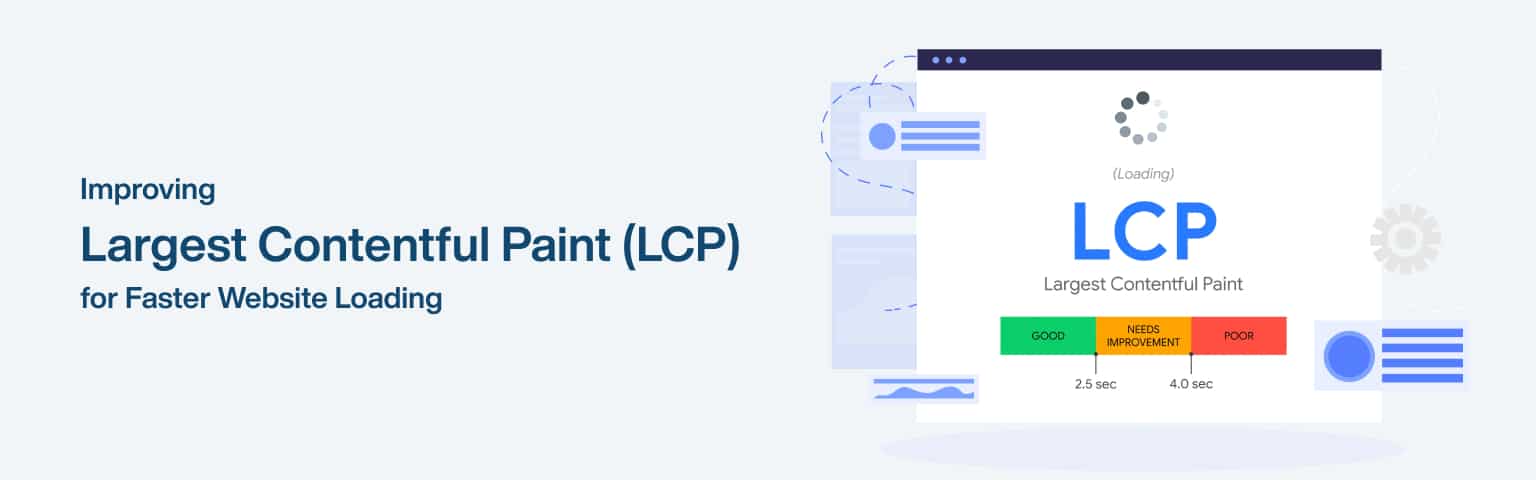
For a good user experience, aim for an LCP of 2.5 seconds or less. The main content should appear quickly, making the site feel fast and responsive.

How LCP is Measured

Measuring Largest Contentful Paint (LCP) helps us understand how quickly the main content of a page loads. Here’s how it works:

Identify the Largest Content: 

LCP looks for the most significant visible element on the page. This could be a large image, video, or a big block of text.

Track Loading Time: 

It measures when the page starts loading and when this most significant element is evident on the screen.

Use the Right Tools: 

To measure LCP, you can use tools like:

  • Google PageSpeed Insights: This tool gives you a detailed report on your website’s performance, including LCP.
  • Lighthouse: Built into Chrome DevTools, it helps you run performance audits.
  • Web Vitals Chrome Extension: This provides real-time feedback on LCP and other Core Web Vitals.
  • Google Search Console: It offers a Core Web Vitals report that tracks LCP scores over time.

Understand the Scores:

  • Good: LCP under 2.5 seconds.
  • Needs Improvement: LCP between 2.5 and 4 seconds.
  • Poor: LCP over 4 seconds.

By measuring LCP, you can see how long it takes for the most essential part of your page to load. This helps you find areas for improvement and makes your website faster and more user-friendly.

Factors Affecting LCP

Several factors can affect your web page’s Largest Contentful Paint (LCP). Here are the key ones:

Server Response Time:

  • Explanation: Slow server response times delay the loading of your content.
  • Solution: Use a fast and reliable server. Consider using a Content Delivery Network (CDN) to speed up delivery.

Resource Load Times:

  • Explanation: Large images, videos, or heavy CSS and JavaScript files take longer to load.
  • Solution: Optimize and compress images. Minify CSS and JavaScript files to reduce their size.

Client-Side Rendering:

  • Explanation: Heavy JavaScript processing can delay the rendering of your page.
  • Solution: Reduce the amount of JavaScript and use efficient coding practices.

Render-Blocking Resources:

  • Explanation: CSS and JavaScript files that block the main content from loading can increase LCP time.
  • Solution: Load critical CSS inline and defer non-essential JavaScript.

Addressing these factors can improve your LCP score, ensure your main content loads quickly, and provide a better user experience.

Strategies to Improve LCP

Improving Largest Contentful Paint (LCP) is critical to enhancing your website’s user experience. Here are some effective strategies:

Optimize Server Performance:

  • Explanation: Fast server response times reduce delays in loading content.
  • Solution: Use a Content Delivery Network (CDN) to distribute content faster. Optimize your server settings for better performance.

Optimize and Load Resources Efficiently:

  • Explanation: Large images, videos, and files can slow your page.
  • Solution: Compress and optimize images to reduce their size. Minify CSS and JavaScript files to make them load faster. Preload essential resources to ensure they are ready quickly.

Reduce Client-Side Rendering Times:

  • Explanation: Heavy JavaScript processing can delay content rendering.
  • Solution: Optimize JavaScript code and reduce the use of heavy frameworks. Use efficient coding practices to speed up client-side rendering.

Eliminate Render-Blocking Resources:

  • Explanation: CSS and JavaScript files that block the main content from loading can increase LCP time.
  • Solution: Load critical CSS inline to make it available quickly. Defer non-essential JavaScript to prevent it from blocking the main content.

Tools and Resources for Monitoring and Improving LCP

Monitoring and improving Largest Contentful Paint (LCP) is essential for a fast and user-friendly website. Here are some tools and resources to help you:

Google PageSpeed Insights

  • Explanation: This tool analyzes your website and provides a detailed report on its performance, including LCP.
  • How to Use: Enter your URL, and PageSpeed Insights will give you a score and suggestions for improvement.

Lighthouse

  • Explanation: Built into Chrome DevTools, Lighthouse runs performance audits on your website.
  • How to Use: Open Chrome DevTools, go to the “Lighthouse” tab and run an audit to get insights on your LCP and other metrics.

Web Vitals Chrome Extension

  • Explanation: As you browse, this extension provides real-time feedback on Core Web Vitals, including LCP.
  • How to Use: Install the extension, showing you the LCP score for any page you visit.

Google Search Console

  • Explanation: Search Console tracks your website’s performance over time and offers a Core Web Vitals report.
  • How to Use: Access the “Core Web Vitals” report in the Search Console to see your LCP scores and identify pages that need improvement.

Image Optimization Tools

  • Explanation: Tools like TinyPNG or ImageOptim help reduce image sizes without losing quality.
  • How to Use: Upload your images to these tools to compress them before adding them to your website.

Minification Tools

  • Explanation: Tools like UglifyJS and CSSNano help minify your JavaScript and CSS files.
  • How to Use: Use these tools to reduce the size of your files, making them load faster.

Using these tools and resources, you can effectively monitor and improve your LCP. This will help your website load faster, enhance the user experience, and boost your search engine rankings.

Steps to Becoming a Successful Entrepreneur

Entrepreneurship has become synonymous with innovation, growth, and dynamism in today’s fast-paced business landscape. It represents the spirit of venturing into the unknown, creating value, and driving economic progress. In a world where constant change and disruption are the norm, entrepreneurship plays a pivotal role in shaping industries, fostering competition, and fueling creativity.

At the heart of every successful entrepreneurial endeavor lies a mindset that embraces challenges as opportunities, failure as a stepping stone to success, and uncertainty as a catalyst for innovation. The right mindset is not just desirable; it’s the cornerstone of entrepreneurial success. It encompasses a blend of resilience, creativity, adaptability, and a relentless pursuit of excellence.

In this digital transformation era and global connectivity, the entrepreneurial mindset is more crucial than ever. It empowers individuals to navigate complex environments, identify emerging trends, and capitalize on untapped market potentials. Whether you’re a seasoned entrepreneur or embarking on your entrepreneurial journey, cultivating the right mindset sets the stage for growth, impact, and sustainable success.

Understanding the Entrepreneurial Mindset

The entrepreneurial mindset encapsulates a set of attitudes, behaviors, and beliefs that drive individuals to create, innovate, and succeed in the ever-evolving business landscape. Here are the essential qualities that define the entrepreneurial mindset:

  1. Resilience: Entrepreneurs possess a remarkable ability to bounce back from setbacks, failures, and challenges. They view obstacles as opportunities to learn, grow, and refine their strategies. Resilience enables them to persevere through tough times and focus on their long-term vision.
  2. Creativity: Entrepreneurs are inherently creative thinkers who envision new possibilities, solutions, and business models. They thrive on thinking outside the box, challenging conventional wisdom, and turning ideas into reality. Creativity fuels innovation and drives competitive advantage in a crowded marketplace.
  3. Risk-Taking: Unlike employees who often seek stability and security, entrepreneurs are comfortable taking calculated risks. They understand that risk is inherent in entrepreneurship and are willing to step out of their comfort zones to pursue opportunities with potential rewards. Risk-taking is essential for growth, expansion, and staying ahead of the curve.
  4. Adaptability: Entrepreneurial ventures operate in dynamic environments where change is constant. Entrepreneurs embrace change and adapt quickly to market shifts, customer preferences, and technological advancements. They possess the agility to pivot, iterate, and evolve their strategies based on feedback and market insights.
  5. Visionary Leadership: Entrepreneurs are visionaries who inspire, motivate, and lead by example. They envision their goals, mission, and desired impact. Visionary leadership involves setting ambitious yet achievable goals, rallying teams around a common purpose, and navigating uncertainties with confidence and conviction.

The difference between an employee and an entrepreneurial mindset lies in their fundamental outlook and approach toward work and challenges.

  • Employee Mindset: Employees prioritize job security, steady income, and defined organizational roles. They may be risk-averse, preferring stability and predictability in their careers. Their focus is often on executing tasks and meeting expectations set by others.
  • Entrepreneurial Mindset: Entrepreneurs, on the other hand, embrace uncertainty, seek opportunities for growth and innovation, and take ownership of their success. They are self-motivated, proactive, and constantly seeking ways to add value, disrupt industries, and create meaningful impact. The entrepreneurial mindset is characterized by initiative, resilience, creativity, and a relentless drive to succeed on their terms.

Critical Steps to Cultivating an Entrepreneurial Mindset

Self-Awareness and Vision

Self-awareness is the foundation of the entrepreneurial mindset. Entrepreneurs must understand their strengths, weaknesses, passions, and goals to navigate business challenges effectively. By gaining clarity on their unique abilities and areas for growth, entrepreneurs can make informed decisions and leverage their strengths to drive success. Additionally, developing a clear vision for the business that aligns with personal values provides a roadmap for decision-making and goal-setting, ensuring alignment between purpose and action.

Embracing Failure and Learning

Failure is not the end but a valuable learning opportunity on the path to success. Entrepreneurs must embrace failure, learn from their mistakes, and maintain a growth mindset. By reframing failures as stepping stones to growth and resilience, entrepreneurs can extract valuable lessons, iterate on their strategies, and improve continuously. Strategies such as seeking feedback, analyzing failures objectively, and staying adaptable in the face of setbacks contribute to a culture of continuous learning and improvement.

Innovative Thinking and Problem-Solving

Innovative thinking is a hallmark of the entrepreneurial mindset, enabling entrepreneurs to identify market opportunities and solve problems creatively. By thinking outside the box, challenging assumptions, and exploring unconventional solutions, entrepreneurs can differentiate their businesses and create unique value propositions. Examples of successful entrepreneurs who have demonstrated innovative thinking, such as Elon Musk with SpaceX or Sara Blakely with Spanx, inspire others to push boundaries and innovate in their ventures.

Risk-Taking and Decision-Making

Entrepreneurship inherently involves risk-taking, but it’s not about blind risk; it’s about calculated risks and informed decision-making. Entrepreneurs must assess risks, weigh options, and consider potential outcomes before making decisions. Strategies such as conducting market research, gathering data-driven insights, and seeking advice from mentors or experts help entrepreneurs make confident decisions that align with their vision and goals.

Adaptability and Resilience

Adaptability is crucial for entrepreneurs to respond effectively to market changes, customer feedback, and industry trends. By staying agile, open-minded, and proactive, entrepreneurs can pivot when necessary, capitalize on emerging opportunities, and stay ahead of the competition. Building resilience is also essential in overcoming challenges, setbacks, and failures. Creating a solid support network, practicing self-care, and maintaining a positive mindset contribute to resilience and long-term success in entrepreneurship.

Building a Support Network

Building a solid support network is essential for entrepreneurs’ journey to success. Here’s why:

Guidance and Mentorship

Mentors provide valuable advice, insights, and industry knowledge to help entrepreneurs navigate challenges and make informed decisions. They offer a different perspective, share experiences, and serve as trusted advisors, helping entrepreneurs avoid common pitfalls and accelerate their growth.

Peer Support

Connecting with peers in the entrepreneurial community offers a sense of camaraderie and mutual support. Peer networks provide opportunities for collaboration, idea sharing, and learning from each other’s experiences. Engaging with like-minded individuals fosters creativity, motivation, and belonging in the entrepreneurial ecosystem.

Access to Resources

Networking opens doors to valuable resources such as funding opportunities, partnerships, and business connections. Entrepreneurs can leverage their network to access capital, industry contacts, mentorship programs, and support services, enhancing their business prospects and growth potential.

Feedback and Validation

Seeking input from mentors, peers, and industry experts helps entrepreneurs validate their ideas, refine their strategies, and improve their offerings. Constructive feedback provides valuable insights into market demand, customer preferences, and areas for improvement, guiding entrepreneurs toward more effective decision-making and product development.

Continuous Learning

Networking exposes entrepreneurs to new ideas, trends, and best practices in their industry. By attending events, workshops, and conferences, entrepreneurs can stay updated on market developments, emerging technologies, and business trends, enabling them to adapt and innovate proactively.

Continuous Learning and Growth for Entrepreneurs

Continuous learning is a cornerstone of entrepreneurial success. Here’s why it’s crucial and how entrepreneurs can prioritize ongoing growth:

Stay Updated with Industry Developments

Industries evolve rapidly, with new trends, technologies, and market dynamics emerging regularly. Entrepreneurs must stay updated with industry developments to remain competitive and capitalize on opportunities. Following industry news, attending conferences, and participating in industry forums and webinars are effective ways to stay informed and adapt to changing landscapes.

Acquire New Skills

The business landscape demands diverse skill sets, from marketing and finance to leadership and technology. Entrepreneurs should prioritize acquiring new skills relevant to their business and industry. Online courses, workshops, and certification programs offer accessible avenues for skill development, enabling entrepreneurs to enhance their capabilities and add value to their ventures.

Learn from Others

Learning from successful entrepreneurs, industry experts, and thought leaders can provide invaluable insights and inspiration. Entrepreneurs should engage with educational resources such as books, podcasts, TED talks, and mentorship programs. These resources offer diverse perspectives, practical strategies, and lessons learned from real-world experiences, empowering entrepreneurs to make informed decisions and navigate challenges effectively.

Adapt to Market Trends

Consumer preferences, market trends, and technological advancements shape the business landscape. Entrepreneurs must adapt to these trends by understanding customer needs, monitoring market shifts, and leveraging innovative solutions. Continuous learning enables entrepreneurs to anticipate trends, identify opportunities, and pivot their strategies accordingly, driving sustainable growth and relevance in the market.

Foster a Growth Mindset

A growth mindset is essential for continuous learning and growth. Entrepreneurs should embrace challenges, view failures as learning opportunities, and seek feedback to improve continuously. Cultivating a growth mindset fosters resilience, creativity, and a willingness to innovate, enabling entrepreneurs to overcome obstacles, seize opportunities, and achieve long-term success.

Best E-commerce Store Examples You Can Learn from

Studying successful e-commerce stores is akin to learning from the masters of online retail. It provides invaluable insights and inspiration for businesses aiming to carve their niche in the digital marketplace. The diversity of e-commerce niches offers a treasure trove of potential lessons, showcasing various strategies, innovations, and approaches that have proven effective in different industries.

The spectrum of e-commerce niches is vast and multifaceted, ranging from ultra-efficient grilling equipment to luxury apparel and sustainable hydration solutions. Each niche brings unique challenges, customer expectations, and market dynamics, making it a rich source of learning for aspiring and established e-commerce entrepreneurs.

By exploring the success stories of these e-commerce stores, businesses can gain practical insights into effective branding, customer engagement strategies, product differentiation, user experience optimization, and much more. These theoretical lessons can be creatively and strategically applied to drive growth and success in the competitive online landscape, regardless of the industry.

This blog will explore a curated selection of best-in-class e-commerce stores across diverse niches. We will highlight their innovative approaches and customer-centric strategies and emphasize their unique selling points. These critical lessons will help businesses elevate their online presence and achieve sustainable success.

What Makes a Great Ecommerce Site?

A great e-commerce site is not a distant dream, but a practical reality. It’s a strategic blend of design, functionality, and user experience tailored to maximize sales and customer satisfaction. Here are the key elements that contribute to making a great e-commerce site, each one within your reach:

  1. Beautifully Designed: The design of an e-commerce site plays a crucial role in attracting and retaining customers. It should reflect the brand’s identity, use a cohesive colour scheme and typography, incorporate ample white space for readability, and feature eye-catching call-to-action buttons.
  2. Fast Loading: Site speed is paramount for e-commerce success. A fast-loading website reduces bounce rates, improves user experience, and positively impacts SEO. To achieve this, choose a reliable hosting provider, optimize images and videos, and implement caching and content delivery networks (CDNs).
  3. Mobile-Friendly: With mobile traffic accounting for a significant portion of online visits, e-commerce sites must be responsive and optimized for mobile devices. This includes adapting layouts for smaller screens, ensuring easy navigation and finger scrolling, and optimizing checkout processes for mobile users.
  4. User-Friendly Navigation: An intuitive navigation system is essential for helping customers find products quickly and easily. Implement clear categories, tags, and filters, offer advanced search functionality, and prioritize usability across all devices.
  5. Comprehensive Product Catalog: An excellent e-commerce site offers a wide range of products and makes them easy to browse. Clear product descriptions, high-quality images, detailed specifications, and customer reviews contribute to informed purchasing decisions.
  6. Secure Checkout Process: Building trust and confidence is crucial for e-commerce success. Ensure a =secure and seamless checkout process with multiple payment options, SSL encryption, transparent pricing, and clear return and refund policies.
  7. SEO-Friendly: Optimizing your e-commerce site for search engines increases visibility and organic traffic. To improve search rankings, focus on keyword optimization, meta tags, structured data markup, fast page load times, mobile-friendliness, and quality content.
  8. Social Media Integration: Leverage social media channels to promote products, engage with customers, and drive traffic to your e-commerce site. Integrate social sharing buttons, user-generated content, and social proof elements to enhance brand credibility and reach.
  9. Customer Reviews and Testimonials: Incorporate user-generated content, such as customer reviews and testimonials, to build trust and credibility. Positive reviews and ratings can significantly influence purchasing decisions and boost conversion rates.
  10. Analytics and Performance Tracking: Utilize tools to monitor site performance, track key metrics like traffic, conversions, and user behaviour, and gain actionable insights for continuous improvement and optimization.

Solo Stove: Fostering Togetherness and Adventure

Solo Stove, a renowned brand focused on ultra-efficient grilling equipment, camping stoves, and fire pits, is a prime example of a successful e-commerce store. What sets Solo Stove apart is its products’ functionality and the experience they create, making it a fascinating case study for aspiring and established e-commerce entrepreneurs. The brand emphasizes creating a sense of togetherness and adventure in every aspect of its offerings. Whether it’s a cozy evening by the fire pit, a camping trip with friends, or a backyard barbecue gathering, Solo Stove’s products are designed to enhance these moments and make them memorable.

Solo Stove’s camping stoves are known for their compactness, efficiency, and ease of use, making them ideal companions for outdoor enthusiasts and adventurers. On the other hand, the brand’s fire pits are crafted to provide a mesmerizing flame experience while minimizing smoke and maximizing heat output, perfect for gathering around with loved ones. Beyond the products, Solo Stove’s website design also reflects its ethos of togetherness and adventure. The imagery used evokes feelings of warmth, connection, and outdoor escapades, inviting customers to envision themselves enjoying life’s simple pleasures in the company of friends and family.

By focusing not just on selling grilling equipment but on facilitating memorable experiences, Solo Stove has carved a niche for itself in the outdoor lifestyle market. This emphasis on creating emotional connections with customers through products and brand storytelling is a valuable lesson for e-commerce businesses looking to differentiate themselves and forge lasting relationships with their audience.

LARQ: Revolutionizing Sustainable Hydration

LARQ has emerged as a trailblazer in sustainable hydration solutions with its innovative approach to plastic-free reusable bottles. The brand’s commitment to environmental sustainability is evident in its mission to revolutionize how people consume water while minimizing plastic waste. At the heart of LARQ’s offerings is its line of self-cleaning water bottles, which utilize innovative UV-C LED technology to purify water and eliminate harmful bacteria and viruses. This ensures safe and clean drinking water and removes the need for single-use plastic bottles, contributing significantly to environmental conservation efforts.

One of the standout features of LARQ’s website is its interactive calculator, a tool designed to educate customers about the financial savings and environmental impact of switching to reusable bottles. By inputting the number of water bottles they typically use in a week, customers can see firsthand the potential cost savings and reduction in plastic waste by switching to LARQ’s reusable bottles. This interactive calculator is a powerful educational tool. It highlights the tangible benefits of sustainable choices and empowers customers to make informed purchasing decisions aligned with their values. It fosters awareness about the environmental impact of single-use plastics and showcases the economic advantages of investing in reusable and eco-friendly alternatives.

LARQ’s innovative approach to combining technology, sustainability, and consumer education sets a precedent for e-commerce brands promoting eco-conscious practices while offering practical solutions to everyday challenges. By leveraging interactive tools and showcasing the real-world benefits of sustainable products, businesses can inspire positive change and create a more sustainable future for future generations.

Burrow: Redefining Furniture Shopping with Modular Designs

Burrow has made a name for itself in the furniture industry by reimagining the way people shop for and experience furniture. The brand aims to simplify furniture shopping and enhance living spaces with modular designs that prioritize comfort, style, and versatility. At the core of Burrow’s offerings are its modular furniture collections, designed to adapt to various living spaces and lifestyle needs. From sofas and sectionals to tables and storage solutions, Burrow’s modular approach allows customers to customize and configure their furniture according to their preferences, making it a seamless fit for any home or apartment.

One of the standout features of Burrow’s website is its homepage animation, which showcases the versatility of its Range collection. The animation demonstrates how the Range collection’s modular pieces can be easily adjusted and rearranged to suit different room layouts and design aesthetics. This interactive display highlights Burrow’s furniture’s functionality and engages customers visually, making the shopping experience more immersive and informative.Burrow’s commitment to simplifying furniture shopping extends beyond its product offerings. The brand’s website is user-friendly and intuitive, with straightforward navigation and helpful tools that assist customers in selecting the right furniture pieces for their spaces. Burrow’s transparent pricing, eco-friendly materials, and convenient assembly process further provide a seamless and satisfying shopping experience.

By focusing on modular designs, customization options, and user-friendly interfaces, Burrow has redefined the furniture shopping experience, catering to modern consumers’ desire for convenience, flexibility, and style. This approach sets Burrow apart in a competitive market and resonates with customers seeking functional and adaptable home furniture solutions.

Skullcandy: Elevating Audio Experience with Bold Design

Skullcandy has established itself as a leader in the audio industry, known for its high-quality earphones and headphones that combine cutting-edge technology with stylish design. Beyond its exceptional audio products, Skullcandy stands out for its bold web design that reflects the brand’s dynamic and innovative spirit. The Skullcandy website greets visitors with a visually striking layout, engaging copy, and interactive elements that capture their attention when they land on the homepage. One of the standout features of the website is the “Inside Skullcandy” section, which offers a glimpse into the brand’s inner workings, values, and culture.

The “Inside Skullcandy” section allows visitors to explore various aspects of the company, including its team members, core values, corporate social responsibility initiatives, and charitable partnerships. This immersive experience goes beyond showcasing products; it humanizes the brand, giving customers a deeper understanding of the people behind the scenes and the ethos driving Skullcandy’s mission. Skullcandy creates a customer connection beyond audio quality by highlighting its team, values, and culture. The transparency and authenticity conveyed through the “Inside Skullcandy” section resonate with modern consumers who value brands with a purpose and story.

Skullcandy’s bold web design and engaging content strategy enhance the user experience and reinforce the brand’s identity and values. This approach attracts customers and fosters loyalty and advocacy, as customers feel a personal connection to the brand and its mission beyond just purchasing products.

Bon Bon Bon: Artisanal Delights Crafted with Excellence

Bon Bon Bon has earned a reputation for its exquisite artisanal candies crafted using classic French techniques, local ingredients, and a touch of creativity. The brand’s commitment to quality and artistry shines through in every delectable treat, making Bon Bon Bon a favorite among connoisseurs of fine chocolates. One of the defining features of Bon Bon Bon’s brand image is its dedication to exceptional quality over price competition. Unlike many mass-produced candies that compete primarily on price, Bon Bon Bon positions itself as a premium brand focused on craftsmanship, flavor complexity, and unique offerings that delight the senses.

While Bon Bon Bon’s products may be more expensive than conventional chocolates, customers are willing to pay for the unparalleled taste experience and the attention to detail that goes into each handmade bonbon. This pricing strategy reflects the brand’s commitment to using high-quality ingredients, supporting local suppliers, and upholding artisanal chocolate-making traditions. Bon Bon Bon’s brand image exudes sophistication, creativity, and a passion for culinary excellence. From their vintage-inspired packaging to their playful flavor combinations, every aspect of the brand conveys a sense of luxury and indulgence, appealing to discerning customers seeking a gourmet chocolate experience.

By focusing on exceptional quality, unique flavor profiles, and a distinct brand identity, Bon Bon Bon has carved a niche in the competitive confectionery market. Their commitment to craftsmanship and creativity sets them apart and establishes them as a sought-after destination for those who appreciate the finer things in life.

Body Bliss: Nurturing Skin and Sustainability

Body Bliss is renowned for its natural skincare products crafted from sustainable ingredients sourced locally. The brand’s commitment to holistic wellness, eco-conscious practices, and luxurious formulations has made it a favorite among those seeking gentle skincare solutions on both the skin and the planet. One of Body Bliss’s standout features is its minimalistic “About” page, which shows the brand’s ethos, values, and mission. Unlike elaborate and cluttered pages, Body Bliss keeps it simple yet impactful, conveying essential information that resonates with environmentally conscious consumers.

The “About” page on Body Bliss’s website typically features two key elements: a personal note from the CEO or founder and an explanation of the symbolism behind the brand’s logo or signature elements. This minimalistic approach allows visitors to quickly grasp the essence of Body Bliss and understand what sets the brand apart in the crowded skincare market.

Body Bliss communicates its commitment to using natural, sustainable, and ethically sourced ingredients in its products through concise yet meaningful content. The brand’s emphasis on transparency, quality, and environmental stewardship shines through, reinforcing trust and credibility among customers who prioritize clean beauty and sustainability.

By leveraging a minimalistic “About” page, Body Bliss effectively conveys its brand values and resonates with eco-conscious consumers seeking skincare products that align with their values. This approach not only enhances brand authenticity but also fosters a deeper connection with customers who appreciate brands that prioritize both efficacy and ethical practices.

Black Diamond Equipment: Gear Up for Adventure

Black Diamond Equipment stands as a beacon of quality and innovation in outdoor gear. It offers a wide range of products tailored for climbing, skiing, snowboarding, and more. Beyond its exceptional gear, Black Diamond’s website provides an immersive experience that captures the essence of outdoor exploration and adventure.

One of the most captivating elements of Black Diamond Equipment’s website is its use of immersive videos and outdoor imagery to inspire and engage visitors. The homepage often features stunning videos showcasing athletes in action, whether climbing rugged mountains, skiing down pristine slopes, or embarking on thrilling outdoor adventures.

These immersive videos highlight Black Diamond’s gear in real-world scenarios and evoke a sense of adventure and exploration. By showcasing the beauty of nature and the adrenaline-fueled experiences that their products enable, Black Diamond effectively taps into the aspirations and passions of outdoor enthusiasts.

In addition to immersive videos, Black Diamond’s website is rich in outdoor imagery that transports visitors to breathtaking landscapes and outdoor settings. The use of high-quality photography and compelling storytelling creates an emotional connection with the brand and reinforces its positioning as a trusted companion for outdoor adventures.

By leveraging immersive content and outdoor imagery, Black Diamond Equipment doesn’t just sell gear and experiences and inspires a lifestyle centered around outdoor exploration and adventure. This approach differentiates the brand in a competitive market and resonates deeply with its target audience, fostering loyalty and advocacy among outdoor enthusiasts worldwide.

Tommie Copper: Confidence in Comfort

Tommie Copper has revolutionized the world of compression clothing, offering innovative solutions for those seeking comfort, support, and performance in their everyday activities. What sets Tommie Copper apart is its cutting-edge products and unwavering commitment to quality and customer satisfaction, epitomized by policies like their 60-day money-back guarantee.

At the heart of Tommie Copper’s ethos is a dedication to providing customers with products that enhance their well-being and lifestyle. The brand’s compression clothing promotes recovery, reduces muscle fatigue, and improves mobility. It is a favorite among athletes, active individuals, and anyone seeking relief from everyday aches and pains.

One of Tommie Copper’s standout features is its 60-day no-questions-asked money-back guarantee, which reflects the brand’s confidence in the quality and effectiveness of its products. This customer-centric policy instills trust and confidence among buyers, assuring them that their satisfaction is paramount and that they can shop with peace of mind.

Tommie Copper’s commitment to product quality extends beyond its guarantee, encompassing rigorous testing, innovative design, and premium materials. Whether it’s compression sleeves, shirts, socks, or accessories, every Tommie Copper product is crafted with the utmost care and attention to detail, ensuring durability, performance, and comfort.

By prioritizing customer confidence and product excellence, Tommie Copper has earned a reputation as a trusted leader in compression wear. Their dedication to enhancing lives through innovative solutions and customer-centric policies sets them apart in a competitive market. It fosters long-lasting relationships with satisfied customers who rely on Tommie Copper for comfort and support.

Hyphen Sleep: Where Innovation Meets Comfort

Hyphen Sleep is revolutionizing the sleep experience with its cutting-edge mattresses, designed based on extensive sleep data research. The brand’s commitment to leveraging scientific insights for optimal rest and rejuvenation sets it apart in the competitive mattress industry.

What makes Hyphen Sleep unique is its advanced sleep technology, youthful brand image, and creative approach to showcasing the benefits of its products. From vibrant branding to engaging marketing campaigns, Hyphen Sleep appeals to a younger demographic seeking quality sleep solutions without compromising style or innovation.

One of the critical highlights of Hyphen Sleep’s marketing strategy is its emphasis on education and transparency. The brand effectively communicates the science behind its mattresses, explaining how features like custom materials, ergonomic design, and extensive product testing contribute to better sleep quality and overall well-being.

Hyphen Sleep’s creative approach is evident in its use of bright colors, modern graphics, and relatable messaging to connect with customers personally. Whether through social media campaigns, interactive website content, or engaging product demonstrations, Hyphen Sleep strives to make the mattress-buying experience informative, enjoyable, and inspiring.

By blending scientific rigor with a youthful and creative brand image, Hyphen Sleep appeals to a diverse audience of sleep enthusiasts who value innovation, comfort, and style. Their commitment to delivering a superior sleep experience backed by research and technology cement Hyphen Sleep’s position as a trusted name in the ever-evolving landscape of sleep wellness.

Autograph Foliages: Bringing Nature Indoors

Autograph Foliages is a premier destination for artificial plants, offering a stunning array of lifelike greenery that brings the beauty of nature indoors. What sets Autograph Foliages apart is not just the quality of its products but also its meticulous attention to detail, which is especially evident in the perfect color scheme showcased on its website.

One of the standout features of Autograph Foliages’ online presence is its impeccable color scheme, which harmoniously complements the lush visuals of its artificial plants. The website’s design elements, from backgrounds to product displays, are carefully curated to enhance the natural appeal of the foliage and create a visually captivating experience for visitors.

Autograph Foliages leverages the power of visuals to showcase the realism and quality of its products. High-resolution images, close-ups of foliage details, and immersive product displays allow customers to appreciate each artificial plant’s lifelike texture, vibrant colors, and intricate craftsmanship.

Moreover, Autograph Foliages’ strategic use of visuals extends beyond product imagery to include inspirational settings and design ideas. The brand inspires customers with creative possibilities by showcasing how artificial plants can enhance various indoor spaces, from homes to offices. It helps them envision the transformative impact of greenery in their environment.

Through its thoughtful use of visuals and a harmonious color scheme, Autograph Foliages elevates the appeal of artificial plants and creates an immersive online shopping experience. Whether customers seek realistic botanicals for décor or green solutions for commercial spaces, Autograph Foliages’ commitment to visual excellence ensures that every leaf and petal is a testament to nature’s beauty and timeless elegance.

The Definitive Guide to Launching a Profitable Online Store

Commerce has a rich history that spans centuries, evolving alongside human civilization. From the days of bartering in ancient marketplaces to establishing formal trade routes, commerce has always been about exchange and growth.

However, the landscape of commerce underwent a monumental transformation in the 21st century, especially with the advent of digital technologies. The global COVID-19 pandemic further accelerated this transformation, reshaping how businesses operate and consumers engage with them.

In this blog post, we delve into the historical journey of commerce and explore how the recent surge in digital sales has reshaped the business landscape, opening up new opportunities and challenges for entrepreneurs and consumers alike.

The Rise of Digital Sales

In recent years, the world has witnessed a remarkable shift in consumer behavior toward online shopping. This shift has been fueled by several key factors, leading to a surge in digital sales across various industries.

Statistics on the Growth of Online Shopping

According to global market research, online retail sales have been consistently growing year over year, with an estimated increase of X% in the last decade alone.E-commerce giants like Amazon and Alibaba have experienced exponential growth, further highlighting the trend towards digital sales dominance.

Increase in New Brand Trials

The digital marketplace offers consumers a vast array of choices, leading to an increase in new brand trials. Approximately X% of consumers reported trying a new brand or retailer in the past year, showcasing the dynamic nature of online shopping preferences.

Expected Rise in E-commerce Volume

Industry experts predict a significant rise in e-commerce volume in the coming years, driven by improved online shopping experiences, expanded product offerings, and increased consumer trust in online transactions. A recent study from Accenture forecasts an X% increase in e-commerce purchases from experienced and new online shoppers.

Smartphone Usage for Online Spending

The proliferation of smartphones has revolutionized online shopping, with approximately X% of online spending projected to be done via smartphones by the end of this year. Mobile-friendly e-commerce platforms and apps have made it easier than ever for consumers to shop on the go.

Web Traffic Surge for Smaller E-commerce Stores

Smaller e-commerce stores have witnessed a remarkable surge in web traffic, with a staggering X% increase in visits over the past two years. This trend underscores the growing competitiveness of the digital marketplace, where even niche retailers can attract substantial online traffic and revenue.

Choosing Your Niche

Selecting the right niche is critical in launching a successful online store. Here’s a breakdown of why niche selection is important and how to go about it effectively:

Importance of Niche Selection

  • A niche defines your target market and sets you apart from competitors.
  • Focusing on a niche allows for more targeted marketing and better customer engagement.
  • Niche markets often have less competition and higher profit margins.

Conducting a SWOT Analysis

  • To evaluate potential niches, perform a SWOT analysis (Strengths, Weaknesses, Opportunities, Threats).
  • Identify your strengths and weaknesses as a business, as well as opportunities and threats in the chosen niche.
  • This analysis helps you understand market dynamics and assess your competitive advantage.

Finding Industry Gaps

  • Research the market to identify gaps or unfulfilled needs within your chosen niche.
  • Look for areas where existing solutions could be improved or where customer demand is high, but supply is limited.
  • Utilize tools like social media and Google Trends to identify emerging trends and consumer preferences.

Utilizing Social Media and Google Trends

  • Social media platforms provide valuable consumer behavior, preferences, and sentiment insights.
  • Monitor discussions, feedback, and trends on platforms like Facebook, Instagram, Twitter, and LinkedIn to gauge market demand.
  • Google Trends can help identify popular search queries related to your niche, highlighting interest and potential growth areas.

Analyzing Bestsellers on Major Platforms

  • Study best-selling products in your niche on major e-commerce platforms like Amazon, eBay, and Etsy.
  • Analyze customer reviews, ratings, and product features to understand what resonates with buyers.
  • Identify opportunities to improve existing offerings or introduce unique products that meet customer needs.

Creating Customer Personas

  • Develop detailed customer personas based on demographic and psychographic data.
  • Consider age, gender, location, income, interests, values, challenges, and aspirations.
  • Customer personas help tailor your marketing strategies, product offerings, and customer experiences to specific target segments.

Exploring Different Business Models (B2B, B2C, Dropshipping, DTC)

  • Evaluate various business models based on your niche and target audience.
  • B2B (Business-to-Business): Selling products or services to other businesses.
  • B2C (Business-to-Consumer): Selling directly to end consumers.
  • Dropshipping: Partnering with suppliers to fulfill orders directly to customers without holding inventory.
  • DTC (Direct-to-Consumer): Eliminating intermediaries and selling products directly to end customers.

Selecting an E-commerce Platform

Choosing the right e-commerce platform is crucial for the success of your online store. Here’s a guide to help you make an informed decision:

Understanding Your Product Range

  • Consider the type and variety of products you’ll be selling.
  • Determine if you need support for physical goods, digital products, subscriptions, or a combination.

Identifying Essential Features

  • Make a list of features that are essential for your store’s functionality.
  • This may include inventory management, payment gateways, shipping options, SEO tools, analytics, and marketing integrations.

Popular E-commerce Platforms Overview

  • BigCommerce: Known for scalability and robust features, suitable for medium to large businesses. Offers a wide range of built-in tools and integrations.
  • Shopify: It is user-friendly and has a large app ecosystem. It is ideal for small—to medium-sized businesses and offers customizable templates, payment gateways, and marketing tools.
  • Adobe Magento: Highly customizable and scalable, suitable for large enterprises with complex requirements. Offers advanced features for B2B and B2C businesses.
  • WooCommerce: Built on WordPress, ideal for small businesses and startups. Offers flexibility, customization options, and seamless WordPress integration.
  • Wix: Beginner-friendly platform with a drag-and-drop website builder, suitable for small businesses and beginners. Offers templates, apps, and e-commerce features.

Factors to Consider When Choosing a Platform

  • Scalability: Ensure the platform can handle your store’s growth and increased traffic.
  • Cost: Consider platform fees, transaction fees, hosting costs, and additional expenses for plugins or integrations.
  • Ease of Use: Evaluate the platform’s user interface, customization options, and ease of setup and management.
  • Mobile Responsiveness: Check if the platform offers mobile-responsive templates and a seamless mobile shopping experience.
  • SEO and Marketing Tools: Look for built-in SEO features, marketing tools, and integrations to promote your store and drive traffic.
  • Security: Ensure the platform provides robust security features, SSL certification, and PCI compliance for secure transactions.
  • Support and Community: Consider the availability of customer support, documentation, tutorials, and a supportive user community.

Product Selection Strategies

Importance of Unique and Limited-Supply Products

  • Unique and limited-supply products create a sense of exclusivity and urgency, driving customer interest and sales.
  • Differentiate your store from competitors and attract niche markets seeking uncommon items.

Avoiding Oversaturated Markets

  • Conduct market research to identify oversaturated product categories.
  • Focus on niches or sub-niches with high demand and lower competition for better visibility and profitability.

Leveraging Competitive Advantages

  • Identify and leverage your competitive advantages, such as quality, pricing, customer service, or unique value propositions.
  • Highlight these advantages in your marketing efforts to attract and retain customers.

Designing Your Online Store

Importance of Website Design

  • A well-designed website enhances user experience, builds credibility, and encourages repeat visits.
  • Invest in a professional, visually appealing design reflecting your brand’s image and values.

Aligning Design with Brand Identity

  • Ensure consistency in branding elements like colors, fonts, logos, and imagery throughout your website.
  • Create a cohesive brand identity that resonates with your target audience and effectively communicates your message.

Creating a User-Friendly Navigation System

  • Design intuitive navigation menus and categories to help customers easily find products.
  • Implement search functionality, filters, and sorting options for a seamless browsing experience.

Essential Features and Add-ons

  • Include essential features like a secure checkout, product reviews, wishlists, and related product suggestions.
  • To enhance customer engagement and conversion rates, consider add-ons such as live chat support, social media integration, abandoned cart recovery, and loyalty programs.

Listing and Describing Products

Crafting Persuasive Product Descriptions

  • Write compelling product descriptions highlighting features, benefits, and unique selling points.
  • Use persuasive language, storytelling, and customer testimonials to engage and persuade potential buyers.

High-Quality Product Images

  • Use high-resolution images that showcase products from different angles and perspectives.
  • Include zoom-in functionality and videos if applicable to provide a detailed view of products.

Categorizing Products Effectively

  • Organize products into clear and logical categories and subcategories for easy navigation.
  • Use descriptive and SEO-friendly category names to improve search visibility and user experience.

Establishing Payment Options

Diverse Payment Options Importance

  • Offer a variety of payment methods to cater to diverse customer preferences.
  • Include options like credit/debit cards, digital wallets, bank transfers, and alternative payment gateways.

Connecting to Multiple Payment Processors

  • Integrate with multiple payment processors to ensure seamless and secure transactions.
  • Choose reputable processors that offer competitive rates, fraud protection, and global coverage.

Understanding Transaction Fees

  • Understand and transparently communicate transaction fees to customers during checkout.
  • Consider the impact of fees on pricing strategies and profitability while choosing payment processors.

Finalizing Shipping Strategies

Importance of Effective Shipping Strategy

  • Develop a shipping strategy that balances cost-effectiveness, speed, and reliability.
  • Offer shipping options like standard, expedited, and free shipping to meet varying customer needs.

Creating a Clear Shipping Policy

  • Clearly outline shipping costs, delivery times, return policies, and international shipping details in your shipping policy.
  • Communicate shipping information prominently on product pages and during checkout.

Considerations for Free Shipping, Carriers, International Shipping, and BOPIS

  • Evaluate the feasibility of offering free shipping based on product margins, order values, and competitor practices.
  • Choose reliable shipping carriers with affordable rates and tracking capabilities.
  • Consider expanding shipping options to international markets and offering Buy Online, Pickup In-Store (BOPIS) for local customers.

How To Start A Business Without Investment

Starting a business without investment may seem daunting, but it’s possible with the right approach and mindset. Many successful entrepreneurs have launched their ventures with little to no initial funding, relying instead on creativity, resourcefulness, and strategic planning. Whether you want to turn a passion into a profitable venture or explore new opportunities, this guide will provide practical steps to kickstart your business journey without financial constraints. From finding the perfect business idea to building a brand and pre-selling your products or services, we’ll walk you through the essentials to get your business off the ground without breaking the bank.

Find a Free Business Idea

Finding a free business idea is the first step toward launching a successful venture without significant upfront costs. By leveraging your skills, passions, and resources, you can identify opportunities requiring minimal financial investment. Explore innovative and low-cost business concepts that can be started from home or online, setting the foundation for your entrepreneurial journey.

Service-Based Ideas

Freelance Writing

Use your writing skills to create blog content, articles, and websites. Many businesses need good writers to help them share their message and reach more people. You can work from home and set your own hours.

Virtual Assistant

Support businesses by handling tasks like scheduling, email management, and data entry from your home. As a virtual assistant, you help busy professionals stay organized and focus on what they do best. You only need a computer and internet connection to get started.

Social Media Management

Help small businesses manage their social media accounts. Create posts, respond to comments, and build online communities for them. This service is in high demand as many businesses want to improve their online presence but lack the time or skills to do it themselves.

Online Business Ideas

Affiliate Marketing

Promote products from other companies on your website or social media. When someone buys through your referral link, you earn a commission. This way, you can make money by recommending products you like and trust without creating or stocking anything yourself.

Dropshipping

Start an online store and sell products without keeping any inventory. You partner with suppliers who ship products directly to your customers. This means you don’t need to worry about storing or shipping items, making it a low-cost way to start a business.

Creative Business Ideas

Graphic Design

Use your artistic skills to create logos, websites, and business marketing materials. Many companies need eye-catching designs to attract customers. You can offer your services online and work with clients from anywhere.

Photography

Provide photography services for events, portraits, or product photos. Capture special moments at weddings or take professional pictures for businesses to use in their marketing. You can start offering your services locally or online with a good camera and some practice.

Consulting and Coaching Ideas

Business Consulting

Offer expert advice and strategies to help businesses improve their operations. Use your experience and knowledge to guide them in marketing, management, and efficiency. Businesses often need outside perspectives to see where they can grow and improve.

Life Coaching

Support individuals in achieving their personal or professional goals. As a life coach, you listen, guide, and motivate people to reach their full potential. Your guidance can make a big difference whether they want to advance in their careers or improve their personal lives.

Educational and Training Ideas

Online Tutoring

Teach subjects or skills to students or professionals over the internet. Share your knowledge in areas like math, languages, or computer skills. You can help learners from anywhere improve and succeed with video calls and online resources. This flexible and rewarding job lets you work from home and set your own schedule.

Create a Business Blueprint

Creating a business blueprint is essential for turning your idea into a successful venture. This detailed plan outlines every aspect of your business, from market analysis to financial projections, guiding you through each step of the process. By developing a comprehensive blueprint, you set a strong foundation for your business, helping you stay focused, organized, and prepared for future growth. 

Executive Summary

Provide a brief overview of your business idea and goals. This section should summarize your business and what you aim to achieve. Keep it concise and clear to give readers a quick understanding of your vision.

Business Description

Give a detailed description of your business. Explain what products or services you offer, your target customers, and what makes your business unique. This section should paint a clear picture of your business for anyone reading it.

Market Analysis

Research and present findings on industry trends, your target market, and competitors. This section helps you understand where your business fits in the market and how you can stand out. Include data and insights that support your business idea.

Organization and Management

Outline your business’s structure. List key leadership roles and their responsibilities. Explain how your team is organized and how it will help your business succeed.

Marketing and Sales Strategy

Detail your plan for attracting and retaining customers. Explain which marketing channels you will use and what sales tactics you will implement. This section should show how you plan to grow your customer base and increase sales.

Product Line or Services

Describe your products or services in detail. Explain their benefits and what makes them unique. This section should help readers understand your offering and why customers would choose your business over others.

Financial Plan

Present your budget, financial projections, and funding requirements. This section should include details on how much money you need, where it will come from, and how you plan to use it. Clear financial planning is crucial for your business’s success.

Operational Plan

Explain your daily operations, production processes, and logistics. This section should show how your business will run daily, including how you will produce your products or deliver your services efficiently.

SWOT Analysis

Identify your business’s strengths, weaknesses, opportunities, and threats. This analysis helps you understand the internal and external factors that could impact your business. Use it to plan strategies that leverage strengths and opportunities while addressing weaknesses and threats.

Appendices

Include additional information such as resumes, permits, and legal documents. This section provides supporting documents that give more context and credibility to your business plan.

Connect with a Self-Made Entrepreneur

Seek mentorship and advice from a successful self-made entrepreneur. Follow and connect with entrepreneurs who have started their businesses with low or zero investment. Learn from their experiences, challenges, and strategies to gain valuable insights to help you navigate your business journey. Their guidance can provide practical advice and inspiration, helping you avoid common pitfalls and accelerate your path to success.

Select a Business Name

Choosing a unique and memorable name for your business is crucial in building your brand identity. A good business name should clearly reflect what your company does, be easy for customers to remember and pronounce, and be distinctive enough to stand out in the market.

To help you with this process, consider using a Free AI Business Name Generator. These tools are designed to generate creative and relevant name suggestions based on the keywords you provide. 

Create a Brand

Developing your brand identity is essential for making a lasting impression on your customers. Your brand should tell the story of who you are and what you stand for. Here’s how to create a strong and cohesive brand:

  1. Logo: Design a simple and memorable logo that reflects your business. Your logo is the visual representation of your brand, so it should be unique and easily recognizable.
  2. Colors: Choose a color palette that represents your brand’s personality. Colors evoke emotions and can influence how customers perceive your brand. Stick to a few core colors to maintain a consistent look.
  3. Messaging: Develop clear and concise messaging communicating your brand’s values and mission. This includes your tagline, key messages, and the tone of voice you use in all your communications.

Launch a Website

Build and launch a professional website to establish your online presence. Here’s how to do it:

  1. Choose a Domain Name: Pick a domain name that reflects your business name and is easy to remember. Make sure it’s short and simple.
  2. Select a Website Builder: Use a website builder like WordPress, Wix, or Squarespace. These platforms offer user-friendly templates and tools to help you create a professional-looking site without needing advanced technical skills.
  3. Design Your Site: Create a clean and attractive design. Use your brand colors and logo to maintain a consistent look. Ensure your site is easy to navigate, with clear menus and well-organized content.
  4. Add Essential Pages: Include key pages such as Home, About, Services or Products, Contact, and a Blog if applicable. Each page should provide valuable information and be easy to read.
  5. Optimize for Mobile: Ensure your website looks good and functions well on mobile devices. Many people browse the internet on their phones, so a mobile-friendly site is crucial.
  6. SEO Optimization: Use basic SEO practices to make your site easy to find on search engines. This includes using relevant keywords, optimizing images, and ensuring fast load times.
  7. Launch and Promote: Once your site is ready, launch it and promote it through your social media channels, email marketing, and other platforms. Keep your content updated and engage with visitors regularly.

Following these steps, you can build and launch a website that effectively represents your business and attracts customers.

Pre-Sell Your Product or Service

Test the market and generate initial sales by pre-selling your product or service. Pre-selling allows you to gauge interest and secure early customers before fully launching. Here’s how to do it:

  1. Create a Landing Page: Build a simple page explaining your product or service. Highlight its benefits and why it’s unique. Include high-quality images or mockups to make it appealing.
  2. Offer Pre-Order Incentives: Encourage early sales by offering special incentives, such as discounts, exclusive access, or bonus features for pre-orders. This creates urgency and motivates customers to act quickly.
  3. Collect Customer Information: Use a form on your landing page to collect pre-order information and customer details. This helps you build a list of interested buyers and communicate with them directly.
  4. Promote Your Pre-Sale: Use social media, email newsletters, and other marketing channels. Ask your network to share the news. Use engaging content to attract attention.
  5. Engage with Early Customers: Communicate regularly with your pre-order customers. Keep them updated on the progress and any developments. This builds trust and keeps them excited about your product or service.

By pre-selling, you can validate your business idea, generate initial revenue, and build a loyal customer base before your official launch. This approach reduces risk and helps you refine your offering based on real feedback.

Source Funding to Grow

Explore funding options to scale your business and support growth. Finding the right funding is crucial for expanding your operations and reaching new markets. Consider bootstrapping by using your own savings or reinvesting profits to maintain full control of your business. Seek support from friends and family who believe in your idea, or launch a crowdfunding campaign on platforms like Kickstarter to gather small contributions from many backers. Apply for business grants and enter competitions that offer financial prizes, or look for angel investors who can provide capital and mentorship in exchange for equity. For larger funding needs, approach venture capital firms, though be prepared to give up a share of your business. By exploring these varied funding options, you can secure the capital needed to support your business’s growth and achieve your long-term goals.

Some of the Free Business Tools

Idea Generation

  1. ChatGPT (OpenAI Free Version): Use ChatGPT to brainstorm business ideas and get advice on various aspects of starting and running a business.
  2. Google Trends: Analyze trending topics and search terms to understand market demand and interest over time.
  3. AnswerThePublic: Discover people’s questions and queries about specific topics to gain insights into market demand.
  4. MindMeister (Free Plan): Create mind maps for brainstorming sessions to visually organize your thoughts and ideas.
  5. IdeaFlip (Free Trial): Capture and organize spontaneous thoughts on a virtual whiteboard to refine and expand on initial concepts.

Business Name Generation

  1. NameMesh: Generate business name ideas based on keywords with suggestions categorized by themes like common, new, short, and fun.
  2. Oberlo Business Name Generator: Input keywords to instantly receive creative business name ideas.
  3. Shopify Business Name Generator: Enter a keyword to get unique business name suggestions tailored for e-commerce.
  4. Namelix: Use AI to generate short, brandable business names with customizable design options.
  5. Wordoid: Create unique, catchy names by generating random words based on your input criteria.

Market Analysis

  1. Google Trends: Analyze trending topics and search terms to understand market demand and interest over time.
  2. AnswerThePublic: Discover people’s common questions and queries around specific topics to gain insights into market demand.
  3. Ubersuggest: Get insights into keyword volume, competition, and related keywords, along with competitor strategies.
  4. SimilarWeb: Access basic analytics about website traffic and performance to understand your competitors and market dynamics.

Logo and Branding

  1. Hatchful by Shopify: Create professional logos using customizable templates tailored to different industries and styles.
  2. Canva: Design logos, social media graphics, and other branding materials with various templates and design elements.
  3. Looka (Free Tier): Use AI to generate and customize unique logos and branding elements based on your input.
  4. DesignEvo: Create and customize logos with thousands of templates, icons, and fonts suitable for various branding needs.
  5. LogoMakr: Design your logo from scratch or use an extensive library of icons and shapes, with options to download for free.

Website Building

  1. Wix: Use the drag-and-drop website builder and customizable templates to create a professional-looking website without coding skills.
  2. WordPress.com: Build a website or blog with various themes and plugins, offering flexibility and ease of use.
  3. Weebly: Create a website with drag-and-drop tools, customizable templates, and integrated SEO and analytics features.
  4. Google Sites: Quickly build simple, functional websites with drag-and-drop editing and seamless integration with other Google services.
  5. Zoho Sites: Design professional websites using drag-and-drop functionality and customizable templates, with integration to other Zoho applications.

Content Creation

  1. Canva: Create visually appealing graphics, social media posts, presentations, and more using various templates and design elements.
  2. Grammarly (Free Version): Improve your writing by checking grammar, spelling, and punctuation, ensuring clear and error-free content.
  3. Hemingway Editor: Enhance readability by highlighting complex sentences, passive voice, and adverbs to make your writing clear and concise.
  4. Google Docs: Write, edit, and collaborate on documents in real time with built-in features like comments, revision history, and voice typing.
  5. Piktochart: Design engaging infographics, presentations, and reports with easy-to-use templates and visual elements to simplify complex data.

Social Media Management

  1. Buffer (Free Plan): Schedule and manage posts for multiple social media accounts, track engagement, and analyze performance from a single dashboard.
  2. Hootsuite (Free Plan): Schedule and manage posts across various social media platforms with basic analytics to measure campaign success and monitor activity.
  3. Later (Free Plan): Plan and schedule visual content, especially for Instagram, with a content calendar and feed preview to optimize your social media strategy.
  4. TweetDeck: Manage multiple Twitter accounts, schedule tweets, and customize your Twitter feed with real-time tracking and various columns.
  5. Zoho Social (Free Plan): Schedule posts, monitor social media interactions, and analyze performance across different platforms, ideal for small businesses.

Communication and Collaboration

  1. Slack (Free Plan): Facilitate team messaging and collaboration with channels for different projects, file sharing, and integrations with other tools.
  2. Microsoft Teams (Free Plan): Enable chat, video conferencing, and file sharing for seamless team collaboration and organization.
  3. Trello (Free Plan): This tool organizes tasks and projects with boards, lists, and cards, allowing teams to track progress and collaborate effectively.
  4. Zoom (Free Plan): This plan allows you to host video meetings with up to 100 participants for 40 minutes per session, ideal for virtual meetings and remote communication.

Starting a business without investment is entirely possible with the right strategies and tools. You lay a strong foundation by finding a free business idea, creating a comprehensive business blueprint, and connecting with self-made entrepreneurs. Selecting a memorable business name, creating a cohesive brand, and launching a professional website establish your presence. Pre-selling your product or service helps test the market, while sourcing funding options ensures you have the necessary capital to grow. Each step, from planning to execution, is crucial in turning your vision into a successful reality. With determination and the right approach, you can build a thriving business from the ground up without significant initial investment.

How to Start a Business from Home

Starting a home-based business is becoming increasingly popular due to its flexibility and potential for success. Working from home creates a comfortable work environment, saves on commuting costs, and better balances your work and personal life. Home-based businesses enable you to leverage your skills and passions to generate income. Many successful companies, like Apple and Amazon, started in a home setting. With the internet, reaching customers worldwide has never been easier. This guide will walk you through the essential steps to set up your home-based business, from identifying your business idea to launching and growing your venture.

Identifying Your Business Idea

Assessing Your Skills and Passions

Start by thinking about what you are good at and what you enjoy doing. Your skills and passions can guide you toward a business idea that you will find fulfilling and enjoyable. Make a list of your talents, hobbies, and areas of expertise. This list will help you see potential business ideas that align with what you love and are skilled at.

Researching Market Needs and Opportunities

Next, look at the market to see what people need and want. Search online, read industry reports, and talk to potential customers. Find out what problems people face and how you can solve them. Look for gaps in the market where your skills and passions can meet demand. This research will help you understand what products or services are in demand and where you can fit in.

Evaluating the Feasibility of Your Business Idea

Once you have an idea, consider whether it can work as a business. Ask yourself a few key questions:

  • Can you make money from this idea?
  • Do you have the resources to start?
  • Is there a market for your product or service?

Consider the costs involved and the time to start and run your business. Look at your competition and think about what makes your idea unique. If your idea seems feasible, you are ready to move forward with planning and starting your home-based business.

Online Business Ideas to Consider

The digital age has made reaching customers easier, managing operations, and growing a business without leaving your house. Whether you’re looking to sell products, offer services, or create content, there are many options to explore. Below are some online business ideas that can help you leverage your skills, passions, and market demand to create a successful home-based business.

E-commerce Store: Selling Products Online

Starting an e-commerce store is a great way to sell products from home. You can use platforms like Shopify or Amazon or create your own website. Begin by choosing products you are passionate about and have market demand. Research suppliers to find reliable sources for your inventory.

Once you have your products, set up your online store. Shopify and Amazon make this easy with their user-friendly interfaces. If you create your website, make sure it is simple to navigate and visually appealing. Add high-quality photos and detailed descriptions of your products.

Next, focus on marketing. Use social media, email marketing, and search engine optimization (SEO) to attract customers to your store. Engage with your audience and provide excellent customer service to build trust and loyalty.

Running an e-commerce store requires regular updates and management. Monitor your sales, track inventory, and respond to customer inquiries promptly. Your e-commerce store can become a successful home-based business with dedication and effort.

Digital Art

Creating and selling digital art is a fantastic way to start a home-based business. You can turn your passion into income if you enjoy drawing, painting, or designing. Begin by creating a portfolio of your work. Showcase a variety of styles and subjects to attract different customers.

You can sell your digital art on platforms like Etsy, Redbubble, or your website. These platforms make it easy to reach a global audience. You can offer your art as digital downloads or on products like prints, mugs, and T-shirts.

Marketing is key to success in digital art. Use social media to share your creations and connect with potential buyers. Engage with your audience by posting regularly and responding to comments. Join online communities and participate in art challenges to increase your visibility.

Keep improving your skills and experimenting with new techniques. The more unique and high-quality your art, the more likely you are to attract loyal customers. With creativity and dedication, your digital art business can thrive from the comfort of your home.

Freelance Services

Offering freelance services is a great way to start a home-based business. You can use your writing, graphic design, or programming skills to help clients with their projects.

Begin by building a portfolio that showcases your best work. This will help potential clients see what you can do. You can create a simple website or use platforms like Upwork, Fiverr, or LinkedIn to find clients.

When starting out, setting clear rates and creating contracts to protect yourself and your clients is important. Communicate well with your clients to understand their needs and deliver high-quality work promptly.

Marketing yourself is key. Use social media to share your projects and connect with potential clients. Join online communities related to your field to network and learn about new opportunities.

Freelancing offers flexibility and the chance to work on diverse projects. You can build a successful freelance business from home with dedication and good client relationships.

Online Tutoring

Online tutoring is a rewarding home-based business that lets you share your knowledge and help others learn. If you are skilled in a particular subject, you can offer tutoring services to students of all ages.

Start by identifying the subjects you excel in and the level of students you want to teach. Create a profile on tutoring platforms like Tutor.com, Wyzant, or VIPKid. You can also create your own website to attract students directly.

Prepare lesson plans and materials to ensure the effectiveness of your tutoring sessions. To make your lessons engaging, use tools like video calls, interactive whiteboards, and screen sharing.

Market your tutoring services through social media, local community boards, and word-of-mouth. Encourage satisfied students and parents to leave positive reviews and refer others to you.

Set clear rates and schedules that work for both you and your students. Be patient and adaptable, as each student will have different learning needs and styles.

With dedication and good teaching skills, online tutoring can become a successful and fulfilling home-based business.

Blogging/Vlogging

Blogging or vlogging is great for sharing your passions and expertise with a wide audience. If you enjoy writing or making videos, you can turn your hobby into a home-based business.

Start by choosing a niche topic that you are passionate about and knowledgeable in. This could be anything from cooking and travel to technology and personal finance. Consistency is key, so plan a content schedule and stick to it.

For blogging, create a website using platforms like WordPress or Blogger. For vlogging, set up a YouTube channel. Focus on producing high-quality content that provides value to your audience.

Once you have a steady stream of content, you can start monetizing. Sign up for ad networks like Google AdSense to earn money from ads displayed on your site or videos. Seek out sponsorships from brands related to your niche. Many companies are willing to pay for product reviews or mentions in popular blogs and vlogs.

Promote your content through social media and engage with your audience. The more followers you have, the more attractive you will be to advertisers and sponsors.

With dedication and quality content, blogging or vlogging can become a profitable home-based business.

Handmade Jewelry

Creating and selling handmade jewelry is a wonderful home-based business. If you have a passion for crafting and a good eye for design, you can turn your creativity into income.

Start by designing a collection of unique pieces. Use high-quality materials to make your jewelry stand out. Take clear, attractive photos of your work to showcase online.

You can sell your handmade jewelry on platforms like Etsy, eBay, or create a jewelry website. Ensure your online store is easy to navigate and includes detailed descriptions of each piece.

Marketing is key to your success. Use social media to share your designs and connect with potential customers. Participate in local craft fairs and markets to gain exposure and build your brand.

Provide excellent customer service by responding quickly to inquiries and shipping orders promptly. Encourage satisfied customers to leave reviews and refer others to your shop.

You can build a successful handmade jewelry business from home with creativity and dedication.

Virtual Assistant

Becoming a virtual assistant is a great way to start a home-based business. As a virtual assistant, you provide administrative support to businesses and professionals from your home.

Begin by identifying the administrative tasks you excel at, such as email management, scheduling, data entry, or social media management. To find clients, create a profile on platforms like Upwork, Fiverr, or LinkedIn.

Set up a home office with the necessary tools, such as a computer, internet connection, and any specific software you need for your tasks.

Offer competitive rates and create clear contracts outlining your services. Communicate effectively with your clients to understand their needs and deliver quality work on time.

Market your services through social media, professional networks, and online communities. Good reviews and referrals from satisfied clients can help you grow your business.

You can build a successful virtual assistant business from home with organization and strong communication skills.

Print-on-Demand

Print-on-demand is a fantastic home-based business idea. You can design and sell custom merchandise like T-shirts, mugs, and posters without holding any inventory.

Start by creating unique and appealing designs. Focus on trends and themes that resonate with your target audience. Use design software or online tools to bring your ideas to life.

Choose a print-on-demand platform like Printful, Teespring, or Redbubble. These platforms handle production, shipping, and customer service for you. Upload your designs and set your prices.

Create an online store or integrate with your existing website. Make sure your store is easy to navigate and showcases your products well. Use high-quality images and detailed descriptions.

Promote your merchandise through social media, email marketing, and online ads. Engage with your audience and encourage them to share your products with others.

Monitor your sales and customer feedback to improve your designs and marketing strategies. You can build a successful print-on-demand business from home with creativity and good marketing.

Online Courses

Creating and selling online courses is an excellent way to share your knowledge and make money from home. You can turn that expertise into a profitable online course if you are skilled in a particular area.

Start by choosing a topic you know well and that others want to learn about. Plan your course by breaking down the topic into easy-to-follow lessons. Create clear and engaging content using videos, slides, and quizzes.

Host your course on platforms like Udemy or Teachable. These platforms make it easy to upload content, set prices, and reach a wide audience.

Promote your course through social media, email marketing, and your website. To attract students, offer discounts and free previews. Engage with your students by responding to questions and updating your course regularly.

Collect feedback to improve your courses and create new ones. With dedication and quality content, you can build a successful online course business from home.

Dropshipping

Dropshipping is a popular home-based business model. It allows you to sell products without holding inventory by partnering with storage and shipping suppliers.

Start by choosing a niche market that interests you and has demand. Research products within this niche and find reliable suppliers through platforms like AliExpress, Oberlo, or Sprocket.

Set up an online store using platforms like Shopify or WooCommerce. List the products from your suppliers in your store, and set your prices. Make sure your store is user-friendly and visually appealing.

Market your store through social media, email marketing, and online ads. Focus on attracting customers to your website and converting them into buyers.

When a customer purchases, your supplier ships the product directly to them. You don’t have to worry about inventory or shipping, allowing you to focus on marketing and customer service.

Monitor your sales and adjust your strategies as needed. Dropshipping can become a successful home-based business with effective marketing and good supplier relationships.

Developing a Business Plan

Creating a solid business plan is crucial for your success. It helps you stay focused and organized. Here are the key steps:

Defining Your Business Goals and Objectives

Start by setting clear goals. What do you want to achieve with your business? Your objectives should be specific, measurable, and time-bound. For example, aim to gain 100 customers in the first six months or earn a certain amount of revenue by the end of the year.

Outlining Your Products or Services

Describe what you are selling. Be detailed about your products or services. Explain how they solve a problem or meet a need. Highlight any unique features or benefits. This helps you and your customers understand what makes your business special.

Identifying Your Target Market

Know who your customers are. Research their age, location, interests, and buying habits. Create a customer profile or persona. This will help you tailor your products and marketing to better meet their needs.

Developing a Marketing and Sales Strategy

Plan how you will reach and sell to your customers. Decide on your marketing channels, such as social media, email, or ads. Outline your sales process, from attracting leads to closing sales. Set strategies for promotions, discounts, and customer engagement.

Financial Planning and Budgeting

Budgeting is crucial for managing your business finances. List all your expected expenses, including production, marketing, and operation costs. Estimate your revenue based on your sales goals. Create a financial plan that shows how you will manage your money, track your expenses, and ensure profitability.

By following these steps, you can create a strong business plan that guides your home-based business toward success.

Setting Up Your Home Office

Creating an efficient home office is key to running a successful home-based business. Here’s how to set up a productive workspace:

Choosing the Right Location Within Your Home

Pick a quiet spot with minimal distractions. Ideally, choose a room with a door you can close to keep work separate from home life. Ensure it has enough space for your desk, chair, and any necessary equipment.

Essential Equipment and Supplies

Equip your office with the necessary tools. You’ll need a good computer, a reliable internet connection, and a phone. Invest in a comfortable chair and a sturdy desk. Stock up on basic supplies like pens, paper, and a printer. Depending on your business, you might need special equipment, like a graphic tablet or video camera.

Setting Up a Comfortable and Productive Workspace

Arrange your workspace to enhance comfort and efficiency. Position your desk near a window for natural light. Keep your area organized with shelves and storage solutions. Personalize your space with items that inspire you, like artwork or plants. Ensure your setup promotes good posture to avoid strain.

Importance of Work-Life Balance and Separating Work from Home Life

Maintaining a balance between work and personal life is vital. Set clear boundaries by defining work hours and sticking to them. Take regular breaks to avoid burnout. When you’re done for the day, shut down your computer and leave your workspace. This helps you mentally switch off from work and enjoy your personal time.

By setting up a well-organized and comfortable home office, you create an environment that supports productivity and well-being.

Legal and Financial Considerations

Taking care of legal and financial matters is crucial for your home-based business. Here’s what you need to do:

Registering Your Business and Choosing a Business Structure

First, register your business with the appropriate government authority. Choose a business structure that suits your needs, such as a sole proprietorship, partnership, or limited liability company (LLC). Each structure has different legal and tax implications, so consult a professional for advice.

Understanding Local Zoning Laws and Regulations

Check local zoning laws to ensure you can run a business from your home. Some areas have restrictions on home-based businesses, especially if you expect a lot of traffic or deliveries. Complying with these laws will prevent legal issues down the road.

Obtaining Necessary Licenses and Permits

Depending on your business type, you might need specific licenses or permits. These could include health permits, sales tax permits, or professional licenses. Contact your local government offices to find out what you need and how to apply.

Setting Up a Business Bank Account and Managing Finances

Open a separate bank account for your business to keep personal and business finances apart. This makes it easier to track income and expenses. Choose a bank that offers good business banking services. Use accounting software to manage your finances, monitor cash flow, and generate financial reports.

Understanding Taxes and Bookkeeping

Learn about the taxes you need to pay, such as income tax, sales tax, and self-employment tax. Keep detailed records of all your transactions. Consider hiring an accountant or using bookkeeping software to help you stay organized and compliant with tax laws.

Taking these legal and financial steps ensures your home-based business operates smoothly and within the law.

Building Your Online Presence

Creating a strong online presence is essential for your home-based business. Here’s how to get started:

Creating a Professional Website

Your website is your online storefront. Make sure it looks professional and is easy to navigate. Use a clean design with clear menus. Include essential pages like Home, About, Products/Services, and Contact. Use high-quality images and write clear, engaging content. Ensure your site is mobile-friendly and loads quickly.

Setting Up Social Media Profiles

Social media helps you connect with customers. Choose platforms where your target audience spends time, like Facebook, Instagram, or LinkedIn. Create profiles that reflect your brand. Use consistent logos, colors, and messaging. Post regularly and engage with your followers by responding to comments and messages.

Importance of Search Engine Optimization (SEO)

SEO helps people find your website on search engines like Google. Use keywords related to your business in your website content. Optimize your site’s titles, headers, and meta descriptions. Ensure your site is fast and mobile-friendly. Create valuable content that answers your audience’s questions. Building backlinks from other reputable sites can also boost your SEO.

Utilizing Online Marketing Strategies

Use various online marketing strategies to attract and retain customers:

  • Content Marketing: Create valuable content like blog posts, videos, and infographics that provide useful information to your audience. Share this content on your website and social media.
  • Email Marketing: Build an email list and send regular newsletters. Include updates, promotions, and helpful tips. Personalize your emails to make your audience feel valued.
  • Social Media Marketing: Run campaigns and promotions on your social media platforms. Use ads to reach a broader audience. Engage with your followers through posts, stories, and live sessions.

By building a strong online presence, you can effectively reach more customers and grow your home-based business.

Sourcing Products and Services

Finding reliable suppliers and managing your inventory are crucial for your home-based business. Here’s how to do it effectively:

Identifying Reliable Suppliers or Manufacturers

Start by researching suppliers and manufacturers for your products. Look for those with good reviews and a track record of reliability. You can find suppliers on platforms like Alibaba, ThomasNet, or local directories. Contact multiple suppliers to compare prices, quality, and delivery times. Build strong relationships with them to ensure a steady supply of products.

Managing Inventory and Storage

Proper inventory management is key to meeting customer demands. Use inventory management software to track stock levels and sales. This helps you know when to reorder products and avoid overstocking or running out. Store your inventory in a clean, organized space. If you have limited space at home, consider using a fulfillment center or a storage unit.

Implementing a System for Order Fulfillment and Shipping

An efficient order fulfillment system ensures your customers receive their products on time. Set up a process for packing and shipping orders. Use reliable shipping services like USPS, FedEx, or UPS. Automate the fulfillment process as much as possible using software that integrates with your online store. Provide customers with tracking information to keep them informed about their orders.

You can run a smooth and successful home-based business by sourcing reliable suppliers, managing your inventory well, and having a solid order fulfillment system.

Launching Your Business

Launching your business is an exciting step. A successful launch can set the tone for your business’s future. Here’s how to do it:

Creating a Launch Plan and Timeline

Start by creating a detailed launch plan. Outline the tasks you need to complete before the launch. Set clear deadlines for each task to keep you on track. Include tasks like finalizing your website, setting up social media profiles, and preparing marketing materials. A well-organized plan helps ensure everything is noticed.

Promoting Your Business Launch Through Various Channels

Promote your business launch through multiple channels to reach a wide audience. Use social media to create a buzz with countdown posts, teasers, and engaging content. Send out email newsletters to your contacts announcing the launch date. Consider using online ads to reach new customers. Collaborate with influencers or bloggers in your niche to spread the word.

Engaging With Your Target Audience

Engage with your target audience before and during the launch. Respond to comments and messages on social media. Host live sessions or Q&A events to interact with potential customers and answer their questions. Encourage people to share their excitement about your launch with their networks.

Tracking and Measuring the Success of Your Launch

After your launch:

  1. Track and measure its success.
  2. Use analytics tools to monitor website traffic, social media engagement, and sales.
  3. Look at key metrics like the number of visitors, conversion rates, and customer feedback.

This data helps you understand what worked well and what needs improvement. Based on these insights, adjust your strategies to keep your business growing.

By creating a detailed launch plan, promoting your business through various channels, engaging with your audience, and tracking your success, you can have a successful business launch and build a strong foundation for future growth.

Managing and Growing Your Home-Based Business

Once your business is up and running, managing and growing it effectively is important. Here’s how:

Customer Relationship Management (CRM) Strategies

Building strong relationships with your customers is key. Use CRM software to keep track of customer interactions, preferences, and purchase history. This helps you provide personalized service and build loyalty. Follow up with customers to ensure satisfaction and encourage repeat business. Respond promptly to inquiries and resolve any issues quickly.

Utilizing Data Analytics to Track Performance

Data analytics can provide valuable insights into your business performance. Use analytics tools to monitor sales, website traffic, and customer behavior. Track key metrics like conversion rates, average order value, and customer retention. Analyzing this data helps you understand what’s working and where to improve. Make data-driven decisions to optimize your strategies.

Adapting and Scaling Your Business

As your business grows, be ready to adapt and scale. Look for opportunities to expand your product line or enter new markets. Invest in technology and tools that streamline operations and improve efficiency. Hire additional help if needed to manage the increased workload. Continuously assess and adjust your business plan to stay on track with your goals.

Networking and Continuing Education for Business Growth

Networking is vital for business growth. Join online communities, attend industry events, and connect with other entrepreneurs. Networking can lead to valuable partnerships and new opportunities. Additionally, invest in continuing education to keep your skills and knowledge up to date. Take courses, read industry publications, and stay informed about trends and best practices.

Implement CRM strategies, utilize data analytics, adapt and scale your business, and invest in networking and education to effectively manage and grow your home-based business.

Starting a home-based business involves key steps: identifying your business idea, developing a solid business plan, setting up your home office, handling legal and financial matters, building an online presence, sourcing products, launching effectively, and managing growth. Each step is crucial for success. Take the first step confidently, knowing many have succeeded before you. Home-based businesses offer immense potential, providing flexibility, financial independence, and personal fulfillment. Dedication and hard work can turn your passion into a thriving business. Embrace the journey, and enjoy the rewards of being your own boss.

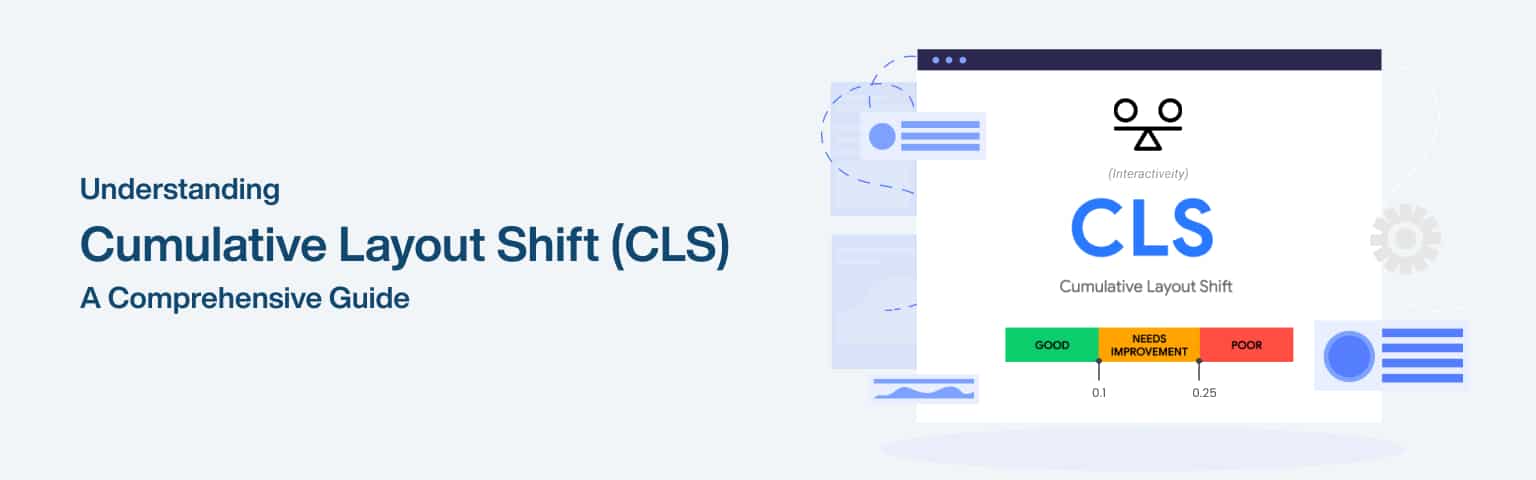
Website Design for Jewelry

For any jewelry business, having an engaging and well-designed website is crucial. Your website is often the first place a potential customer visits to check out your products. It serves as your digital storefront, showcasing your jewelry collection.

Why Website Design for Jewelry Businesses

A good website design can make a big difference for a jewelry business. Here’s why it matters:

  1. Attracts More Visitors: A visually appealing website draws people in. When your website looks good, it grabs attention and makes visitors want to explore your collections.
  2. Builds Trust: Professional website design helps build trust. Customers feel more comfortable buying jewelry from a polished and secure website.
  3. Enhances User Experience: An effective design is not just about looks; it’s also about how easy it is for visitors to use your website. A well-organized layout lets customers find what they are looking for without hassle, making their shopping experience enjoyable.
  4. Supports Your Brand: Your website reflects your brand. Through consistent colors, fonts, and style, it communicates the uniqueness of your jewelry and tells your brand’s story.

Importance of Responsive Website Design

Responsive website design is essential in today’s digital world. It means making your website work well on any device, be it a desktop, a tablet, or a mobile phone. Here’s why it’s crucial, especially for mobile users:

  1. Reaches More Customers: Many people browse the internet on their phones. If your website is easy to use on a phone, you can reach more potential customers.
  2. Improves User Experience: A responsive design adjusts to any screen size. This flexibility makes it easier for users to navigate your website, read product descriptions, and purchase from their devices.
  3. Boosts Website Speed: Websites that are optimized for mobile load faster. Quick loading times keep customers happy and reduce the chance they will leave your site out of frustration.

The Role of Mobile-Friendly Design 

A mobile-friendly website design keeps your customers engaged and drives sales. Here’s how it helps:

  1. Increases Engagement: When users find your website easy to navigate on their phones, they will likely spend more time exploring your products and services. This higher engagement can lead to more sales.
  2. Enhances Shopping Experience: A mobile-friendly site makes shopping convenient. From their smartphones, customers can browse and buy your jewelry anytime, anywhere.
  3. Google’s Mobile-First Indexing: After July 5, 2024, Google won’t index sites that don’t work on mobile devices. If your site’s content is inaccessible with a mobile device, it will no longer be indexable. This change means that having a mobile-friendly website is not just nice; it’s necessary if you want people to find your site through Google.

By ensuring your jewelry website is responsive and mobile-friendly, you improve the shopping experience and boost your chances of appearing in search results, attracting more visitors, and increasing sales.

Responsive UI/UX Design Tips for Jewelry Websites

Creating a responsive and user-friendly website is key to success in the competitive jewelry market. Investing in bespoke jewelry website design is a smart strategy for businesses aiming to stand out.

Simplicity and Focus

When designing your jewelry website, keep the layout clean and simple. A clutter-free design lets your jewelry shine and helps visitors focus on what’s important—your products. Use clear, easy-to-read fonts and organize products neatly. This straightforward approach makes it easy for customers to quickly browse and find what they want, enhancing their overall shopping experience. A focused layout looks professional and guides visitors smoothly from browsing to buying.

High-Quality Images

Using high-resolution photos on your jewelry website is crucial. Clear, detailed images show off the beauty and craftsmanship of your products. However, it’s important to optimize these high-resolution images because unoptimized HD photos can increase your website’s loading speed. Slow loading times may frustrate visitors and potentially drive them away. Always focus on balancing high-quality visuals with optimized file sizes to ensure your website remains fast and user-friendly, making it easy for customers to explore and purchase your jewelry without delays.

Effective Call-to-Actions

To help guide your visitors toward making a purchase, strategically place call-to-action (CTA) buttons on your jewelry website. Use clear, direct language like “Buy Now,” “Add to Cart,” or “Explore Collection.” Position these CTAs where they are easily seen, like next to your best-selling products or at the bottom of product descriptions. This makes it easy for customers to take the next step without searching. A well-placed CTA can significantly increase your sales by directing customers exactly where they need to go to complete their purchases.

Streamlined Navigation

Ensuring your jewelry website is easy to navigate is key to a great user experience. Organize your menus clearly and logically so visitors can find what they are looking for quickly. Use simple headings like “Rings,” “Necklaces,” and “Contact Us.” Keep your navigation bar visible at the top of each page, and consider adding a search bar to help users directly find specific items or categories. Streamlined navigation helps customers move smoothly through your site, from browsing products to making a purchase, which can lead to higher satisfaction and more sales.

Optimized Content Structure

Aim for a balanced number of pages that cover all necessary information without overwhelming your visitors. Typically, essential pages include Home, About Us, Shop (with subcategories for different types of jewelry), FAQ, and Contact Us. Each page should have clear sections that are easy to read and navigate.

For SEO benefits, ensure each page has enough content to be valuable but not so much that it confuses search engines or visitors. About 300 to 500 words per page is a good target. This helps improve your site’s visibility on search engines and makes it easier for customers to find you online. By structuring your content well, you ensure visitors have a positive experience on your site and that search engines can easily understand and rank your pages.

Aesthetic Considerations

Choosing the right colors, media, and graphics is crucial for your jewelry website because they reflect your brand and appeal to your target audience. Select colors that represent the quality and style of your jewelry. For example, gold and silver tones can suggest luxury, while soft pastels might appeal to those looking for delicate pieces.

Include high-quality images and graphics that showcase your products in the best light. Make sure these visuals are consistent with your brand’s style and values. This consistency helps build a strong brand identity that resonates with your audience.

Finally, think about who your customers are and what they like. Using visuals and colors that appeal to their tastes will make your website more attractive and engaging to them. By carefully considering these aesthetic elements, you can create a website that looks beautiful and connects effectively with your visitors.

E-commerce Functionality in Jewelry Web Design

Effective e-commerce website design should offer a seamless, intuitive shopping experience. It should allow customers to browse products, view detailed descriptions, add items to their cart, and easily proceed to checkout.

Enhanced Shopping Cart Experience

Simplifying your shopping cart is essential to reduce cart abandonment and make the buying process smoother. Here are some tips to enhance the shopping cart experience on your jewelry website:

  1. Keep it Simple: Use a clean layout for the cart page. Show item details clearly, including price, quantity, and a small product image. This helps customers review their choices easily.
  2. Streamline the Checkout Process: Limit the number of steps to check out. Allow customers to edit their cart easily—like changing the quantity or removing items—without navigating away from the checkout page.
  3. Offer Multiple Payment Options: Include various payment methods like credit cards, PayPal, and digital wallets. More options mean more convenience, encouraging customers to complete their purchase.
  4. Provide Clear Calls to Action: Use clear, compelling calls to action like “Proceed to Checkout” or “Continue Shopping” to guide users intuitively through the buying process.
  5. Display Security Badges: Show security badges at checkout to reassure customers that their transactions are secure. Trust is a huge factor in reducing cart abandonment.

By implementing these strategies, you can make the shopping cart experience more user-friendly, encouraging customers to complete their purchases and enjoy their shopping experience.

Product Pages Design

Designing compelling product pages is key to converting visitors into buyers on your jewelry website. Here are some guidelines to make your product pages effective:

  1. Use High-Quality Images: Display clear, high-resolution photos from multiple angles. Include a zoom feature so customers can see the fine details of your jewelry.
  2. Write Clear Descriptions: Provide concise, informative descriptions that highlight each piece’s key features. Mention materials, dimensions, and any special care instructions.
  3. Keep the Layout Clean: Organize information in an easy-to-read format. Use headings, bullet points, and short paragraphs to help visitors quickly absorb the details.
  4. Include Price and Availability: Clearly show the price and availability of the product. If an item is out of stock, offer options to be notified when it’s available again.
  5. Add a Prominent Call to Action: Place a clear, easy-to-find button like “Add to Cart” or “Buy Now.” Make sure it stands out so visitors can’t miss it.
  6. Offer Customer Reviews: Include a section for customer reviews on each product page. Reviews can provide valuable insights and boost potential buyers’ confidence.

Investing in a professional and customized website design for your jewelry business is not just a luxury—it’s a necessity in today’s digital marketplace. Chetaru is adept at crafting bespoke website designs tailored specifically for jewelry brands. Understanding the unique needs of the jewelry industry, Chetaru focuses on creating visually stunning and highly functional websites that highlight the beauty and detail of each piece. With a strong emphasis on user experience, Chetaru ensures that your website is aesthetically pleasing and easy to navigate, making it simple for customers to browse and purchase your products.

Chetaru integrates advanced features such as high-resolution image galleries, secure e-commerce functionalities, and mobile-friendly designs, which are crucial for attracting and retaining today’s tech-savvy consumers. Additionally, Chetaru’s SEO-optimized website designs help improve your visibility on search engines, drawing more potential customers to your site. Whether you’re looking to launch a new jewelry website or revamp an existing one, Chetaru can provide the expertise and innovation needed to elevate your online presence.

The Impact of Core Web Vitals on SEO Rankings

Introduction

Search Engine Optimization (SEO) is crucial for any website attracting visitors. One essential aspect of SEO that often gets overlooked is the user experience. This is where Core Web Vitals come into play. Core Web Vitals are specific metrics that Google uses to measure the quality of user experience on a webpage. They focus on three main areas: loading performance, interactivity, and visual stability. Understanding and optimizing these metrics can significantly impact your site’s search rankings.

SEO success requires thorough planning and execution. This means paying attention to every detail that can enhance your site’s performance and user experience. By focusing on Core Web Vitals, you ensure that your website ranks higher in search results and provides a better experience for your visitors.

Regular performance monitoring and optimizing content delivery also play crucial roles. By focusing on these areas, you create a better user experience and achieve higher search engine rankings.

Understanding Core Web Vitals

Core Web Vitals are vital factors that Google uses to measure the quality of a website’s user experience. These metrics are essential for SEO because they directly affect how Google ranks your website in search results. Let’s break down these metrics and see how they impact SEO.

Largest Contentful Paint (LCP)

Largest Contentful Paint measures how long a page’s primary content takes to load. Google wants this to happen within 2.5 seconds. A fast LCP means users can see and use your content quickly. If your LCP is slow, users might leave your site before it loads, hurting your search rankings.

First Input Delay (FID)

First, Input Delay measures how quickly your website responds to user actions, like clicking a button or a link. Google recommends an FID of less than 100 milliseconds. A fast FID means that your website feels responsive and interactive. If the FID is slow, users might get frustrated and leave, negatively affecting your SEO.

Cumulative Layout Shift (CLS)

Cumulative Layout Shift (CLS) measures how much a page’s layout shifts while it’s loading. Google looks for a CLS score of less than 0.1. A low CLS means that elements on your page stay stable as it loads, making it easier for users to interact with your site. High CLS can be annoying and confusing for users, leading to a poor user experience and lower rankings.

Impact on SEO

Google uses these metrics to decide how user-friendly your website is. If your site scores well on these Core Web Vitals, Google is more likely to rank it higher in search results. This means more visibility and traffic for your website. On the other hand, scores can lead to higher rankings, reducing your site’s visibility and visitor count.

Understanding and improving your Core Web Vitals can enhance your website’s performance, provide a better user experience, and improve your SEO rankings.

The Importance of Core Web Vitals in SEO

User Experience

Core Web Vitals focuses on user experience by measuring loading speed, interactivity, and visual stability. A good user experience keeps visitors on your site longer, and when users stay longer, they engage more with your content. Google rewards sites that provide a positive experience with higher search rankings. Prioritizing Core Web Vitals helps ensure that your website is easy to use and enjoyable, leading to better SEO performance.

Search Engine Rankings

Google considers Core Web Vitals to be a ranking factor. This means websites with better Core Web Vitals scores can rank higher in search results. Higher rankings lead to more visibility and traffic. By optimizing Core Web Vitals, you improve your chances of appearing at the top of search results. This is crucial for attracting more visitors and growing your online presence.

Mobile Performance

Many users access websites through mobile devices. Core Web Vitals are especially important for mobile performance. Google uses mobile-first indexing, meaning it primarily uses the mobile version of a site for ranking. Ensuring your site meets Core Web Vitals standards on mobile devices enhances your SEO. This helps attract and retain mobile users, boosting your overall site traffic.

Reduced Bounce Rates

A high bounce rate occurs when users leave your site quickly. Poor Core Web Vitals can lead to high bounce rates. Users may go if a page takes too long to load or shifts unexpectedly. By improving your Core Web Vitals, you create a smoother experience, reducing bounce rates. Lower bounce rates can lead to higher engagement and better search rankings.

Better Engagement

Engaging content keeps users on your site longer and encourages interaction. Good Core Web Vitals ensure your content loads quickly and is easy to interact with. This leads to better engagement metrics, such as longer session durations and more page views. You have improved engagement signals to Google that your site is valuable, positively impacting your SEO.

Competitive Advantage

Websites that excel in Core Web Vitals can gain a competitive edge. In a crowded market, having a fast, responsive, and stable website sets you apart. Users are more likely to choose your site over competitors with poor performance. This competitive advantage translates into higher search rankings, traffic, and conversion rates.

Enhanced Credibility

A well-performing website enhances your credibility and trustworthiness. Users associate fast, stable websites with reliability. When your site performs well, it builds trust with your audience. This trust can lead to more backlinks, social shares, and positive reviews, improving your SEO. Enhanced credibility also encourages repeat visits and customer loyalty.

Higher Conversion Rates

Core Web Vitals directly impact conversion rates. A fast-loading, easy-to-use website increases the likelihood of conversions, whether purchasing, signing up for a newsletter, or filling out a contact form. Improved conversion rates boost your bottom line and send positive signals to search engines, helping improve your SEO rankings.

Compliance with Google’s Standards

Google continuously updates its algorithms to improve user experience. Core Web Vitals are part of these updates. By optimizing your site according to Core Web Vitals, you ensure compliance with Google’s standards. Staying compliant helps maintain and improve your search rankings. It also prepares your site for future updates, keeping it competitive in search results.

Long-term SEO Strategy

Focusing on Core Web Vitals is part of a long-term SEO strategy. These metrics are not just trends; they reflect the ongoing importance of user experience. You maintain a high-performing website by regularly monitoring and improving your Core Web Vitals. This long-term commitment to user experience ensures sustained SEO success and keeps your site relevant and competitive.

By understanding and addressing the importance of Core Web Vitals, you can significantly improve your website’s SEO performance, attract more visitors, and enhance overall user satisfaction.

Competitive Edge in SEO

Core Web Vitals give your website a competitive edge in SEO. By focusing on these metrics, you can improve your site’s performance and user experience, making it stand out from competitors. Here’s how:

Faster Load Times

Websites that load quickly attract and retain more visitors. When your Largest Contentful Paint (LCP) is fast, users can immediately see your content. This reduces bounce rates and keeps users engaged. Faster load times also mean better rankings on Google, giving you an advantage over slower sites.

Better Interactivity

A low First Input Delay (FID) ensures your site responds quickly to user actions, like clicks and taps. This makes your website feel more responsive and interactive. Users who interact smoothly with your site are more likely to stay longer and explore more pages. This increased engagement signals to Google that your site is valuable, improving your search rankings.

Stable Layouts

A low Cumulative Layout Shift (CLS) means your website’s layout remains stable as it loads. Users find it frustrating when elements move around unexpectedly. A stable layout enhances the user experience by making your site easier to navigate and more trustworthy. This positive experience can lead to more repeat visitors and higher search rankings.

Improved User Experience

Core Web Vitals focuses on creating a great user experience. Websites that offer fast, responsive, and stable experiences are more likely to attract and retain visitors. A better user experience translates to higher engagement, lower bounce rates, and more conversions. Google rewards these positive metrics with higher search rankings.

Higher Search Rankings

Google uses Core Web Vitals as a ranking factor. Websites that perform well on these metrics are more likely to rank higher in search results. Higher rankings increase your site’s visibility, bringing in more organic traffic. This is crucial for avoiding competitors who might not prioritize these metrics.

Increased Trust and Credibility

A well-optimized website builds trust and credibility with users. Your site’s performance signals users that you care about their experience. This trust can lead to more positive reviews, social shares, and backlinks, improving your SEO. Trustworthy sites are also more likely to convert visitors into loyal customers.

Long-term Success

Focusing on Core Web Vitals is a long-term strategy. As Google continues prioritizing user experience, sites that optimize for these metrics will remain competitive. Investing in Core Web Vitals ensures your website stays relevant and performs well in search rankings.

By optimizing Core Web Vitals, you give your website a significant competitive edge. This leads to better performance, higher rankings, and a superior user experience, helping you stay ahead in the competitive digital landscape.

How to Implement Core Web Vitals on SEO

Implementing Core Web Vitals is crucial for improving your website’s SEO and user experience. Here’s a simple guide to help you get started.

Measure Your Current Performance

Start by measuring your website’s current Core Web Vitals. Use tools like Google PageSpeed Insights, Google Search Console, and Lighthouse. These tools will provide scores for Largest Contentful Paint (LCP), First Input Delay (FID), and Cumulative Layout Shift (CLS). Identify which areas need improvement.

Optimize Largest Contentful Paint (LCP)

To improve LCP, focus on speeding up your page’s load time:

  • Optimize Images: Compress and resize images to reduce load time.
  • Improve Server Response Time: Use a reliable hosting service and consider a Content Delivery Network (CDN).
  • Minimize Render-blocking Resources: Reduce the use of JavaScript and CSS that delay page loading.

Enhance First Input Delay (FID)

To reduce FID, ensure your website responds quickly to user interactions:

  • Minimize JavaScript Execution: Break up long tasks and reduce the amount of JavaScript.
  • Optimize Third-party Scripts: Limit the use of third-party scripts that can slow down your site.
  • Use Web Workers: Offload tasks to web workers to keep the main thread free for user interactions.

Improve Cumulative Layout Shift (CLS)

To achieve a low CLS, make sure your page elements are stable:

  • Set Size Attributes for Images and Videos: Specify height and width for all media.
  • Reserve Space for Ads: Allocate fixed spaces for ads to prevent layout shifts.
  • Avoid Late Content Insertion: Ensure that content does not appear unexpectedly.

Use Modern Web Technologies

Utilize modern web technologies to enhance your site’s performance:

  • Lazy Loading: Implement lazy loading for images and iframes to speed up initial load times.
  • AMP (Accelerated Mobile Pages): Consider using AMP to create fast-loading mobile pages.
  • HTTP/2: Use HTTP/2 to improve load times by enabling multiplexing and reducing latency.

Regular Monitoring and Testing

Continuously monitor your Core Web Vitals scores using tools like Google Search Console. Regularly test your website’s performance to ensure ongoing improvements. Keep an eye on Google updates, as Core Web Vitals and SEO best practices can evolve.

Optimize Mobile Experience

Since mobile users are a significant portion of web traffic, ensure your site performs well on mobile devices:

  • Responsive Design: Use responsive web design to provide a good device experience.
  • Mobile-first Approach: Prioritize mobile performance and usability during development.

Simplify Website Design

A more straightforward website design can enhance performance:

  • Reduce Complexity: Avoid excessive animations and complex layouts.
  • Streamline Navigation: Ensure your website is easy to navigate with a clean design.

Keep Content Simple

Well-structured content can improve the user experience:

  • Readable Fonts: Use fonts that are easy to read on all devices.
  • Clear Structure: Organize content with headings, bullet points, and short paragraphs.

Implementing these strategies can improve your Core Web Vitals scores, enhance user experience, and boost your SEO performance. Regularly optimizing and monitoring your website ensures that you stay ahead in search rankings and provide the best experience for your visitors.

SEO Strategies with Core Web Vitals

Integrating Core Web Vitals into your SEO strategies can significantly improve your website’s performance and ranking. Here are some effective SEO strategies that focus on Core Web Vitals.

Improve Page Load Speed

Fast page load times enhance user experience and are a critical factor in SEO:

  • Optimize Images and Videos: Compress and resize images to reduce loading time.
  • Leverage Browser Caching: Store static resources locally in the user’s browser to speed up future visits.
  • Use a Content Delivery Network (CDN): Distribute your content across multiple servers to reduce load times.

Enhance Mobile Friendliness

A mobile-friendly site is crucial for SEO, especially with Google’s mobile-first indexing:

  • Responsive Design: Ensure your website adapts to different screen sizes and devices.
  • Touch-Friendly Elements: Make sure buttons and links are easy to tap on mobile devices.
  • Fast Mobile Loading: Optimize for mobile by reducing file sizes and using faster mobile frameworks.

Reduce Server Response Time

Quick server response times contribute to a better user experience and higher SEO rankings:

  • Optimize Server Performance: Use fast, reliable hosting and optimize server settings.
  • Use Efficient Caching: Implement caching strategies to serve content faster.
  • Minimize HTTP Requests: Reduce your site’s requests by combining files and using CSS sprites.

Minimize Render-Blocking Resources

Render-blocking resources can delay your page’s loading time:

  • Asynchronous Loading: Load JavaScript and CSS files asynchronously to prevent delays.
  • Inline Critical CSS: Embed critical CSS directly in the HTML to speed up rendering.
  • Defer Non-Critical JavaScript: Postpone loading non-essential JavaScript until after the main content loads.

Optimize User Interactivity

Quick responses to user actions are essential for a good user experience:

  • Reduce JavaScript Execution Time: Break up long tasks and optimize JavaScript to improve responsiveness.
  • Minimize Main Thread Work: Offload heavy tasks to web workers to keep the main thread free for user interactions.
  • Prioritize User Input: Ensure your site responds immediately to user inputs, like clicks and taps.

Ensure Visual Stability

Avoid unexpected layout shifts to enhance user experience:

  • Set Size Attributes: To prevent layout shifts, define width and height for all images and videos.
  • Reserve Space for Ads: Allocate fixed spaces for ads to avoid content shifting when ads load.
  • Use CSS for Animations: Prefer CSS animations over JavaScript to maintain layout stability.

Regular Performance Monitoring

Consistently monitor your website’s performance to keep Core Web Vitals in check:

  • Use Google Search Console: Regularly check the Core Web Vitals report to track performance.
  • Utilize PageSpeed Insights: Get detailed insights and recommendations to improve your site’s performance.
  • Conduct Regular Audits: Perform frequent audits using tools like Lighthouse to identify and fix issues.

Optimize Content Delivery

Efficient content delivery is critical to a fast-loading website:

  • Lazy Loading: Implement lazy loading for images and videos to speed up initial page loads.
  • Prefetch Important Resources: Use resource hints to load critical assets in advance.
  • Optimize Fonts: Use modern web fonts and optimize their loading to reduce delays.

Enhance Overall User Experience

A focus on user experience can indirectly boost your SEO:

  • Straightforward Navigation: Ensure your site is easy to navigate with a logical structure.
  • Engaging Content: Create high-quality, engaging content that keeps users on your site.
  • Accessible Design: Make your website accessible to all users, including those with disabilities.

By incorporating these SEO strategies and focusing on Core Web Vitals, you can create a fast, responsive, and stable website. This improves user experience and boosts your search engine rankings, leading to more traffic and better engagement.

Core Web Vitals: A Beginner’s Guide

What are Core Web Vitals?

Core Web Vitals are three key metrics that assess a webpage’s speed, interactivity, and visual stability. They play a crucial role in search engine optimization (SEO), and enhancing these metrics can improve your website’s search ranking and user experience.

These metrics are essential ranking factors for search engine optimization (SEO). Improving Core Web Vitals can help your website rank higher in search results and provide a better user experience. Focusing on these areas makes your website faster, more responsive, and easier to use, making it more attractive to users and search engines.

Core Web Vitals are specific factors that Google considers essential for a web page’s overall user experience. They are part of Google’s larger initiative to ensure that web pages provide a great user experience. Core Web Vitals are a subset of Web Vitals, metrics related to speed, responsiveness, and visual stability.

In the digital world, things change quickly. Keeping up with the latest trends helps you know what new tools and techniques are available to improve your website’s performance. It also enables you to understand what users expect from websites in your industry. Staying updated with industry trends is essential because it helps keep your website relevant and effective. As Google updates its algorithms and user expectations evolve, knowing the latest trends ensures you can adapt quickly. This enables you to maintain a solid online presence, attract more visitors, and keep your audience engaged.

The Three Core Web Vitals

Core Web Vitals comprise three primary metrics that help measure a website’s performance. The first is the Largest Contentful Paint (LCP), which measures how quickly the main content of a page loads. The second is the First Input Delay (FID), which looks at how quickly the page responds to the first user interaction. The third is Cumulative Layout Shift (CLS), which checks the visual stability of the page, ensuring elements don’t move around unexpectedly as the page loads.

Largest Contentful Paint (LCP)

LCP measures how long a page’s primary content takes to load. This is important because users want to see something functional quickly. If a page takes too long to load, users might leave. A good LCP score is under 2.5 seconds.

First Input Delay (FID)

FID measures the time it takes for a page to respond to a user’s first interaction, like clicking a link or tapping a button. Quick response times make the website feel more interactive and smooth. A good FID score is less than 100 milliseconds.

Cumulative Layout Shift (CLS)

CLS measures how much the page layout shifts as it loads. Unexpected movements can be annoying and lead to a poor user experience. For example, it can be frustrating if you are about to click a button and it moves. A good CLS score is less than 0.1.

These three metrics are essential for providing a good user experience. By focusing on LCP, FID, and CLS, you can ensure your website is fast, responsive, and stable.

Why Google Included Core Web Vitals

  • Enhancing User Experience: Google aims to promote websites that provide an excellent user experience. Core Web Vitals focus on critical aspects like loading speed, interactivity, and visual stability, directly impacting how users perceive and interact with a site.
  • Performance Metrics: Core Web Vitals provide quantifiable metrics (LCP, FID, CLS) that help web admins measure and improve their site’s performance in a standardized way.
  • Mobile Web Performance: With the increasing use of mobile devices, ensuring good performance and user experience has become crucial. Core Web Vitals address critical aspects of mobile performance.
  • Data-Driven Improvements: By integrating these metrics into its ranking algorithm, Google encourages webmasters to prioritize data-based improvements, which leads to a better overall web ecosystem.
  • Alignment with SEO Goals: Core Web Vitals align with broader SEO goals by ensuring that websites are content-rich and technically optimized for performance, leading to better search rankings and user satisfaction.

History & Journey of Core Web Vitals

Developing and implementing Core Web Vitals are part of Google’s ongoing efforts to improve web performance and user experience. Here’s a detailed timeline tracing the evolution of these metrics:

Early Efforts in Web Performance

  • Page Speed Insights (2010): Google launched Page Speed Insights to help web admins understand and improve page loading times. This tool provided insights into various aspects of web performance and suggested improvements.
  • Mobile-Friendly Update (2015): Known as “Mobilegeddon,” this update prioritized mobile-friendly websites in search results, reflecting the growing importance of mobile web performance and user experience.
  • Introduction of Lighthouse (2016): Google introduced Lighthouse, an open-source automated tool for improving the quality of web pages. Lighthouse audits web performance, accessibility, SEO, and adherence to best practices, providing a comprehensive overview of a website’s quality.

Growing Emphasis on Speed and User Experience

  • Speed Update (2018): Google’s Speed Update made page speed a ranking factor for mobile searches. This update highlighted the critical role of fast-loading pages in delivering a good user experience.

Introduction and Evolution of Core Web Vitals

  • Core Web Vitals Announcement (May 2020): Google introduced Core Web Vitals as a set of specific metrics designed to measure critical aspects of user experience on the web. These metrics included: Largest Contentful Paint (LCP)First Input Delay (FID)Cumulative Layout Shift (CLS).
  • Page Experience Update Announcement (May 2020): Alongside the introduction of Core Web Vitals, Google announced the Page Experience Update, which would incorporate Core Web Vitals into its ranking signals. This update aimed to highlight pages that offer a great user experience in search results.
  • Page Experience Update Rollout (June 2021): Google began rolling out the Page Experience Update, officially integrating Core Web Vitals into its ranking algorithm. This update reinforced the importance of user experience in SEO and encouraged web admins to prioritize these metrics.

Continuous Improvement and Tools

  • Web Vitals Extension and Tools (Ongoing): Google released various tools and extensions, such as the Web Vitals Chrome extension, to help developers and web admins measure and improve their Core Web Vitals scores.
  • Ongoing Adjustments and Updates: Google continues to refine and adjust Core Web Vitals metrics and thresholds based on evolving web standards and user expectations. Regular updates to tools like Lighthouse and PageSpeed Insights provide the latest recommendations and best practices.

Why is Core Web Vital Needed? 

  • Improved Search Rankings: Google uses Core Web Vitals as a ranking factor. Websites with good scores are more likely to appear higher in search results, which means more visibility and traffic from search engines.
  • Better User Experience: Core Web Vitals measure critical aspects of user experience. By optimizing these metrics, your website will load faster, respond quicker, and be more stable, keeping users happy and engaged.
  • Reduced Bounce Rates: Users leave quickly when a website loads slowly or is hard to interact with. Good Core Web Vitals scores can reduce bounce rates by providing a smoother and more enjoyable experience.
  • Higher Conversion Rates: A better user experience leads to higher conversion rates. If your website loads quickly and is easy to use, visitors are likelier to take desired actions, like purchasing or signing up.
  • Competitive Advantage: Websites with excellent Core Web Vitals stand out from the competition. If your site performs better than others in your industry, you can attract and retain more visitors.
  • Increased Mobile Usability: Core Web Vitals are especially important for mobile users. Mobile devices often have slower connections and less processing power. Optimizing for Core Web Vitals ensures your site works well on all devices.
  • Enhanced Brand Perception: A fast and reliable website enhances your brand’s reputation. Users associate positive experiences with professional and trustworthy brands, which can lead to greater loyalty and word-of-mouth referrals.
  • Better Engagement Metrics: Suitable Core Web Vitals lead to better engagement metrics, such as longer session durations and more pages viewed per visit. This indicates that users find your site valuable and enjoyable to use.
  • Compliance with Google’s Best Practices: Following Core Web Vitals guidelines ensure compliance with Google’s best practices for web performance. This helps with SEO and aligns your site with industry standards.
  • Long-Term Benefits: Investing in Core Web Vitals provides long-term benefits. As user expectations and search algorithms evolve, having a well-optimized site ensures you stay ahead of changes and maintain strong performance.

How to Improve Core Web Vitals

Improving Core Web Vitals is critical to making your website faster and more user-friendly. Here’s how to enhance each of the three primary metrics: LCP, FID, and CLS.

Improve Largest Contentful Paint (LCP)

To make your website load faster, focus on these areas:

  • Optimize Images: Compress images and use the correct size. This helps them load quickly.
  • Upgrade Hosting: To speed up your site, choose a faster server or use a Content Delivery Network (CDN).
  • Remove Render-Blocking Resources: Minimize or defer JavaScript and CSS files that slow down your page loading.
  • Optimize Fonts: Use modern font formats and load them efficiently.

Enhance First Input Delay (FID)

For better interactivity, consider these tips:

  • Minimize JavaScript: Reduce the amount of JavaScript on your site to make it respond faster to user actions.
  • Optimize Third-Party Scripts: Limit and optimize third-party scripts to prevent delays.
  • Use Browser Caching: Store frequently accessed data in the browser to speed up load times.
  • Break Up Long Tasks: Split long tasks into smaller chunks to keep the page responsive.

Improve Cumulative Layout Shift (CLS)

To ensure visual stability, follow these steps:

  • Set Size Attributes: Specify size attributes for images, videos, and other elements to prevent unexpected shifts.
  • Reserve Space for Ads: Allocate space for ads and embeds to avoid layout changes when they load.
  • Avoid Adding Content Above Existing Content: Ensure new content is added below the fold to maintain layout stability.
  • Use Transform Animations: I prefer using transform animations over layout changes to keep elements stable.

Implementing these strategies can significantly improve your Core Web Vitals, leading to a better user experience and higher search rankings. Regularly monitor your site’s performance using tools like Google PageSpeed Insights and Lighthouse to keep your site optimized.

Tools to Measure and Optimize Core Web Vitals

You must measure and optimize Core Web Vitals regularly to keep your website 

performing well. Here are some tools that can help:

Google PageSpeed Insights 

Google PageSpeed Insights is a free tool that analyzes your website’s performance. It provides a detailed report on LCP, FID, and CLS, along with suggestions for improvement. Enter your website URL, and the tool will show you how well your site performs and how you can improve it.

Lighthouse 

Lighthouse is an open-source tool from Google that helps you improve the quality of your web pages. It runs a series of tests on your site and provides a report on various performance metrics, including Core Web Vitals. You can access Lighthouse through Chrome DevTools or as a standalone tool.

Web Vitals Extension 

The Web Vitals Chrome Extension is a handy tool for real-time monitoring of Core Web Vitals. Once installed, it provides instant feedback on LCP, FID, and CLS as you browse your website, allowing you to spot and fix issues quickly.

Google Search Console 

Google Search Console includes a Core Web Vitals report that shows how your site performs over time. It highlights pages that need improvement and provides insights into specific issues affecting LCP, FID, and CLS. This tool is essential for ongoing website optimization.

GTmetrix 

GTmetrix analyzes your website’s speed and performance. It offers insights into various metrics, including Core Web Vitals, and provides actionable recommendations to enhance your site. GTmetrix also allows you to test your site from different regions and devices.

WebPageTest

WebPageTest is another powerful tool for measuring website performance. It provides in-depth analysis and visualizes Core Web Vitals metrics. You can test your site from multiple locations and browsers, helping you understand how different users experience your website.

Using these tools, you can monitor your Core Web Vitals and make necessary improvements. Regular monitoring and optimization ensure your website remains fast, interactive, and stable, leading to a better user experience and higher search rankings.

Improving your website’s Core Web Vitals is essential for providing a fast, responsive, and stable user experience. Monitor your site’s performance regularly and make necessary adjustments to stay ahead.

How to Start a Manufacturing Business: A Step-by-Step Guide

Starting a manufacturing business is an exciting venture. Manufacturing involves creating products from raw materials through manual labor or machinery. These products can range from everyday items to specialized equipment.

Thorough planning and execution are crucial in this industry. Proper planning helps avoid common pitfalls, manage costs, and streamline production processes. Execution ensures that your plans come to life effectively, leading to a successful business.

This blog will walk you through the essential steps to start your manufacturing business. We’ll cover market research, creating a business plan, securing financing, and setting up your manufacturing plant. We’ll also discuss production planning, technology implementation, marketing strategies, and business scaling. By the end of this guide, you’ll have a clear roadmap to start your journey in the manufacturing industry.

Conduct Market Research

Identify the Market Need

Understanding customer demand is the first step in starting a manufacturing business. You need to know what products people want to buy. This helps you create something that will sell well.

There are several methods to identify market needs:

  • Surveys: Ask potential customers what they need and want.
  • Interviews: Talk directly to people to get deeper insights.
  • Market Reports: Use reports and data to see what is currently in demand.

Analyze Competitors

Knowing your competitors is important. It helps you see what works well in the market and what doesn’t.

To conduct a competitive analysis:

  • Research Competitors: Look at businesses similar to yours. Check their websites, products, and customer reviews.
  • Evaluate Key Factors: Focus on price, quality, and customer service. See how your competitors market their products and what makes them successful.

Understand Industry Trends

Staying updated with industry trends keeps your business relevant. Trends show what is popular now and what might be in the future.

Resources for tracking industry trends include:

  • Trade Journals: These publications often feature the latest news and trends.
  • Industry Reports: Detailed reports give you insights into market changes and forecasts.

You can make informed decisions that set the foundation for a successful manufacturing business by conducting thorough market research.

Develop a Business Plan

Executive Summary

An executive summary is a brief overview of your business plan. It should include your business name, location, the products you will manufacture, and your business goals. This section gives readers a quick snapshot of your business idea.

Product Description

In the product description, explain what you will manufacture. Describe the product in detail, including its features and benefits. Also, outline the manufacturing process. This helps readers understand how you will create your product from start to finish.

Market Analysis

Market analysis is vital for your business plan. It shows you understand your market and your customers. This section includes information about your target market, customer needs, and market trends. Explain how your product fits into the market and how it will meet customer demands.

Marketing Strategy

Your marketing strategy outlines how you will promote and sell your product. Describe your target audience and how you will reach them. Include details about your advertising, sales tactics, and any promotions you plan to run. This helps you attract and retain customers.

Financial Plan

The financial plan includes your estimated costs and financial projections. List your startup costs, such as equipment and materials. Estimate your ongoing expenses, like rent and salaries. Also, include revenue projections and profit margins. This section shows how your business will make money and be sustainable.

Operational Plan

The operational plan describes your day-to-day operations and logistics. It details how you will produce your product, manage inventory, and handle shipping. It also includes information about your production schedule, suppliers, and any equipment you need. This section ensures your business runs smoothly and efficiently.

Developing a comprehensive business plan sets a clear path for your manufacturing business. This plan will guide you through the startup process and help you focus on your goals.

Secure Financing

Self-Funding

Self-funding means using your own money to start your business. This could come from savings, selling assets, or personal loans.

Pros:

  • Control: You have full control over your business.
  • No Debt: You don’t owe money to anyone.

Cons:

  • Risk: You risk losing your own money.
  • Limited Funds: Your resources might not be enough to cover all costs.

Loans

Business loans are a common way to secure funding. Banks and other financial institutions offer loans specifically for businesses.

How to apply for business loans:

  • Prepare Documents: Gather necessary documents like your business plan, financial statements, and credit history.
  • Research Lenders: Look for lenders that offer favorable terms.
  • Submit Application: Fill out the application form and submit your documents.
  • Approval Process: The lender will review your application and decide whether to approve the loan.

Investors

Investors can provide the capital you need in exchange for a share of your business.

Finding and pitching to investors:

  • Network: Attend industry events and network with potential investors.
  • Prepare a Pitch: Create a compelling pitch that outlines your business, market potential, and financial projections.
  • Present Your Pitch: Schedule meetings with investors and present your pitch.
  • Negotiate Terms: If an investor is interested, negotiate the terms of their investment.

Grants

Government grants are funds given to businesses that meet certain criteria. Unlike loans, you don’t have to repay grants.

Searching for and applying for government grants:

  • Research Grants: Look for grants that fit your business type and industry.
  • Read Guidelines: Carefully read the grant guidelines to ensure you meet the requirements.
  • Prepare Application: Complete the application form and provide all required information.
  • Submit Application: Submit your application before the deadline.

Securing financing is a crucial step in starting your manufacturing business. You can find the best way to finance your startup and get your business off the ground by exploring different funding options.

Choose a Suitable Location

Consider Accessibility

Choosing an accessible location is very important for your manufacturing business. Your location should allow suppliers to deliver materials and customers to reach your products. Good accessibility ensures smooth operations and helps deliver timely, reducing delays and costs.

Cost-Effective

Finding a cost-effective location means balancing the benefits of the location with its costs. Look for a place that offers good value. Consider the rent, taxes, and utility costs. Sometimes, a location with slightly higher rent might be worth it if it saves you money on transportation or offers better access to skilled labor.

Infrastructure

Your location needs the right infrastructure to support manufacturing. This includes:

  • Power Supply: Reliable electricity for your machines.
  • Water Supply: Adequate water for production processes.
  • Transport Links: Good roads, rail, or port facilities for product shipping.
  • Communication: Strong internet and phone connections for smooth business operations.

By choosing a suitable location with good accessibility, cost-effectiveness, and necessary infrastructure, you set up your manufacturing business for efficient and successful operations.

Acquire Necessary Permits and Licenses

Business Registration

Registering your business is the first step to making it official. Here’s how:

  1. Choose a Business Name: Pick a unique name that represents your business.
  2. Select a Business Structure: Decide if your business will be a sole proprietorship, partnership, LLC, or corporation.
  3. Register with Authorities: File the necessary paperwork with local and state government authorities.
  4. Obtain an Employer Identification Number (EIN): Apply for an EIN from the IRS for tax purposes.

Zoning Permits

Ensure your chosen location is zoned for manufacturing. Here’s what to do:

  1. Check Local Zoning Laws: Contact your local zoning office to confirm the area is designated for industrial use.
  2. Apply for a Zoning Permit: Submit an application to the local zoning authority.
  3. Follow Regulations: Ensure your operations comply with all local zoning regulations.

Environmental Permits

Manufacturing often impacts the environment, so you may need environmental permits:

  1. Identify Required Permits: Check with environmental agencies to determine your necessary permits.
  2. Prepare Documentation: Gather information about your manufacturing processes and their environmental impact.
  3. Submit Applications: Apply for the necessary permits from state and federal environmental agencies.
  4. Comply with Regulations: Follow all environmental guidelines to maintain your permits.

Health and Safety Licenses

Complying with health and safety regulations protects your employees and business:

  1. Learn Health and Safety Laws: Understand the laws applicable to your industry and location.
  2. Implement Safety Measures: Ensure your workplace meets all health and safety standards.
  3. Apply for Licenses: Obtain relevant authorities’ required health and safety licenses.
  4. Maintain Compliance: Regularly review and update your safety practices to stay compliant.

Acquiring the necessary permits and licenses ensures your manufacturing business operates legally and safely. Following these steps can avoid legal issues and create a secure work environment.

Set Up the Manufacturing Plant

Purchase Equipment

Choosing the right machinery and equipment for your manufacturing plant is crucial. Depending on your budget and needs, you can buy or lease equipment.

Buying Equipment:

  • Benefits: You own the equipment and can use it as long as you want.
  • Considerations: It requires a significant upfront investment.

Leasing Equipment:

  • Benefits: Lower initial costs and the ability to upgrade easily.
  • Considerations: You don’t own the equipment and must adhere to lease terms.

Raw Materials

Sourcing reliable suppliers for raw materials ensures your production runs smoothly.

Steps to source raw materials:

  1. Identify Needs: Determine the types and quantities of raw materials you need.
  2. Research Suppliers: Look for suppliers with a good reputation for quality and reliability.
  3. Request Quotes: Get quotes from multiple suppliers to compare prices and terms.
  4. Establish Relationships: Build strong relationships with suppliers to ensure consistent quality and supply.

Hire Staff

Recruiting and training skilled labor is essential for a successful manufacturing plant.

Steps to hire staff:

  1. Identify Roles: Determine the roles and skills needed for your plant.
  2. Advertise Positions: Post job openings on job boards, social media, and local newspapers.
  3. Interview Candidates: Conduct thorough interviews to assess skills and fit.
  4. Train Employees: Provide training to ensure employees understand their roles and can operate machinery safely.

Setting up your manufacturing plant with the right equipment, reliable raw materials, and skilled staff can ensure efficient and effective production processes.

Develop a Production Plan

Process Flow

Establishing a clear sequence of operations is key to efficient production. A well-defined process flow ensures that each step in the manufacturing process is performed in the right order.

Steps to establish process flow

  1. Identify Tasks: List all the tasks involved in producing your product.
  2. Sequence Tasks: Arrange tasks in the order they need to be performed.
  3. Create a Flowchart: Use a flowchart to visualize the sequence of operations.
  4. Optimize Process: Look for ways to streamline and improve the process.

Quality Control

Implementing quality control measures ensures your products meet the required standards. Quality control helps you maintain consistency and customer satisfaction.

Steps to implement quality control:

  1. Set Quality Standards: Define the quality criteria your products must meet.
  2. Inspect Materials: Check raw materials for defects before they enter production.
  3. Monitor Production: Regularly inspect products during the manufacturing process.
  4. Test Finished Products: Perform final inspections and tests on finished products.
  5. Document Findings: Keep records of inspections and test results to track quality over time.

Inventory Management

Managing raw materials and finished products efficiently is crucial for smooth operations. Good inventory management helps prevent shortages and excess stock.

Steps to manage inventory:

  1. Track Inventory: Use inventory management software to keep track of raw materials and finished products.
  2. Set Reorder Points: Determine the minimum stock levels for each item and set reorder points.
  3. Conduct Regular Audits: Regularly count inventory to ensure accuracy.
  4. Optimize Storage: Organize storage areas to make it easy to access and manage inventory.
  5. Analyze Usage Patterns: Monitor usage patterns to predict future needs and adjust inventory levels accordingly.

Developing a detailed production plan ensures your manufacturing process runs smoothly, maintains high quality, and manages inventory effectively.

Implement Technology

Manufacturing Software

Using ERP systems can greatly enhance your manufacturing process. ERP (Enterprise Resource Planning) systems help you manage all aspects of your business in one place.

Benefits of using ERP systems:

  1. Centralized Data: ERP systems store all your business data in one location, making it easy to access and manage.
  2. Improved Efficiency: ERP systems reduce manual work and errors by automating routine tasks.
  3. Better Decision Making: You can make informed decisions quickly with real-time data and analytics.
  4. Streamlined Operations: ERP systems integrate different business functions, such as inventory, production, and sales, improving overall coordination.

Automation

Automating parts of the production process can significantly benefit your manufacturing business.

Benefits of automation:

  1. Increased Productivity: Automated systems can operate 24/7, increasing production output.
  2. Consistency: Automation ensures that each product is made to the same high standard every time.
  3. Cost Savings: While there is an initial investment, automation can reduce labor costs and minimize waste.
  4. Safety: Automated machines can handle dangerous tasks, reducing the risk of worker injury.
  5. Scalability: Automation makes it easier to increase production to meet increased demand without corresponding increases in labor costs.

Implementing technology through ERP systems and automation allows you to streamline your manufacturing operations, improve efficiency, and maintain high-quality standards. This will help you stay competitive in the market and ensure the long-term success of your business.

Marketing and Sales Strategy

Branding

Developing a strong brand identity is essential for standing out in the market. Your brand represents your business and connects with your customers emotionally.

Steps to develop a strong brand identity:

  1. Define Your Brand: Clearly state what your brand stands for, your mission, and your values.
  2. Create a Logo and Tagline: Design a memorable and catchy tagline that reflects your brand’s essence.
  3. Consistent Messaging: Ensure your brand message is consistent across all platforms, including your website, social media, and packaging.
  4. Build a Brand Story: Share your brand’s story to create a deeper connection with your customers.

Marketing Channels

Promoting your products through various marketing channels helps you reach a wider audience and drive sales.

Effective marketing channels to consider:

  1. Social Media: Use platforms like Facebook, Instagram, and LinkedIn to engage with your audience and promote your products.
  2. Email Marketing: Send newsletters and promotional offers to your subscribers to keep them informed and interested.
  3. Content Marketing: Create valuable content, such as blog posts and videos, to attract and educate potential customers.
  4. SEO (Search Engine Optimization): Optimize your website to rank higher in search engine results, making it easier for customers to find you.
  5. Paid Advertising: Use Google Ads, social media ads, and other paid channels to target specific audiences and drive traffic to your website.

Sales Network

Establishing a sales network ensures that your products reach customers efficiently through your sales team or by partnering with distributors.

Building a sales network:

  1. Hire a Sales Team: Recruit skilled salespeople who understand your product and can effectively communicate its benefits to customers.
  2. Partner with Distributors: Work with distributors who can help get your products into stores and reach a broader market.
  3. Train Your Team: Provide ongoing training to your sales team to keep them updated on product features and sales techniques.
  4. Set Clear Goals: Establish sales targets and regularly review performance to ensure your team meets objectives.

By focusing on branding, utilizing multiple marketing channels, and building a robust sales network, you can effectively promote your products and grow your manufacturing business.

Launch and Scale

Pilot Production

Starting with a small-scale production run helps you test your processes and products without large investments. This phase lets you identify any issues and make necessary adjustments before full-scale production.

Steps for pilot production:

  1. Set Up: Establish a small production line to create a limited number of products.
  2. Test Processes: Run your production processes to ensure everything works smoothly.
  3. Evaluate Results: Check the products’ quality and the production process’s efficiency.

Feedback Loop

Collecting feedback from customers and stakeholders is crucial for improving your products and processes.

How to create a feedback loop:

  1. Gather Feedback: Use surveys, interviews, and customer reviews to collect feedback.
  2. Analyze Data: Look for common issues or suggestions in the feedback.
  3. Make Improvements: Adjust your products and processes based on the feedback.
  4. Implement Changes: Integrate the improvements into your production line.

Full-Scale Production

Once you have refined your processes through pilot production and feedback, you can scale up to full-scale production.

Steps for scaling up production:

  1. Expand Production: Increase your production capacity to meet market demand.
  2. Maintain Quality: Ensure quality control measures are in place to maintain product standards.
  3. Monitor Efficiency: Continuously monitor your production processes to ensure they remain efficient.

Expansion

Planning for future growth helps you stay ahead of market demand and competition.

Strategies for expansion:

  1. Increase Capacity: Invest in more equipment and hire additional staff to increase production capacity.
  2. Explore New Markets: Explore opportunities to expand into new geographical areas or market segments.
  3. Innovate: Continuously develop or improve new products to meet changing customer needs.
  4. Build Partnerships: Partner with other businesses to expand your reach and capabilities.

Following these steps, you can launch your manufacturing business and scale it for future growth. Starting with pilot production, creating a feedback loop, scaling up, and planning for expansion will help you build a strong, sustainable business.

Starting a manufacturing business involves numerous steps, from the initial planning and securing of resources to the actual production process. However, once your product is ready, the challenge shifts towards effectively marketing it to ensure it reaches your target audience and generates sales. This is where the role of a proficient marketing team or agency becomes crucial.

In today’s dynamic market, merely having a great product isn’t enough. Your product must be backed by a strong marketing plan that not only reaches potential customers but also convinces them of the value of your offerings. Effective marketing strategies encompass a range of activities, including digital marketing, content creation, social media engagement, SEO, and sometimes traditional advertising. Managing all these facets can be overwhelming, especially for a new manufacturing business focused on operations.

This is where partnering with an experienced digital marketing agency like Chetaru can be a game changer for your business. Chetaru specializes in creating tailored marketing strategies that align with each client’s unique needs and goals. With a comprehensive understanding of digital landscapes, Chetaru can help elevate your product’s visibility through cutting-edge SEO practices, compelling content marketing, and robust social media strategies.

Additionally, Chetaru’s expertise in website design ensures that your online presence is functional and optimized to convert visits into sales. With a strong, professionally developed website, your business gains credibility and a better capacity to attract and retain customers.

By leveraging Chetaru’s digital marketing services, your manufacturing business can focus more on production and less on how to navigate the complexities of the digital marketing world. Their team ensures that your marketing efforts are efficient and effective, driving traffic and sales, and ultimately contributing to your business’s profitability and growth. In today’s competitive market, having a partner can make the difference between surviving and thriving.