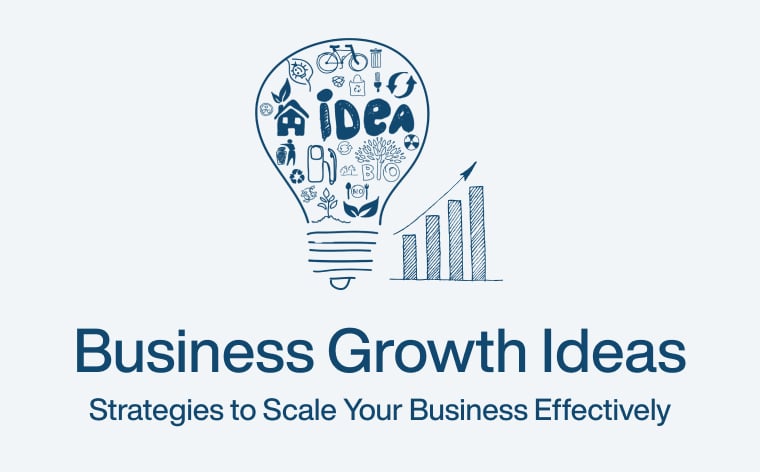
Business Growth Ideas: Strategies to Scale Your Business Effectively

Growing your business is essential for long-term success. Scaling effectively means expanding your operations, reaching more customers, and increasing revenue without lowering quality. This blog explores practical business growth ideas to help you scale your business effectively. We will cover strategies like market penetration, product development, digital transformation, and financial management. These ideas will guide you on the path to sustainable growth. Let’s dive into these strategies and start your journey to scaling your business today.

Business growth means expanding and improving a company’s operations and performance. It involves increasing revenue, gaining more customers, and enhancing market share. Growth can also mean adding new products or services, entering new markets, or improving efficiency. Effective growth helps a business become more competitive and sustainable. In essence, business growth is about making a company bigger, stronger, and more successful over time.

Market Penetration

Market penetration involves increasing your sales in existing markets. This strategy focuses on gaining a larger share of the current market with your existing products or services. To achieve this, you can enhance your marketing efforts, offer promotions or discounts, and improve your product’s features. Understanding customer needs and preferences is crucial. By providing better value and improving customer satisfaction, you can encourage repeat purchases and attract new customers. Market penetration is an effective way to grow your business by maximizing opportunities in the markets you already serve.  

Key Strategies For Market Penetration

  • Enhance Marketing Efforts: Increase advertising and promotional activities to raise awareness.
  • Offer Promotions: Provide discounts or special deals to attract more customers.
  • Improve Product Features: Upgrade your products based on customer feedback.
  • Increase Distribution Channels: Expand your reach by selling through more channels.

Suggestions For Market Penetration

  • Customer Surveys: Regularly conduct surveys to understand customer needs.
  • Competitive Analysis: Analyze competitors to identify areas where you can improve.
  • Loyalty Programs: Implement loyalty programs to retain customers.
  • Local Advertising: Use local advertising to target specific geographic areas.

Market Development

Market development involves expanding into new markets to reach more customers. This can mean entering new geographic regions, targeting new customer segments, or both. This strategy helps you diversify your customer base and reduce dependency on existing markets.

Key Strategies For Market Development

  • Geographic Expansion: Enter new regions or countries.
  • Target New Segments: Identify and target new customer demographics.
  • Partnerships: Form partnerships with local businesses to enter new markets.
  • Tailor Marketing: Customize marketing strategies to fit new markets.

Suggestions For Market Development

  • Market Research: Conduct thorough market research to understand new markets.
  • Local Regulations: Ensure compliance with local laws and regulations.
  • Cultural Adaptation: Adapt your products and marketing to fit local cultures.
  • Pilot Programs: Start with pilot programs to test new markets.

Product Development

Product development is about creating new products or improving existing ones to better meet customer needs and drive business growth. This involves innovation and staying ahead of market trends. Start by gathering customer feedback to understand their preferences and pain points. Use this information to design products that offer enhanced solutions. Develop prototypes and test them to ensure quality and usability. Keep an eye on market trends and be ready to adapt your products accordingly. Effective product development can attract new customers, retain existing ones, and boost your business growth.

Key Strategies For Product Development

  • Customer Feedback: Gather insights from customers to guide development.
  • Market Trends: Stay updated with industry trends to identify opportunities.
  • Prototyping: Develop and test prototypes to ensure quality.
  • Innovation: Continuously innovate to meet changing customer needs.

Suggestions For Product Development

  • Focus Groups: Use focus groups to get detailed feedback on new products.
  • Beta Testing: Conduct beta testing to identify any issues before full launch.
  • Cross-Functional Teams: Involve different departments in product development.
  • Iterative Development: Use an iterative approach to refine products.

Diversification

Diversification involves expanding your business by adding new products or services or entering new markets. This strategy reduces risk by spreading it across different revenue streams. Start by researching potential opportunities that complement your existing business. For example, if you sell clothing, you might diversify by adding accessories. Ensure that your new offerings meet market demands and align with your brand. Diversification can help you reach new customers, increase revenue, and create a more resilient business. By not relying on a single product or market, you protect your business from market fluctuations and enhance growth potential.

Key Strategies For Diversification

  • Complementary Products: Add products that complement your existing ones.
  • New Services: Introduce new services related to your current offerings.
  • New Markets: Enter entirely new markets unrelated to your current business.
  • Strategic Partnerships: Partner with other companies to offer bundled solutions.

Suggestions For Diversification

  • Market Research: Conduct research to identify diversification opportunities.
  • Feasibility Studies: Perform feasibility studies to assess potential success.
  • Brand Alignment: Ensure new offerings align with your brand values.
  • Pilot Programs: Test new products or services with small pilot programs.

Digital Transformation

Digital transformation involves integrating digital technology into all areas of your business. This improves efficiency, enhances customer experiences, and drives growth. Start by assessing your current processes and identifying areas that can benefit from digital solutions. Implement tools like customer relationship management (CRM) systems, e-commerce platforms, and digital marketing strategies. Use data analytics to make informed decisions and personalize customer interactions. Embrace automation to streamline operations and reduce costs. Digital transformation helps you stay competitive in a fast-paced market, reach a broader audience, and adapt to changing customer needs, ultimately boosting your business growth.

Key Strategies For Digital Transformation:

  • CRM Systems: Implement CRM systems to manage customer relationships.
  • E-commerce Platforms: Utilize e-commerce platforms to expand online sales.
  • Data Analytics: Use analytics to make data-driven decisions.
  • Automation: Automate routine tasks to improve efficiency.

Suggestions For Digital Transformation:

  • Digital Tools: Invest in digital tools that integrate seamlessly with your processes.
  • Employee Training: Train employees to use new technologies effectively.
  • Cybersecurity: Ensure robust cybersecurity measures to protect digital assets.
  • Customer Focus: Use digital tools to enhance the customer experience.

Customer Relationship Management (CRM)

Customer Relationship Management (CRM) involves managing interactions with current and potential customers to improve relationships and drive business growth. Start by implementing a CRM system to organize customer information, track interactions, and streamline processes. Use CRM data to understand customer needs and preferences, allowing you to personalize communications and offers. Automate tasks like follow-ups and marketing campaigns to save time and increase efficiency. Effective CRM helps build stronger customer relationships, enhances satisfaction, and boosts loyalty. By focusing on customer needs and preferences, you can increase retention rates and drive sustainable business growth.

Key Strategies For Customer Relationship Management (CRM):

  • CRM Implementation: Set up a CRM system to manage customer data.
  • Personalized Communication: Use CRM data to tailor communications.
  • Automation: Automate routine tasks like follow-ups and campaigns.
  • Customer Feedback: Use CRM to gather and analyze customer feedback.

Suggestions For Customer Relationship Management (CRM):

  • Choose the Right CRM: Select a CRM system that fits your business needs.
  • Employee Training: Train employees to use the CRM system effectively.
  • Data Integration: Integrate CRM with other systems for a unified view of customers.
  • Regular Updates: Keep your CRM data up to date for accurate insights.

Content Marketing and SEO

Content marketing and SEO (Search Engine Optimization) are vital for business growth in the digital age. Content marketing involves creating valuable, relevant content to attract and engage your target audience. This includes blog posts, videos, infographics, and social media updates. The goal is to provide information that addresses your audience’s needs and positions your business as an industry expert.

SEO focuses on optimizing your content to rank higher in search engine results. Use keywords that your audience is searching for, and ensure your content is easy to read and navigate. Include meta descriptions, headers, and alt text for images to improve visibility. Regularly update your content to keep it relevant.

Effective content marketing and SEO increase your online visibility, drive traffic to your website, and generate leads. By consistently providing valuable content and optimizing it for search engines, you can attract and retain customers, ultimately driving business growth.

Key Strategies For Content Marketing and SEO :

  • Content Creation: Develop valuable content that addresses customer needs.
  • Keyword Research: Identify keywords your audience is searching for.
  • SEO Optimization: Optimize content with keywords, meta descriptions, and alt text.
  • Regular Updates: Keep your content fresh and relevant with regular updates.

Suggestions For Content Marketing and SEO:

  • Content Calendar: Create a content calendar to plan and organize your content.
  • Guest Blogging: Write guest posts on relevant websites to reach a wider audience.
  • Analytics: Use analytics to track content performance and make improvements.
  • Engagement: Encourage audience engagement through comments and social media.

Financial Management

Financial management is crucial for scaling your business effectively. It involves planning, organizing, controlling, and monitoring financial resources to achieve your business goals. Start by creating a detailed budget that outlines your expected revenue and expenses. Track your cash flow to ensure you have enough funds to cover operational costs and invest in growth opportunities.

Implement accounting software to manage your finances accurately and efficiently. Regularly review financial statements to assess your business’s performance and identify areas for improvement. Optimize your costs by negotiating better terms with suppliers and reducing unnecessary expenses.

Consider different funding options, such as loans, grants, or investors, to support your growth initiatives. Maintain a good credit score to access financing when needed. Effective financial management ensures your business remains profitable, sustainable, and ready to seize growth opportunities. By keeping your finances in order, you can make informed decisions and drive your business towards long-term success.

Key Strategies For Financial Management:

  • Budgeting: Create a detailed budget to manage revenue and expenses.
  • Cash Flow Management: Monitor cash flow to ensure financial stability.
  • Accounting Software: Use accounting software for accurate financial management.
  • Cost Optimization: Negotiate better terms with suppliers and reduce expenses.

Suggestions For Financial Management:

  • Financial Reviews: Regularly review financial statements to assess performance.
  • Funding Options: Explore various funding options to support growth.
  • Credit Management: Maintain a good credit score for financing opportunities.
  • Financial Advisors: Consult with financial advisors for expert guidance.

Employee Development

Employee development is essential for scaling your business effectively. It involves investing in the growth and skills of your team to enhance their performance and contribute to your business’s success. Start by identifying the skills and knowledge your employees need to excel in their roles. Provide regular training and development opportunities, such as workshops, online courses, and seminars.

Encourage continuous learning by fostering a culture that values personal and professional growth. Offer mentorship programs to help employees learn from experienced colleagues. Regularly review and discuss career goals with your team to align their development with business objectives.

Recognize and reward achievements to motivate your employees and boost morale. Create a supportive work environment where employees feel valued and engaged. Effective employee development leads to higher productivity, innovation, and job satisfaction. By investing in your team’s growth, you build a stronger, more capable workforce that drives your business forward.

Key Strategies For Employee Development:

  • Training Programs: Provide regular training and development opportunities.
  • Mentorship: Offer mentorship programs to support employee growth.
  • Career Development: Align employee development with business objectives.
  • Recognition: Recognize and reward employee achievements.

Suggestions For Employee Development:

  • Learning Culture: Foster a culture that values continuous learning.
  • Performance Reviews: Conduct regular performance reviews to identify growth areas.
  • Professional Development: Encourage participation in professional development activities.
  • Employee Engagement: Create a supportive environment to boost employee engagement.

Scaling your business effectively requires a strategic approach and dedication to continuous improvement. By implementing the business growth ideas discussed—market penetration, market development, product development, diversification, digital transformation, CRM, content marketing and SEO, financial management, and employee development—you can position your business for sustainable growth and success.

Each of these strategies plays a crucial role in expanding your reach, enhancing your offerings, and optimizing your operations. Start by evaluating your current practices and identifying areas for improvement. Take action on these growth ideas, and remain adaptable to changes in the market and your business environment.

Remember, growth is an ongoing process. Stay committed to your goals, invest in your team, and continually seek opportunities to innovate and improve. With a clear plan and the right strategies, you can achieve significant growth and take your business to new heights. Embrace the journey and watch your business thrive.

Steps to Start Your Entrepreneurial Journey

Starting an entrepreneurial journey is exciting and challenging. It involves turning your passion and ideas into a successful business. This guide outlines the essential steps to help you navigate this journey. Each step is crucial, from identifying your strengths and market opportunities to creating a business plan and launching your product. Follow these steps to build a strong foundation and increase your chances of success.

What is Entrepreneurship?

Entrepreneurship is the process of starting and running a new business. It involves creating something new, whether a product, service, or solution to a problem. Entrepreneurs identify opportunities, take risks, and innovate to build successful ventures. They drive economic growth by bringing fresh ideas to the market and creating jobs. Entrepreneurship is about turning dreams into reality through hard work and determination. Let’s dive in and start your entrepreneurial journey with confidence!

Identify Your Passion and Skills

Begin your entrepreneurial journey by identifying what you love and what you are. Your passion drives motivation, while your skills provide the tools to succeed. Reflect on activities that excite you and evaluate your strengths. This alignment between passion and skills is vital, as it keeps you committed and capable of overcoming challenges. Start with self-assessment and seek feedback from friends or mentors to understand your unique potential clearly.

  • Self-Assessment: List your interests and skills. What activities make you lose track of time? What do people often praise you for?
  • Seek Feedback: Ask friends, family, and mentors about your strengths and passions. Sometimes, others can see our potential more clearly.
  • Combine Passion and Skills: Look for areas where your interests and abilities overlap. This combination will fuel your entrepreneurial drive and help you stay resilient.

Key Suggestions For Identifying Your Passion and Skills

  • Journal Your Thoughts: Write down your thoughts and feelings about different activities. This can help you identify patterns and areas of genuine interest.
  • Take Personality and Skills Assessments: Tools like Myers-Briggs Type Indicator (MBTI) or StrengthsFinder can provide insights into your strengths and preferences.
  • Network: Engage with professionals in fields you are interested in. Their experiences and advice can provide valuable insights.

Conduct Market Research

Market research is essential for understanding your target audience and the competitive landscape. Start by identifying your potential customers and their needs. Analyze your competitors to see what they offer and where you can stand out. Use surveys, interviews, and online research to gather data. This information helps refine your business idea, ensuring it meets market demand and positions you for success. Solid market research lays the groundwork for a strong business strategy.

  • Identify Target Audience: Who are your potential customers? What are their demographics, preferences, and pain points?
  • Analyze Competitors: What are your competitors doing well? Where are they lacking? How can you differentiate your offering?
  • Gather Data: Use tools like surveys, interviews, focus groups, and online research to collect relevant information. Platforms like Google Trends and social media can provide valuable insights.

Key Suggestions For Conducting Market Research

  • Create Buyer Personas: Develop detailed profiles of your ideal customers. Include demographics, interests, and behaviors.
  • Utilize Online Tools: Use SurveyMonkey, Google Analytics, and SEMrush to gather data.
  • Engage with Potential Customers: Conduct interviews or focus groups to get direct feedback from your target audience.

Develop a Business Idea

Developing a business idea starts with brainstorming solutions to problems you’ve identified through market research. Think creatively about how you can meet the needs of your target audience. Validate your ideas by seeking feedback from potential customers and industry experts. Focus on unique value propositions that differentiate you from competitors. This process helps refine your concept into a viable business idea that has the potential to succeed in the market.

  • Brainstorm Solutions: List potential solutions to the problems identified in your market research. Think outside the box.
  • Seek Feedback: Present your ideas to potential customers and industry experts. Gather their opinions and refine your concept.
  • Focus on Value: What unique value does your product or service offer? How does it solve your customers better than existing solutions?

Key Suggestions For Developing a Business Idea

  • Use Mind Mapping: Visualize your ideas and how they relate to each other using mind maps.
  • Prototype Early: Create simple prototypes or mock-ups of your product to gather feedback.
  • Conduct Feasibility Studies: Assess your business idea’s practicality and potential success.

Create a Business Plan

Creating a business plan is crucial for outlining your business goals and strategies. Start with an executive summary that captures your vision. Include market analysis to demonstrate demand and detail your product or service offerings. Outline your marketing strategy and financial projections to show profitability. A solid business plan guides your actions and attracts investors by clearly presenting your business for success.

  • Executive Summary: Provide a concise overview of your business idea, including the mission, vision, and goals.
  • Market Analysis: Present data on your target market, including size, growth, and trends. Show evidence of demand for your product or service
  • Marketing Strategy: Outline how you will attract and retain customers. Include details on pricing, distribution, and promotional tactics.
  • Financial Projections: Provide estimates of revenue, expenses, and profitability. Include a break-even analysis and funding requirements.

Key Suggestions For Creating a Business Plan

  • Set Clear Objectives: Define specific, measurable, achievable, relevant, and time-bound (SMART) goals.
  • Use Business Plan Software: Tools like LivePlan and Bizplan can simplify creating a business plan.
  • Review and Revise: Regularly update your business plan to reflect changes in the market or your business strategy.

Secure Funding

Securing funding is essential to bring your business idea to life. Explore various funding options such as personal savings, loans, or investors. Prepare a compelling pitch highlighting your business plan, market potential, and financial projections. Determine how you will use the funds and the expected return on investment. Effective funding strategies provide the financial support needed to launch and grow your business successfully.

  • Explore Funding Options: Consider personal savings, loans, angel investors, venture capital, crowdfunding, or grants.
  • Prepare a Pitch: Create a concise and compelling presentation highlighting your business idea, market opportunity, and financial projections.
  • Be Transparent: Clearly outline how you will use the funds and the potential return on investment. Transparency builds trust with potential investors.

Key Suggestions For Securing Funds

  • Network with Investors: Attend industry events, pitch competitions, and networking meetings to connect with potential investors.
  • Leverage Crowdfunding Platforms: Use platforms like Kickstarter and Indiegogo to raise funds and build a customer base simultaneously.
  • Prepare Thorough Documentation: Prepare detailed financial statements, business plans, and projections to share with potential funders.

Build Your Team

Building a solid team is vital for your business success. Hire individuals who complement your skills and share your vision. Look for diverse talents that bring different perspectives and expertise. Foster a collaborative and supportive work environment to encourage innovation and commitment. A great team can drive your business forward, helping you overcome challenges and achieve your goals more effectively.

  • Identify Key Roles: Determine the roles and skills needed to build your business. Prioritize hiring for essential positions first.
  • Seek Diversity: Hire individuals with diverse backgrounds and perspectives. This diversity can drive creativity and innovation.
  • Create a Positive Culture: Foster a supportive and collaborative work environment. Encourage open communication and recognize team achievements.

Key Suggestions For Building Your Team

  • Define Clear Roles and Responsibilities: Ensure each team member understands their role and how it contributes to the overall business.
  • Invest in Training and Development: Provide ongoing training and development opportunities to help your team grow.
  • Build a Strong Company Culture: Promote values such as collaboration, innovation, and respect within your team.

Develop Your Product or Service

Developing your product or service starts with creating a minimum viable product (MVP) to test your concept. Focus on essential features that satisfy your customers. Gather feedback from early users and make necessary improvements. This iterative process ensures your product meets market needs and quality standards. Continuously refine and enhance your offering based on user input and market trends. A well-developed product or service sets the foundation for your business success.

  • Create an MVP: Focus on the core features that solve your customer’s problems. This allows you to test and validate your concept with minimal resources.
  • Gather Feedback: Use surveys, interviews, and user testing to gather feedback from early users and identify areas for improvement.
  • Iterate and Improve: Continuously refine your product based on user feedback and market trends. Stay adaptable and open to change.

Key Suggestions For Developing Your Product or Service

  • Use Agile Development Methods: Implement agile methodologies to develop your product in iterative cycles.
  • Engage with Early Adopters: Build a community of early adopters who can provide valuable feedback and advocacy.
  • Monitor Market Trends: Stay informed about industry trends and technological advancements that can impact your product development.

Set Up Your Business Operations

Establishing your business operations involves establishing your company’s legal and structural foundation. Register your business, obtain the necessary licenses, and set up your accounting and financial systems. Create efficient processes for production, sales, and customer service. Implement tools and software to streamline operations and manage tasks effectively. Ensuring your operations run smoothly will help you focus on growth and customer satisfaction.

  • Legal and Regulatory Compliance: Register your business and obtain necessary licenses or permits. Ensure compliance with local, state, and federal regulations.
  • Accounting and Financial Systems: Set up accounting software to track income, expenses, and cash flow. Establish financial controls and budgeting processes.
  • Operational Efficiency: Create standard operating procedures (SOPs) for production, sales, and customer service. Use tools and software to streamline operations and improve efficiency.

Key Suggestions For Setting Up Your Business Operations

  • Use Project Management Tools: Tools like Trello, Asana, or Monday.com can help manage tasks and improve team collaboration.
  • Automate Routine Tasks: Use automation tools for invoicing, payroll, and customer communication.
  • Establish Clear Policies: Develop policies for operations, employee conduct, and customer service.

Launch Your Business

Launching your business is an exciting milestone. Start with a strong marketing strategy to create buzz around your product or service. Use social media, email campaigns, and other promotional activities to reach your target audience. Ensure your website is user-friendly and provides essential information. Offer special promotions or discounts to attract initial customers. A well-planned launch helps you make a solid first impression and sets the stage for future growth.

  • Marketing Strategy: Develop a comprehensive marketing plan that includes social media, email marketing, content marketing, and advertising.
  • Online Presence: Ensure your website is professional, user-friendly, and optimized for search engines. Provide clear information about your product or service.
  • Promotions and Discounts: Offer special promotions or discounts to attract initial customers. These offers should generate buzz and encourage word-of-mouth referrals.

Key Suggestions For Launching Your Business

  • Leverage Social Media: Use platforms like Facebook, Instagram, and LinkedIn to promote your launch and engage with your audience
  • .Optimize for SEO: Ensure your website is optimized for search engines to improve visibility and attract organic traffic.
  • Host a Launch Event: Organize an online or offline event to celebrate your launch and attract media attention.

Monitor and Grow Your Business

Monitoring and growing your business involves regularly tracking key performance metrics. Use analytics to understand sales trends, customer behavior, and operational efficiency. Set measurable goals and adjust your strategies based on data insights. Focus on customer feedback to improve your product or service. Explore new markets and opportunities for expansion. Continuously invest in marketing and innovation. Staying adaptable and proactive helps your business thrive and achieve long-term success.

  • Track Metrics: Use analytics tools to monitor sales, customer behavior, and operational performance. Identify trends and areas for improvement.
  • Set Goals: Establish clear, measurable growth goals. Review and adjust your strategies regularly to stay on track.
  • Customer Feedback: Actively seek and respond to customer feedback. Use this information to enhance your product or service and improve customer satisfaction.
  • Explore New Opportunities: Continuously look for new markets, products, or services to expand your business. Stay innovative and open to change.

Key Suggestions For Monitoring and Growing Your Business

  • Use Analytics Tools: Platforms like Google Analytics, HubSpot, and Mixpanel can provide valuable insights into your business performance.
  • Regularly Review KPIs: Keep track of key performance indicators (KPIs) such as customer acquisition cost, lifetime value, and churn rate.
  • Innovate Continuously: Invest in research and development to stay ahead of market trends and meet evolving customer needs.

Starting your entrepreneurial journey is both exciting and challenging. By following the key steps outlined in this guide, you can build a strong foundation for your business. Identify your passion and skills to fuel your drive. Conduct market research to understand your audience and refine your business idea. Develop a solid business plan to guide your actions and attract investors. Secure the necessary funding to bring your idea to life and build a team that complements your skills. Develop your product or service based on feedback, set up efficient business operations, and launch with a strong marketing strategy. Finally, continuously monitor and grow your business by staying adaptable and innovative.

Taking the first step is crucial. Embrace the journey with confidence and determination. Remember, every successful entrepreneur started where you are now. Your dedication and hard work will turn your vision into reality. Begin your entrepreneurial adventure today and move closer to achieving your business dreams.

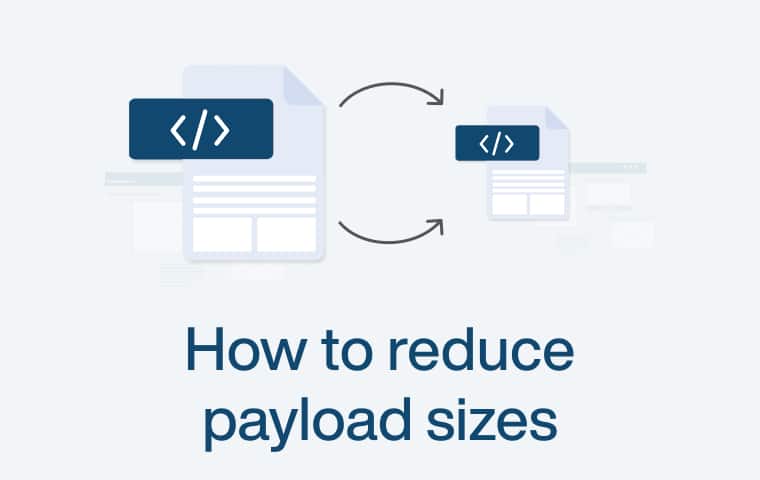
How to reduce payload sizes.

Payload size is the total amount of data your website needs to load a page. This includes all the HTML, CSS, JavaScript, images, and other files. When a user visits your website, their browser must download all these files to display the page correctly. The larger these files are, the longer it takes to download them, which can slow down the loading time of your website.

Why Does Payload Size Matter?

The size of the payload matters because it directly affects the speed at which your website loads. If your website has a large payload, it will take longer for users to see the content. This can lead to frustration and cause users to leave your site before it fully loads. A slow website can also hurt your search engine rankings, as search engines like Google prioritize faster sites that provide a better user experience.

How Does Payload Size Affect Core Web Vitals?

Core Web Vitals are three important metrics that measure user experience on your site.

Largest Contentful Paint (LCP) measures how long it takes for the largest element on the page to load. If your payload size is large, it takes longer for this element to appear, making your site feel slow.

First Input Delay (FID) measures the time it takes for your site to respond to the first user interaction, like clicking a button. A large payload can delay this response because the browser is busy loading and processing all the data.

Cumulative Layout Shift (CLS) measures how much the content moves around while the page is loading. Large payloads can cause more layout shifts, making the page look unstable and hard to read.

Example

Imagine you are moving into a new house. If you have many heavy boxes, it takes more time and effort to move them all inside. Similarly, if your website has many large files, it takes more time to load them all. By keeping your payload size small, your website can load faster and provide a better experience for your users. This helps improve your Core Web Vitals and makes your site more enjoyable to visit.

Image Optimization

Optimizing images is crucial because large images can slow down your website. When images are too big, they take longer to load, making users wait. This can lead to frustration and cause users to leave your site. By optimizing images, you can reduce their file size, making your site load faster and providing a better experience for visitors.

Use Modern Formats

Modern image formats like WebP and AVIF are better than older formats like JPEG and PNG. These new formats compress images more efficiently, which means they reduce the file size without losing quality. By using WebP or AVIF, you can make your images smaller and your site faster, improving the overall performance.

Resize Images

Resizing images means making sure they are not larger than necessary. For example, if your website only needs an image to be 800 pixels wide, you should not use an image that is 2000 pixels wide. Large images that are not resized take up more space and slow down your site. Always resize images to the exact dimensions needed for your website.

Compress Images

Compressing images reduces their file size without significantly affecting their quality. You can use tools like ImageOptim or TinyPNG to compress your images. These tools work by removing unnecessary data from the images, making them smaller and quicker to load. This helps improve your website’s speed and user experience.

Use Responsive Images

Responsive images change size based on the device being used. This means that smaller images are loaded on phones, while larger images are used for desktops. You can implement this by using the srcset attribute in your image tags. This ensures that users only download the image size they need, which speeds up the loading time on all devices.

By optimizing your images through these methods, you can significantly improve your website’s performance. Faster loading times lead to better user experiences, which can help increase the time users spend on your site and improve your search engine rankings.

Minifying and Optimizing CSS and JavaScript

Minification is the process of removing unnecessary characters from CSS and JavaScript files without changing their functionality. These characters include spaces, comments, and line breaks. By minifying your code, you reduce the file size, which helps your website load faster. Tools like UglifyJS for JavaScript and CSSNano for CSS can automatically minify your files, making them smaller and quicker to download.

Tree Shaking

Tree shaking is a technique used to remove unused code from your JavaScript files. When you write code, especially with libraries and frameworks, not all of it may be needed for your website to function. Tree shaking helps eliminate this unnecessary code, reducing the file size and improving load times. This is particularly useful when using modular JavaScript bundlers like Webpack, which can automatically perform tree shaking during the build process.

Code Splitting

Code splitting is the practice of breaking down your JavaScript files into smaller chunks that can be loaded on demand. Instead of loading a large JavaScript file all at once, code splitting allows you to load only the parts needed for the current page or feature. This reduces the initial load time and makes your site more responsive. Modern bundlers like Webpack and Rollup support code splitting, helping you optimize your JavaScript delivery.

Bundling and Caching

Bundling is the process of combining multiple CSS and JavaScript files into one file for each type. This reduces the number of HTTP requests your browser needs to make, speeding up the page load time. After bundling, setting up proper caching mechanisms ensures that users do not have to download the same files repeatedly. By configuring your server to cache these files, you can significantly reduce load times for returning visitors.

By minifying and optimizing your CSS and JavaScript, you can reduce the payload size of your website. This leads to faster loading times and a better user experience. Implementing these techniques helps improve your Core Web Vitals, making your website more efficient and enjoyable for users.

Using Content Delivery Networks (CDNs)

A Content Delivery Network (CDN) is a network of servers distributed across different locations worldwide. These servers store copies of your website’s static files, such as images, CSS, and JavaScript. When a user visits your website, the CDN delivers these files from the server closest to the user. This reduces the distance data has to travel, making your website load faster.

Benefits of CDNs

CDNs offer several benefits for your website’s performance. The main advantage is speed. By serving content from a nearby server, CDNs reduce latency and improve load times. This is especially important for users who are far from your main server. Additionally, CDNs help handle traffic spikes by distributing the load across multiple servers, preventing your website from slowing down or crashing during high traffic periods. They also provide better security by protecting your site from Distributed Denial of Service (DDoS) attacks.

Choosing a CDN

When selecting a CDN, consider factors like coverage, performance, and cost. Look for a CDN with servers in locations where most of your users are based. This ensures optimal performance. Check the CDN’s track record for speed and reliability. Some popular CDN providers include Cloudflare, Akamai, and Amazon CloudFront. Evaluate their features and pricing to find the best fit for your needs.

Using a CDN is a straightforward and effective way to improve your website’s performance. By delivering content from the nearest server, CDNs help reduce load times, enhance user experience, and boost your site’s reliability and security. Implementing a CDN can make a significant difference in how quickly and smoothly your website operates.

Optimizing Fonts

Here’s the optimizing fonts

Font Subsetting

Font subsetting involves including only the characters you need in your web fonts. Most font files come with a wide range of characters and symbols, many of which you may not use on your website. By creating a subset of the font that contains only the necessary characters, you can significantly reduce the file size. This makes your website load faster because the browser has fewer characters to download and render.

Font Compression

Font compression reduces the size of your font files without sacrificing quality. Using the WOFF2 format is an effective way to achieve this. WOFF2 is a modern font format that provides better compression than older formats like TTF or OTF. By compressing your fonts, you decrease the amount of data that needs to be transferred, speeding up your website’s loading time.

Loading Fonts Efficiently

Efficiently loading fonts means using techniques that ensure fonts do not delay the rendering of your page. One method is to use the font-display property in your CSS. The font-display property allows you to control how fonts are displayed while they are loading. For example, font-display: swap; ensures that the text is displayed using a fallback font until the custom font is fully loaded. This prevents the user from seeing a blank space where the text should be, improving the perceived performance of your site.

By optimizing your fonts through subsetting, compression, and efficient loading techniques, you can make your website faster and more user-friendly. These optimizations reduce the amount of data the browser needs to download and render, resulting in quicker load times and a better overall experience for your visitors. Implementing these simple strategies can have a significant positive impact on your site’s performance.

Implementing Lazy Loading

Here’s the implementation of lazy loading.

Lazy Loading Images and Videos

Lazy loading is a technique that delays the loading of images and videos until they are needed. Instead of loading all media files when the page first loads, lazy loading only loads these files as the user scrolls down the page and they come into view. This reduces the initial load time, making your website faster and more responsive. To implement lazy loading for images and videos, you can use the loading=”lazy” attribute in your HTML. For example, <img src=”image.jpg” loading=”lazy” alt=”Example Image”> will ensure the image only loads when it is about to appear in the viewport.

Lazy Loading Scripts

Lazy loading can also apply to JavaScript files. By deferring or asynchronously loading non-critical JavaScript, you prevent these scripts from blocking the rendering of the page. The async and defer attributes in the <script> tag can help achieve this. The async attribute loads the script while the HTML is still parsing and executes it as soon as it is available. The defer attribute, on the other hand, ensures that the script is executed only after the HTML is fully parsed. Using these attributes allows the main content of your page to load faster, improving the overall user experience.

Example

Imagine you are at a buffet. If all the food is served at once, it can be overwhelming and slow down the process of getting what you want. But if the food is brought out gradually, as you need it, the experience is smoother and quicker. Similarly, lazy loading ensures that your website only loads what is necessary at the moment, making the page load faster and providing a better experience for your visitors.

By implementing lazy loading for images, videos, and scripts, you can significantly enhance your website’s performance. This technique reduces the initial load time and ensures that users can access your content quickly and smoothly. Lazy loading is an effective and easy way to improve the speed and efficiency of your website.

Removing Unnecessary Plugins and Libraries

Regularly auditing your website for unnecessary plugins and libraries is crucial for maintaining optimal performance. Over time, you may add various plugins and libraries to enhance functionality or design. However, not all of them remain useful. Conduct a thorough review of all the plugins and libraries on your site. Identify those that are outdated, redundant, or no longer serving a vital purpose. Removing these unnecessary components reduces the overall size of your website, which can significantly improve loading times and reduce potential security risks.

Impact on Performance

Unnecessary plugins and libraries can slow down your website. Each plugin or library you add increases the amount of data your site needs to load. This can lead to longer loading times and a poorer user experience. By removing what you don’t need, you streamline your website’s codebase, making it leaner and faster. This directly contributes to better performance metrics, such as faster page loads and improved Core Web Vitals scores.

Alternatives and Replacements

Sometimes, you might need the functionality provided by a plugin or library, but the one you’re using is too bulky or inefficient. In such cases, look for lightweight alternatives that offer similar features without the bloat. For instance, if you use a heavy slider plugin, you could replace it with a more efficient one that offers the same functionality but with a smaller footprint. Research and test alternatives to ensure they meet your needs without compromising on performance.

Example

Think of your website as a backpack. If you fill it with items you don’t need, it becomes heavy and difficult to carry. By removing unnecessary items, your backpack becomes lighter and easier to manage. Similarly, by removing unnecessary plugins and libraries from your website, you make it faster and more efficient.

By regularly auditing and cleaning up your website, you can ensure it remains fast and responsive. Removing unnecessary plugins and libraries helps streamline your site, reducing load times and improving the overall user experience. This simple maintenance task can have a significant impact on your website’s performance and reliability.

Enabling Compression

Compression reduces the size of your website’s files before they are sent to the user’s browser. This includes HTML, CSS, JavaScript, and image files. By compressing these files, you can significantly decrease the amount of data that needs to be transferred over the internet. This makes your website load faster and improves the overall user experience.

Gzip Compression

Gzip is a widely used compression method that reduces the size of your files by up to 70%. When a user visits your website, the server compresses the files using Gzip before sending them to the browser. The browser then decompresses the files and displays the content. Enabling Gzip compression on your server is usually straightforward and can be done by adding a few lines of code to your server configuration. Most modern browsers and servers support Gzip, making it an effective way to speed up your site.

Brotli Compression

Brotli is a newer compression algorithm that often performs better than Gzip. Developed by Google, Brotli can compress files even more efficiently, leading to smaller file sizes and faster load times. Like Gzip, Brotli is supported by most modern browsers and servers. To enable Brotli, you need to configure your server to use it. Many web hosting providers offer Brotli support, or you can enable it manually through your server settings.

Benefits of Compression

The primary benefit of compression is faster loading times for your website. When files are smaller, they take less time to download, which means users can access your content more quickly. This not only improves user satisfaction but also helps with search engine rankings, as faster sites tend to rank higher. Additionally, using compression reduces bandwidth usage, which can save on hosting costs and make your website more efficient.

By enabling compression on your website, you can significantly enhance its performance. Using methods like Gzip and Brotli, you reduce the size of your files, leading to quicker load times and a better user experience. This simple yet powerful optimization technique is essential for maintaining a fast and responsive website.

Upgrading to HTTP/2

HTTP/2 is the latest version of the Hypertext Transfer Protocol (HTTP), which is the foundation of data communication on the web. It was designed to improve the speed and efficiency of web communications. HTTP/2 introduces several key features that help websites load faster compared to the older HTTP/1.1. It is widely supported by modern browsers and web servers, making it a beneficial upgrade for most websites.

Benefits for Payload Size

One of the main advantages of HTTP/2 is its ability to handle multiple requests simultaneously over a single connection. This is known as multiplexing. In HTTP/1.1, each request and response pair had to wait for the previous one to finish, leading to delays. HTTP/2 eliminates this bottleneck by allowing multiple requests and responses to be sent and received at the same time. This reduces the time it takes to load all the elements of a webpage, especially those with many images, scripts, and stylesheets.

Server Push

HTTP/2 also includes a feature called server push. This allows the server to send resources to the browser before it even asks for them. For example, if the server knows that a webpage requires certain CSS and JavaScript files, it can start sending these files immediately after the HTML, even before the browser requests them. This proactive approach can further reduce load times and improve the user experience.

Simple Example

Think of HTTP/2 like a multi-lane highway compared to HTTP/1.1, which is like a single-lane road. On a single-lane road, cars (data) have to wait in line, causing traffic jams (delays). On a multi-lane highway, many cars can travel side by side, reducing traffic and getting everyone to their destination faster. Similarly, HTTP/2 allows multiple pieces of data to travel simultaneously, speeding up the loading process.

By upgrading to HTTP/2, you can take advantage of these advanced features to make your website faster and more efficient. This upgrade can lead to quicker load times, better performance metrics, and a smoother user experience. Implementing HTTP/2 is a straightforward way to enhance your website’s performance and keep up with modern web standards.

Upgrading your website to HTTP/2 is a simple yet powerful way to improve its speed and efficiency. By leveraging features like multiplexing and server push, you can significantly reduce load times and enhance the user experience. Embracing HTTP/2 ensures your website remains fast, responsive, and aligned with modern web standards, ultimately benefiting both your users and your search engine rankings.

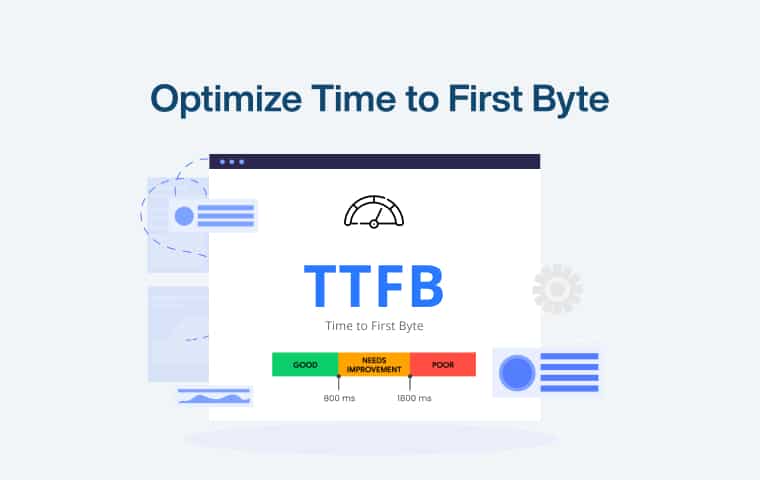
Optimize Time to First Byte

Understanding Time to First Byte (TTFB)

Time to First Byte (TTFB) measures how long it takes for a web server to send the first byte of data to your browser after you make a request. Think of it as the time between knocking on someone’s door and when they open it. The faster they open the door, the quicker you can start your conversation.

TTFB is a crucial part of how quickly a website loads. It’s like the starting gun in a race. If the gun takes too long to fire, the race can’t start, and the runners can’t begin.

Here are the three main parts of TTFB:

DNS Lookup Time: When you type a website address into your browser, it needs to find the correct server to connect to. This is called DNS lookup. It’s like looking up someone’s phone number in a directory. The faster you find the number, the sooner you can call.

Connection Time: Once the browser knows where to go, it needs to connect to the server. This is like dialing the phone number and waiting for the person to pick up. The quicker the server picks up, the better.

Server Processing Time: After connecting, the server processes your request. This means it finds the information you asked for and prepares to send it to you. It’s like the person on the other end of the phone finding the information you need before telling you. The quicker they find it, the sooner you get it.

Why is TTFB important? Because a low TTFB means a faster website, and faster websites keep users happy. When websites load quickly, people are more likely to stay and explore.

The Relationship Between TTFB and Core Web Vitals

Core Web Vitals are a set of metrics that Google uses to measure a website’s user experience. They focus on loading speed, interactivity, and visual stability. Time to First Byte (TTFB) is closely related to these metrics because it affects how quickly a website can start loading. Let’s explore how TTFB impacts each of the Core Web Vitals.

Largest Contentful Paint (LCP)

Largest Contentful Paint (LCP) measures how long it takes for the main content of a page to become visible. It’s like the time it takes for a big picture to appear on your screen. When TTFB is low, the server responds quickly, and the browser can start loading the page faster. This helps the main content appear sooner, improving the LCP score.

First Input Delay (FID)

First Input Delay (FID) measures how long it takes for a page to respond when a user first tries to interact with it, like clicking a button or a link. If TTFB is high, the server takes longer to start sending data, which can delay when the page is fully ready to interact. A low TTFB helps ensure that the page responds quickly to user actions, improving the FID score.

Cumulative Layout Shift (CLS)

Cumulative Layout Shift (CLS) measures the visual stability of a page. It tracks how often things on the page move around unexpectedly. While TTFB doesn’t directly affect CLS, a faster TTFB can lead to better overall loading performance. When a page loads smoothly, there’s less chance of elements shifting around, which helps improve the CLS score.

Why TTFB Matters for Core Web Vitals

TTFB is like the first domino in a chain reaction. When it’s low, it sets off a series of positive effects that improve the Core Web Vitals. A quick server response means the browser can start loading the page sooner, leading to faster content display, quicker interaction, and more stable layouts.

Improving TTFB for Better Core Web Vitals

To improve your Core Web Vitals, focus on reducing TTFB. Here are a few tips:

Optimize Your Server: Make sure your server is configured for speed.

Use a Content Delivery Network (CDN): CDNs bring your content closer to users, reducing response time.

Enable Caching: Cache static content so the server can deliver it faster.

Minimize Server Processing: Simplify your server-side code to process requests more quickly.

In summary, TTFB plays a crucial role in determining the performance of Core Web Vitals. By improving TTFB, you can enhance loading speed, interactivity, and visual stability, leading to a better user experience on your website.

Factors Affecting TTFB

Time to First Byte (TTFB) is influenced by several factors. Understanding these factors helps you identify ways to improve your website’s performance. Here are the main factors affecting TTFB:

Server Configuration and Hosting

Your server’s setup plays a big role in TTFB. A well-configured server responds faster to requests. Choose a reliable hosting provider that offers fast and stable servers. Shared hosting can slow down your site because you share resources with others. Consider using dedicated or virtual private servers (VPS) for better performance.

Content Delivery Network (CDN)

A Content Delivery Network (CDN) helps reduce TTFB by storing copies of your website’s content in various locations worldwide. When a user requests a page, the CDN delivers it from the nearest server. This reduces the distance data has to travel, speeding up response times. Using a CDN is especially helpful for global audiences.

Server-Side Caching

Server-side caching stores frequently accessed data in a temporary storage area. This means the server doesn’t need to process the same request repeatedly. Caching static content like images, CSS, and JavaScript files can significantly reduce TTFB. Implement caching strategies to make your server respond faster.

Database Performance

If your website relies on a database, its performance affects TTFB. Slow database queries can delay the server’s response. Optimize your database by indexing important fields and using efficient queries. Regularly clean and maintain your database to ensure it runs smoothly.

Application Code Efficiency

The code running on your server can impact TTFB. Complex or poorly written code takes longer to execute, slowing down the response. Review your server-side code and optimize it for speed. Remove unnecessary computations and streamline processes to improve efficiency.

Network Latency

Network latency is the time it takes for data to travel from the user’s browser to your server and back. This can be affected by the physical distance between the user and the server. Using a CDN can help reduce network latency. Additionally, optimizing your network setup and using faster protocols like HTTP/2 can improve response times.

Load Balancing

If your website experiences high traffic, load balancing can help distribute requests across multiple servers. This prevents any single server from becoming overwhelmed and ensures faster response times. Load balancers can also direct traffic to the server with the quickest response, further reducing TTFB.

How to Measure TTFB

Measuring Time to First Byte (TTFB) is essential for understanding how quickly your server responds to requests. Several tools can help you measure TTFB accurately. Here’s how to use them and interpret their results:

Google PageSpeed Insights

Google PageSpeed Insights is a free tool that analyzes your website’s performance and provides recommendations for improvement. To measure TTFB with this tool, go to PageSpeed Insights and enter your website URL. Click “Analyze” to get your results. Look for the “Server Response Time” under the “Opportunities” section. This section shows how long it took for the server to start sending data. The tool also gives you suggestions on how to improve server response time.

WebPageTest

WebPageTest is another useful tool that provides detailed performance analysis, including TTFB. Visit WebPageTest and enter your website URL. Click “Start Test” to begin. Once the test is complete, look at the “First Byte” time in the results. WebPageTest also provides a waterfall chart, which shows how long each element of your page takes to load. This chart helps you identify any delays and understand where improvements can be made.

Pingdom Tools

Pingdom Tools offers a simple way to measure TTFB. Go to Pingdom Tools and enter your website URL. Select a test location and click “Start Test.” In the results, you’ll see the “Wait” time, which represents TTFB. Pingdom also provides a summary of your website’s overall performance and suggests ways to speed it up. This tool is easy to use and gives a clear picture of how quickly your server responds to requests.

GTmetrix

GTmetrix is a powerful tool that analyzes your website’s performance, including TTFB. Visit GTmetrix and enter your website URL. Click “Test your site” to begin. Review the “Performance” tab to find the TTFB. GTmetrix gives you a detailed report with recommendations for improving your site’s speed. It also provides a visual representation of your site’s loading process, helping you see where delays occur.

How to Interpret the Results

When you measure TTFB, you get a time value, usually in milliseconds (ms). Here’s how to understand what it means:

Good: Less than 200ms. Your server responds quickly, which is excellent for user experience.

Average: Between 200ms and 500ms. There is some room for improvement, but it’s not too bad.

Poor: More than 500ms. Your server is slow, and you need to take action to improve it.

Regularly measuring TTFB allows you to monitor your website’s performance and make necessary adjustments. By understanding and improving TTFB, you can ensure a fast and responsive experience for your users.

Monitoring and Maintaining Low TTFB

Keeping Time to First Byte (TTFB) low is crucial for a fast, responsive website. Regular monitoring and maintenance ensure that your server continues to perform well. Here are key strategies to help you monitor and maintain low TTFB:

Continuous Monitoring Practices

Regularly checking TTFB helps you spot performance issues early. Use tools like Google PageSpeed Insights, WebPageTest, Pingdom Tools, and GTmetrix to monitor your site’s performance. Set up automated tests to run at regular intervals and review the results. By continuously monitoring TTFB, you can identify trends and address any issues before they impact your users.

Tools for Ongoing Performance Tracking

Several tools can help you keep track of TTFB and other performance metrics. Google Analytics provides insights into your site’s speed over time. Services like New Relic and Datadog offer real-time monitoring and alerting for server performance. These tools can notify you if TTFB exceeds a certain threshold, allowing you to take quick action. Using a combination of these tools ensures comprehensive monitoring of your website’s performance.

Regular Updates and Maintenance Tips

Keeping your server software up to date is essential for maintaining low TTFB. Regularly update your web server, database, and any other software components to the latest versions. Apply security patches and performance improvements as they become available. Regularly review your server configuration and make adjustments as needed. Clean and optimize your database to prevent it from becoming a performance bottleneck. By performing regular maintenance, you ensure your server remains fast and efficient.

Analyzing and Addressing Performance Bottlenecks

If you notice an increase in TTFB, analyze the data to identify potential bottlenecks. Look at server logs and performance reports to find the root cause. It could be slow database queries, inefficient code, or network issues. Once you’ve identified the problem, take steps to address it. Optimize database queries, improve server-side code, or upgrade your hosting plan if necessary. Addressing performance bottlenecks quickly helps maintain low TTFB.

Maintaining a low Time to First Byte (TTFB) is essential for a fast and responsive website. By understanding the factors that affect TTFB, using the right tools to measure it, and implementing effective strategies to optimize it, you can significantly improve your website’s performance. Regular monitoring and maintenance ensure that your server continues to respond quickly to user requests. Keeping TTFB low enhances user experience, boosts search engine rankings, and ensures your website runs smoothly. By prioritizing TTFB, you can create a more efficient and enjoyable online presence for your visitors.

What is the User Timing API?

Defination

The User Timing API is a tool that developers use to measure and track the performance of their websites or web applications. It helps understand how long different web page parts take to load and respond to user interactions. Let’s break down what the User Timing API does:

Measure Load Times: Imagine a webpage with lots of images and content. The User Timing API can tell you how long it takes for the main content of your page to load, which is crucial for a good user experience.

Track User Interactions: When someone clicks a button or interacts with an element on your webpage, the User Timing API can measure how long it takes for your website to respond. This helps identify any delays that might frustrate users.

Custom Metrics: One of the most incredible things about the User Timing API is that you can create custom metrics. For example, you can measure how long a specific feature or animation takes to load, giving you insights into its performance.

Optimization: Using the User Timing API, developers can pinpoint areas of their website that are slow and need improvement. This could involve optimizing images, reducing server response times, or simplifying complex scripts.

The User Timing API is like a stopwatch for your website. It helps you understand where your website might be slow and gives you the data you need to make it faster and more enjoyable for users.

Core Web Vitals and User Timing API

Core Web Vitals are essential metrics that measure the performance of a website and its impact on user experience. The User Timing API is crucial in tracking and optimizing these metrics. Here’s how they connect:

Largest Contentful Paint (LCP): The User Timing API helps measure how long a web page’s most significant content element is to load, such as a hero image or a video. Using the API to mark when this content starts loading and when it finishes, developers can optimize its loading time to improve LCP scores.

First Input Delay (FID): FID measures how responsive a website is to user interactions, like clicking buttons or links. The User Timing API can mark the start of an interaction and the moment the website responds, helping developers identify and fix delays that affect FID.

Cumulative Layout Shift (CLS): CLS measures the stability of a webpage while it’s loading. Unexpected layout shifts can frustrate users. Although the User Timing API doesn’t directly measure CLS, it can be used alongside other tools to log layout changes and assess their impact on user experience.

The User Timing API provides developers with the tools to measure and improve Core Web Vitals. By strategically using the API to track loading times, user interactions, and layout stability, websites can deliver visitors a smoother and more responsive experience.

Using the User Timing API for Core Web Vitals Optimization

Marking Content Load Times: Use the User Timing API to mark the start and end of loading critical content, such as images, videos, or text blocks. Measure the time it takes for this content to fully load and aim to reduce this time for better LCP scores.

Tracking User Interactions: Identify user interactions that can cause delays, such as clicking buttons or filling out forms. Mark the start of these interactions and measure the time it takes for the website to respond, optimizing for improved FID.

Monitoring Layout Stability: While the User Timing API doesn’t directly measure CLS, it can be used to log layout changes and shifts. Mark instances where layout shifts occur and analyze their impact on user experience, working towards minimizing unexpected shifts.

Creating Custom Metrics: Leverage the flexibility of the User Timing API to create custom performance metrics tailored to your website’s specific features. For example, measure the time for interactive elements like sliders or carousels to load and respond.

Continuous Optimization: Regularly monitor and analyze performance data gathered through the User Timing API. Identify areas of improvement and implement optimizations to enhance Core Web Vitals scores over time.

By effectively utilizing the User Timing API, developers can gain valuable insights into their website’s performance and take targeted actions to optimize Core Web Vitals. This proactive approach leads to a smoother and more responsive user experience, benefiting visitors and the website’s overall performance.

Benefits of Utilizing User Timing API

Using the User Timing API offers several advantages for developers aiming to optimize Core Web Vitals and enhance overall website performance:

Granular Performance Insights: The User Timing API provides detailed and precise timing data, allowing developers to pinpoint specific areas of their website that require optimization. By analyzing this granular data, developers can identify bottlenecks, slow-loading elements, and performance issues that impact Core Web Vitals metrics.

Customized Metrics: With the User Timing API, developers can create custom performance metrics tailored to their website’s unique features and user interactions. This customization enables a deeper understanding of how different website components contribute to overall performance, facilitating targeted optimizations.

Optimization Opportunities: Developers can identify optimization opportunities that directly impact Core Web Vitals metrics by using the User Timing API to measure loading times, response rates to user interactions, and layout stability. This proactive approach helps implement targeted improvements that enhance user experience and website performance.

Improved User Experience: We are optimizing Core Web Vitals with the User Timing API, which will result in a smoother, more responsive user experience. Faster loading times, reduced delays in response to user interactions, and a stable layout contribute to a positive browsing experience, increasing user satisfaction and engagement.

Data-Driven Decision Making: The User Timing API empowers developers with data-driven insights that guide decision-making in performance optimization efforts. By continuously monitoring and analyzing performance metrics obtained through the API, developers can make informed decisions about prioritizing and implementing optimizations that have the most significant impact on Core Web Vitals.

In summary, the User Timing API offers developers a valuable toolset for gaining deep performance insights, creating customized metrics, identifying optimization opportunities, improving user experience, and making data-driven decisions to enhance Core Web Vitals and overall website performance.

Best Practices and Tips

Implementing the User Timing API for Core Web Vitals optimization requires adherence to best practices and strategic implementation. Here are some critical tips for maximizing the benefits of the User Timing API:

Consistent Naming Conventions: Use clear and consistent naming conventions for marks and measures created with the User Timing API. This ensures readability and ease of understanding when analyzing performance data.

Prioritize Critical Content: Identify and prioritize critical content impacting Core Web Vitals metrics such as LCP. Use the User Timing API to measure and optimize the loading times of these elements for a faster user experience.

Monitor User Interactions: Monitor and measure user interactions regularly using the User Timing API to identify delays or responsiveness issues. Optimize response times to improve FID and overall user satisfaction.

Continuous Monitoring and Analysis: Implement a robust monitoring and analysis process using the User Timing API. Review performance metrics regularly, identify trends, and track improvements over time to ensure ongoing optimization efforts.

Collaborate Across Teams: Foster collaboration between design, development, and performance optimization teams. Utilize the insights the User Timing API provides to drive informed decisions and prioritize optimization tasks effectively.

Test and Iterate: Based on data obtained from the User Timing API, regular performance testing and iteration optimization strategies should be conducted. Different optimizations should be tested, their impact measured, and changes implemented accordingly to achieve desired performance goals.

Stay Updated with Web Standards: Stay informed about updates and changes in web standards and best practices related to Core Web Vitals. Continuously adapt your optimization strategies and leverage new features of the User Timing API to stay ahead of performance challenges.

By following these best practices and tips, developers can harness the full potential of the User Timing API for Core Web Vitals optimization, resulting in improved website performance, enhanced user experience, and higher satisfaction metrics.

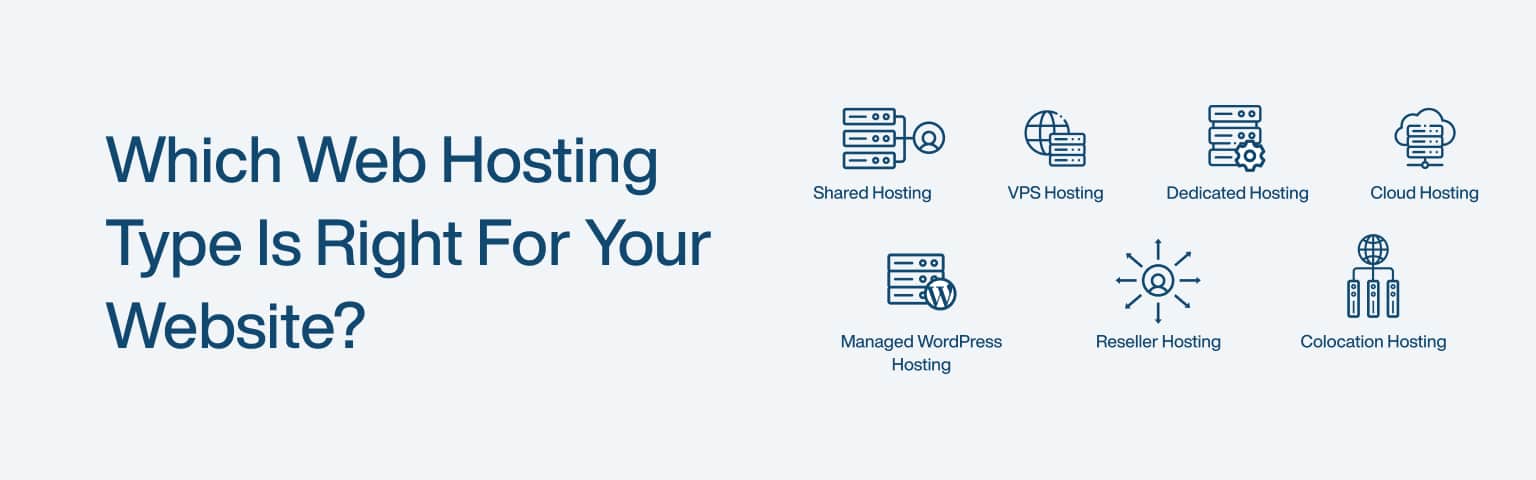
Which Web Hosting Type is Right for Your Website?

Choosing the right web hosting is a critical decision that can significantly impact the success and performance of your website. The right hosting ensures your site runs smoothly, loads quickly, and provides a reliable experience for your visitors. Conversely, selecting an inappropriate hosting type can lead to slow load times, frequent downtimes, and a poor user experience, ultimately affecting your website’s reputation and performance.

Importance of Choosing the Right Web Hosting

Web hosting serves as the foundation for your website. It’s where all your site’s files, databases, and resources are stored and accessed by visitors around the world. The type of hosting you choose affects several key aspects of your website, including:

  • Performance and Speed: Different hosting types offer varying levels of performance. A well-suited hosting plan ensures fast load times, crucial for user experience and SEO.
  • Scalability: As your website grows, your hosting needs will change. The right hosting type will allow you to scale up resources to accommodate increasing traffic and data without significant disruptions.
  • Security: Web hosting plays a vital role in securing your website. Different hosting plans have various security features that help protect your site from threats and vulnerabilities.
  • Support: Reliable customer and technical support is essential for resolving issues quickly. The right hosting provider offers robust support, ensuring minimal downtime and quick problem resolution.
  • Cost Efficiency: While choosing the cheapest option is tempting, it’s important to balance cost with the features and resources you need. Choosing the right plan can save money in the long run by avoiding potential issues arising from inadequate hosting.

Different Web Hosting Types

To make an informed decision, it’s essential to understand the various types of web hosting available, each designed to cater to different needs and levels of traffic. Here’s a brief overview of the most common web hosting types:

  • Shared Hosting: This is the most basic and cost-effective type of hosting, where multiple websites share the same server resources. It’s ideal for small websites and blogs with low to moderate traffic.
  • VPS Hosting (Virtual Private Server): VPS hosting provides a virtualized server environment, offering more resources and greater control than shared hosting. It’s suitable for growing websites and small businesses that need more reliability and performance.
  • Dedicated Hosting: In dedicated hosting, you rent an entire server exclusively for your website. This type offers maximum control, performance, and security, making it perfect for large websites with high traffic.
  • Cloud Hosting: Cloud hosting uses a network of virtual servers to host websites, providing scalability and flexibility. It’s ideal for websites with variable traffic patterns and those needing high availability.
  • Managed WordPress Hosting: Specifically designed for WordPress sites, this hosting type includes optimized performance, security features, and support tailored for WordPress users. It’s great for those who prefer a hands-off approach to technical management.
  • Reseller Hosting: Reseller hosting allows individuals or businesses to sell hosting services to others. It’s suitable for web developers and agencies looking to offer hosting as an additional service.
  • Colocation Hosting: With colocation, you own the server hardware and rent space in a data center. This option provides full control over the server while benefiting from the data center’s infrastructure and security.

Understanding Your Website Needs

Choosing the right web hosting starts with understanding your website’s specific requirements. Here’s a brief guide to help you assess your needs:

Traffic Expectations

Estimate your expected traffic. Low-traffic sites (e.g., personal blogs) can use shared hosting, while high-traffic sites (e.g., popular blogs, e-commerce) may need VPS, cloud, or dedicated hosting.

Type of Website

Identify your site’s purpose. Blogs and portfolios might need simple shared hosting, while e-commerce sites with higher security and performance demands often require VPS or dedicated hosting.

Required Resources

Consider the necessary storage and bandwidth. Media-rich sites need more storage and bandwidth compared to text-heavy sites. Evaluate the potential growth to ensure scalability.

Budget Considerations

Balance your needs with your budget. Shared hosting is budget-friendly but limited in resources. Investing in VPS, cloud, or dedicated hosting might be necessary for better performance and scalability as your site grows.

Types of Web Hosting

Shared Hosting

Shared hosting is like living in an apartment building where you share resources like water and electricity with other tenants. Your website shares the server with many others, which keeps costs down and makes it easy to get started.

This type of hosting is perfect for small blogs, personal websites, and small business sites that don’t get much traffic. It’s affordable and straightforward, making it a great choice for beginners.

VPS Hosting (Virtual Private Server)

Think of VPS hosting as a townhouse. You get more space and control compared to an apartment. Your website gets its portion of the server’s resources, providing better performance and more customization options.

VPS hosting is suitable for growing websites, small to medium-sized businesses, and sites that need more reliability and the ability to handle increased traffic. It’s a solid step up from shared hosting without breaking the bank.

Dedicated Hosting

Dedicated hosting is like owning your own house. You have the entire server to yourself, offering maximum control, performance, and security. You can customize everything to fit your needs.

This is perfect for large websites, high-traffic sites, and businesses that need top-notch performance and security. If your site gets a lot of visitors or handles sensitive data, dedicated hosting is the way to go.

Cloud Hosting

Cloud hosting is like living in a luxury condo with amenities spread across multiple buildings. Your website uses resources from a network of servers, making it highly scalable and reliable. If one server has issues, another can seamlessly take over.

Ideal for scalable applications, websites with fluctuating traffic, and projects that need high availability. It’s great for businesses that want flexibility and reliability without worrying about server management.

Managed WordPress Hosting

Managed WordPress hosting is like hiring a property manager for your WordPress site. Everything is optimized specifically for WordPress, from speed and security to updates and support.

It’s perfect for WordPress sites, bloggers, and anyone who prefers to focus on content rather than technical details. It ensures your WordPress site runs smoothly without the hassle of maintenance.

Reseller Hosting

Reseller hosting lets you rent out space in your server, like subletting an apartment. You can create and manage your clients’ hosting accounts under your brand.

This type of hosting is great for web developers, agencies, and entrepreneurs looking to offer hosting services to their clients. It’s a way to generate additional revenue while providing a valuable service.

Colocation Hosting

Colocation hosting is like owning your house but parking it in a high-security garage. You own the server hardware and rent space in a data center that provides power, cooling, and internet connectivity.

Best for businesses needing full control over their server hardware with the added benefits of data center infrastructure. It’s perfect for companies with specific hardware needs and high-security requirements.

Choosing the Right Hosting for Your Website

Assessing Your Needs

To select the best hosting for your website, start by thoroughly understanding your specific requirements. Match your website’s needs with the features offered by various hosting types. For example, a small personal blog might thrive on shared hosting due to its lower traffic and resource demands. In contrast, a growing e-commerce site with high traffic and security needs might benefit more from VPS or dedicated hosting.

Create a checklist of requirements that includes factors such as expected traffic, necessary storage, bandwidth, the importance of uptime, security needs, and any specific software or applications your website will use. This checklist will help you identify which hosting types and providers align best with your needs.

Considering Future Growth

When choosing a hosting plan, it’s essential to think about your website’s future. Plan for scalability to ensure your hosting can easily adapt to increased traffic and resource demands as your site grows. Opt for a hosting provider with flexible plans, allowing you to upgrade seamlessly without significant downtime or data migration issues.

Choosing a scalable hosting solution, like cloud hosting or a VPS, can provide the flexibility you need. Ensure the provider supports easy resource adjustments and has a clear path for scaling up your plan as your website expands.

Evaluating Hosting Providers

When evaluating hosting providers, consider key factors that impact your website’s reliability and performance. Look for providers with a strong track record of uptime and reliability, as consistent availability is crucial for maintaining your site’s credibility and user satisfaction. Customer reviews and testimonials can provide insights into other users’ experiences and the provider’s level of support.

Every website is unique, and the best hosting solution for one site may not be suitable for another. Take the time to evaluate your specific needs and thoroughly research the available options. By carefully considering your requirements and planning for future growth, you can choose a web hosting solution that ensures your website runs smoothly, remains secure, and can handle increased traffic as your business or blog grows.

Making an informed choice now will save you time, money, and potential headaches in the future. Take the first step towards finding the perfect website hosting by assessing your needs, planning for growth, and evaluating your options. Your website’s success depends on a strong, reliable hosting foundation.

Image File Types: A Comprehensive Guide to Formats and Uses

Images are crucial in communication, design, and information sharing in the digital age. From stunning photographs and intricate graphics to simple icons and web images, the type of image file you choose can significantly impact your digital content’s quality, usability, and performance. Understanding the different image file types is essential for anyone working with digital media, as it helps ensure that images are used and presented in the best possible way.

Importance of Understanding Different Image File Types

Each image file type has unique characteristics that make it suitable for specific applications. For instance, some formats are optimized for web use, offering smaller file sizes and faster loading times, while others prioritize high-quality and detailed imagery, making them ideal for print. Understanding which format to use can enhance the visual appeal of your project, improve performance, and ensure compatibility across various platforms and devices. Understanding image file types is crucial for preserving image quality during editing, conversion, and storage.

Raster vs. Vector Images

Understanding the differences between raster and vector images is fundamental to working with digital graphics. Each type of image has distinct characteristics and uses, making them suitable for different applications.

Raster Images

Definition: Raster images, or bitmap images, are composed of a grid of individual pixels, each representing a single point of color. When combined, these pixels create a complete picture.

Characteristics:

  • Resolution-Dependent: Raster images are defined by their resolution, the total number of pixels in the image. For digital displays, common resolutions are measured in dots per inch (DPI) for print or pixels per inch (PPI).
  • Detail and Color Depth: Raster images can display various colors and intricate details, making them ideal for photographs and complex images.
  • File Size: A raster image’s file size can be large, especially at higher resolutions and color depths. Compression techniques, such as JPEG and PNG, are often used to reduce file size.
  • Scalability: Raster images do not scale well. Enlarging a raster image results in a loss of quality, making the image pixelated or blurry.

Common Raster Image Formats:

  • JPEG (Joint Photographic Experts Group)
  • PNG (Portable Network Graphics)
  • GIF (Graphics Interchange Format)
  • BMP (Bitmap Image File)
  • TIFF (Tagged Image File Format)
  • WebP

Vector Images

Definition: Vector images are composed of paths defined by mathematical equations, which include points, lines, curves, and shapes. These paths can be scaled infinitely without any loss of quality.

Characteristics:

  • Resolution-Independent: Vector images can be resized to any dimension without losing quality, making them ideal for graphics that need to be used at various sizes.
  • Smaller File Size: Typically, vector files are smaller than high-resolution raster images, as they only store mathematical definitions of shapes rather than information for every pixel.
  • Editability: Vector graphics are highly editable. Each component can be individually manipulated, making them perfect for graphic design tasks.
  • Limited Color and Detail: While vectors are excellent for illustrations, logos, and designs that require clear lines and shapes, they are unsuitable for detailed images like photographs.

Common Vector Image Formats:

  • SVG (Scalable Vector Graphics)
  • EPS (Encapsulated PostScript)
  • AI (Adobe Illustrator)
  • PDF (Portable Document Format)

Common Raster Image Formats

JPEG (Joint Photographic Experts Group)

Features and Compression:

  • Lossy Compression: JPEG uses lossy compression to reduce file size, which means some image data is discarded to achieve smaller files. This can result in a slight loss of quality.
  • Adjustable Quality: The compression level can be adjusted, allowing a balance between image quality and file size.
  • Wide Color Range: Supports millions of colors, making it suitable for complex images like photographs.

Common Uses and Applications:

  • Photography: Ideal for digital photos due to its balance of quality and file size.
  • Web Images: These are commonly used for website images to ensure fast loading times.
  • Email and Document Sharing: Frequently used for sharing images via email or embedding in documents.

PNG (Portable Network Graphics)

Features and Transparency Support:

  • Lossless Compression: PNG uses lossless compression, preserving all image data without sacrificing quality.
  • Transparency: This feature supports alpha transparency, allowing for varying opacity levels, which is useful for web graphics and overlays.
  • High Quality: Maintains high image quality even after compression.

Common Uses and Applications:

  • Web Graphics: Ideal for transparent web images, such as logos, icons, and other graphics.
  • Digital Art: Used for storing and sharing high-quality digital art and illustrations.
  • Screenshots: Preferred for taking and sharing screenshots due to their lossless nature.

GIF (Graphics Interchange Format)

Features and Animation Support:

  • Lossless Compression: GIF uses lossless compression but is limited to 256 colors, making it less suitable for detailed images.
  • Animation: Supports simple animations, allowing for sequences of images to be played in a loop.
  • Transparency: Supports simple binary transparency (fully transparent or opaque pixels).

Common Uses and Applications:

  • Web Animations: Commonly used for simple web animations, memes, and short looping animations.
  • Icons and Buttons: These are used for web buttons and icons where simple transparency and small file sizes are needed.
  • Low-Color Images: Suitable for images with limited color palettes, such as line art and simple graphics.

BMP (Bitmap Image File)

Features and Uncompressed Nature:

  • Uncompressed: BMP files are typically uncompressed, resulting in large file sizes but preserving all image data.
  • High Quality: Stores image data in a straightforward format, ensuring high image quality.
  • Simple Structure: Easy to read and write, making it a basic format for image storage.

Common Uses and Applications:

  • Windows System: Commonly used in Windows applications and system graphics.
  • Raw Image Data: Suitable for storing raw, uncompressed image data for further processing.
  • Basic Graphics: Used in scenarios where simplicity and quality are prioritized over file size.

TIFF (Tagged Image File Format)

Features and High-Quality Storage:

  • Lossless Compression: TIFF can use lossless compression, preserving all image data without sacrificing quality.
  • Multiple Layers: Supports multiple layers and pages within a single file.
  • High Quality: Maintains the highest possible quality, suitable for detailed images.

Common Uses and Applications:

  • Professional Photography: Preferred by photographers for storing high-quality images without compression artifacts.
  • Publishing: Used in the publishing industry for high-quality image storage and printing.
  • Archiving: It is ideal for archiving important images due to its lossless nature and ability to store large amounts of data.

WebP

Features and Web Optimization:

  • Efficient Compression: WebP offers both lossy and lossless compression, achieving smaller file sizes while maintaining quality.
  • Transparency and Animation: Supports transparency and animation, similar to PNG and GIF.
  • Fast Loading: Optimized for web use, providing fast loading times without compromising quality.

Common Uses and Applications:

  • Web Images: Increasingly used for web images due to its balance of quality and file size.
  • Responsive Design: Ideal for responsive web design, ensuring images load quickly on various devices.
  • Modern Web Development: Adopted in contemporary web development practices to optimize website performance.

Specialized Image Formats

RAW

Features and Professional Photography Usage:

  • Uncompressed Data: RAW files contain unprocessed and uncompressed data directly from the camera’s sensor, preserving all the details and dynamic range.
  • Editable: These files offer extensive flexibility for post-processing, allowing photographers to adjust exposure, white balance, and other settings without degrading image quality.
  • Camera-Specific: Each camera manufacturer has its RAW format (e.g., CR2 for Canon, NEF for Nikon), which may require specific software for processing.

Common Uses and Applications:

  • Professional Photography: Preferred by professional photographers for capturing high-quality images that require detailed post-processing.
  • Editing and Retouching: Used in scenarios where significant editing, color correction, and retouching are needed.
  • Archiving: Ideal for archiving original, high-quality images with all details preserved.

HEIF (High-Efficiency Image Format)

Features and Modern Usage:

  • Efficient Compression: HEIF uses advanced compression techniques to produce smaller file sizes without compromising quality, often resulting in higher efficiency than JPEG.
  • High-Quality: Supports high-resolution images with a wide color gamut and depth, including 16-bit color.
  • Advanced Features: Includes support for transparency, multiple images (ideal for burst photos), and live photos (animation).

Common Uses and Applications:

  • Mobile Photography: Widely used in modern smartphones, such as iPhones, for efficiently capturing and storing high-quality images.
  • Web and App Development: Adopted in web and app development for its balance of quality and file size, enhancing performance and user experience.
  • Modern Imaging is ideal for scenarios requiring efficient storage of high-quality images, such as photo libraries and cloud storage.

PSD (Photoshop Document)

Features and Design Flexibility:

  • Layered Files: PSD files support multiple layers, including adjustment layers, text layers, and image layers, allowing complex edits and adjustments without altering the original image data.
  • High Quality: Maintains high image quality with support for various color modes (RGB, CMYK, Grayscale).
  • Extensive Editing Capabilities: Offers advanced editing features, such as masks, filters, and vector paths, making it a versatile tool for designers.

Common Uses and Applications:

  • Graphic Design: Graphic designers widely use it to create and edit detailed graphics, illustrations, and layouts.
  • Web Design: Employed in web design to create mockups, user interface designs, and web graphics.
  • Photo Editing: Preferred by photographers and retouchers for detailed image editing and manipulation.

ICO (Icon File)

Features and Use in Software Development:

  • Multi-Resolution: ICO files can contain multiple sizes and color depths of an icon, allowing the same file to be used across different resolutions and display settings.
  • Transparency Support: Supports transparency, enabling icons to blend seamlessly with various backgrounds.
  • Compact Size: Designed to be small and efficient, suitable for use in software and application interfaces.

Common Uses and Applications:

  • Software Development: Used to create icons for software applications, ensuring a consistent look across different platforms and devices.
  • Web Design: Employed for website favicons, providing a recognizable symbol in browser tabs.
  • User Interfaces: Used in operating systems and application interfaces for icons representing files, folders, and functions.

Understanding the features and applications of these specialized image formats allows you to choose the right format for your specific needs, ensuring optimal quality, efficiency, and functionality in your projects.

Choosing the Right Format

The right image format ensures quality, performance, and compatibility. Here’s a brief guide to help you choose the best format based on your needs.

For web use, prioritize formats that balance quality and file size. JPEG is ideal for photographs due to its small size and decent quality, while PNG is perfect for graphics needing transparency and higher quality. WebP offers both small file sizes and good quality, making it great for modern web applications.

High-quality formats are essential for print use. TIFF is the top choice for professional printing, providing excellent detail and color accuracy. PNG is also suitable for printing high-resolution graphics with transparency. JPEG can be used for prints if you select the highest quality settings.

For archiving, choose formats that preserve image quality. RAW files are perfect for storing original photos with all data intact. TIFF is excellent for high-quality image storage without losing detail. PNG is useful for archiving web graphics and images that need to remain high-quality.

In graphic design and editing, PSD is best for detailed work in Photoshop, while AI is ideal for vector graphics in Illustrator. EPS is commonly used for print designs and transferring artwork between programs.

For animation and interactive content, GIF works well for simple animations, while WebP is better for higher quality and smaller file sizes. HEIF is a modern choice for efficient storage of high-quality images and animations.

Considering these factors, you can choose the right image format to ensure optimal quality, performance, and compatibility.

How to Convert WebP to PNG: A Step-by-Step Guide

Two popular formats often come into play for digital images: WebP and PNG. WebP, developed by Google, is known for its ability to provide high-quality images with significantly reduced file sizes, making it a preferred choice for web developers looking to enhance website performance. On the other hand, PNG (Portable Network Graphics) is a widely supported format that offers lossless compression and excellent transparency support, making it ideal for various uses, from web design to professional graphic editing.

WebP

  • Developed by Google to improve web performance.
  • Offers both lossy and lossless compression.
  • Reduces file sizes significantly without compromising much on quality.
  • Supports transparency and animation.
  • Modern web browsers and tools increasingly support it.

PNG

  • Created as a non-patented replacement for GIF.
  • It provides lossless compression, ensuring no loss of image quality.
  • Widely supported across all browsers, devices, and image editing software.
  • Ideal for images requiring transparency (like logos and icons).
  • Supports a wide range of colors and high-quality graphics.

Reasons for Converting WebP to PNG

While WebP is excellent for web use due to its smaller file size, there are several reasons why one might need to convert WebP images to PNG:

  1. Compatibility: WebP is not universally supported across all platforms and software despite growing support. Converting to PNG ensures the image can be viewed and edited universally.
  2. Editing: Many graphic design tools and software are more compatible with PNG than WebP, making PNG a preferred choice for editing and professional use.
  3. Transparency Needs: PNG offers better support for transparency and higher quality alpha channels, which is crucial for specific design projects.
  4. Archiving and Sharing: PNG is a standard format for archiving high-quality images and sharing them across various platforms without worrying about compatibility issues.

Benefits of Using PNG over WebP

1. Universal Compatibility: PNG files are universally recognized and can be opened and edited in virtually any image viewer or editor. 

2. Lossless Compression: PNG provides lossless compression, ensuring no image quality is lost during the saving process, which is crucial for high-quality graphic work. 

3. Better Transparency Support: PNG handles transparency better than WebP, with support for high-quality alpha channels, making it ideal for images that need to be placed over various backgrounds.

 4. Wider Application: PNG is versatile and suited for numerous applications, from professional graphic design to simple web use, due to its broad support and quality.

Converting WebP to PNG ensures your images remain accessible, editable, and high-quality across different platforms and uses. This guide will walk you through converting WebP images to PNG using various methods, ensuring you choose the best approach for your needs.

What is WebP?

WebP is a modern image format developed by Google. It is designed to reduce file sizes while maintaining high image quality. It was introduced to enhance web performance by reducing the load time of web pages without compromising the visual experience.

Key Features of WebP:

  • Compression: WebP offers both lossy and lossless compression. Lossy compression reduces file size by discarding some data, which might affect quality. Lossless compression, on the other hand, retains all image data, ensuring no quality loss.
  • File Size: WebP images are significantly smaller than traditional formats like JPEG and PNG, making them ideal for web use where speed and efficiency are crucial.
  • Quality: Despite the smaller file sizes, WebP maintains good image quality, making it a preferred choice for websites looking to optimize performance.
  • Transparency and Animation: WebP supports transparency (alpha channel) in lossy and lossless modes, similar to PNG. It also supports animations, similar to GIFs, but with better compression.

What is PNG?

PNG (Portable Network Graphics) is a widely used image format known for its lossless compression and robust support for transparency. It was created as a replacement for GIF and has since become a standard format for high-quality graphics on the web and in professional settings.

Key Features of PNG:

  • Lossless Compression: PNG uses lossless compression, meaning the image retains all its data and quality. This makes it an excellent choice for detailed graphics and images where quality is paramount.
  • Transparency Support: PNG supports transparency with an alpha channel, allowing for varying opacity levels. This makes it ideal for images placed over different backgrounds without a visible border or background.
  • Color Depth: PNG supports various colors and can handle high-quality, detailed images. It is beneficial for images that require fine detail and precision.
  • Universal Compatibility: PNG is universally supported across all browsers, devices, and image editing software, making it a versatile and reliable format for various applications.

Tools for Conversion

Several tools are available for converting WebP to PNG, each with its own advantages and drawbacks. Here, we will explore online tools, software solutions, and command-line tools to help you choose the best method for your needs.

Online Tools

Pros:

  • Accessibility: Can be used from any device with an internet connection.
  • Ease of Use: User-friendly interfaces that require no installation or technical knowledge.
  • No Cost: Most online converters are free to use.

Cons:

  • Privacy Concerns: Uploading images to online services can raise privacy and security issues.
  • File Size Limitations: Some online tools restrict the size of files you can upload and convert.
  • Internet Dependency: Requires a stable internet connection for uploading and downloading files.

Popular Online Converters:

  • Convertio: A versatile tool that supports a wide range of formats. Simple drag-and-drop interface and fast conversion.
  • Online-Convert: Offers a variety of conversion options with customizable settings. Supports batch conversions and provides high-quality output.
  • Zamzar: Known for its simplicity and support for multiple file formats. Offers email notifications for completed conversions.
  • CloudConvert: Provides high-quality conversions and integrates with cloud storage services like Google Drive and Dropbox.

Software Solutions

Pros:

  • Advanced Features: More control over conversion settings and quality.
  • Batch Processing: Ability to convert multiple files simultaneously.
  • Offline Use: Can be used without an internet connection, ensuring privacy and security.

Cons:

  • Installation Required: Downloading and installing software might take up storage space.
  • Learning Curve: Some software may have a steeper learning curve than online tools.
  • Cost: Some software solutions may require a purchase or subscription.

Recommended Software:

  • Adobe Photoshop: Industry-standard software for image editing. Supports WebP with plugins and offers high-quality conversions.
  • GIMP: A free, open-source alternative to Photoshop. Supports WebP and PNG with powerful editing tools.
  • XnConvert: A user-friendly, free tool that supports batch conversion and various formats. Easy to use with efficient processing.

Command Line Tools

Pros:

  • Flexibility: Offers extensive customization and scripting capabilities for advanced users.
  • Batch Processing: Efficiently handle large volumes of files with a single command.
  • Integration: This can be integrated into automated workflows and scripts.

Cons:

  • Technical Knowledge: Requires familiarity with command line interface and commands.
  • Learning Curve: This may intimidate users who are uncomfortable with command-line operations.

Using ImageMagick:

  • Installation: ImageMagick is available for Windows, macOS, and Linux. It can be installed from the command line or downloaded from the official website.

Basic Command: To convert a WebP file to PNG, you can use a simple command:
magick input.webp output.png

Batch Conversion: Convert multiple WebP files to PNG with a single command:
magick mogrify -format png *.webp

  • Advanced Options: ImageMagick offers a variety of options for adjusting quality, resizing images, and more. Consult the ImageMagick documentation for detailed usage.

Choosing the right tool depends on your specific needs, technical comfort level, and the volume of images you need to convert. Online tools are great for quick, one-off conversions, while software solutions and command-line tools offer more control and efficiency for larger or more complex tasks.

Step-by-Step Conversion Process Using Online Tools

Converting WebP files to PNG using online tools is straightforward and convenient. Here’s a step-by-step guide to help you through the process:

1. Selecting a Reliable Online Converter

Start by choosing a reputable online converter. Some popular options include Convertio, Online-Convert, Zamzar, and CloudConvert. These tools are known for their ease of use and reliable conversion quality.

2. Uploading WebP Files

Once you’ve selected an online converter, follow these steps:

  • Visit the Website: Navigate to the homepage of the chosen online converter.
  • Upload Button: Look for the upload button prominently displayed on the main page.
  • Select Files: Click the upload button to open a file selection dialog. Navigate to the folder containing your WebP files and select the ones you wish to convert. Most converters allow you to select multiple files at once for batch conversion.

3. Choosing Output Format (PNG)

After uploading your WebP files, you need to specify the output format:

  • Output Format Menu: Look for a dropdown menu or a list of output formats. This is usually found next to or below the uploaded files.
  • Select PNG: From the list of available formats, choose PNG as your desired output format. Some converters may also offer additional settings for image quality or size adjustments.

4. Initiating the Conversion

With your files uploaded and the output format selected, you can start the conversion process:

  • Convert Button: Look for the convert button, which might be labeled as “Convert,” “Start Conversion,” or something similar.
  • Initiate Conversion: Click on the convert button to begin the process. The converter will start processing your files. Depending on the size and number of files, this may take a few seconds to a few minutes.

5. Downloading the Converted PNG Files

Once the conversion is complete, you’ll need to download your new PNG files:

  • Download Links: The converter will provide download links for your converted files. These links are displayed on the same page or redirected to a download page.
  • Download Files: Click each link to save the PNG files to your computer. Some converters offer a “Download All” button to download a ZIP file containing all the converted images simultaneously.
  • Check Files: After downloading, open a few PNG files to ensure they have been converted correctly and maintain the desired quality.

Tips for Effective Conversion

When converting WebP files to PNG, it’s important to ensure that the process is efficient and maintains the quality of your images. Here are some tips to help you achieve effective conversion:

1. Maintaining Image Quality

  • Choose High-Quality Settings: If the converter offers options for adjusting the quality of the output file, always select the highest-quality setting to ensure the image retains as much detail as possible.
  • Avoid Multiple Conversions: Repeatedly converting images between different formats can degrade quality. Limit the number of conversions and always start with the highest quality source file.
  • Resolution Settings: Ensure that the resolution of the converted PNG matches the original WebP file to avoid loss of detail.

2. Managing Large Batches

  • Batch Conversion Tools: Use tools that support batch conversion to save time. Many online converters and software solutions, like XnConvert and ImageMagick, allow you to convert multiple files simultaneously.
  • Organize Files: Before converting, organize your files into folders based on their purpose or destination. This makes it easier to manage and locate them post-conversion.
  • Stable Internet Connection: When using online tools for large batches, ensure a stable internet connection to avoid interruptions during the upload or download.

3. Ensuring Transparency is Preserved

  • Check Settings: Verify that the conversion tool supports alpha channels when converting transparent images. Some converters might have specific settings for preserving transparency.
  • Test Conversion: Before converting a large batch, test the conversion on a single file to maintain transparency. This helps avoid issues that could affect a larger set of images.
  • Software Solutions: Use reputable software solutions like GIMP or Adobe Photoshop, which are known for handling transparency effectively.

4. Checking File Integrity Post-Conversion

  • Visual Inspection: Open a few of the converted PNG files to inspect them visually for loss of quality, changes in resolution, or missing details.
  • Compare File Sizes: Due to their lossless nature, PNG files are generally larger than WebP files, and any drastic differences in file size could indicate potential issues.
  • Metadata Check: If necessary, ensure that any essential metadata (such as creation date, camera settings, etc.) is preserved during the conversion. Some tools allow you to maintain metadata during the process.
  • Software Validation: Open the converted PNG files in image editing software and verify that all features (like transparency) are intact. This is particularly important for files used in professional or web design projects.

Common Issues and Troubleshooting

Converting WebP files to PNG can sometimes come with challenges. Here are some common issues you might encounter and how to troubleshoot and resolve them:

1. Errors During Conversion

Possible Issues

  • Internet Connectivity: If you’re using an online converter and experience errors, it might be due to an unstable internet connection.
  • File Corruption: The original WebP file might be corrupted, causing conversion errors.
  • Server Issues: The online conversion service might be experiencing downtime or server problems.

Solutions

  • Check Internet Connection: Ensure you have a stable and strong internet connection before starting the conversion process.
  • Try Another File: Test the conversion process with another WebP file to determine if the issue is with the specific file or the service.
  • Use Different Tools: If an online converter fails, try another reliable service or switch to a software solution like GIMP or Photoshop.
  • Contact Support: If using a paid service, contact customer support for assistance.

2. Quality Loss Issues

Possible Issues

  • Improper Settings: The converter might use default settings that reduce the image quality.
  • Multiple Conversions: Converting images numerous times between different formats can degrade quality.

Solutions

  • Adjust Settings: Ensure you select the highest quality settings available during conversion.
  • Use High-Quality Tools: Choose tools known for preserving image quality, like Adobe Photoshop or ImageMagick.
  • Limit Conversions: Avoid converting images back and forth between formats to minimize quality loss.

3. Unsupported File Errors

Possible Issues

  • Format Compatibility: Your tool might not support WebP files or be updated to handle the latest WebP specifications.
  • File Type Mistake: The file might not be a WebP file or be mislabeled.

Solutions

  • Check File Type: Verify that the file is indeed in WebP format. Sometimes, files need to be labeled correctly and renamed correctly.
  • Update Software: Ensure your software or online tool is up-to-date and supports WebP conversion.
  • Try Different Tools: Use another converter that explicitly supports WebP files, such as Convertio or GIMP.

4. Solutions and Fixes

General Tips

  • Test Before Batch Conversion: Always test the conversion with a single file before processing large batches to ensure the tool works as expected.
  • Use Reputable Tools: Stick to well-known and frequently updated tools for conversions. This reduces the chances of encountering unsupported file errors and other issues.
  • Follow Guides and Tutorials: If you’re new to using certain software or command-line tools, follow online guides and tutorials to ensure you’re using them correctly.

Specific Solutions

  • GIMP:
    • Open GIMP.
    • Go to File > Open and select your WebP file.
    • Once opened, go to File > Export As and choose PNG as the format.
    • Ensure settings preserve transparency and high quality before exporting.
  • ImageMagick (Command Line):
    • Install ImageMagick from the official website.
    • Use the command: magick input.webp output.png
    • For batch conversion: magick mogrify -format png *.webp

By addressing these common issues with appropriate solutions and fixes, you can ensure a smoother and more reliable conversion process from WebP to PNG, maintaining the quality and integrity of your images.

Use Cases and Applications

Converting WebP to PNG is a crucial process in various fields due to the versatility and wide compatibility of PNG files. Here are some specific use cases and applications:

1. Web Development and Design

Optimizing Web Performance

  • Faster Load Times: While WebP is great for reducing file sizes and speeding up website load times, not all browsers support it fully. Converting to PNG ensures compatibility without sacrificing too much on performance.
  • Responsive Design: PNG files can be used alongside WebP to ensure images display correctly on all devices and browsers. Developers can use a fallback mechanism where the browser loads a PNG if it doesn’t support WebP.

Ensuring Visual Quality

  • High-Quality Graphics: PNG’s lossless compression ensures the highest quality for elements like logos, icons, and detailed graphics, making it perfect for responsive and visually appealing web design.
  • Transparency: PNG’s support for transparency is crucial for overlaying images and graphics that blend seamlessly with different backgrounds.

2. Graphic Design Projects

Precision and Detail

  • Detailed Artwork: PNG’s lossless nature makes it ideal for graphic design projects that require detailed and high-resolution images, such as illustrations, infographics, and digital art.
  • Editing Flexibility: Graphic designers often prefer PNG files because they retain all details and quality, making them suitable for iterative design processes.

Print Media

  • High-Resolution Prints: When preparing digital artwork for print, designers convert WebP files to PNG to ensure the highest resolution and quality in printed materials.

3. Digital Content Creation

Multimedia Projects

  • Videos and Animations: PNG is often used in editing and animation for high-quality image sequences and sprites. Converting WebP to PNG ensures compatibility with most video editing software.
  • Social Media Content: PNG’s quality and transparency support make it a preferred choice over WebP for creating visually striking social media posts.

E-Books and Publications

  • Quality Illustrations: Digital publications like e-books and online magazines often require high-quality images. Converting WebP to PNG ensures that images are clear and professional.
  • Interactive Content: PNG is suitable for interactive digital content where image clarity and detail are paramount.

4. Ensuring Compatibility Across Platforms and Browsers

Cross-Browser Support:

  • Widespread Compatibility: While WebP is gaining traction, it’s not yet universally supported by all browsers and platforms. Converting to PNG ensures that images are viewable across all browsers, including older versions.
  • Fallback Mechanisms: Developers often use PNG as a fallback for WebP images in HTML and CSS to ensure that all users have a consistent experience regardless of their browser.

Cross-Platform Applications

  • Mobile and Desktop Apps: PNG files are universally supported across various operating systems and applications, making them ideal for mobile and desktop applications.
  • Email Marketing: Emails with embedded images must be displayed correctly on various email clients. PNG’s broad compatibility ensures that images are adequately rendered by all email clients.

Converting WebP files to PNG ensures your digital content is accessible, high-quality, and compatible across various platforms, browsers, and applications. This makes PNG an essential format for web developers, graphic designers, and digital content creators aiming to deliver a seamless and visually appealing user experience.

Conclusion

Converting WebP files to PNG is a straightforward process that can significantly enhance the accessibility, compatibility, and quality of your digital images. Each conversion tool has strengths and weaknesses; the best choice often depends on your requirements and preferences. Feel free to try multiple tools to see which works best for you. Experiment with different online converters, software solutions, and command-line tools to find the perfect balance of convenience, quality, and functionality. Doing so, you’ll be better equipped to handle various conversion tasks and ensure your images are always presented at their best.

15 Tagline & Brand Slogan Examples (+ Why They’re Effective)

Taglines and brand slogans are crucial in shaping a company’s identity and connecting with its audience. These brief phrases capture the essence of a brand’s promise, values, and personality, making them memorable and impactful. An effective slogan can enhance brand recognition, evoke emotions, and differentiate a company from its competitors.

This article will explore 15 examples of successful taglines and brand slogans, analyzing what makes them effective. By examining these examples, we can uncover the strategies behind their success and learn how to craft powerful slogans for any brand.

What Makes a Slogan Effective?

Successful taglines share several key characteristics that make them stand out and resonate with audiences. They are:

  • Memorable: A good slogan sticks in the mind and is easy to recall. It uses catchy phrasing and rhythm to ensure it is not easily forgotten.
  • Simple: Simplicity is crucial. Effective slogans use clear, concise language to convey the message without complexity.
  • Unique: They differentiate the brand from competitors by highlighting what makes it special or distinct.
  • Relevant: The slogan should be appropriate to the brand’s identity and resonate with its target audience.

The Role of Memorability, Simplicity, and Emotional Connection

Memorability: A memorable slogan ensures that the brand stays top-of-mind for consumers. This is achieved through catchy wording, alliteration, rhyme, or clever wordplay.

Simplicity: Simplicity aids in quick understanding and retention. Short, straightforward slogans are more likely to be remembered and repeated by consumers.

Emotional Connection: Effective slogans often evoke an emotional response, whether it’s joy, trust, excitement, or nostalgia. By tapping into emotions, a slogan can create a deeper bond between the brand and its audience, making it more relatable and engaging.

How to Write a Brand Slogan

Writing a brand slogan may seem challenging, but with a few helpful tips, you can create an effective one:

  1. Identify Your Audience: Understand your target audience’s values and needs to create a slogan that resonates with them.
  2. Outline Your Mission: Reflect your brand’s core values and mission in your slogan to ensure it aligns with your brand’s goals.
  3. Keep It Short and Simple: Aim for a concise slogan, ideally eight words or less, to convey your message clearly and memorably.
  4. Use Power Words: Incorporate impactful words and phrases that evoke emotion and prompt action.
  5. Test and Refine: Gather feedback from family, friends, and customers to refine your slogan based on their input.

Tagline and Brand Slogan Examples

Nike – “Just Do It.”

Nike’s slogan inspires action and perseverance, resonating with athletes and anyone pursuing goals. It’s short, memorable, and universally motivating, encouraging people to push their limits.

Apple – “Think Different.”

Apple’s slogan celebrates innovation and creativity, positioning the brand as a leader in technology and appealing to individuals who see themselves as forward-thinkers and non-conformists.

McDonald’s – “I’m Lovin’ It.”

This slogan creates a positive emotional connection, emphasizing enjoyment and satisfaction. It’s simple, catchy, and invokes a sense of happiness and comfort associated with McDonald’s food.

KFC – “It’s Finger-Lickin’ Good.”

KFC’s slogan highlights its food’s delicious, indulgent nature, appealing to sensory experiences. It emphasizes taste and satisfaction, making the brand memorable and mouth-watering.

Burger King – “Have It Your Way.”

Burger King’s slogan promotes customization and customer satisfaction, highlighting the brand’s commitment to providing personalized dining experiences where customers can have their meals tailored to their preferences.

Subway – “Eat Fresh.”

Subway’s slogan emphasizes the freshness and healthiness of its ingredients, appealing to health-conscious consumers who want quick yet nutritious meal options.

Dunkin’ – “America Runs on Dunkin’.”

This slogan positions Dunkin’ as an essential part of daily life, especially for coffee lovers and busy individuals. It suggests that Dunkin’ products are integral to starting the day right.

Coca-Cola – “Open Happiness.”

Coca-Cola’s slogan associates the brand with joy and positive experiences. It evokes feelings of happiness and moments of pleasure shared with others, making it emotionally appealing.

Rice Krispies – “Snap! Crackle! Pop!”

This playful slogan emphasizes the distinctive sounds and fun aspect of eating Rice Krispies, making it memorable and engaging for children.

M&M’s – “Melts in Your Mouth, Not in Your Hands.”

M&M’s slogan highlights the product’s quality and convenience. It reassures customers of a pleasant, mess-free eating experience, emphasizing both the candy’s enjoyment and practicality.

Lay’s – “Betcha Can’t Eat Just One.”

Lay’s slogan plays on the irresistibility of their chips, suggesting that they are so tasty that it’s impossible to stop at just one. This creates a sense of challenge and engagement with the consumer.

Walmart – “Save Money. Live Better.”

Walmart’s slogan emphasizes value and quality of life. It appeals to budget-conscious shoppers by promising that saving money at Walmart will enhance their lives.

Target – “Expect More. Pay Less.”

Target’s slogan promises high quality and good value, setting the expectation that customers will receive more for their money, balancing quality and affordability.

Levi’s – “Quality Never Goes Out of Style.”

Levi’s slogan underscores the timelessness and durability of their products, appealing to consumers looking for long-lasting and stylish apparel.

Mercedes-Benz – “The Best or Nothing.”

Mercedes-Benz’s slogan conveys a commitment to excellence and luxury, appealing to consumers who seek the highest quality and are willing to invest in superior products.

Analyzing Common Themes

Common Elements Among the Slogans

Effective slogans often share key elements such as simplicity, memorability, and emotional resonance. These taglines are concise and easy to recall, frequently using catchy phrases or rhythmic patterns that stick in the mind. They convey the brand’s message and values, making them instantly recognizable.

How They Appeal to Emotions, Values, or Lifestyle

Many successful slogans tap into emotions, values, or lifestyle aspirations. For instance, Nike’s “Just Do It” inspires action and perseverance, appealing to the drive for achievement. Apple’s “Think Different” speaks to creativity and innovation, resonating with those who value originality. Coca-Cola’s “Open Happiness” invokes joy and connection, while Walmart’s “Save Money. Live Better.” appeals to the desire for financial prudence and improved living standards. By connecting with these deeper emotional and aspirational themes, slogans create a strong, lasting impact on their audience.

Conclusion

Effective taglines and brand slogans are simple, memorable, and emotionally resonant. They convey a brand’s message and values, often using catchy phrases that stick in the mind. Slogans like Nike’s “Just Do It” inspire action, while Apple’s “Think Different” appeals to innovation and creativity. These taglines connect with audiences on a deeper level, making the brand more relatable and engaging.

When crafting memorable and impactful slogans, focus on clarity, emotional connection, and relevance to your brand’s core values. A well-crafted slogan can enhance brand recognition, foster loyalty, and differentiate your brand in a competitive market.

20 Green Company Logos from Famous Brands

In today’s world, sustainability and environmental consciousness are more important than ever. Many companies are adopting greener practices and reflecting their ecological commitment through branding. One of the most potent ways they do this is by incorporating green into their logos. Green is universally associated with nature, growth, and eco-friendliness, making it an ideal choice for brands looking to communicate their dedication to sustainability.

Psychology Behind Green Color in Branding

Color psychology is crucial in branding, as colors can evoke specific emotions and associations influencing consumer behavior. Green colors are commonly used in branding due to their powerful psychological impacts. Here’s a closer look at the psychology behind color and how it affects brand perception.

Nature and Environment

Green is universally associated with nature, plants, and the environment. It evokes feelings of tranquility, health, and freshness. Green brands often want to emphasize their connection to nature and their commitment to environmental sustainability.

Growth and Renewal

Green symbolizes growth, renewal, and rebirth. It suggests progress and forward-thinking. Companies may use green to convey innovation and their efforts to evolve and improve.

Safety and Calm

Green has a calming effect and is often associated with safety. It is a restful color for the human eye and can help create a sense of balance and harmony. Green is an excellent choice for brands looking to establish trust and reliability.

Company Logos: 20 Examples from Well-Known Brands

Logos play a crucial role in branding, serving as the visual representation of a company’s identity, values, and mission. Among the myriad of colors available, green stands out due to its psychologically solid impacts and associations. Many well-known brands incorporate these colors into their logos to convey specific messages and connect with their audience on a deeper level. Here are 20 examples of company logos from famous brands that effectively use green in their designs.

Starbucks

Starbucks Logo

The Starbucks logo is one of the world’s most recognizable and iconic. It is known for its distinctive green color and the mythical siren at its center. This logo represents the brand’s identity and conveys deeper meanings through its design and color choice.

Sprite

Sprite Logo

The Sprite logo is a striking example of how color can effectively convey a brand’s identity and message. Known for its crisp, clean taste, Sprite uses a vibrant green color in its logo to reinforce its brand values and appeal to its audience. Here’s a closer look at the psychology and symbolism behind the green Sprite logo.

Hulu

Hulu Logo

Hulu, the popular streaming service, has chosen green as the primary color for its logo, creating a distinctive and memorable brand identity. The choice of green in Hulu’s logo is visually appealing and carries deeper psychological and symbolic meanings that align with the brand’s mission and values.

Garnier

Garnier, a well-known beauty and personal care brand, prominently features green in its logo. This color choice is more than just a design preference; it strategically conveys the brand’s commitment to natural ingredients and eco-friendly practices. 

Lacoste

Lacoste Logo

Lacoste, the renowned French fashion brand, is instantly recognizable by its distinctive green crocodile logo. This logo is more than just a brand emblem; it carries deep symbolism and reflects Lacoste’s unique identity and heritage. 

Shopify

Shopify Logo

Shopify, a leading e-commerce platform, features a distinctive green shopping bag logo representing its brand identity and values. The choice of green in the Shopify logo is intentional, conveying several psychological and symbolic meanings that resonate with its users and reflect the company’s mission.

Heineken

Heineken Logo

One of the world’s most recognizable beer brands, Heineken, features a distinctive green logo synonymous with quality and tradition. The green color in the Heineken logo is more than just a design choice; it carries deep psychological and symbolic meanings that align with the brand’s identity and values.

Tropicana

Tropicana Logo

Tropicana, a well-known brand in the beverage industry, prominently features green in its logo. The green color conveys various psychological and symbolic meanings, perfectly aligning with Tropicana’s brand identity and mission to provide fresh, healthy, and natural products.

Subway

Subway Logo

Subway, a global fast-food chain known for its sandwiches and salads, features a distinctive green logo. Green in Subway’s branding is strategic, conveying health, freshness, and environmental consciousness messages. 

WhatsApp

WhatsApp Logo

WhatsApp, one of the world’s most popular messaging apps, features a distinctive green logo synonymous with seamless communication. The choice of green is strategic, reflecting the app’s values and enhancing its appeal.

Mirinda

Mirinda Logo

Mirinda, a popular carbonated soft drink brand known for its bold flavors and vibrant image, features a distinctive green logo. This color choice is not merely aesthetic but carries significant psychological and symbolic meanings that align with the brand’s identity and appeal.

Xbox

Xbox Logo

Xbox, Microsoft’s renowned gaming brand, features a distinctive green logo that has become an icon in the gaming world. The green color in the Xbox logo is a strategic choice, reflecting various psychological and symbolic meanings that resonate with gamers and convey the brand’s identity. 

John Deere

John Deere Logo

John Deere, a leader in agricultural machinery and equipment, is instantly recognizable by its iconic green and yellow logo. The choice of green is deeply symbolic and carries significant psychological meanings that align with the brand’s heritage and values.

Android

Android Logo

Android, Google’s mobile operating system, features a distinctive green logo that has become one of the most recognizable symbols in the tech world. The choice of green for the Android logo is strategic and carries significant psychological and symbolic meanings that align with the brand’s identity and appeal. 

Carlsberg

Carlsberg Logo

Carlsberg, a renowned Danish brewing company, is easily recognized by its iconic green logo. Green in Carlsberg’s branding is deliberate and deeply symbolic, reflecting the company’s heritage, quality, and commitment to sustainability.

Greenpeace

Greenpeace Logo

Greenpeace, one of the most prominent environmental organizations in the world, features a distinctive green logo. The use of green in Greenpeace’s branding is deeply symbolic and aligns perfectly with the organization’s mission to protect the environment.

Land Rover

Land Rover Logo

Land Rover, a renowned British automobile brand known for its robust and versatile vehicles, features a distinctive green logo. The green color in Land Rover’s branding is intentional, reflecting the brand’s identity and values. 

Tic Tac

Tic Tac Logo

Tic Tac, a globally recognized brand of breath mints, features a distinctive green logo that effectively communicates its brand values and appeal. Using green in Tic Tac’s branding is strategic, conveying various psychological and symbolic meanings. 

Acer

Acer Logo

Acer, a globally recognized brand in the technology industry, features a distinctive green logo that symbolizes its commitment to innovation, growth, and environmental consciousness. The choice of green in Acer’s logo is strategic, reflecting various psychological and symbolic meanings that resonate with consumers and align with the brand’s mission.

Animal Planet

Animal Planet Logo

Animal Planet, a popular television network dedicated to nature and wildlife, features a distinctive green logo that effectively conveys the channel’s mission and values. The choice of green in Animal Planet’s logo is intentional, reflecting various psychological and symbolic meanings that resonate with viewers and align with the brand’s identity.

Do you know How Top Brands Use Color Psychology in Logo Design?

Creating the Perfect Pairing with Green Company Logos: What Goes with Green?

Choosing the right colors to pair with green in company logos is essential for creating a visually appealing and compelling brand identity. Green is a versatile color that can evoke various emotions and meanings, such as nature, growth, freshness, and sustainability. When paired correctly, it can enhance the overall impact of a logo. Here are some colors that complement green beautifully, along with examples and the psychological effects of each combination.

Green and White

White adds a sense of purity, simplicity, and clarity to the vibrant energy of green. This combination often feels fresh, clean, and environmentally friendly.

Green and Yellow

Yellow brings warmth, optimism, and energy to green, enhancing feelings of growth and positivity. This pairing is lively and can attract attention.

Green and Black

Black adds sophistication, strength, and elegance to green. This bold combination can convey a sense of luxury and professionalism.

Green and Orange

Orange brings enthusiasm, creativity, and warmth to green. This combination is vibrant and can stimulate energy and excitement.

Green and Grey

Grey adds a sense of balance, neutrality, and sophistication to green. This combination can be modern and understated, conveying reliability and professionalism.

Email Marketing Tools: Enhance Your Campaigns with These Must-Have Platforms

Introduction

Email marketing tools are essential for running effective and efficient email campaigns. These tools help you automate processes, personalize messages, segment your audience, and analyze results. Choosing the right email marketing platforms can enhance your campaigns, engage your audience better, and achieve your marketing goals more efficiently. This blog will explore some must-have email marketing tools that can take your campaigns to the next level.

What Are Email Marketing Tools?

Email marketing tools are software platforms that help businesses create, send, and manage email campaigns. These tools simplify reaching your audience with targeted, personalized messages. They offer a range of features to automate tasks, segment your audience, and analyze the effectiveness of your campaigns.

Key Features to Look for in Email Marketing Tools

When choosing an email marketing tool, it’s important to consider features that will enhance your campaigns and make your marketing efforts more efficient. Here are some key features to look for:

Automation

Automation allows you to schedule and send emails automatically based on specific triggers or timelines. This feature helps you save time and ensures that your emails are sent at the right moment to maximise engagement.

Segmentation

Segmentation lets you divide your email list into smaller, more targeted groups based on demographics, behavior, or preferences. You can increase engagement and conversion rates by sending relevant content to each segment.

Personalization

Personalization features enable you to customize emails with the recipient’s name, preferences, and past interactions. Personalized emails feel more relevant to the recipient and can significantly improve open and click-through rates.

Templates

Pre-designed templates help you create professional-looking emails quickly and easily. Look for tools that offer a variety of customizable templates to suit different types of campaigns and branding styles.

Analytics

Analytics provide insights into the performance of your email campaigns. Key metrics to track include open rates, click-through rates, conversions, and unsubscribe rates. Detailed analytics help you understand what works and what doesn’t, allowing you to optimize future campaigns.

Integration

Integration capabilities allow your email marketing tool to connect with other platforms and tools, such as CRM systems, social media, and eCommerce platforms. This ensures a seamless workflow and better data management across your marketing efforts.

User-Friendly Interface

A user-friendly interface makes creating, managing, and analyzing email campaigns easier. Look for intuitive and easy-to-navigate tools, even for those who need to be tech-savvy.

Considering these key features, you can choose an email marketing tool that best fits your needs and helps you enhance your campaigns for better engagement and results.

Top Email Marketing Tools

Choosing the right email marketing tool can significantly enhance your campaigns. Here are some of the top email marketing tools that can help you achieve your marketing goals:

Mailchimp

Mailchimp is a popular tool for managing email marketing. It’s like a helpful assistant for sending emails to customers and fans of your business. Let’s dive into what Mailchimp does and why many people use it. Mailchimp is a platform that lets you create, send, and manage emails easily. It’s designed to help businesses reach customers through emails, newsletters, and automated messages.

Properties of Mailchimp

Easy Email Creation: Mailchimp provides templates and a drag-and-drop editor, making it simple to design beautiful emails without knowing how to code.

Automated Campaigns: You can set up emails to be sent based on specific actions, like when someone joins your email list or has a birthday.

Audience Management helps you organize your email list by grouping your contacts based on their interests or how they interact with your emails. This makes it easier to send targeted messages.

Reports and Analytics: Mailchimp shows how many people opened your emails and clicked on links after you sent them. This helps you understand what works and what doesn’t.

Benefits of Using Mailchimp

Saves Time: Automation features let you set up things once, like welcome emails, and Mailchimp sends them out at the right time.

Improves Engagement: With Mailchimp, you can send relevant messages to specific groups of people. This personal touch can make customers more interested in your words.

Cost-Effective: Mailchimp has a free plan, which is excellent for small businesses or startups starting to build their email lists.

Increases Sales: By sending out regular updates and promotions, Mailchimp can help boost sales, as customers are reminded of your products and services.

Constant Contact

Constant Contact is a widely-used email marketing tool that helps businesses manage their email communications effectively. It’s designed to make it easy for companies to create, send, and track email campaigns. Constant Contact is a platform that allows companies to create and manage email marketing campaigns. It’s known for its user-friendly interface and robust feature set.

Properties of Constant Contact:

Simple Email Creation: Provides a variety of templates and a drag-and-drop editor for easy email design.

Automation Tools: Allows automated email series to nurture leads or follow up with customers.

List Management: Helps you manage and segment your email lists to target specific audiences.

Detailed Analytics: Offers insights into email performance, including open rates, click-through rates, and more.

Benefits of Using Constant Contact:

Ease of Use: Designed to be user-friendly, making it easy for anyone to create professional-looking emails.

Improved Engagement: Tools for segmentation and personalization help improve email engagement rates.

Customer Support: Offers extensive customer support to help users get the most out of the platform.

Events Management: Includes features for managing events and collecting registrations.

SendinBlue

SendinBlue is an email marketing tool offering SMS marketing and chat functionalities. It’s a versatile platform suitable for businesses of all sizes. SendinBlue is a platform that helps companies communicate with their customers through email, SMS, and chat.

Properties of SendinBlue:

Multi-Channel Marketing: Supports email, SMS, and chat campaigns.

Email Design: Offers a drag-and-drop editor and a variety of templates for creating emails.

Automation: Provides powerful automation workflows to engage customers at the right time.

Transactional Emails: You can send transactional emails such as order confirmations and password resets.

Benefits of Using SendinBlue:

All-in-One Platform: Combines email, SMS, and chat, making it a versatile communication tool.

Affordable Pricing: Offers competitive pricing, including a free plan with essential features.

Scalable: Suitable for both small businesses and large enterprises with varying needs.

Enhanced Engagement: Automation and segmentation features help improve customer engagement.

HubSpot

HubSpot is a comprehensive marketing, sales, and service platform with powerful email marketing tools. It’s known for its inbound marketing methodology. It provides tools for email marketing, CRM, content management, and social media marketing.

Properties of HubSpot:

Email Personalization: Advanced personalization options to tailor emails to individual recipients.

Automation and Workflows: Create complex automation workflows to nurture leads and engage customers.

Integrated CRM: Seamlessly integrates with HubSpot’s CRM for a unified view of customer interactions.

Detailed Analytics: Provides in-depth analytics to track email performance and overall marketing impact.

Benefits of Using HubSpot:

Comprehensive Toolset: Combines email marketing with CRM, social media, and content management tools.

Inbound Marketing: Supports inbound marketing strategies focusing on attracting and engaging customers.

Scalable Solutions: Offers solutions for businesses of all sizes, from startups to large enterprises.

Enhanced Personalization: Personalization features help increase email relevance and engagement.

Omnisend

Omnisend is an e-commerce-focused email marketing tool that integrates multiple channels, including SMS and social media, to provide a seamless marketing experience. Omnisend is a platform for e-commerce businesses to create, automate, and optimize email marketing and SMS campaigns.

Properties of Omnisend:

E-commerce Integration: Easily integrates with popular e-commerce platforms like Shopify and WooCommerce.

Automation: Offers pre-built automation workflows tailored for e-commerce, such as cart abandonment emails.

Multi-Channel Marketing: Supports email, SMS, and social media retargeting.

Product Recommendations: Dynamic content features to recommend products based on customer behavior.

Benefits of Using Omnisend:

E-commerce Focus: Designed for online retailers, with features tailored to their needs.

Multi-Channel Approach: Combines email, SMS, and social media to reach customers across multiple channels.

Improved Conversions: Automation and product recommendations help increase sales and customer retention.

Ease of Use: User-friendly interface and templates simplify campaign creation.

ActiveCampaign

ActiveCampaign is a robust email marketing and automation tool that combines email marketing, marketing automation, and CRM capabilities. ActiveCampaign is a platform that offers email marketing, automation, and CRM tools to help businesses engage with their customers.

Properties of ActiveCampaign:

Advanced Automation: Create complex automation sequences to engage and nurture leads.

Segmentation: Advanced segmentation options to target specific audience groups effectively.

Integrated CRM: Combines email marketing with CRM to manage customer relationships.

Analytics and Reporting: Provides detailed analytics to track the performance of email campaigns and automation.

Benefits of Using ActiveCampaign:

Powerful Automation: Advanced automation features streamline marketing processes and improve efficiency.

Personalization: Deep personalization capabilities enhance customer engagement.

Integrated Platform: Combines marketing, sales, and customer service tools in one platform.

Scalability: Suitable for businesses of all sizes, offering scalable solutions to grow your business.

These tools provide various features to help businesses manage their email marketing campaigns effectively, each catering to different needs and preferences.

How to Choose the Right Email Marketing Tool for Your Business

Selecting the right email marketing tool is crucial for the success of your campaigns. Here’s how to choose the best tool for your business:

Assess Your Needs

Identify what you need from an email marketing tool. Consider the following questions:

What are your primary goals (e.g., automation, segmentation, analytics)?

How extensive is your email list?

What type of content do you send regularly?

Budget Considerations

Determine your budget for an email marketing tool. Different tools offer various pricing plans:

Free Plans: Some tools offer free versions with basic features suitable for small businesses or beginners.

Paid Plans: More advanced features come with paid plans. Ensure the tool’s cost aligns with your budget.

Trial and Testing

Take advantage of free trials to test different tools:

Ease of Use: Is the interface user-friendly and intuitive?

Features: Does the tool offer the features you need?

Customer Support: Is support readily available if you encounter issues?

Scalability

Choose a tool that can grow with your business:

Feature Upgrades: Ensure the tool offers more advanced features as your needs evolve.

Capacity: Check if the tool can handle an increasing number of subscribers.

Integration Capabilities

Ensure the tool integrates well with your existing systems:

CRM Integration: Can it sync with your customer relationship management software?

E-commerce Integration: If you run an online store, does it integrate with your e-commerce platform?

Social Media Integration: Does it connect with your social media accounts for a seamless marketing strategy?

User Reviews and Recommendations

Look at user reviews and ask for recommendations:

Online Reviews: Check platforms like G2, Capterra, or Trustpilot for user feedback.

Industry Recommendations: Seek advice from industry peers or experts who have experience with these tools.

Security and Compliance

Ensure the tool complies with data protection regulations:

GDPR Compliance: If you operate in Europe, ensure the tool is GDPR compliant.

Data Security: Check what security measures are in place to protect your data.

Considering these factors, you can choose an email marketing tool that fits your business needs, budget, and goals. The right tool will help you enhance your email campaigns, engage your audience, and drive better results.

Benefits of Using Email Marketing Tools

Email marketing tools offer numerous benefits that can significantly enhance your campaigns and drive better results. Here’s how these tools can help your business:

Improved Efficiency

Email marketing tools automate many tasks, such as sending emails, segmenting lists, and tracking performance. This saves time and allows you to focus on other essential aspects of your business.

Enhanced Personalization

These tools let you personalize emails with the recipient’s name, preferences, and past interactions. Personalized emails are more engaging and can lead to higher open and click-through rates.

Effective Segmentation

With email marketing tools, you can easily segment your audience based on demographics, behavior, or purchase history. This ensures your messages are relevant to each segment, improving engagement and conversion rates.

Detailed Analytics

Email marketing tools provide detailed analytics that help you track the performance of your campaigns. You can monitor metrics such as open rates, click-through rates, and conversions to understand what works and what doesn’t. This data helps you optimize future campaigns for better results.

Better Integration

Most email marketing tools integrate seamlessly with other platforms and tools, such as CRM systems, social media, and e-commerce platforms. This integration ensures a streamlined workflow and better data management across your marketing efforts.

Consistent Branding

These tools often offer templates and design tools that help you create professional and consistent emails. Consistent branding across all your emails enhances brand recognition and builds trust with your audience.

Increased ROI

Email marketing tools help you achieve better results with less effort by automating tasks, personalizing messages, and providing detailed analytics. This increased efficiency and effectiveness leads to a higher return on investment (ROI) for your email marketing efforts.

Scalability

As your business grows, email marketing tools can quickly scale with you. Whether you need to manage a growing subscriber list or implement more advanced features, these tools can accommodate your expanding needs.

Using email marketing tools streamlines your campaigns and enhances their effectiveness. By leveraging the features and benefits of these tools, you can engage your audience more effectively, optimize your efforts, and achieve better marketing outcomes.

In conclusion, email marketing tools are essential for enhancing your campaigns and achieving better results. By leveraging these tools, you can easily automate tasks, personalize messages, segment your audience, and analyze performance. Whether you are a small business or a large enterprise, choosing the right email marketing tool can significantly impact your marketing success.

Take the time to assess your needs, consider your budget, and test different tools to find the best fit for your business. The benefits of using email marketing tools—improved efficiency, enhanced personalization, effective segmentation, detailed analytics, better integration, consistent branding, increased ROI, and scalability—make them invaluable for any email marketing strategy.

Start exploring these must-have platforms today to optimize your email marketing efforts, engage your audience more effectively, and drive better results for your business.

Effective Email Marketing: Understanding Different Campaign Types

Introduction

Email marketing is a versatile tool for connecting with your audience. You can better engage subscribers and achieve business goals by understanding different types of email marketing campaigns. Each campaign serves a unique purpose, from informing your audience to driving sales and re-engaging inactive subscribers. In this blog, we will explore what email marketing campaigns are, their content ideas, and the best practices for each of them. Let’s dive in and discover how to connect with your audience effectively.

What Are Email Marketing Campaigns?

Email marketing campaigns are targeted emails sent to a specific audience to achieve marketing goals like promoting products, nurturing leads, engaging customers, and gathering feedback.Strategically using different email campaign types allows for effective communication, engagement, and driving desired actions, making it essential for a successful email marketing strategy.

Newsletters

Newsletters are a cornerstone of email marketing, designed to keep your audience informed and engaged. They are typically sent on a regular schedule, such as weekly, bi-weekly, or monthly.

Purpose of Newsletters

The primary goal of newsletters is to maintain a steady line of communication with your subscribers. They help build relationships by providing valuable information, updates, and insights about your business and industry.

Content Ideas for Newsletters

  • Company News: Share updates about your business, including new product launches, company milestones, and upcoming events.
  • Industry News: Provide insights into industry trends, news, and developments that may interest your audience.
  • Educational Content: Include blog posts, how-to guides, and tips that provide value to your readers.
  • Promotions: Occasionally include special offers, discounts, or exclusive deals to keep your audience excited and engaged.

Best Practices for Newsletters

  • Consistency: Send newsletters regularly to keep your audience engaged.
  • Value-Driven Content: Provide valuable and relevant content that addresses your audience’s needs and interests.
  • Precise Design: Use a clean, easy-to-read layout with clear headings and sections.
  • Personalization: Address your subscribers by name and tailor content to their preferences when possible.
  • Strong Subject Line: Craft compelling subject lines to encourage open rates.

By following these best practices, you can create newsletters that effectively engage your audience, build trust, and keep your subscribers interested in your business.

Promotional Emails

Promotional emails are a vital component of email marketing. They aim to drive immediate sales and conversions by focusing on special offers, discounts, and new product announcements to encourage your audience to take action.

Purpose of Promotional Emails

The main goal of promotional emails is to boost sales by enticing your subscribers with exclusive deals and timely offers. They create a sense of urgency and excitement, prompting recipients to purchase or take advantage of a limited-time offer.

Content Ideas for Promotional Emails

  • Special Offers: Highlight discounts, coupons, or limited-time deals.
  • New Product Announcements: Introduce new products or services to your audience.
  • Seasonal Promotions: Tie offers are available for holidays or seasonal events.
  • Flash Sales: Promote short-term sales events to create urgency.

Best Practices for Promotional Emails

  • Compelling Subject Lines: Use attention-grabbing subject lines to increase open rates.
  • Clear Call to Action (CTA): Include a strong, clear CTA that directs the reader to take action, such as “Shop Now” or “Get Your Discount.”
  • Eye-Catching Design: Use attractive images and a clean layout to make the email visually appealing.
  • Personalization: Tailor offers based on the recipient’s past behavior or preferences.
  • Urgency and Scarcity: Highlight limited-time offers or limited stock to encourage quick action.

By effectively using promotional emails, you can drive immediate sales, clear out inventory, and excite your audience about your products and services. You balance promotional content with valuable information to maintain subscriber interest and trust.

Welcome Emails

Welcome emails are a vital part of email marketing, designed to make a positive first impression on new subscribers. They are typically sent immediately after someone joins your email list.

Purpose of Welcome Emails

The primary goal of welcome emails is to greet new subscribers warmly and introduce them to your brand. They set the tone for future communications and help establish a connection with your audience immediately.

Content Ideas for Welcome Emails

  • Personalized Greeting: Address the subscriber by their name to create a customized experience.
  • Brand Introduction: Briefly overview who you are and what your brand stands for.
  • What to Expect: Inform subscribers about the type of content they will receive and how often they can expect to hear from you.
  • Exclusive Offer: Include a special welcome discount or offer to thank them for subscribing.
  • Call to Action: Encourage subscribers to explore your website, follow you on social media, or make their first purchase.
  • Valuable Links: Share links to popular website sections, such as your blog, shop, or about page.

Best Practices for Welcome Emails

  • Send Immediately: Ensure the welcome email is sent as soon as someone subscribes to keep the momentum going.
  • Keep It Simple: Don’t overwhelm new subscribers with too much information. Focus on a clear and concise message.
  • Visual Appeal: Use an attractive design that aligns with your brand’s aesthetics.
  • Mobile-Friendly: Optimize your email for mobile devices to ensure it looks great on any screen.
  • Personalization: Personalize the email by addressing the subscriber by name and tailoring content to their preferences.

Following these best practices, you can create welcome emails that effectively introduce your brand, build initial trust, and establish a strong relationship with your new subscribers.

Transactional Emails

Transactional emails are an essential part of email marketing. They are designed to provide important information after the recipient takes specific actions. User actions typically trigger them and are critical for maintaining clear communication.

Purpose of Transactional Emails

The primary goal of transactional emails is to confirm and inform. These emails are sent in response to actions such as purchases, registrations, or account updates, providing users with the details they need. They help build trust and keep users informed about their interactions with your business.

Content Ideas for Transactional Emails

  • Order Confirmations: Details about the purchase, including order number, item list, and total cost.
  • Shipping Notifications: Information about shipment status, tracking numbers, and estimated delivery dates.
  • Password Resets: Instructions and links to reset passwords securely.
  • Account Updates: Notifications about changes to user accounts, such as profile updates or subscription renewals.
  • Appointment Reminders: Confirmations and reminders for scheduled appointments or events.

Best Practices for Transactional Emails

  • Timely Delivery: Ensure transactional emails are sent immediately after the triggering action to provide prompt information.
  • Clear Subject Line: Use straightforward subject lines that clearly state the purpose of the email, such as “Your Order Confirmation” or “Password Reset Request.”
  • Concise and Relevant Content: Include only the necessary information to avoid overwhelming the recipient.
  • Personalization: Address the recipient by name and provide specific details about their action.
  • Consistent Branding: Use your brand’s colors, logos, and style to maintain a consistent look and feel across all emails.
  • Contact Information: Provide ways for recipients to contact customer service if they have questions or need assistance.

By following these best practices, you can create transactional emails that effectively inform and reassure your users, enhancing their overall experience with your business.

Re-engagement Emails

Re-engagement emails are a crucial email marketing campaign to reconnect with inactive subscribers. They are designed to win back the interest of subscribers who last engaged with your emails.

Purpose of Re-engagement Emails

The primary goal of re-engagement emails is to rekindle interest and encourage inactive subscribers to interact with your brand again. They help clean your email list by identifying which subscribers are still interested and which ones need to be added.

Content Ideas for Re-engagement Emails

  • Special Offers: Provide exclusive discounts or deals to entice subscribers back.
  • Surveys: Ask for feedback to understand why they became inactive and how you can improve.
  • Updates: Share exciting updates or new features about your products or services.
  • Personal Messages: Use a friendly tone to show that you care about their engagement.
  • Content Highlights: Showcase popular or valuable content they might have missed.

Best Practices for Re-engagement Emails

  • Catchy Subject Lines: Use compelling subject lines like “We Miss You!” or “Come Back for an Offer” or “to grab attention and encourage open.”
  • Personalization: Address subscribers by name and tailor the content to their past interactions and preferences.
  • Clear CTA: Include a clear and enticing call to action, guiding them on the next steps.
  • Provide Value: Offer something valuable, whether a discount, exclusive content, or helpful information.
  • Segment Your List: Target different segments of inactive subscribers with tailored messages to improve relevance.
  • Follow-Up: Send a follow-up email to those who have not responded to the initial re-engagement email.

By following these best practices, you can create effective re-engagement emails that reignite interest, improve engagement rates, and help maintain a healthy and active email list.

Drip Campaigns

Drip campaigns are a strategic type of email marketing designed to nurture leads and guide them through the sales funnel over time. They consist of automated emails sent based on specific actions or timelines.

Purpose of Drip Campaigns

The primary goal of drip campaigns is to keep your audience engaged and move them closer to conversion. You can build relationships and gradually lead subscribers toward action by delivering relevant content at the right time, such as when purchasing or signing up for a service.

Content Ideas for Drip Campaigns

  • Welcome Series: Introduce new subscribers to your brand, products, and services.
  • Educational Series: Provide valuable information, tips, and resources about your industry or products.
  • Product Demos: Showcase features and benefits of your products through detailed explanations or videos.
  • Follow-Up Emails: Send follow-ups after critical actions, such as downloading a resource or attending a webinar.
  • Promotional Drips: Offer special deals and discounts over some time to encourage conversions.

Best Practices for Drip Campaigns

  • Define Clear Goals: Know what you want to achieve with your drip campaign, such as increasing sales, nurturing leads, or educating customers.
  • Segment Your Audience: Tailor your drip campaigns to different segments of your audience to ensure relevance and effectiveness.
  • Create Valuable Content: Ensure each email in the series provides value and keeps subscribers interested.
  • Automate Timely Deliveries: Schedule emails to be sent at optimal times based on subscriber behavior or specific intervals.
  • Personalize Emails: Use subscriber data to personalize each email, making the content more relevant and engaging.
  • Monitor and Adjust: Track the performance of your drip campaigns and make adjustments as needed to improve results.

By following these best practices, you can create effective drip campaigns that nurture leads, build relationships, and drive conversions over time.

Seasonal Campaigns

Seasonal campaigns are a powerful type of email marketing designed to align your messages with holidays, events, or specific times of the year. These campaigns capitalize on the heightened interest and activities during these periods.

Purpose of Seasonal Campaigns

The primary goal of seasonal campaigns is to leverage the excitement and urgency associated with specific seasons or holidays to boost engagement and drive sales. They help create timely and relevant content that resonates with your audience’s interests and needs.

Content Ideas for Seasonal Campaigns

  • Holiday Greetings: Send festive messages to connect with your audience personally.
  • Special Promotions: Offer exclusive discounts and deals tied to holidays or events.
  • Gift Guides: Provide curated lists of products perfect for the season, such as holiday gift guides.
  • Event Invitations: Promote seasonal events, sales, or webinars.
  • Seasonal Tips: Share relevant tips or advice related to the season, such as holiday preparation tips or summer travel guides.

Best Practices for Seasonal Campaigns

  • Plan Ahead: Prepare your campaigns well to ensure delivery and avoid last-minute rush.
  • Create a Sense of Urgency: Use time-sensitive offers, such as” Limited Time Offer” or” Sale Ends Soon,” to encourage immediate action.
  • Be Relevant: Tailor your content to fit the season or holiday, making it more engaging for your audience.
  • Use Festive Design: Incorporate seasonal themes, colors, and images to make your emails visually appealing.
  • Personalize Messages: Address your subscribers by name and consider their preferences to make the content more relevant.
  • Segment Your Audience: Target different segments with appropriate seasonal messages to maximize impact.
  • Analyze Performance: Review the success of your seasonal campaigns to understand what worked well and what can be improved for future campaigns.

By following these best practices, you can create effective seasonal campaigns that capture the season’s spirit, engage your audience, and drive significant results for your business.

Post-Purchase Emails

Post-purchase emails are crucial marketing tools for enhancing customer satisfaction and fostering long-term loyalty. They are sent after customers purchase to provide additional value and strengthen the relationship.

Purpose of Post-Purchase Emails

The primary goal of post-purchase emails is to show appreciation, provide necessary information, and encourage future interactions. They help ensure customers feel valued and supported, increasing the likelihood of repeat purchases and positive reviews.

Content Ideas for Post-Purchase Emails

  • Thank You Message: Express gratitude for the purchase and acknowledge the customer’s decision to choose your brand.
  • Order Confirmation: Include details about the purchase, such as order number, item list, and payment confirmation.
  • Shipping Information: Provide updates on the shipping status, including tracking numbers and estimated delivery dates.
  • Product Usage Tips: Share helpful tips or guides on how to use the purchased product effectively.
  • Customer Support Information: Offer ways to contact customer support if they have questions or need assistance.
  • Request for Feedback: Ask for a review or feedback on the purchased product to gather insights and improve.
  • Related Product Recommendations: Suggest complementary products or services based on their purchase.
  • Loyalty Program Information: Inform customers about any loyalty programs or future discounts they can benefit from.

Best Practices for Post-Purchase Emails

  • Timely Delivery: Send the first post-purchase email immediately after the transaction to confirm the purchase and thank the customer.
  • Personalization: Address the customer by name and reference their purchase to make the email feel personal.
  • Clear and Concise Information: Ensure all necessary details are included and easily understood.
  • Follow-Up: Send follow-up emails to provide shipping updates, request feedback, and suggest related products.
  • Mobile-Friendly Design: Optimize your emails for mobile devices to ensure a seamless experience on any screen.
  • Value-Driven Content: Focus on providing helpful information and additional value to enhance the customer’s experience.

These best practices can create effective post-purchase emails that reinforce customer satisfaction, encourage repeat business, and build stronger customer relationships.

Event Invitations

Event invitations are specialized email marketing campaigns that promote upcoming events and encourage attendance. These emails help build anticipation and ensure your audience is informed about the details and benefits of attending.

Purpose of Event Invitations

The primary goal of event invitations is to inform and entice your audience to participate in your events. Whether it’s a webinar, workshop, product launch, or special sale, these emails aim to maximize attendance and engagement.

Content Ideas for Event Invitations

  • Event Details: Clearly state the date, time, location (or online platform), and event agenda.
  • Purpose and Benefits: Explain why the event is essential and what attendees will gain from participating.
  • Speakers or Hosts: Introduce key speakers, hosts, or special guests to build excitement.
  • Registration Link: Provide a straightforward way for recipients to register, RSVP, or get tickets.
  • Highlights: Include key highlights or unique features of the event to spark interest.
  • Reminders: Send follow-up reminders to ensure high attendance as the event date approaches.

Best Practices for Event Invitations

  • Compelling Subject Line: Craft an engaging subject line that grabs attention and indicates an event invitation.
  • Clear and Concise Information: Present all essential details in a straightforward and easy-to-read format.
  • Visual Appeal: Use attractive visuals like event graphics or speaker photos to make the email appealing.
  • Strong Call to Action (CTA): Ensure your registration link or RSVP button is prominent and easy to find.
  • Personalization: Address the recipient by name and tailor the content to their interests or past interactions.
  • Follow-Up Reminders: Send additional emails as the event date nears to remind and encourage attendance.
  • Mobile-Friendly Design: Optimize your email design for mobile devices to ensure it looks great on any screen.

By following these best practices, you can create effective event invitations that capture interest, provide all necessary details, and encourage your audience to participate in your events.

Survey and Feedback Emails

Survey and feedback emails are vital to email marketing and are designed to gather valuable insights from your audience. These emails help you understand your customers’ needs, preferences, and experiences, allowing you to improve your products, services, and overall customer satisfaction.

Purpose of Survey and Feedback Emails

The primary goal of survey and feedback emails is to collect data to help you make informed decisions. By asking for feedback, you show your customers that you value their opinions and are committed to improving their experience with your brand.

Content Ideas for Survey and Feedback Emails

  • Customer Satisfaction Surveys: Ask customers to rate their overall satisfaction with your products or services.
  • Product Feedback: Request detailed feedback on specific products or recent purchases.
  • Service Experience: Gather insights about their experience with your customer service or support team.
  • Net Promoter Score (NPS): Use NPS surveys to measure how likely customers are to recommend your business to others.
  • Event Feedback: Collect feedback from attendees about a recent event you hosted or participated in.
  • Suggestions for Improvement: Invite customers to share ideas or tips for improving your offerings.

Best Practices for Survey and Feedback Emails

  • Clear Subject Line: Use a straightforward subject line that indicates you are seeking feedback, such as “We Value Your Feedback” or” “Share Your Thoughts.”
  • Personalization: Address the recipient by name and reference their recent interactions with your brand.
  • Concise and Relevant Questions: Keep your surveys short and to the point. Focus on questions that will provide the most valuable insights.
  • Easy-to-Follow Format: Use a clean and straightforward layout with clear instructions to make it easy for recipients to complete the survey.
  • Incentives: To encourage participation, consider offering a small incentive, such as a discount or entry into a prize draw.
  • Thank You Message: Include a thank you note at the end of the survey to show appreciation for their time and feedback.
  • Mobile-Friendly Design: Ensure your survey is optimized for mobile devices so it’s easy to complete on any screen.

By following these best practices, you can create effective survey and feedback emails that provide valuable insights, enhance customer satisfaction, and drive continuous improvement for your business.

In this blog, we explored various email marketing campaigns, each serving a unique purpose to help you connect with your audience and achieve your marketing goals. From newsletters and promotional emails to welcome, transactional, re-engagement, drip, seasonal, post-purchase emails, event invitations, and survey and feedback emails, each type plays a crucial role in a comprehensive strategy.

Leveraging different types of campaigns keeps your audience engaged, builds stronger relationships, and drives better results. A diverse approach allows you to meet various marketing objectives, from driving sales and nurturing leads to gathering valuable feedback and enhancing customer loyalty.

Integrating these diverse email campaigns into your strategy can enhance customer engagement and effectively achieve your marketing goals. Start using these campaigns today to see the benefits.