Local SEO for Photographers: Get Noticed in Your Area

The Power of Local SEO for Photographers

For photographers, local SEO is like having a powerful lens that brings your business into focus for the local audience. In a profession where visibility is everything, being easily found online by your local community can make all the difference. It’s like having your studio or portfolio displayed in the most frequented spots in town. Local SEO ensures that when someone nearby searches for a photographer, your name shines brightly among the top results, catching their eye like a stunning photograph in a gallery.

Why Local SEO Matters for Photographers

Local SEO matters for photographers because it connects you with clients right where you are. Being visible in local search results is crucial in a field that often relies on local events, weddings, portraits, and commercial shoots. It’s like having a map that leads clients directly to your doorstep. When someone in your area searches for a photographer, a local SEO consultant helps, your business is on their radar. It’s about being the go-to photographer in your community.

Benefits of Implementing Local SEO Strategies

Implementing local SEO strategies offers numerous benefits for photographers. It increases your visibility in local search results, making you more likely to be contacted by potential clients in your area. This visibility is like having your work featured in a local art show; it gets your name out there. It also helps build your reputation within the community, as positive reviews and a strong online presence establish you as a trusted professional. Furthermore, a well-optimized local SEO strategy can lead to higher website traffic, more inquiries, and more bookings for your photography services.

Understanding the Local SEO Landscape

Imagine you’re on a photo walk, exploring the streets of your city. Understanding the local SEO landscape requires a similar approach as you look for unique angles and scenes. It’s about discovering how your potential clients, especially photographers, search and find services online. This journey involves understanding search engine algorithms, user behavior, and digital trends – all crucial for effectively positioning your photography business in the digital neighborhood.

Importance of Google My Business

For photographers, Google My Business is like your virtual studio display window. It’s the first thing people see when they search for your services online. This tool is invaluable for showcasing your work, sharing your contact details, and providing quick information about your services. Ensure your GMB profile is as polished and professional as your portfolio – with stunning images, clear descriptions, and a glimpse of your unique style.

Local Keyword Research for Photographers

Local keyword research is like listening to conversations at a local art fair. You’re trying to understand what terms and phrases people use when looking for a photographer. Are they searching for “event photographer in [Your City]” or perhaps “family portraits in [Your Area]”? Identifying these terms helps you tailor your website and online content to speak the language of your local market. It’s about making your digital presence resonate with your local clientele’s specific needs and searches.

Optimizing Your Website for Local SEO

Imagine your website is a digital version of your storefront. Optimizing it for local SEO means making sure that when locals walk by in the digital neighborhood, they can’t help but stop and look. This involves ensuring your site appears in local search results when potential customers are looking for services or products you offer. It’s like providing your store’s sign is visible and inviting to people passing by on your street.

Localized Website Content

Creating localized content is like conversing with locals in their language and context. It’s about making your website resonate with the community you’re part of. Mention local landmarks, participate in local events, and address local issues or needs. This approach makes your website feel familiar and relevant to a local audience, like a community bulletin board that locals check for news and events.

On-Page SEO Elements

On-page SEO elements are the nuts and bolts that hold your website together and make it search-engine friendly. This includes optimizing title tags, meta descriptions, and content with local keywords. Think of these as the signs inside your store that guide customers to their needs. They should be clear, informative, and reflective of what locals are searching for, ensuring that when they step into your digital store, they find exactly what they came for.

Building Local Citations and Backlinks

Imagine building local citations and backlinks as planting digital seeds around your city. Each citation or backlink is a little signpost pointing back to your photography business. The more you have, the more pathways lead potential clients to you. It’s about spreading the word online, just as you would hand out business cards at a local event. These digital signposts help increase your visibility in search results, making it easier for local clients to find you.

Importance of Local Citations for Photographers

For photographers, local citations are invaluable. They’re like having your portfolio featured in various local galleries. Every citation on a local business directory or community website increases your visibility, especially for those seeking photography services in your area. It’s about making your mark in the local digital landscape, ensuring that your name comes up when someone looks for a photographer nearby. These citations help build your reputation, showcasing your business as a trusted local service.

Strategies for Getting Local Backlinks

Getting local backlinks is like networking within your community. Start by collaborating with local businesses and bloggers. Perhaps a local bridal shop would feature your wedding photography on their blog, or a neighborhood event could showcase your work in exchange for a link to your website. You can also participate in local online forums and contribute to community discussions, always with a link back to your site. Each backlink is a vote of confidence in your business, boosting your credibility in the eyes of search engines and potential clients.

Leveraging Online Reviews and Testimonials

Think of online reviews and testimonials as the digital version of your neighbors talking about your business over the fence. In the world of local SEO, these reviews are like gold. They’re real-life stories from customers that give others a glimpse into what it’s like to do business with you. Displaying these testimonials prominently on your website or social media is like putting up a sign in your yard that says, “Don’t just take our word for it; listen to what our customers have to say!”

The Impact of Reviews on Local SEO

Reviews are like the pulse of your local reputation. They impact how search engines and potential customers see your business. Positive reviews boost your visibility in search results, almost like a loudspeaker announcing your presence in the local market. They tell search engines and customers alike that your business is active and appreciated by the community. It’s a vital part of your digital credibility.

Strategies for Encouraging Reviews

Start by creating an experience worth reviewing. Then, make it easy for customers to leave feedback. Whether it’s a follow-up email after a purchase or a gentle nudge at the end of a service, remind customers how much their input is valued. You could incentivize reviews with small rewards. Think of it as sowing seeds for future growth – the more you care for it, the more fruitful it becomes.

Monitoring and Analyzing Local SEO Performance

Picture monitoring your local SEO performance like being a coach reviewing game footage. You’re looking back at how your team (your business) played in the digital field. Did your tactics bring in the local crowd (traffic)? Which plays (strategies) won you the most applause (engagement)? This process is like a post-game analysis, where you look at what strategies are hitting the mark and which ones need a new game plan to better connect with your local audience.

Tracking Local SEO Rankings

Tracking your local SEO rankings is similar to keeping score in a friendly neighborhood sports league. You want to know how your team (business) is stacking up against the competition. Are you leading the pack, or must you step up your game? Watching your rankings climb is like celebrating those small victories that come with improving your skills and strategy. It’s about understanding your position in the local market and striving to be a top contender.

Analyzing Local SEO Metrics

Analyzing your local SEO metrics is like going through a treasure map, where each piece of data is a clue leading to the treasure (business success). You’re deciphering the map (analytics) to determine where X marks the spot (your target audience). How long do visitors stay on your site? Which pages do they like most? This analysis is like piecing together clues to discover what attracts the locals to your business and keeps them returning.
Local SEO Trends: Unlocking Potential for Local Businesses

The Importance of Local SEO

Think of local SEO as your business’s handshake with the neighborhood. In the digital world where everyone’s vying for attention, local SEO helps your business stand out to those closest to you – your local community. It’s like being a well-known favorite in your town. Whether it’s a cozy café or a trusted hardware store, local SEO ensures that your name comes up when folks nearby search for what you offer. It’s about making sure the digital paths lead to your door.

Understanding Local SEO

Understanding local SEO is like getting to know your neighborhood intimately. It’s about ensuring your business fits into the local narrative. When people in your area search for “coffee shop near me” or “best hardware store in [City],” local SEO helps your business become the answer to those queries. It involves mentioning your location and weaving a local feel into your online presence, making your business a recognizable part of the community’s online landscape.

Why Local SEO Matters for Businesses

Local SEO is crucial for businesses because it bridges the gap between online searches and physical foot traffic. In a world where the first instinct is to ‘Google it,’ appearing in those local searches can make all the difference. It’s like having a billboard in every digital nook and cranny of your community. Local SEO service India ensures your business gets noticed whether a person is passing by or explicitly looking for what you offer. It’s about being locally famous in the digital world, where more visibility means more customers and more customers mean a thriving business.

Top Trends for Local SEO Success

Navigating local SEO, you need to be aware of the current trends to navigate successfully. Today’s digital landscape is dynamic, and staying atop these trends is key. From voice search optimization to the impact of online reviews, each trend requires a unique approach, akin to adjusting your sails to the changing winds for a successful journey.

Voice Search Optimization

Voice search optimization is becoming increasingly important, much like a friendly chat over the phone is often preferred over a text. As people use voice commands more often to find local businesses, your content must reflect this conversational tone. It’s about anticipating what people might say rather than type – focusing on natural language to align with how potential customers speak in their daily lives.

Mobile-Friendly Websites

Ensuring your website is mobile-friendly is as crucial as a storefront being easy to enter. In today’s world, where most local searches are performed on mobile devices, your website needs to be easily navigable on a small screen. Think of it as making your shop’s aisle comprehensive and transparent for customers to browse without hassle – your online space should be just as welcoming and accessible.

Online Reviews and Reputation Management

Managing online reviews and your digital reputation can be likened to tending to your community garden. Each review, positive or negative, is a plant that needs care. Positive reviews should be nurtured and appreciated, while negative reviews require attention and remediation. This process is a testament to your commitment to your community – showing that you value feedback and are dedicated to growth and improvement.

Google My Business Optimization

Think of Google My Business as your online handshake with potential customers. It’s where people get their first impression of your business. Optimize your GMB profile as you prepare for an important meeting: ensure every detail is in place, from the firmness of the handshake (your business name and category) to the confidence in your voice (clear and engaging business description). It’s about making that initial interaction count.

Claiming and Verifying Your Listing

Claiming and verifying your GMB listing is like putting a sign outside your physical store. It tells the world, “This is us, and we’re open for business!” This step is crucial for establishing your business’s legitimacy online. It’s like showing your ID at the entrance of an exclusive club – it confirms that you are who you say you are.

Optimizing Your Business Information

Filling out your GMB profile is akin to decorating your storefront. Every piece of information – your working hours, contact details, and photos – is a part of the overall aesthetic that attracts or repels customers. Keep your profile updated and complete, as if your storefront is clean, welcoming, and informative. It’s the little details that often invite customers in.

Encouraging Reviews and Engagement

Encouraging reviews and engagement on your GMB profile is similar to asking customers for feedback at the end of a sale. Reviews are the word-of-mouth of the digital age. Respond to them – both good and bad – to show you’re not just a faceless business but one that listens and cares. This engagement can turn a one-time visitor into a regular, just like a good conversation can turn a passerby into a loyal customer.

Localized Content Strategy

Imagine you’re planning a neighborhood block party. Your localized content strategy is just like planning this event – you need to know what the locals love, what’s relevant to them, and how you can be a part of it. It’s about crafting content made by and for the people in your area. Consider what’s unique in your community – maybe the annual street fair or the local high school football team – and weave these elements into your content.

Creating Locally Relevant Content

Creating locally relevant content is like being the town storyteller. You’re sharing the tales and news that matter to the people around you. If you run a local hardware store, it could be a blog post about preparing homes for the upcoming winter specific to your region. Or, if you own a café, share stories about sourcing your ingredients from local producers. This kind of content engages locals and strengthens your bond with the community.

Targeting Local Keywords

Targeting local keywords is like using the correct catchphrases that resonate with your neighbors. It’s about speaking their language. In Miami, you might focus on terms like “sunny Miami cafes” or “best beachwear in Miami.” Think about what locals are typing into their search bars when looking for services or products like yours, and sprinkle these phrases throughout your website and blog.

Building Local Backlinks

Building local backlinks is akin to making friends in your neighborhood. It’s about connecting with other local businesses, bloggers, and community leaders and getting them to mention your website. This could be through local collaborations, sponsorships, or even guest writing on their blogs. Each backlink you earn is like a neighbor vouching for you, enhancing your reputation in the local digital community.

Social Media and Local SEO

Imagine social media as your local coffee shop where everyone gathers. It’s not just a place to sip coffee; it’s where conversations happen and connections are made. In the realm of local SEO, social media acts similarly. It’s where you interact with your local community, share stories, and create a buzz about your business. Each post is like starting a new conversation; each share is like a recommendation from a friend, making your business more visible and familiar to locals.

Leveraging Social Media Platforms

Using different social media platforms is like having various venues to meet your community. Instagram is like an art gallery where you showcase the visual aspects of your business. Facebook can be the community bulletin board, where you post updates, engage in local groups, and share what’s happening around you. LinkedIn? It’s the local business conference room, perfect for networking and building professional relationships in your area. Each platform offers a unique way to connect with different segments of your local community.

Engaging with Local Audiences

Engaging with your local audience on social media is like being a regular at community events. It’s about more than just showing up; it’s about actively participating. When locals comment on your posts, think of it as someone starting a conversation with you. Respond in kind, be personable, and show genuine interest. Share local news, support local causes, and celebrate local achievements. It’s about being an active, contributing member of your digital neighborhood.

Building Online Local Communities

Building an online community for locals is like hosting a virtual town hall. It’s a space where you invite locals to share their thoughts, discuss topics of mutual interest, and feel a sense of belonging. Host live sessions to discuss things that matter to your community, create content that resonates with local issues, or showcase customer stories and experiences. The goal is to make your social media pages where locals feel welcomed, heard, and valued.

Tracking and Analytics

Think of tracking and analytics as keeping a diary for your business’s online journey. Just like jotting down essential events in a journal, you’re keeping track of key moments and changes in your online presence. It’s about noting what strategies brought more customers to your door and what didn’t resonate as well. This ongoing record is your guide to understanding your business’s digital story.

Setting Up Local SEO Tracking

You want to know at each stage how far you’ve come and how much further you need to go. Utilizing tools like Google Analytics, you set these milestones – maybe it’s an increase in website visitors from your area or more calls from your Google My Business listing. It’s about marking these crucial points on your local SEO journey and watching how you progress towards them.

Monitoring Local SEO Performance

Monitoring your local SEO is like routinely checking your garden to see how it grows. You want to see which SEO strategies are thriving and which need more care. Regularly reviewing your website traffic, search rankings, and engagement metrics tells you which part of your website is growing and what needs more attention. It’s an essential part of nurturing your online presence.

Making Data-Driven Decisions

Finally, making data-driven decisions means using the insights from your tracking. You take what you’ve learned – which types of content your audience loves, the best times to post, the local keywords that drive traffic – and use this knowledge to plan your next steps. It’s about continually adapting and growing, ensuring your online presence is as vibrant and fruitful as possible.

Winning Local SEO Strategies for Hotels: Beat the Competition!

The Power of Local SEO for Hotels

Local SEO for hotels is like having a bright, welcoming sign on your city’s digital map. Local SEO puts your hotel in the spotlight in the bustling online world, where travelers have countless options. It’s like having the most eye-catching display on the busiest street of your town but in the digital space. When someone searches for a cozy stay or a luxury room in your area, local SEO agencies ensure your hotel is among the first names they see, inviting them to explore further.

Understanding Local SEO

Understanding local SEO for hotels is about grasping the online language of your future guests. It’s like tuning into a radio frequency that your potential guests are using. When they search online for “best hotels in [Your City]” or “where to stay in [Your Region],” local SEO helps ensure your hotel’s name pops up. It’s not just about being online; it’s about being visible and appealing precisely where and when your potential guests are looking.

Why Local SEO Matters for Hotels

Local SEO is vital for hotels because it connects you with guests right when they’re planning their trip. It’s like reaching out to potential guests as they mark their travel maps and guiding them toward your welcoming doors. This direct connection boosts your visibility and increases bookings, as your hotel becomes a top choice for travelers seeking accommodation in your area. Local SEO positions your hotel not just as a place to stay but as a destination of choice for visitors.

Optimizing Your Hotel’s Online Presence

Think of your hotel’s online presence as its digital personality. It’s how guests get a feel for your place before they even step through the doors. You want this digital persona to be as welcoming and informative as your front desk. This means having a sleek, easy-to-navigate website, showcasing inviting photos of your rooms and facilities, and ensuring all the essential info, like location and contact details, are just a click away. It’s like extending your hospitality into the digital realm.

Claiming and Optimizing Google My Business Listing

Getting your Google My Business listing in shape is like planting your hotel’s flag on the digital map. It’s the beacon that guides guests right to your doorstep. Make this listing as appealing and informative as possible: include beautiful photos of your establishment, the full range of services you offer, and the unique experiences guests can expect. This is your digital shop window; dress it to impress.

Building Citations and Local Directory Listings

Creating citations and getting your hotel listed in local directories is similar to scattering digital breadcrumbs across the internet that lead back to you. Each listing boosts your visibility, like recommendations in a city guide. But consistency is key – your hotel’s name, address, and phone number should be the same everywhere. It’s about making your digital footprint coherent and easy to follow.

Managing Online Reviews and Reputation

Handling your online reviews and reputation is like hosting a large gathering. Every review is a guest’s opinion, and how you respond shapes the party’s atmosphere. Show appreciation for the good reviews with a thank you, and approach the not-so-good ones with a problem-solving attitude. It’s about fostering a sense of community and trust around your brand, showing that every piece of feedback helps you improve and better serve your guests.

Creating Relevant and Engaging Content

Picture yourself sharing stories with locals at a community event. That’s how your content should feel – personal, relevant, and engaging. Every article or post is a chance to tell a story that resonates with your audience. Maybe it’s about how your café started or the inspiration behind your latest product line. The goal is to create content that’s informative and captures the interest and hearts of your readers, making them feel part of your journey.

Developing Localized Content Strategy

Think about your content strategy as if you’re planning a local event. You want it to appeal specifically to your community’s interests. Are there local festivals or events you can tie into? Are there any local celebrities or landmarks you can reference? It’s about crafting content for your local audience, showing them that you’re not just a business but a neighbor.

Incorporating Local Keywords and Location-based Information

Using local keywords is like dropping familiar landmarks into a conversation. It’s about making your content relatable and easy to find for those in your area. If you run a boutique in Charleston, for example, phrases like “summer fashion in Charleston” or “historic Charleston boutiques” can help locals and visitors alike discover your business. It’s about weaving these terms into your content naturally, making it clear that you’re a proud part of the local scene.

Leveraging Social Media for Local SEO

Imagine social media as your virtual town square. It’s where you communicate with locals, share stories, and show what makes your business unique. Use this space to showcase how your products or services blend into the local lifestyle. This approach boosts your online presence and roots your business in the local digital community.

Establishing a Strong Social Media Presence

Building a solid social media presence is like setting up a welcoming booth at a local festival. You want it to reflect the local culture and be a hub where people stop by to chat and learn more. Post content that mirrors the local spirit – photos from around town, shoutouts to local events, or features on staff members who are locals. It’s about creating a familiar and inviting online space where locals feel at home and connected to your brand.

Engaging with Local Audiences and Influencers

Engaging with your local audience on social media should make you feel like you’re part of the neighborhood block party. Be active in responding to comments, join in on local conversations, and share content that resonates with community interests. Partnering with local influencers can be likened to collaborating with well-known community members. They can help introduce your brand to a broader local audience, just as a friend would introduce you to others at a community gathering.

Monitoring and Analyzing Results

Think of this like being the coach of a local sports team. As a coach reviews game tapes to see how the team performed, you must regularly check your local SEO results. It’s about understanding which SEO strategies are winning your customers and which might need a rethink. This isn’t just looking at scores; it’s about analyzing the game to make your business more robust and competitive.

Tracking Local SEO Performance

Tracking your local SEO performance aspects brings in business and which ones need more attention. Are your local keywords bringing people to your site? Is your Google My Business listing driving traffic? Keeping a close eye on these factors helps nurture and grow your business’s online presence.

Utilizing Analytics Tools for Insights

Utilizing analytics tools for insights into your local SEO efforts is like having a GPS for your business’s online journey. These tools offer a detailed map of how customers find and interact with your website. Are they getting lost on the way (bouncing off your site) or reaching the destination (converting into customers)? Analytics tools provide the turn-by-turn directions that help you guide more local customers to your business effectively and efficiently.

Revamp Your Digital Presence: Powerful Factory Web Design Solutions

The Importance of a Strong Digital Presence for Manufacturers

For manufacturers, having a solid digital presence is like opening a window to the world. It’s essential in today’s market, where digital interactions often precede business decisions. Let’s delve into why a solid online presence is crucial for manufacturers.

The Role of a Website in the Manufacturing Industry

In the manufacturing industry, a website serves as your digital business card. It’s where potential clients and partners get their first impression of your company. A website in this field does more than list products; it tells the story of your craftsmanship, innovation, and the quality of your work. It’s a platform to showcase your technological advancements, customer testimonials, and the unique benefits of your services.

Benefits of an Effective Factory Web Design

A thoughtfully designed factory website offers several key advantages:

  1. Enhancing User Experience: Just as efficiency is vital on the factory floor, a user-friendly website design is crucial. This includes intuitive navigation, quick loading times, and compatibility with mobile devices.
  2. Building Trust: A professional and modern website reflects the credibility of your business. It shows that you’re not just a contender but a leader in the manufacturing field.
  3. Boosting Visibility: Integrated into your website design, good SEO practices can increase your visibility in search engine results, attracting more potential customers.
  4. Displaying Your Offerings: An effective website provides a platform to showcase your products and services, detailing the care, quality, and expertise in your manufacturing process.

In today’s digital era, a robust digital presence is indispensable for manufacturers, acting as a critical driver of business growth and market reach.

Key Features of Powerful Factory Web Design Solutions

Creating a web design solution for a factory or manufacturing business is like assembling a high-tech machine – every part must work harmoniously to ensure optimal performance. Here’s a breakdown of what makes a factory website effective and user-friendly.

Responsive Design for Mobile Compatibility

Today, having a mobile-compatible website is as essential as having versatile machinery in your factory. Your website should automatically adapt to whatever device it’s being viewed on, whether a smartphone, tablet, or desktop. This ensures that no matter how your customers access your site, they get a seamless and efficient experience, much like the operation of a well-run factory floor.

User-Friendly Navigation and Interface

Think of your website’s navigation as the layout of your factory – it should be logical, clear, and easy to follow. A user-friendly interface allows visitors to find the information they need without hassle. Transparent menus, straightforward page layouts, and intuitive controls are like clear signage in a factory, guiding your visitors exactly where they need to go.

Showcasing Products and Services

Your website should serve as a digital catalog of your products and services. Just as you’d display products in a showroom, your website should present your offerings with high-quality images, detailed descriptions, and, if applicable, video demonstrations. It’s about giving potential customers a clear and accurate representation of your offer.

Integration of E-commerce Functionality

Incorporating e-commerce into your website is like adding a direct sales channel to your factory. It allows customers to browse, select, and purchase products directly from your site. Features like a shopping cart, secure checkout, and customer account management can transform your website into a convenient, 24/7 online store.

Search Engine Optimization (SEO) Best Practices

Applying SEO best practices is akin to putting up signposts that lead customers to your factory. It involves optimizing your website with relevant keywords, ensuring fast loading speeds, and producing quality content that ranks well in search engine results. Good SEO makes your website more visible to those searching for your products or services, drawing more traffic.

Designing a Factory Website: Best Practices

Crafting a website for a factory is like setting up a new production line – it requires thoughtful planning and a keen understanding of who will use it. Let’s explore some best practices for creating a factory website that resonates with its audience.

Understanding Your Target Audience

Before designing your website, you must know who you’re creating it for. Are they potential clients looking to understand your manufacturing capabilities, or are they partners interested in your technology and processes? Understanding your audience is like understanding the needs of your market – it directs how you present your information, design your site, and what features you include.

Choosing the Right Design Elements

The design of your factory website should reflect the essence of your brand and industry. This involves choosing colors, fonts, and layouts that align with your business identity. Think of your website as the digital façade of your factory – it should be professional, clean, and inviting. Including high-quality images and videos of your factory and products can significantly enhance its appeal.

Optimizing Load Times for Better User Experience

Ensuring your website loads quickly is crucial. Slow loading times can turn visitors away, much like delays in a production process can lead to dissatisfaction. Optimize images, streamline the coding, and choose a reliable hosting service to improve the loading speed. A fast-loading website makes for a smooth and pleasant user experience.

Incorporating Calls to Action (CTAs)

CTAs are your direct line of communication with your site visitors, guiding them on what to do next – contacting you, requesting a quote, or learning more about your services. These should be clear, concise, and strategically placed throughout your site to encourage engagement and interaction.

Implementing Analytics and Tracking Tools

Using analytics and tracking tools on your website is like having a feedback mechanism in place. Tools such as Google Analytics can offer insights into how visitors interact with your site, which pages they visit the most, and where they come from. This information is invaluable for continually improving your website, ensuring it meets the needs of your visitors and achieves your business goals.

Working with Professionals for Factory Web Design

Collaborating with a professional web design agency for your factory’s website is like enlisting a team of skilled craftsmen to work on a vital project. They bring a mix of artistry, technical expertise, and practical understanding that can elevate your online presence. Let’s explore the role of these agencies and critical considerations for hiring one.

The Role of Web Design Agencies

Web design agencies are like the master builders of your digital space. They possess a unique blend of creativity and technical proficiency, crucial for developing an effective online platform. Their role extends beyond crafting a visually appealing interface; it encompasses creating a user-friendly, brand-aligned, and strategically functional website. This involves understanding the specific needs of a manufacturing business and translating them into a digital format that effectively communicates your factory’s capabilities to your target audience.

Factors to Consider When Hiring a Web Design Agency

When selecting a web design agency, it’s essential to consider several factors:

  1. Expertise and Portfolio: Look for an agency with experience in industrial or manufacturing web design. Their portfolio will give you a glimpse of their style and the types of projects they have successfully executed.
  2. Business Understanding: Choose an agency that shows a genuine interest in understanding your manufacturing processes and unique selling points. Their ability to grasp your business nuances is crucial for a website representing your factory.
  3. Technical and Marketing Acumen: Ensure the agency has the technical skills to build a robust website and the marketing insight to optimize it for search engines and user engagement.
  4. Budget and Timelines: Be upfront about your budget and discuss the project timeline. A reputable agency will provide precise cost estimates and realistic timelines.

Collaboration and Communication in the Design Process

The process of designing your website should be a collaborative effort. Regular communication, feedback, and a joint approach are essential. As a factory owner, your input and insights are invaluable in ensuring that the website looks good and resonates with your business ethos and goals. A successful web design project is one where your vision and the agency’s expertise come together seamlessly.

Boost Your Manufacturing Business with ERP SEO Strategies

The Power of SEO for Manufacturing Businesses

Think of SEO as a vital cog in a manufacturing business’s online strategy. It’s not just an add-on; it’s a powerful force that propels your business’s visibility in the digital world. Let’s unpack the importance and benefits of SEO in the manufacturing sector.

Understanding the Importance of SEO in Manufacturing

In the manufacturing industry, SEO is like a high-powered spotlight shining on your business in the vast digital marketplace. In a landscape where potential clients often start their search for manufacturers online, being prominently visible on search engines is critical. It ensures that your business appears front and center when people search for the manufacturing services or products you offer. This visibility is the first step in drawing traffic to your site, laying the groundwork for new opportunities and connections.

How SEO Can Benefit Your Manufacturing Business

For your manufacturing business, good SEO practices can be transformative. It’s like having a signpost on the internet that directs the right traffic to your website. By focusing on relevant keywords, SEO helps attract visitors actively seeking what you offer. This leads to more than just increased traffic; it brings in visitors who are likely to engage with your business, enhancing lead generation and conversion rates. Furthermore, effective SEO helps distinguish your brand in a competitive field, establishing your company as a trusted name in the manufacturing industry.

Leveraging ERP for SEO Strategies

Integrating ERP (Enterprise Resource Planning) systems into SEO strategies is like unlocking a treasure chest of insights for your online marketing. Let’s understand ERP and how its integration can bolster your SEO efforts.

What is ERP?

ERP, or Enterprise Resource Planning, is essential for business software. It helps companies manage and streamline their core processes, including inventory management, accounting, and customer relationship management. Think of an ERP system as the central hub of a company’s operations, gathering and organizing data from various departments into a cohesive and accessible format.

Integrating ERP with SEO Efforts

Blending ERP with your SEO strategies is like having a GPS guiding your online marketing journey. ERP systems are rich with data that can inform and enhance your SEO efforts. For example, insights into popular products can inform which items to focus on in your online content. ERP customer data can reveal trends and keywords your audience might use when searching online. Additionally, using information from your ERP about top-selling products or services can help tailor your website’s metadata and product descriptions, making them more relevant and searchable. This harmonized approach ensures that your SEO strategies are not just guesswork but are grounded in concrete data, leading to more targeted and effective outcomes.

Key ERP SEO Strategies for Manufacturing Businesses

Blending ERP with SEO for manufacturing businesses is like using advanced technology to fine-tune your digital marketing engine. Let’s look at how ERP can inform and enhance key SEO strategies for manufacturers.

Keyword Research and Optimization

Using ERP for keyword research and optimization is about digging into your business data to uncover your customers’ language. ERP systems can reveal what products are in demand, guiding you in selecting keywords for your website. It’s about aligning your content with the terms and phrases your customers are searching for, ensuring your website speaks their language and appears in their search results.

On-Page SEO Optimization

On-page SEO optimization, with insights from ERP, is like ensuring every part of your production line is working in harmony. It means tailoring each page of your website to be both search engine and user-friendly. This includes optimizing titles, headers, and text with keywords and ensuring your images and videos are tagged correctly. Information from your ERP, like popular products and customer queries, can be used to create engaging, relevant content that resonates with your audience.

Technical SEO for Manufacturing Websites

Integrating ERP in technical SEO is like maintaining the machinery in your factory. It ensures your website’s infrastructure is robust, with fast loading times, strong security, and mobile responsiveness. Leveraging ERP data, you can create a dynamic website that accurately reflects current inventory levels, product information, and more, making your site a valuable and up-to-date customer resource. This technical finesse helps search engines understand and rank your site more effectively.

Content Creation for Manufacturing SEO

Regarding SEO in the manufacturing sector, creating content is like assembling a product that meets both quality and functionality. Let’s delve into how to craft content that engages your audience and aligns perfectly with your SEO goals.

Creating Relevant and Engaging Content

To produce content that resonates with your audience, understand their interests and needs. Are they looking for insights on the latest manufacturing technologies, or are they interested in the sustainability of your processes? Your content should be like a well-made tool designed to precisely fit the user’s needs. Share stories about your manufacturing journey, explain complex processes, or showcase how your products make a difference. This approach makes your website a valuable resource for your audience, building trust and interest.

Optimizing Content for SEO

Optimizing your content for SEO is similar to calibrating a machine for optimal performance. It involves embedding keywords naturally into your content. These keywords are like the components that make your content easily discoverable online. But it’s more than just keywords; it’s also about structuring your content with clear titles, engaging headings, and concise paragraphs. Adding images and videos with descriptive titles and alt texts can enhance your content’s appeal and searchability. The aim is to create accessible content for your audience and search engines to understand and appreciate.

Measuring and Analyzing ERP SEO Success

Assessing the impact of your ERP SEO strategies is like performing a thorough inspection in a workshop. It’s about looking closely at what’s working and identifying areas for enhancement. Let’s investigate how you can effectively measure and analyze your SEO efforts.

Tracking SEO Performance with Analytics

Imagine tracking your SEO performance as monitoring the vital signs of your business’s online health. Utilizing tools like Google Analytics that show how well your website is performing. These tools tell you which pages catch the most attention, how long visitors stay, and the paths they take through your site. It’s like having a dashboard that gives you real-time insights into your website’s traffic and user engagement, helping you understand the impact of your SEO strategies.

Making Data-Driven Decisions for Continuous Improvement

Making data-driven decisions for your ERP SEO strategy is similar to adjusting your approach based on customer feedback and product performance. By analyzing the data from your SEO tracking tools, you can pinpoint which parts of your strategy are hitting the mark and which need tweaking. This process might involve refining your keywords, updating your content, or changing your website’s layout. The goal is to use this valuable data to guide your decisions, ensuring that each step you take is informed and targeted toward improving your online presence and effectiveness.

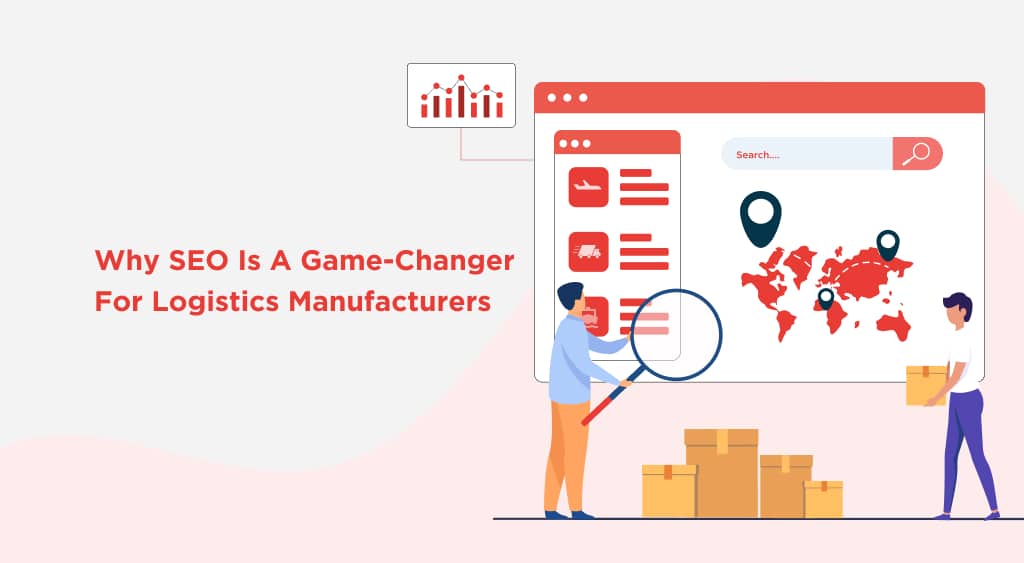
Why SEO is a Game-Changer for Logistics Manufacturers

The Importance of SEO for Manufacturers

In today’s digital-first world, SEO for manufacturers is like having a well-placed billboard on the internet highway. It’s a critical tool for making your business visible in the vast online marketplace. Let’s delve into why mastering SEO is a game-changer for manufacturers.

The Role of SEO in Online Visibility

Imagine the internet as a massive global trade show. SEO helps your manufacturing business set up a visible, attractive booth in this virtual show. When people search for the products or services you offer, effective SEO ensures that your website appears in their search results. This online visibility is critical, as it’s often the first step in turning a searcher into a customer. In a world where online searches often precede purchasing decisions, being easily found can significantly impact your business’s growth and reach.

Why Manufacturers Need to Focus on SEO

For manufacturers, focusing on SEO is like tuning a radio to the right frequency to reach your desired audience. It’s crucial for several reasons. First, it increases brand awareness, helping you stand out in a crowded market. Secondly, it’s about reaching the right audience – those who are actively seeking the products you manufacture. SEO is also pivotal in building credibility and trust in your industry. It’s not just about driving traffic; it’s about drawing in the right traffic that can convert into tangible business opportunities.

Understanding Logistics SEO

Embarking on SEO for a logistics company is like plotting the most efficient route. It involves strategizing how to make your logistics services stand out online, ensuring those in need easily find them. Let’s dive into the essence of Logistics SEO and its critical components.

What is Logistics SEO?

Logistics SEO is fine-tuning your online presence to boost your visibility in search engine results. Picture it mapping the digital landscape to ensure your logistics services are prominently displayed. When potential customers search for logistics-related services, a strong SEO strategy ensures your website is one of their foremost destinations. This involves skillfully integrating industry-specific keywords, crafting relevant and engaging content, and providing your website is straightforward and informative.

Key Elements of Logistics SEO

Navigating the key elements of Logistics SEO is similar to assembling a complex logistics network. It starts with keyword research and targeting, where you identify the specific terms your potential clients use in their online searches. Next is on-page optimization, which ensures your website’s pages are optimally structured with these keywords, making the content engaging and accessible. This includes refining your headlines, text, and images to be appealing and functional. Lastly, technical SEO focuses on the behind-the-scenes aspects of your website, like loading speed, security, and mobile compatibility. All these elements work in unison to elevate your website’s ranking in search results, enhancing visibility and drawing in the right audience.

Benefits of Logistics SEO for Manufacturers

Implementing SEO for a logistics company is like setting up road signs that guide more traffic to your business. For manufacturers, this can bring many benefits, enhancing your online presence and business growth. Let’s explore these advantages.

Increased Online Visibility

Optimizing your logistics services for search engines is like turning on a bright beacon in the digital world. It makes your website more visible when potential clients search for logistics services online. Increased visibility means your company gets noticed more, which is crucial in the crowded digital marketplace. It’s about ensuring your business stands out when customers are looking for logistics solutions that you provide.

Targeted Traffic and Lead Generation

Effective Logistics SEO is like having a magnet that attracts the right kind of visitors to your website. You draw in an audience actively seeking logistics services by using specific keywords and creating relevant content. This targeted traffic will more likely convert into leads, as visitors are already interested in your offer. It’s about attracting not just more visitors but also exemplary visitors who are potential customers.

Competitive Advantage in the Market

In the competitive world of manufacturing and logistics, strong SEO can give you a significant edge. It’s like having a faster, more efficient delivery route in the real world. When your website ranks higher in search results, it not only increases your visibility but also positions your brand as a leader in the logistics field. This competitive advantage can be vital in securing new clients and building long-term business relationships.

Strategies for Implementing Logistics SEO

Embarking on an SEO strategy for a logistics company is like planning a well-organized and efficient delivery system. It involves several key steps to ensure your online presence is as streamlined and effective as your logistics services. Let’s go through some essential strategies.

Keyword Research and Optimization

Keyword research in SEO is like selecting suitable routes for transportation. You must identify the terms and phrases your potential customers use when searching for logistics services. This involves understanding their needs and how they express them in search queries. Once you’ve identified these keywords, integrate them naturally into your website’s content, headers, and meta descriptions. It’s about making your website more relevant and easily discoverable for those specific searches.

Optimizing Website Structure and Navigation

Optimizing your website’s structure and navigation is like ensuring that your warehouse is well-organized and easy to navigate. Your website should have a clear, logical layout that makes it easy for visitors to find the information they need. This includes having a user-friendly menu, clear categories for your services, and a simple path to contact information or quote requests. A well-structured website enhances user experience, a crucial factor in SEO rankings.

Creating High-Quality Content

Creating high-quality content for your logistics website is akin to offering a comprehensive and detailed service brochure. Your content should be informative, engaging, and tailored to your audience’s interests and needs. This can include blog posts about logistics tips, industry news, case studies, or detailed explanations of your services. High-quality content not only helps improve your SEO but also establishes your brand as a knowledgeable and trustworthy authority in the logistics field.

SEO Best Practices for Manufacturers

Tackling SEO for manufacturing is like fine-tuning a complex machine – it requires precision, understanding, and a focus on critical practices to ensure your online presence is as robust and efficient as your manufacturing process.

Mobile Optimization

Mobile optimization ensures your product can be used in any setting. Your website must function seamlessly on smartphones and tablets. This means having a design that adjusts to various screen sizes, quick loading times, and easily clickable links and buttons. In a world where much online browsing happens on mobile devices, making your website mobile-friendly isn’t just a bonus; it’s necessary.

Local SEO for Manufacturers

Local SEO for manufacturers is like putting up a billboard in your local area. It ensures that your business shows up when nearby customers search for your manufacturing services. To enhance your local SEO, include location-specific keywords in your website, claim and optimize your Google My Business listing, and focus on getting local backlinks. This is especially important if your business operates in a specific geographic area or has a physical presence.

Regular Monitoring and Analysis

Consistently monitoring and analyzing your SEO is like conducting regular inspections in a manufacturing plant. Use tools like Google Analytics and Google Search Console to keep track of how your website is performing in terms of search engine rankings and user behavior. This ongoing analysis allows you to identify areas for improvement, adapt to changes in search engine algorithms, and stay ahead of competitors. It’s about using data to continually refine and enhance your SEO strategy, ensuring it remains effective and aligned with your business goals.

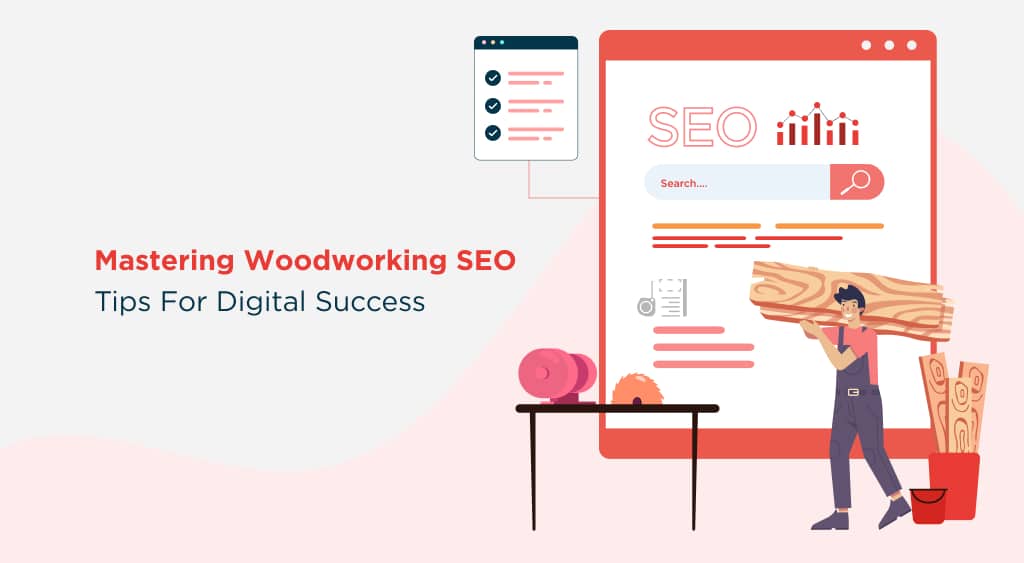
Mastering Woodworking SEO: Tips for Digital Success

The Digital Landscape for Woodworking

Exploring the digital world for a woodworking business is like carving a new niche in an expansive forest. It’s an opportunity to extend the reach of your handcrafted works, showcasing your skills to a broader, tech-savvy audience. In today’s era, where digital presence is paramount, stepping into this realm is essential for any craftsman looking to thrive.

The Importance of Digital Presence for Manufacturers

Establishing a digital presence for woodworking manufacturers is like crafting a finely made showcase for your products. It’s an online platform where the artistry and quality of your woodworking can shine. This virtual showcase not only introduces your creations to a global audience but also serves as a bridge connecting traditional craftsmanship with modern buyers. It’s an invaluable tool for growth and reaching out to those who value the unique touch of handcrafted woodwork.

Understanding the Role of SEO in Woodworking

Incorporating SEO into your woodworking business’s digital strategy is like using the right tools to create a clear path for customers to find you. It involves fine-tuning your online presence so that your website appears in their search results when people search for unique woodworking pieces or services. This process includes using keywords that resonate with your craft, sharing your expertise through engaging online content, and ensuring your website is welcoming and easily navigable. Good SEO practices help carve out a distinct spot for your business in the vast digital world, guiding those who appreciate woodworking craftsmanship directly to your digital doorstep.

Key Elements of Woodworking SEO

Diving into SEO for your woodworking website can be compared to meticulously crafting a beautiful wooden piece. Each step, from selecting the suitable wood to applying the final finish, has its digital counterpart in the world of SEO. Let’s explore these essential elements.

Keyword Research and Targeting

Just like choosing the right type of wood is crucial for your woodworking project, selecting the right keywords is essential for your website. It’s about understanding your potential customers’ phrases when searching for woodworking products or services. Imagine these keywords as the raw materials that will shape your website’s content, helping those interested in woodworking find your site easily.

On-Page Optimization for Woodworking Websites

On-page optimization is akin to your detailed work on wood — carving, sanding, and finishing. Each page on your website should be carefully crafted with your chosen keywords. This includes using these terms in your headlines, main text, and even in the descriptions of your images. Think of it as detailing your work, ensuring every part perfectly aligns with what your audience is looking for.

Technical SEO for Woodworking Websites

Technical SEO is like the structure and stability of your woodworking creations. It involves ensuring that your website’s foundation is firm and functions smoothly. This means your site should load quickly, be secure against threats, and be easily navigable on both desktops and mobile devices. It’s the essential framework upon which the beauty of your site, much like your woodworking, relies.

Creating Valuable Content

Crafting content for a website is much like working on a detailed woodworking project. Each piece of content should be thoughtfully created and designed to engage and inform your audience. Let’s delve into how to build a content strategy that resonates with your visitors.

Developing a Content Strategy for Woodworking

Developing a content strategy for your woodworking site is like sketching a blueprint for a new piece. First, consider who you’re creating for. Are they hobbyists, people searching for bespoke furniture, or woodworking enthusiasts seeking tips and tricks? Once you know your audience, plan content that caters to their interests. This could range from how-to guides and project walkthroughs to stories behind your unique creations or insights into the woodworking craft.

Incorporating Keywords into Content

Selecting the right keywords for your content is akin to choosing the perfect wood for a project. After identifying the terms your audience uses to find woodworking content online, integrate these keywords naturally into your posts. It’s not just about stuffing words in; it’s about weaving them seamlessly into engaging, informative content, just as you would intricately work a beautiful wood grain into a design.

Optimizing Images and Videos for Woodworking Websites

The visual appeal of your woodworking website is paramount. When adding images and videos, ensure they are high-quality yet optimized for quick loading. Name your image files descriptively and use alt text to improve SEO and accessibility. For videos, include clear titles and captions. These visual elements are crucial for showcasing your craftsmanship and the passion behind your work, offering visitors a glimpse into the world of woodworking.

Building Backlinks and Authority

In the digital world, building backlinks for your woodworking website is similar to joining a community of craftsmen and craftswomen. It’s about establishing your site as a reputable and authoritative source within the woodworking niche. Let’s explore how these digital connections can elevate your SEO.

The Importance of Backlinks for Woodworking SEO

Backlinks are like the referrals or recommendations you might get in a close-knit woodworking community. When other reputable websites link to your site, it signals to search engines that your content is valuable and trustworthy. This can boost your site’s visibility in search results, much like a word-of-mouth endorsement would bring more people to your workshop. In the woodworking world, where quality and trust are paramount, backlinks are a digital stamp of approval.

Strategies for Earning Backlinks in the Woodworking Niche

Earning backlinks in the woodworking niche is like showcasing your best work at a crafts fair to attract attention. Start by creating high-quality, informative content that others in the industry would find valuable enough to share. Collaborate with woodworking bloggers, participate in online forums, and contribute guest posts to well-known woodworking websites or digital magazines. These activities help build backlinks and forge relationships within the woodworking community.

Leveraging Social Media for Woodworking SEO

Utilizing social media for woodworking SEO is like extending your workshop into the digital world. Platforms like Instagram, Pinterest, and YouTube are perfect for showcasing your woodworking projects through images and videos. Share your work, stories, and tips to engage with a broader audience. As your content gets shared and linked to, it can enhance your website’s backlink profile and overall SEO. It’s about connecting with fellow woodworking enthusiasts and potential customers in a space where they are actively engaged and looking for inspiration.

Tracking and Measuring Success

In the journey of SEO for your woodworking website, tracking and measuring success is like routinely checking your tools and materials to ensure they’re in top condition. It’s about understanding what works and what doesn’t and making adjustments accordingly. Let’s delve into the critical aspects of monitoring your SEO efforts.

Key Metrics to Monitor in Woodworking SEO

Monitoring critical metrics in woodworking SEO is like inspecting your finished woodworking projects for quality and precision. Some crucial metrics to keep an eye on include your website’s traffic, the ranking of your keywords, and the engagement rates on your content. It’s also beneficial to track the bounce rate, which tells you if visitors stay on your site and engage with your content, and conversion rates, indicating how many visitors are taking desired actions like making inquiries or purchases.

Tools and Resources for Tracking SEO Performance

Just as you have a set of trusted tools in your woodworking workshop, various tools and resources are available for tracking your website’s SEO performance. Google Analytics is a go-to tool for monitoring website traffic and user behavior. Google Search Console can help you understand how your site is performing in search results and identify any issues that need fixing. These tools provide a wealth of data that can guide your SEO strategy.

Making Data-Driven Decisions for Continuous Improvement

Making data-driven decisions for your woodworking website is like fine-tuning your craftsmanship based on feedback and results. Use the insights gained from your tracking tools to understand what types of content resonate with your audience, which keywords drive traffic, and where to improve. This approach allows you to refine your SEO strategy over time like woodworkers refine their skills with each project. Continuously improving based on data ensures your website remains competitive and relevant in the woodworking industry.

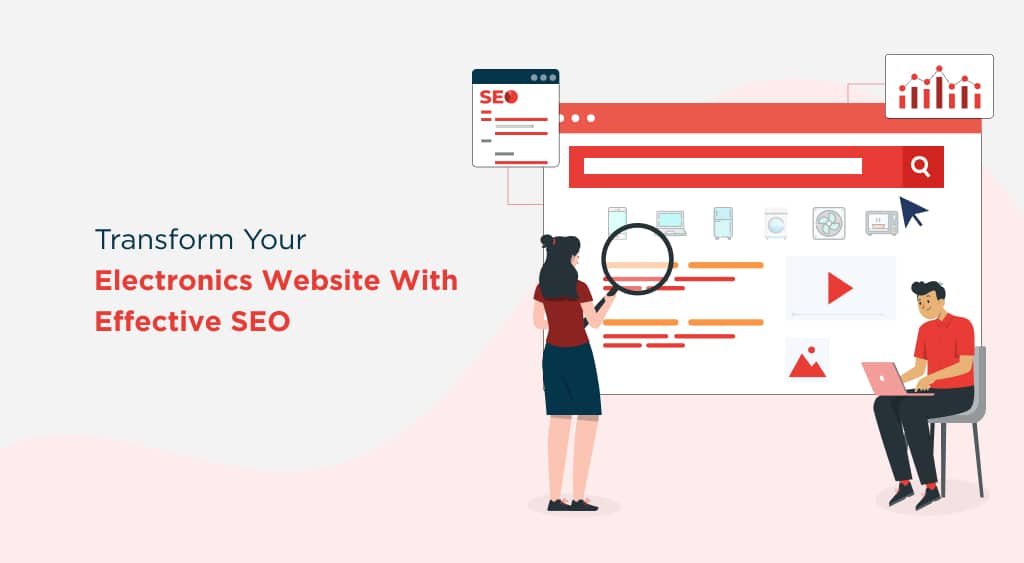
Transform Your Electronics Website with Effective SEO

The Importance of Online Presence for Manufacturers

In the modern business landscape, having an online presence for manufacturers is like having a digital storefront in a bustling global market. The move towards digital platforms isn’t just a trend but a pivotal shift in how businesses operate and connect with their market. Let’s explore the significance of this transformation.

Understanding Electronics SEO

In the digital world, Electronics SEO is like having a tailored map for your electronic products and services. It’s all about guiding potential customers to your website when they’re searching online for anything related to electronics.

What is Electronics SEO?

Electronics SEO is fine-tuning your website so it speaks the language of search engines and people interested in electronics. You want your website to be clear when customers search online. This involves using specific terms and phrases that people commonly search for, ensuring your website’s design is user-friendly, and crafting informative content that captures the interest of your audience.

For manufacturers in the electronics sector, SEO is like a spotlight on a stage. It helps shine a light on your products and brand in the vast online market. Effective SEO strategies make your website more visible in search results, much like a well-placed billboard on a busy highway. This visibility is crucial. It can lead to increased traffic to your website, better engagement with potential customers, and, ultimately, a boost in sales. In a crowded and competitive digital marketplace, a robust SEO approach can be the edge that sets you apart.

Key Elements of Electronics SEO

Getting SEO right for an electronics manufacturing website is like tuning complex equipment. Every component needs to be suitable for optimal performance. Here’s a breakdown of the essential elements you should focus on to get your SEO humming.

Keyword Research and Optimization

Getting SEO right for an electronics manufacturing website is like tuning complex equipment. Every component needs to be suitable for optimal performance. Here’s a breakdown of the essential elements you should focus on to get your SEO humming.

On-Page Optimization

On-page optimization is about making your website’s pages shine. It’s akin to arranging products in a storefront window; you want to grab the attention of passersby. Ensure that each page on your website has quality content, uses keywords effectively, and is easy for humans and search engines to navigate. Clear headings, descriptive text, and a logical structure make your website pages inviting and understandable.

Technical SEO for Electronics Manufacturers

Technical SEO is the wiring behind your website’s control panel. This means ensuring your website runs smoothly and efficiently for an electronics manufacturer. It should load quickly, be secure, and function well on mobile devices. This also includes ensuring your site is easy for search engines to crawl and index. Think of technical SEO as the groundwork for your website – it’s not always visible but is vital for making it accessible and user-friendly.

Best Practices for Electronics SEO

Navigating the world of SEO for an electronics business is like charting a course through a dynamic and competitive landscape. It requires precision and a focus on several best practices to ensure your website ranks well and appeals to your audience.

Creating High-Quality and Relevant Content

Think of your website’s content as the voice of your brand. It should speak directly to your audience’s needs and interests. Creating high-quality, relevant content is like hosting a conversation where you provide valuable information about electronics. This could include blog posts about the latest tech trends, how-to guides for electronic gadgets, or detailed analyses of new products. Quality content engages your audience and establishes your site as a trustworthy source of information, which is crucial for SEO.

Optimizing Product Descriptions and Metadata

Your product descriptions and metadata are like the labels on your products in a store. They need to be clear, informative, and optimized with relevant keywords. For each product, provide detailed descriptions that explain the features and benefits and include key terms that potential customers might use to search for these items. Similarly, metadata (such as title tags and meta descriptions) should be carefully crafted to include keywords and encourage clicks from search engine results.

Building Quality Backlinks

Backlinks are like digital word-of-mouth for your website. When reputable sites link to your pages, it’s a signal to search engines that your site is a credible source of information. You can build quality backlinks by collaborating with tech bloggers, participating in industry forums, or publishing guest articles on relevant websites. Focusing on the quality of these links rather than quantity is necessary – getting a few links from well-respected sites is more valuable than many links from lesser-known sources.

Tracking and Measuring Success

Just like a captain needs instruments to navigate a ship, you need the right tools to track and measure the success of your SEO efforts in the electronics sector. Let’s look at how you can effectively keep tabs on your progress.

Monitoring Keyword Rankings

Regularly observing where your website ranks in search engine results for critical electronics terms is crucial. It’s like getting constant updates on your position in a race. If you see your rankings improving, it means your SEO strategies are working well. If not, let’s adjust your course.

Analyzing Website Traffic and User Behavior

Analyzing your website traffic is like people-watching. You observe how many come in, where they come from, and what they do during their visit. Using tools like Google Analytics, you can see which pages are crowd favorites and where people spend the most time. This insight is invaluable, as it helps you understand what attracts visitors to your site and what might be causing them to leave.

Utilizing Analytics Tools

Utilizing analytics tools is similar to having an intelligent data expert assistant. These tools give you a detailed breakdown of your website’s performance, covering everything from page views to the effectiveness of your marketing strategies. They allow you to make informed decisions, ensuring your SEO efforts are always guided by reliable data rather than guesswork.

Getting Started with Electronics SEO

Venturing into SEO for your electronics business is like setting up a new, high-tech lab. It’s an exciting endeavor that requires both careful planning and a bit of technical know-how. Let’s walk through the initial steps to start your SEO journey.

Hiring an SEO Professional

Bringing an SEO professional on board is like recruiting a skilled electrician for complex wiring. They bring specialized expertise and tools needed to optimize your website effectively. An SEO expert can conduct a thorough evaluation, identify key areas for improvement, and craft strategies tailored specifically for the electronics market. This option is ideal if you seek expert guidance to navigate the intricate SEO world.

Implementing SEO Strategies In-House

Handling your SEO in-house is like tackling a hands-on electronics project. It starts with educating yourself and your team about the basics of SEO. Key areas to focus on include keyword research, optimizing your web pages, and crafting high-quality content that resonates with your audience. Remember, SEO for electronics manufacturers is unique due to the specialized nature of the products and industry terminology. Regular training and staying informed are vital for managing these tasks effectively.

Staying Updated with Industry Trends and Algorithm Changes

Keeping up with SEO trends and algorithm updates in electronics is as crucial as staying abreast of the latest technological advancements. Regularly engage with SEO and electronics industry news, participate in webinars, and join online discussions. This ongoing learning process is essential for adapting your strategies to the latest developments and ensuring your website remains a strong contender in search engine rankings.

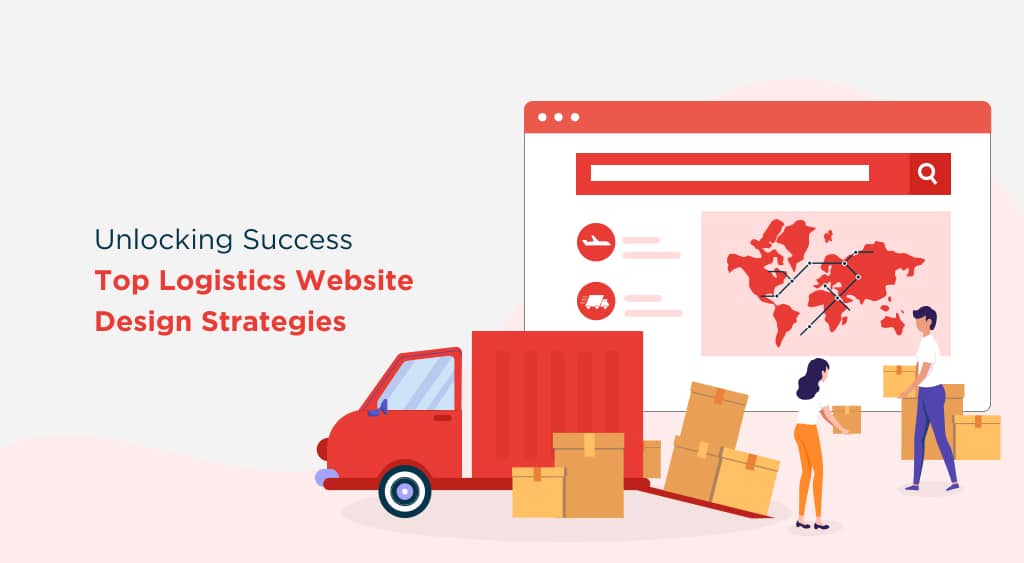
Unlocking Success: Top Logistics Website Design Strategies

The Importance of Effective Logistics Website Design

Your website plays a crucial role in the logistics industry, where efficiency and clarity are paramount. It’s your digital storefront where potential clients first encounter your services. An effective website design ensures that this first impression is positive and lasting. It should communicate the efficiency and reliability that clients expect from a logistics provider. The website needs to be clear, straightforward, and easy to navigate, mirroring the streamlined processes of your logistics services.

The Role of Websites in the Manufacturing Industry

For the manufacturing sector, a website acts as a bridge connecting businesses with logistics services. It’s a platform where manufacturers can quickly understand what logistic services you offer and how they can benefit their operations. A well-structured website for manufacturers easily find information about their transportation options, storage solutions, and supply chain management services, simplifying their decision-making process.

Benefits of a Well-Designed Logistics Website

A thoughtfully designed logistics website offers several benefits. It’s a powerful tool for establishing trust and credibility in a competitive market. For clients, a user-friendly website with clear service descriptions, easy contact options, and informative content enhances the overall customer experience. This improved user experience can increase customer satisfaction and potentially more business opportunities. Furthermore, a well-optimized website can help improve your online visibility, attracting more potential clients.

Key Elements to Consider in Logistics Website Design

When designing a logistics website, several vital elements need attention. First, the design should reflect the efficiency and professionalism of your services. Use a clean, uncluttered layout with easy navigation. Information about your services should be easy to find and understand. Incorporating elements like a tracking system, online booking options, and customer testimonials can significantly enhance the functionality and appeal of your website. Additionally, ensuring your website is mobile-friendly and loads quickly is crucial in today’s fast-paced digital environment.

User Experience and Navigation

Think of your website as a virtual tour guide for your logistics company. It should lead visitors smoothly from one point to another, making their journey through your site effortless and enjoyable. Good navigation is like clear road signage; it should direct visitors exactly where they need to go without confusion. Simple menus, well-organized pages, and easily accessible information are essential. It’s all about making the user’s experience as hassle-free as possible.

Intuitive Website Structure

Creating an intuitive structure for your website is like laying out a well-planned city. Everything should have its place, and visitors should find navigating through the site as easy as walking down a familiar street. Logically organize your content with services, contact information, and support sections marked and easy to find. An intuitive website makes for a pleasant visit, encouraging users to stay longer and explore more.

Clear Call-to-Actions

Clear call-to-actions (CTAs) are your billboards. They should stand out and tell your visitors exactly what to do next: get a quote, sign up for a service, or contact your support team. These CTAs are like friendly pointers, guiding your visitors through your site and gently nudging them toward taking action. They’re crucial for turning visitors into customers.

Mobile Responsiveness

In a world where smartphones are like an extension of our hands, having a mobile-responsive bespoke website is essential. Your site should look and work well on all devices, big and small. This means buttons that are easy to tap on a phone screen, readable text without zooming in and pages that load quickly, even on a slower mobile connection. A mobile-friendly site ensures that everyone, no matter how they access your site, gets a great experience.

Visual Design and Branding

In the world of web design, especially for logistics, your site’s visual aspect is like your business’s attire – it needs to look sharp, professional, and reflective of your brand. A well-designed custom WordPress website design not only catches the eye but also conveys the essence of your brand effectively.

Consistent Branding Elements

Consistent branding across your website is like having a signature style. It should be recognizable and constant, like wearing a uniform. This means using the same color scheme, fonts, and logo style throughout your website. It helps in building brand recognition and trust. When customers see consistency in your branding, it’s like seeing a familiar face – it makes a sense of reliability and professionalism.

Engaging Visuals and Graphics

Visuals and graphics on your website are like the illustrations in a book – they make the experience more engaging and enjoyable. High-quality images, informative infographics, and relevant videos can significantly enhance the appeal of your site. They break up the text, making information more digestible and engaging. Think of these visuals as the captivating decor of your virtual office – they should be inviting and reflect the quality of your services.

Readability and Accessibility

Ensuring readability and accessibility on your website is akin to making sure your office has clear signage and easy access. The text should be easy to read, with fonts and colors that are easy on the eyes. Information should be organized in a way that’s simple to follow. Also, consider accessibility features for disabled people, like screen reader compatibility. This is like ensuring your office is accessible to everyone, making your website welcoming and usable for all visitors.

Content Strategy and Optimization

Think of your logistics website’s content strategy as planning a journey for your visitors. Each piece of content should be a step along the path, guiding them through your services and industry knowledge. It’s about creating a narrative that informs and engages your audience.

Compelling and Informative Content

Your website’s content should be like a friendly conversation with a client. It needs to be engaging, filled with exciting insights about logistics and supply chain management, and informative enough to answer your audience’s questions. Share stories about your experiences in the logistics field, offer tips for efficient shipping, or explain how your services can solve common logistics challenges. This approach helps to establish a connection with your audience and builds your credibility as an industry expert.

SEO Best Practices for Logistics Websites

SEO is like the compass that guides potential clients to your website. It’s not just about using the right keywords; it’s about creating a seamless user experience. Ensure your site loads quickly, is easy to navigate, and is mobile-friendly. Also, regularly update your website with fresh content and ensure it’s relevant to your audience. These practices help your website rank better in search engine results, making it easier for potential clients to find you.

Incorporating Keywords and Relevant Phrases

Using keywords effectively is like placing signposts along a trail. They need to guide your audience to your content without overwhelming them. Choose terms relevant to logistics and specific services, but use them naturally in your content. It’s about weaving these keywords into your articles, blog posts, and website copy in a way that feels organic, not forced. This helps search engines understand your website and improves your chances of being found by the right audience.

Functionality and Features

For a logistics website, functionality is key – it’s like the engine in a delivery truck. Your website should look good and offer valuable features that make life easier for your customers. Let’s explore some essential functionalities that can enhance the user experience on your site.

Online Tracking Systems

An online tracking system on your logistics website is like giving your customers a GPS for their shipments. It allows them to see the real-time location and status of their deliveries, adding a layer of transparency and trust. This feature is particularly appreciated in the logistics industry, where timely and accurate information is crucial.

Request for Quotes and Inquiries

Having a feature for requesting quotes or making inquiries is like having an always-open customer service desk. It allows potential customers to quickly contact you, ask questions, and request pricing for your services. This can be a simple form that visitors fill out, providing necessary details about their logistics needs. It’s a straightforward way for clients to engage with your services and for you to generate leads.

Integration with Other Systems

Integrating your website with other systems, like inventory management or customer relationship management (CRM) software, is like connecting different parts of a machine so they work seamlessly together. This integration can streamline your operations, making order management, customer service, and tracking more efficient. It ensures that your website isn’t just a standalone tool but a central part of your business’s digital ecosystem.

Building Trust and Credibility

Trust and credibility are as crucial as the cargo you’re transporting in the logistics industry. Your website plays a vital role in building this trust with your clients. Let’s explore how you can establish and maintain this crucial aspect through your website.

Testimonials and Case Studies

Think of testimonials and case studies as your customer success stories. They are like personal recommendations from clients who have had positive experiences with your services. Featuring these on your website can significantly boost your credibility. It’s a way of showing potential clients that you’re not just promising quality service but actually delivering it. Case studies, in particular, offer a detailed look at how you’ve solved logistical challenges, adding depth to your claims of expertise and reliability.

Security and Privacy Measures

In today’s digital age, security and privacy are top concerns for everyone. Implementing and showcasing robust security measures on your website is like putting a strong lock on your customers’ personal and business information. Make sure your site has SSL encryption and clearly state your privacy policies. This reassures visitors that their data is safe with you, which is essential for building trust.

Showcasing Certifications and Partnerships

Displaying certifications and highlighting partnerships is like hanging your diplomas and awards on the office wall. It instantly boosts your reputation. Whether it’s industry certifications, compliance badges, or partnerships with well-known companies, these symbols of recognition and collaboration speak volumes about your professionalism and standing in the logistics industry. They serve as a testament to your expertise and commitment to quality service.

Next-Level Pharmaceutical Web Design: Tips for Success

Importance of Web Design for Pharmaceutical Manufacturers

In the pharmaceutical industry, where trust and authority are crucial, your website is critical in presenting your brand to the world. It’s like the digital equivalent of a welcoming, informative reception area in a physical office. Your website should communicate the professionalism and reliability of your company. It needs to be clear, easy to navigate, and informative, ensuring visitors can easily find the information about your products, research, and compliance with industry standards.

The Role of Web Design in the Pharmaceutical Industry

Web design in the pharmaceutical sector is more than just aesthetics; it’s a vital communication tool. Your website should translate complex medical and pharmaceutical information into accessible content for a diverse audience. This involves a balance: providing detailed scientific information for professionals while offering more straightforward, more digestible content for the general public. It’s crucial for building trust and credibility with your audience.

Benefits of Effective Web Design for Manufacturers

For pharmaceutical manufacturers, a well-designed website offers numerous advantages. It helps establish a strong brand identity in a competitive market and enhances customer experience. An intuitive, user-friendly website makes it easier for visitors to find product details or research findings, increasing engagement and trust. An optimized website can improve your search engine rankings, making your products and research more visible and accessible to potential clients and partners.

Key Elements of Effective Pharmaceutical Web Design

Designing a website for a pharmaceutical company is a unique challenge. It’s about balancing professionalism with approachability and complexity with clarity. Here are some key elements to focus on:

Responsive and Mobile-Friendly Design

Today, a website must look good and work well on all devices, from desktops to smartphones. In the pharmaceutical industry, this is especially important. Health professionals often access information on the go, and patients might look up medication details on their phones. A responsive bespoke web design ensures your website adapts to any screen size, providing a seamless experience no matter how your audience accesses it.

User-Friendly Navigation and Intuitive Layout

Navigating your website should feel straightforward and natural. Organize information logically, breaking down complex medical and pharmaceutical content into digestible sections. Menus should be clearly labeled, and finding critical information like drug details, research, or contact info should be intuitive. Think of it like a well-organized medicine cabinet – everything is easy to find and marked.

Clear and Engaging Content

The content on your pharmaceutical website needs to strike a delicate balance. It should be detailed enough to provide valuable information but presented in a way that’s engaging and easy to understand. Avoid heavy jargon and opt for plain language, especially when explaining medical terms or drug benefits. This makes your website a helpful resource for professionals and the general public.

SEO Strategies for Pharmaceutical Web Design

Navigating the world of SEO for a pharmaceutical website can be like finding your way through a maze. It’s all about understanding what your audience seeks and ensuring they see it on your site. Here’s a breakdown of some straightforward strategies.

Optimizing Keywords and Meta Tags

Start by figuring out the words and phrases people use when searching for the kind of pharmaceutical products or information you offer. These are your keywords. Sprinkle these naturally throughout your site – in your content, headings, and especially your meta tags. Meta tags are like the labels on medicine bottles; they tell search engines what each page of your website is about. Keep them clear and focused.

Creating Relevant and Informative Content

Like a helpful pharmacist, your website’s content should be informative and easy to understand. Write articles or blog posts that answer common pharmaceutical questions, share insights about drug developments, or explain complex medical terms in layman’s language. Quality content helps your SEO rankings and builds trust with your audience.

Building Backlinks and Improving Site Authority

Think of backlinks as referrals from other websites. The more reputable websites link to your site, the more search engines trust you. You can get these links by collaborating with healthcare bloggers, contributing to medical journals, or participating in online healthcare discussions. It’s like building relationships in the medical community – the more robust your connections, the more authoritative your site becomes.

Leveraging Technology for Growth

In today’s business landscape, embracing technology is like adding a turbo booster to your growth strategy. It’s all about finding the right digital tools that fit your business needs. Here’s a look at how technology can be a game-changer for your business.

Incorporating E-commerce Functionality

Adding e-commerce to your website is like opening a storefront that never closes. It allows customers to browse and purchase your products or services anytime. This could be as simple as adding an online appointment booking system or a digital shop for your products. It’s about making it convenient for your customers to connect with you and making transactions smoother.

  1. Shopify for E-commerce: Shopify is renowned for its user-friendly approach to online selling. As a digital marketer, you’ll appreciate the convenience it offers. With Shopify, you can create a seamless online store that’s accessible 24/7. Consider hiring a Shopify store designer to ensure your storefront looks professional and aligns with your brand. This CMS simplifies product management, payment processing, and order tracking, making transactions smoother for your customers.
  2. Magento for E-commerce: Magento is a robust CMS designed specifically for e-commerce businesses, making it a powerful choice. As an expert in digital marketing, you can leverage Magento’s advanced features to optimize your online store’s performance. Collaborating with a Magento web design company can help you build a high-quality, scalable e-commerce platform. Magento’s flexibility allows you to create a customized shopping experience for your customers, ensuring convenience and satisfaction.

Integrating Customer Relationship Management (CRM) Systems

Using a CRM system is akin to having a super-organized assistant who knows your customers inside out. It keeps track of all your customer interactions, sales, and feedback. This integration helps you understand your customers’ preferences and tailor your services to their needs. It’s an excellent tool for keeping everything customer-related in one place, helping you build stronger, more personal relationships with them.

Utilizing Data Analytics for Insights and Optimization

Data analytics is like having a map showing where the treasure is buried. It involves examining your business’s data to uncover patterns, trends, and insights. This process can help you understand what’s working and what’s not, allowing you to make strategic decisions that drive growth. It’s about turning raw data into actionable insights that can help you optimize your business operations and marketing strategies.

Best Practices for Pharmaceutical Web Design

Crafting a website for a pharmaceutical company is like building a bridge between science and the public. Maintaining balance is essential – your website should be secure, compliant, visually appealing, and always up-to-date. Here’s how to do it.

Prioritizing Security and Compliance

Imagine your website as a vault. It needs to safeguard sensitive information like patient details and research data. This means beefing up security with SSL encryption and regular security checks. Also, compliance is key. Your website must adhere to healthcare regulations and standards, ensuring everything from patient privacy to data handling meets legal requirements.

Incorporating Visual Appeal and Branding

Your website is also a reflection of your brand’s personality. Use design elements that resonate with your brand’s ethos. Think of your color scheme, logo, and images as part of a visual language that speaks to your visitors. This doesn’t just make your site more attractive; it makes it memorable. A well-branded website can leave a lasting impression, reinforcing your company’s image in the minds of your visitors.

Regularly Updating and Maintaining the Website

Keeping your website updated is like keeping the lights on in a physical store. Regular updates with fresh content, news about the latest pharmaceutical developments, or new research findings keep your site relevant. Maintenance is just as essential. This includes fixing broken links, updating software, and checking for functionality issues. A well-maintained website runs smoothly, keeping visitors engaged and ensuring your site ranks well in search engines.

How to Craft a Captivating Digital Printing Website

The Impact of Digital Printing

Digital printing has emerged as a game-changer in the printing world in recent years. Unlike traditional methods, it allows us to print directly onto materials, streamlining the process significantly. This technique delivers vibrant colors and sharp details, making it a favorite for everything from intricate fabric designs to crisp, eye-catching business materials. Its adaptability is particularly useful for small-scale projects or personalized items, offering a level of flexibility previously unattainable.

Evolution of Printing Technology

The journey of printing technology is a fascinating one. It has evolved remarkably from the early days of manual presses to the sophisticated digital printers of today. Digital printing, a relatively new player in this historical timeline, stands apart for its direct approach – eliminating many conventional steps. This shift reflects the broader digital transformation across various sectors, highlighting a move towards more efficient, tech-driven solutions.

Benefits of Digital Printing for Manufacturers

Digital printing brings a host of benefits for manufacturers. It’s a boon for cost-effectiveness, especially for smaller production runs, as it reduces the need for large-scale inventory. The technology also allows for swift design alterations – a significant advantage in a market that prizes uniqueness and customization. Digital printing’s quick turnaround capability is critical to staying ahead in dynamic markets. Plus, it’s an eco-friendly choice, minimizing waste and energy consumption.

Harnessing the Power of Digital Printing

Leveraging the advantages of digital printing requires a strategic approach. Companies must embrace the agility it offers, allowing for quick design updates and more responsive production cycles. Investing in the latest digital printing technologies and training is crucial to exploit its benefits fully. This can open doors to unparalleled customization, efficiency, and market responsiveness, enhancing a brand’s appeal and customer satisfaction.

Designing a Successful Printing Website

When creating a website for your printing business, it’s crucial to focus on aesthetics and functionality. Your website should reflect the high quality of your printing services. Use clear, high-resolution images of your work to showcase your capabilities. Include detailed descriptions of your services and products to inform potential customers. The design should be clean and professional, mirroring the precision and quality you offer in your printing services.

Select The Best CMS For Your Business

As for choosing the best CMS for your printing website, consider the following options:

  1. WordPress: Known for its flexibility, WordPress can be a great choice. You can leverage WordPress web design services to create a customized and visually appealing site.
  2. Magento: Magento is ideal if you plan to scale your printing business significantly. Collaborating with a Magento web design company can help you create a powerful e-commerce platform.
  3. Shopify: Shopify is user-friendly and excellent for e-commerce. Engage a Shopify website designer to set up an online store that’s easy for customers to navigate.

Understanding Your Target Audience

Knowing your audience is critical. Are businesses seeking bulk printing solutions, or are individual customers seeking personalized items? Your website should speak directly to their needs. For businesses, highlight your bulk order capabilities and B2B services. For individual customers, showcase your ability to create custom, unique prints. Include testimonials or case studies to build trust and show how you’ve successfully catered to similar clients.

User-Friendly Navigation

Your website’s navigation should be intuitive and straightforward. Organize your services into clear categories, making it easy for visitors to find what they need. Include a search bar for quick access. Ensure that contact information is readily available, perhaps through a prominent “Contact Us” section. Streamline the ordering process with simple steps and clear instructions, reducing potential confusion or frustration for the user.

Responsive Design for Mobile Devices

In today’s mobile-centric world, your website must be responsive on all devices. A mobile-friendly design ensures your site is easily accessible and navigable on smartphones and tablets. This is crucial, as many users may visit your location via mobile devices. The layout should adapt to smaller screens without losing functionality or aesthetic appeal. Ensure your website provides a smooth user experience by testing it across different devices.

To optimize your printing website for search engines, consider the following factors:

Targeting Relevant Keywords

Identifying the right keywords is like unlocking a secret code in SEO. Consider what your customers might type into Google when looking for printing services. For example, if you specialize in eco-friendly printing, phrases like “green printing services” or “sustainable business cards” could be your golden tickets. It’s not just about what’s popular but what’s relevant to your unique services. Tools like Google Keyword Planner can be helpful.

Creating Engaging and Informative Content

Your website’s content should be like a friendly conversation with your customer, filled with valuable insights. Instead of saying, “We print brochures,” why not share a post about “5 Design Tips for an Eye-Catching Brochure”? It’s all about adding value. Your knowledge in printing is a treasure trove – share it! Keep your writing light, engaging, and easy to digest. Remember, most people skim online, so break up your text with headings and bullet points to catch their eye.

Optimizing Meta Tags and Descriptions

Meta tags and descriptions are like the tiny billboards for your website on search engines. They need to be crisp, clear, and enticing. Include keywords, but in a way that feels natural. Think of it as a mini-advertisement for your webpage. If you’re writing a meta tag for a page about poster printing, a simple, engaging description like “Discover vibrant, attention-grabbing poster printing options for your next big event” can work wonders. It’s about being transparent and appealing, not just stuffing in keywords.

Essential Elements of a Printing Website

Designing a website for your printing business is like setting up a digital shop window. It’s where first impressions are formed and deals are initiated. Let’s dive into some key elements that can make your website user-friendly and appealing.

Compelling Homepage Design

Think of your homepage as the welcoming mat of your website. It should be inviting and give a snapshot of what you offer. A neat, organized layout works wonders. Use colors and fonts that represent your brand’s personality. Include a welcoming message or a brief introduction to your services. The goal is to make visitors feel at ease while piquing their curiosity to explore more.

Clear and Concise Product/Service Descriptions

When it comes to explaining what you offer, simplicity is your best friend. Your visitors are there for specific information, and they’ll appreciate straightforward, jargon-free descriptions. Say you provide customized T-shirt printing – clearly state the range of designs, fabric options, and printing methods you offer. It’s all about making it easy for customers to understand and choose your services.

High-Quality Visuals and Graphics

In the printing business, your website needs to impress visually. Displaying high-quality images of your work is non-negotiable. These images should be clear, vibrant, and accurate to the colors of the actual products. Ensure that the graphics on your site are sharp and professional. This is your chance to showcase your expertise and attention to detail – qualities customers look for in a printing service.

Optimizing Your Printing Website for Search Engines

Making your printing website search-engine friendly is crucial to making your printing website noticed online. This means ensuring that when people look for printing services, your website has a good chance of popping up in their search results. Let’s break down how to do this effectively.

Targeting Relevant Keywords

Keywords are like signposts that guide potential customers to your website. Consider what people might type into a search engine when needing printing services. For example, if you specialize in custom mug printing, phrases like “custom mugs” or “personalized mug printing” could be your go-to keywords. Use these phrases throughout your website – in your web copy, blog posts, and image descriptions.

Creating Engaging and Informative Content

Your website should be more than just a catalog of services. Share tips, ideas, and stories that resonate with your audience. Write a blog post on creative ways to use printed mugs for marketing or how to choose the best material for business cards. This kind of content doesn’t just attract visitors; it engages them and keeps them on your site longer, which is great for your search engine rankings.

Optimizing Meta Tags and Descriptions

Meta tags and descriptions are the text bits that appear in search engine results. They’re like mini-adverts for each page on your website. Keep them clear concise, and make sure they include your targeted keywords. For example, the meta description for a page about brochure printing might be: “Explore top-quality brochure printing options to give your marketing a professional edge. Custom sizes and designs available.” This tells search engines and potential customers exactly what to expect on the page.

Incorporating Call-to-Actions and Lead Generation

For a printing website, turning visitors into customers is critical. This is where strong call-to-action (CTA) buttons come into play. CTAs like “Get a Free Quote” or “Design Your Business Card Now” should be prominent on your website. They guide visitors towards action, whether requesting a quote or browsing your services. Also, consider adding a newsletter sign-up form to collect email addresses. This way, you can keep in touch with potential customers through regular updates or offers.

Encouraging Contact and Inquiries

Make it easy for visitors to get in touch with you. Why not add a simple “Contact Us” form alongside traditional contact details on your site? Place it where it’s easily visible – maybe in the header or footer on every page. This lowers the barrier for potential customers to reach out and ask questions, request quotes, or discuss their printing needs.

Implementing Forms and Live Chat

Forms are great for collecting specific visitor information, like their printing requirements or contact details. Keep these forms short and sweet to encourage more people to fill them out. For more immediate interaction, consider adding a live chat feature. This allows visitors to get quick answers to their questions, enhancing their experience and increasing their likelihood of using your services.

Offering Special Promotions and Discounts

Who doesn’t love a good deal? Offering promotions or discounts can be a great way to attract new customers and retain existing ones. Feature these offers prominently on your homepage or create a dedicated deals section. You could discount first orders, bundle deals, or seasonal promotions. These specials incentivize purchases and give a little nudge to those who might still be on the fence.

Incorporating impactful CTAs and lead-generation strategies into your printing website can help drive customer engagement and boost conversions. By encouraging contact and inquiries, implementing forms and live chat features, and offering special promotions, you can effectively capture leads and nurture them into valuable customers. Remember to regularly analyze and optimize your CTAs to ensure they align with your business goals and drive the desired actions from your website visitors.

The Ultimate Guide to Ad Copywriting

Introduction to Ad Copywriting

Ad copywriting is the heart of your digital conversation with potential customers. In the digital world, your ad copy is that conversation. It’s not just listing the features of your product or service; it’s about telling a story that engages and fascinates you. Good ad copywriting is about making each word count and crafting messages that are heard, felt, and remembered.

Why Ad Copywriting Matters in PPC Advertising

In PPC advertising, ad copywriting is your first handshake with a potential customer. It’s what makes someone stop scrolling and pay attention. In a landscape crowded with information, your ad copy is your voice. It needs to be clear, concise, and compelling. The right words can turn a simple ad into a powerful message, creating a bond between your brand and your audience. It’s not merely about getting clicks but sparking interest and building relationships. Effective ad copywriting is the key to turning views into valuable interactions in the fast-paced world of PPC service, where every click counts.

Crafting Compelling Ad Copy

It’s more than just listing features; it’s about painting a picture with words that resonate with your audience. Imagine you’re sitting across from a potential customer, explaining why your product is the solution they’ve been looking for. Your words should spark curiosity, build connections, and leave them eager to know more. It’s like telling a story they can see themselves in, making your product an integral part of that narrative.

Understanding Your Target Audience

To truly understand your target audience, consider yourself a detective trying to uncover what makes them tick. You need to dive deep into their world – what challenges they face, their dreams, and what language speaks to them. This understanding is crucial because it shapes how you communicate. Your ad copy should be a direct conversation with them, addressing their needs and desires. It’s about making them feel seen and understood.

Highlighting Unique Selling Propositions

Highlighting your product’s unique selling propositions (USPs) is like shining a spotlight on the star of the show. What makes your product stand out? Is it more durable more efficient, or does it come with a unique feature that no one else offers? Your ad copy should focus on these aspects, clarifying why your product is better. It’s not just about being different; it’s about being better in ways that matter to your customer.

Utilizing Persuasive Language and Emotional Appeal

Using persuasive language and emotional appeal is about deeply connecting with your audience. Your words should evoke feelings and create a sense of urgency or need. Consider what emotions drive your customers – the desire for comfort, the thrill of innovation, or the need for reliability. Your ad copy should tap into these emotions, using language that stirs feelings and compels action. Remember, people are more motivated by how a product makes them feel than just its functionalities.

Structuring Effective Ad Copy

Each part has its role, and when put together correctly, it creates something inviting and compelling. Your ad copy needs a strong message, details, and call-to-action. It’s about constructing a narrative that stands out and invites your audience in, making them want to stay and learn more.

Headlines that Grab Attention

Crafting headlines that grab attention is like designing the perfect storefront sign. It must be eye-catching and explicit, giving passersby a reason to stop and look closer. Your headline should be a beacon, shining a light on your main message, intriguing enough to make the audience pause their scroll. Think of your headline as the first handshake or hello – it sets the tone for everything that follows.

Engaging Ad Descriptions

Engaging ad descriptions are the heart of your ad copy structure. This is where you expand on the promise made in your headline. Your description should blend informative and persuasive elements, clearly showing your product’s benefits and how it solves the viewer’s problem. It’s not just about listing features; it’s about telling a story that makes those features come alive.

Impactful Call-to-Actions

An impactful call-to-action (CTA) is like a friendly guide that shows the way forward. It’s the part of your ad that encourages your audience to take the next step: learn more, sign up, or make a purchase. Your CTA should be clear, compelling, and easy to follow. A well-crafted CTA turns interest into action, guiding your audience from simply viewing your ad to engaging with your brand.

Optimizing Ad Copy for Success

It’s about ensuring every word is perfect to create the best impact. In digital marketing, this fine-tuning is critical. Your goal is to craft messages that reach people and strike a chord with them. It’s a continuous testing, adjusting, and refining process to ensure your ad copy sings the right tune to your audience.

Incorporating Relevant Keywords

Incorporating relevant keywords into your ad copy is akin to a musician composing a song with a specific audience in mind. Like a musician selects notes and chords that will resonate with their listeners, you choose keywords that will appeal to your target audience and align with their search queries. These keywords are woven into the fabric of your ad copy, striking a balance between natural language and search engine optimization. This careful selection and placement of keywords help ensure that your ads reach the right people at the right time.

A/B Testing and Experimentation

A/B testing in ad copy is like experimenting to find the best one. You create two versions of your ad (A and B) and test them with your audience to see which one they prefer. This process is like offering two dishes to diners and observing which one is more popular. A/B testing helps you understand what elements of your ad copy work best, whether it’s a particular call-to-action, a specific phrasing, or the overall tone of the message. You refine your ad copy through this experimentation to ensure it delights your audience’s interests.

Monitoring and Analyzing Performance

It would help if you watched how your ads perform. You track metrics such as engagement, click-through rates, and conversions tracking, like checks for signs of growth or distress. This ongoing observation and analysis help you understand which aspects of your ad copy are practical and which need adjustment, allowing you to nurture and cultivate your campaign for optimal performance.

Best Practices for Ad Copywriting

Ad copywriting is like crafting a brief yet captivating story. The best practices revolve around making every word count. Your ad copy should be a concise narrative that gets straight to the point, avoiding extraneous details. It’s about delivering your message efficiently, ensuring it’s easily digestible and immediately impactful. This approach is critical to catching and holding your audience’s attention in a fast-paced digital world.

Keeping it Concise and Clear

Keeping your ad copy concise and clear is like writing a memorable slogan. It must be short enough to stick in someone’s mind but clear enough to convey your message effectively. Think of it as creating a snapshot with words – you want to capture the essence of your offer in an instantly understandable way. This means avoiding complex jargon and focusing on straightforward language that speaks directly to your audience’s needs and desires.

Using Power Words and Action Verbs

These words bring energy and emotion, making your message more compelling. Powerful words stir feelings and grab attention, while action verbs propel the reader towards action. It’s about choosing words that pack a punch and turn a simple sentence into a call to arms.

Adapting to Different Ad Formats and Platforms

Each platform has its unique audience and style, just as each venue has its acoustics and crowd. Your message might stay the same, but how you present it should vary. It’s about understanding the nuances of each platform and tailoring your ad copy to fit, ensuring it resonates with the specific audience you’re targeting there.