Shopify vs WooCommerce: Picking the Right E-Commerce Powerhouse

Introduction to E-Commerce Platforms

Choosing the right e-commerce platform is crucial for an online business to succeed. With numerous options available, it’s essential to understand each platform’s key features and benefits before deciding. This article will compare Shopify and WooCommerce, two popular e-commerce platforms.

Importance of Choosing the Right E-Commerce Platform

As the foundation for your online store, choosing the right e-commerce platform is crucial. A well-suited platform can provide the necessary tools and features to create a seamless and engaging shopping experience for your customers. It can impact various aspects, such as website design, customization options, inventory management, payment gateways, and marketing capabilities. Choosing the right platform allows you to streamline operations, attract customers, and drive sales.

Overview of Shopify and WooCommerce

Shopify and WooCommerce are two widely used e-commerce platforms with strengths and features.

Shopify, a fully hosted platform, can build and manage online stores. It provides a user-friendly interface, allowing even those without technical expertise to create a professional-looking website. It is easy to customize the design of your store with Shopify’s many themes and templates. It also provides extensive app integrations and a robust support system, making it suitable for businesses of all sizes. 

WooCommerce, on the other hand, is a WordPress plugin that transforms your WordPress website into a fully functional e-commerce store. It provides high flexibility and customization options, as it is built on an open-source platform. With WooCommerce, you have complete control over your store’s design and functionality. You can customize your store with a wide range of themes and extensions. WooCommerce is particularly popular, but they have a website that wants to add e-commerce functionality. For a detailed comparison between Shopify and WordPress, check out our article on WordPress vs Shopify.

The best way to choose an e-commerce platform is to understand its unique features and benefits. As we proceed, we will examine the pros and cons of each platform, as well as compare them.

Shopify: The Pros and Cons

When considering an e-commerce platform, Shopify is a popular choice for businesses of all sizes. The platform is reliable and user-friendly due to its many features and benefits. However, it’s essential to understand both the advantages and limitations of Shopify before making a decision.

Key Features and Benefits of Shopify

Shopify comes with a host of features designed to simplify the process of setting up and managing an online store. The following are some of the critical advantages of using Shopify:

  1. Ease of Use: Beginners can easily set up their online store with Shopify’s intuitive interface.
  2. Hosted Solution: As a fully hosted platform, Shopify handles web hosting, security, and software updates, allowing entrepreneurs to focus on their business instead of technical aspects.
  3. Design and Customization: With Shopify, businesses can build an online store with customizable themes and templates. Additionally, the platform allows customization through HTML, CSS, and Shopify apps to extend functionality.
  4. Payment Options: Businesses can offer seamless checkout experiences to their customers using Shopify’s payment gateways. From popular options like PayPal and Stripe to regional payment providers, Shopify provides flexibility in accepting payments.
  5. Mobile Commerce: Shopify offers mobile-responsive themes and a mobile app to enable store owners to manage their business from anywhere.

Limitations and Drawbacks of Shopify

While Shopify offers numerous benefits, it’s essential to consider its limitations as well:

  1. Transaction Fees: Apart from regular payment gateway fees, Shopify charges transaction fees for each sale made through external payment providers. These fees can add up for businesses with high sales volumes, depending on the pricing plan.
  2. Costs: While the basic Shopify plan is reasonably priced, additional charges may arise from premium themes, app subscriptions, and other customization needs. This can increase the overall expenses for businesses on Shopify.
  3. Limited Blogging Capabilities: Although Shopify includes a built-in blogging platform, it may offer different extensive features and functionalities than dedicated blogging platforms like WordPress.
  4. Advanced Customizations: While Shopify allows for basic customizations, some advanced customizations may require coding knowledge or the help of a Shopify developer.
  5. SEO Limitations: While Shopify provides some built-in SEO features, it may offer different flexibility and control than standalone CMS platforms like WordPress. However, Shopify offers SEO plugins that can help enhance the store’s visibility in search engine results.

Considering these pros and cons of Shopify is crucial when deciding whether it is the right e-commerce platform for your business. Your specific needs and goals can help you make an informed decision. For more comparisons between Shopify and other CMS platforms, check out our articles on Shopify vs. Magento and Shopify vs bigcommerce.

WooCommerce: The Pros and Cons

When comparing e-commerce platforms, WooCommerce stands as a strong competitor to Shopify. This plugin transforms your WordPress website into an online store. The main features, benefits, and limitations of WooCommerce will be discussed in this article.

Key Features and Benefits of WooCommerce

  1. Flexibility: Users can customize their online store with WooCommerce’s high level of customization. Themes and extensions enable you to create a unique shopping experience.
  2. Integration with WordPress: Being built on WordPress, WooCommerce seamlessly integrates with the powerful content management system. With this integration, your online store can benefit from the extensive WordPress ecosystem, including plugins and themes.
  3. Scalability: WooCommerce is highly scalable, making it suitable for businesses of all sizes. Whether you’re just starting out or already have an established business, WooCommerce can accommodate your growth and handle many products and transactions.
  4. Cost-effective: You can download and use WooCommerce for free. Compared to other e-commerce platforms, themes, extensions, and hosting can be more affordable.
  5. SEO-friendly: Your online store can be optimized for better search engine visibility with WooCommerce, increasing its chances of attracting customers.

Limitations and Drawbacks of WooCommerce

  1. Technical expertise required: Unlike Shopify, a fully hosted platform, WooCommerce requires you to handle specific technical aspects, such as setting up web hosting, managing security, and performing regular updates. This may require some technical knowledge or the assistance of a web developer.
  2. Additional costs for extensions: While WooCommerce is free, specific extensions and plugins may come at an additional cost. These costs can add up depending on the particular features and functionalities you require for your online store.
  3. Responsibility for maintenance: WooCommerce requires regular maintenance to ensure optimal performance and security as an open-source platform. This includes updating plugins, themes, and WordPress itself. Keeping up with maintenance tasks will ensure your online store is protected from security threats.
  4. Lack of dedicated support: WooCommerce needs to provide reliable customer support. While forums and community resources are available, resolving technical issues or receiving personalized assistance may require help from third-party developers or experts.

Despite these limitations, WooCommerce remains popular for businesses looking for a customizable and versatile e-commerce solution. Its integration with WordPress, flexibility, and scalability are key advantages that make it a strong competitor in the e-commerce platform market. Consider your specific needs and technical capabilities when deciding whether WooCommerce is the right choice for your business.

Feature Comparison: Shopify vs. WooCommerce

When comparing Shopify and WooCommerce, it’s essential to consider various features that can impact your e-commerce experience. Here, we will compare these two platforms based on ease of use and setup, design and customization options, pricing and costs, SEO and marketing capabilities, and payment and shipping options.

Ease of Use and Setup

With its user-friendly interface, Shopify makes it easy for beginners to set up an online store. It provides a hassle-free experience and takes care of hosting, security, and updates. On the other hand, WooCommerce, being a plugin for WordPress, requires more technical proficiency to set up and manage. However, it offers greater flexibility and customization options for those familiar with WordPress.

Design and Customization Options

Professionally designed and mobile-responsive themes are available on Shopify. You can create your own branded store using the intuitive drag-and-drop editor. WooCommerce, built on WordPress, provides even more design flexibility. It lets you fully customize the design and functionality of your store using plugins and coding.

Pricing and Costs

Subscription-based Shopify offers different pricing plans, which include hosting, security, and customer service. While it has a monthly cost, it eliminates the need for separate hosting and technical maintenance. WooCommerce, being open-source, is free to use, but you will need to pay for hosting, domain registration, and any additional plugins or themes you may require. The overall cost of running a WooCommerce store can vary depending on your requirements.

SEO and Marketing Capabilities

Shopify has built-in SEO features, allowing you to optimize your store for search engines. It provides tools for meta tags, sitemaps, and URL customization. Additionally, Shopify offers various marketing features, such as discount codes, abandoned cart recovery, and integration with social media platforms. WooCommerce, being part of WordPress, benefits from the extensive SEO capabilities of the CMS. SEO plugins help you implement advanced marketing strategies and optimize your store’s visibility.

Payment and Shipping Options

Shopify offers many payment gateways, including its payment solution, Shopify Payments. It also integrates with popular third-party payment providers. In terms of shipping, it provides real-time carrier shipping rates and supports multiple shipping options. WooCommerce offers similar payment gateway integrations and provides flexibility in choosing your preferred providers. In addition, it integrates with shipping plugins and offers real-time shipping calculations.

By comparing these essential features, you can decide whether Shopify or WooCommerce is the right e-commerce platform for your business. Consider your specific needs, technical expertise, budget, and long-term goals to choose the platform that best aligns with your requirements.

Which Platform is Right for You?

There are several factors to consider when choosing an e-commerce platform for your online business. Choosing between Shopify and WooCommerce requires understanding their advantages and limitations.

Factors to Consider when Choosing an E-Commerce Platform

  1. Ease of Use and Setup: Consider your level of technical expertise and the comfort of setting up and managing your online store. Shopify offers a user-friendly interface and a streamlined setup process, making it an excellent option for beginners. On the other hand, WooCommerce, being a WordPress plugin, requires more technical knowledge and may require additional setup steps.
  2. Design and Customization Options: Evaluate each platform’s design flexibility and customization capabilities. Shopify provides a wide range of professionally designed themes and allows for easy customization. WooCommerce, built on WordPress, offers extensive design options through various themes and plugins.
  3. Pricing and Costs: Examine each platform’s pricing structure and associated costs. Shopify offers a straightforward pricing model with different plans, including transaction fees for certain payment gateways. WooCommerce is free to use, but you’ll need to consider costs for hosting, domain registration, and extensions.
  4. SEO and Marketing Capabilities: Assess each platform’s SEO features and marketing tools. Shopify includes built-in SEO features and offers various marketing tools and integrations to help you optimize your online store. WooCommerce, a WordPress plugin, benefits from the vast array of SEO and marketing plugins available.
  5. Payment and Shipping Options: Consider each platform’s available payment gateways and shipping integrations. A range of payment options and shipping partnerships are available on Shopify. WooCommerce provides flexibility in choosing payment gateways and shipping providers, but you must set them up separately.

By weighing these factors, you can determine which platform aligns best with your requirements, technical abilities, and budget.

Conclusion: Making an Informed Decision

There are several factors to consider when choosing between Shopify and WooCommerce. Shopify may be the right choice if you’re looking for a user-friendly, all-in-one solution with easy setup and a range of built-in features. On the other hand, if you prefer WordPress’s flexibility and customization options and want complete control over your online store, WooCommerce might be the better fit.

The ease of use, design options, pricing, SEO capabilities, and payment and shipping integrations should all be considered when choosing. It’s also worth exploring other e-commerce platforms for comparison, such as Shopify vs. Magento, Shopify vs. Squarespace, and Shopify vs. Wix, to ensure you choose the platform that best suits your unique business requirements.
WordPress vs WooCommerce: A Detailed Comparison

WordPress and WooCommerce: An Introduction

To understand the comparison between WordPress and WooCommerce, it’s essential to have a clear understanding of what each platform entails.

What is WordPress?

WordPress is a formidable and adaptable content management system (CMS), that empowers users to craft, share, and oversee various websites. Initially conceived as a platform for bloggers, WordPress has matured into an all-encompassing CMS, embraced by countless websites across the globe. Its intuitive interface, abundance of themes, and tailor-made features render it a favored solution for individuals and enterprises.

Incorporating an extensive repository of themes and templates, WordPress empowers users to fashion websites that are aesthetically captivating and highly functional without requiring extensive coding proficiency.

  • Additional functionality.
  • Allowing users to add features such as contact forms.
  • E-commerce capabilities.
  • Search engine optimization tools.

What is WooCommerce?

WooCommerce is a robust e-commerce platform that seamlessly integrates with WordPress. It transforms a WordPress website into a feature-rich online store, enabling users to sell products and services easily. WooCommerce offers a comprehensive set of tools and features designed specifically for online businesses, making it one of the most popular e-commerce solutions.

With WooCommerce, users can set up product listings, manage inventory, process secure payments, and offer various shipping options. The platform also provides flexibility in terms of customizing the functionality of an online store, allowing businesses to make a unique and tailored shopping experience for their customers.

For a detailed comparison of WooCommerce with other e-commerce platforms, explore our articles on WordPress vs Shopify and WordPress vs Magento.

Understanding the basics of WordPress and WooCommerce is essential before diving into the details of their differences and the features they offer. By exploring their strengths and capabilities, you can decide which platform best suits your website or online store needs.

Understanding the Differences

To make an informed decision between WordPress and WooCommerce, it’s essential to understand each platform’s unique characteristics and functionalities. While both are widely used in the digital landscape, they serve different purposes and cater to distinct needs.

WordPress: A Powerful Content Management System

WordPress is an adaptable and powerful content management system (CMS) that enables users to make and manage various websites. 

WordPress’s key strengths are its user-friendly interface and extensive customization options. Users can choose from a vast library of themes, templates, and plugins to create a unique website that aligns with their vision and requirements. Whether you’re a beginner or an experienced developer, WordPress provides the flexibility and scalability needed to build and expand your online presence. 

WordPress is not solely focused on e-commerce functionality. However, it can be enhanced by integrating WooCommerce. This robust e-commerce plugin seamlessly integrates with WordPress to transform it into a full-fledged online store. This integration allows users to leverage WordPress’s extensive features while benefiting from the e-commerce capabilities of WooCommerce. 

WooCommerce: A Robust E-commerce Platform

WooCommerce is an open-source e-commerce platform built specially for WordPress. It is designed to provide businesses with comprehensive tools and aspects to create and manage online stores effectively.

WooCommerce offers a wide range of functionalities that cater to the needs of e-commerce businesses. It provides features such as product management, inventory tracking, secure payment gateways, shipping options, and order management, making it a robust solution for selling products or services online. 

With WooCommerce, users can easily customize their online stores using various themes and plugins specifically designed for e-commerce. It also offers a user-oriented interface that simplifies managing products, orders, and customer interactions. The seamless integration with WordPress allows users to use both platforms’ strengths, creating a powerful and scalable online store that meets their business requirements.

Understanding the distinctions between WordPress and WooCommerce is crucial when deciding which platform best suits your needs. While WordPress is a versatile CMS for various types of websites, WooCommerce enhances its capabilities to create a robust e-commerce solution. By carefully evaluating your website’s purpose, goals, and budget, you can make an informed choice between the two platforms or even combine them to achieve optimal results for your online presence.

Features and Functionality

When comparing WordPress and WooCommerce, it’s essential to understand each platform’s distinct features and functionalities. While WordPress is a robust content management system (CMS), WooCommerce is a robust e-commerce plugin specifically designed for WordPress.

WordPress Features and Benefits

As a leading CMS, WordPress provides website owners many features and benefits. Some key features include:

  1. User-Friendly Interface: WordPress offers a user-oriented interface, making it simple for users of all levels to create and manage their websites.
  2. Extensive Theme Library: With a vast collection of WordPress themes and templates, users can customize the design and appearance of their websites to suit their unique needs.
  3. Plugin Support: WordPress boasts a vast ecosystem of plugins, allowing users to easily extend their websites’ functionality. These plugins cover various aspects, including SEO optimization, security, e-commerce, and more.
  4. Flexibility and Customization: WordPress provides unparalleled flexibility, enabling users to build websites for different purposes, such as blogs, business websites, portfolios, and online stores.
  5. SEO-Friendly: WordPress is naturally optimized for search engines, allowing users to easily implement SEO best practices to improve their website’s visibility and rankings.
  6. Scalability: Whether you have a small personal blog or a large corporate website, WordPress can scale to accommodate the needs of your growing business. Its scalability makes it appropriate for businesses of all sizes.

For a comprehensive understanding of the advantages and drawbacks of WordPress, check out our article on WordPress pros and cons.

WooCommerce Features and Benefits

As an e-commerce plugin integrated with WordPress, WooCommerce offers many features and benefits tailored to online stores. Here are some notable features:

  1. Product Management: WooCommerce provides robust product management capabilities, allowing users to add, edit, and organize their products. It supports various product types, including physical products, digital downloads, and memberships.
  2. Secure Payment Processing: WooCommerce integrates with popular payment gateways, enabling secure and seamless transactions. It supports major payment providers, such as PayPal, Stripe, and Authorize.net, ensuring a smooth checkout experience for customers.
  3. Inventory and Order Management: With built-in inventory management tools, WooCommerce enables users to track stock levels, manage product variations, and process orders efficiently. This ensures smooth operations for online businesses.
  4. Flexibility and Customization: Like WordPress, WooCommerce offers extensive customization options, allowing users to personalize their online stores to align with their brand identity. Users can select from various themes and plugins designed specifically for WooCommerce.
  5. SEO Optimization: WooCommerce is designed with SEO, providing features such as customizable URLs, meta tags, and sitemaps. This helps improve the visibility of online stores in search engine results.

Businesses can decide which platform best suits their needs by considering the unique functionality and benefits of both WordPress and WooCommerce. In some cases, combining WordPress and WooCommerce can provide optimal results, leveraging the strengths of both platforms to create a powerful online presence.

Considerations for Choosing the Right Platform

When deciding between WordPress and WooCommerce for your website, you must consider various factors to ensure you choose the platform that aligns with your needs. Here are some key considerations to keep in mind:

Website Purpose and Goals

Before selecting a platform, clearly define the purpose and goals of your website. WordPress is an excellent choice if you primarily require a content-focused website with a blog and informational pages. WordPress offers a bundle of themes and plugins that enable you to customize the appearance and functionality of your website according to your specific requirements. For more information on WordPress themes and plugins, check out our articles on WordPress themes and WordPress plugins.

On the other hand, if your primary goal is to create an e-commerce website and sell products online, WooCommerce provides a dedicated platform for managing your online store. WooCommerce seamlessly integrates with WordPress, enabling you to leverage its e-commerce features while still benefiting from the flexibility and scalability of WordPress.

Budget and Resource Allocation

Another important consideration is your budget and available resources. WordPress is an open-source platform, which means it is free to use. However, you may incur premium themes, plugins, and custom development costs. On the other hand, WooCommerce is also free to use. Still, additional costs may arise from premium extensions, payment gateway integrations, and other e-commerce-related expenses.

Evaluating your budget and determining how much you are willing to invest in your website is essential. Consider factors such as ongoing maintenance, updates, and potential future enhancements to ensure you can allocate the necessary resources to support your chosen platform.

Scalability and Customization Needs

Consider the scalability and customization requirements of your website. If you anticipate significant growth and expansion in the future, both WordPress and WooCommerce are highly scalable options. However, WooCommerce’s dedicated e-commerce capabilities suit businesses with extensive product catalogs and complex inventory management needs.

WordPress, with its vast array of themes and plugins, offers a high level of customization. You can tailor your website’s design and functionality to meet your requirements. However, WooCommerce provides additional e-commerce-specific customization options, ensuring your online store aligns with your branding and business needs.

Evaluate your long-term goals and customization requirements to determine which platform offers the flexibility and scalability necessary for your website.

By carefully considering the purpose and goals of your website, budget and resource allocation, and scalability and customization needs, you can make an informed decision when choosing between WordPress and WooCommerce. Remember, there is also the option to combine both platforms for optimal results, leveraging the content management capabilities of WordPress and the e-commerce functionality of WooCommerce.

Making the Best Choice

When deciding between WordPress and WooCommerce, it’s important to consider your specific needs and requirements. Both platforms offer unique features and functionalities catering to website development and e-commerce. In this section, we will explore when it’s best to choose WordPress, when to choose WooCommerce, and how combining the two can lead to optimal results.

When to Choose WordPress

WordPress is ideal when you need a powerful content management system (CMS) that can handle various websites, from blogs and portfolios to business websites and e-commerce stores. Here are a few scenarios where WordPress shines:

  • Content-focused websites: If your primary goal is to publish and manage content, such as articles, images, and videos, WordPress offers a user-friendly interface and robust features that make content creation and organization a breeze. Explore our extensive collection of WordPress themes and plugins to enhance the functionality of your website.
  • Scalability and customization: WordPress provides an adaptable and scalable platform that can increase your business. WordPress can accommodate your evolving needs, whether you require a simple website or a complicated web application. Its extensive library of templates and the ability to customize themes and functionality make it a versatile solution.
  • Website design and development: WordPress offers many tools and resources to create visually stunning websites. With the help of WordPress website builders, you can easily design and customize your website without any coding knowledge. Its extensive community and developer support make it a popular website design and development choice.

When to Choose WooCommerce

If your primary focus is on e-commerce, WooCommerce is the go-to solution. Built as a plugin for WordPress, it seamlessly integrates with the CMS to provide a robust e-commerce platform. Here are a few scenarios where WooCommerce excels:

  • Online stores: WooCommerce is specifically designed for building and managing online stores. It provides many features, including product management, inventory tracking, payment gateway integration, and shipping options. With WooCommerce, you can create a professional and secure online store that meets your specific e-commerce requirements.
  • Product-focused websites: If your website revolves around selling physical or digital products, WooCommerce provides extensive e-commerce functionality. It allows you to showcase products, manage inventory, set up pricing options, and handle customer orders efficiently. 
  • Extensibility and customization: WooCommerce offers numerous extensions and integrations to boost the functionality of your online store. Whether you need to integrate with popular payment gateways, enable advanced shipping options, or optimize your store for search engines, WooCommerce provides a wide range of options to meet your specific business needs.

Combining WordPress and WooCommerce for Optimal Results

Combining WordPress and WooCommerce is often the best approach to achieve optimal results. By leveraging the power of WordPress as a content management system and integrating it with the e-commerce capabilities of WooCommerce, you can create a comprehensive and versatile website.

This combination allows a content-rich website seamlessly integrating your online store. You can take advantage of WordPress’s extensive features for content creation, SEO, and website management while utilizing WooCommerce for your e-commerce needs.

Combining WordPress and WooCommerce allows you to create a cohesive and powerful online presence that caters to content and e-commerce requirements. It provides the flexibility to expand your business, customize your website, and deliver a seamless user experience to your customers.

When making the best choice between WordPress and WooCommerce, it ultimately depends on your website’s purpose, goals, and specific requirements. Consider scalability, customization needs, and budget allocation to determine the ideal solution for your business.

Magento Vs WooCommerce

E-commerce platforms are software applications that enable businesses to establish and manage online stores. These platforms provide a wide range of tools and features to facilitate digital storefronts’ creation, customization, and operation. E-commerce platforms handle essential functions such as product catalog management, inventory management, payment processing, order fulfillment, and customer management.

Selecting the right e-commerce platform is crucial for the success of an online business. The platform you choose will impact various aspects of your store, including its design, functionality, scalability, security, and overall performance. A well-suited platform can help you create a user-friendly and visually appealing store, streamline operations, offer a seamless shopping experience, and support business growth. On the other hand, choosing an unsuitable platform may result in limited customization options, poor performance, security vulnerabilities, or difficulties in managing your store effectively.

Overview of Magento and WooCommerce

Magento and WooCommerce are popular e-commerce platforms known for their robust features and flexibility. Here’s a brief overview of each:

Magento:

  • Magento is a powerful open-source e-commerce platform that offers advanced functionality and scalability. It provides extensive customization options and caters to businesses of all sizes, from small to large enterprises.
  • Magento offers many features, including product management, catalog management, order management, payment integration, and SEO capabilities. It also supports multi-store and multi-language functionalities.
  • Magento requires technical expertise and is often preferred by businesses with complex requirements or those requiring high customization levels.
  • There are two main editions of Magento: Magento Open Source (previously known as Magento Community Edition) and Magento Commerce (previously known as Magento Enterprise Edition). Magento Commerce offers additional features and support services for enterprise-level businesses.

WooCommerce:

  • WooCommerce is a popular e-commerce plugin for WordPress, a widely used content management system (CMS). It allows you to transform your WordPress website into a fully functional online store.
  • WooCommerce is user-friendly, easy to set up, and offers a wide range of extensions and themes to customize your store’s appearance and functionality.
  • It provides essential e-commerce features like product management, inventory tracking, secure payments, and shipping options. Additionally, WooCommerce integrates seamlessly with various WordPress plugins to expand its capabilities.
  • WooCommerce is an excellent choice for small to medium-sized businesses or individuals who prefer the familiarity and flexibility of WordPress.
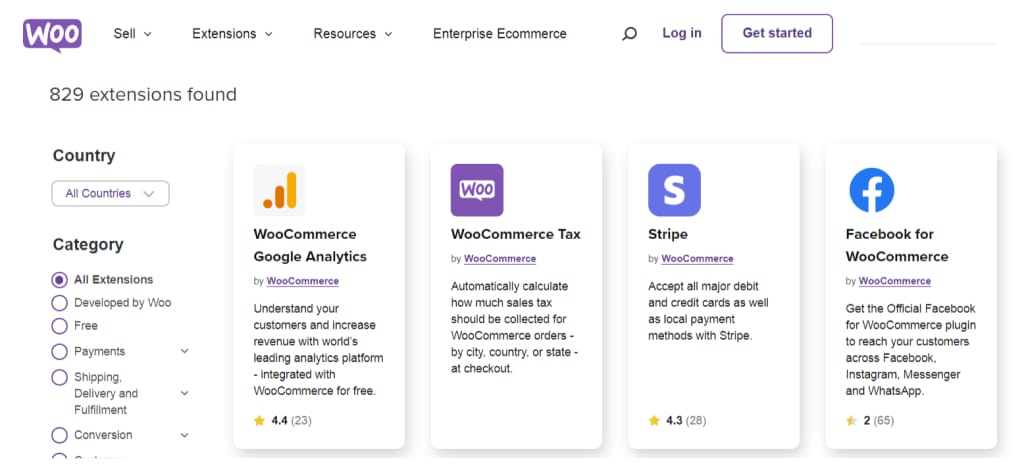
woocommerce free extensions for every business

Magento and WooCommerce have their strengths and cater to different types of businesses. The choice between them depends on factors such as the complexity of your business requirements, technical expertise, scalability needs, budget, and desired level of customization.

In the following section, we will thoroughly examine Magento and WooCommerce, including their features, strengths, and factors to consider. We will cover customization, scalability, ease of use, support, and integrations. Understanding these platforms comprehensively gives you the information needed to choose the best e-commerce solution for your business.

Magento

Magento is a feature-rich and highly scalable e-commerce platform that has gained widespread popularity among businesses of all sizes. It offers two main editions: Magento Community Edition (Open-source) and Magento Commerce (Enterprise Edition). Here’s a closer look at Magento’s key features and capabilities:

Features and capabilities

  1. Scalability and performance: Magento is renowned for its scalability, making it suitable for businesses with rapid growth or complex requirements. It can handle many products, orders, and website traffic without compromising performance. The platform’s architecture and caching mechanisms optimize page load times, ensuring a smooth shopping experience for customers.
  2. Customizability and flexibility: Magento provides extensive customization options, allowing businesses to create unique and tailored online stores. It offers a robust framework that supports modifications to both front and backend functionalities. With the ability to create custom themes, templates, and extensions, businesses can achieve a high degree of flexibility in design and functionality.
  3. Advanced marketing and SEO tools: Magento offers various marketing and promotional tools to help businesses attract and retain customers. These include personalized product recommendations, customer segmentation, loyalty programs, and targeted email campaigns. The platform also incorporates strong SEO capabilities, enabling businesses to optimize their ecommerce website for search engine visibility and organic traffic.
  4. Multi-store functionality: Magento allows businesses to manage multiple websites, stores, and store views from a single admin panel. The benefits of Magento offers businesses operating in multiple regions or targeting different customer segments.
  5. Robust security measures: Magento prioritizes the security of online stores and customer data, mitigating the risk of neglecting Magento website maintenance. It provides security features such as secure payment gateways, encryption of sensitive information, and measures to prevent unauthorized access. Regular security patches and updates address vulnerabilities and ensure the platform’s ongoing security, reducing the chances of compromising the website’s integrity.
magento offers different features and capabilities to every business

Pricing and licensing options

  1. Magento Community Edition (Open-source): Magento Community Edition is free and open-source, making it an attractive option for small businesses or those with limited budgets. However, it requires technical expertise to set up, customize, and maintain.
  2. Magento Commerce (Enterprise Edition): Magento Commerce is the premium, fully supported edition of Magento that offers additional features and support services. Pricing for Magento Commerce varies based on factors such as business size, annual gross sales, and specific requirements.

Case studies and success stories

The House of Things:

The House of Things, an online luxury lifestyle store, chose Magento as its e-commerce platform to power its visually stunning and immersive website. Leveraging Magento’s customizability, they created a unique and captivating online shopping experience for their customers. The House of Things benefited from Magento’s advanced marketing and SEO tools, allowing them to personalize product recommendations, segment their customer base, and run targeted email campaigns. 

With Magento’s multi-store functionality, they successfully managed multiple brands and product lines under a single admin panel. These strategic decisions and the robust features of Magento contributed to The House of Things’ growth and success in the highly competitive luxury market.

Tempsens:

Tempsens, a leading provider of temperature monitoring solutions, turned to Magento to establish its online presence and streamline its B2B commerce operations. With Magento’s scalability and performance, Tempsens could handle a vast product catalog and efficiently process orders from their business customers. 

The platform’s customizability allowed Tempsens to create a tailored B2B portal, enabling its customers to browse products, place orders, and access relevant account information easily. Magento’s robust security measures ensured the safety of sensitive customer data and transactions. As a result, Tempsens experienced improved operational efficiency, increased customer satisfaction, and significant growth in its B2B sales.

These hypothetical case studies highlight the potential benefits of utilizing Magento as an e-commerce platform. It showcases how businesses like The House of Things and Tempsens leveraged Magento’s features and capabilities to create successful online stores and achieve their specific business objectives.

WooCommerce

WooCommerce is a popular e-commerce plugin designed specifically for WordPress, the widely used content management system. It seamlessly integrates with WordPress websites, providing a robust and user-friendly platform for creating and managing online stores. Let’s explore the key features and capabilities of WooCommerce:

Features and capabilities

  1. Integration with WordPress CMS: WooCommerce seamlessly integrates with the WordPress CMS, allowing businesses to leverage the full power of WordPress alongside their online store. This integration provides access to various website management tools and content creation capabilities.
  2. User-friendly interface and ease of use: WooCommerce is known for its intuitive and user-friendly interface. It offers a straightforward setup process, making it accessible to users with varying technical expertise. Its user-friendly admin panel makes managing products, inventory, orders, and customer data easy.
  3. Extensive plugin and theme ecosystem: WooCommerce benefits from the vast WordPress plugin and theme ecosystem. Users can extend the functionality of their online stores by choosing from a wide variety of plugins and themes. This extensive ecosystem allows for enhanced customization and flexibility.
  4. Seamless integration with payment gateways: WooCommerce offers seamless integration with numerous popular payment gateways, making it easy for businesses to accept online customer payments. It supports various payment options, including credit cards, digital wallets, and offline methods.
  5. Mobile responsiveness and accessibility: WooCommerce provides mobile responsiveness out of the box, ensuring that online stores are optimized for mobile devices. This responsiveness enhances the shopping experience for mobile users and caters to the growing trend of mobile commerce. Accessibility features are also available, ensuring compliance with web accessibility standards.

Pricing and licensing options

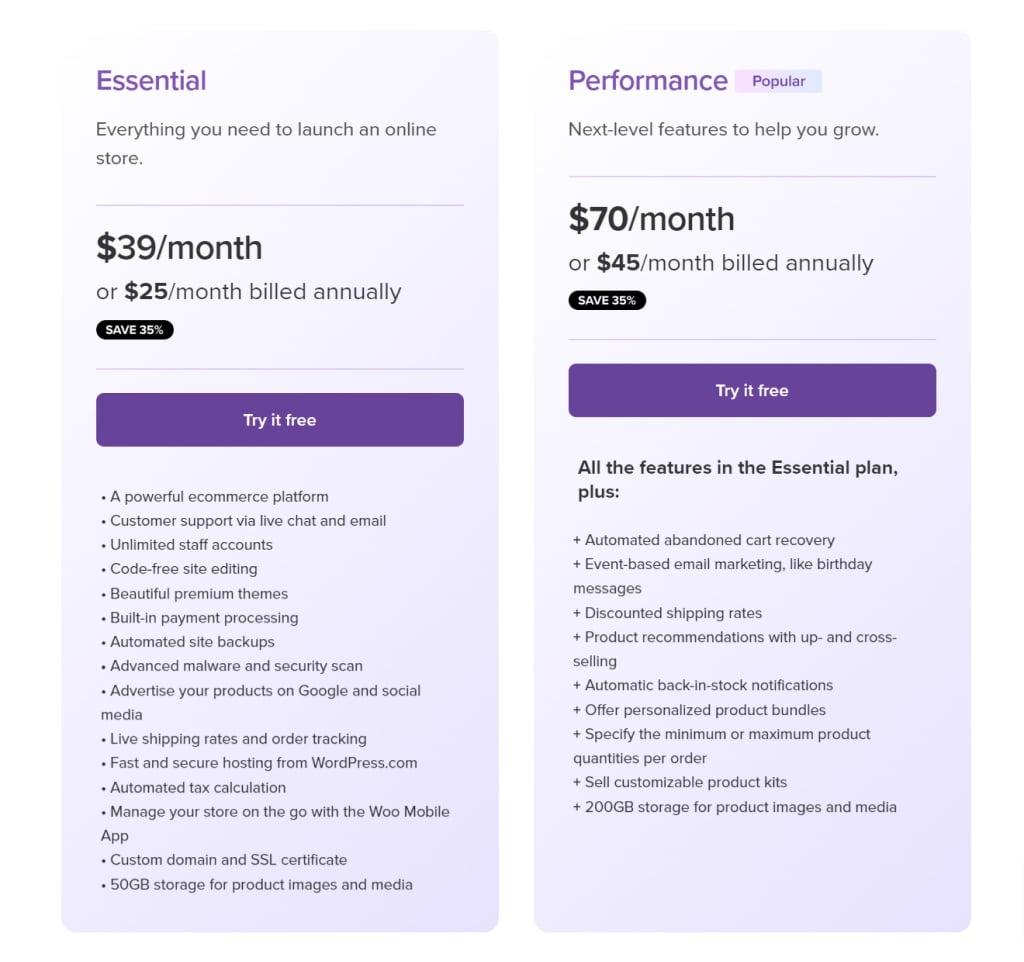
  1. WooCommerce plugin (Free and open-source): The core WooCommerce plugin is free and open-source, making it an affordable business option. Users can set up an online store and access essential e-commerce functionalities without upfront costs.
  2. Additional costs for themes, plugins, and extensions: While the WooCommerce plugin is free, businesses may incur additional costs for premium themes, plugins, and extensions. These paid options offer enhanced features, design options, and specialized functionalities, providing businesses greater customization and scalability.

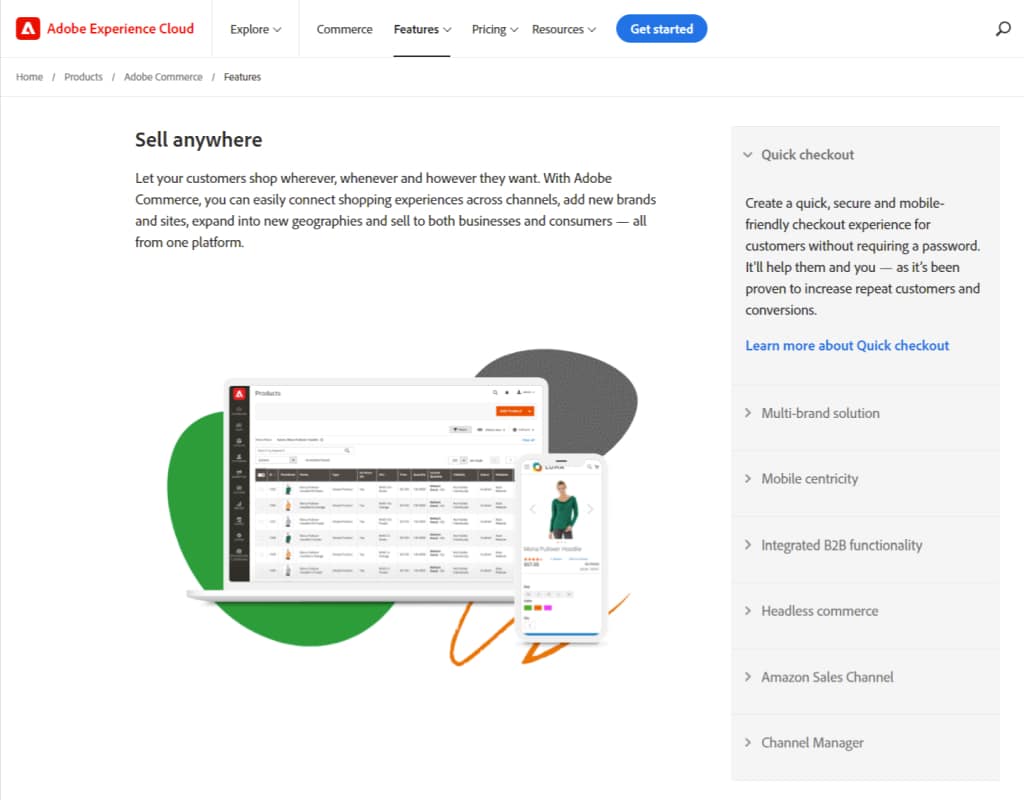
monthly plan for woocommerce

In the next section, we will investigate comparing Magento vs WooCommerce. We will assess their strengths, weaknesses, and suitability for business scenarios. By examining factors such as customization capabilities, scalability, ease of use, support, and integrations, you will understand which platform may be the best fit for your specific e-commerce needs.

Case studies and success stories

ProPlenish

ProPlenish, a health and beauty brand, turned to WooCommerce to establish and manage its online store. With WooCommerce’s powerful product management capabilities, ProPlenish could easily add and update products, track inventory levels, and manage product variations such as different flavors or sizes. This streamlined product management process allowed ProPlenish to efficiently showcase its products and provide accurate information to customers.

Additionally, WooCommerce’s mobile responsiveness ensured a seamless shopping experience across devices, enabling ProPlenish’s customers to browse and purchase their products on desktops, tablets, and smartphones. The integration with marketing plugins and analytics tools enabled ProPlenish to implement targeted marketing campaigns, track conversions, and gain insights into customer behavior.

Comparison Between Magento and WooCommerce

Magento is a robust and feature-rich e-commerce platform designed for larger enterprises, offering advanced customization and scalability. WooCommerce, on the other hand, is a user-friendly plugin for WordPress that caters to small to medium-sized businesses, providing simplicity and flexibility. In this comparison, we will delve deeper into their key differences in terms of features, ease of use, scalability, customization options, pricing, and more.

Magento vs WooCommerce: Performance and scalability

Performance and scalability are critical factors to consider when choosing an e-commerce platform. Here’s a detailed examination of how Magento and WooCommerce compare in these areas:

Magento:

  • Magento is renowned for its robust performance and scalability. It is designed to efficiently handle large product catalogs, high website traffic, and complex operations.
  • The platform’s architecture and caching mechanisms optimize performance, resulting in faster page load times and enhanced user experience.
  • Magento’s scalability allows businesses to expand their operations seamlessly as their customer base and product offerings grow.

WooCommerce:

  • WooCommerce’s performance is dependent on the hosting environment and infrastructure of the WordPress website it is integrated with.
  • While WooCommerce can handle small to medium-sized online stores effectively, it may face challenges with scaling to accommodate extensive product catalogs or high traffic volumes compared to Magento.
  • To ensure optimal performance, businesses using WooCommerce should invest in reliable hosting providers and implement performance optimization techniques.

Magento vs WooCommerce: Customizability and flexibility

The customization and flexibility offered by an e-commerce platform can significantly impact the ability to create a unique online store. Let’s explore how Magento and WooCommerce compare in terms of customization:

Magento:

  • Magento excels in providing extensive customization options. Its open-source nature allows developers to access and modify the platform’s code, enabling businesses to create highly customized online stores.
  • With Magento, businesses can create unique themes, templates, and extensions to match their specific branding and functionality requirements.
  • This high level of customization makes Magento suitable for businesses with complex needs or those seeking complete control over their online store’s design and features.

WooCommerce:

  • WooCommerce offers a good level of customization within the WordPress ecosystem. Users can choose from a wide range of themes and plugins to customize the appearance and functionality of their online store.
  • While WooCommerce allows for customization, it may have limitations compared to Magento regarding more intricate or advanced customization requirements.
  • WooCommerce is well-suited for small to medium-sized businesses or individuals who prefer a user-friendly and flexible solution without extensive custom development.

WooCommerce vs Magento: Pricing and total cost of ownership

Understanding the pricing structure and total cost of ownership is crucial when evaluating e-commerce platforms. Let’s compare the pricing models of Magento and WooCommerce:

Magento:

  • Magento Community Edition is free to use as an open-source platform. However, costs may be incurred for hosting, domain registration, customization, and ongoing maintenance.
  • Magento Commerce (formerly known as Magento Enterprise Edition) is a premium offering that requires a licensing fee. The cost varies based on the size of the business and specific requirements.
  • It’s important to note that Magento Commerce offers additional features, support, and services compared to the free Community Edition.

WooCommerce:

  • WooCommerce itself is a free and open-source plugin. Businesses can set up and use the core functionalities without any upfront costs.
  • However, additional expenses may arise from premium themes, paid plugins or extensions, web hosting, domain registration, security measures, and ongoing maintenance.
  • The total cost of ownership for WooCommerce largely depends on the specific needs and optional add-ons the business chooses.

WooCommerce vs Magento: Marketing and SEO capabilities

Effective marketing and SEO tools are essential for driving traffic, improving visibility, and increasing conversions. Let’s compare the marketing and SEO capabilities of WooCommerce and Magento:

Magento:

  • Magento offers comprehensive marketing tools, including personalized product recommendations, customer segmentation, rule-based promotions, and targeted email marketing campaigns.
  • It provides built-in SEO features such as customizable URLs, meta tags, sitemaps, and search engine-friendly navigation.
  • Magento’s robust marketing and SEO capabilities suit businesses with advanced marketing strategies and a focus on organic search traffic.

WooCommerce:

  • WooCommerce integrates well with various WordPress plugins and tools, expanding its marketing and SEO capabilities.
  • It offers social media integration, email marketing, content marketing, and customer engagement options.
  • WooCommerce benefits from the extensive WordPress plugin ecosystem, allowing businesses to choose from various marketing and SEO extensions.

Magento vs WooCommerce: Security and updates

Ensuring the security of an e-commerce platform is crucial to protect customer data and maintain business trust. Let’s compare the security features and update processes of Magento and WooCommerce:

Magento:

  • Magento strongly focuses on security and regularly releases patches to address vulnerabilities and ensure a secure environment.
  • It provides robust security features, including secure payment gateways, data encryption, two-factor authentication, and advanced access controls.
  • Magento’s security measures make it suitable for businesses that handle sensitive customer information and prioritize data protection.

WooCommerce:

  • WooCommerce’s security relies on the overall security measures implemented within the WordPress ecosystem, including secure hosting, SSL certificates, and plugins dedicated to security enhancements.
  • It is essential to regularly update WooCommerce, WordPress, themes, and plugins to ensure the latest security patches are applied.
  • While WooCommerce can be secure when best practices are followed, selecting reliable hosting providers and maintaining strong security practices is important.

Magento vs WooCommerce: User-friendliness and ease of use

The user-friendliness and ease of use of an e-commerce platform impact how efficiently businesses can manage their online stores. Let’s compare the user-friendliness of Magento and WooCommerce:

Magento:

  • Magento has a steeper learning curve compared to WooCommerce. It requires technical expertise to set up, configure, and customize.
  • The administrative interface may feel more complex for non-technical users, and day-to-day management may require some training or guidance.
  • However, Magento’s interface has improved over time, and businesses with experienced developers or administrators can navigate and utilize its extensive features effectively.

WooCommerce:

  • WooCommerce is known for its user-friendly interface and ease of use, particularly for users familiar with the WordPress CMS.
  • It provides a simplified setup process, intuitive product management, and an admin panel accessible to users with varying technical expertise.
  • WooCommerce is an excellent choice for individuals or small businesses seeking a straightforward and user-friendly e-commerce solution.

Magento vs WooCommerce: Support and Community

Access to support and a thriving community can be valuable when troubleshooting issues or seeking guidance. Let’s compare the support and community aspects of Magento and WooCommerce:

Magento:

  • Magento offers official support through Magento Support and various support packages available for Magento Commerce customers.
  • The platform has an active community forum where users can seek help, share knowledge, and engage with other Magento users and developers.
  • Numerous third-party agencies, developers, and consultants specialize in Magento and can provide support and guidance.

WooCommerce:

  • WooCommerce benefits from the extensive WordPress community, which offers a vast knowledge base, forums, and resources for support.
  • It has an active user community where users can seek assistance, share experiences, and find solutions to common issues.
  • Various companies and developers specialize in WooCommerce and provide professional support and services.

Choosing the right platform based on specific needs

Choosing the right e-commerce platform depends on specific business needs, objectives, and resources. Consider factors such as the size and complexity of your product catalog, desired level of customization, budget, technical expertise, scalability requirements, marketing strategies, and support preferences. Evaluating these factors will help determine whether Magento or WooCommerce aligns better with your unique e-commerce needs.

Conclusion

In conclusion, the comparison between Magento and WooCommerce has provided valuable insights into these popular e-commerce platforms. Magento offers scalability, advanced customization, and robust performance, making it ideal for businesses with complex needs. WooCommerce, on the other hand, provides a user-friendly and flexible solution within the WordPress ecosystem, suitable for small to medium-sized businesses.

When choosing between Magento and WooCommerce, it’s essential to consider your business needs, budget, technical expertise, user-friendliness, and available support. By carefully evaluating these factors, you can select the platform that best aligns with your requirements.

At Chetaru, we specialize in building custom WordPress website design and Magento websites. Whether you’re looking for a tailored WooCommerce solution or a fully customized Magento website, our experienced team can assist you in creating a powerful and visually appealing online store that meets your unique business needs.

Contact us today to discuss your e-commerce website design requirements and discover how Chetaru can help you build a successful and engaging website with WooCommerce or Magento.

WooCommerce Pros and Cons

WooCommerce is one of a few popular options available to you if you’re looking to sell products online and want to set up and run your own eCommerce store. 

Yet, in spite of its popularity, WooCommerce may not be completely right for everyone. 

If you’re considering using WooCommerce as the platform for your eCommerce business, you’ll need to weigh up all of the pros and cons. 

Here, we’ll talk through some of the good things – and the not so good things – about WooCommerce to help you decide whether or not it’s the right eCommerce platform for you!

What Is WooCommerce?

WooCommerce is a free and open-source eCommerce platform offering users a highly customisable software package that business owners or eCommerce managers like you can sell their products through.

WooCommerce has become hugely popular over the last few years, with thousands of business owners around the world adopting the platform to fulfil their own eCommerce needs.

After all, WooCommerce gives businesses the ability to sell products of almost any kind, whether it’s digital Solutions or physical items delivered through a direct-from-business or drop-shipping model.

Pros of WooCommerce

First, let’s look at all the aspects of the WooCommerce platform that could make it the right platform for your eCommerce store.

Free & Open Source

These days, there are so many costs associated with the start-up and running of a successful business. 

For that reason, one huge positive of WooCommerce is that it is both free and open source. 

woocommerce free and open source platform for ecommerce store

While there are paid aspects to the platform, being open source means that there are plenty of themes and useful modifications produced by fellow WooCommerce users that others (like you!) can use for free. 

These themes have all been optimised for use by other eCommerce store owners, so you know that they are tried, tested and of a high quality. 

Being open source also means that modifications and themes are updated on a regular basis. So, when the time comes to give your store a visual refresh, you’ll have no shortage of great options available to you. 

Easy to Use

Of course, whether you have an existing eCommerce site or are looking into setting one up for the first time, you’ll want to get it up and running as soon as you can.

You may be concerned, though, by your own limited eCommerce website design experience and by WooCommerce’s functionality.

Luckily, WooCommerce is incredibly easy to use, especially for those with previous experience of working with WordPress, which WooCommerce plugs into. 

Listing store items with WooCommerce is as easy as heading to ‘add product’, creating a title and short description for the product, specifying whether it’s a physical or digital product, and setting the price. 

woocommerce is easy to use

Further customisation is simple, too – product images and design features can all be changed fairly easily. 

And if you do run into any obstacles, there is no shortage of WooCommerce help available through WooCommerce Support. A quick chat with a member of the WooCommerce team is sure to resolve your issues before too long. 

Simple Reporting

One of the issues that sellers regularly run into when operating an online store is keeping track of income, profits, inventory, sales, and other such factors. 

Luckily, WooCommerce does all of that for you!

With WooCommerce, users are able to access clear and simple reports which give you plenty of insight into how your store is doing. 

These reports can be accessed at any time through the WooCommerce website or app, and will offer you a much clearer look at how your online store’s performance e.g.: 

  • Which products are selling well
  • How many visits your store is getting
  • How many of those visits are converting into actual sales
  • Frequent updates on how much stock you have left in your store inventory 

So, WooCommerce is ideal if you’re looking for an eCommerce platform that takes the guesswork out of store statistics. 

A Handy Mobile App 

A huge positive for busy company owners is that WooCommerce can be accessed via a mobile app. 

While the app doesn’t allow users to make thematic changes to their store, it does let them access reports, stock numbers, sales details and so forth ‘on the go’. 

Perfect, then, for giving you a valuable snapshot of your eCommerce store’s performance when you are out and about, away from the office.

Cons of WooCommerce

To help you make a more informed decision about whether or not it’s the platform for you, we now dive into the more negative aspects that might make you consider WooCommerce unsuitable for you and your business.

Premium Extensions and Hidden Costs

While there are plenty of free WooCommerce themes available, the highest quality and most optimised themes are a little pricier. 

In fact, when buying an official theme through WordPress – a purchase that will allow you the highest level of WooCommerce support, speed and SEO – you could be looking at a cost of up to $120 each. 

This price tag could put you off if you’re looking to keep things as low-cost as possible, even if there are benefits to these premium options.

Further costs could also come in the form of plugins required for payment gateway options. 

WordPress Knowledge is a Must

As WooCommerce is a WordPress plugin, you will definitely need fairly extensive knowledge of the WordPress platform to take full advantage of everything that WooCommerce has to offer. 

wordpress knowledge for woocommerce

WooCommerce and WordPress go hand-in-hand, so if you’re unsure how to use WordPress or currently run your eCommerce store using a different platform, WooCommerce may not be for you. 

Alternatively, you could hire a custom WordPress website design services to help you

Comparisons With Shopify

Shopify is a natural contender to WooCommerce. So, which is better?

Let’s compare! 

Cost Shopify is a paid service, but it does come with more features that are accessible to users post-purchase. While WooCommerce is free on the surface of things, there are certain aspects of the platform that the eCommerce store owner will need to pay for 

Products Shopify and WooCommerce both allow users to list an unlimited number of products – so this one’s a draw! 

Hosting Shopify includes hosting. WooCommerce does not

Start-up costs It costs around $300 in total to build an eCommerce store on Shopify, compared to $200 on WooCommerce

Themes WooCommerce offers a much wider variety of themes than Shopify. Web design and development are probably easier on WooCommerce, too (though these things are slightly subjective).

Customisation WooCommerce definitely comes out on top here, giving you loads more options than Shopify

So, overall, it looks like WooCommerce comes out on top when pitched against its competitor, Shopify.

An eCommerce Partner With The Expertise Your Online Store Needs

At Chetaru, we have all the skills and knowledge needed to help you get your eCommerce site up-and-running and optimised.

If you’d like to learn more about our eCommerce services, please drop a line at info@chetaru.com