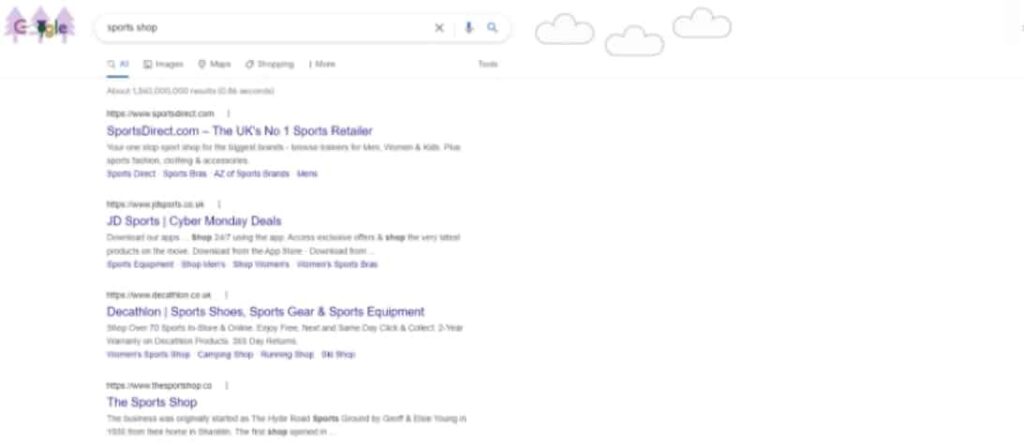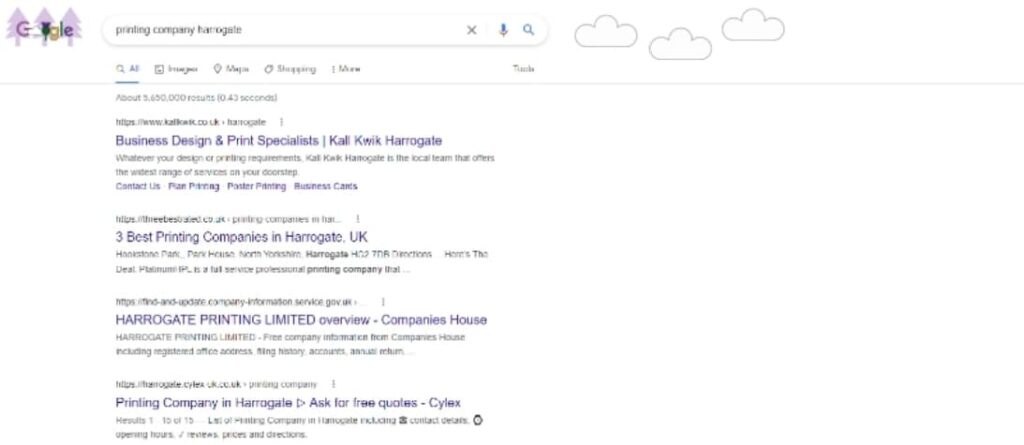
Manufacturing SEO: Marketing for Manufacturing Companies

A manufacturing industry is a company that produces physical products, typically by transforming raw materials into finished goods through mass production. This can involve various activities, such as assembling components, processing raw materials through various methods (such as machining or molding), and testing and inspecting the finished products.

Some Examples of Manufacturing Industries

There are many different types of manufacturing businesses, and they can be found in a wide range of industries. Some examples include:

Assembling: This manufacturing business combines various components to create a finished product. Examples include assembling automobiles, computers, or furniture.

Fabrication: Fabrication businesses create products by shaping and forming raw materials, such as metal or plastic, using processes such as welding, cutting, and molding.

Food and beverage: Food and beverage manufacturing businesses produce a wide range of products, including baked goods, beverages, and packaged meals.

Chemical: Chemical manufacturing businesses produce various chemical products, such as plastics, pharmaceuticals, and cleaning products.

Textile: Textile manufacturing businesses produce fabrics and other textiles, such as clothing and home furnishings.

Printing: Printing businesses produce printed materials, such as books, newspapers, and packaging.

Machining: Machining businesses use machine tools to cut, shape, and finish raw materials, such as metal and plastic, to create finished products.

Medical device: Medical device manufacturing businesses produce a wide range of products, including surgical instruments, medical implants, and diagnostic equipment.

These are just small examples of the many different types of manufacturing businesses that exist.

Marketing Challenges That manufacturer experiences

Starting a manufacturing business online can be daunting, and many manufacturers experience numerous pain points. Some common pain points are:

Limited online presence

Many manufacturers may need a stronger online presence or be more effective in utilizing digital marketing channels to reach potential customers. They need help generating leads or sales online.

Competition

There may be high competition among manufacturers in certain industries, making it difficult to stand out and attract customers online.

E-commerce challenges

Setting up and managing an e-commerce platform can be challenging, especially for manufacturers who may need to gain experience with online sales. This can include payment processing, order fulfillment, and customer service.

Lack of knowledge or resources

Manufacturers may need more expertise or resources to market and sell their products online effectively. This can include a need for more expertise in digital marketing or a lack of resources to invest in online marketing efforts.

Website design and user experience

A manufacturer’s website should be well-designed and user-friendly to convert visitors into customers effectively. A manufacturer’s website could be better designed, easier to navigate, or less effective at generating business online.

Lack of customer trust

Customers may be hesitant to purchase from a manufacturer’s website if they do not trust the business or are concerned about the security of their personal and financial information.

Limited payment options

If a manufacturer’s website only offers a limited range of payment options, it may be less convenient for customers and discourage them from making a purchase.

Digital Marketing Strategies for Manufacturing Companies

marketing agency for manufacturing

Digital marketing for manufacturing companies promotes and sells products or services to potential customers. There are many different strategies and tactics that manufacturing companies can use to market their products or services, including

Search engine optimization (SEO)

Optimizing a website for search engines can help a manufacturing company attract more organic traffic and improve its visibility in search engine results pages (SERPs). This can be done through keyword research, on-page optimization, and building high-quality backlinks.

Content marketing

Creating and sharing valuable, relevant, and consistent content can help attract and retain a clearly defined audience and gain profitable customer action. This can include blog posts, articles, videos, infographics, and social media posts.

Email marketing

Sending targeted and customized emails to potential customers can help manufacturing companies build relationships and drive sales. This can include newsletters, promotional emails, and automated email campaigns.

Social media marketing

Social media channels such as Facebook, Twitter, and LinkedIn can help a manufacturing company connect with potential customers and promote its products or services. This can include creating and sharing content, running paid advertisements, and engaging with followers.

Paid advertising

Manufacturing companies can use paid advertising platforms such as Google Ads or Facebook Ads to reach a targeted audience and drive traffic to their website.

Trade shows and events

 Attending trade shows and events can help a manufacturing company connect with potential customers and industry professionals and showcase its products or services.

Public relations 

Working with the media and using tips such as press releases, media interviews, and speaking engagements can help a manufacturing company build credibility and reach a wider audience.

By combining these marketing strategies and tactics, manufacturing companies can effectively promote their products or services and drive sales.

What Does SEO Stand for in Manufacturing?

SEO stands for Search Engine Optimization. It refers to optimizing a website or online content to rank higher in search engine results pages (SERPs) and attract more organic traffic. In manufacturing, professional SEO services can improve the visibility of a manufacturing company’s website or products in search engine results, making it more likely that probable customers will find the company’s website when searching for relevant products or services. 

Some common SEO tactics for manufacturing companies include optimizing product pages for relevant keywords, creating high-quality content that addresses common customer questions or pain points, and building backlinks from other reputable websites. By improving their SEO, manufacturing companies can increase the chances of their products or services being found by potential customers and ultimately drive more sales.

Optimize a Manufacturing Website to Rank Higher in Search Engines

website for manufacturers

There are several key statistics that a manufacturing business should consider when implementing an SEO strategy:

Use relevant keywords

Identify the keywords potential customers use to search for products or services related to your manufacturing company and include them in your website’s content, titles, and tags.

Optimize your website’s content 

Make sure that your website’s content is relevant, well-written, and easy to read. Use headings, bullet points, and short paragraphs to break up content and make it more visually appealing and easy to scan.

Make sure your website is mobile-friendly

With the increasing use of mobile devices to access the internet, it’s important to ensure that your website is optimized for mobile viewing. This includes using a responsive design, fast loading times, and easy-to-use navigation.

Improve the speed of your website 

A slow-loading website can negatively impact your ranking in search results. Use tools like Google’s PageSpeed Insights to identify areas for improvement and make your website faster.

Use alt tags for images

Alt tags are a text description of an image displayed if the image cannot be shown. They also provide search engines with more information about the content of your website.

Use header tags 

Header tags (H1, H2, H3, etc.) help to break up your content and make it easy for search engines to understand the structure of your website. Make sure to use header tags appropriately to help search engines identify the hierarchy of your content.

Use internal linking 

Linking to other pages on your website can help search engines understand your website’s structure and improve your pages’ ranking. Use informative anchor text when linking to other pages on your website.

Use social media 

Social media can be a powerful method for driving traffic to your website. Use social media to advertise your website and engaging with potential customers.

Build high-quality backlinks

One way to improve your website’s ranking in search engine results is to build high-quality backlinks from other reputable websites. This can be done through tactics such as guest blogging or participating in industry-specific forums.

Claim and optimize your Google My Business listing 

You can make your company more visible in local search results by claiming and improving your Google My Business listing.

Implementing these SEO best practices can help improve the visibility and ranking of your manufacturing company’s website in search engine results, making it easier for potential customers to find you online.

How to Track the Success of Your Manufacturing Marketing Campaign

digital marketing seo manufacturing

Traffic 

The amount of traffic that a manufacturing business’s website receives can be an important indicator of its online success. A higher traffic volume can indicate that the website ranks well for relevant keywords and attracts many potential customers.

Keyword rankings

 A manufacturing business should track its orders for relevant keywords to see how well its website performs in search results. This can help the company identify areas where it is doing well and where it may need improvement.

Conversion rates

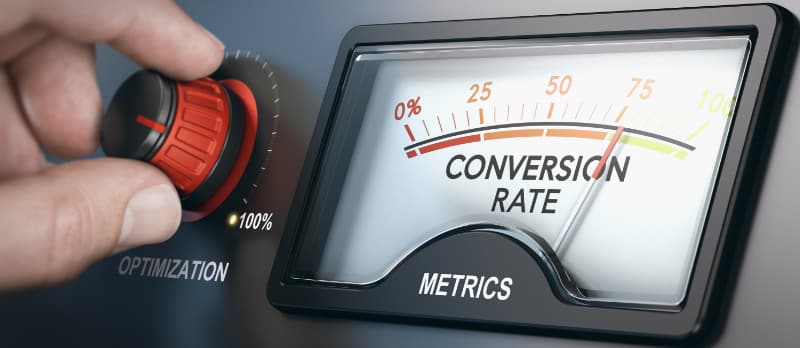
The conversion rate is the percentage of website visitors who take the desired steps, such as making a purchase or filling out a form. A higher conversion rate can indicate that a manufacturing business’s website effectively converts visitors into customers.

Bounce rate

The bounce rate is the percentage of website visitors who leave a website after viewing only one page. A high bounce rate can indicate that a manufacturing business’s website could more effectively engage visitors or provide them with the information they want.

Time on site

The amount of time visitors spend on a manufacturing business’s website can be a good indicator of the website’s relevance and quality. A longer time on site can indicate that visitors find the website helpful and engage with its content.

Return visits

The number of visitors who return to a manufacturing business’s website can indicate the website’s value and the strength of the business’s brand. A high number of return visits can indicate that the website is meeting the needs of its visitors and that they are likely to return in the future.

Conclusion

SEO for manufacturing companies is vital to driving online traffic and improving conversions. Following the tips in this blog post, you can create an effective SEO strategy tailored to your manufacturing company. If you need help getting started,  experts at Chetaru can assist you with developing a comprehensive SEO plan to help you achieve your marketing goals.
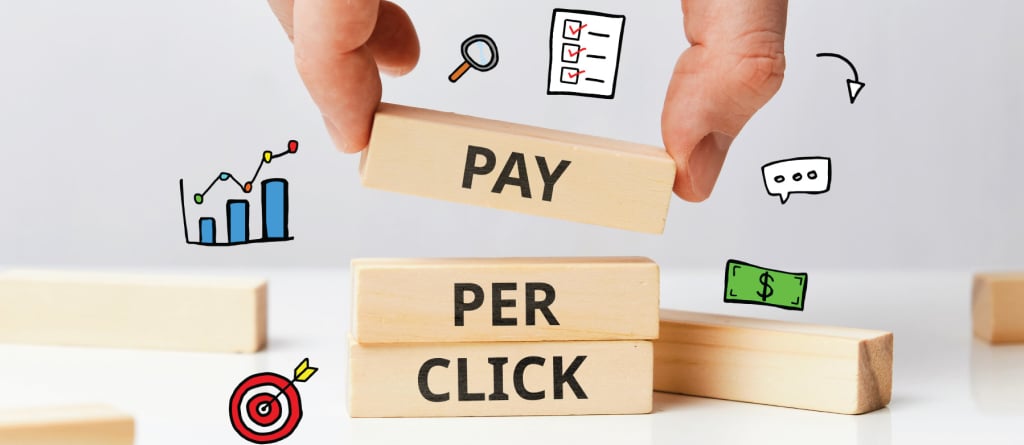
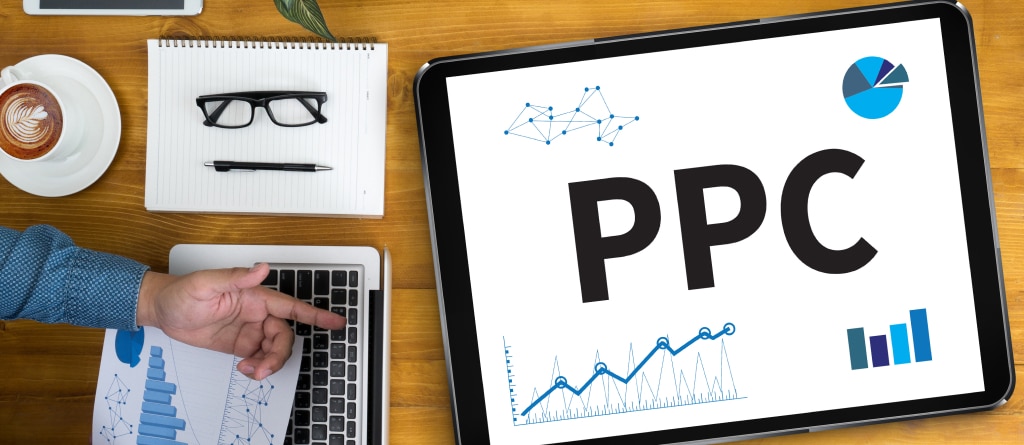
What is Pay Per Click?

Pay Per Click (PPC) is a form of online advertising where advertisers pay a fee each time one of their ads is clicked. It’s a way to buy visits to your website rather than attempt to attract them organically.

Introduction

Have you ever seen advertisements alongside the search results when browsing the internet? These advertisements, whether on Google or other search engines, are a form of pay-per-click (PPC) advertising. 

Pay-per-click, or PPC, is an advertising model commonly used in online campaigns to drive more traffic to a website. It is considered one of the most crucial aspects of digital marketing, especially considering how effective the strategy is in increasing the visibility of a website. Therefore, people looking to successfully market their products or services should consider engaging in PPC advertising.

But what exactly is PPC? And how does it work? Read this article to find out PPC meaning and the different PPC services associated with this form of advertising!

What is Pay-Per-Click Advertising?

Pay-per-click is a digital marketing model aiming to generate traffic to a particular website. With this advertising model, the advertiser pays a set fee to the publisher (or host website) each time an ad is clicked on. In other words, the company or firm looking to drive traffic to their website pays for targeted visits to their landing pages.

PPC ads come in different forms depending on the type of product or service being advertised. They can be made up of videos, images, text, or even a combination of these types. Also, the ads come in a wide range of sizes and shapes. They are usually designed to appear on different search engines, social media platforms, and websites. They feature an appealing design that tempts website visitors to click on them and engage with the ad.

How Does Pay-Per-Click Advertising Work?

An important fact to note is that PPC advertising varies from one platform to another. However, regardless of the platform used, all advertising processes follow these six simple steps:

  1. Identify and analyze your marketing objectives.
  2. Choose your ideal type of campaign.
  3. Refine your audience targeting, schedule, devices, and settings.
  4. Outline your bidding strategy and intended budget.
  5. Input your landing page or destination URL.
  6. Start building your PPC ad, after which it can then be added to the host website pages for marketing.

But what if you want your PPC ads to appear more prominently alongside the search engine results than your competitors? Contrary to what most people think, paying a higher fee does not mean your ads will rank high on the Search Engine Results Page (SERP). Instead, all PPC ads are subject to the Ad Auction, an automated process that search engines, such as Google, use to analyze the validity and relevance of any ads that appear on the SERPs.

Also, factors such as the amount of money you pay for every click and when and where the PPC ad appears are determined algorithmically considering your campaign settings, budget, ad quality, bid and the ad’s relevance. However, if you always create trustworthy and relevant PPC campaigns, you can rest assured of having higher positioning on search engine results, as well as lower costs of PPC advertising.

Advantages of Pay-Per-Click

So why should you consider including PPC services in your digital marketing strategy? Consider these four advantages that you stand to gain from engaging in PPC advertising:

ppc advertising services

1. Saves Costs

PPC is one of the most cost-effective methods of advertising sellers can engage in. Since advertisers only pay the host website when an online ad gets clicked on, they save on a lot of cash which would’ve otherwise been spent investing into multiple campaigns whose profitability cannot be measured quantitatively. 

Besides, the fee you pay the host website is very trivial, considering the worth of every click. Say, for instance, that you pay a fee of $3 for every click. If this particular click results in a $500 sale or more, you will have made a significant profit worth more than the fee you pay. This makes PPC very cost-effective and a worthwhile model of advertising to undertake.

2. Provides Ad Information

When you start PPC advertising, you want to create ads that drive traffic to your site, not dormant ads that do not generate positive results. However, you cannot determine how well an ad is performing if you do not have access to this information. 

Fortunately, most platforms that offer PPC services provide the advertiser with all the information they need to analyze the performance of their ads. Some of the information included the total number of impressions made on the ad, conversions, clicks, and any other information about what is happening with the ad. With this information, the advertiser can customise the ad to attract a higher number of the target audience and generate more conversions.

3. Reaches the Target Audience

PPC advertising offers many segmentation options, ensuring that you do not get to waste even a single click. After all, only your target audience will be able to see your ads. And since someone who is part of your target audience has a higher likelihood of clicking on the ads, you can expect to yield better results from your advertising. Besides, the more your ads get clicked on, the lower the overall cost of the ads will be.

4. Guarantees Better Performance and Visibility

In other advertising models, the advertiser is required to pay a fee for their ads to be shown without any guarantee that the ads will generate positive results. On the contrary, pay-per-click allows advertisers to pay only for the site visits they receive, which guarantees the performance of their ads.

Even better, some sites allow you to choose when and where your ads will be shown. Not only does this permit you to choose as many locations and platforms as possible, but you can also choose specific sites that your target audience frequently visits. This strategy can help you drive more website traffic and increase your conversion rate.

ppc management

Conclusion

So, is Pay-Per-Click or PPC worth it? Absolutely! When you understand the key concepts of PPC advertising and learn how to use it well, you can rest assured of higher traffic towards your site, which will lead to more conversions and sales. Indeed, PPC advertising is compulsory for all those looking to improve their digital marketing strategies!

Digital Solutions – What They Are and How They Can Boost Your Business Goals

It should come as no surprise that digital marketing is a vital activity for any modern business. It helps reach the right people at the right time, increases brand awareness, and boosts profits. And this is precisely why digital marketing budgets have increased across almost all industries in 2022. 

However, bigger marketing budgets don’t always mean more effective marketing. For example, a 2022 study from Gartner found that 58% of Chief Marketing Officers say they don’t have the talent to deliver their marketing strategies. And yet, despite the talent shortage, hiring remains flat. 

Luckily, there is a way to increase the effectiveness of your marketing strategies without costly recruitment – digital marketing solutions. So that’s what we’re going to be diving into today.  

What is a Digital Marketing Solution?

Digital marketing Solutions refers to campaigns that appear on phones, tablets, computers, and other personal electronic devices. It can take many forms, including display ads, online videos, search engine marketing, social media posts, Link Building Services and more. 

Digital marketing has skyrocketed in recent years, and with good reason. At its core, marketing is about connecting with your audience at the right time and place. Or, in other words, meeting them where they already are – online. And crucially, digital marketing is more important than ever in a world where people are overwhelmed by interruptive (and annoying) marketing tactics. 

So, what is a digital solution? Digital solutions are tools that address specific functions within a business need. For example, automation tools for scheduling social media posts, tools for search engine optimization, brand tracking, email campaigns, content marketing, online PR, pay-per-click advertising, and more could be included in a digital solution. Typically, digital marketing solutions focus on data analytics, strategy, media, and advertising to connect with new audiences, create compelling user experiences, and boost sales. 

what is digital marketing solutions

How Does Digital Marketing Differ between Industries?

There’s no one-size-fits-all for digital solutions. Since different industries have different priorities, digital solutions will look slightly different for each sector. Let’s explore some of these differences. 

Manufacturing Businesses

Manufacturing businesses’ SEO strategy will want to focus on informational and transactional keyword ranking. Informational keywords are used when the searcher is looking for more information about a product, service, or anything else. 

Information search queries typically include keywords like “How,” “What,” “Why,” etc., as these questions provide additional information to the user. Most of the time, the user isn’t looking for a specific product at this stage but instead looking for more information so they can solve a problem. Manufacturing companies can target informational keywords with helpful content. And crucially, properly optimising this content can lead to incredible benefits, like having your answer featured as a snippet on Google. 

By contrast, transactional keywords relate to words people use when they intend to find products to buy. Think, “buy”, “cheap”, “purchase”, “for sale”, “deal”, “where to buy”, “purchase”, and so on. 

Regular cold email campaigns are also a popular tactic in manufacturing, and with good reason. Email remains a highly effective way to acquire new customers and is nearly 40 times more effective than Facebook and Twitter. 

digital solution for manufacturing business

Ecommerce Businesses

For ecommerce businesses, the priority is paid social media campaigns and customer retargeting through different channels. The goal here is to get your product in front of users when they’re ready to buy. Retargeting is essential because expecting people to purchase from you the first time they see your product often isn’t realistic. For example, research by Salesforce shows that people need 6-8 interactions with a brand before buying. 

Regular emails to existing customers are also an effective way to boost sales for new products

Professional Services

Companies in this category will want to focus on search keyword ranking and online PR. Crucially, tone also plays an important role here. Typically, we can categorise marketing tone of voice into four dimensions: formality, humour, respectfulness, and enthusiasm. Professional companies usually favour formal content and keywords, favouring rational and quantitative language over funny or enthusiastic. 

Luxury Brands

Luxury brands want to target more affluent consumers and inspire a sense of exclusivity. To do this, they should focus on influencer marketing and social media campaigns that target their ideal customer persona. And “budget-conscious” vocabulary and keywords should be absent from the marketing copy. Moreover, regular emails to existing customers to promote new products are an essential digital marketing strategy for luxury brands

digital marketing solution for luxury brands

How Can Digital Marketing Solutions Improve Your Business? the Benefits

  • Lower costs: Digital marketing is cheaper than its traditional marketing peer. Moreover, it can provide a massive ROI for your marketing budget. 
  • Reach: With online marketing, reaching audiences across the world or with niche interests is far easier. 
  • Potential for viral content: There’s always the potential for your content to go viral when you post online, massively boosting brand awareness.
  • Measurable results: Digital marketing is fuelled by data. This means you get far greater visibility into the success of your strategies than you do with traditional marketing. You can then tailor your approach for even greater success. 
  • Keeping up with the competition: Today, consumers expect all brands to have an online presence and may mistrust companies that don’t. 
  • Multiple strategies: There are many different digital marketing strategies for different sectors or types of businesses (for example, B2B vs B2C). You might want to focus on SEO, video marketing, PPC, social media marketing, retargeting, influencer marketing, email marketing, forum engagement, paid social ads, or something else. 
  • Increased engagement: Digital marketing solutions are designed to drive high engagement, leading to more loyal customers and making it easier to convert cold traffic to fully-fledged customers. Users can like, share, comment, or engage with your website via a paid ad click. 

Wrapping Up

Digital Marketing Solutions can help supercharge your marketing efforts and make even your more ambitious business goals a reality. Get in touch today if you want to see what digital marketing solutions can do for your company. We are a full-service digital marketing agency in austin with a wealth of knowledge on all things digital marketing.

Marketing in Recession: Tips to Survive and Thrive in Tough Times

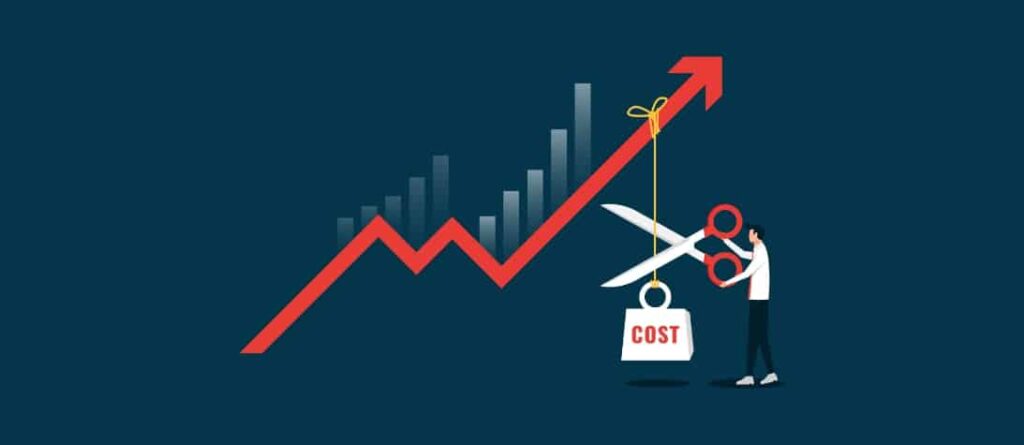
In an uncertain economy, businesses have to be smart about their spending. Marketing budgets are often one of the first areas to be cut when times are tough. However, eliminating or reducing your digital marketing efforts can be a mistake. 

In the 1990-91 recession, McDonald’s decision to reduce its advertising budget resulted in sales dropping by 28% and gave their market share to Pizza Hut and Taco Bell to increase their sales by 61% and 40%, respectively. 

Eliminating or reducing your digital marketing efforts can be a mistake. Instead, it would help if you focused on making your marketing more efficient and cost-effective. Here are a few simple ways to do it:

Recession-Proof Digital Marketing

  • Go Lean: Instead of allocating money for extensive, splashy campaigns, go for smaller initiatives that can be executed quickly and cheaply. Focus on content marketing, email marketing, search engine optimization, and other cost-effective strategies that will keep your brand top of mind without breaking the bank.
  • Focus on ROI: When money is tight, marketing campaigns that can show a clear return on investment are more likely to get funding. Be sure to track your metrics closely and demonstrate how your efforts drive sales and leads.
  • Keep your branding strong and consistent: Keeping your branding strong and consistent in a recession is more important than ever. Your brand sets you apart from your competitors and helps you build trust with your customers. Make sure your branding is visible and consistent across your digital channels, from your website to your social media profiles.
  • Focus on quality over quantity: When budgets are tight, it’s tempting to cut corners and go for the cheapest option available. However, this can be a mistake in digital marketing. In a recession, focusing on quality over quantity is more important than ever.
  • Write your own content: You know your business better than anyone else. So writing your content by yourself allows you to talk to your customer directly through the website and minimises your spending on content writing. 
  • Get creative with your content: If you can’t afford to produce new content, repurpose existing content in new and exciting ways. For example, turn a blog post into a video or infographic. Many free tools available today help you create short videos and inforgraphic and remarket your content again.
  • Be smart about your paid advertising: Don’t waste money on ads that aren’t reaching your target audience. Instead, focus on targeted campaigns likely to generate leads and sales. Keep on monitoring your ads and updating them as and when needed.
  • Spend on SEO: SEO is one of the most efficient, lucrative, and cost-effective marketing today, and it’s still a viable strategy to help your business develop (or at least stay afloat) even during economic downturns.
  • Analyse your data: Use data from your website and social media platforms to track what’s working and what isn’t. Doing so will help you focus your efforts on the strategies that are giving you the best results.
  • Double down on existing customers: It costs less to keep existing customers than to acquire new ones, so now is the time to focus on customer retention. Offer loyalty discounts, improve your customer service, and make it easy for customers to do business with you.

By following these tips, you can make sure that your digital marketing strategy is ready for anything the economy throws your way.

Identify your core marketing goals

During recessions, we have seen companies cutting their marketing costs as their sales and profit drop. Its true customers tighten their budget and shop less, but this does not mean they don’t buy anything. They narrow their needs and spend on only items which matter most to them. In the same way, marketing expenditures in areas from communications to research are often slashed across the board—but such indiscriminate cost cutting is a mistake.

Marketing in Recession - Cut your Cost

Small and medium-sized enterprises do not have to cease marketing during a recession since they must continue operating. And to be in business, one had to identify their marketing goals and execute their plan to serve their customers.

Consider the customer persona and how customers are reacting in the current context when developing any marketing strategy. Customers can be divided into 4 types of groups:

  • Slam on the brakes: People in this group feel most vulnerable and most impacted financially. They reduce spending by eliminating, postponing, decreasing or substituting purchases. Studies also show that higher-income consumers are also susceptible to this. After all, not everyone who falls under the lower-income category has a stable income, and they can be just as anxious as those with higher incomes.
  • Pained but patient: Consumers are resilient and will continue to spend what they can afford in the near future. They’re not too optimistic about future economic prospects, but they’ll keep an eye on the situation while spending what they can afford today.
  • Comfortably well-off Consumers:  Consumers feel secure about their ability to ride out current and future economic bumps, and they consume at near-pre recession levels, though they tend to be a little more selective about their purchases. Primarily this segment applies to people in the top 5% income bracket. It is also important to consider those who are less wealthy but feel confident about the stability of their finances—people like retirees or investors who got out of the market early, for example. They may not have a lot of money saved for emergencies, but at least they’re feeling financially stable.
  • Live-for-today group: Consumers are moving on with their lives and aren’t concerned about how far into the future they’ll save. They simply adjust the length of time until they usually make big purchases when times get tough.

Based on the customer groups mentioned above, develop a new group to market. Depending on the current customer category you use to target, find your chance for a new group and align your marketing strategy to retain current clients and attract new ones. As Buffet said,, “be greedy when others are fearful” those who do not cut their marketing budget in recession, when most resist spending on marketing always succeed. Many firms, for example Airbnb and Uber, have emerged during the recession and are now well-known brands.

Prioritise your spending

Marketing in Recession - Control your expanses

In any recession, businesses face tough choices. Do they spend less on marketing and weather the storm, or do they continue to invest in marketing and risk not having enough cash to sustain operations? The answer, of course, is different for every business.

Any marketing professional will tell you that it’s important to be strategic about your spending during a recession. With budgets being cut left and right, you need to ensure that your money is going to the places with the most impact. So, how do you prioritise your spending during a marketing recession?

  • Focus on your core products and services. As businesses have a limited budgets, focus only on your core products and services. Don’t add any marketing budget to products which are not your core products. 
  • Take a close look at your target audience. Who are they, and what do they want? Once you have a good understanding of who your audience is, you can start to allocate your resources accordingly. For example, if your target audience is young adults, you might want to focus your spending on digital channels like social media and online advertising. On the other hand, if your target audience is older adults, you might want to focus on more traditional channels like TV and radio.
  • Consider shifting your focus from mass media to more targeted channels like online advertising or direct mail.
  • Businesses should remember that even in a recession, customers still need and want products and services; businesses that can provide them with what they need at a fair price will be best positioned to succeed.
  • Track your results closely. During a recession, it’s more important than ever to show a return on investment for your marketing spend. Keep track of how each of your campaigns performs and adjust your strategy accordingly. This will help you ensure that your money is going to the places that are actually generating results.
  • Don’t be afraid to get creative. A recession is a perfect time to get out of your comfort zone and be creative and visible to your audience.

By carefully prioritising your spending, you can ensure that your marketing budget continues to deliver results even during tough economic times.

Make the Most of Free or Low-Cost Tools

Any small or large business needs a digital marketing strategy these days. Digital marketing is a complex and ever-changing field, making it difficult to know where to start. Creating and implementing an effective digital marketing plan can be costly. Numerous tools available can help businesses automate their marketing tasks and save time and money. Every business can take advantage of three free or low-cost digital marketing tools mentioned below:

  • Google Analytics: Google Analytics is a powerful tool that provides valuable insights into website traffic and user behaviour. By understanding how users interact with your website, you can make changes that improve the overall user experience and increase conversion rates. Best of all, Google Analytics is free to use.
  • Hootsuite: Hootsuite is an excellent tool for managing social media accounts. With Hootsuite, you can schedule posts, track who is talking about your brand, and measure your social media ROI. Hootsuite offers a free plan for small businesses.
  • MailChimp: MailChimp is an excellent tool for email marketing. With MailChimp, you can create beautiful email newsletters, automate your email marketing campaigns, and track the results.
Digital Marketing in Recession

Outsource your digital marketing

Outsourcing your digital marketing can be a great way to save time and money during a recession. By outsourcing your digital marketing, you can focus on what you do best and leave the digital marketing tasks to a professional. This can be a cost-effective solution for small and medium businesses that don’t have the resources to hire in-house staff.

Wrapping Up

The recession has hit businesses of all sizes, but those who are able to adapt and change their marketing strategies will come out on top. At Chetaru, we have been helping agencies to do just that – survive and thrive in tough times. If you’re looking for help outsourcing your digital marketing work, get in touch with us today. We have a team of experienced professionals who can help you achieve your marketing goals, whatever they may be.

How to Redesign Your Website Without Losing SEO

Did you know a whopping 48% of users believe website design is the number one factor in judging a company’s credibility? 

Or that 94% of visitors create their first impression of a website based solely on the design? 

A website redesign doesn’t just improve your site’s overall aesthetic. It can improve your:

  • Conversion rate 
  • Visitor experience
  • Boost your leads and sales. 

However, when you embark on a site redesign, you’re also taking a considerable risk. What happens to the SEO you’ve spent years perfecting? Failing to build SEO into your website redesign from the beginning can lead to disaster. 

With this in mind, let’s dive into everything you need to know about how to redesign your site without losing SEO. 

Redesign Your Website Isn’t An Easy Task

Redesigning your website is a huge undertaking, but it’s also a crucial part of your progress as a company. 

For example, a website that looked fresh and futuristic 15 years ago would look out of place today. 

Similarly, websites with jarring visuals, disorganized content, and confusing navigation can turn visitors away before you have a chance to impress them with your product or service. 

Your website needs to be fast, responsive for all screens, have a cohesive brand identity, and much more to stay competitive in the digital age. 

When is a Website Redesign Needed?

The reasons for embarking on a website redesign vary significantly.

However, the most common reasons to redesign a website are:

  1. Improve low conversion rates
  2. To add functionality that enhances the user experience
  3. Rebrand
  4. To increase traffic

Generate more leads (one study found that leads improved over 300% after a website redesign!)

In simple terms, your specific business goals will determine the scale of your website redesign. 

When it comes to scaling, there are two main ways to categorize a website redesign project — cosmetic and complete redesign. 

Cosmetic Redesign

A cosmetic website redesign, often called a revamp, typically involves updating the way your site looks to make it appear more modern, on-brand, or more appealing to new market segments. 

Usually, cosmetic redesigns only impact certain sections of the site. 

Typical examples of design tweaks in this area include updating the company logo, increasing accessibility on the site (for example, larger fonts, and contrasting colors), or adding new products and services. 

Complete Redesign

A complete website redesign involves making broad changes to the front-end and back-end of the site and its fundamental building blocks.

Here, companies often start from scratch to build a website that better fits the needs of their customers. You can think of it as a reimagining of your website goals. 
You might consider a complete website redesign if your website is very old, built on an antiquated platform, unresponsive, or you plan a major rebrand. 

How to Check Your Current Website SEO Score

Before you begin your website redesign, it’s a good idea to conduct an audit of your website as it is today. 

Website auditing tools can tell you crucial information about your site, much of which impacts your SEO. 

For example, some tools can identify broken links, analyze page load time, identify errors and SEO issues in your meta-information, and determine page quality (duplicate content, too little text on a page etc). 

Some tools can also go far beyond this, looking at things like page and link structure, server configurations, and external factors like backlinks and whether your website appears on any blacklists. 

Redesign Your Website Without Losing SEO - Check current website score

There are many tools out there, but Seobility, HubSpot Website Grader, and SmallSEOTools are good places to look for your current SEO score. 

It’s also a good idea to check your current domain authority (DA) using Open Site Explorer. Why? Because domain authority is vital to your SEO rankings. DA is a score out of 100, where the higher the number, the more authoritative your site is. Sites with higher DA scores perform better in search results. 

Understanding how your website shapes up today can help you set better goals for your website redesign SEO project!

Common SEO Pitfalls to Avoid When Redesigning Your Website

Redesigning your website without sabotaging your SEO requires a deliberate approach — you can’t leave anything to chance. 

So, if you want your new website to launch without a hitch, you need to avoid these common SEO pitfalls.  

Not Setting Goals

Your website redesign should be intrinsically linked to your business goals. Therefore, when crafting your redesign goals, you need to ask questions like:
  • What are our customer personas? What do our ideal customers want from a website?
  • What does the buyer’s journey currently look and feel like, and how do we want it to look on the new website? What are the core phases buyers go through, and could these be improved with fewer steps or by removing pain points?
  • What are the must-have components of the new website?
  • How do we plan to use high-quality content to increase traffic to our website?

Not Establishing Benchmarks

This relates back to our previous section on your current website’s SEO score. 

When you launch your new website, you must track how it compares to your old website to see how successfully the redesign achieved your goals. You’ll want to track things like total traffic, conversion rates, which pages get organic traffic, inbound links, and usage metrics like bounce rate, time on site, geography, and so on. 

Slowing Down Page Load Speed

Page speed is a significant contributor to visitors abandoning your site and looking elsewhere. For example, one study found that 93% of visitors have left a website because it didn’t load quickly enough. 

Redesign Your Website Without Losing SEO - Don't slow down your website

Therefore, it’s a good idea to use page load time checkers when redesigning your site to pinpoint if any elements of your design are slowing it down. 

Not Including Unique Content Above the Fold

For those unfamiliar with the term, above-the-fold refers to content at the top of the web page. Or, in other words, content that users can see without scrolling. 

Typically, companies put a lot of thought into this content and, as a result, often decide to keep the same above-the-fold content when they redesign their website. But this is a mistake, and can actually harm your search engine ranking. So instead, you should focus on creating new and unique above-the-fold content. 

Best Practices for Getting Website Redesign Right — the Ultimate Checklist

So, now you know the don’ts, but what about the dos? 

Getting a website redesign right requires careful attention to detail across many different areas. This can be challenging without a checklist to keep you on track. 

With this in mind, our website redesign SEO checklist highlights the steps you need to take for a smooth launch. 

Before Migration Checklist

Define project goals and plan

We discussed this in the last section. Your project goals are likely to be tied to business use cases, marketing initiatives, SEO improvements, etc. Setting appropriate and timely goals is crucial to success. 

Content and information architecture

You need to understand the current state of your information architecture, content, and site map. Pages valuable to your SEO strategy mustn’t get purged during your migration to the new site. The best way to approach this redesign aspect is to use site crawling tools like DeepCrawl or Screaming Frog to find all pages on your website and use this as a guide.  

On-page optimization

Maintaining relevant subject matter content is crucial to reaching your target audience, so you must proactively optimize pages for specific elements that boost relevance in search results. This means updating URLs, page titles, body copy, alt text, and meta descriptions. 

Redirects

One study of 150,000 websites found that 42.5% of these sites had broken links! If you want to avoid becoming a part of this statistic, you need to map your URL redirects. You need to match your old URLs with new ones and decide on any new URLs to replace the ones you’re getting rid of. Be aware that, for large websites, this could end up being the most time-intensive aspect of your website redesign. If any website has many backlinks pointed to the URL then it is better to keep the same URL structure to avoid redirection or 404 error once the website is live. Generally, it is very difficult to change the URL on an external website with a new URL.

Post Launch Checklist

Check your redirects

If you did everything correctly, your redirects should work!

Submit your XML sitemap

Your XML sitemap is essentially your website blueprint — it tells search engines how to interpret your site and the purpose of its content. You can either update your XML sitemap manually or use tools like Yoast or AIOSEO to help. This is a crucial step for your redesigned website because Google crawlers might ignore your new website entirely if they find an incorrect XML sitemap.

Monitoring

Congratulations! You’ve done the hard work, and your site is live. Now you need to monitor the site’s SEO performance against the previous benchmarks to see how it stacks up. You’ll also want to use tools like Google Search Console to watch for reported 404 errors, HTML issues, and crawl errors so you can tackle these quickly.

Ongoing SEO improvement

SEO isn’t a one-time thing but rather something you tweak for optimal results over time. Make sure to go back and review your website periodically to see where you can improve SEO.

You can also download our SEO checklist as a PDF!

Wrapping Up

Website redesigns carry plenty of risks for SEO, but they also offer valuable rewards that could propel your business to the next level. Even a complete website redesign from the ground up doesn’t have to mean your traffic dwindles and your site fades into obscurity. 

If you want to learn more about how Chetaru can help you redesign your website without losing SEO, get in touch today! 

info@chetaru.com 

How Does PR Help in Content Marketing?

Internet users today are more demanding than ever. Why? Because in the digital age, there’s no shortage of engaging online content available at the click of a button. 

However, while this is great for the average person, it presents a significant challenge for companies designing the perfect content marketing strategy

How do you continue to create content that resonates with users, grows your brand awareness, and leaves a lasting impression in such an overcrowded digital landscape?

The answer lies in a hybrid approach, combining both your public relations (PR) and content marketing efforts. 

This blog post will address how and why PR helps in content marketing and some top tips on how you can do it successfully. Let’s dive right in!

Content Marketing vs Public Relations (PR) – What’s the Difference?

Content marketing is a subset of marketing focused on consistently creating and distributing relevant and valuable information about a product or service. The goal of content marketing is two-fold:

To attract and retain a clearly defined target audience.
To encourage users to take action, for example, by clicking a link in an email, downloading an eBook or similar, or making a purchase.

By contrast, PR is focused on building mutually beneficial relationships between a company and the public. At its core, PR is about brand awareness, reputation management, and building trust and credibility with your audience.

The metrics for success also differ between content marketing and PR.

For example, success metrics typically revolve around leads, sales, and engagement in content marketing. Things like social shares, website traffic, CTR (Click-Through-Rate), post engagement (comments/likes), SEO performance, lead generation, conversions, and sales data are critical metrics for determining the success of your content marketing strategy.


In PR, success metrics are more commonly focused on brand reach (who sees your content), coverage (where your campaign performed well), and impact (what impression your brand fostered). It’s important to note that PR is often less concerned with raw numbers. For example, having your brand mentioned in a small publication with high authority and a highly engaged audience could be a huge success. Why? Because although the raw number of people exposed to your brand might be low, those people are highly influential – their opinion on your brand matters and can drive positive action.

However, despite some key differences, content marketing, and PR have the same foundation: consistent and compelling storytelling aligned with your brand, and targeted at a specific audience.

Their goals are also intertwined; attracting and retaining new customers and encouraging them to have a favorable opinion of your brand.

Top Reasons PR Supports Your Content Marketing Strategy

By combining content marketing and PR, you can tell better stories, amplify your reach, grow thought leadership, and increase brand awareness. And critically, grow your revenue. But in what specific ways can PR support your content marketing strategy?

Content marketing strategy

Building relationships with influencers

PR is all about nurturing mutually beneficial relationships, and relationships with influencers hold a lot of power in the digital age. Working with the right influencers can scale your content marketing efforts

SEO

Combining the two creates vast potential to boost SEO in terms of page optimization, keywords, and backlinks

Becoming a Thought Leader

Consumers trust brands that know what they’re talking about. Brands are respected in the industry due to the informative and educational content they provide. Content marketing can help you get the content out there, while PR can increase your authority through interviews, media coverage, and social media presence
Boosting online visibility: Common PR practices like press releases help create buzz around your brand. And since these press releases are usually distributed to newswire services or on social media, you can generate quality backlinks that drive more traffic to your site

Shared insights

PR teams are usually on the ball regarding the latest trends. By harnessing PR services, you can get ahead of your competitors by creating content that resonates with new audiences.

How to Inject PR into Your Content Marketing Strategy

So, you want to integrate PR into your content marketing strategy but are unsure where to start? Don’t worry; you’re in the right place. Here are the most effective ways you can combine the two. 

Using Email to Your Advantage

Instead of using email to simply inform customers and prospective customers about new products or offers, you can instead build relationships with your audience and key industry influencers. 

In addition, you can use brand awareness (PR) campaigns to grow your email list. For example, you could run a giveaway with the help of an influencer and collect email addresses people use to enter the competition. 

Social Media for Content Marketing

Social media provides the perfect platform to unify PR and content marketing because it helps drive consumer action, build relationships, and expand your reach. 

You need to be present in the places your audience frequents and make a concerted effort to foster positive opinions of your brand. 

Video Content is a Powerful Tool

Video content is an excellent tool for communicating your message effectively. 

Video as content marketing tool

For example, one study found that 94% of marketers surveyed said using video content has helped boost user understanding of a product or service. In other words, consumers are more likely to have a positive impression of your product when they know exactly how it will help them. 

Blog Posts

You can increase your website traffic and brand awareness by creating compelling blog posts for your website, as well as related posts for other publications. 

If you create several engaging and informative posts on aligned topics dotted around different online spaces, you can create links between them and amplify your reach. 

What’s Next?

Tired of seeing the same old digital content solutions that don’t work? If so, we can help. At Chetaru, we provide companies with digital marketing and professional SEO services to boost their online presence and sales opportunities truly. Get in touch today to see how we can help you.

The Do’s and Don’ts of Mobile UX Design

Smartphones have become such a ubiquitous part of our everyday lives that sometimes we forget just what a fantastic feat of technological engineering they are. 

For example, the 2019 iteration of the iPhone was over 100,000 times more powerful than the computer that took Apollo 11 to the moon in 1969!

Today, we use our phones for a wide variety of tasks, including shopping, playing games, banking, managing our daily tasks, and much more. 

And our desire for a mobile-enhanced life is reflected in data. For example, the average brit spends almost 4 hours on their smartphone every day. Moreover, one-third of all shopping made in the UK is now through mobile devices.

In a mobile-centric world, compelling user experiences have to be at the forefront of design. 

However, many companies are still confused about exactly how to create mobile apps or experiences that resonate with users, solve their problems and exceed their expectations. 

With this in mind, let’s dive into the do’s and don’ts of mobile UX design.

The Do’s of Mobile UX Design

Focus on Doing Essential Features Well

Many developers get excited at the prospect of adding more and more features to an app, thinking this is what the user wants. 

But, more than anything, users want seamless, friction-free user experiences. If they have to relearn how to use your app or website every time they open it, they’ll quickly become frustrated and maybe even move to your competitors.

Mobile UX design strategy

Instead, you should focus on perfecting your core features – the ones that have the highest impact on the user experience. In simple words, strive for quality over quantity.

Create Accessible Experiences

At its core, accessibility is about making your mobile app or website usable to as many people as possible. If you don’t design with accessibility in mind, you risk alienating users that would otherwise benefit from your service.

Accessibility can include many factors. For example, you should consider the use of colour; and how colourblind or visually impaired users will see your elements (images, buttons, text). The same is also true for font and text size.

Research before You Begin Designing

Who is your mobile design for? 

This is a question you need to answer before beginning your design journey. 

To create compelling user experiences, you first need a clear idea of who your user is. 

You need to know what your target audience wants and how they are likely to use your app or website. 

Mobile UX design

By not wasting energy on the wrong functionalities, you save considerable time and money and create a better mobile UX design the first time around.

But what should you be researching? The two critical areas are:

  1. Competitive analysis (paying attention to similar apps) and 
  2. User identification (building user personas to understand how your users will engage with your app).

Design Clear and Self-Evident Navigation

When it comes to how users navigate around your mobile app or site, you should focus on familiar, clear, and intuitive patterns. Users shouldn’t have to wonder where a button will go or be confused about how to get to the part of the mobile app/website they want.

This means you should familiarise yourself with navigation best practices like the hamburger menu design, UI cards, tabs, or gesture-based navigation (swiping).

The Don’ts of Mobile UX Design

Don’t Distract Users With Clutter

If you’re old enough to have used the internet in the late 90s and early 2000s, you’ll remember what a cluttered mess webpages were back then. The same can be true for poorly designed mobile apps and websites

If you overwhelm users with too many elements, they won’t know where to focus their attention, and your message will be lost in the noise.

Don’t Try to Reinvent the Wheel

In other words, keep it simple. Have you ever wondered why the ‘save’ icon is always a floppy disk even though most internet users haven’t seen one in over 20 years, if ever? Sure, we could develop a more modern way to represent this feature, but why would we? Users know what this icon means, which holds a lot of power. It means users can do what they need to do without becoming frustrated or confused in the process.

Avoid Scrolling Fatigue

There has long been a debate in Mobile UX design over scroll vs click. The truth is, both have their place, and one isn’t inherently better than the other for all scenarios. 

For example, scrolling can be great for long-form content or cohesive messaging where you don’t want to break a user’s focus arbitrarily.

Working on UX design

However, clicking is preferred for situations where the user is progressing through a task, and it looks more visually pleasing to keep each action on one screen. 

For example, if the user is creating an account or answering a survey, it might make more sense to have only one question on the screen at a time, with the user clicking a button to advance to the next stage.

Don’t Copy the Competition

While researching your competition can provide valuable insight into what works and what doesn’t, outright copying the competition is a bad idea. 

Compelling mobile experiences are intrinsically connected to the brands they represent. 

For example, most people can instantly recognise the Apple website due to its unique style and branding. 

If the mobile experiences you offer are too similar to your competitors, then you give consumers no reason to choose you – you won’t create a lasting impression.

Next Steps

In a fiercely competitive digital landscape, compelling mobile UX design is what gives your company or brand the competitive edge. 

Proplenish App interface

So, if you want to convert more leads, improve brand recognition, and create mobile experiences that your target audience will enjoy, we can help. 

Chetaru is a leading app development and SEO service, provider. We combine expert creative and technical skills and years of experience to develop innovative apps packed full of powerful features. Get in touch today to see what we can do for you!

Top 7 Reasons Why You Should Invest in SEO for Your Business

If you’re a business owner, then you probably know that SEO is a powerful marketing tool, but you may not know why you should invest in SEO for your business. 

SEO helps your website rank higher in search engine results pages, which means more people will see your website, click through to learn more about what your business has to offer, and hopefully become customers.

That’s not all, though. SEO can have some other incredible benefits, and in this blog post, we’ll outline the top seven reasons why you should invest in SEO for your business.

Sound good? Read on!

Reason #2 SEO Helps You Reach the Right Audience

Increased traffic is great – but it’s only useful if that traffic is made up of people interested in what your business offer. 

When investing in any online marketing strategy, your goal shouldn’t just be to drive traffic to your website, but to drive the right kind of traffic. Professional SEO Company plays a critical role in helping you do this.

seo helps to reach target audience

Well, SEO helps you reach these people through the use of professional link-building and relevant keywords that match up with their search queries. As a result, you’ll see an increase in website traffic from people looking for specific terms related to your business. 

By targeting specific keywords relevant to your business or industry, you will be reaching the people who are already interested in what you have to offer. We think that sounds like a pretty good plan!

Reason #3 SEO Helps You Stand Out From the Competition

If you don’t invest in SEO, then you’re likely to be outranked by your competitors on Google, and online in general. Not good.

In today’s competitive market, it’s essential to do everything you can to stand out from the competition, and SEO is a great way to do that. 

With a good SEO strategy, you can make your website more visible, attract more customers, and leave your competitors in the dust. 

Reason #5 SEO Is Measurable and Trackable

If you’re investing in a marketing strategy, you need to be sure that it’s working for your business. 

It’s important to know what’s working and what isn’t – it will help you make better decisions about where to invest your time and money in the future. 

seo helps to track and measure business performance

SEO is easily measurable and trackable, which means you can see exactly how effective your SEO strategy is, and make changes as needed.

Reason #6 SEO Builds Credibility and Trustworthiness

If your website ranks highly in search engines like Google without the need for paid advertising, it will appear more credible to potential customers. 

This will help build trust with potential customers, and make them more likely to buy from you. 

SEO is one of the most cost-effective ways to improve your reputation and build trust with your target audience.

Reason #7 SEO Has a High ROI (Return on Investment)

SEO is one of the most effective online marketing activities when it comes to ROI.

In fact, SEO often has a higher ROI than other forms of digital advertising, such as PPC (pay-per-click) and banner ads. 

seo helps to get return on investment

This means that, for every dollar you invest in SEO, you can expect to see a higher return on your investment than you would with other forms of digital marketing

SEO is an investment in the long term; and, with the right strategy, you can see significant returns.

Conclusion – SEO is a Sustainable Strategy

As you can see, SEO is a powerful tool that can help you attract more customers, boost your website traffic, and improve your business’s reputation and credibility. 

SEO is a long-term strategy, so you’ll need to be patient and give it time to work before seeing results. If done correctly, it can drastically improve your business’s online presence and lead generation efforts. 

The great news is that because SEO is a long-term sustainable digital marketing strategy, you’ll see long-term results that continue to grow over time – and it will continue to work for your business long after you’ve implemented it.

Unlike some short-term marketing strategies, SEO is not dependent on trends or fads: it will continue to be effective for as long as search engines exist. 

Put simply, your SEO strategy can have a lasting impact on your business and its ability to grow and reach new customers.

If you’re looking for a cost-effective way to market your business and attract new customers with tried-and-tested SEO methods, email us at info@chetaru.com

Is Your Content as personalised as It Should Be?

Businesses which don’t invest in a personalized approach to marketing are doing digital marketing wrong. Sorry, but that’s the long and the short of it.

There was a time when the idea of a website recognising a return user and suggesting products or services based on their behaviours might have been considered witchcraft. 

personalized content for more user engagement

But now it’s the norm. Modern buyers expect and demand it. It’s an essential part of the customer experience and journey.

Amazon led the way with this approach way-back-when, and continues to reap the rewards. 

Forward-thinking businesses small and large have followed, and are enjoying a constant flow of new and repeat custom (if not quite to the extent of Amazon, of course).

So, what is personalized content? And is your content as personalized as it should be? 

Influencing Customers With the Personal Touch

Personalisation is the data-driven method modern marketers use to create and deliver digital marketing messages and product experiences which feel unique to individual customers. 

Like you, for instance, when you visit Amazon or a similar online marketplace. 

personalised content influence customers

When you visit Amazon, the homepage will be completely personalized for you, based on your previous search and buying history. 

Amazon’s algorithm puts relevant products right in your eyeline in an effort to prompt you into making a buying decision.

And, away from the Amazon and eCommerce sphere, examples of personalized marketing include targeted marketing emails and social media advertising based on your interests.

The Stats Don’t Lie

A recent Forbes article demonstrated that businesses of all shapes and sizes are increasingly investing in personalized marketing and digital experiences because it:

  • Attracts new customers
  • Improves customer relationships 
  • Delivers customer experiences that result in brand loyalty and repeat business.

80% of people are more likely to make a purchase from a brand or company which delivers personalized experiences

70+% of people say they only engage with personalized messaging and are turned off by generic, catch-all marketing

60+% of people will stop buying from brands that don’t personalize their marketing messages or user experiences 

65+% of people would walk away from brands which don’t offer personalization 

80+% of people are willing to share their data with companies in return for a more personalized experience

The Benefits of Personalized Marketing

Reaching the Right People With the Right Messages

Thereby making your marketing more likely to influence buying decisions

Personalisation Leaves a Positive and Lasting Impression

Like, ‘wow, this brand really understands my needs and what I’m looking for’

Boosts conversions 

Generic marketing misses the mark and is just thrown out there willy-nilly. Personalized marketing, on the other hand, captures specific audiences at just the right moment (like the point at which someone’s booking a hotel or about to buy shower gel), thereby making a completed sale far more likely 

It shows that you’re paying attention

Relevance is everything in marketing and sales. Cease to be relevant to the customer’s needs, and they’ll take their custom elsewhere. 

But by remaining as relevant as possible based on the data you collect about them, you can show that you truly understand them and what they want. Which, in turn, results in increased loyalty and repeat custom

Convenience Counts for So Much 

Data and analytics allow companies to put tailored recommendations right in their prospective customers’ eyelines, thereby saving them the time and bother of searching around 

Personalized Marketing Tactics

Email marketing

OK, so we’re all in the habit of deleting marketing emails, or unsubscribing from email marketing lists we signed up for but can’t remember when or why.

But what about those marketing emails we like? Why do we stick with them?

Because they’re relevant to our personal needs, thereby making us a captive audience! 

Email marketing may not seem cutting-edge but it’s one of the most effective and powerful marketing channels out there for brands that get it right. 

Retargeting

“Ooh, how spooky, I’ve just been looking at this holiday cottage and now I’m getting ads recommending it to me.”

Except it’s not actually spooky, Mum – and people aren’t spying on you.   

personalised content for retargeting customers

Retargeting uses those ubiquitous ‘cookies’ (not the yummy type) to keep your brand, product or service in front of bounced traffic after they leave your website

Only 2% of users ever convert on their first visit to a website, so retargeting is a clever way of using user behaviour data to remind the remaining 98% to take another look at what you have to offer.

Personalized offers 

Everyone loves a bargain or a good offer. And it’s no different online. 

Ask prospective customers for their data (an email address, for example) in return for offers, and you’ll have the means to constantly keep them in the loop. 

You can also track offer codes to better understand their personal spending habits, and keep hitting them with the right messages or offers at the right time (for instance, right after payday).

Social media 

You know when LinkedIn, Facebook or Twitter recommends that you follow a such-and-such person or a particular brand’s page? They’re using (not always perfect) algorithms based on what they think your interests are, or who you might share mutual friends or connections with.

Social media is all the more powerful when brands use the respective platforms’ analytics systems to understand their customer and behaviours. 

Companies that don’t use analytics are missing a trick – and wasting opportunities to engage with potential customers in a more personalized and effective way.

Geo-targeting 

Although not strictly ‘personalized’, geo-targeting is a hugely effective way to reach customers in specific locations. 

For instance, if you run a luxury car dealership, you’ll want to market yourself to people living in swanky neighbourhoods where people have lots of money to spend. Geo-targeting is the marketing tactic that enables you to target the right people in the right locations. 

The Vital Importance of Marketing Personas

Buyer or marketing personas are ‘archetypes’ of certain user groups. They embody the goals and needs of a user or customer type within your target audience. 

These personas should be at the basis of any overall marketing strategy and will help you reach differentiated prospective customer targets with relevant topics at the right time, using the right channels.
importance of marketing personas

Based on relevant data, you draw the sharpest possible image of your persona types. This is the basis for successful and individually relevant sales and marketing communication along the customer journey.

Personas rely on data-based empirical facts and market research rather than gut feelings. 

It makes sense to first analyse which factors influence your targets. For instance, it’s vitally important to analyse their online behaviours, as doing so will help create a clear picture of which channels (Facebook, LinkedIn, email, YouTube) they use most, and which content is most likely to influence their decisions. 

At Chetaru, we’re big fans of personas and personalized marketing in general because they’re methods which consistently produce great results for our clients, whether that be in terms of increased sales, website visits or brand awareness.

Interested in learning how Chetaru can power up your marketing and sales through personalization?

Email us at info@chetaru.com today!

A Complete Guide to Google Analytics 4

For website owners and digital marketers alike, the features and benefits tools such as Google Analytics provide are invaluable. 

Shining a light on the intricacies of your platform, the tool allows you to track and analyze critical data of your site as well as the behavior of its users. 

Providing volumes of data that help grow and develop websites, Google Analytics is an essential weapon within any website manager and digital marketer’s arsenal. 

And with the latest introduction of Google Analytics 4, we here at Chetaru thought it was an excellent opportunity to give you a run-through of the property and what separates it from its predecessors. 

So, let’s get started.

What is Google Analytics 4?

Google Analytics 4

Released in beta in October 2020, Google Analytics 4 was introduced, as cited by Google themselves, due to shifts in consumer behavior and major changes in online privacy policies

These shifts led Google to the conclusion that current analytics solutions did not provide a complete view of the entire customer’s journey, which is a largely cross-platform experience in today’s market. 

To solve this, Google Analytics 4 offers a machine learning-based approach that gives you a more thorough understanding of your customer’s behaviors across the devices they use. 

Key Features of Google Analytics 4

Since we’ve explained what Google Analytics 4 is, let’s talk about its key features in a bit more detail. 

Customer-centric measurement

Perhaps the biggest focus in upgrading the platform was a more customer-centric approach when tracking the user journey. 

As we touched on earlier, the fragmented nature of the modern user experience which often involves multiple devices and platforms can be problematic when attempting to track customer data and behavior. 

To combat this, Google Analytics 4 uses multiple identity spaces, including marketer-provided user IDs to give you a more complete view of how customers interact with your business.

It’s important to note that this all comes down to knowing where your customers are coming from and what actions they’re taking throughout the whole process, something the next feature provides insight into. 

Deeper integration with Google Ads

Google Ads Linking with GA4

One major change that digital marketers have been calling for Google Analytics is a tool to measure both app and web integrations together. 

And with Google Analytics 4, they finally got their wish. 

This now gives a digital marketer and website manager the capability of seeing in-app and web conversions for Google Ads, YouTube Ads, and other non-Google paid channels such as Facebook, search, social, and email. 

This integration of mobile and app data helps simplify the process of measuring the overall impact of all your marketing investments, regardless of the channel it came through.

Fresh reporting

This idea of simplification is also present in how Google Analytics 4 tackles reporting. 

Introducing a brand-new section called ‘Life-Cycle’, the tool provides detailed reports for:

  • Acquisition
  • Engagement
  • Monetization 
  • Retention

Having only previously provided reports on a customer’s acquisition, Google Analytics 4 now tracks a user’s behavior throughout the entire marketing funnel. 

In addition to these reports, the tool also has its own ‘Analysis’ section that provides you with several templates to analyze conversion funnels, user journeys, and cohort analysis. 

New data controls

With more emphasis on privacy in today’s current landscape, Google Analytics 4 has been designed with more granular controls on how you collect, retain, and analyze user data. 

This means instead of constant cookies and identifiers; the new platform will rely more on data modeling to fill in gaps in the customer’s journey where data may be incomplete or inaccessible. 

Setting up or Moving to Google Analytics 4

If you’re new, getting started with Google Analytics is nice and simple. 

First you need to create a Google account, if you already use Gmail, Google Drive, or other tools, then you already have one. 

Once you’ve logged in you can get started setting up a Google Analytics account for the website of your choice by entering its URL, it’s really that easy. 

Now, if you already have a Google Analytics account but are unsure how to migrate to the newer property, then don’t worry, we’ve got you covered. 

Because GA4 isn’t just a revamp of the old version and instead a completely new tool, it means you’ll have to begin your transition by having both properties set up simultaneously. 

We recommend you do this as soon as possible, due to the fact that you can’t import data from the legacy version. 

It might sound like a hassle, but it’s the best way of gathering data and familiarity with the tool before completely replacing the older version. 

It’s also important for you to understand that while you can’t directly import all your previous data, your two accounts will be ‘linked’, this means you can use the setup assistant in GA4 to migrate your configurations from your old property to your new one. 

Although the legacy version isn’t going anywhere anytime soon, familiarising yourself with GA4 allows you to stay one step ahead of the competition by taking advantage of the latest insights as they’re implemented. 

Summary

If you haven’t realized it yet, tools like Google Analytics 4 are essential if you want your digital presence to grow and develop

In the modern world of business, getting clicks is everything, so why not incorporate a property that gives you direct insight into what each and every click represents for your business? 

Where are they coming from? What are they here for? How long do they stay? 

Whatever your question is, GA4 will have the answers that will keep you one step ahead of your competition!

Having trouble taking your business to the next level? 

Our expert team will work with you to develop a powerful digital strategy that will make your GA4 account something you can’t wait to check when you start work in the morning.

Sound good?

Drop us a line at info@chetaru.com 

5 Tips for Improving E-Commerce Web Design

Whenever you’re browsing online, regardless of whether you’re searching for a product, service or simply just researching it, without realising it, you pay attention to the layout and look of the website.

Subconsciously, if the website is poorly constructed and clunky to use, you’re not going to trust them or the service they provide. 

Think about it, if Amazon’s website today looked like the Internet Explorer homepage from 1987, would you have faith in them to deliver your product or service?

No, right? 

If you haven’t got it already, website design is crucial for the success of modern business, so if you feel like your page is in a desperate need of a face lift, then don’t worry, we’ve got you covered!

What is E-Commerce?

First up, if you’re reading this blog there’s a strong chance you own or run a website, so the likelihood that you don’t know what the term ‘e-commerce’ is, or means are slim.
But if you’re new to this or simply just curious we’ll clear it up for you now.
Put simply, e-commerce is the buying and selling of goods and services, or the transferring of funds or data over an electronic network.

ecommerce business

Think about it, if Amazon’s website today looked like the Internet Explorer homepage from 1987, would you have faith in them to deliver your product or service?

No, right? 

If you haven’t got it already, website design is crucial for the success of modern business, so if you feel like your page is in a desperate need of a face lift, then don’t worry, we’ve got you covered!

These transactions can go between business to business, business to consumer, consumer to consumer or even consumer to business.

Make sense?

Good, then let’s start going over some tips on how to improve your web platform.

Optimise Product Imagery

We’ve seen it all, web pages with pixelated photos all over the place to those with next to no photos at all.

When it comes to images, particularly of your product, it’s all about balance.

Invest time into taking photos of your products, customers are always more likely to purchase things they can see without squinting at!

Make Things Easy

How infuriating is it when you’re stuck on a website that doesn’t clearly mark out how or where to go.

Think of it like a motorway with no signs, users should know where to access the thing they need.

How to do this?

Less is more, if you have too much going on, users will find it nearly impossible to access your intended call-to-action.

Make it simple, have a clear navigation menu alongside a search bar with relevant filters.

You could even take this further and offer search results personalized to the consumer, based on their last interactions with the company.

Consistency

These days, people are usually viewing websites from one device to the next.

What that means for you is that you MUST keep your branding and user experiences consistent from one device to another.

device friendly ecommerce website

For example, if a consumer browses your website, then clicks through onto your Instagram or Twitter page, make sure the colour schemes and core messages are similar if not identical.

After all, consistency is key!

Be Dynamic!

Sounds a bit strange, ‘be dynamic’, particularly when referring to webpages.

But we mean it, bring some energy to your platform by mixing and matching your content blocks with image sliders, text blocks and videos.

Contrast allows your users to gain a richer understanding of what’s on offer.

Beyond that, it allows your webpage to come alive, showcasing your products and services in a better light.

Ensure Your Product Information is Accurate

Whatever your visitors came to your site for, make sure you only offer accurate information on every product and service you have on view.

This can include stock/warehouse levels, product descriptions, product imagery and pricing.

This sort of thing doesn’t take long, and it makes you a more reliable prospect than other sites, further building the relationship between your company and customers.

Ask for Customer Feedback

Sometimes we have to accept that we don’t know everything.

So, if we have concerns or assumptions about our customer base, then the best thing to do is reach out and ask for feedback.

customer feedback in ecommerce website

Feedback from real life people is an excellent way to build trust between yourself and your customer base, with their opinion holding just as much weight as your own.

This could be in the form of a survey on the website, a phone call, or simply getting into a room, or zoom call more realistically these days, and having a discussion.

Sometimes it is best to let go of your ego and listen to feedback, the true comments will genuinely improve your website’s design and customer experience.

Add Customer Quotes

If your feedback is positive, look for ways to show it off.

Introduce a product and service rating section, where you can have certain case studies and testimonials praising them.

Don’t just use boring photos accompanied by a little text, however.

Take this as an opportunity to be creative, add a video or two, maybe a banner or image sliders.

Make it as dynamic as possible!

Final Thoughts

When all is said and done, in the modern world of business, having a high-quality website is simply essential to success. 

It’s no secret that effective e-commerce website design boosts conversion rates whilst also contributing to your overall online success. 

So, unless you want to go round handing out flyers, we suggest you consider making your digital self as good as possible and getting in touch with some web design companies

We get it, not everyone is creative, and it comes easier to some than others. 

Luckily for you, some of those people are us at Chetaru

Are you looking to take your online presence to the next level? 

We create innovative and efficient designs that fit the culture and personality of your companies. 

So, get in touch with one of our expert team members today!

Drop us a line at info@chetaru.com 

Why Are PPC Campaigns So Important to Small Businesses?

PPC campaigns are a powerful part of any digital marketing and online growth strategy.

But they’re expensive, right? Only something that the big brands can afford to invest in?

Actually, no, they don’t have to be expensive if properly targeted and executed. 

And, actually, there’s a strong argument that no business – large or small – can afford to do without PPC campaigns if they want to achieve maximum online visibility.

Read this blog to find out why PPC campaigns are so important to small businesses.

What Are PPC Campaigns?

PPC stands for ‘pay per click’, which basically means that advertisers pay a small fee every time someone clicks on their ad.

In essence, it’s a way of paying for users to visit your website, as opposed to enticing them organically.

As something of a disclaimer at this point, for maximum impact, we would highly recommend that you run PPC campaigns alongside organic SEO-driven content activities like blogs and social media.

How Do PPC Campaigns Work?

When a brand or small business chooses to create a PPC campaign, they will be able to:

1. Identify and target key audiences
2. Set a budget and stick to it
3. Create the advertisement copy, selecting appropriate keywords
4. Choose how long the campaign should last for
5. Choose the landing pages the user ends up on when they click the ad

Every time someone clicks on the ad, the agreed upon amount is subtracted from the budget until it runs out (at which point the campaign stops, unless the brand adds more budget to it).

Where Will You Most Often See PPC Campaigns?

You’ll most commonly see PPC campaigns in the context of search engine advertising.

For instance, if you type a search like ‘sports shop’ into Google, the first results you see will be brands that have bid for ad placement in the sponsored links section.

ppc search ads campaign

In the pictured example, you’ll see that physical and eCommerce sports shops have paid to be seen in this space (note how sportsshoes.com have highlighted their timely Black Friday deals), but so have Nike.

Why?

Because ‘sports shop’ is obviously an important strategic keyword for them that helps them get their brand in people’s eyelines when they’re considering visiting an online or physical sports shop.

In short, Nike are very cleverly creating brand engagements at an important stage in a customer’s buying journey. Going shopping for trainers or gym gear? Then Nike will be one of the very first brands on your mind, making it more likely that you’ll buy their products (unless you have another brand specifically in mind).

But How Can Small Businesses Compete on PPC Bids?

Well, we know your small business can’t be expected to compete with the world’s biggest sports brands when it comes to terms like ‘sports shop’. The above is just a simple example of how PPC works.

But, say that someone does a search on Google using a keyword related to your business offering: wouldn’t you want to appear in a prominent position? Ahead of (or even just alongside) your competitors when Google returns the results? Of course you would!

For instance, it would be well worth investing in PPC campaigns if you are a local printing company.

In the below example, we see ‘Platinum Print’ competing alongside some much bigger national printing companies for the keyword phrase ‘printing company harrogate’. If a company only wants to work with a printing company in the Harrogate area, it’s highly likely that they will click on the Platinum Print link because:

1. It’s in a very prominent position on Google
2. It’s clearly local – the listing has Harrogate in the title and the phone number has a Harrogate local area code
3. The ad copy is very well-written, highlighting advanced technology and a commitment to environmentally-friendly practices
4. The other brands that appear in the sponsored links results are based in completely different parts of the UK, so are just trying to spread their net far-and-wide in the hope of attracting enquiries – but the person searching for our example only wants to use a local printing company, so will be unlikely to click on their links

Our educated guess is that Platinum Print is outperforming its Harrogate printing company competitors in terms of quality leads, enquiries and new business because of its targeted PPC campaign.

ppc ads bids

Why Does PPC Work for Small Businesses?

PPC campaigns are a fast and efficient way for small businesses to attract and engage target audiences and take advantage of sales opportunities, such as forthcoming Christmas or new year sales. And you only need to spend what you can afford to spend. You may only have a$100-a-month PPC budget, but that could be$100 very well-spent if you attract thousands of pounds in sales through a well-crafted campaign.

As we see with the Platinum Print example, a company can corner their local market and compete alongside major brands without spending a great deal of money just by being savvy and strategic in their use of keywords and placement.

ppc for small businesses

PPC results are also easily measurable, meaning that small businesses can make important tweaks if there are aspects of a campaign that aren’t going so well. These campaign results also give small businesses vital insights into the way their customers behave online and, therefore, how best to attract them.

At Chetaru, we’re very much about the long game and championing the importance of sustainable digital strategies that create sustainable long-term growth. But, hey, PPC is a brilliant way to give your business a short-term visibility boost if it’s languishing down the search engine rankings and you don’t have time to build your brand organically through SEO-content driven activities.

The ability to target your audience means your budget won’t go to waste at all, because your campaign will only be seen by people with an interest in your product or service.

The Benefits of PPC Campaigns to Small Businesses – in Brief

PPC campaigns are great for small and local businesses and should form an integral part of any digital marketing strategy because:

  • They’re fast
  • They’re measurable
  • You can give low-ranking websites a real traffic boost
  • You can reach targeted audiences
  • They’re flexible and work for any budget
  • They generate brand awareness
  • It can be used at the beginning, in the middle or at the end of a comprehensive digital marketing strategy

At Chetaru, we:

  • Create standalone PPC campaigns which quickly generate visibility and sales for our clients
  • But also use PPC as part of broader digital marketing campaigns which create sustainable, long-term growth for businesses of all shapes and sizes  

Please visit our dedicated Pay Per Click page if you’d like to learn more about PPC and how we use it to powerful effect